
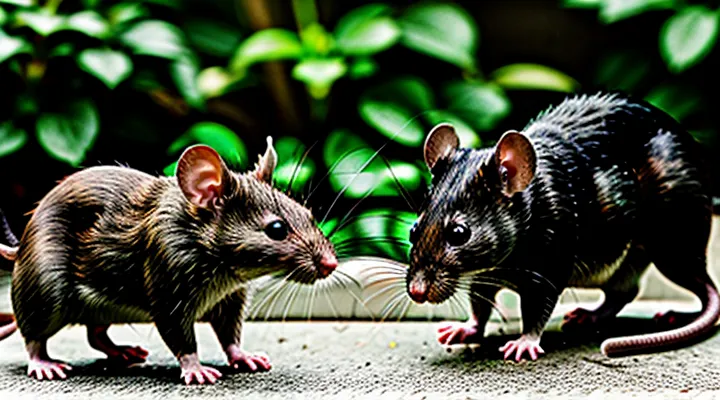
Understanding Rodent Infestations
Identifying Rat and Mouse Activity
Signs of Presence
Detecting rodent activity is the first practical step in any effective control program. Accurate identification of presence signs allows targeted intervention, reduces unnecessary treatments, and prevents population expansion.
- Fresh droppings, typically 0.5–0.7 cm long, darkened at the tip, indicate recent feeding.
- Gnaw marks on wood, plastic, or wires reveal chewing behavior; parallel cuts suggest larger individuals.
- Damaged food packages, crumb piles, or shredded insulation point to foraging.
- Burrows or runways in soil, insulation, or stored materials show nesting sites.
- Visible urine stains, often yellowish and accompanied by a musky odor, confirm active use of pathways.
- Audible scratching or scurrying sounds, especially at night, signal movement within walls or ceilings.
- Direct sightings of live or dead rodents provide conclusive evidence.
Each indicator guides specific actions. Droppings and urine require sanitation before bait placement to avoid contamination. Gnaw marks on structural elements signal the need for sealing entry points. Burrows demand removal and habitat modification. Noise reports prioritize inspection of concealed spaces. Confirmed sightings validate the presence of a breeding population and justify the deployment of control devices.
Implementing a routine inspection schedule that records these signs ensures timely detection, facilitates evaluation of treatment efficacy, and supports long‑term suppression of rat and mouse infestations.
Common Hiding Spots
Identifying where rats and mice seek shelter is a prerequisite for any successful control program. Rodents exploit structural gaps, clutter, and moisture to establish concealed nests, making detection the first step in eradication.
- Void spaces behind appliances, under sinks, and within wall cavities
- Insulated attics and ceiling joist gaps
- Crawl spaces with limited airflow
- Basements containing stored boxes, laundry piles, or unused furniture
- Outdoor debris piles, woodpiles, compost bins, and dense vegetation near foundations
- Sewer and drainage pipes that connect interior rooms to external sewers
- Garage corners with stacked items, especially cardboard or fabric
Regular inspection of these locations, combined with sealing of entry points and removal of food sources, reduces habitat suitability and forces rodents into traps or bait stations. Continuous monitoring ensures that newly created hiding spots are promptly addressed, maintaining long‑term effectiveness of the control strategy.
Rodent Biology and Behavior
Species Identification
Accurate species identification is a prerequisite for any effective rodent management program. Knowing whether the target is a Norway rat, roof rat, house mouse, or field mouse determines the choice of control tools, placement strategies, and regulatory compliance.
Identification techniques include:
- Morphological examination: body size, tail length, ear shape, and fur coloration distinguish common species. Live capture allows direct observation; photographic records support later analysis.
- Genetic analysis: tissue swabs or fecal samples processed with PCR provide definitive species confirmation, especially when morphological traits overlap.
- Behavioral assessment: activity patterns, nesting preferences, and foraging habits reveal species-specific tendencies that aid field identification.
Correct species determination guides the selection of bait formulations, trap types, and deployment timing. For example, Norway rats require larger, heavy‑duty traps and anticoagulant baits formulated for higher body mass, whereas house mice respond to snap traps and low‑dose baits. Misidentification can lead to ineffective treatment, wasted resources, and non‑target impacts.
Field personnel should follow a systematic protocol:
- Conduct preliminary visual surveys to note habitat characteristics.
- Capture representative specimens using a variety of trap designs.
- Record morphological data and, when possible, collect tissue for laboratory confirmation.
- Cross‑reference findings with regional species distribution maps.
- Adjust control tactics based on the confirmed species profile before implementing large‑scale interventions.
Reproductive Cycles
Rats and mice exhibit rapid reproductive cycles that directly influence population dynamics and the effectiveness of control measures. Females reach sexual maturity at 5–6 weeks, experience a 4‑day estrous cycle, and can produce up to 10 litters per year, each containing 5–12 pups. Males become sexually active at a similar age and can mate continuously once mature. These traits enable exponential growth when resources are abundant, demanding timely interventions.
Control strategies must account for the following reproductive parameters:
- Age of sexual maturity – Targeting individuals before 5 weeks prevents the first breeding event.
- Estrous frequency – Monitoring the 4‑day cycle allows synchronization of bait distribution with peak fertility periods for maximum impact.
- Litter size and frequency – Reducing adult density lowers the number of breeding pairs, consequently decreasing the total offspring produced annually.
- Gestation length (≈21 days) – Rapid turnover means that a delay of a few weeks in treatment can result in a new generation, emphasizing the need for continuous application.
Effective management combines habitat modification, exclusion, and chemical or biological agents applied in cycles that intersect with peak reproductive activity. By aligning control actions with the known timing of sexual maturation and estrous phases, practitioners can suppress population growth more reliably than with indiscriminate, static approaches.
Feeding Habits and Preferences
Rats and mice are opportunistic omnivores that adapt their diet to the availability of resources in human‑occupied environments. They consume grains, seeds, fruits, nuts, insects, carrion, and processed foods, showing a marked preference for high‑energy items such as cereals, sweets, and fatty residues. Moisture‑rich substances increase palatability, while dry, low‑fat foods are less attractive. Seasonal shifts occur: grain consumption peaks during harvest, whereas protein‑rich insects become more important in warmer months.
Understanding these dietary patterns is essential for effective rodent management. Control strategies incorporate the following considerations:
- Bait composition – Formulations should contain carbohydrates or fats at concentrations that match natural preferences; protein and vitamin supplements enhance acceptance.
- Attractant selection – Natural odors (e.g., peanut butter, cheese, fish) or synthetic pheromones increase initial contact, especially when paired with pre‑baiting periods.
- Placement timing – Deploy baits during nocturnal activity peaks (typically 1900–0300 h) to align with foraging behavior.
- Environmental sanitation – Remove food sources that compete with bait, such as spilled grain or uncovered trash, to reduce bait avoidance.
- Seasonal adjustment – Increase bait density in autumn when rodents store food, and incorporate protein‑rich attractants in summer to counter insect availability.
Accurate knowledge of feeding habits enables targeted bait deployment, minimizes non‑target exposure, and improves overall suppression outcomes.
Integrated Pest Management (IPM) for Rodents
Inspection and Assessment
Site Evaluation
Effective rodent management begins with a thorough assessment of the environment where activity is expected. The evaluation process gathers data that informs all subsequent actions, from sanitation improvements to placement of traps and baits.
First, delineate the boundaries of the property and identify all structures, storage areas, and utility spaces. Record dimensions, construction materials, and points of access such as doors, windows, vents, and utility penetrations. Mapping these elements creates a visual reference for locating potential entry routes and harborage zones.
Second, conduct a systematic inspection for signs of rodent presence. Look for droppings, gnaw marks, urine stains, grease tracks, and nesting material. Document the location, quantity, and condition of each indicator. Prioritize findings that suggest active populations over historical evidence.
Third, evaluate environmental conditions that support infestation. Measure factors such as:
- Food availability: storage practices, waste management, spillage frequency.
- Water sources: leaky pipes, standing water, condensation.
- Shelter: clutter, debris, overgrown vegetation, structural gaps larger than ¼ inch.
Assessing these variables determines the attractiveness of the site and highlights areas requiring immediate remediation.
Fourth, review past control efforts. Compile records of previous bait placements, trap deployments, and chemical applications, noting product types, concentrations, and dates of use. Identify patterns of resistance or non‑target impacts that may affect future choices.
Finally, synthesize the collected information into a site‑specific action plan. The plan should specify:
- Structural repairs to eliminate ingress points.
- Sanitation measures to reduce food and water access.
- Targeted placement of monitoring devices to confirm activity levels.
- Timeline for implementation and follow‑up inspections.
A documented evaluation provides a baseline for measuring effectiveness, guides resource allocation, and ensures that control measures address the unique characteristics of each location.
Mapping Infestation Areas
Mapping infestation areas provides the spatial foundation for any rat and mouse control program. Accurate maps identify where populations concentrate, reveal pathways of movement, and guide allocation of resources.
Data acquisition relies on systematic observation and trapping. Field personnel record:
- Direct sightings of rodents, droppings, gnaw marks, and burrows.
- Capture locations from snap traps, live traps, or electronic devices.
- Activity indicators such as tracking powder prints or infrared camera detections.
- Environmental variables that influence habitat suitability, including moisture levels, food sources, and structural gaps.
Collected points are entered into geographic information system (GIS) software. The program generates heat‑map layers that illustrate density gradients and connectivity corridors. Overlaying utility schematics, building plans, and waste‑handling zones highlights intersections where control measures will be most effective.
Prioritization follows the mapped risk hierarchy. Zones with the highest density and proximity to critical infrastructure receive immediate treatment, while lower‑risk areas are scheduled for monitoring and preventive actions. Continuous updating of the map after each intervention ensures that the control strategy adapts to shifting infestation patterns.
Risk Assessment
Risk assessment forms the foundation of any systematic rodent‑control program. It identifies hazards, evaluates exposure, and determines the probability of adverse outcomes for humans, non‑target species, and the environment.
The assessment proceeds through distinct phases:
- Site inventory – record building layout, occupancy patterns, food storage locations, waste handling practices, and existing structural deficiencies.
- Population analysis – estimate rodent density, species composition, breeding cycles, and activity zones using trap counts, visual inspections, and droppings surveys.
- Hazard identification – list chemical, mechanical, and biological control agents; note toxicity classifications, application methods, and potential residues.
- Exposure evaluation – quantify contact routes for occupants, pets, and wildlife; consider frequency, duration, and concentration of agents.
- Risk calculation – combine hazard severity with exposure likelihood to generate risk scores; prioritize high‑risk items for immediate mitigation.
- Mitigation planning – select control measures that reduce risk to acceptable levels while maintaining efficacy; include engineering controls, sanitation improvements, and targeted baiting.
- Documentation and review – compile findings in a risk register; schedule periodic reassessment to capture changes in occupancy, infestation levels, or regulatory requirements.
Effective risk assessment demands accurate data collection, objective scoring criteria, and alignment with local health and environmental regulations. Continuous monitoring validates that implemented controls sustain reduced risk throughout the program’s lifespan.
Non-Chemical Control Methods
Sanitation and Exclusion
Effective rodent management relies heavily on sanitation and exclusion. Eliminating food, water, and shelter sources deprives rats and mice of the conditions needed for survival and reproduction. Regular removal of spilled grain, discarded packaging, and standing water reduces attractants. Waste containers must be sealed with tight‑fitting lids and positioned away from building walls.
Exclusion prevents entry into structures. Identify potential ingress points such as gaps around pipes, vents, doors, and foundation cracks. Seal openings with steel wool, cement, or metal flashing; use weather‑stripping on doors and windows. Install door sweeps on exterior doors and repair damaged screens. Maintain a clear perimeter by trimming vegetation, removing debris piles, and keeping stored items off the ground.
Key actions for sanitation and exclusion:
- Conduct weekly inspections of interior and exterior areas for food residues and structural breaches.
- Clean food preparation zones with detergent and hot water; disinfect surfaces after each use.
- Store dry goods in metal or heavy‑wall containers; rotate stock to avoid prolonged exposure.
- Repair or replace damaged roofing, siding, and foundation elements promptly.
- Apply a perimeter barrier of concrete or metal flashing where utilities penetrate walls.
Consistent implementation of these measures creates an environment where rodents cannot locate sustenance or access points, thereby reducing population pressure and supporting broader control efforts.
Sealing Entry Points
Sealing entry points is a fundamental component of any rodent‑control strategy. The process begins with a thorough inspection of the building envelope. Inspectors should examine the exterior for gaps around doors, windows, utility penetrations, vents, and foundation cracks. Inside, pay attention to gaps around pipe sleeves, recessed lighting, and cabinetry.
Identify all openings that are larger than ¼ inch (6 mm), because rodents can squeeze through spaces considerably smaller than their body size. Record each location and prioritize based on proximity to food sources and nesting sites.
Implement the following actions to eliminate access:
- Apply steel wool or copper mesh to fill small holes before applying sealant; rodents cannot gnaw through metal.
- Use high‑quality silicone or polyurethane caulk to seal cracks and gaps around windows, doors, and baseboards.
- Install metal flashing or rigid metal plates over larger openings, such as gaps around vent pipes or utility conduits.
- Replace damaged weatherstripping on doors and windows with durable, compression‑type seals.
- Secure door sweeps to the bottom of exterior doors, ensuring a tight fit against the threshold.
- Cover vent openings with hardware cloth (minimum ¼‑inch mesh) and secure with appropriate fasteners.
- Repair or replace deteriorated foundation slabs, using concrete or cementitious sealants to fill voids.
After sealing, conduct a follow‑up inspection to verify the integrity of all repairs. Maintain a schedule for periodic checks, especially after seasonal weather changes that can create new gaps. Continuous monitoring and prompt repair of any reappearing openings sustain the effectiveness of the overall rodent management program.
Food Storage Practices
Effective food storage is a cornerstone of any rat and mouse management program. Secure containers eliminate access points, reducing the likelihood that rodents will locate and consume supplies. Use airtight, heavy‑gauge plastic or metal bins equipped with sealed lids; avoid cardboard boxes or loosely fitting containers.
Maintain a strict rotation schedule. Place newer items behind older ones and label each batch with receipt dates. Regularly inspect storage areas for signs of gnawing, droppings, or nesting material. Promptly discard compromised goods and replace damaged containers.
Control the environment surrounding storage zones. Keep floors, shelves, and walls free of debris, spills, and food residues. Install shelving that lifts items off the ground by at least six inches, creating a barrier that discourages climbing. Position storage units away from exterior walls and utility lines to prevent rodents from using structural gaps for entry.
Key practices for rodent‑resistant food storage:
- Seal all entry points with steel wool, caulk, or metal flashing.
- Implement a daily cleaning routine that removes crumbs and spills.
- Conduct weekly visual inspections for damage or contamination.
- Store dry goods separately from moist or high‑protein items that attract pests.
- Employ pest‑monitoring devices near storage locations to detect early activity.
Adhering to these measures minimizes food availability for rats and mice, thereby supporting broader pest control objectives.
Waste Management
Effective rodent control relies on eliminating food sources and shelter, making waste management a central component of any comprehensive strategy. Proper handling of refuse reduces the attractiveness of an environment to rats and mice and limits opportunities for population growth.
Source reduction minimizes the volume of waste that can be accessed by rodents. Practices include:
- Removing excess packaging and food scraps before they accumulate.
- Implementing strict policies on the disposal of organic matter, such as meat trimmings and spoiled produce.
- Encouraging personnel to dispose of waste immediately rather than storing it for later removal.
Secure storage prevents scavenging. Recommendations are:
- Use metal or heavy‑duty plastic containers with tight‑fitting lids.
- Position containers away from walls and corners to avoid rodent nesting.
- Elevate bins on platforms or pallets to impede direct contact with the ground.
Timely collection and disposal limit the period waste remains exposed. Effective procedures consist of:
- Scheduling daily removal for high‑risk areas, such as kitchens and dining facilities.
- Employing sealed transport vehicles to avoid spillage during transit.
- Disposing of waste at facilities equipped with pest‑proof containment systems.
Regular inspection and maintenance sustain the integrity of waste management systems. Actions include:
- Conducting weekly checks for damaged lids, cracks, or signs of gnawing.
- Cleaning container interiors to remove residual food particles.
- Rotating storage locations to disrupt rodent pathways and prevent habituation.
Integrating these waste‑handling measures with other control tactics—such as exclusion, sanitation, and population reduction—creates a robust framework for managing rat and mouse infestations.
Trapping Techniques
Effective rodent control relies on precise trapping methods that target population hotspots and minimize non‑target capture. Snap traps deliver rapid kill through calibrated spring tension; they are best positioned perpendicular to walls where rodents travel, with bait such as peanut butter or dried fruit placed at the trigger end. Live‑catch traps provide humane removal; they require frequent inspection, secure containment, and immediate relocation of captured animals to prevent stress and disease spread. Electronic traps employ high‑voltage pulses to induce instant death, offering reusable devices that reduce labor and consumable costs. Glue boards function as passive capture tools, suitable for monitoring low‑level activity, but demand careful placement to avoid accidental capture of pets or wildlife.
Key considerations for trap deployment include:
- Location selection – Identify runways, burrow entrances, and food sources; place traps along these paths at a distance of 2–3 inches from the wall.
- Bait optimization – Match bait type to local rodent preferences; rotate bait weekly to prevent habituation.
- Density and spacing – Install traps at intervals of 10–15 feet in high‑infestation zones; increase density to one trap per 5 feet where activity is intense.
- Monitoring schedule – Check traps at least once daily; record catch numbers, trap condition, and any non‑target captures.
- Safety protocols – Wear gloves when handling traps; secure devices away from children and domestic animals; disinfect surfaces after each removal.
Maintenance procedures ensure sustained efficacy: replace spring mechanisms or batteries as needed, clean trigger mechanisms to prevent fouling, and discard glue boards after a single use. Integration of trapping with sanitation, structural repairs, and exclusion measures completes a comprehensive rodent management program.
Live Traps
Live traps constitute a practical element of rodent-management strategies. They capture rats and mice without lethal force, allowing relocation or humane euthanasia in accordance with local regulations.
Key considerations for effective use of live traps include:
- Trap selection – Choose models sized for target species; larger traps for rats, smaller for mice. Ensure mechanisms close securely and release doors function reliably.
- Placement – Position traps along walls, near burrows, or in areas showing gnaw marks. Align entry holes with natural travel routes to increase capture probability.
- Baiting – Apply attractive foods such as peanut butter, dried fruit, or fish oil on the trigger plate. Refresh bait regularly to maintain potency.
- Monitoring – Inspect traps at least once daily. Prompt removal of captured rodents prevents stress, injury, or trap avoidance.
- Release or disposal – Relocate captured animals at a distance of at least 2 miles from the original site, following legal guidelines. If euthanasia is required, employ approved humane methods.
Proper sanitation—cleaning traps with detergent and disinfectant after each use—prevents disease transmission and preserves trap performance. Integrating live traps with exclusion measures and sanitation enhances overall control efficacy.
Snap Traps
Snap traps represent a fundamental component of rodent control programs. Their design relies on a spring‑loaded bar that delivers an instantaneous, lethal strike to the animal’s neck or spine, minimizing suffering and preventing escape. Proper implementation maximizes efficacy and reduces risk to non‑target species.
Key considerations for effective use include:
- Selection of size and strength – Large‑gauge traps handle adult rats; lighter models suit mice. Choose traps with a trigger sensitivity calibrated to the target species.
- Bait choice – High‑fat, protein‑rich foods such as peanut butter, bacon, or dried fruit attract both rats and mice. Apply a pea‑sized amount directly to the trigger plate to ensure contact.
- Placement strategy – Position traps along established runways, near walls, behind appliances, and in concealed locations. Align the trigger plate perpendicular to the anticipated travel path.
- Safety measures – Wear thick gloves when setting traps to avoid accidental discharge. Keep traps out of reach of children and pets; consider tamper‑resistant models in residential settings.
- Monitoring and disposal – Check traps daily. Remove dead rodents promptly, seal in a disposable bag, and discard according to local regulations. Reset or replace traps as needed to maintain continuous pressure on the population.
When integrated with complementary tactics—such as exclusion sealing, sanitation improvements, and habitat modification—snap traps contribute to a rapid reduction in rodent activity. Their low cost, simplicity of use, and proven lethality make them an indispensable tool for professionals and homeowners alike.
Glue Boards
Glue boards constitute a passive trapping technique employed in rodent management programs. The boards consist of a rigid substrate coated with a high‑strength adhesive that immobilizes rats and mice upon contact. Placement follows a systematic assessment of rodent activity patterns; boards are positioned along walls, behind appliances, in concealed pathways, and near food sources where gnaw marks or droppings indicate traffic.
Key operational considerations include:
- Location selection – target areas with confirmed signs of infestation; avoid zones frequented by non‑target wildlife or children.
- Board density – distribute boards at intervals of 5–10 ft in high‑traffic corridors; increase density in severe infestations.
- Monitoring frequency – inspect boards daily; remove captured rodents promptly to prevent decomposition and secondary contamination.
- Adhesive durability – replace boards when adhesive loses tackiness due to dust, moisture, or temperature fluctuations.
Advantages:
- Immediate immobilization eliminates escape risk.
- No chemical exposure reduces risk to humans and domestic animals.
- Simple deployment requires minimal training.
Disadvantages:
- Non‑selective capture may affect non‑target species.
- Captured rodents remain alive, raising animal‑welfare concerns.
- Adhesive residue can damage flooring or furnishings if boards are misplaced.
Integration with broader control strategies involves using glue boards as a detection tool to confirm presence and gauge population levels, while complementary measures—such as exclusion, sanitation, and baiting—address source reduction and long‑term suppression. Proper disposal follows local regulations, typically by sealing boards in plastic bags before landfill or incineration.
Chemical Control Methods
Rodenticides
Rodenticides are chemical agents formulated to eliminate rats and mice by interfering with physiological processes. Primary categories include:
- Anticoagulants (first‑generation: warfarin, diphacinone; second‑generation: brodifacoum, bromadiolone) that disrupt blood clotting.
- Non‑anticoagulants such as bromethalin, which uncouples mitochondrial oxidative phosphorylation, and cholecalciferol, which induces hypercalcemia.
- Metal phosphides (zinc phosphide) that release phosphine gas upon ingestion.
- Acute toxins (strychnine, zinc phosphide dust) intended for rapid mortality.
Selection of a rodenticide depends on target species, habitat, known resistance patterns, and risk to non‑target organisms. Criteria for appropriate choice are:
- Efficacy against the specific rodent population.
- Compatibility with the environment (indoor, outdoor, sewer, agricultural).
- Toxicity profile relative to pets, wildlife, and humans.
- Legal status and compliance with local pesticide regulations.
Application methods align with the selected product and site conditions. Common techniques include:
- Bait stations that protect the formulation from weather and restrict access to authorized species.
- Broadcast placement of granular or pelleted bait on runways and foraging zones.
- Direct placement of block baits in concealed locations.
- Trunk injection or aerial dispersal for large‑scale agricultural fields, where permitted.
Safety protocols require personal protective equipment during handling, strict adherence to label instructions, and proper disposal of unused material. Regulatory frameworks mandate record‑keeping of product type, quantity, and application dates to facilitate traceability and post‑application assessment.
Effective rodent control programs incorporate ongoing monitoring to detect bait acceptance, population decline, and emerging resistance. Rotation among different active ingredients, combined with sanitation and exclusion measures, sustains long‑term efficacy and minimizes the likelihood of resistant rodent strains.
Types of Rodenticides
Rodenticides constitute the chemical component of pest control strategies for rats and mice, providing rapid population reduction when non‑chemical measures are insufficient. Their effectiveness depends on accurate selection according to target species, environment, and regulatory constraints.
Common categories include:
- Anticoagulants – inhibit vitamin K recycling, causing fatal internal bleeding. Subdivided into first‑generation (warfarin, chlorophacinone) with shorter persistence and second‑generation (bromadiolone, difenacoum) offering higher potency and longer residual activity.
- Metal phosphides – release phosphine gas in acidic stomach conditions, producing cellular toxicity. Sodium phosphide and zinc phosphide are typical formulations, primarily used in outdoor or agricultural settings.
- Neurotoxins – disturb nerve transmission, leading to paralysis and death. Bromethalin interferes with mitochondrial function; strychnine acts as a glycine receptor antagonist. Application is limited to enclosed areas due to high toxicity to non‑target organisms.
- Cholecalciferol (Vitamin D3) – induces hypercalcemia, disrupting cardiac and renal function. Effective against resistant populations, but requires careful dosing to avoid secondary poisoning.
- Bromadiolone‑based bait blocks – combine anticoagulant action with attractants, facilitating ingestion by wary rodents.
Selection criteria focus on:
- Target species behavior – nocturnal versus diurnal activity influences bait placement and formulation choice.
- Environmental exposure – indoor use favors low‑residue anticoagulants; outdoor applications may permit metal phosphides.
- Resistance status – documented anticoagulant resistance necessitates alternative classes such as cholecalciferol or bromethalin.
- Regulatory limits – maximum allowable concentrations and required labeling govern product availability in specific jurisdictions.
- Non‑target risk – secondary poisoning potential dictates the need for tamper‑resistant bait stations and restricted access.
Proper deployment includes calibrated bait density, regular monitoring of capture rates, and integration with sanitation and exclusion measures. Documentation of application sites and adherence to safety protocols ensure compliance and mitigate ecological impact.
Application Methods
Effective control of rats and mice depends on selecting appropriate application methods that match the target species, environment, and regulatory constraints.
Bait delivery systems include:
- Pre‑bated stations with tamper‑resistant containers, placed along established runways and near food sources.
- Granular baits scattered in shallow trays for outdoor infestations, ensuring coverage of foraging zones while minimizing non‑target exposure.
Trap deployment strategies involve:
- Snap traps positioned perpendicular to walls at a 45‑degree angle, with trigger plates aligned to the animal’s natural movement path.
- Live‑catch traps set in concealed locations, monitored daily to prevent prolonged suffering and to allow immediate removal.
Rodenticide application requires:
- Precise calculation of active ingredient dosage based on species weight range, followed by placement in sealed bait stations.
- Integration of anticoagulant or non‑anticoagulant formulations according to resistance patterns identified in the population.
Biological methods consist of:
- Introduction of predatory species, such as barn owls or feral cats, in settings where they can naturally suppress rodent numbers without disrupting ecological balance.
- Use of rodent‑specific pathogens under strict veterinary supervision, applied only where legal and ethically permissible.
Electronic control includes:
- Ultrasonic emitters installed in interior spaces, calibrated to frequencies that deter rodent activity without affecting humans or pets.
- Electrocution devices placed within concealed tunnels, delivering instantaneous lethal voltage upon contact.
Habitat modification complements all other methods by eliminating shelter and food availability:
- Sealing entry points with steel wool and cement, removing clutter that provides nesting sites, and maintaining rigorous sanitation to discourage foraging.
Implementing these application methods in a coordinated program, with regular monitoring and documentation, yields reliable reduction of rat and mouse populations while complying with health and safety standards.
Safety Precautions for Use
Effective rodent management requires strict adherence to safety protocols to protect personnel, non‑target species, and the environment.
- Conduct a risk assessment before any intervention; identify hazardous agents, exposure routes, and vulnerable individuals.
- Use personal protective equipment (PPE) appropriate to the method: gloves resistant to chemicals, eye protection, respiratory masks for aerosolized baits, and protective clothing to prevent skin contact.
- Follow manufacturer’s instructions for all chemical formulations; measure doses accurately, avoid mixing incompatible products, and store containers in locked, ventilated areas.
- Apply baits or traps only in designated zones; seal entry points to prevent accidental ingestion by children, pets, or wildlife.
- Maintain clear labeling on all containers, including active ingredient, concentration, expiration date, and hazard warnings.
- Implement proper ventilation when using fumigants or aerosols; monitor air quality with calibrated detectors and evacuate the area if threshold levels are exceeded.
- Dispose of used baits, dead rodents, and contaminated materials according to local hazardous waste regulations; avoid placing waste in regular trash streams.
- Provide training for all staff members on safe handling, emergency response, and decontamination procedures; conduct refresher sessions periodically.
- Keep an up‑to‑date safety data sheet (SDS) accessible at the worksite; review it before each operation.
Document all safety measures in a written protocol, review the record after each campaign, and adjust practices based on observed outcomes and regulatory updates.
Fumigation
Fumigation delivers a concentrated gas that penetrates burrows, nests, and concealed spaces where rats and mice hide. The method relies on volatile chemicals that act as respiratory toxins, disrupting the central nervous system of the target species.
Typical fumigants include phosphine, carbonyl sulfide, and hydrogen cyanide. Phosphine, generated from aluminum phosphide tablets, releases gas upon contact with moisture. Carbonyl sulfide, applied as a liquid, vaporizes at ambient temperature. Hydrogen cyanide, often used in sealed chambers, requires strict ventilation controls.
Effective fumigation follows a defined sequence:
- Site assessment – Identify structural gaps, ventilation patterns, and infestation hotspots.
- Sealant installation – Close doors, windows, and cracks to maintain gas concentration.
- Fumigant placement – Distribute tablets, pellets, or liquid sources uniformly across the area.
- Exposure period – Maintain gas levels for the manufacturer‑specified duration, typically 24–72 hours, to ensure complete mortality.
- Aeration and clearance – Ventilate the space with fresh air and confirm gas concentrations fall below occupational safety limits before reentry.
Safety protocols are mandatory. Personnel must wear chemically resistant clothing, respirators, and gloves. Continuous monitoring with gas detection devices prevents accidental overexposure. Regulatory compliance requires documentation of product usage, exposure times, and post‑treatment verification.
Limitations of fumigation include incompatibility with occupied dwellings, potential damage to sensitive equipment, and the need for thorough sealing to avoid gas loss. Integration with complementary tactics—such as exclusion, trapping, and sanitation—enhances overall control efficacy and reduces the likelihood of reinfestation.
When to Consider Fumigation
Fumigation should be considered when rodent activity exceeds the capacity of mechanical traps, baits, or exclusion measures to achieve acceptable control levels. Indicators include:
- Persistent droppings, gnaw marks, or urine stains in multiple locations despite regular sanitation and bait placement.
- Evidence of structural damage such as compromised insulation, wiring, or building materials that poses fire or safety hazards.
- Detection of pathogens or allergens associated with rodent waste that threaten human health, especially in food‑handling or medical environments.
- Regulatory requirements mandating a certified eradication process after a specified infestation density is confirmed by inspection.
- Failure of integrated pest management (IPM) steps over a defined period, typically 4–6 weeks, with no measurable reduction in activity.
Fumigation is also appropriate in sealed environments where conventional methods cannot reach concealed spaces, such as crawl spaces, attics, or storage units with dense inventory. Prior to application, a professional must verify that all non‑target species are protected, ventilation systems are shut down, and occupants are evacuated in accordance with safety standards. The decision rests on documented evidence of uncontrolled rodent presence, risk assessment outcomes, and compliance with local health and safety regulations.
Professional Application
Professional practitioners implement a structured approach to rodent management that combines assessment, prevention, active control, and ongoing evaluation. The process begins with a thorough site inspection to identify species, population density, harborages, and food sources. Data collected during this phase informs the selection of control tactics and the allocation of resources.
Key components of the professional application include:
- Sanitation and exclusion: Eliminate accessible food, water, and shelter; seal entry points using durable materials; maintain waste containers with tight‑fitting lids.
- Monitoring: Deploy bait stations, snap traps, or electronic sensors at strategic locations; record capture rates and activity patterns on a regular schedule.
- Control measures: Apply integrated methods such as:
- Mechanical devices (snap traps, electronic traps) for immediate reduction.
- Anticoagulant baits placed in tamper‑resistant stations, calibrated to local regulations.
- Rodenticides with targeted delivery systems to minimize non‑target exposure.
- Documentation: Keep detailed logs of inspections, interventions, product usage, and outcomes; ensure records meet regulatory requirements.
- Training and safety: Provide certified personnel with instruction on proper handling of chemicals, equipment maintenance, and personal protective equipment.
- Regulatory compliance: Adhere to local, state, and federal guidelines governing pesticide application, waste disposal, and occupational health.
Effectiveness is measured by comparing pre‑intervention baseline data with post‑intervention results, adjusting tactics as needed to achieve sustained population suppression. Continuous improvement relies on periodic reviews of performance metrics and incorporation of emerging technologies, such as digital tracking platforms and environmentally benign control agents.
Monitoring and Follow-Up
Post-Treatment Inspection
Post‑treatment inspection confirms that a rodent‑control operation achieved its objectives and that no residual activity threatens the premises. Inspectors verify bait consumption, trap placement, and environmental conditions before declaring a site safe.
Key elements of the inspection:
- Visual survey of all bait stations and traps for damage, tampering, or depletion.
- Collection of discarded bait, carcasses, or droppings for laboratory analysis to assess mortality rates.
- Measurement of rodent activity indicators (e.g., gnaw marks, runways) to detect ongoing presence.
- Review of treatment records against pre‑defined performance thresholds (typically ≥90 % bait uptake or ≥80 % trap catch).
Documentation must include date, inspector name, locations inspected, findings, and corrective actions. Photographs and laboratory results are attached to the report for verification.
If inspection reveals deficiencies, immediate remedial actions—additional bait placement, trap repositioning, or repeat application—are mandated. Completion of corrective steps triggers a follow‑up inspection within 48 hours to ensure compliance before final clearance is issued.
Ongoing Surveillance
Ongoing surveillance is the continuous observation and documentation of rodent activity that informs every phase of a rat‑and‑mouse management program. Field staff place monitoring devices—such as snap traps, live‑capture cages, and electronic sensors—in strategic locations and record capture rates, movement patterns, and signs of infestation on a daily schedule. Data are entered into a centralized database, allowing real‑time mapping of population hotspots and trend analysis.
Key elements of the surveillance process include:
- Device deployment – selection of trap type, density, and placement based on building layout and previous findings.
- Capture verification – immediate inspection of traps, identification of species, and measurement of age and health status.
- Data logging – standardized entry of capture numbers, location coordinates, and environmental conditions.
- Trend analysis – weekly statistical review to detect increases, seasonal shifts, or the effectiveness of recent interventions.
- Reporting – concise summaries delivered to management and pest‑control technicians, outlining actionable insights.
The information gathered drives targeted baiting, exclusion upgrades, and sanitation improvements. When surveillance indicates a decline in captures, the program scales back interventions to conserve resources; a rise triggers intensified control measures and possible re‑evaluation of device placement. Continuous feedback loops ensure that the overall strategy remains adaptive, evidence‑based, and cost‑effective.
Documentation and Reporting
Effective rodent management depends on systematic documentation and clear reporting. Accurate records capture every action taken, enabling verification of compliance, assessment of program efficacy, and informed decision‑making.
Key elements of documentation include:
- Site identification: location, building description, and entry points.
- Baseline assessment: species detected, population estimate, activity signs.
- Intervention details: control methods employed, chemicals or devices used, dates, personnel responsible.
- Monitoring results: trap counts, sightings, damage assessments, follow‑up inspections.
- Environmental conditions: weather, sanitation changes, structural modifications.
Reports translate raw data into actionable information for stakeholders. A standard report comprises:
- Executive summary presenting findings and recommendations.
- Detailed methodology outlining inspection and control procedures.
- Data tables summarizing trap success, infestation trends, and chemical usage.
- Compliance section confirming adherence to regulatory limits and industry standards.
- Recommendations for preventive measures, schedule adjustments, and resource allocation.
Consistent documentation supports legal defensibility, facilitates audit trails, and provides a basis for performance metrics. Regular analysis of recorded data highlights recurring problem areas, validates control strategies, and justifies budgetary decisions.
Prevention and Long-Term Management
Implementing Exclusion Strategies
Building Maintenance
Effective rodent control in facilities depends on disciplined building maintenance. Regular inspection of the exterior and interior identifies cracks, gaps, and utility penetrations that serve as entry points. Seal openings with steel wool, cement, or metal flashing; replace deteriorated weather stripping on doors and windows. Maintain roof integrity by repairing damaged shingles, flashing, and soffits to prevent roof‑to‑eave access.
Sanitation procedures limit food and water sources. Store waste in sealed containers, remove garbage daily, and clean spillages promptly. Install and service floor drains to ensure continuous flow, eliminating stagnant water that attracts rodents. Keep storage areas organized; elevate pallets and keep aisles clear to allow unobstructed inspection and trap placement.
Structural components require routine upkeep. Repair damaged flooring, wall panels, and ceiling tiles that create hiding spaces. Inspect and maintain insulation, especially in crawl spaces and attics, to prevent nesting material accumulation. Conduct periodic pest‑monitoring sweeps with sticky boards or motion‑activated devices, recording findings to guide targeted interventions.
Documentation supports consistency. Log inspection dates, repair actions, and pest‑monitoring results. Review records quarterly to assess trends and adjust maintenance schedules. Integrating these practices into a preventive maintenance program creates an environment hostile to rats and mice, reducing reliance on reactive chemical treatments.
Landscape Management
Effective rodent suppression begins with manipulating the surrounding environment. Landscape management reduces shelter, food, and movement pathways for rats and mice, thereby lowering population pressure.
Modifying terrain eliminates burrowing sites. Grading slopes to a minimum of six percent prevents water accumulation and soft soil that rodents exploit. Installing hardscape barriers—concrete curbs, metal edging, or rock walls—creates physical limits that deter entry into cultivated areas.
Vegetation control limits cover and foraging opportunities. Regular mowing maintains grass height below three inches. Pruning shrubs to an open canopy reduces nesting density. Removing fruit‑bearing trees from the immediate perimeter eliminates a primary food source.
Practical measures include:
- Collecting fallen leaves, twigs, and compost piles; storing waste in sealed containers.
- Applying mulch sparingly; opting for coarse, inorganic materials that discourage digging.
- Installing drainage to keep soil dry and compact.
- Using low‑growth ground cover plants that lack dense foliage.
- Maintaining clear zones of at least ten feet between structures and vegetation.
Continuous observation verifies the effectiveness of these actions. Monitoring trap counts, gnaw marks, and droppings identifies hotspots that require additional treatment. Integrating habitat alteration with targeted baiting or trapping produces a comprehensive strategy for rat and mouse control.
Maintaining Sanitation Standards
Regular Cleaning Protocols
Effective rodent control relies heavily on disciplined sanitation practices. Regular cleaning eliminates food residues, water sources, and shelter that attract rats and mice, thereby reducing population pressure.
A systematic cleaning routine should include:
- Daily removal of spilled food and liquids from floors, counters, and equipment.
- Weekly thorough washing of storage areas, using hot water and approved detergents.
- Bi‑weekly disinfection of waste containers, lids, and surrounding surfaces.
- Monthly inspection and cleaning of ventilation ducts, crawl spaces, and hidden corners where debris can accumulate.
- Immediate disposal of garbage in sealed, rodent‑proof containers; empty containers at least once every 24 hours.
Additional measures reinforce the protocol:
- Store dry goods in airtight containers made of metal or heavy‑wall plastic.
- Keep aisles and workspaces free of cardboard, paper, and other clutter that can serve as nesting material.
- Maintain a schedule for pest‑inspection checks, documenting any signs of activity and corrective actions taken.
Consistent adherence to these procedures limits the availability of sustenance and habitat, forming a core component of any comprehensive rodent management strategy.
Food Handling Guidelines
Effective rodent management begins with strict food handling protocols. Secure storage prevents access to grains, pet food, and processed items; containers must be sealed, metal or heavy‑duty plastic, and placed on elevated surfaces. Regular inspection of storage areas identifies spillage, moisture, or pest signs, prompting immediate remediation.
Sanitation procedures require daily cleaning of preparation surfaces, equipment, and floors. Residues must be removed with approved detergents, followed by rinsing and drying to eliminate moisture that attracts rodents. Waste receptacles should feature tight‑fitting lids, be positioned away from food zones, and emptied at least twice daily.
Feeding practices in laboratory or commercial settings demand controlled distribution. Feed should be dispensed in measured portions, avoiding excess that can fall to the floor. Any leftover feed must be collected promptly and disposed of in sealed containers.
A concise checklist supports compliance:
- Store all food items in sealed, rodent‑proof containers.
- Elevate storage units at least 12 inches above the floor.
- Conduct visual inspections of storage and preparation areas each shift.
- Clean surfaces with detergent, rinse, and dry after each use.
- Maintain waste bins with tight lids; empty them regularly.
- Dispense feed in measured amounts; collect leftovers immediately.
- Dispose of waste in sealed, puncture‑resistant bags.
Adherence to these guidelines reduces food availability for rats and mice, limiting population growth and facilitating broader pest‑control efforts.
Educating Stakeholders
Employee Training
Effective rodent‑control programs rely on personnel who understand the science and practical steps required to prevent infestations. Training equips staff with the knowledge to recognize signs of activity, apply preventive measures, and execute response protocols consistently.
Key components of an employee‑training curriculum include:
- Species identification and behavior patterns
- Facility sanitation standards that eliminate food and shelter sources
- Placement and maintenance of monitoring devices such as traps and bait stations
- Documentation procedures for sightings, trap checks, and corrective actions
- Safe handling of chemicals, personal‑protective equipment, and waste disposal
Implementation follows a structured sequence. First, a qualified instructor delivers classroom instruction covering theory and regulatory requirements. Second, hands‑on sessions allow employees to practice device placement, inspection, and data recording under supervision. Third, a competency assessment verifies that each participant can perform tasks without supervision. Training records are archived for compliance audits and future refresher planning.
Program effectiveness is measured through regular performance metrics: reduction in capture numbers, compliance rates with sanitation checks, and timeliness of incident reporting. Data trends trigger targeted refresher sessions or procedural revisions, ensuring the control methodology adapts to emerging challenges.
Community Awareness Programs
Community awareness programs form a vital element of any comprehensive rodent‑control strategy. They inform residents about risks associated with rats and mice, encourage behaviors that reduce food and shelter availability, and mobilize collective action to sustain environmental sanitation.
Effective programs typically include the following components:
- Educational workshops that describe rodent biology, disease transmission, and signs of infestation.
- Distribution of clear, illustrated pamphlets outlining preventive measures such as proper waste storage, sealing entry points, and regular cleaning of outdoor areas.
- Coordination with local authorities to schedule routine inspections and prompt removal of identified hazards.
- Use of local media and social platforms to broadcast alerts about outbreaks or targeted control operations.
- Incentive schemes rewarding neighborhoods that achieve measurable reductions in rodent activity.
Implementation proceeds through a structured sequence: assess community knowledge gaps, develop tailored messaging, deliver training sessions, monitor compliance, and evaluate outcomes through rodent‑trap counts or resident surveys. Continuous feedback loops allow adjustments to messaging and resource allocation, ensuring the program remains responsive to emerging challenges.
By fostering informed participation, community awareness initiatives reduce the likelihood of infestations, lower reliance on chemical interventions, and support long‑term public‑health protection.
Safety and Environmental Considerations
Protecting Non-Target Species
Bait Station Design
Bait stations must protect non‑target species while delivering a lethal dose to rodents. The enclosure should be constructed from durable, weather‑resistant material such as UV‑stabilized polycarbonate or metal, and feature a lockable access panel that can be opened only with a specialized tool. Internal dimensions need to accommodate the selected bait matrix and allow rodents to enter, feed, and exit without obstruction.
Key design elements include:
- Secure, tamper‑proof latch to prevent human and pet interference
- Ventilation slots sized to exclude larger wildlife but permit airflow
- Transparent or semi‑transparent observation window for bait level checks
- Interior surface treated to resist corrosion from moisture and urine
- Modular components that enable quick replacement of bait containers
Placement guidelines require stations to be installed along established rodent pathways, at least 12 inches above ground to avoid flooding, and spaced no more than 30 feet apart in high‑activity zones. Regular inspection cycles—weekly visual checks and monthly full‑service maintenance—ensure bait freshness, latch integrity, and compliance with local pest‑control regulations. Documentation of inspection dates, bait type, and quantity supports traceability and effectiveness analysis.
Integrated Approaches
Integrated approaches combine multiple tactics to achieve reliable reduction of rodent populations while minimizing environmental impact. Effective programs begin with thorough site assessment to identify entry points, food sources, and harborage areas. Data from traps, visual inspections, and activity monitors guide the selection and sequencing of interventions.
- Environmental modification: Seal structural gaps, eliminate standing water, and store waste in sealed containers to remove attractants and access routes.
- Mechanical control: Deploy snap traps, live‑capture devices, or electronic kill stations at identified activity zones; rotate trap types to prevent habituation.
- Biological control: Introduce predatory species such as barn owls or feral cats where appropriate, and apply rodent‑specific pathogens under regulatory oversight.
- Chemical control: Apply bait stations containing anticoagulant or non‑anticoagulant rodenticides according to label directions; position stations away from non‑target wildlife and children.
- Monitoring and evaluation: Record capture rates, bait consumption, and signs of activity weekly; adjust tactics based on trends to maintain pressure on the population.
Coordination among these elements prevents single‑method resistance, reduces reliance on chemicals, and sustains long‑term suppression. Documentation of actions, outcomes, and compliance with local regulations ensures accountability and facilitates continuous improvement.
Handling and Disposal of Rodenticides
Personal Protective Equipment
Effective rodent‑control programs require personnel to wear appropriate protective gear to prevent injury, disease transmission, and contamination. Personal protective equipment (PPE) creates a barrier between workers and hazards such as bites, allergens, toxins, and sharp objects encountered during trapping, baiting, and habitat modification.
Typical PPE for rat and mouse management includes:
- Disposable nitrile or latex gloves to shield hands from rodent urine, feces, and chemical baits.
- Protective eyewear or full‑face shields that block splashes and debris.
- N95 or higher‑efficiency respirators when handling dust‑laden bait or when working in confined spaces with aerosolized pathogens.
- Waterproof, puncture‑resistant coveralls or aprons that cover exposed skin and clothing.
- Steel‑toe boots or reinforced footwear to protect against stepping on concealed traps or sharp objects.
Selection criteria focus on hazard type, exposure duration, and regulatory compliance. Gloves must be chemically resistant to the specific rodenticide used. Respirators require fit‑testing and filter cartridges matched to the anticipated contaminants. Coveralls should be launderable or disposable, depending on the frequency of use and decontamination capabilities.
Maintenance procedures mandate regular inspection for tears, punctures, and compromised seals. Damaged items must be discarded or repaired before reuse. Respirators need filter replacement according to manufacturer specifications and exposure levels. After each operation, workers should remove PPE using a defined doffing sequence to avoid cross‑contamination, followed by hand hygiene and proper disposal of single‑use items.
Integrating these protective measures into the overall rodent‑control methodology reduces occupational risk and supports consistent, safe execution of eradication activities.
Waste Disposal Regulations
Effective rodent management depends on strict waste disposal standards that limit food sources and shelter for rats and mice. Compliance with these standards reduces infestation risk and supports integrated pest‑control programs.
Regulatory authority varies by jurisdiction, but common elements include:
- Classification of waste into municipal, commercial, and hazardous categories, each subject to specific handling rules.
- Mandatory use of sealed, pest‑proof containers for food waste, with lids that close automatically.
- Daily removal of perishable waste from interior spaces; exterior storage must be located at least 10 feet from building foundations.
- Prohibition of open dumpsters or overflowing bins in proximity to entry points, loading docks, and waste‑processing areas.
- Requirement for regular inspection records, documenting collection times, container integrity, and corrective actions for violations.
Enforcement mechanisms typically involve scheduled inspections by health or environmental agencies, issuance of citations for non‑compliance, and potential fines calibrated to the severity of the breach. Facilities must retain inspection logs for a minimum of 12 months and demonstrate corrective measures within a stipulated timeframe, often 48 hours.
Adhering to these waste disposal regulations eliminates primary attractants, thereby enhancing the overall methodology for controlling rat and mouse populations.
Regulatory Compliance
Local and National Regulations
Local and national statutes shape every aspect of rodent‑control programs. Federal regulations, chiefly the Environmental Protection Agency (EPA) and the United States Department of Agriculture (USDA), set permissible pesticide categories, label requirements, and safety standards for active ingredients. The EPA’s “Restricted Use Pesticide” (RUP) classification demands certified applicators and detailed record‑keeping, while the USDA’s Animal Welfare Act governs the humane treatment of vertebrate pests in research facilities and commercial settings.
State and municipal codes translate these overarching rules into actionable provisions. Common elements include:
- Licensing mandates for pest‑management operators, often requiring state‑issued certification and continuing education.
- Restrictions on bait placement, specifying distances from food preparation areas, schools, and water sources.
- Mandatory notification periods before chemical applications in residential neighborhoods.
- Enforcement of building‑code requirements that address structural deficiencies, such as gaps around utilities, that facilitate rodent ingress.
- Penalties for non‑compliance, ranging from fines to suspension of business licenses.
Local health departments typically conduct inspections, verify adherence to sanitation standards, and issue citations for violations. They may also provide guidance on integrated pest‑management (IPM) practices that prioritize exclusion, sanitation, and mechanical controls before chemical interventions.
Compliance demands a systematic approach: maintain up‑to‑date licenses, document pesticide use with dates, locations, and product details, and conduct regular audits of building integrity. Failure to observe these regulations can result in legal liability, product seizure, or loss of operational permits.
Licensing Requirements
Licensing requirements govern the implementation of rodent control programs and ensure that activities comply with public health, environmental, and safety regulations. Agencies responsible for issuing permits vary by jurisdiction, but the core obligations remain consistent.
Operators must obtain a pest‑control license that authorizes the use of toxicants, traps, and biological agents. The application process typically includes proof of professional training, a background check, and evidence of liability insurance. Renewal cycles range from one to three years, and renewal applications must demonstrate continued compliance with training standards and record‑keeping obligations.
Specific conditions attached to the license may include:
- Registration of all chemical formulations and adherence to label directions.
- Mandatory notification to local health departments before large‑scale baiting operations.
- Documentation of trap placement, inspection dates, and disposal methods for captured animals.
- Restrictions on pesticide application near food preparation areas, schools, and water sources.
- Requirement to submit annual reports summarizing usage volumes, target species, and efficacy outcomes.
Failure to maintain a valid license or to follow stipulated conditions can result in fines, suspension of operational privileges, and potential civil liability. Compliance monitoring is conducted through site inspections, audit of records, and verification of training certificates.