
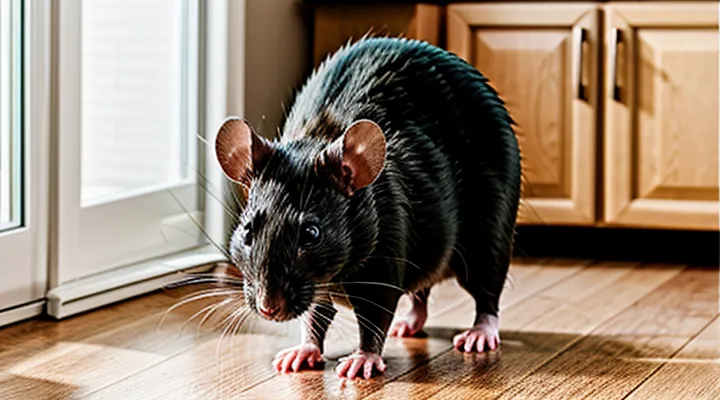
Understanding Rat Dietary Needs
Essential Nutritional Requirements
Protein Sources
Pet rats require high‑quality protein to support growth, tissue repair, and immune function. Sources must be digestible, low in fat, and free of added salts, spices, or preservatives. Fresh, unseasoned animal and plant proteins meet these criteria when offered in appropriate portions.
- Cooked, skinless chicken breast – shredded, no seasoning.
- Hard‑boiled egg – finely chopped, yolk included for essential fatty acids.
- Plain low‑fat cottage cheese – small cubes, limited to a few teaspoons per day.
- Unsweetened Greek yogurt – spoonful, no fruit or flavorings.
- Tofu – soft, cut into bite‑size pieces, provides soy protein.
- Cooked lentils or split peas – rinsed, thoroughly cooked, no added salt.
- Mealworms, crickets, or superworms – live or dried, offered sparingly as treats.
- Unsalted, unflavored peanuts – a few halves, avoid peanuts with oil or sugar.
Avoid raw meat, processed deli meats, smoked or cured products, and any protein containing garlic, onion, or excessive sodium. Provide fresh water alongside each protein offering. Regularly rotate protein sources to ensure a balanced amino‑acid profile and prevent dietary monotony.
Carbohydrates
Carbohydrates supply essential energy for pet rats and should come from digestible, low‑sugar sources. Suitable options include whole grains, vegetables, and certain fruits that are low in fructose and free of added sweeteners.
- Cooked brown rice, oatmeal, or whole‑wheat pasta (plain, without sauce)
- Whole‑grain bread or crackers, limited to small pieces
- Sweet potatoes, cooked and unseasoned
- Carrot sticks, raw or lightly steamed
- Apple slices, core removed, offered in moderation
- Peas, green beans, or corn kernels, cooked without salt
Portion control is critical; a rat’s daily carbohydrate intake should not exceed 15 % of total calories. Foods must be fresh, free of mold, and served without added sugars, honey, or artificial flavorings. Avoid processed snacks, sugary cereals, and any product containing raisins, chocolate, or high‑fructose corn syrup, as these can cause gastrointestinal upset or metabolic disturbances. Regularly monitor weight and stool consistency to ensure the carbohydrate component supports healthy energy levels without adverse effects.
Healthy Fats
Healthy fats are essential for the growth, coat condition, and neurological development of pet rats. Rats cannot synthesize essential fatty acids; they must obtain them from the diet. Including appropriate amounts of unsaturated fats supports skin elasticity, reduces inflammation, and aids in the absorption of fat‑soluble vitamins.
Recommended sources of safe, nutrient‑dense fats include:
- Small portions of unsalted, raw sunflower or pumpkin seeds (rich in omega‑6 fatty acids).
- A teaspoon of high‑quality, cold‑pressed flaxseed oil or fish oil per week (provides omega‑3s).
- A few pieces of chopped walnuts or almonds, offered sparingly due to high caloric density.
- Tiny amounts of avocado flesh, limited to 1‑2 mm³ per week, because the fruit contains persin, which can be toxic in larger quantities.
Portion control is critical. Excess fat leads to obesity, hepatic lipidosis, and digestive upset. A balanced diet for an adult rat typically contains no more than 5 % of total calories from added fats. Monitor body condition regularly and adjust portions accordingly.
When introducing new fat sources, observe the rat for signs of diarrhea or reduced appetite. Gradual incorporation over several days allows the gastrointestinal system to adapt. Consistent, moderate inclusion of the listed foods ensures rats receive the health benefits of fatty acids without compromising safety.
Vitamins and Minerals
Pet rats require a balanced intake of vitamins and minerals to maintain bone health, immune function, and overall vitality. Deficiencies can lead to metabolic disorders, while excesses may cause toxicity; therefore, food selection must meet precise nutritional standards.
-
Vitamin A – Found in small amounts of carrots, sweet potatoes, and kale; serves retinal health and epithelial maintenance.
-
Vitamin B complex – Sources include cooked quinoa, brown rice, and fortified wheat germ; supports energy metabolism and nervous system integrity.
-
Vitamin C – Rats synthesize this vitamin internally; supplemental sources such as orange segments or strawberries are optional for stressed individuals.
-
Vitamin D3 – Provided by exposure to natural daylight; fortified rodent pellets contain regulated levels to prevent hypercalcemia.
-
Vitamin E – Present in sunflower seeds and wheat germ; functions as an antioxidant protecting cell membranes.
-
Calcium – Supplied by plain low‑fat yogurt, hard cheese, and calcium‑enriched pellets; essential for teeth and skeletal development.
-
Phosphorus – Available in boiled eggs, lean chicken, and whole‑grain breads; works with calcium to regulate bone remodeling.
-
Magnesium – Found in pumpkin seeds and cooked beans; contributes to muscle contraction and enzyme activity.
-
Potassium – Present in banana slices and boiled potatoes; maintains fluid balance and nerve transmission.
-
Iron – Offered by cooked lentils and lean meat; required for hemoglobin synthesis and oxygen transport.
A diet that combines commercial rodent pellets with measured portions of fresh vegetables, fruits, and lean proteins delivers the necessary micronutrients without exceeding safe limits. Commercial supplements should be avoided unless a veterinary assessment confirms a specific deficiency. Regular monitoring of weight, coat condition, and activity level helps detect nutritional imbalances early.
Safe Food Categories for Rats
Fruits and Vegetables
Approved Fruits
Rats can safely eat a variety of fresh fruits, provided the portions are small and the fruit is prepared properly.
- Apple (core and seeds removed): a few bite‑size pieces daily; high in fiber and vitamin C.
- Blueberries: up to five per day; rich in antioxidants, low sugar.
- Strawberries: two to three halves daily; source of vitamin C and manganese.
- Pear (seedless): a few small cubes; supplies dietary fiber and potassium.
- Kiwi: one quarter to half a fruit per day; offers vitamin K and vitamin C.
- Mango (pit removed): one to two small cubes weekly; provides vitamin A and folate.
- Melon (cantaloupe or honeydew, rind removed): a few cubes daily; high water content aids hydration.
All fruits should be washed thoroughly, served without pits or seeds, and introduced gradually to monitor tolerance. Excess fruit can cause diarrhea or obesity; therefore, fruit should complement a balanced diet of commercial rat pellets, vegetables, and occasional protein sources.
Approved Vegetables
Vegetables provide essential vitamins, minerals, and fiber for pet rats and should be offered regularly in a balanced diet. Fresh produce must be washed thoroughly to remove pesticides and soil before serving. Portion sizes should be limited to a few bite‑sized pieces per day to prevent digestive upset.
- Carrots, raw or lightly steamed
- Broccoli florets, raw or steamed
- Kale, chopped, offered in small amounts
- Spinach, limited due to oxalates
- Green peas, shelled, raw or cooked
- Bell peppers (any color), raw, diced
- Cucumber, sliced, skin on
- Zucchini, raw or steamed, sliced
- Romaine lettuce, leaf pieces only
- Cauliflower florets, raw or steamed
- Sweet potato, cooked, unseasoned, small cubes
Avoid vegetables that contain toxic compounds, such as raw potatoes, onions, garlic, and rhubarb. Introduce new items gradually and observe the rat’s response to ensure tolerance. Consistent inclusion of the listed vegetables supports overall health and encourages natural foraging behavior.
Preparation Guidelines for Produce
When offering fresh vegetables and fruits to pet rats, preparation determines safety and nutritional value. Begin with thorough cleaning; rinse each item under running water, using a brush for firm surfaces such as carrots or cucumbers. A brief soak in a diluted vinegar solution (one part white vinegar to three parts water) helps dissolve residual pesticides, followed by a second rinse to remove any acidity.
After washing, remove inedible parts that could cause obstruction or injury. Trim stems, cores, pits, and seeds from apples, peaches, and cherries; discard skins that are thick or waxed, such as those on certain citrus fruits. Cut produce into bite‑size pieces, approximately ¼ inch cubes, to accommodate a rat’s small jaws and reduce choking risk.
Store prepared portions in a sealed container within the refrigerator, limiting exposure to air. Use within 24 hours to prevent spoilage; discard any items that develop mold, slime, or an off odor. Rotate stock so that older pieces are offered first, maintaining freshness.
Key preparation steps:
- Rinse under cold water; brush firm produce.
- Soak briefly in 1:3 vinegar‑water solution; rinse again.
- Trim stems, cores, pits, and seeds.
- Cut into ≤¼‑inch cubes.
- Refrigerate in airtight container; consume within 24 hours.
Adhering to these guidelines minimizes bacterial contamination, reduces pesticide residue, and ensures that each serving supports the health of domestic rats.
Grains and Breads
Whole Grains
Whole grains constitute a valuable component of a balanced diet for pet rats, offering complex carbohydrates, fiber, and essential nutrients. When selecting grains, choose varieties that are minimally processed and free from added sugars or salts.
- Oats (plain, rolled or steel‑cut) – high in soluble fiber; serve a small spoonful daily, softened with warm water if necessary.
- Brown rice – provides B‑vitamins and magnesium; cook thoroughly and cool before offering a teaspoon-sized portion.
- Quinoa – complete protein source; rinse to remove saponins, cook, and feed a half‑teaspoon several times a week.
- Barley (hulled) – rich in beta‑glucan; steam until soft, limit to one teaspoon per week.
- Whole‑wheat pasta or bread – acceptable in tiny amounts; ensure no additives or preservatives.
- Millet – low‑fat grain, suitable as occasional treat; give a few grains a few times weekly.
Preparation guidelines: rinse grains to eliminate dust, cook to improve digestibility, and cool to room temperature. Avoid raw or sprouted grains that may harbor harmful bacteria. Store in airtight containers to prevent mold growth.
Potential concerns include pesticide residues and excessive gluten, which can cause gastrointestinal upset. Opt for organic products when possible and monitor the animal for signs of intolerance, such as loose stools or reduced appetite. Incorporate whole grains as part of a varied diet that also includes proteins, fresh vegetables, and occasional fruits to meet all nutritional requirements.
Cooked Pasta and Rice
Cooked pasta and rice can be included in a pet rat’s diet when prepared correctly. Both are carbohydrate sources that provide energy, but they lack protein, fiber, and essential vitamins. Therefore, they should serve only as occasional treats, not as staple foods.
- Use plain, unflavored pasta or rice; avoid sauces, cheese, butter, oil, salt, and seasonings.
- Cook until soft, then cool to room temperature before offering.
- Portion size should not exceed a teaspoon per rat per day, divided into small servings to prevent overconsumption.
- Introduce gradually and observe for digestive upset, such as diarrhea or bloating.
Potential concerns include rapid blood‑sugar spikes and reduced appetite for nutritionally balanced foods. Overreliance on these starches may lead to weight gain and nutrient deficiencies. To maintain health, combine occasional pasta or rice with high‑quality rat pellets, fresh vegetables, and protein sources such as boiled egg or lean meat.
Plain Bread and Cereal
Plain bread can be offered to pet rats in very small portions. It provides easily digestible carbohydrates but lacks essential nutrients, so it should not replace a balanced diet. Feed only a thin slice or a few crumbs once or twice a week. Avoid varieties with added seeds, nuts, raisins, or sweeteners, as these can cause digestive upset or obesity.
Cereal products present similar considerations. Whole‑grain or plain rolled oats, unsweetened corn flakes, and unflavored rice cereal are acceptable in limited amounts. They supply carbohydrates and some fiber, but they contain little protein or fat. Provide no more than a teaspoon per rat, mixed with regular feed or fresh vegetables. Exclude cereals that contain sugar, chocolate, artificial flavors, or added salts, because these ingredients are toxic or harmful to rodents.
Key points for both foods:
- Offer only plain, unflavored versions.
- Limit quantity to a small portion occasional treat.
- Monitor for signs of digestive disturbance after introduction.
- Do not rely on bread or cereal as primary nutrition; maintain a diet rich in high‑quality rat pellets, fresh greens, and occasional protein sources.
Proteins and Dairy
Cooked Meats
Cooked meats can be a valuable protein source for pet rats when prepared correctly. The meat must be plain, fully cooked, and free of added salt, spices, sauces, or fats. Over‑cooking is acceptable; the priority is eliminating pathogens such as Salmonella and E. coli.
Safe options include:
- Chicken breast, boiled or baked without skin or seasoning.
- Turkey meat, similarly prepared, with excess fat trimmed.
- Lean beef, such as sirloin, cooked thoroughly and cooled before serving.
- Pork tenderloin, cooked until no pink remains, with visible fat removed.
Avoid processed varieties (e.g., sausages, deli meats, bacon) because they contain preservatives, nitrates, and high sodium levels that can harm rats. Portion sizes should be small—no more than a teaspoon per adult rat per serving—to prevent obesity and digestive upset. Offer cooked meat as an occasional supplement, not a staple, and always monitor the animal for signs of intolerance.
Eggs
Eggs provide high‑quality protein, essential amino acids, and vitamins A, D, and B12, making them a valuable supplement for pet rats when offered correctly.
Cooked egg should be the default choice; boiling, poaching, or scrambling without added salt, butter, or seasoning preserves nutritional content while eliminating harmful bacteria. A small portion—approximately a teaspoon of chopped or mashed egg—meets a rat’s dietary needs without contributing excessive fat or calories.
Raw egg carries a risk of Salmonella infection and contains avidin, a protein that binds biotin and can lead to deficiency if consumed regularly. Feeding raw egg occasionally, in very limited amounts, may be acceptable for healthy adult rats, but it is not recommended as a routine component.
Guidelines for safe egg inclusion:
- Use only fully cooked egg; avoid fried preparations that include oil or spices.
- Cool the egg to room temperature before offering to prevent burns.
- Serve in small, bite‑size pieces to facilitate chewing and digestion.
- Limit frequency to 1–2 times per week; treat as an occasional treat rather than a staple.
- Observe the rat for signs of digestive upset, such as diarrhea or reduced appetite, and discontinue if symptoms appear.
When incorporated responsibly, egg enhances protein intake and supports overall health, complementing a balanced diet of grains, vegetables, and commercial rat pellets.
Dairy Products in Moderation
Dairy can be included in a pet rat’s diet, but only as a limited supplement. Rats possess low levels of lactase, the enzyme needed to break down lactose, so excessive dairy may cause digestive upset.
- Plain low‑fat yogurt (unsweetened, no additives)
- Small cubes of mild cheese such as mozzarella or cottage cheese
- Small spoonfuls of kefir or plain kefir water
These items provide protein, calcium, and beneficial bacteria when offered sparingly.
A single serving should not exceed ½ teaspoon for a typical adult rat and should be offered no more than two times per week. Introduce each product gradually, observing the animal for changes in stool consistency or reduced appetite.
Overconsumption can lead to diarrhea, weight gain, and calcium imbalance. Signs of intolerance include watery feces, bloating, or lethargy. If any of these symptoms appear, discontinue dairy immediately and consult a veterinarian.
Other Safe Snacks
Seeds and Nuts (Unsalted)
Unsalted seeds and nuts can be a valuable addition to a pet rat’s diet when offered in moderation. They provide essential fats, protein, and micronutrients such as vitamin E, magnesium, and selenium, supporting coat health, energy levels, and immune function.
Safe options include:
- Sunflower seeds (hulled, unsalted, no added flavorings) – limit to a few seeds per week.
- Pumpkin seeds (raw, unsalted) – suitable for occasional treats.
- Flaxseed (ground) – a source of omega‑3 fatty acids; a teaspoon mixed into regular feed.
- Chia seeds – high in fiber; a small pinch added to water or food.
- Unsalted almonds (thinly sliced, no shell) – provide calcium; give no more than one half‑almond weekly.
- Unsalted peanuts (raw, shelled) – protein source; offer sparingly, one half‑peanut at most.
- Unsalted walnuts (crushed) – rich in omega‑3s; limit to a few fragments per week.
Avoid seeds and nuts that are salted, roasted with oil, or coated with spices, sugar, or chocolate. High‑fat varieties such as macadamia nuts, cashews, and pistachios should be excluded due to the risk of obesity and pancreatitis.
Portion control is critical. A general guideline is no more than 5 % of the total daily caloric intake from seeds and nuts. Over‑feeding can lead to weight gain, digestive upset, and nutrient imbalances.
Preparation steps:
- Verify the product is unsalted, unflavored, and free from additives.
- Remove shells or hulls that could cause choking or dental injury.
- Grind or crush larger nuts to facilitate chewing and digestion.
- Store in airtight containers in a cool, dry place to prevent rancidity.
Regularly monitor the rat’s weight and stool consistency after introducing any new seed or nut. Adjust quantities or discontinue if signs of excess fat, diarrhea, or reduced activity appear.
Baby Food (Sugar-Free)
Sugar‑free baby food can serve as a supplemental source of nutrition for pet rats when chosen carefully. The product typically contains pureed vegetables, fruits, or grains without added sugars, providing moisture and easily digestible carbohydrates.
Key nutritional attributes include:
- Low sugar content, reducing the risk of obesity and dental issues.
- Presence of vitamins such as A, C, and B‑complex, which support vision, immune function, and metabolism.
- Inclusion of protein‑rich ingredients like pureed meat or legumes, important for growth and tissue repair.
- Absence of artificial sweeteners, which are toxic to rodents.
Safety assessment should focus on the ingredient list. Acceptable components are plain carrots, peas, sweet potatoes, pumpkin, and unflavored meat purées. Items to avoid are:
- Added salt or seasoning.
- Sweeteners, including honey, agave, or artificial compounds.
- Citrus fruits, onions, garlic, and spices that can irritate the digestive tract.
- Preservatives such as benzoates or sulfites.
Feeding recommendations:
- Offer a teaspoon of baby food per 100 g of body weight, two to three times weekly.
- Mix the puree with the regular pellet or seed diet to encourage acceptance.
- Observe stool consistency; discontinue if diarrhea or soft feces appear.
- Store unopened containers in a cool, dry place; once opened, refrigerate and use within 48 hours to prevent spoilage.
When incorporated correctly, sugar‑free baby food enhances hydration and adds variety to the diet without compromising the nutritional balance required for healthy domestic rats.
Cooked Beans and Legumes
Cooked beans and legumes can be included in a rat’s diet when prepared correctly, but several factors determine their suitability.
Rats tolerate certain legumes after cooking eliminates most antinutrients and softens the texture for easy chewing. Safe options include:
- Well‑cooked lentils (no seasoning)
- Fully boiled black beans, kidney beans, or navy beans
- Cooked chickpeas (plain, unsalted)
- Softened split peas
Preparation must involve thorough boiling (minimum 10 minutes) followed by draining and cooling. Salt, spices, oil, and butter are prohibited, as they can cause electrolyte imbalance or digestive upset.
Nutritional benefits of these legumes are modest protein, dietary fiber, and trace minerals such as iron and zinc. Excessive portions can lead to gas, bloating, or diarrhea due to fermentable carbohydrates. A serving size of ½ teaspoon of cooked beans per 100 g of body weight, offered no more than two times weekly, provides balance without overloading the gastrointestinal system.
Raw or undercooked beans contain lectins and phytohemagglutinins that are toxic to rodents; therefore, never serve uncooked legumes. Additionally, avoid canned varieties because added sodium and preservatives pose health risks.
In summary, limited amounts of plain, fully cooked beans and legumes are acceptable treats for pet rats, provided they are introduced gradually, monitored for adverse reactions, and incorporated within a diet primarily consisting of high‑quality commercial rat pellets, fresh vegetables, and occasional fruit.
Foods to Feed in Moderation
High-Fat Treats
High‑fat treats can enrich a pet rat’s diet when offered sparingly and selected carefully. Rats require dietary fat for energy, skin health, and hormone production, but excess fat leads to obesity, liver disease, and reduced lifespan.
Safe high‑fat options include:
- Small pieces of unsalted, roasted peanuts (no shells)
- A thin slice of plain, low‑fat cheese (e.g., mozzarella)
- Tiny amounts of plain, unsweetened Greek yogurt
- A dab of pure, unsalted almond butter (no added sugar or oil)
- Minced, cooked egg yolk (no seasoning)
Treats to avoid:
- Commercial snack chips, potato chips, or corn chips
- Butter, margarine, or any spread containing salt or additives
- Processed meats such as bacon, salami, or jerky
- Chocolate, candy, or sugary pastries
- Nuts with shells, salted peanuts, or flavored trail mixes
Guidelines for serving:
- Limit total fat intake to no more than 5 % of daily calories.
- Offer a single treat no larger than a pea‑sized piece, two to three times per week.
- Observe the rat for changes in weight or behavior after introducing a new treat.
- Store treats in airtight containers at refrigeration temperature to prevent spoilage.
Consistent monitoring and strict portion control keep high‑fat treats beneficial rather than harmful.
Sugary Snacks
Sugary snacks are generally unsuitable for pet rats. Their high sugar content can cause rapid spikes in blood glucose, leading to obesity, dental decay, and metabolic disorders such as diabetes. Rats lack the enzymatic capacity to process large amounts of sucrose or fructose efficiently, resulting in digestive upset and increased risk of gastrointestinal inflammation.
If a sugary treat is offered, it must be limited to a minimal portion and provided infrequently. Acceptable options include:
- Tiny pieces of plain, unsweetened fruit (e.g., a few bites of apple or pear) no larger than a pea.
- Small amounts of natural, low‑sugar vegetables such as carrots, given no more than once a week.
- Commercial rat treats specifically formulated with reduced sugar and balanced nutrients, used only as occasional rewards.
Avoid processed human sweets such as candy, chocolate, cookies, or sugary cereals. These items contain additives, artificial sweeteners, and high levels of refined sugars that can be toxic or cause severe health problems in rodents.
Processed Foods
Processed foods represent a significant risk for pet rats because they frequently contain high levels of salt, sugar, artificial flavorings, and preservatives that can damage a rat’s renal and digestive systems. Even products marketed as “low‑fat” or “light” often include additives that interfere with the animal’s metabolism. When evaluating processed items, prioritize those with minimal ingredient lists, no added seasonings, and no sweeteners.
Safe processed options include:
- Plain, unsalted crackers made from whole‑grain flour, without cheese or flavor enhancers.
- Unflavored rice cakes, provided they contain only rice and water.
- Small portions of plain, cooked pasta without sauce, oil, or seasoning.
- Unsweetened, unflavored oatmeal packets, prepared with water only.
Items to reject categorically:
- Chips, pretzels, and snack mixes that contain salt, garlic, onion powder, or spices.
- Sugary cereals, granola bars, and fruit snacks with added sugars or artificial colors.
- Processed meats such as ham, bacon, or deli slices, which contain nitrates and high sodium.
- Baked goods with chocolate, raisins, or nuts, which are toxic or difficult to digest.
If a processed product meets the following criteria, it may be offered sparingly as a treat: single‑ingredient composition, no added salt, sugar, or preservatives, and a texture that the rat can easily chew. Any deviation from these standards should result in exclusion from the diet. Regular monitoring of the rat’s health after introducing a new processed item is essential; signs of digestive upset or changes in water consumption indicate the food is unsuitable.
General Feeding Guidelines
Portion Control
Portion control is essential for maintaining the health of pet rats. A balanced diet should consist of a measured amount of commercial rat pellets or blocks, typically 1‑2 grams per 100 grams of body weight daily. Fresh vegetables such as carrots, broccoli, and leafy greens can be offered in small quantities, no more than a tablespoon per rat each day. Fruit should be limited to occasional treats, with a maximum of one teaspoon of diced apple or banana twice a week.
Overfeeding leads to obesity, reduced mobility, and increased risk of metabolic disorders. Monitor weight weekly; a stable weight indicates appropriate portions. Signs of excess include rapid weight gain, lethargy, and difficulty navigating tunnels. Conversely, underfeeding manifests as weight loss, hair loss, and diminished activity.
To implement accurate portions, use a kitchen scale and pre‑measure daily rations. Store prepared servings in airtight containers to preserve freshness and prevent spoilage. Adjust quantities based on age, activity level, and reproductive status—juvenile rats and breeding females require slightly larger portions, while senior rats need reduced caloric intake.
Consistent portion control, combined with regular veterinary check‑ups, ensures that the diet remains safe and supports optimal growth, reproduction, and longevity.
Frequency of Feeding
Domestic rats thrive when meals are offered at consistent intervals that match their metabolic rate and digestive capacity. Adult rats should receive two balanced portions per day, spaced approximately 12 hours apart, to maintain steady energy levels and prevent overeating. Juvenile rats, whose growth demands higher caloric intake, benefit from three smaller meals distributed evenly throughout the waking period.
The portion size must reflect the total daily caloric requirement, typically 15–20 kcal per 100 g of body weight. A practical approach is to provide 1 – 2 tablespoons of a nutritionally complete pellet mix per feeding for an adult, supplemented with measured quantities of fresh vegetables, fruits, or protein sources that are verified as safe for rats. Treats containing high sugar or fat should be limited to no more than 5 % of the overall diet and offered no more than once or twice weekly.
Key points for establishing a reliable feeding routine:
- Offer fresh water at all times; replace daily to prevent contamination.
- Schedule feedings at the same times each day to reinforce predictable patterns.
- Observe each rat’s body condition; adjust portion size if weight gain or loss occurs.
- Introduce new safe foods gradually, monitoring for adverse reactions before adding them to the regular menu.
Consistent feeding intervals, appropriate portion control, and vigilant monitoring of diet quality together ensure that pet rats receive safe nutrition while minimizing health risks associated with irregular eating habits.
Introducing New Foods
Introducing new foods to a pet rat should follow a structured approach that minimizes digestive upset and reduces the risk of toxicity. Begin with a baseline diet of high‑quality rodent pellets, fresh water, and occasional treats that are already known to be safe. Any addition must be gradual, observable, and documented.
When adding a novel item, use the following protocol:
- Select a single food item for trial.
- Offer a tiny portion (approximately ¼ teaspoon) once per day.
- Observe the rat for 24‑48 hours, noting changes in fecal consistency, activity level, and appetite.
- If no adverse reaction occurs, increase the portion incrementally over the next few days, never exceeding a total of 1‑2 % of the rat’s daily caloric intake.
- Record the outcome before introducing another new food.
Safe categories for experimentation include:
- Fresh vegetables: carrots, broccoli florets, bell pepper strips, cucumber slices.
- Fruits in limited amounts: apple (core removed), banana, berries, melon.
- Cooked grains: plain rice, oatmeal, quinoa.
- Protein sources: boiled egg white, unsalted cooked chicken, low‑fat plain yogurt.
Foods to avoid entirely remain unchanged: citrus fruits, raw potatoes, onions, garlic, chocolate, caffeine, and any processed snacks containing artificial sweeteners or high salt content.
After each trial, assess the rat’s health by checking weight, coat condition, and behavior. Any signs of diarrhea, lethargy, or loss of appetite require immediate cessation of the test food and consultation with a veterinarian experienced in small‑animal care. Consistent documentation creates a reliable reference for future dietary expansions and ensures the rat’s diet remains both varied and safe.
Hydration
Rats require constant access to clean water to maintain proper physiological function. Dehydration can impair kidney performance, reduce appetite, and increase susceptibility to disease.
Fresh tap water should be offered daily in a bottle with a stainless‑steel or plastic sipper that prevents contamination. Replace the water at least once every 24 hours and clean the dispenser to avoid biofilm buildup.
Hydrating foods supplement liquid intake and provide additional nutrients. Include the following items in moderate amounts:
- Cucumber slices (≈90 % water)
- Celery sticks (≈95 % water)
- Watermelon chunks, seed‑free (≈92 % water)
- Apple wedges, skin removed (≈85 % water)
- Bell‑pepper strips (≈92 % water)
Avoid foods with high salt or sugar content, as they increase fluid loss. Also exclude citrus fruits, which can cause gastrointestinal irritation.
Monitor consumption by checking the water bottle level and observing the rat’s urine output. Dark, concentrated urine indicates insufficient hydration and warrants immediate adjustment of water supply or diet.