
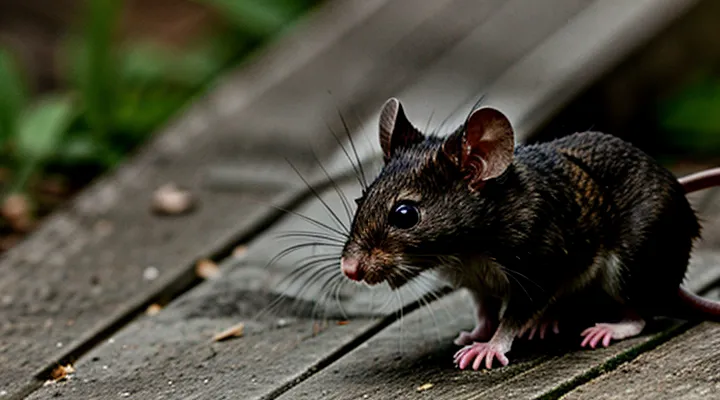
The Innate Fear Response in Mice
Evolutionary Roots of Fear
Genetic Predisposition to Fear
Mice exhibit innate fear responses that vary among individuals, a variation that correlates with genetic makeup. Studies comparing inbred strains reveal consistent differences in latency to flee, freezing duration, and physiological arousal when exposed to predator cues such as bat echolocation calls or feline scent. These behavioral disparities persist across generations, indicating a heritable component.
Quantitative genetic analyses estimate that 30–50 % of the variance in fear intensity derives from additive genetic factors. Cross‑breeding experiments demonstrate that offspring inherit the parental bias toward heightened or reduced reactivity, confirming polygenic inheritance rather than single‑gene control.
Key molecular contributors include:
- Nr3c1 – glucocorticoid receptor gene; variants modulate stress‑hormone feedback and amplify startle responses.
- BDNF – brain‑derived neurotrophic factor; polymorphisms affect synaptic plasticity in the amygdala, shaping threat learning.
- COMT – catechol‑O‑methyltransferase; allelic differences alter dopamine clearance, influencing risk assessment.
- Gabra2 – GABA‑A receptor subunit; mutations disrupt inhibitory signaling, leading to excessive vigilance.
Epigenetic mechanisms refine these genetic predispositions. Prenatal exposure to predator odors induces DNA methylation changes at the Nr3c1 promoter, producing offspring with heightened avoidance of aerial predators. Post‑natal stress further remodels chromatin at BDNF, adjusting the threshold for fear consolidation.
Targeted gene editing, such as CRISPR‑mediated knock‑out of Gabra2, eliminates the typical freezing response to bat ultrasound while preserving reactions to ground‑based predators. Conversely, overexpression of Nr3c1 amplifies avoidance of both aerial and terrestrial threats, demonstrating the gene’s capacity to calibrate fear across predator classes.
Understanding the genetic architecture of mouse fear informs broader ecological and biomedical research. It clarifies how evolutionary pressures shape sensory circuits, predicts population resilience to predator reintroduction, and provides a template for investigating anxiety disorders rooted in conserved genetic pathways.
Learned Versus Innate Fears
Mice exhibit two distinct categories of fear responses: those programmed genetically and those acquired through experience. Innate fears emerge without prior exposure and trigger immediate avoidance of stimuli historically associated with danger. Typical innate triggers include:
- High‑frequency ultrasonic calls resembling bat echolocation
- Sudden shadows that simulate aerial predators
- Rapid air currents indicating the approach of a raptor
These reactions are mediated by hard‑wired neural circuits in the amygdala and brainstem, allowing rapid escape before conscious assessment.
Learned fears develop after a mouse encounters a specific threat and associates it with adverse outcomes. Conditioning experiments demonstrate that exposure to harmless objects paired with predator scent or shock results in lasting avoidance. Key characteristics of learned fear:
- Dependence on memory formation in the hippocampus and prefrontal cortex
- Flexibility to adapt to novel predators or human‑made hazards
- Persistence after a single aversive episode, yet extinguishable through repeated safe exposure
Comparative studies show that innate responses provide baseline protection, while learned mechanisms refine threat discrimination and improve survival in changing environments. Both systems interact; for example, a mouse may initially react to bat‑like sounds with an innate startle, then strengthen that response after a real predation event, creating a hybrid fear profile.
Neurobiology of Fear in Rodents
Amygdala's Role in Fear Processing
The amygdala integrates sensory cues that signal danger to mice, converting visual, auditory, and olfactory information into rapid defensive actions. When a bat silhouette or the rustle of a predator’s movement activates thalamic pathways, the basolateral complex of the amygdala evaluates the stimulus for threat relevance. If the signal exceeds a learned threshold, the central nucleus initiates autonomic and behavioral responses, including heightened heart rate, freezing, or escape.
Key mechanisms of amygdalar fear processing include:
- Synaptic plasticity: Long‑term potentiation at basolateral synapses strengthens associations between specific predator cues and aversive outcomes.
- Circuit activation: Projections from the central nucleus to the periaqueductal gray and hypothalamus orchestrate motor patterns for avoidance or immobilization.
- Neurochemical modulation: Release of glutamate, GABA, and neuromodulators such as norepinephrine adjusts the intensity of the fear response according to context and prior experience.
Experimental lesions of the amygdala abolish conditioned freezing to bat calls and reduce avoidance of ground predators, demonstrating that the structure is indispensable for the formation and expression of threat memories. Pharmacological blockade of NMDA receptors within the basolateral complex disrupts acquisition of predator‑related fear, confirming the reliance on glutamatergic signaling for learning.
Overall, the amygdala functions as the central hub that detects, evaluates, and propagates fear signals in mice, enabling swift adaptation to a range of predators from aerial hunters to terrestrial threats.
Hormonal Responses to Stress
Mice respond to aerial and terrestrial threats with a rapid activation of the hypothalamic‑pituitary‑adrenal (HPA) axis. Sensory cues from predators trigger neural pathways that release corticotropin‑releasing hormone, prompting pituitary secretion of adrenocorticotropic hormone and subsequent adrenal synthesis of corticosterone, the principal glucocorticoid in rodents.
Corticosterone concentrations peak within minutes, sustaining elevated levels for up to an hour. This hormone mobilizes glucose, suppresses nonessential functions, and modulates memory consolidation of the threatening event. Simultaneously, the sympathetic nervous system discharges catecholamines—adrenaline and noradrenaline—producing immediate increases in heart rate, blood pressure, and muscular tension, which prepare the animal for escape or freeze responses.
The hormonal profile shapes behavior: high corticosterone correlates with heightened vigilance and reduced exploration, while catecholamine surges enhance locomotor bursts. Repeated exposure to predator cues leads to habituation of the endocrine response, reflected in attenuated hormone peaks and quicker return to baseline.
Key components of the stress hormone cascade in mice:
- Corticosterone: glucocorticoid, regulates energy metabolism, influences fear memory.
- Adrenaline (epinephrine): fast‑acting catecholamine, increases cardiac output, redirects blood flow.
- Noradrenaline (norepinephrine): supports attention, arousal, and peripheral vasoconstriction.
- CRH (corticotropin‑releasing hormone): initiates HPA activation, integrates sensory threat signals.
- ACTH (adrenocorticotropic hormone): stimulates adrenal corticosterone release.
Predators: The Primary Threat
Avian Predators
Owls: Silent Hunters
Owls pose a significant threat to rodents because their hunting strategy relies on stealth and precision. Their feathers are specially structured to minimize turbulence, allowing flight that produces virtually no audible rustle. This silent approach enables owls to approach prey undetected until the moment of capture.
Vision and hearing complement the quiet flight. Large, forward‑facing eyes provide acute binocular sight, while facial discs funnel sound toward asymmetrical ear openings that detect minute movements. The combination of sharp visual acuity and directional hearing creates a detection system capable of locating mice even in low‑light conditions.
Key adaptations that make owls effective nocturnal predators include:
- Friction‑reducing feather surface – micro‑structures break up airflow, eliminating flapping noise.
- Asymmetrical ear placement – enables precise sound localization across vertical and horizontal axes.
- Powerful talons with sharp, curved claws – deliver rapid, lethal grip.
- Rotatable neck – up to 270° rotation provides a wide field of view without moving the body.
Mice respond to these threats by altering foraging patterns, increasing vigilance, and favoring habitats with dense cover that impede owl line‑of‑sight. The presence of owls thus shapes rodent behavior, reinforcing avoidance strategies that reduce predation risk.
Hawks and Falcons: Daytime Threats
Mice encounter significant risk from raptors during daylight hours. Hawks and falcons possess acute vision, rapid flight, and talons designed to seize small mammals, making them among the most efficient predators for rodents active in open fields, edges of vegetation, and low‑lying structures.
Key characteristics that increase danger for mice include:
- Visual acuity: Raptors detect movement from several hundred meters, allowing early interception of fleeing mice.
- Speed and maneuverability: Species such as the peregrine falcon reach over 200 km/h in stoops, while red‑tailed hawks cruise at 40–50 km/h, covering large foraging areas quickly.
- Hunting technique: Hovering or soaring from high perches provides a broad surveillance radius; sudden dives target unsuspecting mice on the ground or in shallow burrows.
- Habitat overlap: Agricultural fields, grasslands, and urban parks host both mice and raptor nesting sites, creating frequent encounters.
Mice mitigate these threats by limiting activity to dense cover, reducing movement during peak raptor hunting periods, and employing erratic escape routes. Their survival strategies reflect adaptation to the persistent daylight predation pressure exerted by hawks and falcons.
Terrestrial Predators
Felines: Domestic and Wild Cats
Mice perceive both house cats and their wild relatives as immediate threats because felines combine stealth, acute hearing, and rapid reflexes. Domestic cats (Felis catus) retain the predatory instincts of their ancestors; they stalk, pounce, and emit low‑frequency vibrations that mice detect as warning signals. Wild cats such as the European wildcat (Felis silvestris) and the bobcat (Lynx rufus) amplify these dangers with larger size, stronger bite force, and broader territorial range, extending the zone of risk for rodent populations.
Key stimuli that trigger mouse avoidance behavior when felines are present include:
- Sudden rustling of foliage or bedding caused by a cat’s movement.
- High‑frequency whisker vibrations transmitted through surfaces.
- Low, throaty growls or hisses that travel through the air and substrate.
- Visual detection of a cat’s silhouette, especially in low‑light conditions where feline eyes reflect light.
- Chemical cues from feline urine, feces, or scent glands that linger in the environment.
Both domestic and wild felines alter mouse activity patterns. Mice reduce foraging time, shift to nocturnal peaks, and select burrow sites with limited line‑of‑sight to conceal themselves from feline ambush. In habitats where feral cat populations are dense, mouse density declines noticeably, confirming the predator’s impact on rodent community structure.
Canines: Foxes and Coyotes
Mice perceive foxes and coyotes primarily through olfactory cues, acute hearing, and motion detection. The presence of canid scent triggers immediate physiological stress, elevating cortisol levels and prompting rapid escape behaviors.
- Freezing: Muscles tense, body remains motionless to avoid detection by the predator’s keen hearing.
- Erratic sprinting: Sudden, unpredictable bursts of speed increase distance from the threat and reduce capture probability.
- Thigmotaxis: Preference for tight, concealed routes such as burrow entrances or dense vegetation limits exposure to open ground where canines hunt.
- Vigilance pauses: Frequent short stops to reassess auditory and olfactory information, allowing swift redirection if the predator reappears.
Auditory sensitivity enables mice to detect the low-frequency footfalls and howls typical of foxes and coyotes. When these sounds are identified, the animal’s brain initiates a cascade of neural responses that prioritize locomotor circuits over foraging. Visual cues, such as the silhouette of a canine at dusk, reinforce the avoidance pattern, especially under low-light conditions where canids rely on night vision.
Overall, the combination of scent detection, sound localization, and visual recognition creates a layered threat assessment that drives mice to adopt immediate, high‑risk avoidance strategies whenever foxes or coyotes are present.
Snakes: Ambush Predators
Snakes dominate the predatory landscape for small rodents by relying on concealment and sudden attack. Their scales often match leaf litter, soil, or bark, allowing them to remain motionless for extended periods. Infrared-sensitive pits detect the minute heat emitted by a mouse, while highly developed jaw musculature delivers a strike measured in milliseconds. Venomous species inject toxins that immobilize prey within seconds, whereas non‑venomous constrictors apply rapid pressure to crush vital organs.
Mice respond to snake presence through multiple sensory channels. Urine and shed skin release pheromones that trigger innate avoidance. Ground vibrations generated by a snake’s movement travel through substrate, prompting heightened alertness. Visual patterns such as zig‑zag markings or the silhouette of a coiled body elicit freezing or rapid retreat. These cues integrate into the mouse’s risk assessment, shaping foraging routes and nest placement.
- Camouflage that blends with the environment
- Heat‑sensing pits for detecting warm‑blooded prey
- Strike speed below 0.1 second
- Venom delivery or constriction for rapid incapacitation
- Low‑profile posture that minimizes detection
The combination of stealth, sensory precision, and lethal efficiency forces mice to maintain constant vigilance, reduce exposure in known snake habitats, and prioritize escape routes over food acquisition. This dynamic defines a core component of the fear spectrum experienced by rodents when confronting reptilian hunters.
Mustelids: Weasels and Stoats
Mice recognize weasels and stoats as immediate lethal threats. Both species belong to the Mustelidae family, possess elongated bodies, sharp claws, and rapid acceleration that enable pursuit through dense cover. Their hunting relies on acute tactile whisker detection and low‑light vision, allowing detection of mouse movement in burrows and on the ground. When a mouse senses the presence of a mustelid, physiological responses include heightened heart rate, increased cortisol, and immediate cessation of foraging to prioritize escape.
Key aspects of weasel and stoat predation that trigger mouse avoidance:
- Speed: acceleration up to 15 m s⁻¹ closes distance within seconds.
- Stealth: silent locomotion and ability to navigate tight tunnels reduce early warning signs.
- Sensory acuity: vibration‑sensitive vibrissae and night‑vision detect subtle prey cues.
- Versatile diet: opportunistic feeding on rodents reinforces learned fear across generations.
Mice employ several defensive behaviors when a mustelid is detected:
- Freezing: immobilization reduces motion cues that attract the predator.
- Erratic escape routes: sudden changes in direction hinder pursuit.
- Burrow retreat: rapid descent into deep tunnels exploits the predator’s limited digging ability.
These strategies reflect an evolutionary arms race in which the presence of weasels and stoats shapes mouse risk assessment and survival tactics.
Beyond Direct Predation: Other Perils
Human-Induced Threats
Traps and Poisons
Traps and poisons represent the most direct methods for mitigating mouse activity when predation pressure is insufficient. Mechanical devices intercept movement, while chemical agents exploit feeding behavior.
-
Snap traps: spring‑loaded jaws deliver immediate lethal force.
-
Live‑catch traps: enclosed chambers allow capture without killing, facilitating relocation.
-
Electronic traps: high‑voltage pulses cause rapid incapacitation.
-
Glue boards: adhesive surfaces immobilize rodents, requiring subsequent disposal.
-
Anticoagulant baits: compounds such as warfarin, brodifacoum, and difenacoum interfere with blood clotting, causing death after multiple feedings.
-
Bromethalin: disrupts mitochondrial function, leading to fatal neurotoxicity.
-
Zinc phosphide: reacts with stomach acid to release phosphine gas, producing rapid systemic failure.
Effective deployment demands precise placement along established runways, avoidance of food preparation areas, and secure containment to protect non‑target wildlife and pets. Rotation of active ingredients counters resistance development observed in rodent populations. Monitoring of trap success rates and bait consumption informs adjustments in density and positioning.
Integrating traps and poisons with habitat modification—such as sealing entry points and removing attractants—optimizes control outcomes and reduces reliance on chemical interventions alone.
Habitat Destruction
Habitat destruction eliminates the dense vegetation and underground burrows that mice use for concealment, forcing them into open spaces where visual and auditory cues from predators become more pronounced. The loss of cover reduces the distance mice can travel before encountering a threat, intensifying their innate fear responses.
Fragmented landscapes create isolated patches of suitable habitat, compelling mice to cross exposed corridors. During these movements, they encounter a broader range of predators, including aerial hunters such as owls and bats, as well as terrestrial hunters like cats, foxes, and snakes. The increased exposure heightens stress hormones and triggers heightened vigilance.
Key effects of habitat loss on mouse fear behavior include:
- Reduced shelter availability, leading to more frequent encounters with predators.
- Greater reliance on human structures, introducing novel threats such as domestic pets and traps.
- Increased competition for limited resources, causing mice to forage in riskier areas.
- Disruption of scent-marking territories, weakening communication about danger zones.
Overall, the degradation of natural habitats directly amplifies the perceived danger environment for mice, shaping their fear patterns and survival strategies.
Interspecies Interactions and Competition
Larger Rodents and Aggression
Larger rodent species such as Norway rats, brown rats, and capybaras exhibit aggression patterns that shape the risk landscape for smaller rodents. Their territorial behavior, competition for food, and defensive responses to intruders create direct threats to mice sharing the same habitat.
Key aggression drivers include:
- Territoriality – Established individuals patrol defined boundaries, confront newcomers with biting or chasing.
- Resource competition – Scarce food sources trigger confrontational encounters, especially during seasonal shortages.
- Predatory instinct – Some larger rodents, notably certain rat subspecies, display opportunistic predation on juvenile mice.
- Social hierarchy – Dominant members enforce rank through physical displays, reinforcing hierarchy and limiting access for lower‑ranking individuals.
The presence of aggressive larger rodents forces mice to adopt heightened vigilance, altered foraging routes, and increased use of burrow networks. These adaptive responses reduce exposure to direct attacks but also constrain movement and resource acquisition, influencing overall survival rates within mixed‑species rodent communities.
Parasites and Disease Transmission
Mice confront a spectrum of threats that extend beyond visual predators; microscopic agents and the diseases they carry provoke strong avoidance responses. Parasites and pathogens compromise health, reduce reproductive output, and increase susceptibility to predation, prompting innate behavioral safeguards.
Common agents include:
- Fleas (Siphonaptera) and mites (Acari) that feed on blood or skin tissue.
- Nematodes such as Syphacia spp. inhabiting the intestinal tract.
- Protozoa like Giardia and Toxoplasma that spread through contaminated water or food.
- Bacterial agents (e.g., Salmonella, Leptospira) transmitted via urine or feces.
Transmission pathways rely on:
- Direct contact between individuals during grooming or mating.
- Ingestion of contaminated seeds, grains, or water sources.
- Exposure to infested bedding and nesting material.
- Secondary vectors, including predatory insects that deposit parasites onto mouse fur.
Behavioral defenses manifest as:
- Intensive self‑grooming to dislodge ectoparasites.
- Preference for dry, well‑ventilated nesting sites that discourage mite proliferation.
- Selective foraging that avoids food items showing signs of spoilage or fecal contamination.
- Reduced social clustering during periods of high parasite load, limiting direct transmission.
These strategies lower infection rates, preserve physiological integrity, and indirectly diminish the likelihood of predator encounters by maintaining agility and vigilance. The interplay between parasite pressure and mouse behavior shapes population structure and influences ecological interactions across the broader predator‑prey network.
Environmental Dangers
Harsh Weather Conditions
Mice perceive severe weather as a direct threat to shelter, foraging efficiency, and exposure to predators. Extreme cold forces rodents to seek deeper burrows, increasing proximity to ground‑dwelling hunters. Heavy rain saturates nesting material, reducing insulation and prompting mice to abandon sites that may be more visible to aerial predators. High winds disrupt scent trails, impairing the ability to detect approaching danger and encouraging erratic movement that heightens vulnerability.
Key impacts of harsh weather on mouse behavior include:
- Temperature extremes: Prompt rapid relocation to thermally stable microhabitats; elevate reliance on underground refuges where predator diversity differs.
- Precipitation intensity: Compromise nest integrity; increase surface activity during brief dry intervals, exposing mice to visual hunters.
- Wind velocity: Obscure olfactory cues; cause disorientation, leading to longer foraging trips and greater encounter rates with predators.
Adaptations mitigate these risks. Mice construct insulated chambers with dry vegetation, deepen burrow networks to buffer temperature swings, and synchronize foraging with weather windows that minimize predator detection. Nonetheless, each adverse condition temporarily amplifies the spectrum of threats faced by these small mammals.
Lack of Food and Water
Mice experience acute stress when access to nourishment and hydration declines, prompting immediate survival mechanisms. Deprivation triggers heightened alertness, reduced exploratory activity, and rapid relocation to areas with higher resource density.
- Elevated cortisol levels accelerate metabolism, increasing energy consumption despite limited intake.
- Gastrointestinal motility slows, conserving water but impairing nutrient absorption.
- Thirst intensifies, leading mice to seek moisture sources such as damp soil, condensation, or plant exudates, often at the expense of exposure to predators.
Persistent scarcity reduces reproductive output, diminishes offspring viability, and alters population dynamics. Communities with reliable food and water supplies support stable colony structures, whereas resource‑poor environments force frequent dispersal, elevate competition, and heighten predation risk. Management strategies that ensure consistent provisioning diminish these fears, stabilizing mouse behavior and population health.
Behavioral Adaptations to Fear
Evasion and Hiding Strategies
Burrowing and Nesting Habits
Mice construct burrows and nests to mitigate exposure to aerial and terrestrial threats. Underground chambers provide thermal stability, concealment, and a barrier against predators such as owls, snakes, and insectivorous bats that hunt by sight or echolocation.
Typical burrow architecture includes:
- A primary entrance positioned near cover, often concealed by vegetation or debris.
- A shallow tunnel leading to a deeper nesting chamber, reducing acoustic and vibrational cues detectable by predators.
- A secondary escape route, allowing rapid withdrawal if the main entrance is compromised.
Nesting material selection reflects both insulation needs and predator avoidance. Mice gather dry grasses, shredded paper, and soft fibers, arranging them in compact layers that dampen movement sounds. The nest’s interior is often lined with fine fur or shredded plant matter, creating a muffled environment that obscures the mouse’s presence from acoustic hunters.
Burrowing activity also influences predator distribution. By occupying subterranean niches, mice limit the foraging range of ground-dwelling carnivores and force aerial hunters to focus on surface foraging, thereby reducing direct encounters. Consequently, the structural complexity of burrows and the strategic placement of nests constitute essential adaptations for survival amid a diverse predator community.
Nocturnal Activity Patterns
Mice are primarily active during the night, a schedule that reduces exposure to diurnal predators such as birds of prey. Their nocturnal routine begins shortly after dusk, when ambient light levels drop below a threshold that limits visual detection by larger hunters. Within the first hour of darkness, mice emerge from burrows to forage, relying on whisker‑mediated tactile cues and acute olfaction to locate seeds, grains, and insects.
During the middle portion of the night, activity peaks as temperatures remain moderate and humidity is higher, conditions that favor the preservation of scent trails and the efficiency of metabolic processes. At this stage, mice increase the frequency of exploratory excursions, testing multiple routes to assess risk. They frequently pause to listen for aerial sounds; the high‑frequency calls of bats trigger immediate cessation of movement and a rapid retreat to concealed pathways.
Late‑night periods see a gradual decline in foraging intensity. Mice consolidate food stores and return to nesting sites, where they engage in grooming and social interactions. This final phase coincides with the onset of low‑level ambient noise from nocturnal predators such as owls and foxes, prompting heightened vigilance.
Key elements of the nocturnal schedule include:
- Start of activity: 30–60 minutes after sunset, driven by reduced visual risk.
- Peak foraging window: mid‑night to pre‑dawn, optimized for temperature and humidity.
- Anti‑predator pauses: triggered by ultrasonic bat echolocation and sudden aerial silhouettes.
- Return phase: 1–2 hours before sunrise, marked by storage behavior and nest reinforcement.
The pattern reflects a balance between energy acquisition and predator avoidance, with timing adjustments that correspond to the activity cycles of both aerial and terrestrial threats.
Sensory Perception in Threat Detection
Olfactory Cues
Mice rely on chemical detection to assess danger. Volatile compounds released by predators and by stressed conspecifics trigger rapid defensive actions.
- Predator urine and feces contain species‑specific metabolites that mice recognize as threat signals.
- Cat fur and skin secretions emit felinine and other sulfur‑containing molecules, prompting avoidance.
- Bat guano releases distinctive nitrogenous volatiles; mice detect these cues even without visual contact.
- Feather oils from raptors and owl plumage carry fatty acid profiles associated with aerial hunters.
- Alarm pheromones released by injured mice consist of alarmine and other cuticular hydrocarbons, alerting nearby individuals.
Detection occurs through the main olfactory epithelium and the vomeronasal organ. Receptor neurons bind threat‑related ligands, transmit signals to the amygdala, and initiate freezing, escape, or heightened alertness. Behavioral assays demonstrate that exposure to predator scent reduces foraging time by up to 40 % and increases sheltering frequency.
Laboratory experiments using synthetic analogues of predator odors confirm that mice discriminate between mammalian and avian threats, adjusting their response intensity accordingly. Field studies show that mice avoid traps scented with predator urine, indicating practical applications for pest management.
Understanding the specific odorants that elicit fear responses enables targeted strategies for controlling mouse populations without reliance on lethal methods.
Auditory Cues
Mice rely on acute hearing to detect imminent danger. Their auditory range extends to approximately 100 kHz, allowing them to perceive ultrasonic emissions produced by hunting bats. When a bat’s echolocation pulses enter a mouse’s field, the animal exhibits an immediate freeze or rapid dash to cover, a response measured in milliseconds.
In addition to aerial predators, ground‑based threats generate characteristic sounds. The rustle of leaf litter, the crack of twigs, and the low‑frequency rumble of larger mammals produce distinct acoustic signatures. Mice differentiate these cues through frequency analysis, aligning specific patterns with predator categories and adjusting escape trajectories accordingly.
Conspecific alarm calls further shape threat perception. Ultrasonic vocalizations emitted by stressed mice convey danger to nearby individuals. Playback experiments demonstrate that exposure to these calls triggers heightened vigilance, increased grooming, and reduced foraging activity, even in the absence of a direct predator.
Human activity creates a separate acoustic landscape. The hum of machinery, footsteps on hard surfaces, and the whirr of ventilation systems generate low‑frequency noise that mice associate with human presence. Studies show that mice exposed to such sounds display delayed emergence from burrows and increased use of peripheral shelters.
Key observations from controlled trials include:
- Playback of bat echolocation pulses induces immediate escape responses in over 90 % of subjects.
- Low‑frequency predator footsteps elicit a slower, more cautious retreat compared with high‑frequency aerial cues.
- Conspecific alarm calls reduce exploratory behavior by approximately 30 % within five minutes of exposure.
- Continuous low‑frequency background noise raises the threshold for startle responses, suggesting habituation to anthropogenic sounds.
Overall, auditory information provides mice with rapid, reliable indicators of diverse threats, enabling swift behavioral adjustments that enhance survival across both natural and human‑altered environments.
Visual Cues
Mice rely on vision to detect imminent danger, even though their visual acuity is lower than that of many predators. Rapid changes in light intensity, high‑contrast silhouettes, and erratic motion patterns generate immediate avoidance responses. The presence of a dark shape against a bright sky, such as a bat’s outline, triggers a reflexive escape due to the association of aerial predators with sudden shadows.
Visual cues that elicit fear in rodents include:
- High‑contrast edges that define a predator’s outline
- Rapid approach speed inferred from expanding visual angles
- Unusual movement trajectories, especially erratic or swooping paths
- Sudden changes from darkness to brightness, indicating a looming threat
- Specific color patterns, such as the reddish‑brown fur of some terrestrial hunters, when presented against natural backgrounds
Mice differentiate between aerial and ground threats by processing motion direction and vertical position. Upward or downward motion from the horizon signals a flying predator, while lateral movement near the ground indicates a mammalian hunter. Neural pathways from the retina to the superior colliculus and amygdala mediate these assessments, allowing quick initiation of freezing or fleeing.
Experience refines visual threat detection. Exposure to live predators or predator models modifies the threshold at which visual stimuli provoke defensive behavior, enhancing sensitivity to subtle cues. Consequently, visual perception remains a core component of the mouse’s anti‑predator repertoire, complementing auditory and olfactory systems.
Social Behavior and Alarm Calls
Communal Living for Safety
Mice reduce exposure to aerial hunters, terrestrial carnivores, and nocturnal predators by forming tightly knit groups within burrows and nesting chambers. The collective presence creates a network of alarm signals; a single individual detecting a bat or owl triggers rapid vocalizations that alert the entire colony, allowing most members to retreat to deeper tunnels before the predator reaches them.
Living together also dilutes the chance that any one mouse will be captured. When a predator infiltrates a nest, the probability of a successful kill drops proportionally to the number of potential escape routes and the number of individuals that can distract the attacker. This “safety in numbers” effect is especially pronounced against snakes and feral cats, which rely on stealth and surprise.
Key benefits of communal habitation for mice include:
- Immediate detection of aerial and ground threats through shared sensory cues.
- Multiple escape pathways created by interconnected burrow systems.
- Reduced individual stress, leading to higher reproductive output and faster recovery after predator encounters.
- Collective vigilance that lowers overall mortality rates across the population.
Field observations confirm that colonies occupying complex, multi‑chambered nests experience fewer predation events than solitary individuals. The structural complexity of communal dwellings provides both physical barriers and a communication platform that enhances survival against the full spectrum of natural enemies.
Vocalizations as Warning Signals
Mice emit a repertoire of ultrasonic vocalizations that function as immediate alerts to conspecifics when threats appear. These calls are produced at frequencies above 20 kHz, beyond the range of human hearing, allowing rapid transmission without attracting additional predators.
When a bat swoops overhead, a mouse typically generates a short, high‑frequency chirp lasting 10–30 ms. The acoustic pattern includes a steep rise in pitch followed by a rapid decline, a structure that other mice recognize as an aerial predator cue. Ground‑dwelling predators such as snakes or owls trigger a different call type: longer, modulated trills that descend in frequency over several hundred milliseconds. The distinction in temporal and spectral features enables receivers to discriminate the source of danger and adjust their escape response accordingly.
Experimental observations confirm that naïve mice exposed to recorded warning calls exhibit immediate freezing or fleeing behavior, even in the absence of visual stimuli. Playback of bat‑associated chirps induces heightened vigilance, while predator‑specific trills provoke rapid sprinting toward shelter. These responses persist across multiple mouse strains, indicating a conserved communication system.
Key characteristics of warning vocalizations include:
- Frequency range: 30–100 kHz, tailored to mouse auditory sensitivity.
- Duration: 5–300 ms, varying with threat type.
- Modulation pattern: steep upward sweep for aerial threats; descending glide for terrestrial predators.
- Contextual deployment: emitted within seconds of predator detection, often preceding physical escape.
Neurophysiological studies show that the auditory cortex processes these ultrasonic signals through dedicated frequency‑tuned neurons, linking acoustic input to motor circuits that orchestrate escape. The rapid onset of vocal emission, coupled with precise acoustic coding, provides a reliable early‑warning network that enhances survival across the diverse threat landscape faced by rodents.