
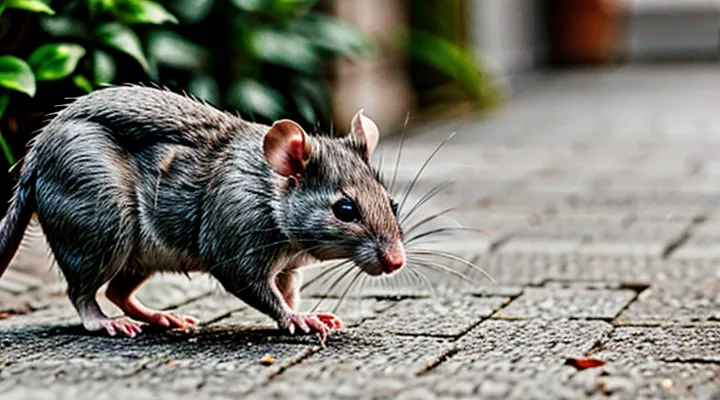
Primary Food Sources in Urban Environments
Human Discarded Food
Gray rats thrive on readily available waste generated by human activity. Their foraging behavior centers on discarded food items found in urban environments, landfill sites, and residential refuse.
Typical categories of human‑derived nourishment include:
- Bakery remnants such as stale bread, pastries, and crackers
- Meat scraps, cooked or raw, including bones and fat trimmings
- Fruit and vegetable peelings, overripe produce, and salad leftovers
- Processed snacks, chips, candy wrappers with residual contents
- Dairy residues, including sour milk, cheese rinds, and yogurt
Nutrient intake from these sources supplies carbohydrates, proteins, and fats essential for rapid growth and reproduction. Access to high‑calorie waste accelerates population expansion, especially in densely populated areas.
Reliance on human discard also introduces health hazards. Contaminants, preservatives, and pathogens present in spoiled food can transmit diseases to rats and, subsequently, to humans. Adaptation to anthropogenic waste therefore shapes both ecological impact and public‑health considerations.
Garden and Agricultural Produce
Gray rats frequently exploit cultivated plant material found in gardens and farms. Their foraging behavior targets readily available, nutrient‑rich parts of crops, allowing rapid weight gain and high reproductive output.
Common garden and agricultural items consumed include:
- Leafy greens such as lettuce, spinach, and cabbage
- Root vegetables like carrots, potatoes, and turnips
- Fruit crops, especially berries, grapes, and apples
- Seed heads and grain kernels from wheat, corn, and rice
- Legume pods and peas
Seasonal availability influences selection; during harvest periods, rats concentrate on abundant grain stores, whereas in spring they prefer tender shoots and young fruit. Consumption of these produce types can lead to significant yield loss, damage to plant structures, and contamination of stored harvests. Effective management requires prompt removal of fallen produce, secure storage of harvested grains, and exclusion measures around garden beds.
Pet Food
Gray rats kept as pets require a diet that meets high metabolic demands and supports dental health. Commercially prepared rodent pellets provide a balanced foundation, delivering protein, fat, fiber, vitamins, and minerals in calibrated proportions. Pellets eliminate the risk of nutritional deficiencies that can arise from inconsistent homemade mixes.
Supplementary foods enhance variety and encourage natural foraging behavior. Suitable items include:
- Fresh vegetables such as carrot, broccoli, and leafy greens, offered in small, bite‑size pieces.
- Fresh fruits like apple (seedless) or berries, limited to occasional treats due to sugar content.
- Cooked lean protein, for example shredded chicken or boiled egg white, introduced in modest amounts.
- Small quantities of nuts or seeds, providing essential fatty acids, but limited to prevent excess caloric intake.
Water must be available at all times, preferably in a bottle with a stainless‑steel spout to prevent contamination. Feeding schedules should involve two daily portions, with the majority of calories delivered by pellets and the remainder by fresh supplements. Monitoring body condition and adjusting portions ensures optimal health and longevity for pet gray rats.
Primary Food Sources in Wild Environments
Seeds and Grains
Gray rats incorporate a variety of seeds and grains into their diet, selecting items that provide high carbohydrate content and essential nutrients. Commonly consumed cereals include wheat, barley, oats, and corn, while wild seeds such as millet, sorghum, and sunflower are also frequent choices. These foods supply readily digestible energy, supporting the rodent’s rapid metabolism and reproductive cycles.
Key characteristics of seed and grain consumption:
- Preference for freshly fallen or stored grains, which are easier to locate and process.
- Selection of seeds with thin husks, facilitating quick ingestion and minimal chewing.
- Seasonal shift toward larger grain kernels during harvest periods, increasing intake volume.
- Utilization of stored grain reserves in human structures, leading to heightened interaction with human habitats.
Fruits and Berries
Gray rats frequently supplement their omnivorous diet with a variety of fruits and berries, particularly during autumn and summer when such resources are abundant.
- Apples, especially fallen or bruised specimens
- Pears and plums, often consumed from orchard litter
- Grapes, both wild and cultivated varieties
- Strawberries, raspberries, blackberries, and other bramble fruits
- Cherries, including pits that are occasionally gnawed
These plant foods provide carbohydrates, vitamins (notably C and A), and a reliable moisture source. The high sugar content supports rapid energy intake, while fiber aids gastrointestinal function.
Consumption of fruit and berry waste may expose rats to secondary compounds such as pesticides or mycotoxins; fermented fruit can also lead to intoxication. Nevertheless, the nutritional advantages drive opportunistic foraging behavior, allowing gray rats to thrive in environments where human agricultural by‑products are present.
Insects and Invertebrates
Gray rats supplement their omnivorous diet with a wide range of arthropods and other invertebrates. These prey items provide protein, fat, and essential micronutrients that support rapid growth and reproductive success.
- Beetles (Coleoptera), including larvae of scarab and click beetles
- Crickets and grasshoppers (Orthoptera)
- Moths and butterflies, chiefly caterpillars (Lepidoptera)
- Flies and their larvae (Diptera)
- Earthworms (Annelida)
- Spiders and scorpions (Arachnida)
- Snails and slugs (Mollusca)
Invertebrate consumption peaks during spring and early summer when insect populations are most abundant. Juvenile rats rely heavily on soft-bodied prey such as caterpillars and earthworms, whereas adults incorporate harder exoskeletons like beetles to diversify nutrient intake. Seasonal scarcity prompts increased scavenging of carrion and stored insects, ensuring continuous protein supply throughout the year.
Small Vertebrates
Gray rats frequently incorporate small vertebrates into their diet, supplementing plant material and insects with animal protein. These mammals demonstrate opportunistic predation, targeting prey that can be captured in confined spaces such as burrows, crevices, and ground litter.
Typical vertebrate prey includes:
- Mice and other small rodents
- Shrews and voles
- Juvenile lizards
- Frogs and toads
- Nestlings of ground‑dwelling birds
Predation on these organisms provides essential nutrients, notably amino acids, calcium, and vitamins, supporting growth and reproductive success. Hunting behavior relies on nocturnal activity, acute hearing, and rapid pursuit, enabling gray rats to exploit a wide range of habitats where small vertebrates are abundant.
Nutritional Needs and Dietary Habits
Protein Requirements
Gray rats require a diet that supplies sufficient protein to support growth, tissue repair, and metabolic functions. Scientific studies indicate that a protein content of 15 % to 20 % of total caloric intake meets the physiological demands of adult individuals, while juveniles may require up to 22 % to sustain rapid development.
Key protein sources include:
- Animal‑derived meals such as soy‑free fish meal, insect meal, and lean meat scraps.
- Plant‑derived proteins from legumes, peas, and specially formulated rodent pellets.
- Commercially prepared rodent diets that balance amino acid profiles to match the species’ requirements.
In captive environments, protein provision should be measured by weight rather than volume to avoid excess caloric intake. A typical recommendation specifies 4 g to 6 g of protein per 100 g of feed for adult gray rats, with adjustments for breeding females and growing juveniles. Monitoring body condition and adjusting feed composition ensures that protein needs are consistently met without inducing obesity or nutrient deficiencies.
Carbohydrate Sources
Gray rats obtain carbohydrates primarily from plant‑derived foods that are readily accessible in urban and rural environments.
Grains such as wheat, barley, oats and corn provide starches that are efficiently digested, supplying rapid energy. Seeds from grasses and legumes add both simple sugars and complex carbohydrates, while also delivering essential fats and proteins.
Fruits contribute fructose and glucose; common choices include apples, berries, grapes and bananas. Vegetables, especially root crops like carrots, potatoes and sweet potatoes, offer a mix of soluble sugars and resistant starches that support gut health.
Processed foods encountered in human waste streams—bread, cereals, crackers and sugary snacks—introduce refined carbohydrates, which are quickly absorbed but may lack accompanying nutrients.
Overall carbohydrate intake balances immediate energy needs with longer‑term storage, influencing activity levels, thermoregulation and reproductive success.
Fat Intake
Gray rats require a measurable proportion of dietary lipids to support cellular membranes, hormone synthesis, and energy storage. Studies indicate that fat should comprise approximately 5 % to 10 % of total caloric intake for healthy growth and reproduction.
Key sources of suitable fat for gray rats include:
- Animal‑derived oils such as fish oil and lard, providing high levels of saturated and omega‑3 fatty acids.
- Plant‑derived oils like soybean, canola, and sunflower oil, offering polyunsaturated fatty acids and essential linoleic acid.
- Whole‑seed meals (e.g., flaxseed, sesame) that deliver both fat and associated nutrients.
Adequate fat intake enhances:
- Absorption of fat‑soluble vitamins A, D, E, and K.
- Insulation and thermoregulation, particularly in cooler environments.
- Reproductive performance, with increased litter size and pup viability linked to sufficient lipid consumption.
Excessive fat can lead to obesity, hepatic lipidosis, and reduced fertility. Monitoring body condition scores and adjusting dietary formulations prevents overconsumption. Regular analysis of feed composition ensures the fat content remains within the recommended range, supporting optimal health and longevity of gray rats.
Water Consumption
Gray rats require a consistent supply of water to maintain physiological functions. Typical intake ranges from 30 ml to 70 ml per 100 g of body weight per day, with values increasing during warm weather, heightened activity, or when the diet contains low moisture content.
Factors influencing consumption include ambient temperature, metabolic rate, and the proportion of dry versus moist foods. Higher temperatures elevate evaporative loss, prompting greater drinking behavior. Energetically demanding activities such as nesting or foraging also raise water demand.
Primary sources of hydration for gray rats are:
- Free‑standing water provided in containers or natural puddles;
- Moisture inherent in fresh fruits, vegetables, and uncooked grains;
- Metabolic water generated during the oxidation of nutrients.
Adequate access to clean water supports renal function, thermoregulation, and overall health, reducing the risk of dehydration‑related disorders.
Adaptability and Foraging Strategies
Scavenging Behavior
Gray rats exhibit opportunistic scavenging, exploiting a broad spectrum of organic material found in human‑dominated habitats. Their diet reflects the availability of waste, carrion, and discarded food, allowing survival in diverse urban and rural settings.
Typical scavenged resources include:
- Refuse from kitchens, restaurants, and food‑service establishments;
- Spoiled produce, grain, and cereal residues;
- Animal carcasses, bones, and off‑cuts left by predators or humans;
- Insects, larvae, and other small arthropods attracted to waste piles.
Scavenging intensity rises with seasonal fluctuations in natural foraging opportunities; colder months drive increased reliance on stored waste, while warmer periods permit supplemental consumption of insects and fresh plant matter. Urban infrastructure that limits access to refuse—sealed containers, regular collection, and waste reduction—reduces the frequency of scavenging events.
Effective control strategies target the elimination of accessible refuse, thereby interrupting the primary food source that sustains scavenging populations. Monitoring waste management practices provides a measurable indicator of potential rat activity, guiding targeted interventions. «Rats are opportunistic feeders; limiting food availability directly curtails their presence».
Hoarding and Storing Food
Gray rats exhibit a pronounced tendency to collect and retain food items for future consumption. This behavior reduces the risk of starvation during periods when resources become scarce.
Commonly stored foods include:
- Seeds and grains
- Fruit fragments
- Insects and small arthropods
- Human‑derived waste such as bread crumbs and discarded meat
Storage occurs in concealed locations such as underground burrows, insulated nests, or crevices within structures. Rats arrange caches in layers, placing more perishable items near the surface to allow rapid access while burying durable food deeper to preserve it longer.
Seasonal shifts influence hoarding intensity. As temperatures drop, the frequency of caching increases, and the proportion of high‑energy foods, such as nuts and seeds, rises. During milder periods, rats rely more on opportunistic foraging and less on stored reserves.
Effective hoarding supports survival, facilitates population stability, and impacts ecosystems by redistributing seeds and influencing waste decomposition.
Seasonal Dietary Shifts
Seasonal changes drive distinct variations in the diet of the gray rat, reflecting fluctuations in food availability and environmental conditions.
- Winter: Primary intake consists of stored seeds, dried grains, and carrion. Occasional consumption of bark and evergreen buds supplements caloric needs when surface foraging is limited.
- Spring: Emergence of fresh vegetation expands the menu to include young shoots, tender leaves, and early‑season insects. Increased activity near agricultural fields provides access to sprouting cereals.
- Summer: Abundant insects, fruits, and nectar become prominent components. Access to irrigation runoff and human waste sites adds protein‑rich remnants and processed food scraps.
- Autumn: Transition to mature seeds, nuts, and fallen fruit dominates the diet. Preparation for winter includes hoarding of grain kernels and increased gnawing of woody material to maintain dental health.
These patterns illustrate how the gray rat optimizes nutrient intake throughout the year, aligning foraging behavior with seasonal resource cycles.
Impact of Food Availability
Food availability directly shapes the dietary composition of gray rats. When resources are abundant, individuals consume a broad spectrum of items, including grains, fruits, insects, and carrion, reflecting their opportunistic omnivorous nature. In contrast, limited supplies force reliance on high‑energy, easily accessible foods such as refuse, seeds, and small vertebrates, resulting in a narrower but more calorie‑dense intake.
Key environmental factors influencing food access include:
- Seasonal fluctuations that alter the presence of natural seeds, fruits, and invertebrates.
- Urban infrastructure providing constant waste streams, increasing the proportion of processed foods.
- Agricultural cycles that generate periodic surpluses of crops and residues.
- Climate events that disrupt foraging habitats, prompting migration to alternative feeding sites.
These variables affect health outcomes, reproductive rates, and population density. Consistent, diverse nutrition supports robust immune function and higher offspring survival, whereas chronic scarcity correlates with reduced body condition and lower breeding success. Understanding the relationship between resource distribution and feeding behavior informs pest management strategies and ecological impact assessments.