
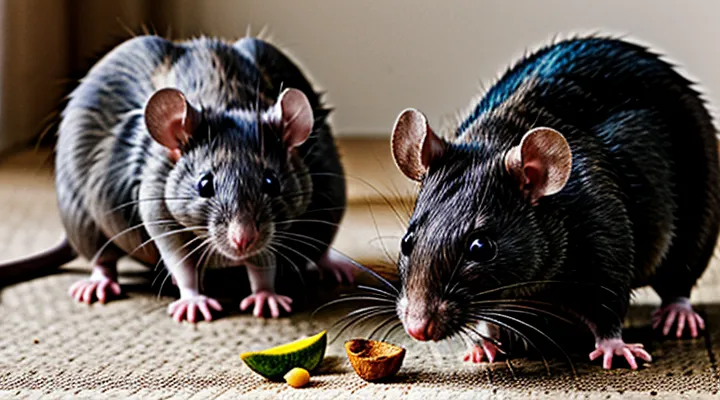
«The Foundation of a Rat's Diet: Commercial Lab Blocks»
«Why Lab Blocks are Essential»
Lab blocks provide a balanced source of nutrients specifically formulated for the dietary needs of domesticated rats. Each block contains protein, fat, fiber, vitamins, and minerals in proportions that support growth, reproductive health, and immune function. The uniform composition eliminates the risk of nutrient deficiencies that can arise from an inconsistent mixture of fresh foods and treats.
Key advantages of lab blocks include:
- Consistent caloric density, allowing precise control of daily intake.
- Low moisture content, which reduces spoilage and extends shelf life.
- Inclusion of essential amino acids and fatty acids that promote muscle development and neural health.
- Fortification with vitamins A, D, E, and B complex, supporting vision, bone strength, and metabolic processes.
- Absence of harmful additives, ensuring a safe feed for sensitive gastrointestinal systems.
When lab blocks are combined with occasional fresh vegetables or fruits, they create a comprehensive diet that meets the physiological demands of pet rats while simplifying meal planning for owners. This approach minimizes the need for complex nutritional calculations and helps maintain stable body weight and overall vitality.
«Choosing the Right Lab Block»
«Nutritional Content Considerations»
Pet rats require a diet that supplies adequate protein, fat, fiber, vitamins, and minerals to support rapid growth, high activity levels, and reproductive health. Protein should account for 15–20 % of total calories, sourced from high‑quality animal or plant proteins such as soy, egg, or insect meal. Fat contributes 5–7 % of calories; essential fatty acids must be present, but excess fat leads to obesity and liver strain. Fiber, supplied by whole grains, hay, and vegetables, promotes gastrointestinal motility and prevents dental overgrowth.
Key micronutrients include:
- Calcium : phosphorus ratio of approximately 1 : 1 to 1 : 2; imbalance causes skeletal deformities.
- Vitamin A, D, and E for vision, calcium metabolism, and antioxidant protection.
- B‑complex vitamins for energy metabolism; deficiencies manifest as lethargy and poor coat condition.
- Trace minerals such as zinc, copper, and selenium, required in minute amounts for immune function and enzymatic activity.
Commercially formulated rodent blocks or pellets are calibrated to meet these specifications, providing a consistent nutrient profile and reducing the risk of accidental deficiencies. Fresh foods—leafy greens, carrots, apples, and occasional protein treats—add variety and additional vitamins but must be introduced gradually to avoid digestive upset. Toxic items, including chocolate, caffeine, avocado, and raw beans, must be excluded entirely.
Water availability is non‑negotiable; rats consume 30–50 ml per 100 g body weight daily, and dehydration impairs renal function and reduces nutrient absorption. Monitoring body condition, coat quality, and fecal consistency offers practical feedback on dietary adequacy. Adjustments should be based on age, reproductive status, and activity level, ensuring that nutrient intake remains aligned with physiological demands.
«Brands and Formulations»
Pet rats require a balanced diet that supplies adequate protein, fiber, vitamins, and minerals while keeping fat levels moderate. Commercial products address these needs through carefully engineered formulations, and several reputable brands dominate the market.
- Mazuri Small Animal Diet – high‑protein (approximately 18 % crude protein), moderate fat (5 %); includes a complete vitamin/mineral premix; grain‑free option available for rats with sensitivities.
- Oxbow Essentials Rat Food – protein content of 16 %; added prebiotic fiber to support gut health; formulated with natural ingredients and no artificial colors or flavors.
- Small Pet Select Rat & Mouse Food – protein 14 %; fat 4 %; includes a blend of whole grains, seeds, and dried vegetables; fortified with calcium and phosphorus for bone development.
- Kaytee Forti‑Diet – protein 12 %; enriched with vitamin E, zinc, and selenium; low‑fat formulation designed for adult rats prone to obesity.
- Sunseed Rat Food – protein 15 %; incorporates alfalfa and soy for plant‑based protein; includes a balanced calcium‑phosphorus ratio and added omega‑3 fatty acids.
Formulations differ primarily in protein source (animal‑derived versus plant‑based), fiber type (soluble versus insoluble), and supplemental additives (prebiotics, antioxidants, joint‑support compounds). High‑protein blends are suited for growing juveniles and lactating females, while lower‑protein, higher‑fiber options help maintain healthy weight in mature rats. Fat content should not exceed 5 % of the diet to prevent obesity, and calcium‑phosphorus ratios must remain near 1 : 1 to avoid skeletal disorders.
In addition to staple pellets, many owners supplement with fresh vegetables, fruits, and occasional protein treats. When selecting a brand, verify that the product meets the National Research Council’s nutrient recommendations for rats and that the ingredient list avoids excessive fillers such as wheat bran or soy hulls. Consistency in formulation ensures reliable nutrient intake, reduces the risk of digestive upset, and supports overall vitality.
«Safe and Nutritious Foods for Pet Rats»
«Vegetables and Fruits»
«Recommended Vegetables»
Pet rats thrive on a diet that combines high‑quality commercial pellets with fresh vegetables. Selecting appropriate greens supplies essential vitamins, minerals, and fiber while preventing nutritional deficiencies.
- Carrots – rich in beta‑carotene; offer in small, bite‑size pieces.
- Broccoli – contains vitamin C and calcium; give only a few florets to avoid gas.
- Bell peppers – provide vitamin C and antioxidants; serve raw, seeded, and chopped.
- Spinach – source of iron and folate; limit to occasional servings due to oxalates.
- Zucchini – low in calories, high in water content; present raw or lightly steamed.
- Kale – packed with vitamin K and calcium; feed in moderation to prevent thyroid issues.
- Cucumber – high moisture, mild flavor; suitable for hydration and crunch.
Serve vegetables fresh, washed, and free of pesticides. Cut into pieces no larger than a rat’s head to reduce choking risk. Introduce new items gradually, monitoring for digestive upset. Aim for vegetables to constitute roughly 10‑20 % of daily intake, rotating varieties to ensure a balanced nutrient profile.
«Recommended Fruits»
Pet rats benefit from occasional fruit, which supplies natural sugars, vitamins, and fiber when offered in controlled amounts.
- Apple (core and seeds removed) – high in vitamin C, low in fat.
- Blueberries – rich in antioxidants, suitable for small portions.
- Pear (skin peeled) – gentle on digestion, provides potassium.
- Strawberries – source of folate and vitamin C; remove stems.
- Kiwi – offers vitamin K and vitamin C; serve thin slices.
- Banana – soft texture, high in potassium; limit to a few millimeters per serving.
- Melon (cantaloupe, honeydew) – water‑rich, provides vitamin A; seedless cubes are ideal.
Fruit should be washed thoroughly, trimmed of pits, stems, and skins that could cause irritation, and cut into bite‑size pieces. Offer no more than 10 % of the total daily caloric intake; a typical adult rat receives one to two small pieces per day. Remove uneaten fruit after two hours to prevent spoilage and bacterial growth. Rotate varieties to maintain nutritional balance and keep the diet engaging.
«Vegetables and Fruits to Avoid»
Pet rats require a balanced diet, yet many common vegetables and fruits can cause health problems. Identifying harmful produce prevents gastrointestinal distress, nutritional deficiencies, and toxic reactions.
Vegetables to avoid
- Raw potatoes, especially skins, contain solanine that can be lethal.
- Nightshade family members such as eggplant and tomatoes (unripe fruit), which also hold solanine.
- Cruciferous greens like raw cabbage, broccoli, and cauliflower; they produce gas and may irritate the gut.
- Spinach and other oxalate‑rich greens, which can lead to kidney stone formation when fed regularly.
- Onions, garlic, and leeks; their sulfides damage red blood cells.
Fruits to avoid
- Citrus fruits (lemon, lime, orange) in large quantities; high acidity can cause mouth irritation and upset stomach.
- Grapes and raisins; documented cases of renal failure in small mammals.
- Avocado flesh; contains persin, a compound toxic to many rodents.
- Fruit pits and seeds (e.g., apple cores, cherry pits) because they harbor cyanogenic glycosides.
- Overripe or moldy fruit; molds produce mycotoxins that compromise liver function.
When offering fresh produce, limit portions to no more than 10 % of the total diet and introduce new items gradually. Prefer safe vegetables such as carrots, bell peppers, and leafy lettuce, and select low‑sugar fruits like blueberries in moderation. Regular observation for changes in stool, appetite, or behavior ensures early detection of adverse reactions.
«Proteins and Grains»
«Healthy Protein Sources»
Pet rats require high‑quality protein to support growth, tissue repair, and reproductive health. Adequate protein prevents muscle wasting and promotes a robust immune system.
Common protein sources that meet nutritional standards for pet rats include:
- Cooked chicken breast – lean, low‑fat meat; provide 31 g protein per 100 g; serve in small, bite‑size pieces without seasoning.
- Hard‑boiled eggs – complete protein with essential amino acids; offer 13 g protein per 100 g; remove shell before feeding.
- Low‑fat cottage cheese – dairy protein with calcium; contains 11 g protein per 100 g; offer in modest portions to avoid excess lactose.
- Plain Greek yogurt – high‑protein, probiotic‑rich; provides 10 g protein per 100 g; choose unsweetened varieties.
- Cooked lean beef – rich in iron and zinc; supplies 26 g protein per 100 g; trim visible fat and avoid seasoning.
- Soybeans (cooked or tempeh) – plant‑based protein with fiber; deliver 16 g protein per 100 g; ensure thorough cooking to reduce antinutrients.
- Mealworms (live or dried) – insect protein high in fat and chitin; contain 20 g protein per 100 g; use as occasional treat due to high calorie density.
Supplement these items with a balanced commercial rat pellet that already contains a baseline protein level. Rotate protein sources to prevent dietary monotony and to supply a broader spectrum of amino acids and micronutrients.
«Beneficial Grains and Seeds»
Pet rats require carbohydrates, fiber, and essential nutrients that grains and seeds can reliably provide. Including appropriate varieties enhances energy levels, supports digestive health, and supplies vitamins and minerals crucial for growth and reproduction.
- Oats (rolled or instant): High in soluble fiber, moderate protein, and B‑vitamins; suitable for daily inclusion in small portions.
- Brown rice: Offers complex carbohydrates and magnesium; serves as a gentle energy source without excessive starch.
- Quinoa: Complete protein source containing all nine essential amino acids; also rich in iron and phosphorus.
- Millet: Light, easily digestible grain with a favorable calcium‑to‑phosphorus ratio; appropriate for young or recovering rats.
- Barley (hulled): Provides beta‑glucans that aid gut flora balance; contains selenium for antioxidant protection.
- Safflower seeds: High in unsaturated fatty acids and vitamin E; useful for skin and coat maintenance.
- Sunflower seeds (unsalted, shelled): Concentrated source of vitamin E, zinc, and healthy fats; should be offered sparingly due to calorie density.
- Flaxseed (ground): Supplies omega‑3 fatty acids and lignans; promotes cardiovascular health and reduces inflammation.
When integrating grains and seeds, observe the following guidelines: limit total grain contribution to 10‑15 % of the overall diet, ensure seeds are unsalted and free of additives, and rotate varieties to prevent nutrient imbalances. Monitor body condition regularly; excessive intake can lead to obesity or digestive upset. Properly balanced, these foods constitute a valuable component of a pet rat’s nutrition regimen.
«Occasional Treats and Snacks»
«Safe Human Foods for Treats»
Pet rats can enjoy a variety of human foods as occasional treats, provided the items are nutritionally appropriate and free of harmful substances. Treats should complement a balanced base diet of commercial rat pellets and fresh vegetables, not replace them.
- Small pieces of fresh fruit such as apple (seedless), banana, berries, and melon
- Cooked, unseasoned lean proteins like chicken breast, turkey, or boiled egg
- Plain cooked grains including oatmeal, rice, and whole‑wheat pasta
- Low‑fat dairy in moderation: plain yogurt or a tiny cube of cheese
- Unsalted nuts and seeds, limited to a few pieces per week (e.g., almonds, sunflower seeds)
When offering treats, keep portions under one teaspoon per serving to avoid excess calories. Remove any pits, cores, or skins that could cause choking or contain toxins. Wash fruits and vegetables thoroughly to eliminate pesticide residues. Serve foods at room temperature; avoid hot or cold extremes. Store leftovers in the refrigerator and discard after 24 hours to prevent spoilage.
Introduce new items gradually, monitoring the rat for signs of digestive upset such as diarrhea or reduced appetite. If adverse reactions occur, discontinue the food and consult a veterinarian experienced with small rodents.
«Treats to Offer Sparingly»
Pet rats thrive on a diet rich in fresh vegetables, grains, and protein sources. Occasionally, small amounts of special treats can add variety, but each must be limited to avoid nutritional imbalances and health problems.
- Hard‑boiled egg – one small piece once or twice a week supplies protein and essential amino acids.
- Cheese – a tiny cube of low‑fat cheese once weekly offers calcium; excess can cause digestive upset.
- Nuts and seeds – a few slivers of unsalted almonds, sunflower seeds, or pumpkin seeds twice a month provide healthy fats; overuse leads to obesity.
- Dried fruit – a single raisin or piece of dried apricot monthly adds natural sugars; monitor for mold.
- Mealworms or crickets – one or two live insects bi‑weekly deliver protein and enrichment; avoid if the rat shows allergic reactions.
- Whole‑grain cereals – a pinch of plain, unsweetened oatmeal once a week offers fiber; choose low‑sugar varieties.
Treats should never replace the core diet. Introduce each new item in minimal quantity, observe the rat’s response, and discontinue if any signs of distress appear. Regular veterinary check‑ups help confirm that occasional indulgences remain safe.
«Foods to Absolutely Avoid»
«Toxic and Harmful Foods»
Pet owners must exclude certain items from a rat’s diet to prevent illness or death. Many human foods contain compounds that rodents cannot metabolize safely, and even small amounts can cause severe reactions.
- Chocolate, cocoa, and products containing theobromine
- Caffeine in coffee, tea, soda, and energy drinks
- Alcoholic beverages and any foods prepared with alcohol
- Raw or green potatoes and sweet potatoes (solanine)
- Onions, garlic, leeks, and chives (thiosulfates)
- Avocado flesh and pits (persin)
- Citrus peels and large quantities of citrus juice (acidic irritation)
- Processed snacks, chips, and sugary treats (high fat, salt, and sugar)
- Moldy or spoiled foods (mycotoxins)
Avoid these substances entirely. If ingestion is suspected, monitor the rat for vomiting, diarrhea, lethargy, tremors, or respiratory distress and contact a veterinarian promptly. Providing a balanced diet of commercial pellets, fresh vegetables, and occasional protein sources ensures nutritional adequacy while minimizing health risks.
«Foods That Cause Digestive Issues»
Pet rats require a balanced diet to maintain gastrointestinal health. Certain foods disrupt normal digestion, leading to discomfort, diarrhea, or more serious conditions.
- Citrus fruits (oranges, lemons, grapefruits) – high acidity irritates the stomach lining.
- Spicy foods (chili, hot sauce) – capsaicin stimulates excessive intestinal motility.
- Dairy products (milk, cheese, yogurt) – most rats lack sufficient lactase, resulting in lactose intolerance.
- Raw beans and legumes – contain lectins that can damage intestinal cells.
- High‑fat treats (chips, fried snacks) – excess fat overwhelms the pancreas, causing malabsorption.
- Processed sugars (candy, sugary cereals) – ferment rapidly, producing gas and bloating.
- Artificial sweeteners (xylitol, sucralose) – can be toxic to rodent metabolism.
Symptoms of digestive distress include loose stools, reduced appetite, lethargy, and abdominal swelling. Persistent issues warrant veterinary assessment to rule out infection or underlying disease.
Preventive measures involve offering a core diet of commercial rat pellets, supplemented with small portions of fresh vegetables, fruits, and lean protein. Any new food should be introduced gradually, observing the rat’s response for at least 48 hours. Remove all identified problem foods from the enclosure and store them securely to avoid accidental ingestion.
«Feeding Guidelines and Best Practices»
«Portion Control and Frequency»
Proper portion control prevents obesity, dental problems, and digestive upset in domestic rats. Adult rats typically require 1–2 teaspoons (approximately 5–10 g) of dry mix per day, while juveniles need slightly less, adjusted for rapid growth. Fresh vegetables add bulk and moisture; limit to 1–2 tablespoons (3–6 g) daily to avoid excess water intake. Treats such as fruit or commercial snacks should not exceed 10 % of total calories and must be offered sparingly.
Feeding frequency influences metabolic stability. A consistent schedule supports regular gut motility and reduces stress. Recommended routine:
- Morning: Offer measured dry mix plus a small portion of fresh greens (e.g., kale, carrot). Remove uneaten food after 2 hours.
- Evening: Provide the remaining dry mix portion and, if desired, a treat slice (e.g., apple) not exceeding 5 g. Clear leftovers within 2 hours.
Monitor body condition weekly; adjust portions by 5 % if weight gain or loss exceeds 2 % of target. Ensure fresh water is always available.
«Introducing New Foods»
Pet rats thrive on a balanced diet that includes grains, proteins, fruits, and vegetables. When expanding this diet, gradual introduction prevents digestive upset and encourages acceptance.
Begin by selecting a single new item. Offer a small piece—approximately the size of a pea—once daily alongside the regular feed. Observe the rat for 24 hours; note any changes in stool consistency, appetite, or behavior. If no adverse reaction occurs, increase the portion to a pea‑sized amount every other day, maintaining the original diet as the primary source.
Safe options for trial include:
- Cooked lean chicken or boiled egg white, finely shredded.
- Fresh cucumber, carrot, or broccoli florets, peeled and diced.
- Small quantities of apple, pear, or berries, seeds removed.
- Whole‑grain pasta or brown rice, cooked without salt or oil.
- Commercial rat treats formulated with natural ingredients, limited to one or two per week.
Avoid foods that are toxic or difficult to digest: chocolate, caffeine, alcohol, raw beans, onions, garlic, citrus peel, and high‑fat processed snacks. Also exclude sugary sweets and salty chips, which can cause obesity and kidney strain.
After successful acclimation, rotate new items weekly to provide variety and essential nutrients such as vitamin C, calcium, and fiber. Maintain fresh water at all times and monitor weight weekly to ensure the diet supports healthy growth.
«The Importance of Fresh Water»
Fresh water must be available to pet rats at all times. Without adequate hydration, their metabolic processes slow, leading to reduced activity and poor health outcomes.
Key reasons for providing clean water include:
- Maintaining proper fluid balance, which supports cellular function and temperature regulation.
- Assisting digestion by helping break down food and facilitating nutrient absorption.
- Protecting kidney health; continuous water intake aids in the elimination of waste products and prevents the formation of urinary crystals.
- Supporting the immune system; dehydration can weaken defenses and increase susceptibility to infections.
When water is stale or contaminated, rats may reduce consumption, resulting in dehydration and subsequent complications. Regularly replace water, use a bottle with a stainless‑steel tip to prevent bacterial growth, and keep the container clean. Consistent access to fresh water complements a balanced diet and promotes overall well‑being in pet rats.
«Addressing Special Dietary Needs»
«Diet for Young Rats (Kits)»
Young rats require a diet that supplies high protein, essential fats, and balanced carbohydrates to support rapid growth and organ development. Commercially formulated kitten or mouse-rearing pellets deliver the necessary nutrient profile and are easy to digest. Offer 1 – 2 grams of pellets per kit daily, divided into two feedings to maintain steady energy levels.
Supplement the base diet with fresh, soft foods that are safe for small mammals:
- Cooked, unseasoned chicken breast, shredded into bite‑size pieces
- Boiled egg yolk, limited to a teaspoon per day
- Softened oatmeal or plain rice cereal, moistened with warm water
- Small amounts of finely chopped, cooked carrots or sweet potato
Introduce each new item gradually, observing for signs of digestive upset. Avoid raw vegetables, high‑fiber greens, and sugary treats, as they can cause diarrhea or nutrient imbalances.
Hydration is critical. Provide clean, fresh water in a shallow bottle or dish that kits can easily access. Replace water daily and check for blockage.
From the third week onward, begin transitioning kits to adult rat chow. Mix increasing portions of adult formulation with the rearing pellets, reducing the latter by 20 % each week until the kits consume only the adult diet. Continue offering occasional protein treats to maintain muscle development.
Monitor body weight weekly. A healthy kit should gain approximately 5 % of its initial weight per week. Adjust portions if growth stalls or if kits appear overly thin. Regular veterinary check‑ups confirm that the feeding program meets developmental needs.
«Diet for Pregnant or Nursing Does»
A pregnant or nursing female rat requires increased calories, protein, and essential nutrients to support fetal development and milk production. Feed should be balanced, high‑quality, and free of contaminants.
- Commercial lab‑grade or premium pet‑rat pellets: provide a complete source of vitamins, minerals, and amino acids; offer 3–4 % higher caloric density than standard rodent mixes.
- Fresh vegetables: spinach, kale, broccoli, and carrots supply vitamin C, calcium, and fiber; introduce 1–2 Tbsp per day, finely chopped.
- Protein supplements: cooked egg white, low‑fat cottage cheese, or plain boiled chicken breast add 10–15 % extra protein; limit to 1 Tbsp daily to avoid excess fat.
- Fruit treats: apple slices, blueberries, or banana chunks deliver natural sugars for energy spikes; restrict to ½ Tbsp to prevent digestive upset.
- Healthy fats: a few drops of flaxseed oil or a teaspoon of unsalted, roasted sunflower seeds contribute omega‑3 fatty acids essential for neural development.
Water must be fresh, clean, and available at all times. Monitor body condition; pregnant or lactating rats typically gain 10–15 % body weight by mid‑gestation and may increase food intake by 25–30 % during nursing. Adjust portions accordingly, ensuring the diet remains nutritionally complete without excess calories that could lead to obesity. Regular veterinary checks help confirm that the diet meets the specific needs of each dam.
«Diet for Senior Rats»
Senior rats require a diet that supports reduced metabolism, joint health, and dental maintenance. Protein should remain adequate but not excessive; high‑quality sources such as cooked chicken, boiled egg whites, or low‑fat cottage cheese provide essential amino acids without overloading calories. Fiber intake helps prevent constipation and promotes gut motility; include fresh leafy greens (romaine lettuce, kale), small amounts of cooked carrots, and a modest serving of timothy hay or plain shredded wheat. Fat content must be limited to avoid obesity; avoid oily treats and keep nut portions to a teaspoon per week. Calcium and vitamin D are critical for bone density; offer a calibrated mineral block or a calcium‑enriched supplement formulated for rodents. Hydration is essential; fresh water should be available at all times, and occasional moisture‑rich foods like cucumber or watermelon can aid intake.
Practical feeding guidelines:
- Offer 1‑2 teaspoons of mixed fresh vegetables daily, rotating varieties to ensure a broad nutrient profile.
- Provide 1‑2 tablespoons of protein source every other day, adjusting portions based on body condition.
- Supply a small piece (½ inch) of fortified chew to support dental health and encourage chewing.
- Limit high‑sugar fruits to a few bite‑size pieces weekly.
- Monitor weight weekly; adjust portions if the rat gains more than 2 % of body weight over two weeks.
Regular veterinary check‑ups should include blood work to detect age‑related deficiencies, allowing supplementation adjustments. Consistency in feeding times and environment reduces stress, which further contributes to a stable appetite and overall well‑being.
«Dietary Considerations for Sick Rats»
Sick rats require a diet that supports recovery while minimizing digestive stress. Soft, high‑moisture foods such as fresh pumpkin, cooked sweet potato, and mashed banana provide gentle calories and replenish fluids. Small portions of plain, unsalted boiled chicken or scrambled egg can supply essential protein without overwhelming the stomach.
Key nutrients that aid healing include:
- Vitamin C – fresh bell pepper or a few drops of a veterinary‑approved supplement, because rats cannot synthesize this antioxidant.
- B‑complex vitamins – a balanced rat‑specific supplement helps maintain energy metabolism.
- Electrolytes – diluted, low‑sugar oral rehydration solution can prevent dehydration when water intake drops.
Hydration remains critical; offer fresh water in a low‑profile bottle and add a shallow dish of water‑rich foods (cucumber, melon) to encourage drinking. Avoid high‑fat treats, sugary pellets, and raw seeds, as these can aggravate gastrointestinal upset.
Feeding frequency should increase to three to four small meals per day, allowing the animal to digest without overloading the gut. Observe stool consistency and appetite; any decline warrants immediate veterinary consultation.
If the rat is on medication, verify with the veterinarian that the chosen foods will not interfere with drug absorption. Adjust the diet based on the specific illness—respiratory infections may benefit from additional protein, while gastrointestinal issues require bland, fiber‑moderate meals.
Consistent monitoring, appropriate supplements, and a tailored, easily digestible menu form the foundation of nutritional care for ill pet rats.