
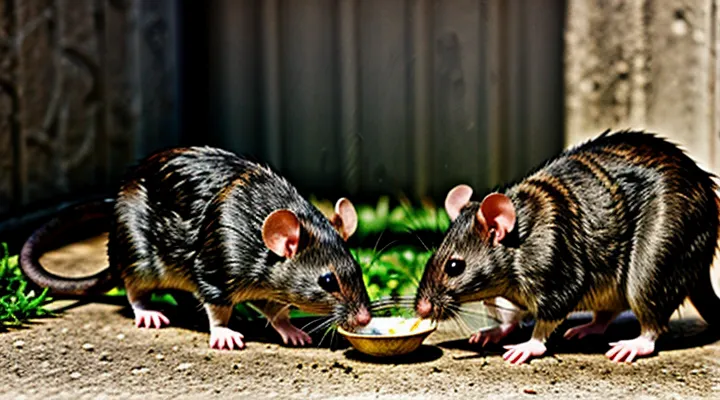
The Basics of Rat Nutrition
The Importance of a Balanced Diet
A balanced diet for domestic rats supplies adequate protein, fat, carbohydrates, fiber, vitamins and minerals. Protein sources such as high‑quality rodent pellets, cooked eggs or lean meat provide the amino acids needed for growth and tissue repair. Fats from seeds and nuts deliver essential fatty acids, while whole grains and vegetables contribute digestible carbohydrates and fiber that support gastrointestinal health. Vitamins and minerals are furnished by leafy greens, carrots, bell peppers and fortified pellets, preventing deficiencies that impair immune function and bone development.
Insufficient protein can stunt growth and reduce reproductive success; excess fat may cause obesity and hepatic disease. Inadequate calcium or phosphorus disrupts skeletal integrity, and a lack of vitamin C, though not required by rats, can weaken antioxidant defenses. Fiber deficiency leads to impaction, while excess simple sugars increase the risk of dental decay.
Recommended food categories:
- Commercially formulated rat pellets (primary staple)
- Fresh vegetables (e.g., kale, broccoli, cucumber)
- Limited fruit (e.g., apple slices, berries) for occasional enrichment
- Small portions of cooked lean protein (e.g., chicken, boiled egg)
- Unsalted nuts and seeds (moderate amounts)
- Plain water available at all times
Feeding should occur twice daily, with the bulk of calories delivered by pellets and the remainder from fresh items. Treats must not exceed 10 % of total intake. Regular monitoring of body condition and adjustment of portions ensure the diet remains balanced throughout the rat’s life cycle.
Essential Nutrients for Rats
Protein Requirements
Rats require dietary protein to sustain growth, tissue repair, and physiological functions. Adequate protein intake supports muscle development, immune competence, and reproductive performance.
Adult laboratory rats thrive on diets containing 14–18 % crude protein on a dry‑matter basis. Growing juveniles need 18–20 % to accommodate rapid tissue accretion. Excess protein above 25 % can increase nitrogen waste and strain renal function.
High‑quality protein supplies essential amino acids in ratios matching rat metabolism. Lysine, methionine, threonine, and tryptophan are particularly critical; deficiencies impair growth and fertility.
Typical protein sources include:
- Soybean meal (high lysine, moderate methionine)
- Fish meal (rich in methionine, taurine)
- Whey protein concentrate (balanced amino acid profile)
- Egg white powder (excellent digestibility)
- Insect meal (emerging source, favorable amino acid composition)
Feeding practice should balance protein level with overall caloric density. Monitor body condition and urine nitrogen excretion to detect over‑ or under‑feeding. Adjust formulations when introducing new protein ingredients to maintain consistent amino acid supply.
Carbohydrate Needs
Rats require carbohydrates as a primary energy source, typically contributing 45–55 % of total caloric intake in a balanced diet. Adequate carbohydrate supply supports growth, reproduction, and normal activity levels. Excessive carbohydrates can lead to obesity and metabolic disturbances; insufficient amounts may cause weight loss and reduced vitality.
Common carbohydrate ingredients suitable for rat nutrition include:
- Whole grain wheat, oats, and barley
- Cooked rice and pasta
- Sweet potatoes and carrots (fresh or cooked)
- Commercial rodent pellets formulated with verified carbohydrate content
- Small quantities of fruit such as apples or bananas, provided seeds are removed
When formulating a diet, calculate carbohydrate proportion based on the rat’s age, weight, and activity level. Young, rapidly growing rats benefit from the higher end of the recommended range, while adult maintenance diets may aim for the lower end. Regular monitoring of body condition and adjusting carbohydrate sources ensures optimal health outcomes.
Healthy Fats
Rats need dietary fats to support cell membranes, hormone production, and energy storage. Healthy fats should come from sources low in saturated fat and free of trans‑fat additives.
Suitable fat sources include:
- Olive oil: rich in monounsaturated oleic acid; add a few drops to fresh vegetables or a small piece of whole‑grain bread.
- Flaxseed oil: high in omega‑3 fatty acids; mix 0.5 ml into a daily portion of mash.
- Fish oil: provides EPA and DHA; limit to 0.2 ml per 100 g of body weight to avoid excess calories.
- Sunflower or safflower seeds: contain polyunsaturated fats; offer a measured handful (≈1 g) two to three times per week.
- Coconut oil: supplies medium‑chain triglycerides; restrict to occasional use because of elevated saturated fat content.
Amount matters. Adult rats (200–300 g) should receive roughly 2–4 % of total caloric intake from fats, translating to 0.5–1 g of fat per day. Overfeeding leads to obesity, hepatic lipidosis, and reduced lifespan.
Avoid processed snacks, butter, and lard, which introduce high saturated fats and possible contaminants. Store oils in dark, airtight containers at refrigeration temperature to prevent oxidation. Regularly monitor body condition and adjust portions accordingly.
Vitamins and Minerals
Rats require a consistent supply of vitamins and minerals to maintain growth, reproduction, and immune function. Deficiencies manifest quickly as weight loss, poor coat condition, or skeletal abnormalities, making precise nutrient provision essential.
Key vitamins
- Vitamin A: supports vision and epithelial health; found in carrots, sweet potatoes, and fortified pellets.
- Vitamin D3: enables calcium absorption; synthesized from limited sunlight exposure, supplemented through fortified foods.
- Vitamin E: protects cell membranes from oxidative damage; abundant in seeds and vegetable oils.
- B‑complex (B1, B2, B3, B6, B12, folic acid, pantothenic acid): involved in energy metabolism and nervous system maintenance; present in whole grains, legumes, and liver.
- Vitamin K: required for blood clotting; supplied by leafy greens and liver.
Essential minerals
- Calcium: bone formation and muscle contraction; sourced from dairy, fortified feed, and mineral blocks.
- Phosphorus: works with calcium for skeletal integrity; abundant in meat, fish, and grain products.
- Magnesium: enzyme activation and nerve function; found in nuts, seeds, and whole grains.
- Potassium: regulates fluid balance and cardiac activity; present in bananas, potatoes, and leafy vegetables.
- Sodium: maintains osmotic pressure; limited amounts in commercial mixes suffice.
- Iron: hemoglobin synthesis; supplied by meat, liver, and iron‑fortified pellets.
- Zinc: skin health and immune response; available in meat, nuts, and fortified feeds.
- Copper, manganese, selenium: trace elements required for antioxidant enzymes; delivered through balanced commercial diets.
Commercial rat pellets are formulated to meet established nutrient ratios, reducing the need for separate supplementation. When offering fresh foods, ensure they complement the pellet base without exceeding recommended vitamin or mineral levels, as excesses—particularly of calcium, phosphorus, or fat‑soluble vitamins—can cause toxicity. Regular monitoring of coat quality, activity, and weight provides practical feedback on dietary adequacy.
Safe and Recommended Foods for Rats
Commercial Rat Blocks
Commercial rat blocks are pre‑formulated nutrient pellets designed for laboratory and pet rat diets. They provide a balanced mix of protein, fat, carbohydrates, vitamins, and minerals, meeting the nutritional requirements established by rodent research guidelines. The typical composition includes 18–22 % protein from soy or casein, 4–6 % fat from vegetable oils, and a calibrated blend of essential amino acids, calcium, phosphorus, and trace elements such as zinc and selenium.
Key advantages of using these pellets include consistent nutrient delivery, reduced risk of dietary deficiencies, and ease of storage. Because the formulation is standardized, researchers and caretakers can compare results across studies without variability introduced by homemade mixes.
Practical considerations for implementation:
- Store blocks in a cool, dry environment; exposure to humidity may cause clumping or spoilage.
- Provide fresh water ad libitum; the pellets are designed to be consumed with water intake.
- Monitor daily intake; average adult rats consume 15–25 g of dry feed per day, adjusted for age, weight, and activity level.
- Replace any uneaten portion after 24 hours to maintain freshness and prevent contamination.
When transitioning rats from another diet, introduce commercial blocks gradually over three to five days, mixing increasing proportions with the previous feed. Observe for changes in body condition, coat quality, and fecal consistency to confirm acceptance and adequacy.
Vegetables Safe for Rats
Leafy Greens
Leafy greens are a valuable component of a balanced diet for domestic rats, offering essential vitamins, minerals, and fiber. Incorporating these vegetables supports healthy digestion, immune function, and eye health.
Suitable greens include:
- Romaine lettuce (low oxalate, high water content)
- Kale (rich in vitamin K and calcium)
- Spinach (moderate calcium, vitamin A)
- Swiss chard (source of magnesium and iron)
- Dandelion leaves (natural diuretic, high in vitamin C)
Preparation guidelines:
- Wash thoroughly to remove pesticides and soil.
- Remove tough stems; offer only tender leaves.
- Chop into bite‑size pieces to prevent choking.
- Serve fresh; discard uneaten portions after two hours to avoid spoilage.
Feeding frequency should be moderate. Offer a small handful of mixed greens 3–4 times per week, adjusting portion size to the rat’s weight and activity level. Overfeeding can lead to diarrhea or calcium imbalance.
Safety considerations:
- Avoid iceberg lettuce, which provides minimal nutrition and can cause digestive upset.
- Limit high‑oxalate greens (e.g., spinach) to prevent kidney stone formation.
- Exclude wilted or moldy leaves, which may introduce toxins.
Integrating a variety of leafy greens ensures comprehensive nutrient coverage while maintaining palatability and preventing dietary monotony.
Root Vegetables
Root vegetables can form a valuable component of a rat’s diet when offered in appropriate amounts and prepared correctly. They supply carbohydrates, fiber, vitamins A and C, and minerals such as potassium and calcium, supporting energy needs and digestive health.
Commonly used root vegetables include:
- Carrots, sliced thinly
- Sweet potatoes, cooked and mashed
- Beets, peeled and diced
- Turnips, raw or lightly steamed
- Parsnips, cut into small sticks
Preparation guidelines:
- Wash thoroughly to remove soil and pesticide residues.
- Trim any green tops or sprouts, which may contain toxins.
- Cook starchy varieties (sweet potatoes, beets) to soften fibers and improve digestibility; serve cool.
- Offer raw options (carrots, turnips) in bite‑size pieces to prevent choking.
Feeding frequency should be limited to 10‑15 % of the overall daily intake. Overreliance on root vegetables can displace protein sources and lead to excess sugar consumption, potentially causing obesity or gastrointestinal upset.
Cautionary points:
- Avoid raw potatoes and any green portions of potatoes due to solanine toxicity.
- Do not feed large quantities of sugary root vegetables in a single session.
- Monitor individual rats for signs of digestive distress; adjust portions accordingly.
Integrating a balanced selection of root vegetables enriches the nutritional profile of a rat’s regimen while maintaining variety and palatability.
Other Safe Vegetables
Rats thrive on a diverse vegetable intake that supplements their protein and grain base. Incorporating a range of leafy and root vegetables enhances fiber, vitamins, and minerals essential for optimal health.
- Swiss chard – rich in calcium and vitamin K; serve raw or lightly steamed.
- Zucchini – low‑calorie source of vitamin C; slice thinly to prevent choking.
- Kale – high in antioxidants; offer in small portions due to oxalate content.
- Bok choy – provides vitamin A and folate; remove any wilted leaves.
- Green beans – contain fiber and iron; cut into bite‑size pieces.
- Cucumber – high water content; peel if waxed, feed in moderation.
- Bell pepper (any color) – supplies vitamins A and C; discard seeds.
- Radish greens – edible tops rich in nutrients; wash thoroughly.
- Parsnip – source of potassium; steam lightly to soften fibers.
- Celery – offers crunch and vitamin K; trim ends to avoid excessive sodium.
When introducing new vegetables, present a small amount (approximately a teaspoon per rat) and observe for digestive tolerance. Wash all produce to remove pesticides, trim tough stems, and avoid over‑cooking to preserve nutrients. Rotate varieties weekly to prevent dietary monotony and ensure balanced nutrient exposure.
Fruits Safe for Rats
Berries
Berries can be a valuable addition to a pet rat’s diet when offered correctly. They supply antioxidants, vitamins, and fiber that support immune function and digestive health.
Safe options include:
- Strawberries (fresh, rinsed, stem removed) – low in fat, high in vitamin C.
- Blueberries – rich in anthocyanins, suitable in small portions.
- Raspberries – provide dietary fiber; limit to a few berries due to natural acidity.
- Blackberries – source of vitamin K and manganese; feed sparingly.
- Cranberries (unsweetened, fresh or frozen) – antioxidant properties; restrict quantity to avoid excessive tartness.
Preparation guidelines:
- Wash thoroughly to eliminate pesticide residues.
- Remove any leaves, stems, or seeds that could cause choking.
- Offer only a few berries per serving, typically no more than ½ % of the rat’s body weight per week.
- Observe the animal for signs of gastrointestinal upset after introduction.
Berries to avoid entirely are those known to be toxic, such as holly berries, yew berries, and any wild fruit lacking reliable identification. Even edible varieties can become harmful if moldy or spoiled; discard any that show discoloration or an off‑odor. Consistent moderation and proper handling ensure that berries enhance nutrition without compromising health.
Other Safe Fruits
Rats enjoy a range of fruits that provide vitamins, antioxidants, and hydration. Introducing new fruits should be gradual to observe any adverse reactions.
- Apple (core and seeds removed); offer small, bite‑size pieces.
- Blueberries; serve whole or halved, limited to a few per day.
- Strawberries; remove stems, provide a few slices.
- Kiwi; peel and cut into tiny cubes, feed sparingly due to acidity.
- Mango; peel, discard pit, and give tiny chunks.
- Papaya; remove seeds, cut into small pieces.
- Raspberries; feed a few whole berries.
- Watermelon; seedless, offer a few cubes, monitor for excess moisture.
- Pear; core and seeds removed, provide small slices.
- Peaches; pit removed, serve thin wedges.
All fruits should be washed thoroughly, free of pesticides, and presented in moderation. Overfeeding can lead to diarrhea or weight gain. Observe the rat’s health and adjust portions accordingly.
Grains and Seeds for Rats
Grains and seeds provide carbohydrates, fiber, and essential nutrients that support energy metabolism and digestive health in pet rats. They complement protein sources and fresh vegetables, contributing to a balanced diet when offered in appropriate amounts.
- Oats (rolled or plain) – high in soluble fiber, low in sugar.
- Brown rice – source of complex carbohydrates and B‑vitamins.
- Quinoa – complete protein profile, gluten‑free, rich in magnesium.
- Barley – contains beta‑glucan, supports gut flora.
- Whole‑grain wheat berries – supply dietary fiber and trace minerals.
Seeds add healthy fats, vitamin E, and trace elements. Suitable options include:
- Sunflower seeds (unsalted, shelled) – rich in linoleic acid; limit to a few per week.
- Pumpkin seeds – high in zinc and antioxidants; suitable for occasional treats.
- Flaxseed – source of omega‑3 fatty acids; grind before feeding to improve digestibility.
- Sesame seeds – provide calcium and iron; use sparingly due to high fat content.
- Chia seeds – contain omega‑3s and fiber; hydrate to prevent choking.
Portion guidelines: offer no more than 1–2 teaspoons of mixed grains and seeds per day for an adult rat, adjusting downward for juveniles or less active individuals. Introduce new items gradually, monitoring for signs of intolerance such as loose stools or weight loss. Store dry products in airtight containers at room temperature to preserve freshness and prevent mold growth. Avoid flavored, sweetened, or salted varieties, as added additives can cause electrolyte imbalance or gastrointestinal distress.
Occasional Treats
Pet rats thrive on a balanced diet of commercial pellets, fresh vegetables, and limited protein sources. Occasionally, owners may supplement this routine with treats that enhance enrichment and provide sensory variety.
Safe occasional treats include:
- Small pieces of fresh fruit such as apple (seedless), banana, or berries; limit to a few bites per week to avoid excess sugar.
- Cooked plain grains like oatmeal or rice, offered in minimal amounts.
- Unsalted nuts (e.g., almonds, peanuts) broken into tiny fragments; restrict to once or twice a month because of high fat content.
- Whole‑grain crackers or plain popcorn without butter or seasoning; provide a single piece as a novelty.
- Small portions of boiled egg white, delivering protein without cholesterol concerns.
When selecting treats, observe the following guidelines:
- Introduce new items gradually, monitoring for digestive upset or allergic reactions.
- Keep treat portions no larger than the size of a rat’s paw.
- Maintain a maximum frequency of two to three treats per week to preserve nutritional balance.
- Avoid sugary, salty, or processed foods, as well as chocolate, caffeine, and raw beans, which are toxic to rodents.
By adhering to these parameters, occasional treats can enrich a rat’s environment without compromising health.
Foods to Avoid Feeding Your Rat
Toxic Foods
Foods to Never Feed Rats
Rats require a diet that excludes several common foods because they can cause acute toxicity, digestive distress, or long‑term health problems.
- Chocolate, caffeine‑containing products, and any items with theobromine – rapid heart‑rate increase, seizures, or death may result.
- Raw or undercooked beans, especially kidney beans – contain phytohaemagglutinin, a potent toxin that damages the intestinal lining.
- Citrus fruits and their peels – high acidity irritates the stomach and can lead to ulceration.
- Processed meats, cured or smoked – high salt and preservative levels strain kidneys and may cause hypertension.
- Sugary snacks, candy, and artificial sweeteners – promote obesity, dental decay, and in the case of xylitol, rapid insulin release and hypoglycemia.
- Dairy products, particularly cheese and milk – rats lack sufficient lactase, leading to diarrhea and nutrient imbalance.
- Avocado flesh and pit – contain persin, which can cause respiratory distress and heart damage.
- Onion, garlic, and related alliums – organosulfur compounds damage red blood cells, causing anemia.
- High‑fat fried foods – excess fat overloads the liver, increasing the risk of hepatic lipidosis.
- Salted nuts and popcorn – excessive sodium leads to dehydration and kidney strain.
Avoiding these items helps maintain optimal growth, reproductive health, and lifespan for pet rats.
Foods That Can Cause Health Problems
Rats require a balanced diet to maintain health, but several common foods can trigger serious problems. Toxic ingredients, excessive nutrients, or inappropriate textures may lead to digestive upset, organ damage, or fatal outcomes.
- Chocolate (especially dark) – contains theobromine, which rats cannot metabolize; symptoms include tremors, rapid heartbeat, and death.
- Caffeine – found in coffee, tea, and energy drinks; induces hyperactivity, seizures, and cardiac arrhythmia.
- Alcohol – depresses the central nervous system; causes loss of coordination, respiratory failure, and mortality.
- Avocado (pit and flesh) – contains persin, a toxin that can cause respiratory distress and heart damage.
- Raw beans (e.g., kidney beans) – hold lectins that irritate the intestinal lining, leading to vomiting and diarrhea.
- Onion and garlic – high in thiosulfates; result in hemolytic anemia and weakness.
- Citrus peels – acidic and oil‑rich; may cause mouth irritation and stomach ulceration.
- High‑fat or high‑sugar snacks (chips, candy, pastries) – promote obesity, liver disease, and dental decay.
- Processed meats (salami, hot dogs) – contain nitrates and high salt levels; can cause hypertension and kidney strain.
Feeding rats these items, even in small quantities, increases the risk of acute poisoning or chronic health decline. Safe alternatives include commercial rodent pellets, fresh vegetables, small portions of fruit, and lean protein sources such as boiled chicken. Monitoring intake and eliminating hazardous foods are essential for maintaining optimal rat wellbeing.
Foods to Limit
High-Fat Foods
Rats require a balanced diet, but occasional inclusion of high‑fat foods can support energy needs, coat health, and reproductive function when administered correctly.
Safe high‑fat options include:
- Small pieces of cooked chicken or turkey (skin removed)
- Hard‑boiled egg, quartered
- Unsalted peanuts or almonds, limited to a few kernels
- Plain sunflower or pumpkin seeds, without shells
- Low‑fat cheese, crumbled in minimal quantities
- Commercial rodent treats formulated with added fats, following label instructions
Foods high in fat that should be avoided:
- Fried snacks, bacon, sausage
- Processed meats containing preservatives or added sugars
- Butter, margarine, or oil drizzled directly onto feed
- Nut butters with added salt or sugar
- High‑fat dairy products such as whole milk or cream
Guidelines for feeding:
- Limit high‑fat items to no more than 5 % of total daily caloric intake.
- Introduce new items gradually, monitoring for digestive upset.
- Provide fresh water at all times to aid digestion.
- Ensure the primary diet consists of high‑quality rodent pellets, fresh vegetables, and occasional fruit.
Excessive fat can lead to obesity, hepatic lipidosis, and cardiovascular strain. Regular weight checks and observation of activity levels help detect adverse effects early. Adjust portions accordingly to maintain optimal body condition.
Sugary Foods
Rats can ingest small amounts of sugar, but excessive consumption leads to obesity, dental disease, and metabolic disorders. Sugar should be considered an occasional treat rather than a dietary staple.
Safe sugary options include:
- Fresh fruit pieces (e.g., apple, banana, berries) without seeds or pits
- Small quantities of unsweetened dried fruit (e.g., apricots, figs) softened in water
- Plain, unsweetened yogurt in a teaspoon-sized portion
Foods that pose health risks contain high levels of added sugars or artificial sweeteners:
- Candies, chocolate, and confectionery
- Sugary cereals and granola bars
- Fruit-flavored drinks, soda, and sweetened milk
- Processed snacks with glucose syrup or high-fructose corn syrup
Guidelines for offering sugar:
- Limit treats to no more than 5 % of total daily caloric intake
- Provide treats no more than twice a week
- Offer only a pea‑sized piece per rat per serving
- Monitor weight and dental health regularly
For enrichment without sugar, consider:
- Fresh vegetables (e.g., cucumber, carrot)
- Protein sources (e.g., boiled egg, mealworms)
- Commercially formulated rat treats low in sugar
Implementing these practices maintains nutritional balance while allowing occasional sweet rewards.
Processed Foods
Rats can consume certain processed foods, but selection must be based on nutritional value and safety. Processed items that are low in sugar, salt, and artificial additives provide occasional enrichment without compromising health.
- Plain, unsalted popcorn (air‑popped)
- Whole‑grain crackers without added flavorings
- Small pieces of cooked, unseasoned chicken or turkey
- Unsweetened applesauce in glass jars (no preservatives)
- Low‑fat, plain yogurt in modest portions
Foods that are heavily processed, contain high levels of sodium, sugar, or preservatives, and those with artificial colors or flavors should be avoided. Such items can cause digestive upset, obesity, and long‑term organ damage.
- Flavored chips, pretzels, or salted snacks
- Candy, chocolate, or sugary pastries
- Processed meats with nitrates, spices, or curing agents
- Canned soups, sauces, or ready‑to‑eat meals with high sodium
- Bread with added sugars, butter, or margarine
When offering processed foods, limit portions to no more than 5 % of the total daily intake. Introduce new items gradually, observing for signs of intolerance such as diarrhea or reduced activity. Maintaining a balanced diet of fresh produce, high‑quality rodent pellets, and occasional safe processed treats supports optimal growth, immune function, and behavioral wellbeing.
Special Dietary Considerations
Dietary Needs of Young Rats
Young rats require a diet that supports rapid growth, organ development, and immune competence. Their nutritional profile differs markedly from that of adults, demanding higher concentrations of protein, essential fatty acids, and specific micronutrients.
Protein should constitute 18–22 % of the total caloric intake, supplied by high‑quality sources that contain all essential amino acids. Fat provides 5–8 % of calories and must include omega‑3 and omega‑6 fatty acids to promote neural development and skin health. Carbohydrates supply the remaining energy, preferably from digestible starches that avoid excessive simple sugars.
Vitamins A, D, E, and K are critical for vision, bone mineralization, antioxidant protection, and coagulation. B‑complex vitamins support metabolism, while vitamin C is unnecessary because rodents synthesize it endogenously. Minerals such as calcium, phosphorus, magnesium, zinc, and selenium must be balanced; a calcium‑to‑phosphorus ratio of roughly 1:1 prevents skeletal disorders. Adequate chloride and potassium maintain fluid balance.
Feeding schedule begins with a milk‑based formula during the first two weeks, transitioning to solid food at 14–21 days. Introduce a nutritionally complete rodent mash or pellet gradually, ensuring constant access to fresh water. Monitor intake to confirm that young rats consume at least 10 g of solid food per 100 g body weight daily.
Recommended solid foods include:
- Commercially formulated weaning pellets (high protein, balanced minerals)
- Cooked egg white (unseasoned, protein‑rich)
- Small pieces of lean cooked chicken or turkey (no skin, no seasoning)
- Soft fruits such as banana or apple (skin removed, limited quantity)
- Fresh vegetables like carrot, broccoli, or spinach (finely chopped)
Foods that must be excluded because they cause toxicity or digestive upset:
- Raw beans, raw potatoes, or any nightshade family members
- Citrus fruits, chocolate, caffeine, and alcohol
- Processed snacks containing salt, sugar, or artificial additives
- High‑fat dairy products, nuts, and seeds (risk of pancreatitis)
Providing a balanced, species‑specific diet during the weaning period ensures optimal growth rates, healthy skeletal development, and robust immune function, laying the foundation for a productive adult lifespan.
Dietary Needs of Senior Rats
Senior rats need fewer calories than younger counterparts but require higher-quality protein to maintain muscle mass. Their diet should contain 18–20 % protein, sourced from lean meats, boiled eggs, or high‑quality rodent pellets formulated for adult animals.
Energy intake must be moderated to prevent obesity, which strains joints and cardiovascular health. Reduce fat content to 3–5 % of the total diet and replace high‑fat treats with low‑calorie vegetables such as zucchini, cucumber, or steamed carrots.
Micronutrient requirements increase with age. Include the following nutrients daily:
- Vitamin E – antioxidant protection for cellular membranes.
- Selenium – supports immune function and thyroid health.
- Calcium + phosphorus (ratio 1:1) – preserves bone density; supplement with crushed eggshell or calcium‑fortified feed.
- B‑complex vitamins – aid metabolism; found in fortified pellets or small amounts of liver.
- Omega‑3 fatty acids – reduce inflammation; provide a few drops of fish oil or ground flaxseed.
Hydration is critical; fresh water must be available at all times. Senior rats often prefer shallow dishes to prevent spillage.
Feeding schedule should consist of two measured meals per day, spaced 8–10 hours apart. Offer soft, easily chewable foods to accommodate dental wear; soak dry pellets in warm water for 5 minutes or provide finely chopped cooked vegetables.
Monitor body condition weekly. Adjust portion sizes if weight fluctuates more than 5 % of the ideal range. Regular veterinary checks complement dietary management and ensure early detection of age‑related health issues.
Dietary Needs of Pregnant or Nursing Rats
Pregnant and lactating rats require substantially higher energy and nutrient intake than non‑reproductive individuals. Failure to meet these demands can reduce litter size, impair pup growth, and increase maternal health risks.
Protein should represent 20–25 % of the diet, supplied by high‑quality sources such as boiled egg white, cooked lean meat, low‑fat cottage cheese, and commercial rat chow formulated for breeding. Fat content must rise to 5–7 % of total calories, with emphasis on omega‑3‑rich oils (e.g., flaxseed or fish oil) to support fetal brain development. Caloric intake typically increases by 15–20 % during gestation and an additional 20–30 % while nursing.
Micronutrients critical for reproduction include:
- Calcium ≥ 1 % of diet (available from fortified foods, bone meal, or calcium‑rich greens).
- Vitamin D ≥ 1,000 IU/kg feed for optimal calcium absorption.
- Vitamin E ≈ 50 IU/kg to protect cell membranes.
- B‑complex vitamins, especially folic acid and B12, for DNA synthesis.
- Iron and zinc at levels matching breeder‑specific formulations.
Recommended food items for breeding rats:
- Commercial breeder pellets (balanced for protein, fat, and minerals).
- Fresh vegetables: broccoli, kale, carrots (washed, chopped).
- Fresh fruits: apple slices, berries (limited to prevent excess sugar).
- Cooked legumes: lentils or chickpeas (well‑cooked, unsalted).
- Small portions of whole‑grain bread or oatmeal.
Avoid toxic or indigestible foods such as raw potatoes, chocolate, caffeine, citrus peels, and high‑salt snacks. Provide constant access to clean water and monitor body condition; adjust portions if the female shows rapid weight loss or excessive gain. Regular veterinary checks ensure that nutritional plans remain effective throughout gestation and lactation.
Addressing Common Dietary Issues
Obesity in Rats
Obesity in laboratory and pet rats arises when caloric intake consistently exceeds energy expenditure, leading to a body‑condition score above the normal range and excess adipose tissue deposition. Standard assessment uses a visual and tactile scale that grades the prominence of the backbone and the presence of a visible waist.
Excessive weight results primarily from diets rich in fats and simple sugars, unrestricted access to high‑calorie treats, and insufficient fiber that fails to promote satiety. Commercial pellets formulated for growth or breeding often contain elevated protein and fat levels; when offered ad libitum, they accelerate fat accumulation. Grain‑based mixes supplemented with sugary fruits or sugary water further aggravate the condition.
Physiological impacts include insulin resistance, dyslipidemia, hepatic steatosis, decreased locomotor activity, and shortened reproductive cycles. Obese individuals display lower fertility rates, higher pregnancy loss, and impaired offspring growth. Longevity studies show a reduction of up to 30 % in median lifespan compared with lean counterparts.
Prevention and management rely on precise dietary control and regular health monitoring. Effective measures consist of:
- Selecting maintenance‑grade pellets with moderate fat (≤ 5 %) and protein (≈ 14 %).
- Adding bulk‑forming fiber sources such as oat hulls or cellulose at 5–10 % of the diet.
- Limiting high‑sugar treats to less than 5 % of total caloric intake.
- Providing measured portions based on body weight and activity level, typically 15–20 g of dry feed per 100 g of rat mass per day.
- Conducting weekly body‑condition scoring and adjusting feed quantities accordingly.
Implementing these protocols reduces the incidence of obesity, stabilizes metabolic health, and supports optimal growth and reproductive performance.
Underweight Rats
Underweight rats require a diet that supplies more calories, protein, and essential nutrients than standard maintenance feed. Identify the problem early by measuring body weight weekly and observing a thin abdomen, prominent ribs, and reduced activity.
Increase energy density by offering foods with high fat and protein content. Recommended items include:
- Cooked chicken breast, skinless, diced (2 g per 100 g body weight, twice daily)
- Hard‑boiled egg, finely chopped (½ egg per 30 g of body weight)
- Low‑fat cottage cheese (1 tsp per 50 g of body weight)
- Peanut butter, unsalted, spread thinly on a small piece of whole‑grain bread (¼ tsp per 30 g of body weight)
- Sunflower seeds, shelled, limited to 2–3 seeds per day
- Commercial high‑calorie rodent formula (e.g., “Rat Boost” pellets) mixed with regular chow at a 1:1 ratio
Supplement the diet with vitamins and minerals to support recovery. Add a few drops of a balanced rodent multivitamin liquid to fresh water or mix directly into soft foods. Provide fresh water at all times; dehydration worsens weight loss.
Feed small, frequent meals—four to six times per day—to encourage intake without overwhelming the digestive system. Monitor weight gain; aim for a 5–10 % increase over two weeks. Adjust portion sizes if weight gain stalls or if excess fat accumulates.
Avoid foods that can cause gastrointestinal upset or toxicity, such as raw beans, chocolate, caffeine, citrus peels, and high‑salt processed snacks. Remove any moldy or spoiled items promptly.
Consult a veterinarian if weight loss persists after two weeks of dietary modification, or if the rat shows signs of illness such as diarrhea, respiratory distress, or lethargy. Professional guidance ensures appropriate medical treatment and tailored nutrition plans.
Food Allergies and Sensitivities
Rats can develop reactions to specific ingredients, and recognizing these issues is essential for maintaining health. Common allergens include soy, dairy, nuts, and certain grains; each may trigger gastrointestinal upset, skin irritation, or respiratory symptoms. Identifying a sensitivity requires monitoring for sudden changes in stool consistency, excessive scratching, sneezing, or reduced appetite after introducing a new food item.
When a reaction is suspected, eliminate the suspect ingredient for at least two weeks while providing a bland diet composed of:
- Cooked plain chicken breast, shredded
- Steamed carrots, finely chopped
- Small portions of plain cooked rice
- Fresh water, changed daily
Reintroduce potential allergens one at a time, waiting 48–72 hours between each addition, and observe for adverse signs. Documenting the sequence helps pinpoint the problematic component.
Long‑term management involves selecting hypoallergenic options and avoiding known triggers. Safe staples include:
- Fresh vegetables such as kale, zucchini, and bell pepper (in moderation)
- High‑quality commercial rat pellets labeled “grain‑free” or “limited ingredient”
- Small amounts of lean protein like boiled egg whites or turkey
Regular veterinary check‑ups can confirm diagnoses through skin or blood testing when dietary trials are inconclusive. Adjusting the diet based on test results and observed tolerance ensures that nutritional needs are met without compromising the animal’s wellbeing.
Preparing and Serving Rat Food
Food Preparation Tips
When offering fresh foods to pet rats, clean each item thoroughly. Rinse vegetables and fruits under running water, remove any bruised or spoiled portions, and pat dry with a paper towel. For leafy greens, separate stems from leaves to prevent choking hazards.
Cooked foods require additional steps. Boil or steam lean proteins such as chicken breast, turkey, or boiled eggs until fully cooked; avoid seasoning, oil, or salt. Let the cooked material cool to room temperature before serving. Cut all solid foods into bite‑size pieces, roughly the size of a rat’s head, to facilitate chewing and digestion.
Storage practices affect safety. Place prepared portions in airtight containers and refrigerate for up to three days. Freeze larger batches of cooked protein for up to two months; thaw in the refrigerator before use. Discard any food that develops mold, off‑odor, or visible spoilage.
Key preparation guidelines:
- Wash raw produce; peel if the surface is dirty.
- Remove seeds, pits, and core sections that could cause obstruction.
- Cook meat and eggs without additives; cool before serving.
- Cut all items into small, manageable pieces.
- Store prepared food in sealed containers; adhere to recommended time limits.
- Inspect each serving for freshness; eliminate any compromised pieces.
Portion Control and Feeding Schedule
Rats require precise portion sizes to maintain a healthy weight and prevent nutritional imbalances. A typical adult laboratory rat consumes 5–7 % of its body weight in food each day; pet rats of similar size need roughly 15–20 g of dry mix plus fresh vegetables. Adjust portions upward for growth phases or increased activity, and reduce them for sedentary or older animals.
Feeding schedules should be consistent to support digestive regularity. Offer food twice daily, spacing meals 8–12 hours apart. Provide fresh water at all times and replace it daily. Remove uneaten fresh produce after 24 hours to avoid spoilage and bacterial growth.
Key practices for portion control and timing:
- Weigh dry feed before each meal; use a kitchen scale for accuracy.
- Record daily intake to detect early signs of over‑ or under‑feeding.
- Align feeding times with the rat’s natural crepuscular activity, typically early evening and early morning.
- Rotate fresh vegetables weekly to supply a broad spectrum of vitamins while preventing monotony.
- Monitor body condition score weekly; adjust portions by 1–2 g if weight deviates from the target range.
Consistent measurement and a regular timetable form the foundation of a balanced rat diet, promoting longevity and optimal health.
Water Availability
Rats require constant access to clean water; dehydration reduces feed intake, impairs digestion, and can lead to rapid health decline. Water should be available at all times, with containers cleaned and refilled daily to prevent bacterial growth and biofilm formation.
Key guidelines for maintaining optimal water availability:
- Provide a minimum of 30 ml of fresh water per 100 g of body weight each day.
- Use stainless‑steel or heavy‑duty plastic bottles equipped with chew‑proof sipper tubes to avoid contamination.
- Keep water temperature between 15 °C and 25 °C; extreme temperatures decrease consumption.
- Replace water after 24 hours, or sooner if it appears cloudy or contains debris.
- Monitor for signs of excessive drinking or reduced intake, which may indicate illness or environmental stress.