
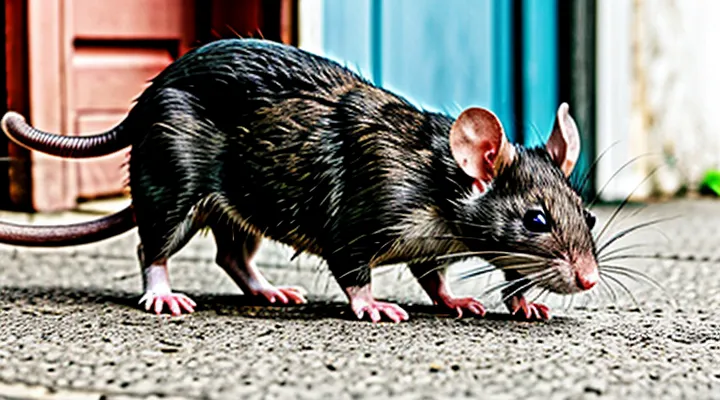
Natural Causes and Predation
Old Age
Rats rarely survive beyond two to three years in captivity, and natural senescence accounts for a substantial proportion of fatalities. As cellular replication slows, organ systems lose efficiency, leading to irreversible failure without external disease.
Age‑related deterioration manifests in several predictable ways:
- Cardiac muscle fibers thicken, reducing output and causing arrhythmias.
- Renal filtration capacity declines, resulting in toxin accumulation.
- Immune response weakens, increasing susceptibility to opportunistic infections that would otherwise be controlled.
- Musculoskeletal atrophy limits mobility, predisposing the animal to trauma and reduced food intake.
Observable indicators of terminal aging include weight loss despite adequate nutrition, lethargy, irregular breathing, and diminished grooming. Once these signs appear, physiological reserves are typically insufficient to sustain life.
Because senescence is an intrinsic process, intervention focuses on humane end‑of‑life care rather than cure. Providing soft bedding, easily accessible food, and monitoring for distress ensures a dignified conclusion when natural lifespan ends.
Diseases
Respiratory Infections
Respiratory infections rank among the primary lethal conditions affecting laboratory and pet rats. Bacterial agents such as Streptococcus pneumoniae, Klebsiella pneumoniae, and Mycoplasma pulmonis invade the pulmonary tract, causing pneumonia, pleuritis, and systemic sepsis. Viral pathogens, notably Sendai virus and rat coronavirus, trigger interstitial pneumonitis and may predispose to secondary bacterial invasion. Fungal infections, chiefly Pneumocystis carinii, produce diffuse alveolar damage in immunocompromised individuals.
Clinical presentation typically includes:
- Labored breathing, audible wheezes, or open‑mouth respiration
- Nasal or ocular discharge, often serous to purulent
- Lethargy, reduced food intake, and weight loss
- Elevated body temperature or hypothermia in advanced stages
Diagnostic approach relies on:
- Physical examination focusing on respiratory rate and effort
- Radiographic imaging to detect infiltrates, consolidation, or pleural effusion
- Collection of nasal swabs, bronchoalveolar lavage, or lung tissue for microbiological culture, PCR, or histopathology
- Hematological analysis revealing neutrophilia, lymphopenia, or elevated inflammatory markers
Effective treatment requires prompt antimicrobial therapy tailored to culture results; empirical coverage often includes a broad‑spectrum fluoroquinolone combined with a macrolide to address atypical organisms. Antiviral agents are limited; supportive care—oxygen supplementation, fluid therapy, and temperature regulation—reduces mortality risk. In cases of fungal infection, high‑dose trimethoprim‑sulfamethoxazole is standard.
Prevention strategies focus on environmental control and biosecurity:
- Maintain cage humidity between 40‑60 % and temperature at 20‑24 °C to discourage pathogen proliferation
- Implement rigorous sanitation, including daily removal of waste and weekly disinfection with agents effective against bacteria, viruses, and fungi
- Quarantine new arrivals for at least two weeks, monitor for respiratory signs, and conduct diagnostic screening before integration
- Provide a balanced diet rich in vitamin C and vitamin E to support immune function
Recognizing respiratory infection as a critical factor in rat mortality enables timely intervention, reduces herd loss, and improves overall colony health.
Tumors and Cancers
Tumors and cancers represent a significant mortality factor in laboratory and pet rats. Malignant growths develop from uncontrolled cellular proliferation, impair organ function, and can metastasize, leading to systemic failure.
Common neoplasms observed in rats include:
- Mammary adenocarcinoma – frequent in females, often aggressive.
- Hepatocellular carcinoma – liver involvement, rapid deterioration.
- Lymphoma – widespread infiltration of lymphoid tissue, immune suppression.
- Sarcoma – connective‑tissue tumors, variable metastatic potential.
- Pituitary adenoma – endocrine disruption, secondary complications.
Clinical signs typically consist of palpable masses, weight loss, lethargy, and organ‑specific dysfunction (e.g., jaundice for hepatic tumors). Diagnosis relies on physical examination, imaging (radiography, ultrasound, MRI), and histopathological analysis of biopsy or necropsy specimens.
Therapeutic options are limited. Surgical excision may be feasible for isolated, accessible tumors; chemotherapy and radiation are employed experimentally but often yield modest survival extensions. Palliative care focuses on pain management and nutritional support.
Prognosis depends on tumor type, grade, and stage at detection. High‑grade malignancies such as lymphoma and hepatocellular carcinoma usually result in death within weeks to months, whereas low‑grade adenomas may persist longer but still pose a lethal risk over time. Early identification and intervention improve outcomes but do not eliminate the inherent fatal potential of neoplastic diseases in rats.
Heart Disease
Heart disease ranks among the primary contributors to mortality in laboratory and wild rodents. Cardiovascular failure in rats often results from congenital malformations, dietary imbalances, hypertension, and exposure to toxic agents. The condition compromises myocardial contractility, disrupts electrical conduction, and precipitates arrhythmias, ultimately leading to sudden death or progressive decline.
Key manifestations include:
- Reduced activity and lethargy
- Labored breathing and audible wheezing
- Peripheral cyanosis or pallor
- Irregular pulse detectable by palpation
- Elevated heart rate or bradycardia on ECG
Diagnostic approaches rely on necropsy findings, histopathology of myocardial tissue, and in‑vivo imaging such as echocardiography. Pathologists frequently observe myocardial fibrosis, necrotic lesions, and coronary artery narrowing.
Preventive measures focus on:
- Balanced nutrition low in saturated fats and cholesterol
- Controlled sodium intake to limit blood pressure spikes
- Regular health monitoring for early detection of cardiac anomalies
- Avoidance of known cardiotoxins, including certain pesticides and heavy metals
Therapeutic interventions are limited in rodents, but experimental protocols may employ beta‑blockers, ACE inhibitors, or anticoagulants to stabilize cardiac function pending humane euthanasia criteria. Early identification remains the most effective strategy to reduce deaths attributed to heart disease in rat populations.
Kidney Failure
Kidney failure is a common lethal condition in rats, often resulting from chronic disease, toxins, or acute injury. When renal function declines, waste products accumulate, leading to metabolic imbalance, fluid overload, and severe electrolyte disturbances that can quickly become fatal.
Typical clinical signs include:
- Lethargy and reduced activity
- Decreased food and water intake
- Polyuria followed by oliguria or anuria
- Swelling of the abdomen and limbs due to fluid retention
- Pale or yellowish mucous membranes indicating anemia or jaundice
Underlying causes encompass:
- Prolonged exposure to nephrotoxic substances such as heavy metals, certain pesticides, or high‑dose analgesics
- Infections that spread to the kidneys, especially bacterial septicemia
- Genetic predisposition to renal degeneration in specific strains
- Vascular events causing ischemia, often linked to hypertension or emboli
Laboratory evaluation reveals elevated blood urea nitrogen and creatinine, reduced glomerular filtration rate, and electrolyte abnormalities such as hyperkalemia. Prompt diagnosis and supportive care—fluid therapy, electrolyte correction, and removal of the offending agent—are essential, yet the prognosis remains poor once irreversible renal tissue damage has occurred.
Predation
Birds of Prey
Birds of prey serve as primary predators of rats, directly influencing rat mortality rates. Their hunting techniques and ecological presence create conditions that frequently result in rat deaths.
- Capture and consumption during aerial or perch‑based attacks.
- Fatal injuries caused by talon strikes, beak bites, or forced collisions with the ground.
- Removal of breeding individuals, decreasing population replenishment.
- Induced stress that drives rats to forage in hazardous areas, heightening exposure to secondary threats.
The continual pressure exerted by raptorial species reduces rat densities, alters rodent behavior, and contributes to overall declines in rat populations.
Cats
Cats contribute significantly to rat mortality through several direct and indirect mechanisms. Their natural hunting instinct drives predation, resulting in immediate lethal injuries. Additionally, the presence of a feline predator induces chronic stress in rats, which can suppress immune function and accelerate fatal illnesses.
- Bite or claw wounds causing hemorrhage, organ damage, or infection.
- Stress‑related hormonal changes leading to reduced appetite, weight loss, and susceptibility to disease.
- Transmission of pathogens such as Toxoplasma gondii or bacterial infections acquired from feline saliva or feces.
- Injuries sustained during escape attempts, including fractures or internal trauma.
- Secondary exposure to rodenticides or other toxins that a cat may carry on its fur after hunting contaminated prey.
Dogs
Dogs frequently encounter rats in shared habitats, and their presence can directly or indirectly lead to rat mortality. Direct interactions include physical injury, while indirect effects involve disease transmission and environmental disruption.
- Bite wounds cause severe internal damage, hemorrhage, or infection, often resulting in rapid death.
- Crushing injuries occur when a rat is trapped beneath a dog’s weight or caught in a bite, leading to fatal trauma.
- Aggressive play can produce broken bones or spinal injuries that compromise vital functions.
Beyond overt violence, dogs contribute to rat deaths through less obvious mechanisms. Pathogens carried by dogs, such as leptospirosis or salmonella, can infect rats, weakening immune defenses and causing fatal illness. The presence of a predator elevates stress hormones in rats, suppressing appetite and reproductive capacity, which may culminate in mortality over time. Additionally, dogs may alter the physical environment by disturbing nesting sites, exposing rats to predators or harsh weather conditions.
Understanding these canine‑related risks enables effective management of rat populations and informs strategies to mitigate unintended lethal outcomes.
Snakes
Snakes frequently account for rat fatalities in both urban and rural settings, acting as natural predators that locate, subdue, and consume rodents.
Venomous snakes inject neurotoxic or hemotoxic compounds that rapidly immobilize rats. The toxins disrupt nervous or circulatory function, leading to respiratory failure or internal hemorrhage within minutes. Species such as the common European adder (Vipera berus), the North American copperhead (Agkistrodon contortrix), and the Indian cobra (Naja naja) regularly target rats as prey.
Constriction specialists seize rats with powerful coils, exerting pressure that halts blood flow and induces unconsciousness. The Burmese python (Python bivittatus) and the North American boa (Boa constrictor) employ this method, crushing the animal’s thoracic cavity and causing death by circulatory collapse.
Snake activity peaks during warmer months when rodents are most active, increasing encounter rates. Habitat overlap—sewers, barns, fields, and garden debris—provides convenient hunting grounds, and the presence of shelter (rock piles, woodpiles) enhances snake residency, raising the likelihood of rat predation.
Common rat‑hunting snakes
- European adder (Vipera berus) – venomous
- Copperhead (Agkistrodon contortrix) – venomous
- Indian cobra (Naja naja) – venomous
- Burmese python (Python bivittatus) – constrictor
- Boa constrictor (Boa constrictor) – constrictor
These predators contribute directly to rat mortality through lethal envenomation or mechanical compression, representing a significant natural control factor.
Other Wild Animals
Rats often fall victim to predation by a range of wild carnivores. Birds of prey such as owls, hawks and eagles capture rats with swift attacks, while snakes—including rattlesnakes and rat snakes—use constriction or venom to subdue them. Terrestrial hunters like foxes, coyotes, weasels, and feral cats locate rats in burrows or on the ground and kill them with bite and claw. Larger mammals, for example bobcats and feral dogs, also contribute to rat mortality when they encounter the rodents during foraging.
Beyond direct predation, other wildlife can cause rat deaths through indirect mechanisms. Competition for limited food resources forces rats into starvation when dominant species out‑compete them for seeds, insects or carrion. Parasites and pathogens carried by wild animals—such as fleas, mites, hantavirus reservoirs, and intestinal worms—can infect rats, leading to disease‑related fatalities. Environmental alterations created by animals, for instance beaver damming that changes water flow, may flood rat burrows or create unsuitable habitat, resulting in increased mortality.
Key wildlife‑related factors that may end a rat’s life:
- Predation by birds of prey, snakes, and medium‑sized mammals
- Food competition with other omnivores and carnivores
- Transmission of parasites and infectious diseases from wild hosts
- Habitat disruption caused by the activities of larger fauna
These elements collectively shape the risk profile for rats living in ecosystems shared with diverse wild species.
Environmental and Human-Induced Factors
Poisons and Baits
Rodenticides
Rodenticides are chemical agents specifically formulated to induce mortality in rodents, making them a primary factor in lethal incidents involving rats. Their effectiveness derives from targeted biochemical disruption, which varies among the principal classes.
- Anticoagulant compounds (e.g., warfarin, brodifacoum) inhibit vitamin K recycling, leading to uncontrolled hemorrhage.
- Bromethalin interferes with mitochondrial oxidative phosphorylation, causing rapid cerebral edema.
- Cholecalciferol (vitamin D₃) induces hypercalcemia, resulting in renal failure and cardiac arrhythmia.
- Zinc phosphide releases phosphine gas upon ingestion, producing cellular toxicity through oxidative stress.
The toxic sequence typically begins with ingestion, followed by absorption into the bloodstream, and culminates in organ failure. Clinical manifestations reflect the underlying mechanism: internal bleeding for anticoagulants, neurological signs such as ataxia for bromethalin, excessive thirst and kidney dysfunction for cholecalciferol, and respiratory distress for phosphine release.
Effective deployment requires precise dosing, awareness of resistance patterns, and strict adherence to safety protocols to prevent accidental exposure of non‑target species. Monitoring for sublethal effects and environmental persistence further informs responsible usage.
Accidental Poisoning
Accidental poisoning ranks among the most frequent lethal events for rodents kept in laboratory or domestic environments. Toxic exposure typically occurs when rats ingest substances not intended for them, such as household cleaners, pesticide residues, or improperly stored rodenticides.
Common sources include:
- Cleaning agents containing phenols, bleach, or ammonia; rats may lick contaminated surfaces or chew on soaked rags.
- Insecticides applied to cracks, baseboards, or pet products; residues remain on surfaces where rats forage.
- Rodenticides left uncovered or mixed with food; accidental consumption happens when bait is mistaken for regular feed.
- Plant toxins from ornamental or garden species, especially those containing alkaloids, saponins, or oxalates; rats gnaw on leaves and stems.
- Veterinary medications such as ivermectin or certain analgesics; accidental ingestion follows improper disposal or accidental mixing with feed.
Physiological impact varies by toxin class. Neurotoxic agents (e.g., organophosphates) inhibit acetylcholinesterase, causing seizures and respiratory failure. Hemolytic compounds (e.g., copper sulfate) destroy red blood cells, leading to anemia and shock. Metabolic poisons (e.g., ethylene glycol) produce kidney failure through crystallization of metabolites. Early signs—lethargy, tremors, salivation, or respiratory distress—progress rapidly to death if untreated.
Prevention relies on strict segregation of chemicals, secure storage of all toxic products, and routine inspection of cages for contaminated materials. Immediate decontamination of exposed areas and removal of suspect substances reduce risk. When exposure is suspected, prompt veterinary intervention with appropriate antidotes (e.g., atropine for cholinesterase inhibitors) improves survival odds.
Traps
Snap Traps
Snap traps are a principal source of fatal injuries for rats, delivering rapid, mechanical trauma that typically results in immediate death. The device relies on a spring‑loaded bar that snaps shut when the rodent triggers a trigger plate, crushing the cervical vertebrae or skull.
The lethality of a snap trap depends on several variables:
- Spring tension: higher tension produces greater force, increasing the likelihood of a fatal blow.
- Trigger sensitivity: properly calibrated triggers ensure activation before the rat can escape.
- Placement: positioning near established runways maximizes contact with the trigger.
- Bait type: attractive bait encourages the rat to approach the trigger rather than avoid it.
When calibrated correctly, snap traps cause severe cervical dislocation or cranial fracture, leading to loss of brain function within seconds. Improperly set traps may result in sublethal injuries, prolonged suffering, or escape, which can attract predators or spread disease.
Safety considerations include shielding to prevent accidental activation by humans or pets, and the use of escape-resistant designs to minimize unintended capture of non‑target wildlife. Legal regulations in many jurisdictions require humane handling of trapped rodents and proper disposal of carcasses to avoid environmental contamination.
Effective deployment follows a systematic routine: inspect spring tension before each use, adjust trigger sensitivity to the size of the target rodent, place traps along active pathways, and check daily for captures. Prompt removal of deceased rats reduces the risk of secondary poisoning and complies with sanitation standards.
Glue Traps
Glue traps consist of a sticky surface that immobilizes rodents upon contact. When a rat steps onto the adhesive, its paws, tail, and fur become entangled, preventing movement. The animal cannot reach food or water, and the effort to free itself exhausts muscular reserves.
The immobilization produces several physiological effects:
- Rapid loss of body fluids through the adhesive, leading to dehydration.
- Impaired respiration caused by pressure on the chest and abdomen.
- Severe muscle strain and tissue damage from attempts to escape.
- Secondary infections resulting from open wounds where fur is torn.
Death typically occurs within hours to a few days, depending on the size of the trap and ambient temperature. Early signs include frantic movement, vocalization, and visible distress. As dehydration progresses, the rat becomes lethargic, its eyes recede, and cardiac function declines.
Handling trapped rats requires protective gloves to avoid accidental adhesion. The animal should be euthanized promptly using an approved method to minimize suffering, followed by careful removal of the glue and disposal of the trap according to local regulations. Preventative measures, such as sealing entry points and maintaining cleanliness, reduce reliance on adhesive devices.
Live Traps (if not released safely)
Live traps are intended to capture rats without lethal force, yet improper release often results in fatal outcomes. Confinement induces acute stress, elevating cortisol levels and suppressing immune function; prolonged stress can lead to organ failure.
Risks associated with unsafe release include:
- Physical injury from rough handling or accidental drops.
- Exposure to extreme temperatures, causing hypothermia or hyperthermia.
- Dehydration and starvation if the animal remains confined for extended periods.
- Predation after release in unsuitable habitats, such as open fields or near traffic.
- Trauma from entanglement in trap components when the animal struggles to escape.
When a trap is opened in an environment lacking shelter, food, or water, the rat may succumb to shock or environmental hazards within hours. Additionally, handling without protective gloves can cause bite wounds that become infected, further increasing mortality risk.
To mitigate these dangers, release the animal immediately after capture, transport it gently, and choose a location offering cover, access to food sources, and distance from human activity. Provide a shallow water source if possible. Prompt, careful release reduces stress and prevents the lethal consequences that arise from mishandled live trapping.
Habitat Loss and Starvation
Urban Development
Urban expansion reshapes the environment in ways that directly affect rodent populations. Construction sites, new infrastructure, and altered waste management create conditions that increase the likelihood of lethal outcomes for rats.
- Habitat fragmentation eliminates shelter, forcing rats into exposed areas where predators and traffic pose immediate threats.
- Demolition and excavation generate dust, debris, and toxic substances that can cause respiratory failure or ingestion of hazardous materials.
- Modern pest‑control programs rely on anticoagulant baits and rodenticides, which, when applied broadly, raise the probability of accidental poisoning.
- Improved drainage and sealed surfaces reduce access to water sources, leading to dehydration and heat stress during extreme temperatures.
- Increased vehicle density raises collision rates, especially in areas where rats forage near roadways.
These factors combine to elevate mortality rates among urban rat populations. Understanding the relationship between city growth and rodent health informs public‑health strategies, pest‑management policies, and urban‑planning decisions aimed at minimizing unintended ecological consequences.
Lack of Food and Water
A rat that cannot obtain adequate nourishment or hydration will die rapidly because its metabolism depends on continuous intake of energy and fluids. Without food, glycogen stores are exhausted within 12–24 hours, forcing the animal to catabolize muscle protein for glucose. This process leads to hypoglycemia, loss of body mass, impaired organ function, and ultimately organ failure. Dehydration compounds the problem: a rat loses 5–10 % of body water within a few hours, causing reduced blood volume, decreased perfusion of vital tissues, and electrolyte imbalance. Severe electrolyte disturbances, especially low sodium and potassium, disrupt cardiac rhythm and neural activity, precipitating collapse.
Key physiological outcomes of combined starvation and dehydration include:
- Rapid decline in body temperature due to loss of thermogenic capacity.
- Diminished immune response, increasing susceptibility to opportunistic infections.
- Elevated cortisol levels, which accelerate muscle wasting.
- Failure of renal filtration, leading to accumulation of toxic metabolites.
Observable signs appear early. A rat will become lethargic, exhibit sunken eyes, dry mucous membranes, and a tacky tail. Weight loss becomes evident within a day, and the animal may adopt a hunched posture. If intake does not resume, death typically occurs within 48–72 hours, depending on ambient temperature and the animal’s initial condition.
Preventing mortality from insufficient nutrition and water requires ensuring constant access to clean drinking sources and nutritionally balanced feed. Monitoring consumption patterns and providing supplemental hydration during stress periods (e.g., illness, environmental heat) are essential management practices.
Exposure to Elements
Extreme Cold
Extreme cold can rapidly become lethal for rats when ambient temperatures fall below their thermoregulatory threshold. Rats maintain body temperature through shivering thermogenesis and brown‑fat metabolism; prolonged exposure overwhelms these mechanisms, leading to hypothermia. Core temperature drops trigger reduced cardiac output, arrhythmias, and loss of consciousness, culminating in death if rewarming does not occur.
Frostbite adds a secondary threat. Peripheral tissues freeze, causing cellular ice formation, tissue necrosis, and loss of limb function. In severe cases, infection follows, accelerating systemic collapse.
Cold environments also limit access to food and water. Metabolic demand rises to generate heat, depleting energy reserves quickly. Dehydration worsens circulatory failure and impairs heat production.
Key physiological impacts of severe low temperatures include:
- Decreased enzymatic activity, disrupting metabolism
- Impaired oxygen delivery due to vasoconstriction
- Cardiac depression and arrhythmias
- Neurological dysfunction leading to loss of coordination
Preventive measures such as insulated housing, supplemental heating, and regular monitoring of ambient temperature are essential to reduce mortality risk in laboratory or domestic settings.
Extreme Heat
Extreme heat presents a direct threat to rat survival. Temperatures above the species’ thermoneutral zone force the animal to expend energy on cooling, rapidly depleting glycogen stores and leading to metabolic collapse.
Physiological consequences include:
- Hyperthermia that overwhelms peripheral vasodilation, causing tissue necrosis.
- Dehydration from increased respiratory evaporative loss, reducing blood volume and impairing cardiovascular function.
- Heat‑induced oxidative stress, damaging cellular membranes and DNA.
- Failure of the hypothalamic set‑point, resulting in uncontrolled body‑temperature rise.
Observable signs of heat‑related distress are rapid breathing, lethargy, disorientation, and a dry, pale coat. If unchecked, these symptoms progress to seizures, organ failure, and death within hours.
Mitigation strategies focus on environmental control:
- Maintain ambient temperature below 25 °C (77 °F) in enclosures.
- Provide ample shade, ventilation, and insulated bedding.
- Ensure constant access to fresh water, preferably chilled.
- Monitor humidity, as high moisture exacerbates heat stress.
Implementing these measures reduces the likelihood that elevated temperatures become a fatal factor for rats.
Drowning
Rats can die from submersion when they enter water bodies that exceed their capacity to stay afloat. Their small size and dense bodies cause rapid loss of buoyancy, leading to inhalation of water and respiratory failure. Immediate drowning occurs as the animal’s airway fills, preventing oxygen exchange and causing loss of consciousness within seconds.
Key factors that increase drowning risk include:
- Lack of access to dry shelter near water sources.
- Presence of standing water in cages or enclosures due to spills or leaks.
- Injuries or illness that impair swimming ability.
- Young or elderly rats with reduced muscular strength.
Preventive measures focus on eliminating standing water, ensuring cage floors are dry, and promptly repairing leaks. Monitoring for signs of distress—such as frantic paddling, gasping, or sudden silence—allows rapid intervention, often by removing the animal from water and providing respiratory support. Early detection and environmental control are essential to avoid fatal submersion.
Injuries and Accidents
Falls
Falls represent a significant mortality factor for rodents, especially laboratory and pet rats. When a rat descends from a height greater than its body length, impact forces can exceed the tolerance of its skeletal and internal structures. Common scenarios include:
- Dropping from cages or transport containers during handling.
- Falling from elevated feeding platforms or enrichment devices.
- Accidental descent from shelving or laboratory benches.
The resulting injuries typically involve:
- Fractured ribs or vertebrae, leading to internal bleeding.
- Traumatic brain injury from skull impact.
- Lacerations and bruising of soft tissue, increasing infection risk.
Post‑fall observation often reveals rapid respiration, loss of balance, or unconsciousness. Immediate veterinary assessment is essential; diagnostic imaging confirms skeletal damage, while supportive care addresses pain and hemorrhage.
Preventive measures focus on securing habitats and equipment. Cage lids must be tightly locked, platforms should have non‑slip surfaces, and transport containers require cushioning. Regular inspection of enclosures eliminates structural weaknesses that could permit accidental drops.
By recognizing the mechanics of falls and implementing strict containment protocols, the incidence of fall‑related rat deaths can be markedly reduced.
Vehicle Accidents
Rats that inhabit urban and suburban environments frequently encounter roadways, where vehicle collisions represent a primary source of mortality. Impact forces from tires crush skeletal structures, rupture internal organs, and cause immediate death. Even low‑speed strikes can produce severe trauma, as the small body mass offers little protection against blunt force.
Typical scenarios that result in rat fatalities include:
- High‑traffic corridors where food sources attract rodents to the pavement.
- Road construction zones with temporary barriers that fail to deter wandering rats.
- Vehicles traveling at excessive speed, reducing driver reaction time and increasing impact severity.
- Nighttime driving when reduced visibility makes it difficult to avoid small animals crossing the road.
Secondary effects of traffic‑related incidents also contribute to rat deaths. Spilled fuel, oil, and coolant can poison carcasses, while roadkill removal processes expose rodents to additional hazards such as crushing by equipment or exposure to hazardous waste. Persistent traffic noise and vibration disrupt nesting behavior, forcing rats into hazardous crossing points.
Preventive measures that mitigate these outcomes focus on habitat management, such as installing rodent‑proof barriers, reducing food attractants near roadways, and enforcing speed limits in known rodent activity zones. These actions directly lower the incidence of vehicle‑induced rat mortality.
Fights with Other Rats
Fights with other rats can be a direct cause of mortality. Aggressive encounters often result in severe injuries that compromise vital functions.
- Bite wounds may puncture major blood vessels, leading to rapid exsanguination.
- Crushed or broken bones can cause internal bleeding and organ damage.
- Facial or cranial trauma can impair the brain, resulting in immediate loss of consciousness or death.
- Persistent wounds provide entry points for bacterial infection; septicemia can develop within hours if untreated.
- Prolonged stress from repeated confrontations suppresses immune response, increasing susceptibility to opportunistic pathogens.
Even when injuries appear minor, secondary complications such as abscess formation or necrotic tissue can become fatal. In dense colonies, dominant individuals frequently engage in repeated battles, elevating the overall risk of lethal outcomes for subordinate rats.
Human Intervention (Pest Control)
Fumigation
Fumigation is a common method for eliminating rodent infestations, and it directly contributes to rat mortality through chemical toxicity. Gaseous agents penetrate burrows and nesting sites, delivering lethal doses that affect the respiratory and nervous systems.
Typical fumigants include:
- Phosphine (PH₃) – disrupts cellular respiration, leading to rapid organ failure.
- Methyl bromide – interferes with enzyme function, causing convulsions and death.
- Hydrogen cyanide – blocks cytochrome oxidase, preventing oxygen utilization at the cellular level.
Exposure routes for rats involve inhalation of vapor and absorption through the skin. The high volatility of these compounds ensures swift distribution throughout concealed spaces, maximizing lethal concentration.
Improper application can result in sub‑lethal exposure, allowing rats to develop resistance or survive with lasting health effects. Correct dosage, thorough sealing of the treatment area, and adherence to safety protocols are essential to guarantee effectiveness and prevent accidental harm to non‑target species.
Professional Extermination Methods
Professional pest‑control operators employ several techniques that directly result in rat mortality. These methods are designed for rapid population reduction, high efficacy, and compliance with regulatory standards.
- Gas fumigation – sealed environments are infused with carbon monoxide or phosphine; inhalation disrupts cellular respiration, causing swift death.
- Mechanical traps – spring‑loaded snap traps and multi‑catch cage traps apply lethal force to the spinal cord or crush vital organs.
- Electronic devices – high‑frequency sound emitters or ultrasonic generators induce stress‑induced cardiac arrest in susceptible individuals.
- Rodenticides – anticoagulant baits interfere with blood clotting, leading to internal hemorrhage over several days; second‑generation compounds act faster and require lower dosages.
- Carbon dioxide chambers – controlled CO₂ exposure displaces oxygen, resulting in hypoxia and loss of consciousness within minutes.
Operators select a method based on infestation size, site accessibility, and legal restrictions. Proper placement, monitoring, and disposal of carcasses minimize secondary risks to humans and non‑target species while ensuring complete eradication of the rodent population.