
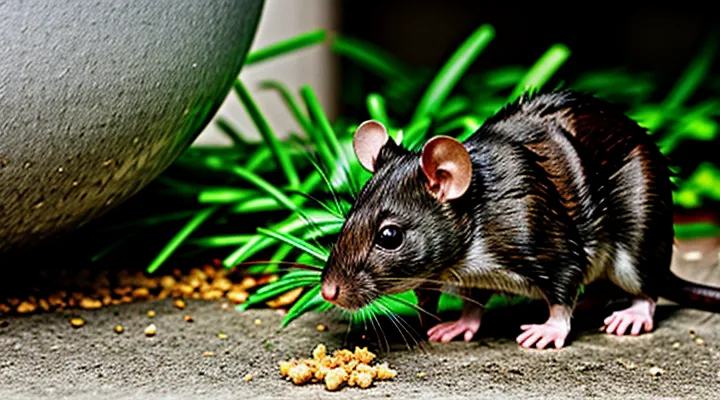
The Foundation of a Rat's Diet
Commercial Rat Food
Types of Commercial Food
Commercial rat diets are formulated to meet the nutritional requirements of adult and juvenile rodents. They provide balanced proportions of protein, fat, fiber, vitamins, and minerals, reducing the need for extensive supplementation.
Pellet diets consist of compressed granules that prevent selective feeding. Their uniform composition ensures each bite delivers the intended nutrient profile. High‑quality pellets contain 14–18 % protein, 4–6 % fat, and added calcium and phosphorus for skeletal health.
Block diets are dense, chew‑resistant cubes. They encourage gnawing, which supports dental wear. Blocks typically incorporate the same macronutrient ratios as pellets but may include added fiber sources such as oat hulls to aid digestion.
Seed mixes offer a variety of grains, legumes, and dried fruits. They are rich in natural flavors and can stimulate foraging behavior. Because seed mixes vary in protein and fat content, they should be supplemented with a consistent source of vitamins and minerals to avoid imbalances.
Treats and enrichment foods include dried insects, cheese cubes, and specially formulated snack bars. They are intended for occasional use, providing palatable rewards without disrupting the overall diet composition.
When selecting commercial food, consider the following criteria:
- Manufacturer reputation and adherence to rodent nutrition standards.
- Guaranteed analysis showing protein, fat, fiber, and essential micronutrients.
- Absence of artificial colors, flavors, or excessive sugars.
- Shelf life and storage requirements to maintain freshness.
Integrating a primary commercial diet with limited fresh vegetables and occasional treats creates a comprehensive feeding regimen that supports growth, reproduction, and long‑term health in laboratory or pet rats.
Importance of Pellets vs. Seed Mixes
Pet rats require a diet that supplies protein, fat, fiber, vitamins, and minerals in appropriate ratios. Two common commercial options are formulated pellets and seed mixes.
Pellets are manufactured to deliver a consistent nutrient profile. Ingredients typically include purified protein sources, grain-derived carbohydrates, and added vitamins and minerals. The uniform composition eliminates the risk of excess fat or calcium that can arise from unbalanced seed selections. Pellets also reduce the likelihood of gastrointestinal blockage because they are low in hard, indigestible components.
Seed mixes consist of assorted grains, legumes, and occasional nuts. Their natural variety appeals to a rat’s foraging instincts, encouraging mental stimulation. However, seed mixes often contain high levels of fat and phosphorus, and lack sufficient vitamin D and calcium without supplementation. Nutrient content can vary between batches, making it difficult to guarantee a balanced intake.
Key differences:
- Nutrient consistency: Pellets = standardized; Seed mixes = variable.
- Caloric density: Pellets = moderate; Seed mixes = potentially high.
- Fiber source: Pellets = pre‑processed; Seed mixes = whole grains, higher bulk.
- Risk of deficiencies: Pellets = low; Seed mixes = higher without additives.
- Behavioral enrichment: Pellets = minimal; Seed mixes = promotes natural foraging.
Veterinary guidance favors pellets as the primary staple because they fulfill essential dietary requirements reliably. Seed mixes can be offered intermittently to provide enrichment, provided the overall diet remains balanced through measured portions and supplemental vitamins. A regimen that combines a pellet base with limited, monitored seed mix portions supports both nutritional health and natural behavior in pet rats.
Choosing a Quality Brand
When selecting a commercial rat food, prioritize formulations that meet the species’ specific nutritional requirements. Look for products that list high‑quality protein sources—such as soy, wheat, or animal‑derived meals—at the top of the ingredient list, ensuring adequate levels of essential amino acids. Balanced ratios of carbohydrates, fats, fiber, and vitamins support growth, reproduction, and immune function.
Key factors for evaluating a brand:
- Ingredient transparency: Full disclosure of each component, including source and processing method.
- Nutrient completeness: Presence of vitamin A, D, E, B‑complex, calcium, phosphorus, and trace minerals in ratios aligned with rodent dietary guidelines.
- Absence of harmful additives: No artificial colors, flavors, preservatives, or excess sodium.
- Manufacturer reputation: Established companies with documented quality‑control procedures, third‑party testing, and compliance with pet‑food regulations.
- Shelf stability: Packaging that protects against moisture and oxidation, preserving nutrient integrity over time.
- Cost efficiency: Reasonable price per kilogram relative to nutrient density, avoiding under‑priced formulations that compromise quality.
Verify certifications such as AAFCO or ISO standards; they indicate adherence to recognized safety and nutritional benchmarks. Reading independent reviews and consulting veterinary nutritionists can further confirm a brand’s suitability for a rat’s diet. Selecting a reputable, well‑formulated product reduces the risk of deficiencies and promotes long‑term health.
Safe and Nutritious Foods for Rats
Vegetables
Leafy Greens
Leafy greens provide essential vitamins, minerals, and fiber that support the health of pet rats. They complement a balanced diet of pellets, grains, and occasional protein sources.
Suitable greens include:
- Romaine lettuce
- Kale (off‑the‑stalk, finely chopped)
- Spinach (in limited amounts)
- Swiss chard
- Arugula
- Dandelion leaves (fresh, pesticide‑free)
- Endive
- Watercress
Before offering, rinse greens thoroughly to remove residues, then chop into bite‑size pieces. Serve raw; cooking reduces nutrient content. Avoid adding dressings, oils, or seasonings.
A daily portion should not exceed 10 % of the rat’s total food intake, roughly a tablespoon for an adult. Introduce new varieties gradually to monitor tolerance.
Store fresh greens in a sealed container in the refrigerator, discarding wilted or slimy material within 24 hours. Remove any wilted edges before feeding. Avoid greens that have become bitter or contain high oxalate levels, such as large amounts of spinach, which can contribute to urinary issues.
Root Vegetables
Root vegetables provide a source of fiber, vitamins, and minerals that complement the protein‑rich components of a rodent’s diet. Their natural sugars supply quick energy, while their dense carbohydrate profile supports digestive health.
- Carrots – high in beta‑carotene, low in oxalates; serve well raw or lightly steamed.
- Sweet potatoes – rich in vitamin A and potassium; best served cooked, peeled, and cooled.
- Parsnips – contain vitamin C and folate; offer raw pieces in moderation.
- Beets – provide manganese and folate; must be cooked to reduce oxalate content.
- Turnips – supply calcium and vitamin K; suitable raw or lightly boiled.
Preparation should eliminate pesticides and microbial hazards. Wash thoroughly, peel when skin is thick or waxed, and cut into bite‑size cubes no larger than ½ inch. For hard varieties, brief steaming (3–5 minutes) improves palatability and digestibility without destroying heat‑sensitive nutrients.
Suggested intake ranges from 5 % to 10 % of total daily food weight. For a 150‑gram adult rat, this equates to 7–15 grams of raw root vegetable, adjusted upward for active individuals. Offer fresh portions daily; discard leftovers after 24 hours to prevent spoilage.
Avoid feeding raw potatoes, raw onions, or excessive amounts of high‑oxalate roots such as raw beets, as they can cause renal stress. Monitor for signs of diarrhea or weight loss, which may indicate intolerance or over‑consumption.
Other Safe Vegetables
Rats benefit from a diverse range of vegetables that provide vitamins, minerals, and fiber essential for health.
- Carrots – rich in beta‑carotene; offer in small, bite‑size pieces.
- Broccoli – supplies vitamin C and calcium; serve steamed or raw, avoiding large florets that may cause gas.
- Peas – source of protein and folate; feed fresh or frozen, thawed.
- Spinach – high in iron and magnesium; limit to occasional servings due to oxalates.
- Kale – delivers vitamin K and antioxidants; trim tough stems before offering.
- Zucchini – low‑calorie, hydrating; provide raw or lightly cooked slices.
- Bell peppers – contain vitamin C and beta‑carotene; remove seeds and core.
- Cucumber – high water content; serve thin slices to prevent choking.
- Squash (butternut, acorn) – offers beta‑carotene and fiber; cook until soft and remove seeds.
- Romaine lettuce – supplies folate and fiber; avoid iceberg varieties that lack nutritional value.
All vegetables should be washed thoroughly, pesticide‑free, and cut into appropriate sizes to prevent blockage. Introduce new items gradually and monitor for digestive upset. Balanced inclusion of these vegetables supports optimal growth and immune function in pet rats.
Preparation Tips for Vegetables
Vegetables are a valuable component of a rodent’s nutrition, offering fiber, vitamins, and minerals that support digestive health and coat condition. When incorporating them into a rat’s diet, preparation must eliminate hazards and preserve nutritional value.
Wash each vegetable thoroughly under running water to remove pesticide residues and soil particles. Use a vegetable brush for root crops such as carrots and potatoes. After cleaning, trim any bruised or wilted sections, as damaged tissue can harbor mold or bacteria.
- Cut vegetables into bite‑size pieces (approximately ¼‑inch cubes) to facilitate chewing and prevent choking.
- Blanch sturdy vegetables (e.g., broccoli florets, green beans) for 1–2 minutes, then cool rapidly in ice water; this softens fibers while retaining most nutrients.
- Serve leafy greens (e.g., kale, romaine) raw, but remove thick stems and wilted leaves.
- Avoid adding salt, oil, butter, or seasonings; rats require plain produce.
- Store prepared portions in airtight containers in the refrigerator and use within 24 hours to limit bacterial growth.
Rotate vegetable varieties daily to provide a broad spectrum of micronutrients and to keep the diet interesting. Monitor the rats for any signs of digestive upset after introducing a new item; discontinue any vegetable that causes loose stools or reduced appetite. Consistent, careful preparation ensures that vegetables contribute safely and effectively to a balanced rodent feeding program.
Fruits
Berries
Berries can be incorporated into a rat’s diet as an occasional treat that supplies natural sugars, vitamins, and antioxidants. Their small size and soft texture make them easy for rats to chew and digest.
- Blueberries (fresh or frozen, unsweetened)
- Strawberries (ripe, seed‑free)
- Raspberries (fresh, washed)
- Blackberries (fresh, washed)
- Cranberries (unsweetened, fresh or dried without added sugar)
These fruits provide vitamin C, vitamin K, folate, and dietary fiber. The antioxidant compounds, such as anthocyanins, contribute to cellular protection and support immune function.
Limit intake to no more than one teaspoon of berries per 100 g of body weight per week. Excessive sugar may lead to obesity, dental decay, or gastrointestinal upset. Ensure berries are free of pesticides, mold, or fermentation; remove stems, leaves, and any damaged portions before offering.
Stone Fruits
Stone fruits can be included as an occasional treat in a rat’s diet, providing natural sugars, fiber, and a range of vitamins.
The flesh of peaches, plums, apricots, and cherries supplies vitamin C, vitamin A, potassium, and antioxidants, while the skin contributes additional fiber. These nutrients complement the staple diet of high‑quality pellets, fresh vegetables, and occasional protein sources.
Rats tolerate the following stone fruits safely when prepared correctly:
- Fresh peach (skin removed, pit discarded)
- Fresh plum (pit removed)
- Fresh apricot (pit removed)
- Fresh cherry (pit removed)
Preparation requires thorough washing, removal of all pits, and cutting the fruit into bite‑size pieces no larger than a pea. Serve only a small portion—approximately ¼ – ½ teaspoon per 100 g body weight—once or twice a week.
Excessive consumption can cause gastrointestinal upset due to high sugar content. Stone fruit pits contain cyanogenic compounds; even a single pit poses a poisoning risk and must never be offered. Additionally, over‑feeding may lead to obesity and dental problems.
In summary, stone fruits are a nutritionally valuable, low‑risk addition to a rat’s diet when presented in limited quantities, with pits completely removed and the fruit offered fresh and clean.
Citrus Fruits (in moderation)
Citrus fruits can be included as an occasional supplement to a rat’s regular feed.
They provide vitamin C, small amounts of potassium, folate, and dietary fiber, all of which contribute to metabolic processes and intestinal health.
The acidic taste may encourage chewing activity, helping to wear down continuously growing incisors.
Excess acidity can irritate the gastrointestinal lining and may lead to diarrhea; the high sugar content can promote obesity and dental decay if offered too frequently.
Guidelines for safe inclusion:
- Offer only one or two small segments (no larger than a quarter of an orange slice) per week.
- Remove seeds and any rind that is difficult to chew.
- Observe the animal for signs of discomfort or altered stool consistency after each exposure.
- Combine with a balanced staple diet of commercial pellets, fresh vegetables, and occasional protein sources.
By adhering to these limits, citrus fruits add nutritional variety without compromising health.
Preparation Tips for Fruits
Fruit can be a valuable supplement for pet rats when prepared correctly.
- Wash each piece thoroughly under running water to eliminate pesticide residues and surface contaminants.
- Remove all seeds, pits, and cores; many contain cyanogenic compounds or pose choking hazards.
- Peel citrus fruits and melons if the skin is thick or waxed, as rats may ingest unwanted chemicals.
- Cut fruit into cubes no larger than ½ inch (1.3 cm) to facilitate chewing and reduce the risk of blockage.
- Offer only a small portion—approximately one teaspoon per rat per day—to prevent digestive upset and excess sugar intake.
Store cut fruit in a sealed container in the refrigerator, using it within 24 hours to maintain freshness and prevent bacterial growth. Discard any fruit that shows signs of mold, softness, or discoloration before offering it to the animals.
Integrate fruit into a balanced feeding plan that includes high‑quality rodent pellets, fresh vegetables, and occasional protein sources. Regularly monitor the rats’ weight and stool consistency to assess tolerance and adjust portions accordingly.
Proteins
Cooked Meats
Cooked meats can be included in a rat’s diet as a source of high‑quality protein, essential amino acids, and readily digestible nutrients. They should complement, not replace, a balanced formulation of grains, vegetables, and a commercial rodent pellet.
- Acceptable meats: chicken breast, turkey, lean pork, lean beef, rabbit.
- Preparation: remove skin, fat, and connective tissue; boil or steam until fully cooked; avoid seasoning, oil, or sauces.
- Portion size: no more than 5 % of total daily intake by weight; typically 0.5–1 g per 100 g of body weight for an adult laboratory rat.
Safety considerations are critical. Raw or undercooked meat carries bacterial pathogens such as Salmonella and Listeria, which can cause severe illness in rats. Excessive fat or bone fragments pose digestive risks and potential injuries. Salt, garlic, onion, and spices are toxic and must be excluded. Store cooked meat in airtight containers at 4 °C and use within 48 hours; discard any leftovers that develop off‑odors or discoloration.
Eggs
Eggs provide a high‑quality protein source for laboratory and pet rats, delivering essential amino acids, vitamins A, D, E, B‑complex, and minerals such as selenium and iron. The nutrient profile supports muscle maintenance, immune function, and overall growth, especially in juvenile or breeding individuals.
When incorporating eggs, use only cooked preparations—hard‑boiled, scrambled without added salt, butter, or oil, or lightly poached. Raw egg carries a risk of Salmonella and contains avidin, a protein that binds biotin and can lead to deficiency if consumed in large amounts. Portion size should not exceed 5 % of the total daily caloric intake; for a typical adult rat, this equals roughly one teaspoon of chopped egg per day, divided into two feedings.
Guidelines for safe use:
- Cook thoroughly; discard shells unless finely ground and sterilized.
- Offer small portions initially to monitor acceptance and digestive tolerance.
- Limit frequency to 2–3 times per week to prevent excess fat and cholesterol.
- Observe for signs of allergic reaction or gastrointestinal upset; discontinue if observed.
- Complement with a balanced commercial rodent mash that supplies fiber, carbohydrates, and other micronutrients.
Legumes and Beans (cooked)
Cooked legumes and beans are a viable component of laboratory and pet rat nutrition. They supply protein levels ranging from 20 % to 25 % of dry matter, comparable to many commercial rodent feeds. The carbohydrate content, primarily starch, provides a steady energy source, while dietary fiber supports gastrointestinal motility and microbiome diversity.
Key nutrients include:
- Lysine, methionine, and tryptophan, essential amino acids that contribute to tissue growth and repair.
- Iron, magnesium, potassium, and folate, which aid hemoglobin synthesis, muscle function, and cellular metabolism.
- Low‑fat content, reducing the risk of obesity when incorporated in moderate amounts.
When offering cooked legumes, observe the following guidelines:
- Preparation – Boil until soft, discard skins and any residual water to reduce antinutritional factors such as lectins and phytates.
- Portion size – Limit to 1–2 g of cooked beans per 100 g of body weight per day; excessive amounts may cause diarrhea due to high fermentable fiber.
- Frequency – Provide 2–3 times weekly, alternating with other protein sources to maintain a balanced amino acid profile.
- Variety – Use a mix of lentils, chickpeas, black beans, and navy beans to prevent monotony and ensure a broader spectrum of micronutrients.
Potential concerns: raw legumes contain toxic compounds that are neutralized only through thorough cooking; prolonged storage may foster mold growth, producing mycotoxins. Monitor rats for signs of gastrointestinal upset after introduction and adjust the diet accordingly.
Incorporating cooked legumes and beans, when properly prepared and portioned, enhances protein intake, enriches micronutrient diversity, and contributes to overall health without displacing essential dietary components.
Dairy Products (in moderation)
Rats can tolerate small amounts of dairy, but it should not replace their primary diet of pellets, grains, and fresh vegetables. Dairy supplies protein, fat, and calcium, yet excessive consumption may cause digestive upset and mineral imbalance.
- Plain yogurt (unsweetened, low‑fat): ½ teaspoon per day, offered 2–3 times weekly.
- Cottage cheese (low‑salt): ¼ teaspoon, 1–2 times weekly.
- Hard cheese (e.g., cheddar, mozzarella): tiny cube (≈2 mm), once weekly.
- Milk (cow or goat): limited to a few drops, only if the rat shows no signs of lactose intolerance.
Rats lack the enzyme lactase needed to break down lactose efficiently. Symptoms of intolerance include diarrhea, bloating, and reduced appetite. If any of these appear, discontinue dairy immediately.
When introducing dairy, start with the smallest portion and observe behavior for 24–48 hours. Provide dairy on a clean surface separate from the main feeding area to prevent contamination of other foods. Store all dairy products refrigerated and discard leftovers after 24 hours to avoid bacterial growth.
Grains and Carbohydrates
Whole Grains
Whole grains such as oats, barley, brown rice, and millet provide rats with complex carbohydrates, dietary fiber, and a range of vitamins and minerals. These nutrients support steady energy release, gastrointestinal health, and bone development.
When incorporating whole grains, follow these guidelines:
- Offer 1–2 tablespoons of cooked grain per 100 g of body weight, divided into two feedings.
- Cook grains thoroughly to soften cellulose and eliminate anti‑nutritional factors.
- Cool cooked grains to room temperature before presenting them to avoid burns.
- Mix grains with a protein source (e.g., soy or insect meal) to create a balanced meal.
- Introduce new grains gradually, monitoring for signs of intolerance such as diarrhea or reduced appetite.
Potential concerns include excess starch leading to weight gain and the presence of phytic acid, which can bind minerals. Mitigate these risks by:
- Limiting grain portions to the recommended amount.
- Soaking or sprouting grains for several hours before cooking to reduce phytic acid content.
- Rotating grain types to prevent monotony and ensure a broader nutrient spectrum.
Whole grains are a viable component of a rat’s diet when prepared correctly and fed in moderation.
Cooked Pasta and Rice
Cooked pasta and rice can be included in a rat’s diet as occasional carbohydrate sources. Both foods are low in protein and fat, providing primarily starch and small amounts of vitamins and minerals. Their digestibility is high when properly prepared, allowing rats to extract energy efficiently.
Preparation must eliminate additives that could harm rodents. Boil plain pasta or rice in water without salt, oil, butter, sauces, or seasonings. Rinse cooked grains thoroughly to remove excess starch, then cool to room temperature. Avoid reheating leftovers that have been stored longer than 24 hours, as spoilage can produce harmful bacteria or mold.
Feeding recommendations:
- Offer no more than 1 – 2 tablespoons of cooked grains per adult rat per week.
- Present grains as small, bite‑size pieces mixed with a balanced base of commercial rat chow.
- Monitor each rat for signs of digestive upset after introduction; discontinue if diarrhea or weight loss occurs.
- Ensure fresh water is always available, as increased carbohydrate intake raises fluid needs.
When these guidelines are followed, cooked pasta and rice serve as safe, occasional treats that diversify texture and flavor without compromising nutritional balance.
Breads and Cereals (unsweetened)
Unsweetened breads and cereals can be part of a balanced rat diet when offered in moderation and prepared correctly.
Carbohydrate sources such as these supply quick energy, modest amounts of B‑vitamins, and dietary fiber that supports gastrointestinal motility. They should complement, not replace, protein‑rich foods, fresh vegetables, and formulated pellets.
Acceptable varieties
- Whole‑grain or rye bread, crust removed, no seeds or nuts
- Plain rolled oats, uncooked
- Cooked brown rice, cooled
- Barley flakes, unsalted
- Millet, plain
- Cornmeal, fine texture, no added butter or sugar
Preparation guidelines
- Use fresh product; discard if moldy or stale
- Remove crusts or hard edges that could cause dental injury
- Avoid breads containing raisins, chocolate, nuts, or cheese
- Rinse cereals briefly to eliminate dust; dry before serving
- Store leftovers in airtight containers at refrigerator temperature
Serving recommendations
- Limit to 5–10 g per 100 g body weight per day
- Offer in small, bite‑size pieces to prevent choking
- Provide no more than two servings per week to avoid excessive carbohydrate intake
- Monitor weight and fecal consistency; adjust portions if rats gain weight or develop soft stools
Potential concerns
- High glycemic index may lead to rapid blood‑sugar spikes
- Gluten‑containing breads can cause intolerance in susceptible individuals
- Excessive fiber may interfere with mineral absorption
- Salt or preservative residues increase renal load
When these criteria are met, unsweetened breads and cereals serve as a safe, supplemental component of rat nutrition.
Healthy Fats
Nuts and Seeds (in moderation)
Nuts and seeds can be a valuable supplement for pet rats when offered in limited quantities. They provide essential fats, protein, and micronutrients such as vitamin E and zinc, which support coat health and immune function. Because of their high caloric density, excessive consumption may lead to obesity and digestive disturbances; therefore, moderation is critical.
Suitable options include:
- Sunflower seeds (unsalted, shelled) – 1–2 teaspoons per week.
- Pumpkin seeds (raw, unsalted) – a small handful weekly.
- Almonds (finely chopped, unsalted) – occasional treat, not exceeding 5 grams per month.
- Hazelnuts (crushed, unsalted) – limited to a few pieces monthly.
Unsuitable varieties:
- Salted or flavored nuts, which contain additives harmful to rodents.
- Peanuts with shells, as they may cause choking or contain aflatoxins.
- Macadamia nuts, which are toxic to many small mammals.
When introducing a new nut or seed, observe the rat for signs of gastrointestinal upset, such as loose stools or reduced appetite, and discontinue if adverse reactions occur. Integrating these items as occasional treats, rather than staples, ensures they complement a balanced diet of high‑quality pellets, fresh vegetables, and occasional protein sources.
Avocados (flesh only)
Avocado flesh can be included in a rat’s diet, but only in limited quantities and with careful preparation. The fruit provides monounsaturated fats, potassium, vitamin E, and fiber, which can contribute to energy intake and coat condition. However, avocados also contain persin, a compound toxic to many mammals; rats tolerate low levels, but excessive consumption may cause digestive upset or liver strain.
- Offer only the ripe, green flesh; discard skin and pit, which contain higher persin concentrations.
- Limit portions to 5–10 % of the total daily food intake; for a 200‑gram adult rat, this equals roughly 1–2 grams of flesh.
- Introduce gradually, monitoring for changes in stool consistency, appetite, or behavior.
- Serve fresh, unseasoned pieces; avoid canned or processed avocado that may contain additives or high salt.
If signs of illness appear, discontinue avocado immediately and consult a veterinarian. Regular inclusion beyond the recommended amount offers no additional benefit and increases risk.
Foods to Avoid and Harmful Substances
Toxic Foods
Chocolate
Chocolate contains theobromine and caffeine, compounds that rats metabolize poorly. Even small quantities can cause hyperactivity, tremors, rapid heartbeat, and, in severe cases, seizures or death. Dark chocolate, baking chocolate, and cocoa powder have higher concentrations of these stimulants than milk chocolate, increasing the risk proportionally.
Safe inclusion of chocolate in a rat’s diet is not advisable. If accidental exposure occurs, the following steps are recommended:
- Observe the animal for signs of distress within the first hour.
- Provide fresh water to aid hydration.
- Contact a veterinarian promptly; dosage of an antidote may be required based on the rat’s weight and the amount ingested.
Alternative treats that are nutritionally appropriate for rats include small pieces of fresh fruit (apple, banana), vegetables (carrot, broccoli), and commercially formulated rodent treats that contain no stimulants. These options supply vitamins and minerals without the toxicity associated with cocoa products.
In summary, chocolate should be excluded from rat nutrition due to its inherent toxic components. Proper monitoring and immediate veterinary intervention are essential if exposure occurs.
Avocados (skin and pit)
Avocado flesh is occasionally offered to laboratory and pet rats as a treat, but the skin and pit present significant risks. The outer layer contains high concentrations of persin, a toxin that can cause respiratory distress and cardiac complications in rodents. The pit is a hard, indigestible object that may cause gastrointestinal obstruction or perforation if ingested.
- Persin toxicity: vomiting, dyspnea, lethargy.
- Mechanical injury: blockage, mucosal damage.
- Nutrient imbalance: excessive fat and potassium from the fruit can disrupt normal metabolic homeostasis.
Given these hazards, the skin and pit should be excluded from any rat feeding regimen. If avocado flesh is provided, limit the portion to less than 5 % of total daily caloric intake and monitor the animals for adverse reactions.
Raw Sweet Potato
Raw sweet potato may be included as an occasional component of a rat’s diet. It supplies carbohydrates, dietary fiber, and a range of micronutrients without adding excessive fat.
- Beta‑carotene (precursor of vitamin A) – supports vision and immune function.
- Vitamin C – antioxidant, assists in collagen synthesis.
- Potassium – contributes to electrolyte balance.
- Manganese and copper – co‑factors for enzymatic reactions.
- Dietary fiber – promotes gastrointestinal motility.
Preparation guidelines: wash thoroughly, remove any soil, peel if the skin is tough, cut into ½‑inch cubes, and offer raw. Limit intake to no more than 10 % of total daily caloric intake; for an adult laboratory rat, this equals roughly 1–2 g of raw sweet potato per day.
Safety notes: introduce gradually, observe for signs of diarrhea or gas. Avoid feeding sweet potato that shows signs of spoilage or mold. Store fresh pieces in a sealed container in the refrigerator for up to 48 hours; discard leftovers after that period.
When used correctly, raw sweet potato complements a balanced pelleted diet, providing variety and additional nutrients without replacing the primary feed.
Green Potatoes
Green potatoes contain high levels of solanine, a glycoalkaloid that is toxic to rodents. Even small amounts can cause gastrointestinal distress, neurological symptoms, and, in severe cases, death. The toxin is concentrated in the green skin and any sprouted areas, making the entire tuber unsafe for consumption by pet rats.
Feeding green potatoes to rats should be avoided for the following reasons:
- Solanine interferes with cell membranes, leading to vomiting, diarrhea, and loss of appetite.
- Neurological effects include confusion, tremors, and lethargy.
- Chronic exposure may damage liver and kidney function.
- The bitter taste often deters rats, reducing overall food intake and potentially causing nutritional deficiencies.
If a rat accidentally ingests a green potato, monitor for vomiting, excessive salivation, or abnormal behavior and seek veterinary assistance promptly. Safer carbohydrate sources for rats include cooked oatmeal, plain rice, and fresh vegetables such as carrots or zucchini.
Foods to Limit
Sugary Snacks
Sugary snacks are technically edible for laboratory and pet rats, but they provide minimal nutritional benefit and pose health risks when offered regularly. Simple sugars are rapidly absorbed, leading to spikes in blood glucose that can stress the pancreas and increase the likelihood of obesity, dental decay, and insulin resistance. Rats’ natural diet consists primarily of complex carbohydrates, protein, fiber, and essential micronutrients; sugary treats do not contribute to these requirements.
- Acceptable occasional items: small pieces of fruit (e.g., apple, banana) with low‑glycemic index, unsweetened dried fruit in minimal quantities.
- Items to avoid: candy, chocolate, bakery products, sugary cereals, honey, and any food containing artificial sweeteners or added sugars.
- Quantity guideline: limit any sugary portion to no more than 5 % of the total daily caloric intake, equivalent to a single bite-sized piece per week for an adult rat.
When a sugary snack is provided, monitor body condition, coat quality, and dental health. Replace high‑sugar treats with fiber‑rich vegetables, whole‑grain grains, or commercially formulated rat pellets that meet established nutritional standards. Regular veterinary check‑ups can detect early signs of metabolic disorders linked to excessive sugar consumption.
High-Fat Foods
High‑fat foods can be incorporated into a rat’s diet to increase caloric density, support coat health, and provide essential fatty acids. Suitable options include:
- Nuts and seeds (e.g., peanuts, sunflower seeds, pumpkin seeds): rich in unsaturated fats, protein, and micronutrients. Offer in small, unseasoned portions; avoid salted or flavored varieties.
- Cheese (hard or low‑fat varieties): provides saturated fat and calcium. Limit to 1 g per 100 g body weight to prevent excess calorie intake.
- Peanut butter (plain, unsweetened): delivers a balanced mix of monounsaturated and polyunsaturated fats. Apply a thin layer (≈0.5 g) on a bite‑size treat.
- Olive oil or flaxseed oil: source of omega‑3 and omega‑6 fatty acids. Add 0.1 ml per 10 g of standard chow as a supplement.
When introducing high‑fat items, monitor body condition and adjust portion sizes to maintain a lean phenotype. Excessive fat can accelerate weight gain, induce hepatic lipidosis, and disrupt gut microbiota. A balanced approach limits high‑fat foods to no more than 10 % of total daily caloric intake.
Preparation guidelines: use fresh, unroasted products; discard moldy or rancid pieces. Store nuts and seeds in airtight containers at low temperature to preserve fatty acid integrity. Avoid processed snacks containing trans‑fat, artificial flavors, or high sugar content.
Regular health checks—weight measurement, coat assessment, and fecal analysis—provide feedback on the tolerability of added fats. Adjust the diet promptly if signs of obesity, diarrhea, or reduced activity appear.
Salty Snacks
Salty snacks can be included in a rat’s diet only when sodium levels are carefully controlled. Excess sodium disrupts fluid balance, strains renal function, and may accelerate cardiovascular problems. Consequently, any salty item must be low‑sodium and offered sparingly.
Suitable low‑sodium options include:
- Unsalted roasted pumpkin seeds (a few pieces per week)
- Plain air‑popped popcorn without added butter or salt (one teaspoon occasionally)
- Small pieces of baked, unseasoned sweet potato chips (minimal sodium)
- Commercial rat treats specifically formulated with reduced sodium (follow manufacturer’s serving guidelines)
Items to avoid entirely:
- Packaged potato chips, pretzels, or seasoned nuts
- Processed meats, cured cheeses, and salty crackers
- Human snack foods with added flavorings, preservatives, or high salt content
Guidelines for safe inclusion:
- Limit total sodium intake to less than 0.1 % of the rat’s daily caloric intake.
- Offer salty treats no more than two times per month, not exceeding a total of 0.5 g sodium per week.
- Monitor water consumption; increased intake may indicate excess salt.
When a rat shows signs of dehydration, excessive thirst, or reduced activity after a salty treat, discontinue the item immediately and provide fresh water. Low‑sodium vegetables (cucumber, zucchini) and plain whole grains remain preferable regular snacks.
Dietary Considerations and Special Needs
Age-Specific Diets
Young Rats
Young rats require a diet that supplies high levels of protein, essential fatty acids, vitamins, and minerals to support rapid growth and organ development. Their digestive systems are still maturing, so food must be easily digestible and free of harsh fibers that could cause gastrointestinal distress.
Recommended nutritional sources include:
- Commercially formulated rodent chow specifically labeled for weanling or juvenile rats, providing balanced macro‑ and micronutrients.
- Soft, cooked protein such as boiled chicken breast, lean turkey, or scrambled eggs, offered in small, bite‑size portions.
- Fresh vegetables with low oxalate content, for example, finely grated carrots, zucchini, or cucumber, introduced gradually to monitor tolerance.
- Small amounts of whole grains like oatmeal or cooked brown rice, supplying complex carbohydrates and fiber.
- Calcium‑rich supplements, such as plain yogurt or a pinch of powdered calcium carbonate, to aid skeletal development.
Foods to avoid are raw beans, uncooked legumes, high‑fat treats, sugary snacks, and any items containing caffeine, nicotine, or artificial sweeteners. These substances can impair metabolism, induce toxicity, or disrupt gut flora in young rats.
Feeding schedule should consist of two to three meals per day, with portions adjusted to maintain a steady body weight gain of approximately 2–3 g per week. Clean, fresh water must be available at all times, and feeding containers should be sanitized daily to prevent bacterial contamination.
Adult Rats
Adult rats require a balanced diet that supplies protein, carbohydrates, fats, vitamins, and minerals. Commercial rodent pellets formulated for mature individuals provide a reliable base, delivering consistent nutrient ratios and preventing deficiencies.
Supplementary foods enhance variety and enrich the diet. Safe options include:
- Fresh vegetables such as carrots, broccoli, kale, and bell peppers
- Fresh fruits in moderation, for example apples (seedless), berries, and melons
- Lean protein sources: cooked chicken, boiled egg, or low‑fat plain yogurt
- Whole grains: oatmeal, brown rice, and whole‑wheat pasta
- Small amounts of nuts and seeds, like sunflower seeds or unsalted peanuts
Items that must be excluded because they cause toxicity or digestive upset are:
- Citrus fruits, raw potatoes, and avocado
- Chocolate, caffeine, nicotine, and alcohol
- Processed foods high in salt, sugar, or artificial additives
- Bones, fat trimmings, and raw meat prone to bacterial contamination
Water should be fresh, clean, and available at all times. Replace it daily and use a bottle that prevents spillage. Monitoring body condition and adjusting portion sizes according to activity level helps maintain optimal health in adult rodents.
Senior Rats
Senior rats require a diet that supports reduced metabolism, dental wear, and declining organ function. Protein should remain adequate but not excessive; high‑quality sources such as cooked chicken, boiled egg white, or low‑fat cottage cheese provide essential amino acids without overloading the liver. Calcium and phosphorus ratios must be balanced to prevent bone loss; small portions of plain yogurt, fortified pet pellets, or a calcium supplement (e.g., calcium carbonate) are appropriate.
Fiber aids gastrointestinal motility, which often slows with age. Offer 1–2 teaspoons daily of softened oats, cooked brown rice, or shredded carrots. Fresh leafy greens (spinach, kale) supply vitamins A, K, and C, but limit to 1 tablespoon per day to avoid oxalate buildup. Antioxidant‑rich foods such as blueberries, strawberries, or pumpkin puree can help mitigate oxidative stress; provide no more than ½ teaspoon of pureed fruit each day.
Hydration is critical; replace water bottles weekly and supplement with moisture‑rich foods (cucumber slices, watermelon) to encourage intake.
Foods to avoid or limit
- High‑fat treats (nuts, seeds, commercial rat snacks) – increase risk of obesity and hepatic strain.
- Sugary items (candies, honey) – promote dental decay and hyperglycemia.
- Raw beans or legumes – contain lectins harmful to mature digestive systems.
- Citrus fruits – excess acidity may irritate sensitive stomach lining.
Portion sizes should be reduced by roughly 20 % compared with younger adults, with meals divided into two smaller servings to accommodate decreased appetite. Monitor weight weekly; a stable or slight increase indicates appropriate nutrition, while rapid loss signals the need for dietary adjustment or veterinary evaluation.
Health Conditions and Diet
Obesity
Obesity in laboratory rats reflects excessive energy intake relative to expenditure and can distort experimental outcomes. Excess body fat alters metabolism, hormone levels, and behavior, compromising data reliability.
Dietary components that promote rapid weight gain include:
- High‑fat commercial chow (≥ 20 % kcal from fat)
- Sucrose‑rich solutions (10 %–20 % w/v)
- Lard or butter added to standard feed
- Peanut butter or nut pastes in unrestricted quantities
- Grain‑based treats high in simple carbohydrates
To mitigate obesity, provide balanced rations that limit caloric density while supplying essential nutrients:
- Standard maintenance pellets formulated for 10 %–14 % kcal from fat
- Fresh vegetables (e.g., carrots, broccoli) offering fiber and low calories
- Small portions of protein sources such as boiled egg white or lean meat
- Limited amounts of complex carbohydrates like whole‑grain oats
- Access to clean water without added sugars
Monitoring body weight weekly, adjusting portion size, and encouraging physical activity through cage enrichment reduce the risk of excessive adiposity and preserve experimental integrity.
Allergies
Allergy management is a critical component of formulating a balanced diet for laboratory and pet rats. Food‑borne hypersensitivity can compromise health, reduce growth rates, and interfere with experimental outcomes.
Common dietary allergens for rats include:
- Soy protein (found in many commercial pellets)
- Wheat gluten
- Dairy products (milk, cheese, yogurt)
- Tree nuts and peanuts
- Certain fruits (citrus, berries) that contain high levels of natural acids
- Eggs and egg derivatives
- Fish and shellfish extracts used as flavor enhancers
When assembling a diet, select ingredients that lack the listed allergens or use certified hypoallergenic formulations. Introduce new foods gradually, observing the animal for signs such as sneezing, nasal discharge, skin erythema, pruritus, or gastrointestinal upset. Record any adverse reactions to refine the feed composition.
If an allergic response is suspected, remove the offending ingredient immediately, provide a bland, non‑allergenic base (e.g., plain low‑protein chow), and consult a veterinarian for diagnostic testing and treatment recommendations. Adjust future diets based on confirmed sensitivities to maintain optimal health and experimental reliability.
Dental Issues
Rats’ incisors grow continuously; inadequate wear leads to malocclusion, pain, and infection. Proper diet supplies the mechanical abrasion required to maintain a healthy tooth edge and supplies nutrients that support dental tissue integrity.
Hard, fibrous foods provide the necessary grinding action. Recommended items include:
- Untreated wooden chew blocks (safe, untreated hardwood)
- Fresh carrots, celery, and bell pepper strips
- Small pieces of raw apple or pear (without seeds)
- Unsalted, unsweetened popcorn kernels (limited quantity)
Supplementary foods enhance enamel strength and gum health. Effective choices are:
- Calcium‑rich mineral blocks or powdered calcium added to pellets
- Vitamin C–rich vegetables such as kale or broccoli
- Low‑fat, high‑protein sources like cooked egg white or plain boiled chicken
Avoid soft, processed foods that fail to stimulate tooth wear. Examples to exclude are:
- Commercial sweets, sugary treats, and flavored gels
- Excessive wet food or soft pellets without hard components
- Chewing toys made of plastic or synthetic materials that do not erode teeth
Monitoring tooth length during routine health checks, providing constant access to the listed hard foods, and maintaining a balanced nutrient profile reduce the incidence of dental problems and promote overall rat welfare.
Hydration
Importance of Fresh Water
Fresh water is the single most critical fluid for rats, regardless of other dietary components. Dehydration impairs kidney function, reduces intake of solids, and accelerates mortality. Rats consume approximately 5–10 ml of water per 100 g of body weight daily; any shortfall quickly manifests as lethargy, reduced grooming, and concentrated urine.
- Provide clean water at all times; replace it at least once daily to prevent bacterial growth.
- Use stainless‑steel or heavy‑glass bottles with sipper tubes; these minimize contamination compared to open dishes.
- Monitor consumption; a drop of more than 20 % compared with baseline indicates health issues.
- Ensure water temperature matches ambient conditions; excessively cold water can deter intake.
Adequate hydration supports digestion of grains, proteins, and fruits, and maintains thermoregulation during temperature fluctuations. Failure to meet water needs compromises the nutritional value of all other feed items, rendering even a balanced diet ineffective.
Water Delivery Methods
Rats require constant access to clean water, and the method of delivery influences hydration status, cage hygiene, and experimental consistency.
Bottle systems remain the standard. Glass or polycarbonate bottles equipped with stainless‑steel sipper tubes prevent leaks and allow easy observation of consumption. Regular cleaning—once daily with mild detergent and thorough rinsing—removes biofilm and reduces contamination risk. Bottle placement should be low enough for the animal to reach without strain but high enough to avoid bedding immersion.
Sipper tubes attached directly to a water reservoir provide a low‑volume alternative. Tubes deliver a steady stream when the rat gnaws the tip, reducing spillage. Periodic inspection for blockages ensures uninterrupted flow.
Water gels (hydrogel blocks) supply moisture in a solid matrix. They are useful when water consumption must be limited or when bottle use is impractical, such as in high‑density housing. Gels should be replaced every 24 hours to prevent microbial growth.
Automated watering stations integrate flow meters and data loggers. They record individual intake, support precise dosing, and alert staff to system failures. Installation requires calibration and routine verification of sensor accuracy.
Key considerations for all methods include:
- Material compatibility with disinfectants.
- Secure attachment to prevent accidental removal.
- Accessibility for routine checks and refilling.
- Compatibility with cage design and enrichment items.
Selecting the appropriate delivery system depends on experimental requirements, cage configuration, and personnel resources. Consistent monitoring and maintenance maintain water quality and support reliable physiological outcomes.