
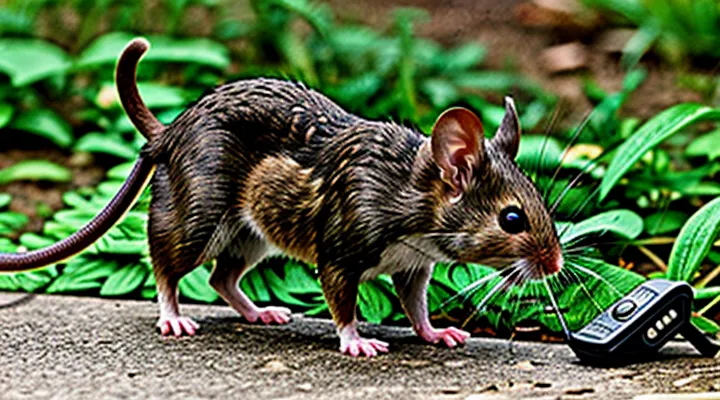
Understanding Mouse Behavior and Attraction
Why Mice Enter Homes and Buildings?
Basic Needs: Food, Water, Shelter
Mice seek resources that satisfy three fundamental requirements: nourishment, hydration, and protection. Each requirement directly influences the effectiveness of trapping lures.
- «food» – high‑energy items such as grains, nuts, and dried fruit provide calories needed for rapid growth and reproduction. Aromatic proteins and fats increase detection distance and stimulate feeding behavior.
- «water» – moisture sources attract mice during dry periods or when food is low in water content. Soft, gelatinous baits or those containing fruit juice deliver the necessary hydration.
- «shelter» – enclosed spaces offering warmth and safety encourage nesting. Materials that mimic insulation, such as shredded paper or cotton, draw mice seeking a secure environment.
When selecting bait, combine elements that address all three needs. A composite lure containing a grain base, a small amount of peanut butter for moisture, and a cotton strip for nesting material maximizes attraction. Placement near existing entry points ensures proximity to natural foraging routes, enhancing trap success.
Entry Points and Vulnerabilities
Mice exploit structural gaps, utility penetrations, and material deficiencies to gain indoor access. Identifying and sealing these vulnerabilities prevents infestation and improves the effectiveness of bait placement.
Typical entry points include:
- Gaps around foundation walls exceeding ¼ inch
- Openings at pipe and vent sleeves larger than ½ inch
- Cracks in exterior siding, brick, or stucco
- Unsealed spaces beneath doors, windows, and garage doors
- Openings around electrical conduits and cable bundles
- Gaps in attic and crawl‑space ventilation grilles
- Openings behind appliances such as refrigerators and dishwashers
- Unfinished or damaged insulation that creates voids
Vulnerabilities arise from construction practices that neglect tight tolerances, weather‑related wear that enlarges existing seams, and landscaping features that provide shelter near the foundation. Rodent‑proofing measures should prioritize:
- Installing metal flashing or steel wool at all utility penetrations
- Applying expanding foam sealant to irregular cracks
- Replacing deteriorated weatherstripping on doors and windows
- Maintaining a clear perimeter by trimming vegetation away from the building envelope
- Ensuring crawl‑space vents are covered with fine mesh
Addressing these entry points eliminates the primary routes mice use to locate bait stations, thereby increasing trapping success. «Effective exclusion reduces reliance on chemical controls and supports long‑term pest management».
Signs of a Mouse Infestation
Droppings and Urine
Droppings and urine serve as chemical signals that indicate recent mouse activity. Their presence confirms an established foraging path and can draw additional individuals seeking familiar territory.
The scent of urine contains pheromones that convey information about population density, reproductive status, and safety of the area. Mice detect these compounds through the vomeronasal organ, prompting investigation and potential settlement. Droppings release volatile organic compounds (VOCs) such as ammonia and fatty acids, which reinforce the scent trail and sustain interest over time.
For trapping purposes, these excretions can be leveraged to enhance bait placement:
- Identify fresh droppings to locate active routes.
- Apply a small amount of diluted urine near traps to simulate a recent presence.
- Combine excretory scents with food baits to increase overall attractiveness.
Research indicates that mice approach traps more readily when conspecific urine is present. One study reported «Mice responded to conspecific urine within minutes, showing increased trap interaction». Proper handling of these materials—using gloves and minimal quantities—prevents human odor contamination and maintains the potency of the attractant.
Utilizing droppings and urine as supplemental cues aligns with evidence‑based practices for effective rodent control.
Gnaw Marks and Damage
Mice leave distinctive gnaw marks that reveal their presence and feeding habits. Incisor teeth create clean, crescent‑shaped holes in soft materials, while wood and plastic show rough, irregular edges. The pattern of bite marks often indicates the size of the intruder and the duration of activity.
Damage caused by rodents includes:
- Structural weakening of beams, joists, and insulation.
- Compromise of electrical wiring, leading to short circuits or fire hazards.
- Destruction of food containers, packaging, and stored grains.
- Contamination of surfaces with urine and feces, creating health risks.
Identifying gnaw marks allows pest controllers to select baits that match the species’ preferences and activity level. Effective bait placement near fresh bite sites maximizes capture rates and reduces further material loss.
Strange Noises
Strange noises often signal mouse presence and can influence bait selection. Audible activity such as scratching, scurrying, or gnawing indicates pathways where food sources are most effective. Deploying attractants along these routes maximizes encounter rates.
Key auditory cues and their implications:
- Scratching on walls or ceilings – suggests nesting sites; place high‑protein baits nearby.
- Continuous rustling in insulation – indicates foraging tunnels; use aromatic, oily baits to penetrate scent barriers.
- Intermittent squeaking from concealed chambers – points to hidden food stores; offer sweet or grain‑based lures to draw mice out.
Noise levels affect trap sensitivity. Excessive ambient sounds may desensitize rodents, reducing response to scent cues. Selecting low‑noise trap models and positioning them away from mechanical equipment preserves bait potency.
Monitoring strange noises provides real‑time feedback on bait effectiveness. Adjust lure composition and placement when auditory activity declines, ensuring sustained attraction and capture rates.
Effective Mouse Baits
Food-Based Baits
Peanut Butter: A Classic Choice
Peanut butter remains a staple in rodent control due to its potent combination of aroma, fat content, and sweetness. Mice detect the scent quickly, and the high caloric value encourages repeated visits to the trap.
Key attributes that make peanut butter effective:
- Strong, lingering odor that activates olfactory receptors at low concentrations.
- Rich source of lipids and protein, providing immediate nutritional appeal.
- Soft texture allows easy placement on snap, live‑catch, or glue traps without crumbling.
Practical application guidelines:
- Apply a pea‑sized dab directly onto the trigger mechanism; excess material can deter entry.
- Use a fresh, unsalted variety to prevent mold growth and maintain scent potency.
- Store unopened jars in a cool, dry environment; discard any product that shows signs of spoilage.
When combined with proper trap positioning—near walls, along runways, or close to food sources—peanut butter maximizes capture rates while minimizing bait waste.
Cheese: Not Always the Best
Cheese is frequently associated with rodent capture, yet scientific observations reveal limited attraction compared with alternatives. Laboratory trials show mice select foods offering higher fat and sugar content, while plain cheese provides modest caloric value and low aromatic appeal.
Effective bait options include:
- Peanut butter – strong scent, high fat, easy to spread.
- Chocolate – intense sweetness, high energy density.
- Sunflower seeds – crunchy texture, rich oil content.
- Grain mixes with added molasses – combined carbohydrate and sugar profile.
Field reports indicate that bait success correlates with moisture level and scent volatility. Freshly softened peanut butter retains aromatic compounds longer than aged cheese, extending trap effectiveness throughout daylight hours.
«Mice prefer high‑fat, high‑sugar foods» summarizes the primary dietary drivers influencing trap selection. When choosing bait, prioritize substances that deliver rapid olfactory cues and maintain palatability under varying environmental conditions.
Seeds and Grains
Seeds and grains constitute a primary lure for mice because they supply high‑energy carbohydrates and proteins essential for the animal’s metabolism. The natural foraging behavior of rodents drives them toward stored plant material, especially when alternative food sources are scarce.
Commonly effective seed and grain varieties include:
- Wheat kernels
- Oats
- Corn kernels
- Rice grains
- Barley
- Sunflower seeds
Each type offers distinct advantages. Wheat and oats present a balanced nutrient profile that sustains prolonged interest, while corn and rice provide a strong olfactory cue that triggers rapid approach. Sunflower seeds, rich in fat, can entice mice that prefer higher‑calorie options.
When deploying seeds or grains as bait, follow these guidelines:
- Use fresh, unspoiled product to preserve scent strength.
- Position small quantities directly on the trap surface to encourage contact.
- Secure bait with a minimal amount of adhesive or mesh to prevent removal without triggering the trap.
- Replace bait regularly, preferably every 24 hours, to maintain attractiveness.
Storage of bait material demands airtight containers kept in a cool, dry environment. This prevents mold growth and preserves volatile compounds that mice detect. Avoid mixing bait with strong-smelling substances such as cleaning agents, as they can mask the natural aroma and reduce efficacy.
Overall, seeds and grains provide a reliable, cost‑effective option for rodent capture when selected and applied according to the outlined practices.
Chocolate and Sweet Treats
Chocolate and other sweet confections draw mice because they combine high sugar levels with fat, both of which trigger the rodents’ innate foraging instincts. The intense aroma of cocoa, combined with the glossy texture, creates a strong olfactory signal that mice readily detect even at low concentrations.
Key properties that make chocolate an effective lure include:
- Elevated sucrose content, which satisfies the primary energy requirement of small mammals.
- Presence of cocoa butter, providing a dense source of lipids that mice seek for caloric efficiency.
- Strong volatile compounds that disperse quickly, enhancing the bait’s reach within a confined area.
- Soft, meltable consistency that encourages immediate consumption, reducing the chance of bait abandonment.
Practical recommendations for employing chocolate as bait:
- Position small pieces (approximately 0.5 cm cubes) near suspected travel routes, such as wall voids or near entry points.
- Secure bait on a non‑absorbent surface (e.g., a piece of cardboard) to prevent moisture degradation.
- Rotate fresh chocolate every 24 hours to maintain scent potency and prevent mold growth.
- Combine chocolate with a secondary attractant, such as peanut butter, to broaden the appeal across different mouse populations.
When used correctly, chocolate and sugary treats serve as a potent component of a comprehensive rodent‑control strategy, increasing trap capture rates while minimizing non‑target interference.
High-Fat Foods
High‑fat foods stimulate the olfactory receptors that mice use to locate energy‑dense resources. The strong scent and caloric value make such items especially attractive when rodents search for sustenance.
Typical high‑fat baits include:
- Peanut butter
- Lard or rendered animal fat
- Sunflower or pumpkin seeds, preferably roasted
- Cheese with a high butterfat content
- Bacon bits or cooked pork scraps
- Commercial rodent lure gels containing animal‑derived fats
Effective deployment requires a small amount of bait placed on a secure trap platform. Position traps along walls, behind appliances, or in concealed corners where mice travel. Secure the bait to prevent removal without triggering the mechanism, using a thin layer of petroleum jelly or a small piece of gauze.
Avoid using baits that spoil quickly, as decomposition can attract non‑target wildlife and create sanitation hazards. Replace bait regularly to maintain potency and reduce the risk of mold growth. Protective gloves should be worn during handling to prevent direct contact with animal fats.
Non-Food Baits
Nesting Materials: Cotton Balls, String
Mice seek environments that provide shelter and material for constructing nests. Soft, absorbent substances satisfy this need, making them effective attractants in trap setups.
Cotton balls offer a lightweight, pliable texture that mice can manipulate easily. The fibers retain moisture, creating a comfortable micro‑climate for nesting activity. Placement of a few cotton balls near the trigger mechanism increases the likelihood of mouse interaction with the device.
String presents a linear structure that mice can grasp and intertwine. Natural fibers, such as hemp or untreated cotton twine, emit a faint scent reminiscent of natural vegetation, further encouraging exploration. Securing short lengths of string around the bait area provides a tactile cue that guides mice toward the trap.
Practical application:
- Position a small cluster of «cotton balls» adjacent to the trap entrance.
- Arrange a loop of «string» across the trigger plate to create a physical barrier that mice must navigate.
- Combine both materials to simulate a realistic nesting site, enhancing trap appeal.
These materials exploit the innate nesting behavior of mice, increasing trap effectiveness without reliance on food‑based baits.
Scent Lures
Scent lures exploit the acute olfactory senses of mice, guiding them toward traps with minimal visual cues. Natural oils derived from cheese, peanut butter, and anise emit volatile compounds that persist on trap surfaces for several hours. Synthetic attractants, such as pheromone blends and grain‑based powders, provide consistent potency across temperature ranges and resist degradation from moisture.
Effective application follows three principles:
- Apply a thin layer of lure directly to the trigger mechanism; excess material can deter movement.
- Refresh lures every 24–48 hours in high‑traffic areas to maintain scent intensity.
- Combine scent lures with a food‑based bait for synergistic attraction, ensuring the food component does not obscure the lure’s odor.
Safety considerations include storing lures in airtight containers to prevent accidental spillage and keeping them out of reach of children and non‑target wildlife. When selecting a lure, prioritize products with documented low toxicity and clear usage instructions from reputable manufacturers.
Bait Placement Strategies
Where to Place Baits
Strategic bait placement determines capture success. Positioning lures along established rodent pathways maximizes exposure while minimizing waste.
Typical locations include:
- Edges of walls where mice travel close to surfaces
- Behind appliances and cabinets where food residues accumulate
- Near entry points such as cracks, vents, and utility openings
- Inside concealed voids like attic joists and crawl‑space beams
- Around stored grains, pet food, or compost containers
Effective placement respects mouse behavior. Baits should sit within 1–2 inches of the wall surface, aligning with the natural tendency to stay close to vertical structures. Avoid open floor areas; rodents rarely cross exposed spaces. Ensure the lure remains stable and inaccessible to non‑target animals by using secure containers or tamper‑proof stations.
Regular monitoring refines positioning. Replace depleted bait promptly, relocate stations that show no activity, and adjust distances based on observed movement patterns. Maintaining a clean environment around bait sites reduces competition from alternative food sources, thereby increasing the likelihood of capture.
«Mice follow walls» illustrates the principle behind these guidelines, reinforcing the need for proximity to structural edges when deploying traps.
How Much Bait to Use
The effectiveness of a rodent trap depends heavily on the quantity of attractant placed inside. Too little bait fails to stimulate feeding, while excess material can obscure the trigger mechanism and allow the mouse to consume the lure without entering the killing zone.
Key variables that determine the appropriate amount include trap design, bait consistency, mouse hunger level, and ambient temperature. Snap traps and electronic devices require a compact plug of soft food, whereas live‑catch cages can accommodate a larger portion of dry or granular bait. Moist baits such as peanut butter or fruit puree should be applied sparingly to prevent leakage that could bypass the trigger.
Typical recommendations:
- Snap or electronic traps: a pea‑sized dollop of soft bait (approximately 0.5 g).
- Live‑catch cages: 1–2 g of dry bait spread thinly across the floor of the chamber.
- Glue boards: a thin line of adhesive bait, no more than 0.2 g, to maintain contact with the surface.
- Multi‑catch stations: 2–3 g of crumbly bait placed in a central reservoir, replenished only when depleted.
Apply bait directly onto the trigger plate or feeding platform, ensuring it does not extend beyond the designated area. If the lure spreads, trim excess with a disposable instrument. Replace bait after each capture or when signs of drying appear, as reduced moisture diminishes olfactory appeal. Regular monitoring of bait condition and quantity sustains optimal attraction and maximizes trap success.
Types of Rodent Traps and Their Baits
Snap Traps
Baiting Snap Traps for Success
Choosing the right attractant dramatically increases the likelihood of a snap trap catching a mouse. Mice rely on scent and taste cues; therefore, bait must combine strong odor with palatable texture. Freshness is critical, as stale material loses potency within hours.
Effective baits include:
- Peanut butter – dense, aromatic, adheres to trigger mechanism.
- Soft cheese – strong dairy scent, easy to shape into a small lump.
- Sunflower seeds – natural grain flavor, compact enough to fit on the spring.
- Oatmeal mixed with honey – sweet and grainy, clings to the trap surface.
- Small pieces of dried fruit – potent sugar aroma, attractive to foraging rodents.
Application technique matters. Place a pea‑sized amount directly on the trigger plate, ensuring the bait does not obstruct the spring. Position the trap along walls, behind appliances, or near known droppings, where mice habitually travel. Maintain a clean environment around the trap to prevent competing odors from masking the bait.
Regular monitoring and prompt replacement of depleted bait sustain effectiveness. Rotate between preferred attractants to prevent habituation, and inspect traps daily for captured rodents or escaped individuals. Consistent use of these practices maximizes capture rates and reduces the need for repeated trap deployment.
Safety Considerations
Safety when employing attractants for rodent control requires strict adherence to handling protocols, protective equipment, and environmental safeguards.
- Wear disposable gloves and eye protection during bait preparation and placement.
- Choose baits with low toxicity to non‑target species; avoid products containing anticoagulants in areas accessible to children or pets.
- Keep bait stations sealed to prevent accidental ingestion.
- Store unused bait in a locked, ventilated container away from food supplies.
Additional precautions protect vulnerable individuals and preserve ecosystem balance. Restrict access to trapping zones, especially in residential settings, by installing barriers or signage. Ensure that bait residue does not contaminate water sources; clean spills immediately with appropriate neutralizing agents.
Disposal of spent baits follows local hazardous waste regulations. Place used materials in designated containers, label them clearly, and arrange for collection by authorized services. Regularly inspect stations for deterioration, replace damaged components, and document maintenance activities.
Live Traps
Humane Baiting Techniques
Humane baiting techniques prioritize attraction without causing distress. Natural food sources such as grain, seeds, and small fruit pieces provide strong olfactory cues while remaining safe for non‑target species. Adding a few drops of unscented peanut butter enhances scent intensity without introducing toxic substances.
- Use fresh, unprocessed grains placed on a small platform that can be removed easily after capture.
- Apply a thin layer of vegetable‑based oil on seed kernels to increase adherence and prolong aroma release.
- Incorporate fruit pieces with a soft interior, such as raisins or dried apricots, to stimulate curiosity and chewing behavior.
- Position a small amount of unsalted nut butter on a disposable cardboard disc, allowing quick replacement after each use.
- Combine dry cereal with a pinch of powdered cheese, ensuring the mixture remains crumbly and easy to separate from trap mechanisms.
Selection of bait should match the local diet of the target rodents, avoiding strong artificial flavors that may deter or harm. Regularly refresh bait to maintain potency, discarding any material that becomes stale or contaminated. Monitoring capture rates helps refine bait composition, ensuring consistent effectiveness while adhering to humane standards.
Release Strategies
Effective release of captured mice requires careful planning to prevent re‑infestation and to minimize harm. Select a release site at least 150 meters from the infested property, preferably in a wooded or field area where natural predators are present. Ensure the location offers shelter and access to food sources, reducing the likelihood that the mouse will return.
Timing influences survival; release during dusk or night aligns with the animal’s nocturnal activity, allowing immediate concealment. After removal from the trap, handle the mouse with gloved fingers, place it gently on the ground, and step back promptly to avoid stress.
Key steps for a responsible release:
- Transport the mouse in a breathable container, avoiding prolonged confinement.
- Discharge at a pre‑identified site, confirming distance from human dwellings.
- Observe from a short distance to verify the mouse moves away unimpeded.
- Record the release location and date for future reference.
Adhering to these practices supports humane treatment while maintaining effective pest‑control outcomes.
Glue Traps
Effectiveness and Ethical Concerns
Effective rodent capture depends on selecting attractants that align with mice’s dietary preferences and on applying methods that respect animal welfare. Studies demonstrate that high‑protein foods, such as peanut butter, boiled eggs, and dried meat, generate the strongest response. Grain‑based products, including oats and wheat, produce moderate attraction, while sugary items, like honey or syrup, trigger short‑term interest but decline rapidly as mice become satiated. Combining a protein source with a small amount of sweetener often extends lure longevity, maintaining consistent capture rates over several days.
Ethical considerations focus on minimizing suffering and preventing non‑target exposure. Live‑capture devices eliminate lethal outcomes, allowing relocation or release after humane handling. When lethal traps are employed, rapid‑acting toxins or snap mechanisms reduce prolonged distress. Placement of bait stations in enclosed, mouse‑only areas limits access by birds, pets, or wildlife. Disposal of dead rodents should follow local regulations, employing sealed containers to avoid disease transmission. Transparent reporting of bait effectiveness and welfare outcomes supports responsible pest management and encourages adoption of humane practices.
Baiting Glue Traps
Glue traps rely on powerful attractants to draw mice onto the adhesive surface. Effective bait delivers a strong scent, high fat content, and a compact form that fits within the trap’s limited space.
Key attributes of successful bait include:
- Intense odor that persists for several hours
- High lipid or protein concentration
- Small, pliable pieces that adhere to the trap without soaking through
- Low moisture to prevent premature drying of the adhesive
Commonly used baits that meet these criteria are:
- Peanut butter, spread thinly on the trap’s center
- Soft cheese, such as cheddar, cut into pea‑size cubes
- Sunflower seeds, lightly crushed to release aroma
- Cooked bacon, torn into tiny strips
- Commercial rodent attractant gels, applied according to manufacturer instructions
Application guidelines:
- Place a single, pea‑sized amount of bait directly on the adhesive area; excess material can reduce effectiveness.
- Position traps along walls, behind appliances, or near known mouse pathways, where rodents naturally travel.
- Replace bait every 24–48 hours to maintain scent potency, especially in warm environments.
Safety considerations:
- Keep traps out of reach of children and non‑target animals; seal placed devices with a protective cover if necessary.
- Dispose of captured rodents in sealed plastic bags, then discard according to local regulations.
- Clean hands after handling bait; avoid direct contact with the adhesive surface to prevent skin irritation.
Common Mistakes to Avoid When Trapping Mice
Using Too Much Bait
Using excessive bait can diminish trap efficiency. Overloading a trap creates a barrier that prevents mice from reaching the food source. The excess material may fill the trigger mechanism, reducing sensitivity and delaying closure.
Key drawbacks of too much bait:
- Bait spills onto the floor, allowing mice to feed without entering the trap.
- Moisture from large quantities promotes mold, making the lure unattractive.
- Larger bait masses obscure scent cues, confusing rodents that rely on precise olfactory signals.
- Cost increases without proportional improvement in capture rates.
Optimal bait application follows a measured approach. Apply a pea‑sized amount directly on the trigger platform. Ensure the bait adheres but does not cover the mechanism. Replace bait regularly to maintain freshness and scent potency.
When bait selection matches mouse preferences—such as peanut butter, cheese, or grain—precise placement maximizes attraction while preserving trap functionality. Excess bait undermines these advantages, leading to lower success rates and unnecessary expenditure.
Placing Traps in the Wrong Locations
Placing traps away from mouse pathways dramatically lowers capture rates. Mice move close to walls, follow established runways, and seek shelter near food sources. When a trap sits in the open floor or far from these routes, rodents rarely encounter it, regardless of bait quality.
Common placement mistakes include:
- Positioning traps in the center of rooms.
- Setting devices on smooth surfaces that prevent climbing.
- Locating traps near bright lights or noisy appliances.
- Installing traps in high‑traffic human areas where mice avoid exposure.
Effective positioning follows several principles:
- Align traps parallel to walls, with the trigger end within 1–2 inches of the edge.
- Place devices behind furniture, under cabinets, and in corners where droppings accumulate.
- Keep traps low to the ground, as mice rarely travel above 12 inches.
- Situate traps near identified entry points, such as gaps around pipes or vents.
«Proper trap placement amplifies bait effectiveness; even the most attractive lure cannot compensate for a poorly chosen location.»
Regularly inspect and adjust trap locations based on observed activity to maintain optimal capture efficiency.
Neglecting Trap Maintenance
Neglecting trap maintenance directly reduces the effectiveness of any attractant used for rodents. When a trap is left dirty, residual food particles mask the scent of fresh bait, making it harder for mice to detect the intended lure. Corrosion on metal components weakens trigger mechanisms, leading to missed captures even if a mouse contacts the bait.
Unclean traps also encourage the growth of mold or bacteria on organic baits, causing rapid spoilage. Spoiled bait emits unpleasant odors that repel rather than attract, decreasing the likelihood of a mouse approaching the device. Additionally, accumulated debris can interfere with the trap’s spring tension, resulting in slower closure and giving a mouse time to escape.
Practical maintenance steps:
- After each use, remove all debris and wash the trap with mild detergent; rinse thoroughly and dry before resetting.
- Inspect metal parts for rust; apply a light coating of non‑toxic oil to preserve smooth operation.
- Replace perishable bait every 24 hours; store unused bait in a sealed container to maintain freshness.
- Test the trigger before placement; ensure a swift, decisive snap when pressure is applied.
- Keep traps in a dry, sheltered area when not in use to prevent moisture damage.
Consistent upkeep ensures that bait retains its appeal and that traps function reliably, maximizing the probability of successful mouse control.
Ignoring Prevention Measures
Neglecting basic exclusion tactics dramatically reduces the effectiveness of any attractant strategy. When structural gaps, unsecured food sources, and clutter remain unaddressed, mice encounter multiple alternative food options, diminishing their response to placed bait.
Key preventive actions often omitted include:
- Sealing cracks and holes in walls, floors, and foundations.
- Storing dry goods in airtight containers.
- Maintaining a clean environment free of spilled grain or crumbs.
- Removing clutter that provides nesting sites.
Failure to implement these steps creates a habitat that competes with bait, leading to prolonged infestations and increased bait consumption without corresponding captures. Consistent application of exclusion measures concentrates rodent activity around traps, enhancing bait attraction and improving overall control outcomes.
Prevention: The Best Defense Against Mice
Sealing Entry Points
Inspecting Your Home's Exterior
Inspecting the exterior of a residence identifies potential entry points and sources that draw rodents, allowing targeted bait placement. Begin with a thorough visual sweep of the building envelope, noting gaps, cracks, and openings larger than ¼ inch. Seal identified breaches with steel wool, caulk, or expanding foam to prevent infiltration.
Assess landscaping features that create shelter or food access. Trim vegetation that contacts the structure, remove debris piles, and store firewood at least 18 inches from the foundation. Examine outdoor waste containers; use tight‑fitting lids and keep lids clean to avoid spillage that may lure mice.
Check utility and service installations for concealed pathways. Inspect vent covers, pipe entries, and cable conduits, ensuring each is fitted with metal mesh or appropriate sealing material. Verify that attic and crawl‑space ventilation screens are intact and free of damage.
Create a checklist of inspection items:
- Gaps around doors, windows, and foundation
- Damaged or missing siding, soffits, and eaves
- Overgrown shrubs or vines touching the building
- Stacked firewood, compost bins, and garden debris
- Unsealed utility penetrations (pipes, cables, vents)
- Outdoor trash containers with loose lids
- Cracked or broken screens on vents and chimneys
After sealing vulnerabilities, position bait stations near identified hotspots, such as the base of exterior walls, beneath deck railings, and adjacent to utility entry points. Use bait stations that protect non‑target wildlife while delivering attractants directly to rodent pathways.
Regularly revisit the exterior inspection schedule, especially after seasonal weather changes, to maintain a secure perimeter and sustain the effectiveness of trapping efforts.
Repairing Gaps and Cracks
Repairing structural openings eliminates primary routes mice use to reach bait stations, thereby increasing the effectiveness of any attractant placed indoors.
Common entry points include foundation cracks, gaps around utility pipes, openings beneath doors, and vent or exhaust ducts. Each of these openings provides a direct path to food sources and shelter.
- Locate all visible cracks and gaps in walls, floors, and ceilings.
- Clean debris from each opening to ensure proper adhesion of sealants.
- Apply steel wool or copper mesh to fill larger gaps; compress material firmly against the surrounding surface.
- Cover the packed material with high‑quality silicone caulk or expanding polyurethane foam.
- For exterior cracks, use epoxy‑based filler or concrete patching compound, followed by weather‑resistant paint.
Materials such as stainless‑steel wool, silicone sealant, expanding foam, and metal flashing resist chewing and weather degradation. Selecting products rated for rodent resistance prevents future re‑entry.
Schedule quarterly inspections to identify new fissures caused by settling or moisture. Prompt repair maintains a sealed environment, limiting mouse movement toward bait locations and supporting long‑term control efforts.
Maintaining Cleanliness
Proper Food Storage
Proper food storage directly reduces the likelihood that rodents will investigate a premises. Sealed containers prevent scent diffusion, eliminate visual cues, and block physical access to edible material. Open packages, uncovered pantry items, and crumb‑laden surfaces create an attractive foraging environment, encouraging mice to enter and remain.
When food is stored in airtight, rodent‑proof containers, the olfactory signals that guide mice to potential meals are suppressed. Plastic or metal bins with tight‑locking lids, freezer‑grade bags, and vacuum‑sealed pouches keep aromas contained. Regularly cleaning shelves removes residual crumbs that could serve as secondary attractants.
Key practices for secure food preservation:
- Use containers rated “rodent‑proof” with silicone gaskets.
- Transfer bulk purchases into smaller, sealed units immediately.
- Label containers with dates; discard expired items promptly.
- Store pet food in locked cabinets; avoid leaving bowls overnight.
- Sweep and vacuum pantry floors weekly to eliminate debris.
Implementing these measures diminishes the effectiveness of common baits, forcing mice to search farther for sustenance. Traps placed in areas where food is properly stored encounter fewer target rodents, increasing capture rates and reducing the need for repeated baiting. «Mice are attracted to food odors», therefore eliminating those odors removes a primary incentive for infestation.
Regular Cleaning Practices
Regular cleaning practices directly influence mouse activity in residential and commercial settings. Eliminating food residues, moisture, and shelter removes primary attractants, thereby reducing the likelihood that rodents will investigate bait stations.
Effective cleaning includes the following actions:
- Immediate removal of spilled food and liquids; dry surfaces prevent scent trails.
- Daily sweeping or vacuuming of floors, especially in kitchens, pantries, and dining areas, to eliminate crumbs.
- Weekly wiping of countertops, appliance exteriors, and cabinet interiors with a detergent solution.
- Secure storage of dry goods in sealed containers; plastic or metal bins prevent access.
- Proper disposal of waste in lidded bins, with regular emptying to avoid odor buildup.
- Routine cleaning of pet feeding areas; wash bowls after each use.
Consistent execution of these steps limits mouse exposure to accessible nutrition, which in turn enhances the effectiveness of trapping strategies. When food sources are scarce, rodents are more likely to investigate placed baits, increasing capture rates. Additionally, a clean environment reduces interference from debris that can obstruct trap mechanisms or conceal bait.
Maintaining «regular cleaning practices» therefore supports both preventive control and active trapping efforts, creating conditions where bait attractiveness is maximized and rodent populations are more readily managed.
Eliminating Water Sources
Mice require regular access to moisture; standing water, leaky pipes, and damp surfaces provide essential hydration, increasing the likelihood of infestation. Removing these sources reduces the habitat suitability, forcing rodents to seek alternative locations where bait placement becomes more effective.
Eliminating water eliminates a primary draw, concentrating mouse movement around limited remaining resources. This concentration enhances the probability that traps and baits will encounter active individuals, improving capture rates.
- Repair all leaking faucets, hoses, and pipe joints.
- Drain puddles and clean up spills promptly.
- Install splash guards under sinks and appliances.
- Ensure pet water dishes are refilled only as needed and emptied nightly.
- Store food in sealed containers to prevent condensation.
With moisture sources removed, mice are compelled to explore areas with available food, making bait stations more attractive and increasing the overall success of rodent control programs.
Landscape Management
Landscape management directly influences the factors that draw mice and determines the success of trapping lures. Proper vegetation control, ground cover regulation, and debris removal shape habitat suitability and affect the visibility and accessibility of bait stations.
- Maintain low, trimmed grass to reduce shelter opportunities.
- Eliminate dense shrubbery near structures to limit hiding places.
- Clear leaf litter, compost piles, and wood debris that provide food sources.
- Install hard‑scaping elements (e.g., stone paths, concrete pads) to create dry, open zones for bait placement.
- Manage irrigation to avoid excess moisture that encourages plant growth and insect populations.
Reduced cover and food availability force mice to seek out artificial lures, increasing trap encounter rates. Positioning bait stations in cleared, dry areas enhances scent dispersion and limits alternative foraging options. Consistent removal of organic waste prevents competition with natural food, ensuring that offered baits remain the most attractive option.
Regular assessment of landscape conditions allows timely adjustments to bait locations and types. Seasonal vegetation changes may require repositioning of stations or selection of different attractants to match shifting mouse behavior. By aligning habitat management with lure deployment, trapping programs achieve higher capture efficiency and more reliable population control.