
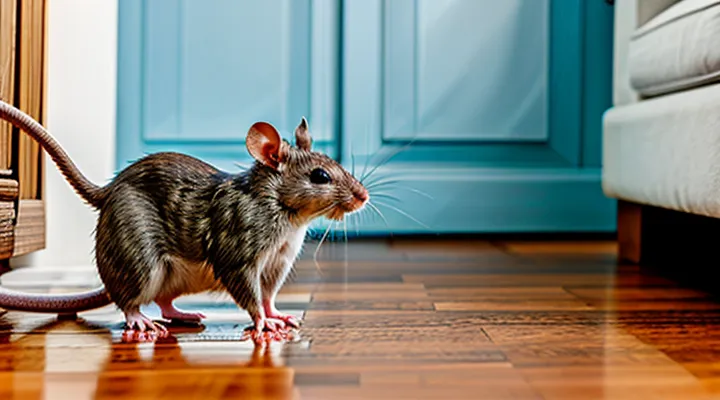
Understanding Rodent Behavior
Why Rodents Enter Homes
Seeking Shelter
Rats and mice prioritize shelter when selecting a dwelling, seeking locations that provide protection from predators, weather, and disturbance. Access points such as cracks in foundations, gaps around pipes, and unsealed vents create direct routes to interior hideaways. Once inside, rodents gravitate toward areas that combine concealment with stable temperature, often found in wall voids, attic insulation, and under appliances.
Features that encourage habitation include:
- Stacked cardboard boxes, piles of laundry, and stored seasonal items that create cluttered, hard‑to‑inspect spaces.
- Loose insulation, shredded wiring, and damaged drywall that leave cavities for nesting.
- Warm, humid zones near heating equipment, water heaters, and leaky pipes, which reduce the energy cost of maintaining body heat.
- Openings larger than ¼ inch that allow easy entry and exit.
Conditions that deter occupancy focus on eliminating refuge opportunities:
- Sealed gaps, steel wool or mesh in vent openings, and reinforced door sweeps that block ingress.
- Minimal clutter, with stored items placed on shelves or in sealed containers rather than on the floor.
- Smooth, solid surfaces in walls and ceilings that lack crevices for nesting.
- Regular inspection and repair of water leaks, reducing moisture that attracts rodents.
By removing structural entryways and reducing hidden, insulated spaces, a home becomes less appealing for rodents seeking shelter, thereby decreasing the likelihood of infestation.
Food Sources
Food availability is the principal factor that draws rats and mice into residential spaces. These rodents locate sustenance through scent, visual cues, and learned pathways, then establish foraging routes that extend throughout the home.
Typical attractants include:
- Uncovered pantry items such as grains, cereals, flour, and pet kibble
- Fresh fruit, vegetables, and their peels
- Spilled sugar, honey, syrups, and jam
- Open garbage cans or compost bins
- Birdseed, corn, and feed stored in garages or sheds
- Food residues on countertops, floors, and behind appliances
Certain foods emit odors or contain compounds that discourage rodent activity. Effective repellents are:
- Strongly scented items like peppermint oil, cloves, or citrus peels placed near entry points
- Capsaicin‑based products derived from hot peppers
- Ammonia or vinegar solutions applied to surfaces where trails are evident
- Commercial rodent‑repellent granules containing bitter herbs or essential oils
Control measures focus on eliminating access to nourishment. Store dry goods in sealed, airtight containers; keep counters and floors free of crumbs; dispose of waste in containers with tight lids; clean pet feeding areas after each meal; and regularly inspect storage areas for leaks or spills. Consistent sanitation removes the primary incentive for rodents, reducing both attraction and the likelihood of infestation.
Water Availability
Water is a primary driver of rodent activity in residential settings. Leaking pipes, dripping faucets, and condensation on windows provide continuous moisture, encouraging rats and mice to establish foraging routes and nesting sites. Even small, intermittent drips create enough humidity for survival and breeding, extending infestation periods.
To reduce water-related attraction, implement the following measures:
- Repair all pipe leaks, faucet drips, and appliance seals promptly.
- Install drip‑catch trays beneath sinks and appliances; empty them daily.
- Ensure proper ventilation in basements, crawl spaces, and attics to prevent condensation buildup.
- Store pet water bowls on raised platforms, refill only as needed, and clean spillages immediately.
- Use moisture‑absorbing materials, such as silica gel packs, in storage closets and pantry shelves.
Limiting accessible moisture forces rodents to search farther for water, decreasing the likelihood of indoor colonization and interrupting population growth.
What Attracts Rats and Mice
Food Attractants
Pantry Items
Pantry supplies can either lure rodents or discourage their presence, depending on the type of food, packaging, and storage conditions.
Attractive pantry items include:
- Grain‑based products such as rice, oats, wheat, and corn.
- Sugary substances like honey, jam, and syrups.
- High‑protein foods: dried beans, nuts, and pet treats.
- Soft, moist foods: canned goods with liquid, fruit preserves, and cheese.
- Packaged snacks with torn or compromised seals.
These foods provide essential nutrients and emit odors that rodents detect from a distance. Loose or improperly sealed containers allow scent diffusion, increasing the likelihood of infestation.
Repellent pantry practices consist of:
- Storing dry goods in airtight, metal or heavy‑plastic containers.
- Using glass jars with screw‑top lids for cereals, flour, and spices.
- Keeping pantry shelves clean, removing crumbs and spills promptly.
- Placing bay leaves, peppermint oil–treated cotton balls, or sealed sachets of dried rosemary near vulnerable items.
- Rotating stock regularly to avoid stale or mold‑developing products.
Implementing these measures reduces food availability and scent cues, making the kitchen environment less appealing to rats and mice.
Pet Food
Pet food represents a primary food source for rodents that enter residential spaces. The scent of dry kibble, especially when left uncovered, releases volatile compounds that travel easily through air currents and floor gaps. Moisture-rich wet food emits stronger odors, accelerating detection by rats and mice. High‑protein and high‑fat formulations, as well as sweetened treats, increase palatability for these pests, encouraging repeated foraging trips.
Storage practices directly influence rodent activity. Open bags, cardboard boxes, and plastic containers allow easy access and retain food odors. In contrast, airtight metal or heavy‑wall plastic containers prevent scent diffusion and block entry. Refrigerating or freezing bulk supplies reduces temperature and humidity, conditions unfavorable to rodent survival. Prompt removal of spilled crumbs and immediate cleaning of feeding bowls eliminate residual attractants.
Effective deterrence strategies include:
- Sealing all pet food in containers with lockable lids.
- Feeding pets on a schedule that limits food exposure to a few minutes.
- Discarding uneaten food after each meal and washing bowls with hot water.
- Placing feeding stations on elevated surfaces away from walls and baseboards.
- Using bittering agents or natural repellents (e.g., peppermint oil) on storage containers.
By controlling odor release, limiting moisture, and restricting physical access, homeowners can substantially reduce the likelihood that rats and mice are drawn to pet food supplies.
Garbage and Compost
Garbage and compost provide readily available nutrition, moisture, and shelter, making them the most common draw for rats and mice inside residences. Open trash cans, uncovered food scraps, and damp compost piles emit strong odors that signal abundant resources to these pests.
Attractive features:
- Unsealed containers that allow scent escape
- Food residues rich in fats, sugars, or proteins
- Moisture from stale liquids or wet compost material
- Easy entry points such as cracked lids or torn bags
Countermeasures focus on eliminating odor, reducing accessibility, and disrupting habitat conditions. Secure storage, frequent removal, and moisture control diminish the environment’s appeal to rodents.
Effective deterrents:
- Airtight, lock‑able trash bins with rubber gaskets
- Daily disposal of food waste and prompt cleaning of spills
- Compost systems that use sealed tumblers or insulated bins
- Regular turning of compost to prevent anaerobic odor buildup
- Placement of waste containers away from walls and entryways
Consistent application of these practices removes the primary incentives for rats and mice, thereby lowering infestation risk and maintaining a healthier home environment.
Fruit and Vegetable Gardens
Fruit and vegetable gardens placed near a house provide a steady source of food, shelter, and nesting material that can draw rats and mice into domestic spaces. Open compost piles, fallen produce, and unharvested crops release odors and moisture that rodents locate through their keen sense of smell. When garden waste is left unattended, it creates an ideal foraging zone that encourages rodents to explore adjacent rooms, basements, and crawl spaces.
Key attractants include:
- Fresh fruit, vegetables, and seeds left on the ground or in containers.
- Moist organic matter such as compost, mulch, and damp soil.
- Dense vegetation that offers cover from predators and weather.
- Access points such as gaps under doors, cracked foundations, or poorly sealed windows that connect the garden to interior areas.
Effective deterrents focus on eliminating food availability and reducing shelter opportunities:
- Harvest produce promptly and store it in sealed containers.
- Maintain compost bins with tight lids and turn material regularly to disrupt rodent activity.
- Trim back overgrown plants, remove weeds, and keep grass mowed to reduce hiding places.
- Seal cracks, install door sweeps, and use metal flashing around utility entry points to block entry routes.
Implementing these measures limits the incentive for rats and mice to move from outdoor gardens into the home, thereby decreasing the risk of damage, contamination, and disease transmission.
Shelter Attractants
Clutter and Storage Areas
Clutter creates hiding places, nesting material, and pathways that rodents readily exploit. Stacked boxes, piles of newspapers, and disorganized closets provide darkness and protection from predators, encouraging rats and mice to establish long‑term colonies.
Storage areas become especially attractive when they contain food residues, pet kibble, or packaging materials with aromatic traces. Even small crumbs lodged in cardboard or fabric can signal a reliable food source. Open containers, unsealed bags, and damaged packaging release odors that guide rodents directly to the site.
To reduce the risk, implement the following measures:
- Keep storage spaces orderly; place items on shelves instead of the floor.
- Store all food, including pet feed, in airtight, metal or heavy‑plastic containers.
- Seal cardboard boxes with tape or replace them with rigid containers that cannot be chewed through.
- Regularly vacuum or sweep to eliminate debris and droppings that could provide nutrition.
- Install rodent‑proof barriers such as metal mesh on vents and gaps around doors.
By eliminating shelter and food cues, cluttered zones lose their appeal, making the home less inviting to rats and mice.
Wall Voids and Attics
Wall voids and attics provide ideal shelter for rodents because they combine darkness, stable temperature, and protection from predators. Cracks around pipe penetrations, gaps around vent chases, and unsealed openings near eaves allow entry. Once inside, rodents exploit insulation, stored debris, and any accessible food sources such as crumbs, birdseed, or pet feed left in the vicinity. Moisture buildup from roof leaks or condensation creates a humid environment that supports nesting material and enhances survival rates.
Key attractants in these spaces include:
- Unsealed holes larger than ¼ inch
- Accumulated insulation fibers and cardboard
- Food residues on joists or in ceiling fixtures
- Water intrusion from roof or plumbing leaks
- Clutter such as abandoned boxes or stored items
Effective deterrence focuses on eliminating these conditions:
- Inspect the exterior envelope annually; seal all gaps with steel wool, caulk, or metal flashing.
- Repair roof leaks and ensure proper drainage to remove moisture sources.
- Remove stored items from attics; keep only essential supplies in sealed containers.
- Install vent covers with mesh screens to block rodent entry while maintaining airflow.
- Replace damaged insulation and dispose of contaminated material safely.
Regular monitoring of wall cavities and attic access points, combined with prompt repairs, reduces the likelihood of infestation. Maintaining a clean, dry, and well‑sealed environment deprives rodents of the shelter and resources they seek, thereby limiting their presence in the home.
Basements and Crawl Spaces
Rodents frequently occupy basements and crawl spaces because these areas provide shelter, stable temperatures, and easy access to food and water sources. Moisture, clutter, and structural gaps create ideal conditions for infestation.
Attractive conditions
- Persistent dampness from leaks, condensation, or poor ventilation.
- Accumulated debris such as cardboard boxes, insulation, or stored items that offer nesting material.
- Visible food residues, pet food, or garbage left in the vicinity.
- Gaps larger than ¼ inch in foundations, walls, or utility penetrations that allow entry.
Repellent measures
- Install waterproofing membranes and repair leaks to eliminate moisture.
- Maintain a clear, organized space; remove unnecessary storage and dispose of waste promptly.
- Seal all openings with steel wool, copper mesh, or concrete, focusing on pipe entries, vent ducts, and foundation cracks.
- Apply rodent-resistant materials, such as metal flashing or cement, to vulnerable structural points.
- Use professional-grade deterrents, like ultrasonic devices or rodent-repellent granules, in accordance with manufacturer guidelines.
Effective control hinges on eliminating the environmental factors that draw rodents while reinforcing barriers that prevent their entry. Regular inspections and maintenance sustain a hostile environment for rats and mice in these subterranean zones.
Outdoor Structures
Outdoor structures influence the likelihood that rats and mice will enter a residence. Materials, design, and maintenance create conditions that either invite or discourage these pests.
Features that attract rodents include:
- Stacked firewood or lumber left outdoors, providing shelter and nesting material.
- Open‑sided sheds or garages with gaps in walls, doors, or roof panels, allowing easy entry.
- Accumulated debris such as leaves, mulch, or broken furniture, offering concealment and food sources.
- Compost piles or outdoor food containers that are not sealed, supplying a steady supply of organic matter.
- Low‑lying fences or trellises that enable rodents to climb onto the property and reach the foundation.
Features that repel rodents consist of:
- Solid, impermeable siding and roofing materials that eliminate entry points.
- Elevated foundations with smooth concrete or metal surfaces, preventing climbing.
- Regularly trimmed vegetation around the building, reducing cover and travel routes.
- Securely lidded trash bins and compost containers that deny access to food.
- Properly sealed gaps around utility lines, vents, and pipe entries, removing hidden passages.
Homeowners can reduce rodent activity by implementing the following actions:
- Store firewood at least three feet above ground and keep it away from the house.
- Install tight‑fitting doors and weather stripping on all exterior structures.
- Remove piles of leaves, mulch, or other debris within ten feet of the foundation.
- Use metal or concrete barriers on fences and trellises to block climbing.
- Maintain a clear perimeter by trimming shrubs, vines, and low branches.
By addressing the design and upkeep of outdoor buildings, residents create an environment that discourages rats and mice from seeking shelter or food near the home.
Water Sources
Leaky Pipes and Faucets
Leaking water sources create a reliable supply of moisture that rodents depend on for survival. Continuous drips from pipes or faucets generate small pools of water, which attract rats and mice seeking hydration, especially during dry periods.
Persistent leaks also produce damp conditions around joints, walls, and cabinets. Moisture softens building materials, making it easier for rodents to gnaw through insulation, wood, or drywall. The resulting humidity encourages fungal growth, providing additional food sources for mice and rats.
Repairing leaks eliminates the primary attractant. Sealing pipe joints, replacing worn washers, and installing faucet aerators stop water accumulation. Dry environments discourage rodent activity and reduce the likelihood of nesting sites forming near water lines.
Additional measures reinforce the deterrent effect:
- Inspect all plumbing fixtures monthly for signs of moisture.
- Use pipe insulation to prevent condensation.
- Install leak detectors that shut off water supply when abnormal flow is detected.
- Maintain proper ventilation in kitchens and bathrooms to keep humidity low.
By removing continuous moisture, homeowners deprive rodents of a critical resource, thereby lowering the probability of infestation.
Pet Water Bowls
Pet water bowls provide a reliable moisture source that can influence rodent activity inside a house. Fresh, stagnant water attracts rats and mice because it satisfies their need for hydration and offers a safe drinking spot. Bowls left uncovered or placed near walls create easy access points, encouraging rodents to explore the area and potentially establish a foraging route.
Spilled water creates damp spots on floors or carpets, increasing humidity and supporting the growth of mold and insects, which in turn draw rodents seeking food and shelter. Regularly wiping up drips and using absorbent mats beneath bowls reduces moisture buildup and eliminates an attractive cue for pests.
Material composition affects rodent interest. Plastic bowls often retain odors and can develop scratches that trap food particles, making them more appealing to rodents. Stainless steel or ceramic containers are less likely to retain scent and are easier to clean, decreasing the likelihood of drawing pests.
Cleaning frequency is critical. Accumulated pet food residues in the bowl or surrounding area provide a protein source for rodents. Daily rinsing, thorough weekly sanitizing, and prompt removal of any spilled water limit food availability and reduce the scent trail that rodents follow.
Placement strategy can deter rodent intrusion. Position bowls away from walls, baseboards, and hidden corners where rodents travel. Elevating bowls on sturdy stands or using wall-mounted feeders limits ground-level access and makes it harder for small mammals to reach the water.
Key practices to minimize attraction:
- Use stainless steel or ceramic bowls.
- Cover bowls with a secure lid when not in use.
- Clean and disinfect daily; sanitize weekly.
- Place bowls on non‑absorbent surfaces; wipe spills immediately.
- Locate bowls in open, well‑lit areas away from structural gaps.
Implementing these measures reduces the water bowl’s role as a magnet for rats and mice, helping maintain a rodent‑free home environment.
Condensation
Condensation creates localized moisture that rodents readily exploit. Water droplets on windows, pipes, or walls provide an immediate drinking source, especially in dry seasons when natural water is scarce. The moisture also promotes fungal growth and insect populations, both of which serve as food for rats and mice. Damp corners and hidden leaks become ideal nesting sites, offering soft material for building burrows and protection from temperature extremes.
Excess humidity weakens building materials, leading to gaps, cracks, and loose insulation. These openings allow rodents to enter and move freely within a structure. In addition, condensation‑induced rot can soften wood, making it easier for rodents to gnaw and create additional pathways.
Mitigating condensation reduces the attractiveness of a home to rodents. Effective measures include:
- Installing exhaust fans in kitchens and bathrooms to vent steam.
- Using dehumidifiers in basements and crawl spaces to maintain relative humidity below 50 %.
- Sealing gaps around windows, doors, and utility penetrations with weather‑resistant caulk.
- Insulating cold water pipes and exterior walls to prevent surface cooling that generates moisture.
- Regularly inspecting and repairing roof leaks, roof deck ventilation, and plumbing fixtures.
By controlling moisture accumulation, homeowners diminish both the water supply and the shelter opportunities that draw rats and mice into living spaces.
Standing Water Outdoors
Standing water located outside a residence creates a reliable moisture source that rodents can exploit when seeking food, shelter, and breeding sites. Open containers, clogged gutters, birdbaths, and improperly drained landscaping retain water long enough for rats and mice to drink and to support insects that serve as supplemental food.
- Persistent pools attract rodents by reducing the effort needed to locate hydration.
- Moist environments facilitate the growth of mold and fungi, which rodents may consume.
- Water accumulation near foundations increases the likelihood that rodents will enter through cracks or utility openings.
- Standing water can harbor disease‑carrying insects, indirectly encouraging rodent activity as they prey on these secondary food sources.
- Proper drainage, regular emptying of containers, and sealing of exterior gaps diminish the attractiveness of outdoor water sources and limit entry points into the home.
What Repels Rats and Mice
Natural Repellents
Peppermint Oil
Peppermint oil is frequently employed as a natural method to discourage rats and mice from entering living spaces. The oil’s volatile compounds, primarily menthol and menthone, create an odor that rodents find unpleasant, interfering with their olfactory navigation and feeding behavior.
When applied correctly, peppermint oil can reduce rodent activity in kitchens, pantries, and near entry points. The scent overwhelms the animals’ sensory receptors, causing avoidance of treated areas. Unlike chemical poisons, the oil does not attract rodents; it functions solely as a repellent.
Effective use requires:
- Dilution of 10–15 ml of pure peppermint oil in one liter of water or a carrier such as mineral oil.
- Saturating cotton balls or cloth strips with the solution.
- Placing treated items in concealed locations: behind appliances, under sinks, along baseboards, and near known entry holes.
- Refreshing the application every 3–5 days, or after cleaning, to maintain potency.
Limitations include rapid evaporation of active compounds, reduced efficacy in well‑ventilated rooms, and lack of lethal action. Peppermint oil should complement, not replace, structural exclusion measures and sanitation practices.
Overall, peppermint oil offers a non‑toxic, odor‑based deterrent that aligns with integrated pest‑management strategies for residential rodent control.
Cedarwood
Cedarwood contains natural oils, chiefly thujaplicin and other phenolic compounds, that emit a strong, resinous odor. Laboratory observations indicate that this scent disrupts the olfactory receptors of rats and mice, reducing their willingness to explore treated areas. Field reports from homeowners confirm lower rodent activity near cedar shavings, blocks, or essential‑oil sprays.
The material does not serve as a food source; its chemical profile lacks the sugars or proteins that attract rodents. Consequently, cedarwood functions solely as a deterrent, not a lure.
Practical applications include:
- Placing cedar blocks or chips in pantry corners, crawl spaces, and attic vents.
- Spraying diluted cedar essential oil on baseboards, entry points, and shelving.
- Incorporating cedar shavings into trap bait chambers to mask other odors without providing nourishment.
Effectiveness diminishes when the scent fades; regular replacement or re‑application every two to four weeks maintains repellent action. Dense, untreated wood may retain aroma longer than processed particles. Cedarwood does not replace sanitation or structural exclusion measures but adds a chemical barrier that aligns with integrated pest‑management strategies.
Cloves
Cloves emit a strong aroma that rodents find unpleasant. The essential oil, eugenol, irritates the sensory receptors of rats and mice, causing them to avoid areas where the spice is present.
The repellent effect can be applied in several ways:
- Sprinkle ground cloves in cracks, gaps, and along baseboards where rodents travel.
- Place whole cloves in small mesh sachets and position them near entry points, pantry shelves, and storage containers.
- Mix a few drops of clove oil with water and spray the solution on surfaces that rodents might gnaw.
Cloves do not attract rodents; their scent is a deterrent rather than a lure. The spice does not provide nutritional value for rats or mice, eliminating any incentive for them to seek it out.
When using cloves as a rodent deterrent, consider the following precautions:
- Replace the material every two weeks, as the scent diminishes over time.
- Keep cloves away from food preparation areas to avoid contaminating edible products.
- Test for allergic reactions in household members before widespread application.
Overall, cloves serve as a natural, non‑chemical option for discouraging rodent activity in residential environments.
Ammonia
Ammonia is a volatile compound with a sharp, irritating odor that influences rodent behavior in residential environments. The scent mimics the waste products of many animals, which can have dual effects on rats and mice.
- High concentrations deter rodents; the irritation of nasal passages and eyes prompts avoidance of treated areas.
- Low concentrations may attract, as the odor resembles the ammonia found in urine and feces, signaling potential food sources or nesting sites.
- Application as a spray on entry points, countertops, and storage shelves creates a barrier that rodents typically bypass.
- Use in traps, combined with a small amount of liquid ammonia, increases capture rates by exploiting the brief attraction before the repellent effect dominates.
Safety considerations require adequate ventilation, protective gloves, and avoidance of direct contact with skin or eyes. Excessive ammonia can damage painted surfaces and pose health risks to occupants. Proper dilution (approximately 5 % solution) balances effectiveness against rodents while minimizing hazards.
Chemical Repellents
Commercial Sprays
Commercial sprays represent a focused method for discouraging rodents from indoor environments. They deliver concentrated chemicals directly onto surfaces where rats and mice travel, creating an immediate deterrent effect that supplements structural sealing and sanitation measures.
Typical active agents fall into two categories:
- Rodenticides such as bromadiolone or difethialone, which interfere with blood clotting and lead to rapid mortality after ingestion.
- Repellents based on capsaicin, essential oil blends, or synthetic pyrethroids, which trigger sensory irritation and discourage further entry.
Efficacy depends on placement accuracy, concentration level, and the species’ tolerance. Sprays applied to concealed pathways—behind appliances, under cabinets, and along baseboards—produce the highest impact. Products formulated for residual action maintain potency for weeks, extending protection beyond the initial treatment.
Regulatory agencies require clear labeling of toxicity, re‑entry intervals, and protective equipment. Users must wear gloves, avoid aerosol inhalation, and keep children and pets away until the surface dries. Storage in locked containers prevents accidental exposure.
Application guidelines include:
- Identify active rodent routes through droppings, gnaw marks, or grease trails.
- Clean the area to remove food residues that could mask the spray.
- Apply a thin, continuous line along the identified route, avoiding overspray onto food‑contact surfaces.
- Allow the coating to cure for the period specified on the label before re‑occupying the space.
Limitations arise when rodents develop habituation to certain repellent formulas or when infestations exceed the capacity of chemical control alone. In such cases, integrating traps, exclusion techniques, and professional inspection yields more reliable results. Commercial sprays remain a valuable component of an overall rodent‑management plan when used correctly and in conjunction with complementary strategies.
Baits with Repellent Properties
Baits designed with repellent properties combine attractants that draw rodents with agents that discourage feeding or limit exposure to non‑target species. The dual action reduces the likelihood of bait avoidance and minimizes secondary poisoning risks.
Typical formulations include:
- Rodent‑attractant base + bittering agents – powdered or gel baits contain grain or protein flavors mixed with denatonium benzoate, which is detectable after initial nibble and prevents further consumption.
- Food‑scented pellets with scent‑masking repellents – essential‑oil derivatives such as peppermint or eucalyptus are incorporated to mask the bait’s odor after placement, deterring curious rodents that have already been attracted.
- Gel baits with low‑toxicity deterrents – hydrogel matrices embed attractants while releasing capsaicin or mustard oil in minute quantities, creating a mild irritation that stops prolonged feeding.
- Granular baits with moisture‑sensitive repellents – granules release a repellent compound when exposed to humidity, ensuring the bait remains unattractive after initial contact.
Effective deployment hinges on strategic placement. Position baits along established runways, near entry points, and in concealed corners. Use tamper‑resistant containers to protect children and pets while allowing rodents to access the bait through small entry slots.
Safety considerations require adherence to label instructions regarding dosage, exposure time, and disposal. Repellent components should be evaluated for allergenic potential, especially in households with sensitive occupants.
Monitoring involves regular inspection of bait stations for signs of consumption, bait degradation, or non‑target interference. Replace depleted or compromised units promptly to maintain consistent pressure on the rodent population.
Environmental Deterrents
Sealing Entry Points
Sealing gaps eliminates the pathways rodents use to enter, directly reducing the likelihood of a household infestation.
Common entry points include:
- Gaps around utility pipes and cables
- Cracks in foundation walls and floor joists
- Openings beneath doors and windows
- Unfinished attic vents and roof eaves
- Holes in exterior siding, soffits, and fascia
- Openings around chimney flues and dryer vents
Effective sealing methods rely on durable, rodent‑proof materials. Use steel wool or copper mesh to fill larger voids, then apply a high‑quality silicone or polyurethane caulk to create an airtight barrier. For structural cracks, install expanding foam sealant reinforced with a metal mesh patch. Install door sweeps and weatherstripping on all exterior doors. Replace damaged screens with fine‑mesh hardware cloth.
Regular inspection ensures long‑term protection. Conduct a visual survey each season, focusing on the listed entry points. Probe suspicious gaps with a thin rod; any resistance indicates a sealed opening. Reapply sealant where wear or weathering is evident. Maintain vegetation at least two feet from the building foundation to discourage gnawing on exposed wood.
By systematically identifying, sealing, and monitoring entry points, a home becomes inhospitable to rats and mice, minimizing both attraction and potential damage.
Maintaining Cleanliness
Cleanliness directly influences the presence of rodents in a dwelling. Food residues, spilled liquids, and clutter create accessible nourishment and shelter, encouraging rats and mice to establish foraging routes and nesting sites. Regular removal of crumbs, prompt disposal of waste, and elimination of standing water eliminate the resources that sustain these pests.
Effective cleaning practices include:
- Wiping countertops and tables after each meal.
- Sweeping and vacuuming floors daily to capture food particles.
- Storing dry goods in sealed containers.
- Emptying trash bins weekly and using lids that close tightly.
- Cleaning pet feeding areas each evening and removing uneaten food.
- Inspecting and cleaning behind appliances, under sinks, and inside cabinets where debris can accumulate.
Neglecting these actions allows odors and hidden food sources to persist, making the environment attractive to rodents. Maintaining a spotless kitchen, pantry, and storage spaces removes the primary incentives that draw them in, thereby creating conditions that repel their activity.
Proper Food Storage
Proper food storage directly influences rodent presence in residential environments. Food left uncovered, stored in soft packaging, or placed near the floor provides scent trails and easy access, encouraging mice and rats to explore and establish foraging routes. Conversely, sealing food in airtight containers eliminates odor diffusion and removes entry points, making the area unattractive to these pests.
Key practices for securing consumables include:
- Use containers with lock‑tight lids made of metal or heavy‑wall plastic; avoid flimsy bags or jars with loose caps.
- Keep pantry shelves cleared of crumbs; wipe surfaces after each use.
- Store bulk items (grains, cereals, pet food) in containers no larger than the amount consumed within a week.
- Position food storage away from walls and appliances; maintain a gap of at least 4 inches to prevent rodents from climbing directly onto containers.
- Dispose of empty packaging promptly in sealed trash bins; avoid leaving cardboard or paper bags on countertops.
Implementing these measures removes primary food sources, reducing the likelihood that rodents will enter or remain in the home.
Eliminating Water Sources
Rodents require fresh water for survival; removing accessible moisture eliminates a primary incentive to enter homes.
Typical indoor water sources include:
- Leaking pipes, faucets, or appliance connections.
- Condensation on cold surfaces such as windows, pipes, or ducts.
- Pet water dishes left uncovered for extended periods.
- Standing water in sinks, bathtubs, or dishwashers after use.
- Open containers holding liquids or damp food waste.
Effective elimination measures:
- Repair all leaks promptly; install drip trays beneath appliances prone to condensation.
- Wipe down wet surfaces after each use; ensure sinks and bathtubs are dry before closing covers.
- Cover pet water dishes with tight‑fitting lids; refill only when necessary.
- Store liquids in sealed containers; discard or refrigerate moist food waste promptly.
- Install a dehumidifier in damp areas; improve ventilation to reduce ambient humidity.
Regular inspection of potential moisture points and immediate correction prevent rodents from establishing a water supply, thereby reducing their presence throughout the residence.
Trimming Vegetation
Keeping shrubs, vines, and ground cover trimmed limits the habitats that rodents can use to travel from outdoor environments to a dwelling. Dense vegetation creates continuous cover, allowing rats and mice to move unseen and to nest close to the building’s foundation.
When plants are allowed to grow unchecked, they conceal food sources such as fallen fruit, seeds, and insects, which attract rodents. Thick foliage also shelters predators that rodents avoid, encouraging them to stay in the area. Moreover, vines that climb walls or touch the roof can serve as bridges, granting easy access to attics and crawl spaces.
Regular pruning removes these pathways and reduces shelter. Short, well‑maintained plantings leave a clear perimeter around the home, exposing any approaching rodent to visual detection and making it more difficult for them to reach entry points.
Practical trimming guidelines:
- Cut back shrubs to a maximum height of 12 inches from the ground, especially near doors, windows, and utility lines.
- Trim vines away from the exterior walls and roof eaves, maintaining at least a 6‑inch gap.
- Remove dead or decaying plant material weekly, as it can serve as a food source.
- Keep lawn edges mowed to a length of 2–3 inches, eliminating hidden pathways.
- Dispose of clippings in sealed bags to prevent them from becoming rodent forage.
Implementing these measures reduces the attractiveness of the property to rats and mice and strengthens the overall perimeter defense against infestation.
Prevention Strategies
Home Maintenance
Inspecting and Repairing Foundations
Inspecting and repairing foundations directly reduces the likelihood that rodents will enter a residence. Cracks, gaps, and deteriorated sealants create pathways that mice and rats exploit for shelter and food access. Regular examination of the building’s perimeter identifies vulnerable points before infestations develop.
Key inspection points include:
- Visible cracks in concrete or masonry larger than ¼ inch.
- Gaps around utility penetrations, such as pipe sleeves and conduit entries.
- Deteriorated or missing weather‑stripping on foundation vents.
- Areas where soil contacts the foundation without a protective barrier.
- Evidence of gnaw marks or burrows near the base of walls.
Repair measures should address each identified defect:
- Clean debris from cracks and apply a suitable concrete filler or epoxy sealant.
- Install steel mesh or metal flashing around utility openings, then seal with expanding foam or caulk.
- Replace compromised weather‑stripping with durable, rodent‑resistant material.
- Install a graded drainage system and a physical barrier, such as a buried metal or heavy‑duty plastic liner, to separate soil from the foundation.
- Fill burrows with compacted soil and cover with a concrete slab or metal plate.
Maintaining a sealed foundation eliminates the shelter and travel routes that attract rodents, thereby supporting broader strategies to keep these pests out of the home.
Sealing Gaps and Cracks
Sealing gaps and cracks eliminates the pathways rodents use to enter a residence. Even openings as small as a quarter‑inch allow mice and rats to slip inside, providing direct access to food, water and shelter.
Identify potential entry points by inspecting the building envelope. Look for:
- Gaps around doors, windows, and sliding panels
- Openings at utility penetrations, such as pipes, wires, and ducts
- Cracks in foundation walls, basement floors, and crawl‑space joists
- Spaces around vent fans, exhaust fans, and air‑conditioning units
Choose appropriate materials based on the location and size of each opening. Common sealants include:
- Expanding polyurethane foam for larger cavities
- Silicone or acrylic caulk for flexible joints around doors and windows
- Steel wool or copper mesh backed with sealant for gaps around pipes, preventing gnawing
- Mortar or concrete patch for foundation cracks
Apply sealants following these steps:
- Clean the area to remove dust, debris and loose material.
- Dry the surface completely.
- Insert steel wool or mesh where rodents could chew through soft sealant.
- Fill the opening with the chosen sealant, pressing firmly to ensure full contact.
- Smooth the surface and allow the product to cure according to manufacturer instructions.
Regularly inspect sealed areas, especially after seasonal temperature changes or building renovations. Reapply sealant where deterioration appears to maintain an unbroken barrier. Consistent maintenance prevents re‑entry and reduces the likelihood of rodent activity throughout the home.
Screening Vents and Chimneys
Screened vents and chimneys are common pathways for rodents seeking shelter and food. Unfiltered openings allow mice and rats to enter lofts, crawl spaces, and wall cavities, where they locate heat sources and stored provisions.
Effective screening requires mesh no larger than ¼ inch (6 mm). Stainless steel or galvanized hardware cloth resists chewing and corrosion better than plastic alternatives. Install the mesh with a tight overlap onto the vent frame, securing it with stainless‑steel screws and a weather‑resistant sealant to eliminate gaps.
Maintenance practices that sustain rodent exclusion:
- Inspect screens quarterly for tears, rust, or loose fasteners.
- Replace damaged sections immediately; partial repairs often leave exploitable openings.
- Clean debris from vent crowns and chimney caps, preventing nests that can compromise the screen’s integrity.
- Verify that chimney dampers close fully; a broken damper creates a direct route to the firebox.
Properly screened vents and chimneys reduce indoor rodent activity by blocking primary ingress points. When combined with regular inspections, they form a reliable barrier that discourages settlement and limits exposure to gnaw damage, contamination, and disease transmission.
Sanitation Practices
Regular Cleaning
Regular cleaning reduces food residues, moisture, and shelter, all of which draw rodents into residential spaces. By removing crumbs, spills, and garbage promptly, the environment becomes hostile to rats and mice.
Effective cleaning tasks include:
- Wiping countertops and tables after each meal.
- Sweeping and vacuuming floors daily to eliminate dropped particles.
- Emptying trash cans, sealing lids, and disposing of waste at least once daily.
- Washing dishes immediately or loading them into a dishwasher.
- Cleaning pet feeding areas and removing uneaten food.
- Scrubbing behind appliances, under sinks, and in pantry corners weekly.
Neglecting these practices allows odor, debris, and hidden nesting sites to accumulate, providing rodents with easy access to nourishment and protection. Persistent buildup encourages infestation and complicates control efforts.
A maintenance schedule that combines daily surface cleaning with weekly deep‑cleaning of hidden zones maintains a low‑attraction environment and supports long‑term rodent prevention.
Secure Garbage Disposal
Secure garbage handling directly influences rodent activity in residential environments. Food residues, strong odors, and moisture create powerful lures; containers that allow easy access amplify the problem. Implementing airtight, rodent‑proof bins eliminates these cues and establishes a barrier that discourages entry.
- Choose containers made of metal or heavy‑wall plastic with sealed lids; avoid flimsy or perforated materials.
- Position bins away from exterior walls and corners; maintain a clear perimeter of at least 30 cm.
- Empty waste daily or every other day; prolonged storage increases scent intensity.
- Clean interior surfaces regularly with a bleach‑based solution to remove crumbs and spills.
- Store collection bags inside the sealed bin; do not leave them exposed in cupboards or under sinks.
Additional measures reinforce the primary strategy. Installing a motion‑activated light above the bin area deters nocturnal foragers. Using biodegradable liners that decompose quickly reduces long‑term odor buildup. Combining these practices creates an environment where rodents find no accessible food source, thereby reducing their presence in the home.
Storing Food in Airtight Containers
Storing food in airtight containers eliminates the primary scent cues that draw rodents into kitchens and pantries. When food is sealed, odors cannot escape, and the visual presence of crumbs or open packages disappears, removing both olfactory and visual attractants.
Key advantages of airtight storage include:
- Prevention of moisture loss, which discourages mold growth that can further entice pests.
- Protection against accidental spills, reducing the amount of accessible food particles.
- Creation of a physical barrier that rodents cannot breach without damaging the container.
Effective implementation requires:
- Selecting containers made of rigid plastic, glass, or metal with a proven seal mechanism.
- Inspecting seals regularly for wear or deformation that could compromise airtightness.
- Labeling containers with purchase dates to ensure rotation and avoid stale food accumulation.
- Placing containers on shelves away from walls and appliances, limiting easy access for climbing rodents.
Improper storage—such as loosely covered bowls, partially opened bags, or containers with cracked lids—creates a constant food source. Even minimal exposure can sustain rodent activity, leading to increased droppings, gnaw damage, and potential disease transmission. Consistent use of truly airtight containers therefore serves as a critical deterrent in any residential pest‑management strategy.
Outdoor Management
Clearing Yard Debris
Clearing yard debris directly reduces the likelihood that rats and mice will enter a residence. Loose wood piles, fallen branches, and accumulated leaf litter create sheltered pathways and conceal food sources. When these materials are left untouched, rodents use them as nesting sites and travel corridors, extending their range from the perimeter to interior structures.
Removing debris eliminates hiding places and disrupts established foraging routes. Regularly cutting back overgrown vegetation, stacking firewood away from the home’s foundation, and disposing of garden waste in sealed containers deprives rodents of shelter and reduces the chance they will explore entry points such as cracks, vents, or gaps under doors.
Key actions for effective yard maintenance:
- Collect and dispose of fallen leaves, mulch, and compost that are not sealed.
- Trim shrubs and grasses to within 12 inches of the house foundation.
- Store firewood on a raised platform, at least 18 inches off the ground, and keep it at least 3 feet from the building.
- Remove piles of debris, including cardboard, paper, and unused building materials, or store them in a locked shed.
- Inspect the perimeter after storms and clear any new accumulations promptly.
Implementing these measures creates an exposed environment that discourages rodent activity and supports long‑term exclusion strategies.
Managing Garden Waste
Garden waste left unchecked creates both nourishment and concealment for rodents, increasing the likelihood that they will enter a dwelling. Decomposing leaves, fruit remnants, and compost piles supply protein, carbohydrates, and shelter, which attract rats and mice from surrounding fields and yards. When these resources are concentrated near a home’s foundation, the animals develop pathways that lead directly to interior entry points such as gaps under doors, utility openings, and vent stacks.
Effective control of garden debris reduces the attractiveness of the property and discourages rodent incursions. Recommended actions include:
- Collect fallen fruit, vegetables, and seed pods daily; store them in sealed containers until disposal.
- Maintain compost bins with tight-fitting lids; turn the material regularly to accelerate decomposition and deter burrowing.
- Remove leaf litter and grass clippings from the perimeter of the house; use a mulching mower or transfer material to a distant, enclosed compost area.
- Trim shrubs and low‑lying branches that provide cover near foundations; keep vegetation at least 12 inches away from walls.
- Store firewood, lumber, and other bulky waste off the ground on pallets or racks, leaving a clear space beneath each stack.
Implementing these measures eliminates the food sources and hiding places that draw rodents, thereby creating an environment that naturally repels them from the home.
Eliminating Standing Water
Standing water creates a reliable moisture source that rodents seek for drinking and for cooling their nests. The presence of even small puddles near kitchens, basements, or pet areas can draw mice and rats into a home, increasing the risk of contamination and disease transmission.
Removing water accumulation reduces the habitat suitability for these pests. The following actions eliminate standing water efficiently:
- Inspect under sinks, behind appliances, and in crawl spaces for leaks; repair or replace damaged pipes and fixtures promptly.
- Empty and dry pet water bowls, birdbaths, and plant saucers each night; use trays that prevent overflow.
- Install a drip‑free faucet aerator and check showerheads for condensation buildup.
- Ensure proper grading around the foundation; direct rain runoff away from the building with gutters and downspouts.
- Use a dehumidifier in damp rooms, setting humidity below 50 % to discourage rodent activity.
- Regularly clean and dry floor drains, dishwasher filters, and refrigerator drip pans.
Consistently applying these measures removes the water resource that attracts rodents, making the indoor environment hostile to their survival and discouraging entry.
When to Seek Professional Help
Signs of Infestation
Droppings
Droppings serve as a primary indicator of rodent presence, allowing homeowners to identify infestation early and implement control measures. Fresh feces are dark, pellet‑shaped, and emit a strong, musky odor that can deter other animals from entering the same area. The scent also signals to rats and mice that a site has been occupied, reducing the likelihood of new individuals establishing a nest nearby.
Key implications of droppings include:
- Attraction of secondary pests: Insects such as flies and beetles are drawn to the organic material, increasing overall pest pressure.
- Health risk: Pathogens carried in feces contaminate surfaces, posing a disease threat to humans and pets.
- Evidence for targeted treatment: Locating droppings pinpoints high‑traffic routes, enabling precise placement of traps or baits.
Conversely, the presence of droppings can repel rodents when the accumulation reaches a level that creates an unsanitary environment. The buildup of waste, coupled with the associated odor, may prompt rats and mice to seek cleaner locations, especially if alternative food sources are available.
Effective management therefore requires regular inspection for droppings, immediate removal with protective equipment, and sanitation of affected areas to eliminate both the attractant and the potential repellent effect.
Gnaw Marks
Gnaw marks are a primary indicator of rodent activity and a direct factor in how these pests are drawn to or discouraged from a residence. Fresh incisions on wood, plastic, or wiring reveal the presence of rats or mice seeking material for nest construction, food access, or dental maintenance. The size and shape of the bite—typically a clean, V‑shaped cut with smooth edges—distinguish rodent damage from other sources.
- Small, shallow grooves (1–3 mm deep) suggest mouse activity; mice favor lightweight materials for nesting.
- Larger, deeper cuts (up to 8 mm) point to rat involvement; rats require stronger substrates for gnawing through insulation or structural components.
- Parallel rows of marks indicate repeated chewing along a travel route, often along walls or baseboards.
Materials that attract gnawing include untreated wood, soft plastics, and exposed wiring. These items provide easy chewing surfaces and, in the case of wiring, a potential electrical hazard. Conversely, hard metals, steel wool, and sealed concrete resist gnawing and act as deterrents. Applying rodent‑grade metal mesh or stainless‑steel caps to vulnerable openings eliminates chewable entry points.
Preventive actions focus on eliminating chewable substrates and reinforcing vulnerable areas:
- Replace damaged wood trim with metal or composite alternatives.
- Install steel‑wool stuffing in gaps before sealing with caulk.
- Protect wiring with conduit or rodent‑proof sheathing.
- Remove stored cardboard, paper, or soft plastics from accessible locations.
Monitoring gnaw marks allows early detection, enabling swift remediation before infestations expand. Regular inspection of potential chew sites, combined with material upgrades, reduces the likelihood that rats and mice will find the home inviting.
Scurrying Noises
Scurrying noises are rapid, high‑pitched sounds produced by rodents as they move across surfaces, squeeze through gaps, or gnaw on materials. The noises typically originate from walls, ceilings, attics, crawl spaces, and behind appliances. Their presence confirms active movement and can indicate the extent of an infestation.
When such sounds are audible, they may unintentionally attract additional rodents. The auditory cue signals a viable pathway, abundant food, or shelter, encouraging conspecifics to follow the same routes. Repeated noises reinforce the perception of a safe, resource‑rich environment, prompting colonization of adjacent rooms or floors.
Conversely, scurrying noises can serve as a deterrent. Persistent disturbance alerts rodents to the presence of predators, humans, or environmental instability. The perception of frequent movement and vibration may prompt individuals to abandon a nesting site, seek quieter locations, or relocate entirely.
Practical measures:
- Conduct systematic listening sessions during quiet periods (early morning, late night) to map noise sources.
- Seal identified entry points with steel‑wool, caulk, or hardware cloth to block further ingress.
- Remove food residues and water sources near noisy areas to eliminate the attraction factor.
- Install vibration‑sensitive traps or ultrasonic emitters near active zones to amplify the repelling effect of disturbance.
- Schedule regular inspections to verify that noise levels diminish, indicating successful reduction of rodent activity.
Nests
Rats and mice construct nests to protect themselves from predators, temperature extremes, and disturbances. Nests are typically built from soft, insulating materials such as shredded paper, fabric, insulation, dried plant matter, and stored food remnants. The presence of these resources in a home creates a favorable environment for nesting activity.
Conditions that encourage nest building include:
- Accumulated clutter in closets, attics, and basements.
- Untidy storage of cardboard boxes, newspapers, or fabric.
- Access to warm, undisturbed spaces near heating ducts or appliances.
- Availability of food particles and crumbs that can be incorporated into the nest.
Factors that deter nesting behavior involve:
- Regular removal of debris and clutter from potential nesting sites.
- Sealing gaps, cracks, and openings larger than a quarter‑inch to block entry.
- Maintaining low humidity and consistent temperatures to eliminate comfort zones.
- Using rodent‑resistant storage containers and keeping food in sealed packages.
Effective control measures focus on eliminating the materials rodents need for nest construction and restricting their access to sheltered areas. Routine inspection of hidden spaces, prompt cleanup of spills, and proper waste management reduce the likelihood that rats and mice will establish nests within a residence.
Persistent Rodent Problems
Persistent rodent problems arise when attractive conditions in a dwelling outweigh the effectiveness of deterrents. Food residues, water sources, and shelter opportunities create a stable environment for rats and mice, allowing populations to establish and multiply despite occasional control measures.
Key factors that sustain infestations include:
- Unsecured food storage: open containers, pet food left out, and crumbs on countertops.
- Accessible water: leaky pipes, dripping faucets, and pet water bowls without covers.
- Structural gaps: cracks in walls, gaps around utility penetrations, and unscreened vents.
- Clutter: piles of cardboard, stored laundry, and overfilled basements provide nesting sites.
- Inadequate waste management: overflowing trash cans and compost bins attract foragers.
Effective mitigation requires eliminating these attractants while reinforcing barriers. Recommended actions are:
- Store all consumables in airtight containers; clean surfaces after each use.
- Repair leaks promptly; install drip‑free fixtures; use water‑tight lids on pet dishes.
- Seal entry points with steel wool, caulk, or metal mesh; install door sweeps and screen vents.
- Reduce clutter by organizing storage areas, disposing of unnecessary items, and maintaining regular cleaning schedules.
- Use sealed waste containers; empty them frequently; keep compost bins away from the home’s exterior walls.
Professional inspection can identify hidden harborage and verify that exclusion measures are correctly applied. Continuous monitoring, combined with strict sanitation practices, prevents re‑infestation and resolves long‑standing rodent issues.