
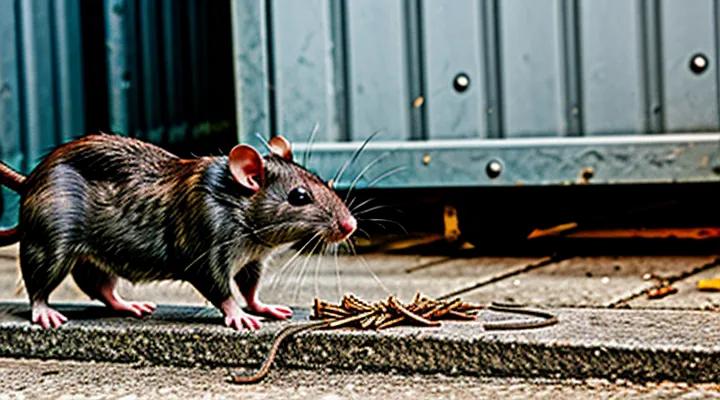
The Incredible Strength of Rodent Incisors
The Biology Behind Rat Teeth
Continuous Growth and Self-Sharpening
Rats possess incisors that never cease to grow. The enamel covers only the front surface, while dentin forms the rear, creating a natural bevel. As the teeth erupt, the softer dentin wears faster than the enamel, maintaining a sharp edge without external sharpening.
The continuous eruption rate averages 0.2 mm per day. This growth compensates for material loss during gnawing, allowing the animal to sustain bite force over prolonged periods. The self‑sharpening mechanism limits the need for behavioral adaptation; the rodent simply applies pressure, and the teeth retain a cutting profile.
Key factors influencing the ability to penetrate metal:
- Material hardness: Most common metals exceed the hardness of rat enamel, preventing incision.
- Force application: Rats generate bite forces of 5–10 N, insufficient to deform hardened alloys.
- Wear rate: Even with rapid tooth growth, the abrasion required to cut metal surpasses the dentition’s wear capacity.
Consequently, while continuous growth and self‑sharpening enable rats to chew through wood, plastic, and soft metals such as aluminum foil, they do not allow the species to gnaw through robust metal structures.
Enamel Hardness and Dentin Structure
Rodent incisors consist of a continuously growing crown covered by enamel on the labial surface and dentin forming the bulk of the tooth. Enamel is the hardest biological tissue, with Vickers hardness values typically ranging from 300 to 400 HV, while dentin exhibits a hardness of 50–70 HV and a modulus of elasticity around 10–20 GPa. The enamel layer is only a few micrometres thick at the tip, but its high mineralization and tightly packed hydroxyapatite crystals create a wear‑resistant surface capable of sustaining repeated gnawing forces.
The dentin beneath the enamel contains a network of tubules that transmit stress and allow rapid remodeling. Its relatively lower hardness provides flexibility, preventing fracture under the high bite pressures generated by the masseter muscles. The combination of a hard, self‑sharpening enamel edge and a resilient dentin core enables rodents to gnaw through materials such as wood, plastic, and thin metal foils.
Comparative hardness (Vickers) illustrates the limitation of this biological system:
- Enamel: 300–400 HV
- Dentin: 50–70 HV
- Aluminum foil (≈ 30 HV)
- Soft copper sheet (≈ 70 HV)
- Low‑carbon steel (≈ 150 HV)
Materials with hardness exceeding that of enamel require forces beyond the physiological capability of rodent jaw muscles. Consequently, while rats can penetrate thin metal sheets, they cannot gnaw through bulk metal objects whose hardness surpasses the enamel’s resistance. The structural integrity of enamel and dentin therefore defines the upper bound of materials that rodents can effectively chew.
The Limits of Rat Gnawing Abilities
Materials Rats Can Gnaw Through
Wood and Plastic
Rats possess continuously growing incisors that enable them to chew through a wide range of materials. Their bite force, combined with a self‑sharpening edge, allows penetration of substances far softer than most metals, such as wood and many plastics.
Wood fibers present a relatively low resistance to rodent gnawing. Thin panels (≤ 5 mm) can be breached within minutes, while thicker lumber (≥ 20 mm) may require several hours of sustained activity. Grain orientation influences progress; soft‑grain sections yield faster than dense heartwood. Moisture content affects durability—dry wood hardens, yet remains vulnerable to repeated gnawing that creates splintered edges and structural weakening.
Plastics exhibit diverse resistance levels. Thermoplastics such as polyethylene and polypropylene soften at temperatures below a rat’s body heat, permitting easy incision. Rigid polymers like polycarbonate or acrylic resist penetration longer, but prolonged gnawing produces cracks and chip formation. Ultraviolet‑degraded or brittle plastics fracture more readily, allowing rats to create entry points with minimal effort.
Key comparative points:
- Hardness: Wood < soft plastics < rigid plastics < metal.
- Typical breach time (5 mm thickness): wood ≈ minutes; soft plastic ≈ minutes; rigid plastic ≈ tens of minutes.
- Damage pattern: wood – splintering; soft plastic – clean cuts; rigid plastic – cracking and chipping.
Consequently, while rats cannot readily bite through most metals, they can efficiently compromise wooden structures and many plastic components, especially when material thickness is limited or environmental conditions reduce material integrity.
Soft Metals and Wiring
Rats possess continuously growing incisors that generate forces of 30–50 N. This pressure can fracture materials whose hardness falls below the dentin hardness of the rodent’s teeth (approximately 2 GPa). Soft metals such as pure copper, aluminum, and lead have Brinell hardness values ranging from 30 to 150 HB, well under the threshold required to resist a determined gnaw. Consequently, a rat can breach thin sheets or foils of these metals, especially when the material is less than 0.5 mm thick.
Wiring commonly employs soft metals for conductors and thin protective sheaths. The vulnerability of such cables depends on several factors:
- Conductor material – copper and aluminum conductors are easily chewed; steel‑reinforced cores resist damage.
- Insulation type – PVC, rubber, or fabric jackets add a barrier, but thin layers (≤1 mm) can be worn away, exposing the metal.
- Gauge – wires of 22 AWG (≈0.6 mm diameter) are within the size range that rats can bite through; larger gauges (≥12 AWG) present more material to remove and are less likely to be fully severed.
- Installation environment – cables routed through walls, ceilings, or concealed spaces provide rats with protected access points, increasing the chance of successful gnawing.
Mitigation strategies focus on material selection and physical barriers. Replacing soft‑metal conductors with hardened alloys, adding steel armor, or encasing cables in metal conduit raises the required gnawing force above the rat’s capability. Regular inspection of exposed wiring in rodent‑prone areas can identify early signs of chewing, such as frayed insulation or bite marks, allowing prompt replacement before electrical failure occurs.
Materials Rats Cannot Gnaw Through
Harder Metals and Concrete
Rats possess continuously growing incisors composed of enamel and dentine, allowing them to gnaw through relatively soft substances such as wood, plastic, and thin sheet metal. The limits of this ability are defined by material hardness, thickness, and structural composition.
Harder metals—stainless steel, titanium, and hardened carbon steel—exhibit Vickers hardness values above 150 HV, far exceeding the cutting force a rat can generate. Typical rat bite pressure reaches only 20–30 psi, insufficient to initiate a crack in these alloys. Even when metal is thin (≤1 mm), the high tensile strength and lack of micro‑fractures prevent rat incisors from gaining purchase. Experimental observations confirm that rats cannot produce measurable wear on stainless‑steel plates of standard gauge.
Concrete presents a composite matrix of cement paste and aggregate. Its compressive strength ranges from 3,000 to 5,000 psi, while tensile strength remains low (300–500 psi). Rats can exploit surface fissures or poorly cured sections, but intact concrete resists gnawing due to:
- Dense cement paste that blunts incisors.
- Aggregate particles that act as abrasive obstacles.
- Lack of continuous fibers for rats to grip and pull.
In practice, rats may create entry points through pre‑existing cracks, gaps around pipe fittings, or deteriorated mortar, but they do not chew through solid, cured concrete blocks.
Therefore, while rodents can damage soft metals and compromised concrete, the structural integrity of hardened alloys and properly cured concrete effectively prevents rat gnawing.
Steel and Iron Alloys
Rats possess incisors that can exert forces up to 30 N, sufficient to fracture soft metals such as aluminium foil. Steel and iron alloys, however, present a markedly higher resistance. Typical carbon steel exhibits tensile strengths between 400 MPa and 1 800 MPa, while alloyed steels can exceed 2 000 MPa. The hardness of these materials, measured on the Rockwell or Vickers scales, ranges from 40 HRB to 70 HRC for hardened grades, far beyond the bite pressure a rodent can generate.
Key material characteristics that deter gnawing:
- Yield strength – values above 250 MPa prevent permanent deformation under rat bite forces.
- Hardness – Vickers hardness > 400 HV resists cutting and abrasion.
- Microstructure – fine-grained martensitic or bainitic structures limit crack propagation.
- Surface treatments – galvanization, plating, or coating add a barrier that rats cannot penetrate.
Even low‑carbon steel, with a minimum hardness of 120 HB, remains impervious to rodent incisors. Only exceptionally thin sections of soft iron, such as cast‑iron filings or foil, might be compromised, but standard structural or sheet steel retains structural integrity under repeated gnawing attempts. Consequently, steel and iron alloys constitute reliable barriers against rodent damage.
Why Rats Gnaw
Instinctual Behavior and Dental Health
Preventing Overgrowth of Incisors
Rats continuously grow their incisors; unchecked length increases bite force and the likelihood of damaging hard surfaces, including metal structures. Managing dental length reduces the risk of structural compromise and promotes overall health.
Effective control measures include:
- Balanced diet: Provide high‑fiber foods such as hay, celery, and unprocessed vegetables. Fiber stimulates natural wear during chewing.
- Hard chew objects: Offer mineral blocks, untreated wood, and ceramic chew toys that present sufficient resistance to promote regular abrasion.
- Scheduled dental checks: Conduct weekly visual inspections. Look for uneven growth, sharp edges, or signs of malocclusion.
- Professional trimming: When natural wear is insufficient, trim incisors with rodent‑specific dental scissors under mild sedation. Follow with antiseptic application to prevent infection.
- Environmental enrichment: Arrange tunnels, ladders, and platforms that require gnawing for access, ensuring consistent mechanical wear.
Implementing these practices maintains appropriate incisor length, diminishes the capacity of rats to penetrate metal components, and supports long‑term welfare. Regular monitoring and prompt intervention are essential to prevent overgrowth complications.
Exploring and Accessing Food Sources
Rats locate food through a combination of sensory detection, exploratory behavior, and opportunistic exploitation of structural weaknesses. Their whiskers and olfactory system identify odors at concentrations as low as parts per billion, guiding them toward potential sources. Vision contributes mainly to navigation in low‑light environments, while tactile feedback from their incisors assesses material hardness.
When confronted with barriers, rats evaluate the feasibility of penetration based on several criteria:
- Material composition: Soft metals such as aluminum yield more readily than hardened steel.
- Thickness: Layers under 0.5 mm are vulnerable to sustained gnawing; thicker sections resist damage.
- Joint design: Seams, welds, and fasteners often present stress concentrations that rats can exploit.
- Presence of corrosion or fatigue cracks: Imperfections reduce the effective strength of the metal.
If a barrier meets the above conditions, rats apply continuous biting pressure, generating forces up to 50 N per incisor. Their continuously growing teeth self‑sharpen, maintaining cutting efficiency. However, when metal exceeds the identified thresholds, rats shift to alternative tactics: they seek ventilation ducts, pipe fittings, or gaps around fixtures, and they may transport food items from accessible areas to concealed caches.
Effective mitigation requires eliminating entry points, reinforcing vulnerable joints, and employing materials with proven resistance to rodent gnawing. Regular inspection of metal structures for corrosion and fatigue helps prevent inadvertent access routes.
Damage Caused by Rat Gnawing
Structural Damage to Homes
Rats possess continuously growing incisors capable of cutting through soft materials such as wood, plastic, and insulation. When they encounter metal, they can breach thin sheets—typically under 1 mm thickness—by gnawing at joints, seams, and points where corrosion has weakened the surface. Repeated chewing creates entry holes that expand with each bite, allowing rodents to access interior spaces.
The resulting structural damage to residential buildings includes:
- Compromised wiring: exposed conductors increase fire risk and may require complete rewiring.
- Damaged plumbing: gnawed pipe sections lead to leaks, water damage, and mold growth.
- Weakening of support elements: chewed metal brackets, nails, and connectors reduce load‑bearing capacity of walls and roofs.
- Infiltration pathways: enlarged openings permit additional pests, drafts, and moisture ingress.
Inspection should focus on areas where metal is thin or corroded, such as metal flashing, vent covers, and utility conduit. Preventive measures—regular sealing of gaps, use of hardened steel mesh, and prompt repair of corrosion—reduce the likelihood of rodents penetrating metal barriers and causing further structural degradation.
Electrical Fires and Infrastructure Risks
Rats capable of chewing through metal conduit, conduit fittings, or protective sheathing create direct pathways for electrical conductors to become exposed. When insulation is compromised, short circuits can develop, generating heat sufficient to ignite surrounding materials. Such incidents frequently occur in older buildings where wiring is housed in thin‑walled metal raceways that lack modern protective coatings.
Key mechanisms by which rodent activity leads to fire hazards include:
- Mechanical damage to insulation, producing arcing points.
- Creation of conductive bridges between live conductors and grounded metal surfaces.
- Accumulation of gnawed debris that can trap heat and obstruct ventilation.
- Disruption of circuit breakers or fuses, preventing automatic shutdown.
Mitigation strategies focus on preventing rodent ingress and reinforcing vulnerable sections of the electrical infrastructure. Measures encompass sealing entry points with steel mesh, installing rodent‑resistant conduit, applying hardened protective sleeves, and conducting regular visual inspections combined with thermal imaging surveys to detect abnormal temperature rises before ignition occurs.
Preventing Rat Infestations and Gnawing Damage
Rat-Proofing Your Home
Sealing Entry Points with Appropriate Materials
Rats possess strong incisors capable of chewing through many building components, including thin metal sheets, plastic conduit, and wooden framing. Preventing access therefore requires sealing all potential entry points with materials that resist gnawing and withstand environmental stress.
Effective sealing materials include:
- Hard metal flashing (stainless steel or galvanized steel) at foundation gaps, vent openings, and pipe penetrations; thickness of at least 0.5 mm deters chewing.
- Concrete or mortar applied to cracks and seams; once cured, the hardened surface presents a hard, abrasive barrier.
- High‑density steel wool packed into small openings, then covered with metal mesh or caulk to prevent removal.
- Rodent‑resistant sealants based on silicone or polyurethane blends reinforced with fiberglass; these sealants remain flexible yet remain impenetrable to teeth.
- Closed‑cell foam (polyurethane) that expands to fill voids, then coated with metal or cement overlay to eliminate exposed foam surface.
Installation guidelines:
- Identify every gap larger than ¼ inch around the building envelope, including utility entries, foundation cracks, and roof vent seams.
- Clean the area to remove debris, rust, or loose material that could undermine adhesion.
- Apply the chosen material according to manufacturer specifications, ensuring a continuous, overlap‑free seal.
- Inspect the seal after curing; verify that no soft spots or exposed edges remain.
- Conduct periodic checks, especially after extreme weather, to confirm integrity and replace any compromised sections promptly.
Combining hard metal barriers with durable sealants creates a multi‑layer defense that significantly reduces the likelihood of rats breaching structural components. Regular maintenance of these seals sustains their protective function over the long term.
Securing Food Sources and Waste
Rats are capable of gnawing through many construction materials, including thin sheet metal, when food or waste is accessible. Their incisors continuously grow, providing the force needed to wear down metal that lacks sufficient hardness or thickness. Consequently, unsecured food storage and improperly sealed waste containers become primary incentives for rats to test and breach metal barriers.
Effective protection of edible resources and refuse relies on material selection, design features, and maintenance practices:
- Use stainless steel or hardened steel with a minimum thickness of 3 mm for lids, hinges, and seams; these alloys resist abrasion and maintain structural integrity under repeated gnawing attempts.
- Install welded seams or reinforced rivets rather than simple bolts; continuous pressure points discourage rodents from exploiting weak joints.
- Fit containers with self‑closing latches that require a deliberate push beyond the rat’s bite force, eliminating gaps that can be pried open.
- Apply chew‑resistant coatings, such as epoxy or metal‑based polymers, to interior surfaces; these layers increase surface hardness and reduce wear.
- Conduct regular inspections for signs of gnawing, corrosion, or loose fittings, and replace compromised components promptly.
By combining robust metal construction with secure sealing mechanisms and vigilant upkeep, food supplies and waste repositories become unattractive targets, minimizing the likelihood that rodents will attempt to breach metal enclosures.
Professional Pest Control Measures
Trapping and Removal
Rats capable of damaging metal structures require prompt containment and eradication. Effective trapping and removal depend on assessing infestation size, entry points, and environmental conditions.
Physical traps provide immediate capture. Common types include:
- Snap traps: steel bar delivers lethal force; placement near active runs maximizes success.
- Live‑catch traps: wire cages with bait; allow relocation according to local regulations.
- Electronic traps: high‑voltage circuit kills instantly; useful in confined spaces.
Bait selection influences capture rates. Preferred attractants are high‑protein foods such as peanut butter, dried meat, or fish oil. Rotate bait to prevent habituation.
Strategic placement follows a pattern of rodent behavior. Position traps:
- Along walls, where rats travel.
- Adjacent to suspected gnaw points on metal.
- Near food sources or waste containers.
Secure traps with gloves to avoid contaminating scent trails. Check traps daily; dispose of carcasses in sealed bags and sanitize the area with a disinfectant solution.
When infestation exceeds a few individuals, professional pest‑control services become necessary. They employ:
- Rodenticide bait stations with tamper‑proof designs.
- Integrated pest‑management (IPM) plans that combine exclusion, trapping, and monitoring.
Exclusion measures complement trapping. Seal gaps larger than ¼ inch with steel wool, cement, or copper mesh. Install door sweeps and repair damaged vents to eliminate future access.
Documentation of trap locations, capture counts, and inspection dates supports ongoing management and verifies the effectiveness of removal efforts.
Long-Term Prevention Strategies
Rats possess strong incisors capable of damaging many construction materials, including thin metal sheets and wiring conduits. Over time, persistent gnawing can compromise structural integrity, create fire hazards, and allow rodents to infiltrate protected spaces. Effective long‑term mitigation requires a combination of physical barriers, environmental management, and ongoing monitoring.
- Install stainless‑steel mesh or hardware cloth with openings no larger than ¼ inch around all openings, vents, and utility penetrations. Hardened steel plates should reinforce vulnerable joints and seams.
- Replace susceptible metal components with hardened alloys or reinforced composites that resist rodent bite forces. Use conduit sleeves and protective wraps on electrical wiring.
- Seal gaps with rodent‑proof caulking, expanding foam, or cementitious filler. Pay special attention to gaps around pipe sleeves, HVAC ducts, and foundation cracks.
- Maintain a clean perimeter: eliminate food sources, store waste in sealed containers, and keep vegetation trimmed away from building exteriors to reduce shelter opportunities.
- Implement a scheduled inspection program. Trained personnel should assess barrier integrity, look for fresh gnaw marks, and replace damaged sections promptly.
- Deploy passive deterrents such as ultrasonic emitters or vibration devices in high‑risk zones, supplementing physical defenses without relying on chemicals.
Consistent application of these measures creates multiple layers of defense, reducing the likelihood that rodents will breach metal barriers and ensuring structural safety over the building’s lifespan.