
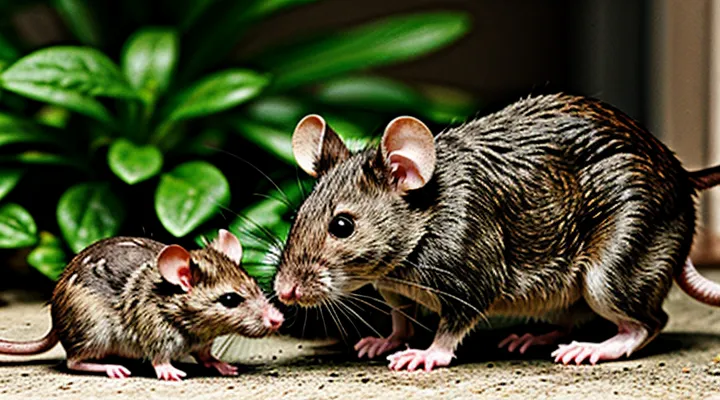
Understanding the Rodent Problem
Identifying Rodent Infestations
Common Signs of Rats and Mice
Rats and mice leave distinct evidence that signals an infestation and guides timely intervention. Recognizing these indicators prevents damage to property, food supplies, and health.
- Droppings: Small, dark pellets; rat feces are ¼‑inch long, mouse feces about ⅛‑inch. Found near food sources, along walls, or in hidden corners.
- Gnaw marks: Fresh, clean cuts on wood, plastic, or wiring. Rat teeth leave larger, irregular holes; mouse teeth produce finer, parallel scratches.
- Nests: Shredded paper, fabric, insulation, or dried plant material formed into compact piles. Typically located in concealed areas such as attics, wall voids, or behind appliances.
- Tracks and footprints: Visible on dusty surfaces, with a characteristic tail drag. Rat prints display four toes on the front feet and five on the hind; mouse prints show five toes on both.
- Noises: Scratching or scurrying sounds within walls, ceilings, or crawl spaces, especially at night when rodents are most active.
- Odor: A strong, musky scent from urine and gland secretions, often detectable in enclosed spaces.
- Damage to food packaging: Tearing or gnawing of bags, boxes, and containers, indicating direct access to stored provisions.
Early detection of these signs enables the deployment of targeted rodent management strategies, reducing the risk of extensive contamination and structural harm.
Differentiating Between Rats and Mice
Accurate identification of the target species determines the success of any rodent‑management program. Rats and mice differ in size, anatomy, behavior, and preferred habitats, which influences trap selection, bait placement, and sanitation measures.
- Size: adult rats typically measure 20–25 cm body length (excluding tail) and weigh 250–500 g; mice average 7–10 cm and 15–30 g. Tail length mirrors body length in rats, while mouse tails are longer than their bodies.
- Head shape: rats possess a blunter, broader snout; mice have a pointed, triangular nose.
- Ears: rat ears are proportionally small and covered with hair; mouse ears are large, thin, and hairless.
- Feet: rat hind feet are robust with longer toes; mouse hind feet are delicate with shorter toes.
Behavioral distinctions affect detection and control tactics.
- Social structure: rats form large, hierarchical colonies; mice live in smaller, loosely organized groups.
- Activity pattern: both are nocturnal, but rats often travel farther from shelter in search of food, while mice remain close to nesting sites.
- Foraging: rats can exploit larger food sources and chew through tougher materials; mice prefer grain, seeds, and soft food particles.
Habitat preferences guide inspection focus.
- Rats favor sewers, basements, and outdoor burrows near water sources; mouse activity concentrates in interior walls, cabinets, and attic spaces.
- Droppings: rat feces are 1 cm long, dark, and spindle‑shaped; mouse droppings are 0.3–0.5 cm, pointed, and rod‑shaped.
- Gnaw marks: rat teeth leave larger, deeper holes in wood or plastic; mouse gnawing produces finer, shallow cuts.
Understanding these characteristics enables precise selection of control tools—such as appropriately sized snap traps for rats, smaller live‑catch traps for mice, and bait formulations calibrated to each species’ dietary preferences. Accurate differentiation reduces non‑target exposure, optimizes resource allocation, and accelerates eradication outcomes.
Risks Associated with Rodents
Health Hazards
Rats and mice transmit pathogens that cause disease in humans and domestic animals. Direct contact with urine, feces, or saliva introduces agents such as Leptospira, Hantavirus, and Salmonella. Inhalation of aerosolized particles from contaminated dust can lead to respiratory infections, including hantavirus pulmonary syndrome. Bite wounds may become infected with Streptococcus or Staphylococcus species, increasing the risk of cellulitis and systemic illness.
Contamination of food supplies occurs when rodents gnaw packaging or excrete waste onto consumables. This compromises food safety, prompting outbreaks of gastroenteritis and food‑borne illness. Structural damage from gnawing can expose occupants to electrical hazards, fire risk, and compromised insulation, indirectly affecting health through increased stress and injury risk.
Key health hazards include:
- Vector‑borne diseases (e.g., leptospirosis, hantavirus, plague)
- Food contamination leading to bacterial gastroenteritis
- Allergic reactions to rodent dander and urine proteins
- Psychological stress and anxiety caused by infestation
- Secondary injuries from structural damage or rodent bites
Effective rodent management reduces exposure to these hazards. Integrated approaches combine sanitation, sealing entry points, and targeted baiting to lower population density and limit pathogen transmission. Regular monitoring confirms control measures and prevents resurgence, protecting public health.
Property Damage
Rats and mice cause extensive property damage that directly impacts structural integrity, financial loss, and health safety. Their gnawing behavior compromises building materials, while their excreta contaminates surfaces and equipment.
- Structural damage: Teeth continuously chew wood, insulation, wiring, and plastic. Severed wires create fire hazards and interrupt electrical systems. Compromised insulation reduces energy efficiency and increases heating or cooling costs.
- Plumbing damage: Burrows infiltrate pipe insulation and joints, leading to leaks and corrosion. Water damage follows, fostering mold growth.
- Food and product contamination: Urine, feces, and hair contaminate stored goods, rendering them unusable and requiring costly disposal.
- Equipment impairment: Rodent nests in HVAC units, appliances, and machinery obstruct airflow, cause overheating, and shorten equipment lifespan.
Effective mitigation requires prompt identification of entry points, sealing of openings, and implementation of proven control techniques. Integrated pest management combines sanitation, trapping, and targeted baiting to reduce populations before damage escalates. Regular inspections and maintenance schedules ensure early detection, allowing swift corrective action and preservation of property value.
Prevention Strategies
Exclusion Techniques
Sealing Entry Points
Sealing entry points is a fundamental component of any rodent management strategy. Effective closure prevents rats and mice from accessing interior spaces, eliminates the need for repeated trapping or baiting, and reduces the risk of structural damage and disease transmission.
The process begins with a comprehensive inspection. Examine the building envelope for gaps larger than ¼ inch, focusing on foundations, walls, roofs, utility penetrations, vents, and door thresholds. Pay special attention to areas where pipes, cables, and ducts enter the structure, as these often provide concealed pathways.
Prioritize openings based on size, frequency of use, and proximity to food sources. Large cracks, open vents, and damaged weatherstripping present the highest risk and should be addressed first.
Select appropriate sealing materials for each type of opening:
- Steel wool or copper mesh for irregular gaps around pipes and wires, combined with a sealant to prevent gnawing.
- Expanding polyurethane foam for voids in insulation or small cracks; choose a formulation resistant to rodent chewing.
- Cement mortar or concrete for foundation cracks and foundation walls.
- Metal flashing or hardware cloth for vent openings, ensuring a mesh size of no more than ¼ inch.
- Weather-resistant silicone or acrylic caulk for door frames, windows, and trim.
Apply the chosen material according to manufacturer instructions, ensuring a tight, continuous barrier. After sealing, verify integrity by conducting a visual check and, if possible, a smoke test to confirm that no airflow escapes through the repaired area.
Maintain the barrier by scheduling periodic inspections, especially after severe weather, construction activity, or seasonal changes that may cause structural movement. Replace any compromised material promptly to sustain protection.
By systematically identifying, prioritizing, and sealing all potential ingress points, property owners create a hostile environment for rodents, markedly decreasing the likelihood of infestation and supporting the overall effectiveness of pest control measures.
Repairing Structural Damage
Effective rodent management requires prompt restoration of compromised structures. Damage caused by rats and mice weakens building integrity, creates pathways for further infestation, and can lead to health hazards. Immediate repair eliminates shelter, reduces food sources, and prevents re‑entry.
Key actions for restoring damaged components include:
- Inspect all interior and exterior surfaces for gnaw marks, burrows, and droppings. Document locations and severity before work begins.
- Seal openings larger than ¼ inch with steel wool, copper mesh, or cement‑based filler. Reinforce vulnerable areas with metal flashing or hardware cloth.
- Replace gnawed wood framing, joists, or decking. Use pressure‑treated lumber and secure fasteners to resist future chewing.
- Repair insulation compromised by nesting material or urine. Remove contaminated sections, clean the cavity, and install new, rodent‑resistant insulation.
- Examine electrical wiring for cuts or exposed conductors. Cut damaged sections, splice with heat‑shrink tubing, and route cables away from accessible voids.
- Apply rodent‑proof caulking around windows, doors, and pipe penetrations. Choose silicone or polyurethane sealants that remain flexible over time.
- Conduct a final verification walk‑through to confirm all repairs are sealed, structural elements are sound, and no residual debris remains.
Consistent follow‑up inspections, at least quarterly, ensure that repaired areas remain intact and that new activity is detected early. Integrating these restoration steps with ongoing monitoring and exclusion measures sustains a durable defense against rodent damage.
Sanitation Practices
Proper Food Storage
Proper food storage directly reduces the likelihood of rat and mouse infestations. Food that is accessible, improperly sealed, or left at ambient temperature provides a reliable food source, encouraging rodents to enter homes, warehouses, and processing facilities. By eliminating these resources, pest pressure declines dramatically.
Effective storage practices rely on three principles: containment, sanitation, and monitoring. Containment prevents rodents from reaching food; sanitation removes residues that signal availability; monitoring detects breaches before they become infestations.
- Store all dry goods in metal or heavy‑gauge plastic containers equipped with tight‑fitting lids.
- Keep perishable items in refrigerated units set at appropriate temperatures; verify door seals regularly.
- Position containers off the floor, preferably on shelving that allows cleaning underneath.
- Label containers with entry dates and rotate stock to avoid prolonged exposure.
- Implement a routine inspection schedule: check for torn packaging, gnaw marks, and droppings weekly.
- Maintain a clean perimeter by sweeping away spilled grains, crumbs, and waste daily.
Consistent application of these measures removes the primary attractant for rodents, supporting broader control programs and protecting stored products from damage and contamination.
Waste Management
Effective waste management directly reduces the availability of food and shelter for rats and mice, thereby lowering infestation risk. Improper disposal creates accessible refuse that draws rodents into residential, commercial, and industrial sites.
Secure storage, timely removal, and proper segregation of waste limit attraction points. Key practices include:
- Sealed containers with tight-fitting lids to prevent entry.
- Regular collection schedules that avoid overflow.
- Separation of organic waste from non‑organic material to reduce odor and moisture.
- Placement of bins away from building foundations and entry points.
- Routine cleaning of container exteriors to eliminate residue.
Integrating waste control with structural repairs, exclusion techniques, and monitoring programs creates a comprehensive approach that sustains low rodent populations and supports long‑term management objectives.
Habitat Modification
Landscaping Tips
Effective landscaping reduces rodent activity by eliminating shelter and food sources. Proper site design creates an environment where rats and mice cannot thrive.
- Trim vegetation to a maximum height of 6 inches; low growth prevents rodents from nesting under foliage.
- Maintain a clear perimeter of at least 2 feet between plant beds and building foundations; this gap removes bridge points for climbing.
- Use dense, thorny plants such as barberry or hawthorn along fence lines; physical barriers deter entry.
- Remove fallen leaves, fruit, and debris weekly; debris serves as cover and foraging material.
- Store compost in sealed containers with tight-fitting lids; open piles attract foraging rodents.
- Keep mulch depth under 4 inches; excessive mulch provides hiding places and retains moisture favored by rodents.
- Install hardscapes (rock, gravel) around foundation drains; hard surfaces limit burrowing opportunities.
- Ensure irrigation systems do not create standing water; moisture attracts insects that support rodent populations.
Ground cover choices influence rodent presence. Select low-growing, non-invasive grasses that do not produce dense mats. Avoid ground covers that root aggressively near foundations, as they create tunnels.
Regular inspection of irrigation lines, drainage tiles, and utility penetrations identifies gaps where rodents can enter structures. Seal openings with metal flashing or cement; replace deteriorated caulking promptly.
Integrating these practices into routine landscape maintenance establishes a hostile environment for rats and mice, supporting broader pest management objectives.
Clutter Reduction
Reducing clutter eliminates hiding places and travel routes for rodents, directly decreasing population growth. Removing piles of cardboard, stored firewood, and excess garden debris forces rats and mice to seek shelter elsewhere, limiting their access to food and nesting sites.
Practical steps for clutter reduction:
- Clear indoor storage areas; keep items off the floor and in sealed containers.
- Trim vegetation around the building’s perimeter, maintaining a 2‑foot gap between shrubs and walls.
- Dispose of unused appliances, pallets, and construction waste promptly.
- Organize garage and shed spaces, stacking items on sturdy shelves rather than on the ground.
- Regularly clean under appliances, behind cabinets, and within crawl spaces.
Consistent application of these measures reduces contact points between rodents and human environments, enhancing the overall efficacy of pest management programs.
Control Methods
Trapping Methods
Snap Traps
Snap traps provide a rapid, mechanical solution for rodent suppression. The device consists of a spring‑loaded bar that releases upon contact with a trigger, delivering an immediate lethal force to the animal’s neck or spine. Construction materials range from wood and plastic to stainless steel, each offering durability suited to indoor or outdoor environments.
Effective deployment relies on strategic placement. Position traps along walls, behind appliances, and near known runways; rodents prefer to travel close to surfaces. Align the trigger end toward the anticipated direction of travel to maximize contact. Bait selection influences capture rates; high‑protein items such as peanut butter, dried fruit, or small pieces of meat generate consistent attraction. Secure bait to the trigger mechanism to prevent premature release.
Advantages of snap traps include:
- Immediate kill, reducing suffering and disease spread
- No reliance on chemicals, eliminating secondary poisoning risks
- Low purchase cost and reusable components
- Minimal maintenance; cleaning after each capture restores functionality
Limitations involve:
- Potential for non‑target captures if placed in accessible areas
- Requirement for regular inspection to remove dead rodents and reset the device
- Necessity of safe handling to avoid accidental discharge
Safety protocols dictate wearing thick gloves during set‑up and disposal, storing traps out of reach of children and pets, and disposing of captured rodents in sealed containers. Regularly inspect spring tension and replace worn parts to maintain efficacy. When integrated with sanitation measures—sealing entry points, eliminating food sources, and reducing clutter—snap traps become a core element of a comprehensive rodent management program.
Live Traps
Live traps provide a humane alternative for managing rodent populations while allowing for relocation or release of captured animals. They operate by enclosing the target without causing injury, which suits environments where lethal methods are undesirable or prohibited.
Choosing an appropriate trap depends on target size, activity patterns, and placement constraints. Common models include:
- Multi‑catch cages that hold several individuals before requiring emptying.
- Single‑catch spring‑loaded traps with a hinged door that closes instantly when triggered.
- Box‑style traps equipped with a sliding door activated by a pressure plate.
Effective deployment follows a systematic approach:
- Identify high‑traffic routes by observing droppings, gnaw marks, and runways.
- Position traps perpendicular to walls, with the entrance facing the wall to align with natural movement.
- Use bait that appeals to the species: peanut butter, dried fruit, or meat for rats; seeds or grains for mice.
- Set traps in the late afternoon, check them early each morning, and reset as needed.
- Relocate captured rodents at least 1–2 miles from the original site to prevent return, complying with local wildlife regulations.
Maintenance includes regular cleaning to remove scent residues, inspection of trigger mechanisms for wear, and replacement of damaged components. Proper sanitation reduces trap avoidance and extends functional life.
Legal considerations vary by jurisdiction; some regions restrict the release of captured wildlife or require permits for relocation. Verify local statutes before implementing a live‑trap program to avoid penalties.
When integrated with sanitation, exclusion, and population‑reduction tactics, live traps contribute to a comprehensive rodent management plan that minimizes damage while respecting animal welfare.
Glue Traps
Glue traps are adhesive devices designed to capture rodents by immobilizing them on a sticky surface. The traps consist of a flat board coated with a non‑toxic, high‑strength glue. When a rat or mouse steps onto the board, its feet become stuck, preventing further movement.
Effectiveness depends on placement, bait selection, and environmental conditions. Position traps along walls, near entry points, and in areas with visible rodent activity. Use attractive food items—such as grain, peanut butter, or dried fruit—to lure the target. Replace traps promptly after capture to maintain adhesive strength.
Advantages
- Immediate capture without the need for poison.
- Low cost per unit; bulk purchases reduce expense.
- Minimal setup time; no wiring or mechanical components.
Disadvantages
- Captured animals may suffer prolonged distress.
- Non‑target species (insects, small reptiles) can become trapped.
- Disposal requires protective gloves and sealed containers to prevent accidental contact with the glue.
Safety guidelines
- Wear disposable gloves when handling traps.
- Store unused traps out of reach of children and pets.
- Dispose of trapped rodents in sealed bags; follow local waste regulations.
Regulatory considerations
- Some jurisdictions restrict or prohibit glue traps for humane reasons; verify local pest‑control statutes before deployment.
- Commercial use may require labeling that warns of potential non‑target capture.
When integrated with sanitation measures—sealing entry points, eliminating food sources, and reducing clutter—glue traps can contribute to a comprehensive rodent‑management program. Their rapid action complements other control tactics, but reliance on a single method rarely yields long‑term suppression.
Electronic Traps
Electronic traps provide a rapid, humane solution for rodent management. The device delivers a high‑voltage shock that instantly incapacitates the target, eliminating the need for poison or manual handling. Batteries or mains power supply the circuit, and a sensor activates the discharge when the animal contacts the metal plates.
Key characteristics of effective electronic traps include:
- Voltage output: Minimum 2,800 V ensures immediate lethality for rats and mice of various sizes.
- Power source: Rechargeable lithium‑ion batteries extend operation time; AC adapters guarantee continuous readiness.
- Safety features: Insulated housing prevents accidental contact; automatic shut‑off after each activation conserves energy.
- Capacity: Multiple entry slots allow capture of several individuals before the trap requires emptying.
Selection criteria focus on placement, durability, and compliance with local regulations. Position traps along walls, behind appliances, or near known activity zones where rodents travel. Choose models constructed from corrosion‑resistant materials for environments with moisture or chemicals. Verify that the product meets pest‑control certification standards to avoid legal penalties.
Maintenance involves regular inspection of the sensor plates for debris, replacement of the power source according to manufacturer guidelines, and proper disposal of deceased rodents. Cleaning with mild detergent prevents odor buildup and maintains sensor accuracy. Recording capture data helps assess population trends and refine placement strategies.
Baits and Rodenticides
Types of Rodenticides
Rodenticides fall into several chemical families, each with a distinct mode of action and regulatory profile. Selecting the appropriate class depends on the target species, infestation severity, and environmental constraints.
-
Anticoagulants
First‑generation (warfarin, chlorophacinone) require multiple feedings to cause lethal internal bleeding. Second‑generation (bromadiolone, difenacoum, brodifacoum) act after a single ingestion, providing rapid population reduction but demanding strict compliance with label restrictions to protect non‑target wildlife. -
Acute non‑anticoagulants
Bromethalin disrupts neuronal energy metabolism, producing swift mortality within 24–48 hours. Zinc phosphide releases phosphine gas in the acidic stomach, effective against both rats and mice but hazardous in humid conditions. Sodium fluoroacetate interferes with cellular respiration, offering a single‑dose solution for outdoor applications. -
Vitamin‑derived agents
Cholecalciferol (vitamin D₃) induces hypercalcemia, leading to organ failure after a single feeding. Its low secondary toxicity makes it suitable for use in areas where secondary poisoning risk is a concern. -
Rodent‑specific baits
Brodifacoum‑based blocks and diphenhydramine formulations provide palatable delivery systems for indoor infestations, minimizing bait aversion.
Regulatory agencies classify these products by hazard level, requiring specific storage, labeling, and disposal procedures. Integrated pest management programs combine chemical control with habitat modification, trapping, and exclusion to achieve sustainable results while limiting reliance on any single rodenticide class.
Safe Bait Placement
Effective bait placement reduces risk to non‑target animals and humans while maximizing rodent attraction. Position bait stations where activity signs—droppings, gnaw marks, or runways—are visible, but keep them out of reach of children and pets. Use tamper‑resistant containers that lock securely, allowing only targeted species to access the poison.
Key considerations for safe deployment:
- Mount stations at least 12 inches above ground on walls or ceilings, away from food preparation surfaces.
- Locate devices near walls, corners, or concealed pathways; rodents prefer traveling close to vertical structures.
- Ensure stations are weather‑proof for outdoor use; seal any openings that could allow rain or debris inside.
- Inspect placement regularly, replacing depleted bait and checking for accidental disturbances.
When applying bait, follow label instructions regarding dosage and handling. Wear disposable gloves, wash hands after contact, and store unused bait in locked, clearly labeled containers. Document each station’s location and maintenance schedule to maintain accountability and compliance with local regulations.
Dangers of Rodenticides
Rodenticides pose acute toxicity to mammals, birds, reptiles, and amphibians that ingest bait directly or consume poisoned prey. The chemical agents—anticoagulants, bromethalin, cholecalciferol, and zinc phosphide—disrupt blood clotting, mitochondrial function, calcium metabolism, or produce lethal gas, respectively. Even low‑dose exposure can cause internal hemorrhage, neurological failure, or organ damage.
Human exposure occurs through accidental ingestion, skin contact, or inhalation of dust. Symptoms range from gastrointestinal distress and bruising to severe hemorrhage and organ failure. Children, pregnant women, and individuals with compromised liver or kidney function are especially vulnerable. Pets and domestic animals share similar susceptibility; secondary poisoning arises when they eat rodents that have consumed bait.
Environmental consequences include contamination of soil, water, and non‑target organisms. Persistent anticoagulants remain active for months, leaching into groundwater and affecting aquatic life. Sublethal doses can impair reproduction in birds of prey and reduce biodiversity in ecosystems where rodent populations serve as prey.
- Store baits in locked, labeled containers.
- Apply bait stations that restrict access to target rodents.
- Use the minimum effective concentration and limit placement to targeted zones.
- Conduct regular monitoring for non‑target mortality.
- Follow local regulations governing purchase, labeling, and disposal of rodenticides.
Repellents
Natural Repellents
Natural repellents constitute a practical component of rodent management programs, offering a chemical‑free alternative to conventional baits and traps. Their efficacy derives from strong odors or irritant compounds that rodents find intolerable, prompting avoidance of treated areas.
Commonly employed botanical agents include:
- Peppermint oil – contains menthol, which disrupts olfactory receptors; applied to cotton balls or diluted spray, it creates a barrier around entry points.
- Eucalyptus oil – rich in eucalyptol; effective when dispersed in humid environments such as basements or attics.
- Clove oil – high in eugenol, a natural anesthetic; useful for sealing cracks and gaps.
- Garlic extract – releases sulfur compounds that irritate nasal passages; suitable for outdoor perimeters.
- Citrus peels – emit limonene, a volatile compound that deters foraging; can be scattered in pantry shelves.
Implementation guidelines emphasize consistent reapplication, as volatile compounds evaporate within days. Placement should focus on known travel routes, nesting sites, and potential ingress points. Combining multiple repellents can broaden the spectrum of deterrence, reducing the chance of habituation.
Limitations include reduced potency in low‑temperature environments and the necessity for thorough coverage to prevent untreated escape routes. Natural repellents should complement, not replace, structural exclusion measures and, when needed, targeted trapping to achieve comprehensive control.
Electronic Repellents
Electronic repellents provide a non‑chemical approach to managing rats and mice in residential, commercial, and industrial settings. The devices emit ultrasonic or electromagnetic frequencies that interfere with the sensory systems of rodents, prompting avoidance of treated areas.
Key characteristics of effective electronic repellents include:
- Frequency range: 20–65 kHz for ultrasonic models, covering the hearing spectrum of most rodent species.
- Power output: Sufficient intensity to penetrate walls, ceilings, and flooring without exceeding safety limits for humans and pets.
- Coverage area: Specified square footage per unit; larger spaces require multiple devices positioned to eliminate blind spots.
- Continuous operation: Built‑in timers or motion sensors that sustain emission while conserving energy.
Installation guidelines ensure optimal performance. Place units at least 12 inches from walls and furniture to prevent signal attenuation. In multi‑room environments, distribute devices evenly, maintaining overlap of coverage zones. Connect units to a stable power source; avoid using extension cords that may introduce voltage fluctuations.
Safety considerations are straightforward. Ultrasonic frequencies do not cause tissue damage in mammals, and electromagnetic models comply with FCC and CE regulations. Nevertheless, verify that devices are labeled pet‑safe, as some pets, particularly cats, may perceive high‑frequency sounds.
Limitations must be acknowledged. Rodents can habituate to constant frequencies; rotating or cycling through multiple frequency bands mitigates desensitization. Devices are less effective in heavily insulated structures where signal propagation is obstructed. Electronic repellents should complement, not replace, integrated pest‑management strategies that include sanitation, exclusion, and, when necessary, trapping.
Maintenance involves periodic cleaning of speaker grills to remove dust and debris that diminish output. Replace units according to manufacturer‑specified lifespan, typically three to five years, to preserve efficacy. Monitoring rodent activity after deployment confirms the system’s impact and informs adjustments.
Professional Pest Control
When to Call an Exterminator
Rats and mice can quickly become a health hazard and cause structural damage. Recognizing the point at which professional intervention is necessary saves time, money, and reduces risk.
Signs that warrant immediate contact with a licensed pest‑control service include:
- Population density – more than a few sightings in a day, droppings in multiple rooms, or gnaw marks indicating a breeding group.
- Visible damage – chew marks on wiring, insulation, furniture, or stored food containers.
- Health concerns – evidence of disease vectors, such as urine stains, dead rodents, or allergic reactions among occupants.
- Failed DIY attempts – traps and baits placed for several weeks without a decline in activity.
- Regulatory requirements – rental properties, food‑service establishments, or schools that must meet local health codes.
- Recurrent invasions – new activity after previous control measures, suggesting hidden nests or reinfestation.
When these conditions appear, schedule an exterminator promptly. Professionals assess entry points, implement integrated control strategies, and provide follow‑up monitoring to ensure long‑term elimination. Delaying action increases the likelihood of extensive damage and potential legal liability.
Integrated Pest Management (IPM) Approaches
Integrated Pest Management (IPM) provides a systematic framework for reducing rat and mouse populations while minimizing environmental impact. The approach combines several coordinated actions that address the pest life cycle, habitat conditions, and long‑term sustainability.
Effective IPM for rodent suppression begins with rigorous monitoring. Trapping data, visual inspections, and activity signs establish baseline infestations and identify hotspots. Accurate records enable targeted interventions and progress evaluation.
Sanitation removes food and water sources that sustain rodents. Secure waste containers, eliminate spillage, and repair leaky pipes. Reducing attractants forces pests to seek alternative habitats, lowering population pressure.
Exclusion techniques block entry points. Install steel‑wool or metal flashing around vents, gaps, and utility openings; reinforce doors and windows with tight seals. Physical barriers prevent new infestations and limit movement within structures.
Mechanical control employs traps and devices calibrated to species behavior. Options include snap traps, electronic traps, and multi‑capture stations. Placement follows monitoring data to maximize capture rates while reducing non‑target impacts.
Chemical control is reserved for situations where other measures prove insufficient. Bait stations containing rodenticides are positioned in concealed, tamper‑resistant units. Use of low‑toxicity products, strict labeling compliance, and regular inspection mitigate risks to humans and wildlife.
Biological control remains limited for urban rodents but can complement other tactics in agricultural settings. Predatory birds, feral cats, or disease‑causing agents are applied with caution, considering ecological balance and regulatory constraints.
Evaluation closes the IPM cycle. Post‑intervention surveys compare trap counts and activity signs against initial data. Adjustments to sanitation, exclusion, or control methods are made based on observed outcomes, ensuring continuous improvement.
Key components of an IPM program for rats and mice:
- Monitoring and data collection
- Sanitation and habitat modification
- Exclusion of entry points
- Mechanical trapping strategies
- Targeted chemical baiting
- Limited biological agents (where appropriate)
- Ongoing evaluation and adaptation
By integrating these elements, pest managers achieve durable reductions in rodent activity while adhering to safety and environmental standards.
Post-Control Measures
Cleaning and Disinfection
Removing Droppings and Nests
Effective rodent management requires prompt removal of fecal deposits and abandoned nests to eliminate health hazards and discourage re‑infestation. Droppings may contain pathogens such as hantavirus and salmonella; therefore, handling must follow strict hygiene protocols. Wear disposable gloves, a mask, and eye protection before beginning any cleaning operation.
- Secure the area by sealing entry points and isolating the contaminated zone.
- Damp‑wipe surfaces with a solution of 1 part bleach to 10 parts water; allow the solution to remain wet for at least 5 minutes before rinsing.
- Collect droppings and nest material in a sealed, puncture‑resistant bag; dispose of the bag according to local hazardous‑waste regulations.
- Disinfect tools and protective gear after use, then store them separately from non‑contaminated equipment.
After removal, inspect surrounding structures for residual nesting material, gnaw marks, and food sources. Replace damaged insulation, repair gaps, and store food in airtight containers to prevent future nesting activity. Regular monitoring and sanitation sustain the effectiveness of control measures.
Sanitizing Contaminated Areas
Sanitizing areas that have been compromised by rats or mice is a critical component of any rodent management program. Effective decontamination eliminates pathogens, reduces attractants, and prevents re‑infestation by removing residues that sustain rodent populations.
Key actions for thorough sanitization include:
- Remove all debris, droppings, and nesting material using disposable gloves and a HEPA‑rated vacuum or damp cloths.
- Apply an EPA‑registered disinfectant (e.g., quaternary ammonium, hydrogen peroxide, or chlorine‑based solution) at the manufacturer‑specified concentration. Ensure contact time meets label requirements.
- Treat hard surfaces, cracks, and crevices with a penetrating sanitizer that can reach hidden pockets of contamination.
- Dispose of contaminated waste in sealed, labeled containers; follow local hazardous‑waste regulations.
- Conduct a final inspection with a UV light or swab test to verify the absence of residual biological material.
Maintaining a regular schedule for cleaning and monitoring reinforces control measures. Document each sanitization event, noting locations, agents used, and verification results, to provide traceability and support ongoing rodent suppression efforts.
Ongoing Monitoring
Regular Inspections
Regular inspections are a cornerstone of any successful rodent management program. Conducting systematic surveys of interior spaces, storage areas, and exterior perimeters identifies signs of activity—droppings, gnaw marks, burrows, and pathways—before infestations reach critical levels. Inspections should be scheduled at consistent intervals, typically monthly for high‑risk facilities such as food warehouses, and quarterly for residential properties with lower exposure.
Key components of an inspection routine include:
- Visual examination of potential entry points, including gaps around doors, windows, utility penetrations, and foundation cracks.
- Assessment of sanitation practices, focusing on food waste accumulation, spillage, and clutter that provide shelter or attract rodents.
- Monitoring of structural conditions, such as deteriorated insulation, damaged roofing, or compromised flooring, which may facilitate nesting.
- Documentation of findings with photographs, location maps, and timestamps to track trends and guide corrective actions.
Prompt remediation of identified deficiencies—sealing openings, improving waste management, and repairing structural damage—reduces the likelihood of population growth. Integrating inspection data with other control measures, such as baiting and trapping, enhances overall efficacy and enables measurable progress toward long‑term pest suppression.
Maintaining Prevention Measures
Effective rodent prevention depends on consistent application of environmental, structural, and operational safeguards.
Sanitation standards reduce food sources that attract rats and mice. Regular removal of spilled grain, debris, and waste eliminates attractants. Storage containers must be sealed with tight‑fitting lids, and floors should be swept daily to prevent buildup.
Physical barriers block entry points. Inspect building exteriors weekly for gaps larger than ¼ inch around doors, windows, utility penetrations, and foundation cracks. Install steel wool, metal flashing, or concrete sealants where needed. Maintain door sweeps and weather stripping in functional condition.
Monitoring systems provide early detection. Place snap traps, live‑catch traps, or electronic sensors in high‑risk zones and check them at least once per shift. Record capture data, noting location, species, and date, to identify trends and adjust control zones.
Maintenance routines preserve the integrity of preventive measures. Schedule quarterly inspections of drainage, ventilation, and waste‑handling equipment. Repair damaged flooring, damaged pipes, or compromised insulation promptly.
Documentation supports accountability. Keep a log of sanitation activities, barrier inspections, trap checks, and repairs. Review the log monthly to verify compliance with established protocols and to inform management decisions.
Staff training reinforces consistency. Conduct briefings on proper waste disposal, trap handling, and reporting procedures at onboarding and refresh them annually. Ensure all personnel understand the relevance of each preventive action to overall rodent management.