
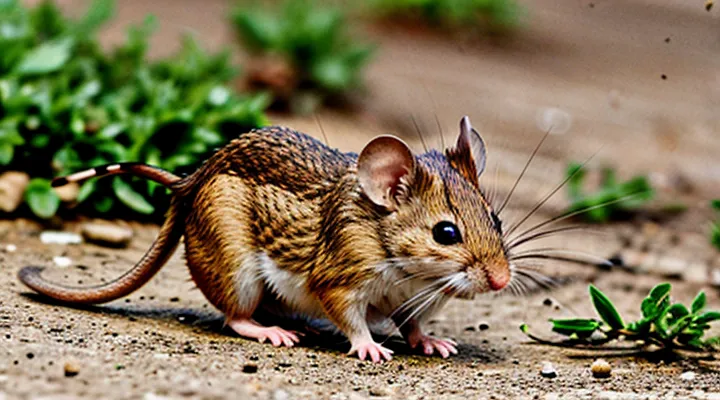
Introduction to the Field Mouse
What is a Field Mouse?
Scientific Classification
The field mouse belongs to the mammalian order Rodentia and is classified within the family Muridae, subfamily Murinae. Its accepted scientific name, Apodemus sylvaticus, designates the common European field mouse, the species most frequently depicted in photographic guides.
- Kingdom: Animalia
- Phylum: Chordata
- Class: Mammalia
- Order: Rodentia
- Family: Muridae
- Subfamily: Murinae
- Genus: Apodemus
- Species: Apodemus sylvaticus
The genus Apodemus includes several closely related species, but the field mouse referenced in visual documentation is typically A. sylvaticus. Morphological characteristics—such as a slender body, brown dorsal fur, and a lighter ventral side—correspond to this taxonomic assignment. The binomial nomenclature provides a universal identifier that aligns the mouse’s appearance with its evolutionary lineage, facilitating accurate communication across scientific and photographic contexts.
Habitat and Distribution
Field mice inhabit a wide range of temperate environments across the Northern Hemisphere. They are most common in grasslands, agricultural fields, meadows, and open woodlands where dense herbaceous cover provides shelter and foraging opportunities. In forested areas, they occupy the understory and edge habitats, often nesting in shallow burrows, leaf litter, or abandoned rodent tunnels.
Geographically, the species is distributed throughout Europe, extending from the British Isles to the Ural Mountains, and across much of Asia, from Siberia to the Korean Peninsula. In North America, populations are found from the eastern United States and Canada to the Pacific Northwest, reaching as far south as the northern United States. Isolated populations occur on islands such as the British Isles and parts of the Mediterranean.
Key factors influencing their range include:
- Mild to cool climates with moderate precipitation.
- Availability of ground vegetation for cover and seed resources.
- Soil types that permit easy burrowing, typically loamy or sandy substrates.
- Proximity to water sources, though field mice can tolerate relatively dry conditions.
Human-modified landscapes, especially crop fields and pasturelands, often support high densities due to abundant food and reduced predator presence. Seasonal movements are limited; individuals may shift locally to exploit emerging seed crops or to avoid harsh winter conditions, seeking deeper burrows or communal nests for thermal protection.
Physical Characteristics of the Field Mouse
Size and Build
Field mice are small rodents with compact, agile bodies. Adult individuals typically measure 2.5–4 inches (6–10 cm) from nose to the base of the tail, while the tail adds an additional 2–3 inches (5–8 cm). Body mass ranges from 0.3 to 0.8 ounces (8–23 grams), reflecting a lightweight structure suited for rapid movement through grass and underbrush.
Key dimensions include:
- Head length: 0.6–0.9 inches (1.5–2.3 cm)
- Skull width: 0.3–0.4 inches (0.8–1.0 cm)
- Hind‑foot length: 0.4–0.6 inches (1.0–1.5 cm)
- Ear length: 0.3–0.5 inches (0.8–1.3 cm)
The body is elongated with a rounded abdomen, a short, dense coat of brown or gray fur, and a tapered, hair‑less tail that often exceeds the body length. Muscular limbs and sharp claws enable climbing and burrowing, while the overall low body mass facilitates quick escapes from predators.
Fur Color and Texture
Dorsal Coloration
Field mice display a range of dorsal coloration that aids identification and reflects environmental adaptation. The upper side of the body typically exhibits shades of brown, ranging from light tan to deep chestnut, often interspersed with darker speckles or a subtle reddish hue. Seasonal molts can shift the palette toward a grayer tone in winter, providing camouflage against bare ground and leaf litter.
Key characteristics of dorsal coloration include:
- Uniform brown coat in many subspecies, providing a consistent background for concealment.
- Presence of darker dorsal stripes or patches, especially along the spine, which break up the animal’s outline.
- Reddish or orange tinges on the shoulders and flanks, more pronounced in individuals inhabiting dense vegetation.
- Seasonal variation: lighter, dustier tones in spring and summer; darker, muted shades in autumn and winter.
These color patterns are genetically determined yet display plasticity in response to habitat type, allowing field mice to blend with grasslands, forest edges, and agricultural fields. Accurate visual assessment of dorsal coloration assists researchers in distinguishing species, subspecies, and age classes during field surveys.
Ventral Coloration
Field mice display a distinct ventral color pattern that aids in species identification and camouflage. The underside is typically a uniform pale hue, ranging from creamy white to light gray, contrasting sharply with the darker dorsal fur. This light ventral surface reduces visibility to predators when the animal is viewed from below, especially in grassy or leaf-litter habitats.
Key characteristics of the ventral coloration include:
- Consistency: The belly color remains consistent across individuals of the same species, showing minimal variation.
- Pigmentation: Melanin concentration is low on the ventral side, resulting in the pale appearance.
- Boundary: A clear demarcation exists where the dorsal darker fur meets the ventral light fur, often forming a distinct line along the flanks.
In juvenile field mice, the ventral coloration may appear slightly paler than in adults, gradually darkening with age but never reaching the intensity of the dorsal coat. Seasonal molting can affect the shade, with winter coats sometimes exhibiting a cooler, more washed-out ventral tone due to reduced sunlight exposure.
Unique Markings
Field mice display a range of distinctive markings that aid identification and reveal ecological adaptations. The dorsal coat typically presents a muted brown or gray hue, often interspersed with darker speckles that break up the body outline. A subtle, longitudinal stripe may run from the head across the back, varying in prominence among individuals.
Key markings include:
- Tail coloration – the tail is usually lighter than the body, with a darker tip that can be conspicuously sharp or faded, depending on the subspecies.
- Ear patches – small, pale patches often appear on the inner surfaces of the ears, contrasting with the surrounding fur.
- Facial markings – a faint, pale streak may extend from the nose toward the eye, creating a faint mask that is more pronounced in juveniles.
- Ventral surface – the belly is generally whitish or cream‑colored, sometimes bearing faint gray mottling near the throat.
Seasonal molting influences these patterns. In winter, the overall coloration deepens, and the dorsal speckles become less distinct, while spring growth introduces a brighter, more uniform coat. Geographic variation can modify the intensity of the dorsal stripe and tail tip coloration, reflecting local habitat demands.
These markings, when documented in photographs, provide reliable criteria for distinguishing field mouse species and assessing population health.
Head and Facial Features
Eyes
Field mice possess small, rounded eyes set high on the sides of the skull, granting a wide field of view essential for predator detection. The corneas are relatively large compared to the overall head size, enhancing light capture in low‑light environments such as dense underbrush or night‑time foraging.
Key ocular traits include:
- Dark brown to black iris, providing camouflage against the earthy tones of their habitat.
- Prominent, reflective tapetum lucidum that produces a faint shine when illuminated, improving night vision.
- Limited eyelid mobility; a thin membrane protects the eye while allowing rapid blinking during burrow navigation.
- Vision optimized for motion detection rather than high acuity; field mice discern moving objects at distances up to several meters, but detailed focus remains short‑range.
These characteristics enable field mice to maintain vigilance while traversing complex ground cover, supporting survival in both open fields and wooded margins.
Ears
Field mice possess small, rounded ears positioned near the top of the head. The outer edge of each ear is covered with fine, soft fur that matches the body’s dorsal coloration, typically ranging from brown to gray. The ear pinna is thin, translucent, and slightly hairless at the tip, allowing sound waves to reach the auditory canal with minimal obstruction.
Key characteristics of field mouse ears include:
- Length: approximately 5–7 mm, proportionate to head size.
- Shape: broadly oval with a gentle curve outward.
- Surface: a combination of sparse fur and a smooth, lightly pigmented membrane.
- Vascularization: a dense network of blood vessels visible through the thin skin, supporting thermoregulation.
- Sensitivity: high density of hair follicles and mechanoreceptors enables detection of low‑frequency vibrations and rapid changes in ambient noise.
These anatomical details aid in predator avoidance, navigation through dense vegetation, and communication with conspecifics. The ear structure also contributes to heat dissipation, especially during active periods in warmer climates.
Snout and Whiskers
The snout of a field mouse is short, triangular, and tapers to a delicate tip. Its length typically measures 6–9 mm, proportionate to the head size, and the upper and lower incisors emerge just behind the tip, forming a sharp, chisel‑like edge for gnawing seeds and insects. The skin covering the snout is sparsely furred, allowing the underlying vibrissae to be clearly visible.
Whiskers, or vibrissae, extend from the snout in several rows. Key characteristics include:
- Length: 10–15 mm, reaching beyond the nose and often surpassing the width of the head.
- Density: 8–12 prominent whiskers on each side, arranged in a staggered pattern to maximize tactile coverage.
- Texture: Rigid yet flexible, each whisker consists of a keratin core surrounded by a thin sheath of follicular tissue.
- Sensory function: Embedded with numerous mechanoreceptors that detect air currents, surface textures, and obstacles, enabling precise navigation in low‑light environments and tight burrows.
The coloration of the snout and whiskers varies with subspecies. Typically, the snout exhibits a pale pink to light brown hue, matching the dorsal fur, while whiskers appear white or slightly gray, contrasting against the darker facial skin. This contrast enhances visual detection of whisker movement during nocturnal activity.
Overall, the combination of a compact snout and well‑developed vibrissae equips field mice with the anatomical tools needed for efficient foraging, predator avoidance, and spatial orientation within their habitats.
Tail
Length
Field mice measure between 6 cm and 10 cm from the tip of the nose to the base of the tail. Adult individuals rarely exceed 12 cm when the tail is included. Size varies with species, geographic location, and seasonal food availability.
Typical length ranges for common species:
- European field mouse (Apodemus sylvaticus): 6–9 cm body, 5–7 cm tail
- North American meadow mouse (Peromyscus maniculatus): 7–10 cm body, 4–6 cm tail
- Asian wood mouse (Apodemus peninsulae): 5.5–8.5 cm body, 4.5–7 cm tail
Males tend to be slightly larger than females, with an average difference of 0.5 cm in body length. Juvenile mice are proportionally shorter, reaching approximately 4 cm before their first molt.
Length influences locomotion and foraging behavior; longer tails enhance balance during rapid, erratic movements, while compact bodies facilitate passage through narrow burrows. Measurements are obtained with calipers to the nearest millimeter, ensuring consistency across field studies.
Hair Coverage
Field mice are covered in a dense, fine fur that gives them a soft silhouette. The pelage forms a continuous coat over the entire body, with slight variations in length and texture across different regions.
The dorsal side typically displays a brown to grayish hue, often interspersed with darker speckles that break up the outline. Lateral flanks transition to a lighter tan or buff shade, while the ventral surface is uniformly pale, ranging from creamy white to light gray. This coloration provides camouflage against ground litter and vegetation.
Fur density reaches its greatest concentration on the back and sides, where each hair lies close to its neighbors, creating a compact barrier against cold and moisture. The undercoat consists of very fine, downy fibers that trap air, enhancing insulation. Guard hairs on the outer layer are slightly longer and coarser, shedding water and protecting the softer underlayer.
Seasonal molting adjusts the coat thickness. In autumn, mice replace the lighter summer fur with a thicker winter pelage, increasing overall hair length by roughly 30 %. Spring brings a shedding phase that restores the slimmer summer coat, improving heat dissipation.
Key characteristics of field mouse hair coverage:
- Uniform coverage over head, body, and tail
- Dorsal coloration: brown‑gray with dark speckles
- Lateral transition: tan to buff
- Ventral coloration: creamy white to light gray
- Dense undercoat for insulation
- Coarser guard hairs for protection
- Seasonal molting: thicker winter coat, thinner summer coat
Limbs and Paws
Forelimbs
The forelimbs of a field mouse are compact and proportionally shorter than the hind limbs, reflecting their primary role in digging, grooming, and manipulating food. Each forelimb ends in five slender digits; the inner three bear sharp, curved claws that penetrate soil and grasp objects, while the outer two possess broader, flatter nails suited for grooming.
Key anatomical characteristics:
- Musculature: well‑developed flexor and extensor muscles enable rapid, precise movements.
- Bone structure: a robust humerus connects to a relatively short radius and ulna, providing strength without sacrificing flexibility.
- Skin and fur: dense, short pelage covers the forelimbs, offering protection against abrasion and moisture.
- Sensory input: numerous tactile receptors on the pads enhance detection of texture and vibration.
These adaptations allow the mouse to excavate shallow burrows, collect seeds, and maintain its coat, contributing directly to survival in grassland and woodland habitats.
Hindlimbs
Field mice possess compact hindlimbs that enable rapid, agile movement across vegetation and ground litter. The hind legs are proportionally longer than the forelimbs, creating a pronounced angle at the knee joint. Muscular development is concentrated in the femur and gastrocnemius, providing the thrust required for short bursts of speed and vertical jumps.
Key morphological features of the hindlimbs include:
- Length: Approximately 30‑35 % of total body length, allowing greater stride length.
- Fur coverage: Dense, short pelage matches the dorsal coat, often brown or gray, with a lighter ventral fringe.
- Digits: Four well‑defined toes on each hind foot, each ending in a sharp, curved claw for gripping substrates.
- Heel pad: Prominent, thickened skin on the plantar surface, enhancing traction on soft ground.
- Joint articulation: Highly flexible ankle joint permits extended foot placement during leaping.
The hindlimb structure also supports burrowing behavior. Strong fore‑to‑hind muscle coordination enables the mouse to push soil backward while maintaining forward propulsion. In comparison with larger rodents, field mouse hindlimbs exhibit a higher limb‑to‑body ratio, reflecting the species’ need for swift evasion from predators and efficient foraging in dense underbrush.
Distinguishing the Field Mouse from Similar Species
Field Mouse vs. House Mouse
Field mice and house mice share a common rodent lineage but differ markedly in size, coloration, habitat preferences, and behavior. Field mice typically measure 3–5 inches in body length, display a brown or gray dorsal coat with a lighter belly, and possess a long, hair‑tipped tail. House mice are slightly smaller, averaging 2.5–3.5 inches, exhibit a uniformly gray or light brown coat, and have a shorter, scaly tail. These physical traits reflect adaptations to open fields versus human dwellings.
- Body size: Field mouse – larger; House mouse – smaller.
- Tail characteristics: Field mouse – long, furred; House mouse – short, hairless.
- Ear shape: Field mouse – proportionally larger ears; House mouse – smaller, rounded ears.
- Foot morphology: Field mouse – broader hind feet for jumping; House mouse – compact feet for rapid scurrying.
- Habitat: Field mouse – grasslands, forests, agricultural edges; House mouse – buildings, grain stores, basements.
- Diet: Field mouse – seeds, insects, berries; House mouse – grains, processed foods, waste.
Reproductive cycles also diverge: field mice produce several litters per year, each containing 4–8 offspring, timed with seasonal food abundance. House mice breed continuously in indoor environments, yielding up to 12 pups per litter. These distinctions aid identification in field photography and support accurate description of each species’ appearance and ecological niche.
Field Mouse vs. Vole
Field mice and voles are frequently confused because both inhabit grassy fields and share a similar size, yet their physical characteristics, ecological roles, and behaviors differ markedly.
A field mouse possesses a slender body, a pointed snout, and a relatively long, hair‑covered tail that can equal or exceed half its total length. Its ears are prominent, naked, and rotate independently. Fur coloration ranges from reddish‑brown to gray, often with a lighter belly. In contrast, a vole exhibits a more robust, stocky build, a blunt nose, and a short, hairless tail that is typically less than a quarter of its body length. Vole ears are small and covered with fine hair, and their fur is uniformly brown to gray without a distinct ventral contrast.
Key distinguishing features can be summarized:
- Tail length: field mouse ≈ 50 % of body; vole ≈ 20 % of body
- Nose shape: pointed (mouse) vs. blunt (vole)
- Ear visibility: large, naked (mouse) vs. small, furred (vole)
- Body proportions: elongated (mouse) vs. compact (vole)
Habitat preferences also diverge. Field mice favor open fields, hedgerows, and woodland edges, constructing nests in shallow burrows or beneath debris. Voles prefer dense ground cover such as tall grasses, moss, and leaf litter, often creating extensive tunnel networks that can damage vegetation. Dietary habits reflect these choices: field mice eat seeds, insects, and occasional plant material, while voles consume roots, stems, and tubers, leading to more noticeable impact on crops.
Reproductive cycles differ in timing and litter size. Field mice breed seasonally, producing several litters of three to seven offspring each year. Voles can reproduce year‑round in mild climates, delivering larger litters of up to ten young, which contributes to rapid population spikes.
Recognizing these differences enables accurate identification in photographs and field observations, supporting precise documentation of small‑mammal communities.
Field Mouse vs. Shrew
Field mice are small rodents with rounded bodies, dense fur, and proportionally long tails that exceed half their body length. Their ears are modest, covered with fine hair, and their eyes are relatively large, positioned on the sides of the head. In contrast, shrews belong to the order Eulipotyphla and display a markedly different morphology: elongated, spindle‑shaped bodies, sparse fur, and tails that are short or absent. Their ears are conspicuously large and often naked, while the eyes are tiny and sometimes hidden beneath the fur. The most distinctive feature of a shrew is its pointed, elongated snout, adapted for probing soil and leaf litter.
- Size: Field mouse body length 7–10 cm, tail 5–7 cm; shrew body length 5–9 cm, tail 2–4 cm.
- Fur: Field mouse dense, soft, usually brown or gray; shrew sparse, coarse, often brownish‑black.
- Tail: Field mouse long, scaly, lightly furred; shrew short, often hairless.
- Ears: Field mouse small, fur‑covered; shrew large, mostly naked.
- Snout: Field mouse blunt, rounded; shrew long, pointed.
- Feet: Field mouse equipped with padded soles for climbing; shrew possesses sharp, clawed digits for digging.
Field mice inhabit open fields, grasslands, and the edges of forests, constructing nests in burrows or under vegetation. They are primarily seed and grain eaters, occasionally consuming insects. Shrews occupy moist microhabitats such as leaf litter, under logs, and near water sources, where they hunt invertebrates continuously, often requiring frequent feeding due to a high metabolic rate.
Identification relies on observing tail proportion, ear exposure, and snout shape. A mouse‑sized mammal with a long, furred tail and modest ears is almost certainly a field mouse; a similarly sized animal with a short tail, large naked ears, and a needle‑like snout is a shrew. Photographic comparison emphasizes these traits, allowing accurate differentiation in field observations.
Behavioral Traits
Diet
Field mice are opportunistic omnivores that consume a range of plant and animal matter. Their diet reflects availability in the immediate environment and shifts with the seasons.
In spring and summer, seeds, grasses, and fresh vegetation dominate intake. Autumn brings an increase in nuts, berries, and stored grain, while winter prompts reliance on stored food caches and occasional insect larvae.
Nutritional balance is achieved through a mix of carbohydrates, proteins, and fats. Carbohydrate‑rich seeds supply quick energy; protein from insects and eggs supports growth and reproduction; fat reserves from nuts and seeds sustain metabolic demands during cold periods.
Typical food items include:
- Wheat and other cereal grains
- Sunflower and millet seeds
- Acorns, hazelnuts, and other nuts
- Fresh grasses and herbaceous plants
- Berries and small fruits
- Insects such as beetles, caterpillars, and earthworms
- Occasionally, eggs or carrion
Field mice adjust foraging behavior to maximize intake of these resources while minimizing exposure to predators. Their flexible diet contributes to survival across diverse habitats.
Burrowing Habits
Field mice construct intricate underground networks that serve as shelter, food storage, and protection from predators. Burrows typically consist of a main vertical shaft descending 30–60 cm, branching into horizontal tunnels that connect multiple nesting chambers. Chambers are lined with dry grasses, shredded vegetation, and gathered leaf litter, providing insulation and moisture regulation.
Key characteristics of field‑mouse burrowing:
- Entrance tunnels positioned near dense ground cover to conceal openings.
- Nest chambers located at the deepest points of the system, often padded with soft plant material.
- Separate side tunnels designated for food caches, usually stocked with seeds, grains, and insects.
- Seasonal modifications: in winter, tunnels are deepened and sealed to maintain stable temperatures; in spring, new entrances are created to exploit fresh foraging areas.
The burrow architecture influences soil aeration and nutrient mixing, promoting microbial activity and plant growth. Predators such as owls, foxes, and weasels locate mice by detecting the subtle disturbances at tunnel entrances, making the complexity of the underground system a critical factor in the species’ survival strategy.
Reproduction
Field mice reproduce rapidly, enabling populations to recover after predation or environmental stress. Breeding occurs primarily in spring and early summer when daylight length increases, but in temperate regions multiple litters may appear throughout the warm months.
Females reach sexual maturity at 6–8 weeks, males slightly earlier. Estrus cycles are short, lasting 24–48 hours, and ovulation is induced by mating. After a single copulation, gestation lasts 19–22 days. Litters typically contain 4–7 offspring; larger litters of up to 12 are recorded under abundant food conditions. Neonates are hairless, blind, and dependent on maternal care for the first three weeks.
Key reproductive traits:
- Breeding frequency: 2–4 litters per year in optimal habitats.
- Litter size: average 5–6 pups; variation linked to nutrition and temperature.
- Weaning: pups transition to solid food at 21 days, after which the mother may produce another litter.
- Sex ratio: approximately equal numbers of males and females per litter.
- Territoriality: males establish overlapping ranges; females maintain exclusive nesting sites.
Males contribute only sperm; they do not assist in rearing young. Females construct shallow nests within dense vegetation or burrows, providing insulation and protection. High reproductive output combined with short generation time drives the species’ resilience and influence on ecosystem dynamics.
Conservation Status
The field mouse (generally Apodemus species) is classified by the International Union for Conservation of Nature (IUCN) as Least Concern. This assessment reflects a wide geographic distribution across Europe and parts of Asia, large overall population size, and adaptability to varied habitats, including forests, grasslands, and human‑altered environments.
Population trends are stable in most regions; however, localized declines have been recorded where intensive agriculture, urban expansion, or forest fragmentation reduce suitable cover and food sources. Conservation measures focus on habitat preservation and monitoring rather than species‑specific recovery programs.
Key factors influencing the status:
- Habitat loss from conversion to intensive cropland or residential development
- Pesticide exposure reducing invertebrate prey availability
- Predation pressure from introduced predators such as domestic cats
- Climate‑related shifts affecting seasonal food abundance
Management actions recommended by wildlife agencies include maintaining hedgerows and woodland corridors, limiting pesticide application near known field‑mouse habitats, and incorporating the species into broader biodiversity monitoring schemes. Continuous data collection ensures early detection of any status changes that could warrant reassessment.