
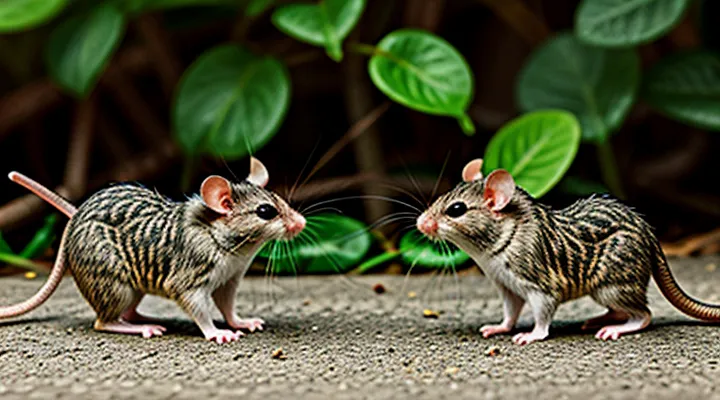
Understanding Mice: An Overview
What is a Mouse?
General Characteristics
Mouse breeds differ in size, coat pattern, coloration, and behavioral tendencies. Adult body length typically ranges from 5 cm to 12 cm, while tail length may equal or exceed the body. Weight varies between 10 g and 45 g, reflecting genetic lineage and diet. Fur textures span from smooth to plush, with patterns that include solid, agouti, spotted, and hairless variants. Ear size and shape correspond to auditory adaptations, influencing hearing sensitivity across frequencies.
Reproductive traits exhibit consistency across most types. Gestation lasts 19–21 days; litter size averages 4–8 pups. Sexual maturity is reached at 6–8 weeks, enabling rapid population turnover. Lifespan under optimal conditions extends to 2–3 years, though many strains experience shorter durations due to metabolic rates.
Key general attributes:
- Morphology: head shape (rounded vs. angular), snout length, whisker density.
- Physiology: basal metabolic rate, thermoregulation capacity, susceptibility to common pathogens.
- Behavior: activity cycles (nocturnal), exploratory drive, social hierarchy tendencies.
- Adaptability: tolerance to varied habitats, dietary flexibility (seeds, grains, insects).
These characteristics provide a baseline for distinguishing among the numerous mouse varieties documented in visual and taxonomic references.
Habitat and Distribution
Mice occupy a broad spectrum of environments, from arid deserts to dense forests, and their distribution reflects both ecological adaptability and historical dispersal patterns. Each species exhibits preferences for specific microhabitats that influence population density and geographic range.
- House mouse (Mus musculus) – thrives in human‑altered settings; found worldwide in urban and suburban areas, often nesting in walls, storage facilities, and agricultural structures.
- Deer mouse (Peromyscus maniculatus) – favors open woodlands, grasslands, and scrub; distributed across North America, extending from Canada to Mexico and into high‑altitude regions.
- African pygmy mouse (Mus minutoides) – inhabits savanna and semi‑desert zones; occurs throughout sub‑Saharan Africa, with concentrations in dry shrubland and cultivated fields.
- Japanese field mouse (Apodemus argenteus) – prefers temperate forests and river valleys; native to the Japanese archipelago and parts of the Korean Peninsula.
- Andean mouse (Phyllotis andium) – adapted to high‑elevation grasslands; restricted to the Andes, ranging from Peru to Bolivia at elevations above 3,000 m.
Distribution patterns are shaped by climate tolerance, food availability, and competition. Species with generalist diets, such as the house mouse, expand rapidly via human transport, while specialists remain confined to niches that match their physiological limits. Seasonal migrations are rare; instead, populations adjust locally through breeding cycles aligned with resource peaks.
Common Types of Mice
House Mouse («Mus musculus»)
Physical Appearance
Physical appearance distinguishes mouse varieties and enables reliable identification.
- Body length: ranges from 2 cm in African pygmy mice to over 10 cm in some laboratory strains.
- Fur coloration: solid black, brown, gray, white, or mixed patterns such as dorsal stripes, ventral patches, and speckled coats.
- Ear shape: rounded, pointed, or slightly furred; size correlates with overall body dimensions.
- Tail: varies from short and hair‑covered to long, naked, and proportionally longer than the body.
- Eyes: typically dark, with occasional red or pink hues in albino individuals.
- Whiskers: long, stiff, positioned symmetrically; length reflects sensory adaptation.
Common mouse types illustrate these traits. The house mouse (Mus musculus) presents a slender body, gray‑brown fur, large ears, and a tail equal to body length. The deer mouse (Peromyscus maniculatus) features a reddish back, white underparts, longer hind feet, and a moderately long tail. The African pygmy mouse (Mus minutoides) displays a diminutive frame, soft gray fur, short tail, and proportionally large ears. Fancy pet mice often exhibit exaggerated coat colors—solid white, sable, or patterned—with compact bodies and short tails, reflecting selective breeding. Spiny mice (Acomys spp.) possess coarse, bristly fur and a tail covered with fine hairs, distinguishing them from smoother‑coated relatives.
Photographic records rely on these visual markers; accurate description of size, coloration, and distinctive anatomical features facilitates comparison across images and supports precise classification.
Behavior and Social Structure
Mice exhibit distinct behavioral patterns that correspond to their genetic and environmental adaptations. Laboratory strains such as C57BL/6 display high exploratory activity, frequent rearing, and rapid habituation to novel arenas. Wild subspecies like Mus musculus domesticus prioritize nocturnal foraging, extensive scent marking, and territorial patrols. Domesticated fancy varieties often show reduced aggression and increased social tolerance due to selective breeding for docility.
Typical behaviors across mouse groups include:
- Foraging: rapid, opportunistic food acquisition; reliance on olfactory cues.
- Nest building: use of shredded material, cotton, or paper; construction of insulated chambers.
- Grooming: self‑cleaning and allo‑grooming to maintain coat condition and reinforce bonds.
- Vocal communication: ultrasonic calls for alarm, mating, and pup retrieval.
Social organization varies from solitary individuals to complex colonies. Key structures are:
- Solitary: dominant in aggressive wild males; territories defended by scent marks.
- Monogamous pairs: observed in some island populations; joint nest maintenance and pup care.
- Hierarchical colonies: common in laboratory cages; dominant male controls access to resources, subordinate males exhibit submissive postures.
- Communal nesting: seen in dense populations; multiple females share a nest, cooperative pup rearing enhances survival.
These patterns illustrate how behavioral repertoires and social frameworks adapt to ecological pressures and selective breeding within the diverse spectrum of mouse types.
Habitat and Diet
Mice occupy a broad spectrum of ecosystems, from temperate woodlands and grasslands to arid deserts and human‑occupied structures. Their survival depends on the ability to exploit locally available resources, which shapes both their shelter choices and feeding habits.
- House mouse (Mus musculus) – inhabits buildings, grain stores, and urban waste sites; consumes cereals, processed foods, insects, and occasional plant material.
- Deer mouse (Peromyscus maniculatus) – found in forests, shrublands, and high‑altitude meadows; diet consists of seeds, fruits, nuts, and arthropods.
- Harvest mouse (Micromys minutus) – prefers dense vegetation near water bodies and agricultural fields; feeds on grass seeds, herbaceous plant parts, and small insects.
- African pygmy mouse (Mus minutoides) – occupies savanna grasslands and semi‑desert regions; eats seeds, insects, and occasional detritus.
- Woodland jumping mouse (Napaeozapus insignis) – lives in moist forest floors with abundant leaf litter; diet includes fungi, seeds, and invertebrates.
Habitat selection correlates with food availability: species that thrive in human‑dominated settings exploit stored grains and refuse, while those in natural habitats rely on seasonal seed production, fruiting cycles, and insect emergence. Seasonal fluctuations often drive dietary shifts, with many mice increasing insect consumption during breeding periods to meet protein demands. Adaptations such as nocturnal foraging, burrow construction, and opportunistic feeding enable these rodents to maintain populations across diverse environmental conditions.
Photo Gallery: House Mouse
The photo gallery dedicated to the house mouse presents a curated set of high‑resolution images that capture the species in a range of settings, from laboratory environments to urban interiors. Each photograph emphasizes visual details essential for accurate identification and comparative analysis.
Images include close‑up views of the head and tail, side profiles displaying body proportion, and contextual shots that reveal typical nesting sites such as wall voids, grain storage areas, and sewer systems. Lighting is calibrated to highlight fur coloration, whisker arrangement, and ear size, while background elements provide scale references.
Key identification traits illustrated in the gallery:
- Gray‑brown dorsal coat with a lighter ventral surface
- Large, hairless ears proportionate to head width
- Long, hairless tail with a subtle dorsal stripe
- Prominent whiskers extending forward from the rostrum
- Small, sharp incisors visible in dental close‑ups
The collection serves researchers conducting morphological studies, educators illustrating rodent diversity, and pest‑management professionals requiring reliable visual references. By offering consistent visual standards, the gallery supports precise communication across scientific and applied disciplines.
Deer Mouse («Peromyscus maniculatus»)
Physical Appearance
Mice exhibit a wide range of physical traits that aid identification and classification. Coat coloration varies from uniform black, brown, or white to patterned combinations such as agouti, striped, or spotted markings. Size differences are noticeable; dwarf strains measure 2–3 inches (5–7 cm) in body length, while larger laboratory or field varieties reach 4–5 inches (10–13 cm). Tail length correlates with habitat adaptation: arboreal types possess long, slender tails exceeding body length, whereas burrowing forms display shorter, thicker tails.
Key morphological features across common mouse types include:
- Head shape: Rounded skulls with prominent whisker pads in domestic breeds; elongated snouts in wild species.
- Ears: Small, hairless ears positioned high on the skull in laboratory strains; larger, fur‑covered ears in desert-adapted mice.
- Feet: Five‑digit pads with retractable claws; footpad pigmentation ranges from pink to dark, reflecting melanin concentration.
- Eyes: Large, forward‑facing eyes; albino varieties exhibit pinkish sclera, while pigmented strains have dark irises.
These physical characteristics provide reliable criteria for distinguishing mouse varieties without reliance on photographic documentation.
Behavior and Habitat
Mice exhibit a broad spectrum of behaviors that correspond closely to the environments they occupy. Nocturnal activity predominates, yet several species display crepuscular or diurnal foraging patterns when food availability or predator pressure dictates. Social organization ranges from solitary territoriality in desert-dwelling forms to complex hierarchical colonies in temperate grasslands. Foraging strategies include seed caching, insect predation, and opportunistic omnivory, each linked to specific microhabitats such as burrow systems, underbrush, or human structures. Reproductive cycles adjust to seasonal cues; rapid breeding occurs in temperate zones during spring and summer, while arid-region mice may breed opportunistically after rainfall events.
- House mouse (Mus musculus) – thrives in human dwellings; exhibits aggressive competition for limited resources; constructs nests from shredded material; omnivorous diet includes grains and waste.
- Deer mouse (Peromyscus maniculatus) – occupies forest edges and rocky outcrops; primarily nocturnal; forages on seeds, fruits, and insects; builds spherical nests in vegetation.
- Woodland harvest mouse (Reithrodontomys fulvescens) – prefers dense undergrowth; displays solitary nesting; diet centered on seeds and arthropods; utilizes ground-level burrows for shelter.
- Desert pocket mouse (Chaetodipus penicillatus) – inhabits arid scrub; active during cooler night hours; stores seeds in cheek pouches for later consumption; creates shallow burrows to escape heat.
- Cave mouse (Pseudomys australis) – restricted to limestone caves; limited social interaction; feeds on cave-dwelling insects; relies on stable humidity and temperature within the subterranean environment.
These behavioral and ecological patterns illustrate the adaptive flexibility of mouse taxa across diverse habitats, reinforcing the importance of habitat-specific studies for effective population management.
Disease Transmission
Mice serve as reservoirs for a range of pathogens that can spread to humans, livestock, and wildlife. Each species exhibits distinct ecological habits that influence the likelihood of disease transmission.
- House mouse (Mus musculus) – commonly found in urban environments; frequently carries hantavirus, Salmonella, and Leptospira.
- Deer mouse (Peromyscus maniculatus) – inhabits rural and forested areas; primary host of Sin Nombre virus, a hantavirus responsible for hantavirus pulmonary syndrome.
- Wood mouse (Apodemus sylvaticus) – prevalent in temperate woodlands; vectors for Borrelia burgdorferi, the bacterium causing Lyme disease, and various hantaviruses.
- African pygmy mouse (Mus minutoides) – occupies savanna and semi‑arid zones; documented carriers of Lassa‑like arenaviruses and rodent‑borne hemorrhagic fevers.
Transmission pathways include direct contact with saliva, urine, or feces; aerosolized particles from dried excreta; and ectoparasite vectors such as fleas and ticks. Species‑specific behavior—nesting density, foraging range, and interaction with human structures—modulates exposure risk. For example, the high reproductive rate and close proximity to human food stores of the house mouse increase the probability of contaminating stored products, while the nocturnal foraging of the deer mouse raises the chance of indirect contact with contaminated outdoor sites.
Photographic documentation of each mouse type aids field identification, enabling targeted surveillance and control measures. Accurate visual records support rapid differentiation between species that share overlapping habitats but differ in pathogen profiles. Consequently, integrating morphological images with taxonomic names and ecological traits enhances the precision of disease monitoring programs.
Photo Gallery: Deer Mouse
The deer mouse (Peromyscus maniculatus) appears prominently in the visual collection dedicated to North American rodent species. High‑resolution photographs capture the animal’s tawny dorsal fur, white ventral side, and distinctive large, black eyes. Images include close‑up views of the skull, foot pads, and tail, providing a comprehensive visual reference for identification.
Key visual attributes:
- Dorsal coloration: brown to gray with subtle speckling
- Tail: long, hairless, dark on top and pale underneath
- Ears: proportionally large, covered with fine fur
- Hind feet: equipped with five toes, each bearing sharp claws
The gallery also supplies the accepted common name, “deer mouse,” and the scientific designation, ensuring clear taxonomic communication. Accompanying captions list habitat preferences—forests, grasslands, and agricultural fields—and note the species’ nocturnal activity pattern. Seasonal variations in coat density are illustrated through images taken in summer and winter, highlighting adaptive responses to temperature changes.
Overall, the photo set serves as a reliable visual tool for researchers, educators, and wildlife enthusiasts seeking precise identification and an understanding of the deer mouse’s morphological features.
White-Footed Mouse («Peromyscus leucopus»)
Distinguishing Features
Mouse varieties differ primarily in observable traits that enable reliable identification. Size ranges from the tiny African pygmy mouse, measuring less than 5 cm in body length, to the larger wood mouse, exceeding 10 cm. Coat coloration varies widely: some exhibit uniform gray or brown tones, while others display distinct dorsal stripes, speckled patterns, or contrasting ventral patches. Ear morphology provides another cue; certain breeds possess large, hairless ears that extend beyond the head, whereas others have small, fur‑covered ears that lie close to the skull.
Tail characteristics further separate the groups. Length may equal or surpass body length in species adapted to arboreal habitats, while terrestrial forms often have shorter, thicker tails. Fur texture also serves as a diagnostic feature: silky, fine hair distinguishes the house mouse from the coarser, bristly coat of the field mouse. Eye size and pupil shape differ, with nocturnal varieties showing relatively larger eyes and vertically elongated pupils to enhance low‑light vision.
Key distinguishing features can be summarized as follows:
- Body dimensions (length and weight)
- Coat color and pattern
- Ear size, shape, and hair coverage
- Tail length, thickness, and fur density
- Fur texture (silky, coarse, spiny)
- Eye size and pupil orientation
- Habitat‑related adaptations (arboreal vs. terrestrial)
These attributes collectively allow precise classification of mouse types without reliance on photographic references or nomenclature alone.
Lifecycle and Reproduction
Mice exhibit a compact lifecycle that facilitates rapid population turnover across diverse breeds. Understanding each phase clarifies how visual traits, naming conventions, and behavioral characteristics interrelate.
Gestation lasts 19–21 days in most laboratory and wild strains. Females give birth to altricial pups that weigh 1–2 g and are hairless, blind, and deaf. Immediate post‑natal care includes nest construction, thermoregulation, and maternal licking, which stimulates physiological development.
The early growth period comprises three stages:
- Neonatal (0–7 days): Pup weight triples; eyes open around day 14.
- Pre‑weaning (7–21 days): Incisor eruption, fur development, and gradual independence.
- Weaning (21 days): Transition to solid food; social hierarchies begin to form.
Sexual maturity emerges at 5–8 weeks, varying by strain. Larger breeds such as the Swiss albino reach maturity later than smaller, wild‑type varieties. Once mature, females enter estrus cycles of 4–5 days, enabling frequent breeding.
Reproductive output differs among varieties:
- Litter size: 4–12 pups, with larger breeds tending toward the higher end.
- Breeding frequency: Up to 10 litters per year under optimal conditions.
- Seasonal influence: Wild populations exhibit reduced cycles during winter months, whereas laboratory colonies maintain year‑round activity.
These parameters shape population dynamics, influence photographic documentation of developmental stages, and inform nomenclature that reflects both phenotypic and reproductive traits.
Ecological Role
Mice of various genetic and morphological backgrounds occupy distinct niches in terrestrial ecosystems, influencing energy flow and material cycling.
- Small rodents serve as primary prey for raptors, snakes, and carnivorous mammals, converting plant biomass into animal protein for higher trophic levels.
- Several species harvest and transport seeds, facilitating dispersal across fragmented habitats and promoting plant regeneration.
- Burrowing behavior of ground‑dwelling forms loosens compacted soil, enhances aeration, and accelerates decomposition of organic matter, thereby increasing nutrient availability for vegetation.
- Certain populations harbor zoonotic agents, acting as reservoirs that sustain pathogen life cycles and affect disease prevalence among wildlife and humans.
- Herbivorous pressure exerted by mice regulates seedling density, shaping competitive dynamics within plant communities.
Collectively, these functions maintain biodiversity, support productive food webs, and modulate ecosystem resilience.
Photo Gallery: White-Footed Mouse
The photo gallery dedicated to the white‑footed mouse presents a series of high‑resolution images that capture the species in its natural environment. Each photograph displays the mouse’s distinctive pale ventral fur, contrasting with a darker dorsal coat, and highlights the characteristic white patches on the feet and tail. The images are taken from multiple perspectives—lateral, dorsal, and close‑up of facial features—providing a comprehensive visual reference for identification.
Key visual elements emphasized in the gallery include:
- Body size: adult length ranges from 8 to 10 cm, with a tail extending slightly beyond the body length.
- Pelage coloration: gray‑brown dorsal fur, white ventral fur, and unmistakable white foot pads.
- Facial markings: small, dark eyes; a pointed snout; and a thin, dark stripe running from the nose to the ears.
- Habitat context: photographs depict the mouse within leaf litter, low vegetation, and near water sources, illustrating typical foraging grounds.
- Behavioral cues: occasional images capture the mouse in motion, revealing agile climbing and rapid darting movements.
The gallery serves as a precise visual resource for researchers, educators, and wildlife enthusiasts seeking accurate representation of the white‑footed mouse’s appearance and ecological setting.
Field Mouse («Apodemus sylvaticus»)
Appearance and Size
The physical traits of mouse breeds vary markedly, influencing identification, husbandry, and research applications. Body length, tail proportion, fur coloration, and ear size constitute the primary visual criteria.
- House mouse (Mus musculus) – Dorsal coat ranges from gray to brown, ventral side pale. Tail length equals or exceeds body length, typically 8–10 cm; body measures 6–9 cm; weight 15–30 g. Ears proportionally large, rounded.
- Deer mouse (Peromyscus maniculatus) – Bicolored fur: brown dorsal, white ventral. Tail longer than body, 9–12 cm; body 7–10 cm; weight 18–30 g. Ears moderately sized, tapering.
- Fancy mouse (domestic strain of Mus musculus) – Wide color spectrum, including solid, patterned, and hairless forms. Tail length 8–11 cm; body 6–9 cm; weight 20–35 g. Ear size similar to house mouse but may appear reduced in hairless variants.
- Field mouse (Apodemus sylvaticus) – Brown to reddish dorsal fur, lighter abdomen. Tail slightly shorter than body, 7–9 cm; body 8–11 cm; weight 20–30 g. Ears relatively small, rounded.
- African pygmy mouse (Mus minutoides) – Uniform gray or brown coat, minimal markings. Tail short, 4–6 cm; body 5–6 cm; weight 3–12 g. Ears small, positioned near the top of the head.
These measurements provide a practical framework for distinguishing among mouse types without reliance on photographic references.
Burrowing Habits
Mice exhibit a wide range of burrowing strategies that reflect adaptations to habitat, diet, and predator pressure. Underground tunnels provide shelter, temperature regulation, and food storage, influencing survival and reproductive success.
- House mouse (Mus musculus) – Constructs shallow, temporary burrows beneath debris or in building foundations; entrances often concealed by loose material.
- Deer mouse (Peromyscus maniculatus) – Excavates deeper, branching systems in grasslands and forest edges; chambers include nesting nests lined with plant fibers.
- African pygmy mouse (Mus minutoides) – Forms compact, single‑entrance burrows in sandy soils; tunnels rarely exceed 30 cm in length, reflecting the species’ small body size.
- Kangaroo mouse (Microdipodops spp.) – Produces extensive, multi‑level burrows in arid deserts; deeper chambers maintain humidity and protect against extreme temperatures.
- Harvest mouse (Micromys minutus) – Utilizes existing rodent burrows or creates brief, shallow tunnels in dense vegetation; often associates burrows with elevated nests in tall grasses.
Across species, burrow architecture follows consistent patterns: entrance tunnels are narrow to limit predator access; main chambers are enlarged for nesting and food caches; side tunnels facilitate ventilation. Soil composition, moisture level, and vegetation cover dictate tunnel depth and complexity. Burrowing activity also impacts soil aeration, nutrient mixing, and seed dispersal, contributing to ecosystem engineering at a micro‑scale.
Diet and Foraging
Mice exhibit diverse feeding strategies that correspond to their ecological niches. Laboratory strains such as Mus musculus domesticus consume standardized pellets rich in protein, carbohydrates, and essential vitamins, while wild populations rely on opportunistic foraging.
In grassland and agricultural environments, field mice harvest seeds, grains, and fresh shoots, supplementing their intake with insects during peak breeding periods. Forest-dwelling species, including wood mice (Apodemus sylvaticus), exploit fallen nuts, berries, and fungi, often storing excess food in concealed caches.
Desert-adapted rodents, such as the cactus mouse (Peromyscus eremicus), concentrate on moisture-rich plant matter, extracting water from succulent tissues and minimizing reliance on free-standing sources. Coastal varieties, like the marsh mouse (Rattus palustris), target aquatic invertebrates and detritus, integrating both plant and animal material into their diet.
Key foraging behaviors include:
- Scavenging: Rapid assessment of carrion and discarded human food waste.
- Seed hoarding: Temporary burial of kernels for later consumption, with retrieval rates exceeding 80 % in temperate species.
- Gnawing: Continuous incisor activity to access interior plant tissues and maintain dental health.
- Territorial patrol: Regular movement along defined routes to locate and evaluate resource patches.
Seasonal variation drives dietary shifts; during winter, many mice increase reliance on stored provisions and high-fat seeds, whereas summer abundance allows greater intake of insects and fresh vegetation. Nutrient composition directly influences reproductive output, growth rates, and survival, underscoring the adaptive significance of flexible feeding habits across mouse taxa.
Photo Gallery: Field Mouse
The photo gallery dedicated to the field mouse assembles high‑resolution images that capture the species in its natural habitats across temperate grasslands, agricultural fields, and woodland edges. Each photograph emphasizes distinguishing visual traits, enabling rapid identification and comparative analysis with related rodents.
Key visual elements presented in the collection include:
- Fur coloration – dorsal coat ranging from brown‑gray to reddish tones; ventral side consistently lighter, often whitish.
- Body proportions – head‑body length 70–100 mm; tail length equal to or slightly shorter than the body; slender, elongated hind limbs.
- Ear morphology – relatively large, hairless ears positioned low on the skull, aiding thermoregulation.
- Facial features – pointed snout, prominent whiskers, dark eyes set forward for binocular vision.
- Tail characteristics – sparsely haired, slightly scaly surface, useful for balance during rapid ground movement.
Accompanying each image, concise captions provide the scientific name (Apodemus sylvaticus), common English name, and a brief note on regional distribution. The gallery also incorporates metadata such as photographer, date of capture, and GPS coordinates, supporting research reproducibility and field verification.
By consolidating visual data with standardized identifiers, the gallery serves as a reference point for taxonomic studies, ecological surveys, and educational resources focused on the diversity of mouse species.
Spiny Mouse («Acomys»)
Unique Physical Traits
Mice exhibit a wide spectrum of physical adaptations that distinguish one breed from another. Coat coloration ranges from uniform albino to speckled agouti, with some strains displaying distinct dorsal stripes or ventral patches. Fur density varies with habitat: desert-dwelling mice possess sparse, fine hair for heat dissipation, while forest species develop thicker undercoats for insulation.
Ear morphology provides another diagnostic feature. Certain varieties possess enlarged, thin membranes that enhance auditory sensitivity, whereas others have compact, fur‑covered pinnae that reduce heat loss. Tail length correlates with locomotor style; arboreal mice often have elongated, prehensile tails facilitating balance, while ground‑dwelling forms exhibit shorter, less flexible tails.
Whisker arrangement contributes to tactile perception. Some breeds show asymmetrical whisker rows that improve detection of directional airflow, while others maintain symmetrical, densely packed whiskers for precise spatial mapping. Eye pigmentation spans from pink, indicative of lack of melanin, to deep brown, influencing visual acuity under low‑light conditions.
Key physical traits can be summarized as follows:
- Coat patterns: solid, speckled, striped, ventral patches
- Fur thickness: sparse (dry climates) vs. dense (cold habitats)
- Ear size: large, thin membranes vs. small, fur‑covered pinnae
- Tail characteristics: long and prehensile vs. short and rigid
- Whisker configuration: asymmetrical rows vs. symmetrical bundles
- Eye coloration: albino (pink) vs. pigmented (brown, black)
These characteristics serve as reliable markers for identification, breeding decisions, and ecological research.
Desert Adaptations
Desert-dwelling mice represent a distinct segment of the broader spectrum of mouse species, illustrating how extreme environments shape morphology, behavior, and physiology.
These rodents exhibit several morphological traits that reduce water loss and enhance camouflage. Dense, light‑colored fur reflects solar radiation while minimizing heat absorption. Small ears lower surface area, decreasing evaporative cooling. Footpads possess thick keratinized layers, allowing movement across hot sand without injury.
Behavioral strategies further support survival. Nocturnal activity limits exposure to daytime heat. Burrows extend several meters below the surface, providing stable temperature and humidity. Foraging focuses on seeds and insects that contain moisture, reducing the need for drinking water.
Physiological mechanisms optimize water retention and energy use. Kidneys concentrate urine to a degree unmatched by temperate counterparts, conserving fluid. Metabolic rates adjust seasonally, lowering energy demands during scarce periods. Nasal passages reabsorb moisture from exhaled air, adding another layer of conservation.
Key desert adaptations:
- Light, reflective fur and reduced ear size
- Deep, insulated burrow systems
- Nighttime foraging on moisture‑rich food
- Highly concentrated urine production
- Adjustable metabolic rate for resource scarcity
These adaptations collectively enable mice to thrive in arid landscapes, reinforcing the diversity observed across the entire group of mouse varieties.
Social Behavior
Mice display a range of social interactions that differ among breeds, influencing group dynamics and individual fitness. Dominance hierarchies are established through brief aggressive encounters, such as lateral displays and biting, which regulate access to resources. Subordinate individuals typically avoid direct confrontation, relying on scent marking and vocalizations to maintain proximity to the group without challenging the dominant mouse.
Reproductive cooperation varies with genetic background. Certain laboratory strains exhibit communal nesting, where multiple females share a nest and collectively care for offspring, enhancing pup survival rates. In contrast, wild‑derived varieties often display solitary nesting, with females defending a private burrow and providing exclusive maternal care.
Communication mechanisms include:
- Ultrasonic vocalizations that convey distress, affiliation, or territorial claims.
- Pheromonal cues deposited on the fur and urine, enabling recognition of kin and estrus status.
- Tactile grooming, which reinforces social bonds and reduces stress hormones.
Social learning influences foraging efficiency. Observational transmission of food location and predator avoidance strategies occurs when naïve mice watch experienced conspecifics. This behavior accelerates adaptation to novel environments and reduces individual trial‑and‑error costs.
Group composition affects disease transmission. High‑density colonies facilitate rapid spread of pathogens, while hierarchical structuring can limit contact between infected and healthy individuals through reduced grooming of lower‑rank mice. Management of colony density and hierarchy therefore serves as a practical measure for controlling outbreaks in research facilities.
Photo Gallery: Spiny Mouse
The spiny mouse (Acomys spp.) appears prominently in a dedicated photo collection that showcases its distinctive morphology and natural environment. High‑resolution images capture the coarse, bristle‑like fur covering the back, the elongated hind feet adapted for agile climbing, and the characteristic dark facial mask. Each photograph includes scale references, enabling precise assessment of body length, tail proportion, and ear size across multiple species within the genus.
Key attributes highlighted in the gallery:
- Scientific classification: Acomys cahirinus, A. russatus, and related taxa.
- Size range: head‑body length 70–120 mm; tail length comparable to or slightly longer than the body.
- Fur texture: stiff, pigmented guard hairs interspersed with softer underfur, providing a rugged appearance.
- Habitat representation: arid rocky outcrops, semi‑desert scrub, and anthropogenic structures where specimens have been observed.
- Behavioral snapshots: nocturnal foraging, social grooming, and rapid sprinting captured in sequential frames.
The visual documentation serves as a reference for researchers comparing phenotypic variation among murine species, facilitating identification and supporting ecological studies of desert‑adapted rodents.
Less Common and Exotic Mouse Varieties
Striped Field Mouse («Apodemus agrarius»)
Identification Markers
Identification markers enable reliable differentiation among mouse breeds without relying on photographs. Distinctive traits such as coat hue, pattern, and texture provide immediate visual cues. For example, albino specimens exhibit pure white fur and pink eyes, while agouti types display banded hairs that create a speckled appearance.
Morphological features further refine classification. Ear size and shape, tail length relative to body, and hind‑foot length vary predictably across strains. Facial markings—such as a dark mask, dorsal stripe, or spot on the nose—serve as additional identifiers.
Genetic markers complement visual assessment. Specific alleles linked to coat color (e.g., C for black, c for albino) and fur length (e.g., F for normal, f for long) are detectable through simple PCR assays, confirming breed identity when phenotypic traits overlap.
Key identification markers:
- Coat color and pattern (albino, agouti, black, spotted)
- Ear dimensions (large, small, rounded, pointed)
- Tail proportion (long, short, hairless)
- Facial markings (mask, stripe, spot)
- Body size (weight range, length)
- Fur texture (smooth, wiry, long-haired)
- Eye color (pink, red, brown)
- Genetic alleles (color, length, disease resistance)
Geographical Range
Mouse varieties occupy distinct biogeographic zones across continents. The common house mouse (Mus musculus) exhibits a cosmopolitan distribution, thriving in urban, agricultural, and wild environments on every inhabited continent except Antarctica. Its subspecies—M. m. domesticus, M. m. musculus, and M. m. castaneus—are concentrated in Europe and Asia, North America, and Southeast Asia, respectively.
Field mice of the genus Apodemus dominate temperate forests of Eurasia. Apodemus sylvaticus (the wood mouse) ranges from the British Isles through Central Europe to the Mediterranean basin, extending eastward into western Siberia. Apodemus agrarius (the striped field mouse) occupies open grasslands and agricultural fields from Eastern Europe across Central Asia to the Korean Peninsula and northern Japan.
South‑American mouse species belong to the family Cricetidae. Akodon spp. populate the Andes and adjacent lowland valleys from Colombia to Argentina. Calomys spp. are confined to the Pampas and Chaco regions of Argentina, Paraguay, and Bolivia, preferring dry savanna and scrub habitats.
North‑American rodents include the deer mouse (Peromyscus maniculatus) and the white‑footed mouse (Peromyscus leucopus). Both species occupy a broad latitudinal gradient from the boreal forests of Canada through the United States into northern Mexico, inhabiting forests, tundra, and desert margins.
Key geographical patterns:
- Cosmopolitan species: house mouse, widely distributed through human activity.
- Temperate forest specialists: Apodemus spp., limited to Eurasian woodlands.
- Andes and southern cone residents: Akodon and Calomys spp., restricted to South‑American highlands and grasslands.
- North‑American mesic and arid zones: Peromyscus spp., spanning boreal to desert ecotones.
These distributions reflect adaptations to climate, vegetation type, and human influence, defining the spatial limits of each mouse variety.
Environmental Impact
Mice of diverse genetic backgrounds and ecological niches interact with their surroundings in ways that can alter ecosystem processes. Wild populations that adapt to agricultural landscapes often increase seed predation, reducing weed proliferation and influencing crop yields. Laboratory strains released unintentionally into the environment may compete with native rodents for food and shelter, potentially displacing indigenous species.
Invasive mouse taxa introduced through shipping activities establish colonies near ports and urban waste sites. Their presence can elevate parasite loads, as they serve as intermediate hosts for pathogens that affect both wildlife and humans. Predators such as owls and snakes may shift hunting patterns toward abundant mouse colonies, reshaping local food webs.
Key environmental consequences include:
- Habitat modification through burrowing, which alters soil structure and water infiltration.
- Nutrient cycling changes caused by increased consumption of plant material and subsequent excretion.
- Genetic introgression when introduced mice interbreed with native populations, leading to loss of local adaptations.
Mitigation measures focus on preventing accidental releases, monitoring population dynamics near human settlements, and preserving natural predators that regulate mouse numbers.
Photo Gallery: Striped Field Mouse
The photo gallery presents a series of high‑resolution images of the striped field mouse (Apodemus agrarius). Each photograph captures the animal from multiple angles, revealing the distinctive dorsal stripe, the contrast between the dark back and lighter flanks, and the fine details of the whiskers and ears.
The visual record includes:
- Lateral view highlighting the narrow, longitudinal stripe that runs from the head to the tail base.
- Dorsal perspective showing the overall body length, averaging 9–12 cm, and a tail proportionate to the body.
- Close‑up of the facial region, illustrating the dark eye rings and the sharp, pointed snout.
- Habitat backdrop displaying typical grassland and field environments where the species forages.
Key biological traits of the striped field mouse are:
- Nocturnal activity pattern, with peak foraging during twilight hours.
- Omnivorous diet comprising seeds, insects, and plant material.
- Breeding season from April to October, producing litters of 4–7 offspring.
- Distribution across Eastern Europe and parts of Asia, favoring open fields, meadows, and agricultural margins.
The collection serves as a visual reference for identification, comparative study, and educational outreach concerning this widely distributed rodent species.
Harvest Mouse («Micromys minutus»)
Size and Agility
Mice exhibit a broad spectrum of body lengths, from the diminutive 2‑inch African pygmy mouse to the robust 5‑inch house mouse. Tail proportion varies similarly, with short‑tailed species such as the deer mouse possessing tails equal to half the body length, while long‑tailed varieties like the field mouse have tails exceeding the torso.
- Small, lightweight species (e.g., African pygmy, Himalayan) achieve rapid acceleration and maneuver through narrow openings.
- Medium‑sized mice (e.g., common house mouse, wood mouse) combine moderate speed with sustained endurance, allowing efficient foraging over larger territories.
- Larger, muscular types (e.g., cotton rat, harvest mouse) rely on powerful bursts to evade predators, though their turning radius is wider.
Size directly influences agility: reduced mass lowers inertia, enabling quicker directional changes, while increased muscle mass in larger specimens compensates with greater force output for short, explosive sprints. Consequently, each variety balances body dimensions with locomotor performance to suit its ecological niche.
Nest Building
Nest building is a distinctive behavior observed across the diversity of mouse species, providing shelter, temperature regulation, and protection from predators. Each variety constructs nests that reflect its ecological niche and physiological needs.
Mice select materials based on availability and durability. Common components include shredded paper, cotton fibers, dried grasses, and soft plant matter. Construction proceeds in stages: gathering, shaping, and compacting. Some species create shallow depressions lined with loose fibers, while others produce multilayered structures with a dense core and an outer insulating layer.
Typical nest characteristics by mouse variety:
- House mouse (Mus musculus): Compact dome, primarily paper and fabric scraps, often located in corners of human dwellings.
- Deer mouse (Peromyscus maniculatus): Loose cup-shaped nest, composed of grasses and leaves, usually positioned in woodland burrows.
- Field mouse (Apodemus sylvaticus): Elevated nest using twigs and moss, situated above ground in hedgerows.
- White-footed mouse (Peromyscus leucopus): Multi-chambered nest with a central sleeping area, built from shredded bark and plant stems in forest floor litter.
Nest architecture influences reproductive success and survival rates, with well-constructed nests correlating with higher offspring viability across all mouse types.
Conservation Status
The conservation status of mouse taxa varies widely, reflecting differences in habitat range, population trends, and human impact. Assessments follow the International Union for Conservation of Nature (IUCN) criteria, assigning categories that indicate extinction risk.
- House mouse (Mus musculus) – Least Concern; extensive global distribution and high reproductive capacity.
- Deer mouse (Peromyscus maniculatus) – Least Concern; stable populations across North America.
- African pygmy mouse (Mus minutoides) – Least Concern; broad presence in sub‑Saharan savannas.
- White‑toothed pygmy mouse (Mus musculus domesticus) – Least Concern; common in cultivated and urban environments.
- Andean mouse (Phyllotis andinus) – Near Threatened; restricted to high‑altitude Andean ecosystems facing climate change.
- Spiny mouse (Acomys cahirinus) – Least Concern; adaptable to arid regions but locally vulnerable to habitat loss.
- Cactus mouse (Peromyscus eremicus) – Least Concern; thrives in desert scrub, yet sensitive to prolonged drought.
- Mongolian vole (Microtus mongolicus) – Data Deficient; insufficient information to evaluate trends.
- Bamboo mouse (Pseudomys shortridgei) – Vulnerable; limited to fragmented bamboo forests undergoing deforestation.
- Giant jumping mouse (Niviventer grandis) – Endangered; confined to isolated mountain valleys with ongoing land‑use conversion.
Species listed as Vulnerable or Endangered require monitoring programs, habitat protection, and, where feasible, captive breeding initiatives. Data‑deficient taxa merit targeted field surveys to establish baseline population metrics. Continuous reassessment ensures that status designations remain aligned with emerging ecological pressures.
Photo Gallery: Harvest Mouse
The photo gallery dedicated to the harvest mouse (Micromys minutus) presents a series of high‑resolution images that capture the species in its natural environment. Each photograph highlights the mouse’s diminutive size, distinctive tail, and adaptive coloration, offering a reliable visual reference for identification.
Physically, the harvest mouse measures 5–9 cm in head‑body length, with a tail of equal or slightly greater length. The dorsal fur ranges from brown to reddish‑brown, often marked by a dark stripe along the spine. The ventral side is pale, while the tail exhibits a scaly appearance and a dark terminal tuft. The ears are proportionally large, and the feet display fine, translucent hair.
The species occupies temperate grasslands, marshes, and agricultural fields across Europe and parts of Asia. It prefers dense vegetation near water sources, where it constructs spherical nests attached to stems or reeds. Seasonal movements correspond with the availability of seed and insect prey.
Key biological traits include:
- Diet: Primarily seeds, grasses, and occasional insects.
- Activity pattern: Nocturnal; forages on the ground and within low vegetation.
- Reproduction: Breeds from March to October, producing 2–4 litters per season; each litter contains 4–6 young.
- Longevity: Average wild lifespan of 10–12 months, with potential for up to 2 years under optimal conditions.
The collection also features close‑up shots of nesting behavior, demonstrating the mouse’s skill in weaving compact, insulated structures from grasses and leaves. Together, the images and accompanying data provide a comprehensive visual and factual overview of the harvest mouse’s morphology, habitat preferences, and ecological role.
African Pygmy Mouse («Mus minutoides»)
Smallest Mouse Species
The smallest recognized mouse species is the African pygmy mouse (Mus minutoides). Adult individuals typically measure 5–8 cm in total length, including a tail of 2–4 cm, and weigh between 3 and 12 grams. Their diminutive size enables exploitation of microhabitats such as leaf litter and shallow burrows in savanna and semi‑arid regions of sub‑Saharan Africa.
Key characteristics:
- Body dimensions: head‑body length 3–5 cm; tail length proportionally shorter than in larger murids.
- Weight: 3–12 g, placing it among the lightest extant rodents.
- Fur coloration: dorsal coat ranges from sandy brown to gray, ventral side markedly lighter, providing camouflage against the ground substrate.
- Reproductive strategy: multiple litters per year, each consisting of 3–7 offspring, supporting rapid population turnover.
- Diet: omnivorous, consuming seeds, insects, and detritus; high metabolic rate necessitates frequent foraging.
Photographic documentation commonly highlights the mouse’s compact form, prominent ears, and long whiskers that aid navigation through dense undergrowth. Comparative analysis with other mouse taxa demonstrates that M. minutoides exhibits proportionally larger eyes relative to skull size, an adaptation for enhanced low‑light vision in its crepuscular activity pattern.
Pet Trade Considerations
The pet market for mouse breeds demands careful assessment of legal, health, and ethical factors. Import and export regulations differ by region; compliance with CITES listings, local wildlife protection statutes, and quarantine requirements prevents illegal trade and reduces the risk of invasive species establishment.
Health considerations include disease screening, parasite control, and genetic screening. Breeders should provide documentation of veterinary examinations, vaccination status (where applicable), and lineage records to minimize the spread of pathogens such as mousepox or ectoparasites.
Ethical sourcing requires verification that animals originate from reputable facilities rather than wild capture. Responsible suppliers implement humane breeding practices, maintain appropriate cage sizes, and provide enrichment to meet the species’ behavioral needs.
Key trade considerations:
- Verification of permits and certificates for each transaction.
- Transparent health records confirming disease‑free status.
- Provenance documentation confirming captive breeding.
- Shipping methods that ensure temperature stability and minimal stress.
- Post‑sale support, including guidance on diet, habitat setup, and veterinary care.
Natural Habitat
Mice occupy a wide range of natural environments, each supporting distinct physiological and behavioral adaptations. Understanding these habitats clarifies distribution patterns and informs conservation strategies.
Typical mouse habitats include:
- Forest understory, where dense leaf litter provides shelter and abundant insects.
- Grassland savannas, offering open foraging ground and burrowing opportunities.
- Arid scrub, characterized by sparse vegetation and rocky crevices that retain moisture.
- Wetland margins, featuring dense reeds and soft soil ideal for nesting.
- Alpine tundra, where low‑lying shrubs and insulated burrows protect against extreme temperatures.
Species‑specific examples illustrate the relationship between mouse varieties and their preferred settings:
- Woodland mouse (Apodemus sylvaticus) – thrives in deciduous forests, nesting under logs and in hollow trees.
- Prairie deer mouse (Peromyscus maniculatus) – occupies North American grasslands, constructing shallow burrows in loamy soil.
- Desert pocket mouse (Chaetodipus penicillatus) – inhabits arid deserts, utilizing underground chambers to escape heat.
- Marsh rice rat (Oryzomys palustris) – found along freshwater marshes, building nests among cattail stands.
- Mountain vole (Microtus montanus) – lives in high‑elevation meadows, creating extensive tunnel systems beneath snow cover.
These examples demonstrate how each mouse type selects habitats that fulfill shelter, food, and climate requirements, shaping their ecological niches across diverse landscapes.
Photo Gallery: African Pygmy Mouse
The African Pygmy Mouse (Mus minutoides) appears in a dedicated photographic collection that showcases the species from multiple perspectives. Images capture individuals in natural settings, displaying typical postures, fur coloration, and size variations that aid identification.
Key biological traits:
- Body length: 4–6 cm, tail length comparable to body.
- Weight: 2–5 g, among the smallest rodent species.
- Fur: soft, gray‑brown dorsal coat; lighter ventral surface.
- Eyes: large relative to head, adapted for low‑light activity.
- Habitat: savanna grasslands, scrubland, and cultivated fields across sub‑Saharan Africa.
- Diet: seeds, insects, and occasional plant material.
- Reproductive cycle: gestation 20 days, litters of 3–7 pups.
Photographic details:
- Resolution: high‑definition (minimum 300 dpi) to reveal fine fur texture.
- Angles: lateral, dorsal, and close‑up facial shots emphasize distinguishing features.
- Lighting: natural daylight conditions reduce shadows and preserve authentic coloration.
- Usage: suitable for educational resources, field guides, and scientific presentations.
Mice as Pests: Impact and Management
Health Risks Associated with Mice
Disease Vectors
Mice serve as reservoirs and transmitters of numerous pathogens that affect humans and livestock. Accurate identification of each type, supported by photographic references, enables targeted surveillance and control measures.
- House mouse (Mus musculus) – ubiquitous in urban and rural settings; carriers include hantavirus, Lymphocytic choriomeningitis virus, and various bacterial agents such as Salmonella spp.
- Deer mouse (Peromyscus maniculatus) – common in temperate forests; primary vector of Sin Nombre hantavirus, responsible for hantavirus pulmonary syndrome.
- White-footed mouse (Peromyscus leucopus) – prevalent in eastern North America; transmits Borrelia burgdorferi, the causative agent of Lyme disease, and Ehrlichia muris.
- Algerian mouse (Mus spretus) – found in Mediterranean regions; documented host of Leptospira interrogans and several adenoviruses.
- Pacific rat (Rattus exulans) – island-dwelling species; vector for murine typhus (Rickettsia typhi) and plague (Yersinia pestis) in certain endemic zones.
Each species exhibits distinct morphological traits—fur coloration, tail length, ear size—that facilitate field identification. High‑resolution images paired with taxonomic keys reduce misclassification, ensuring that disease‑monitoring programs target the correct hosts.
Understanding the link between mouse diversity and pathogen carriage informs public‑health interventions, wildlife management, and biosecurity protocols. Effective control relies on precise species recognition, habitat assessment, and integrated pest‑management strategies.
Allergenic Properties
Mice produce allergens that can trigger respiratory and skin reactions in sensitive individuals. The primary allergenic sources are urinary proteins, dander, and saliva, each capable of aerosolization and deposition on surfaces.
Key proteins identified as potent triggers include:
- Major urinary protein (MUP) – abundant in mouse urine, highly airborne.
- Mouse allergen 1 (Mus m 1) – derived from dander, persistent in indoor environments.
- Salivary amylase – contributes to allergen load on bedding and food residues.
Allergen intensity varies among mouse breeds. Comparative data show:
- Common laboratory strain (e.g., C57BL/6) – moderate MUP concentration, widely used in research facilities.
- House mouse (Mus musculus domesticus) – high dander production, frequent source of residential exposure.
- Pet mouse varieties (e.g., fancy breeds) – lower urine output, reduced airborne protein levels but still capable of eliciting reactions.
Mitigation strategies focus on environmental control: frequent cage cleaning, use of HEPA filtration, and regular monitoring of indoor air for Mus m 1 concentrations. Diagnostic testing for specific IgE against mouse proteins confirms sensitization and guides clinical management.
Property Damage Caused by Mice
Structural Damage
Various mouse breeds exhibit distinct physical traits and nesting habits that influence the type and extent of damage to built environments. Smaller species tend to concentrate activity in confined spaces, while larger specimens can breach thicker materials.
Common forms of structural impairment include:
- Gnawing of wooden framing, insulation, and wiring;
- Compaction and removal of plaster or drywall to create burrows;
- Accumulation of urine and feces leading to corrosion of metal components;
- Displacement of stored materials, causing secondary damage to inventory.
Damage severity correlates with body size, foraging range, and social organization. Species that form extensive colonies generate greater cumulative stress on structures, whereas solitary mice produce localized effects. Nesting material preference dictates which surfaces are most vulnerable; cotton‑based bedding prompts removal of fabric panels, while shredded paper targets cardboard and packaging.
Effective mitigation requires accurate identification of the rodent type, assessment of entry points, and targeted sealing of gaps. Regular visual inspections, supplemented by photographic documentation, support early detection and reduce repair costs. Integrated pest management strategies, combining habitat modification with humane control measures, minimize ongoing structural compromise.
Contamination of Food
Mice of various breeds frequently infiltrate storage areas, kitchens, and processing facilities, directly affecting the safety of consumable products. Their small size and nocturnal habits allow them to access food supplies unnoticed, creating pathways for microbial and chemical hazards.
Physical damage caused by gnawing compromises packaging integrity, exposing contents to airborne spores, insects, and rodents themselves. Saliva, urine, and feces deposited by these mammals introduce pathogens such as Salmonella, E. coli, and Listeria monocytogenes. Additionally, rodents may transport pesticide residues and heavy metals from contaminated environments into food chains.
Typical contaminants linked to mouse activity include:
- Bacterial agents (Salmonella, E. coli, Campylobacter)
- Viral particles (hepatitis A, rotavirus)
- Fungal spores (Aspergillus, Penicillium)
- Chemical residues (rodenticides, heavy metals)
- Physical debris (hair, gnawed packaging fragments)
Control measures rely on integrated pest management: sealing entry points, maintaining strict sanitation, employing traps or bait stations, and conducting regular inspections. Monitoring programs should record rodent sightings, assess damage, and test food samples for microbial load, ensuring rapid response to contamination events.
Caring for Pet Mice
Choosing the Right Breed
Temperament Differences
Temperament varies markedly among the many mouse breeds commonly kept as pets or used in research. Distinct behavioral patterns emerge from genetic lineage, breeding objectives, and early socialization, producing recognizable profiles that guide handling and housing decisions.
- Calm and docile – examples include the BALB/c and C57BL/6 strains; these mice display low reactivity to novel stimuli, minimal aggression, and readily accept human contact.
- Highly active – lines such as the Swiss Webster and CD-1 exhibit rapid movement, extensive exploration, and strong curiosity, requiring enriched cages to prevent stress.
- Aggressive or territorial – certain wild‑derived varieties, like the Mus musculus domesticus field mouse, show frequent dominance displays, fighting, and resistance to group housing.
- Shy and reclusive – some laboratory lines, for instance the 129/Sv strain, retreat quickly from handling and may hide for prolonged periods, indicating a need for gentle acclimation procedures.
Genetic background establishes baseline temperament, yet environmental factors modulate expression. Consistent handling, stable group composition, and appropriate enrichment reduce anxiety in excitable mice, while overcrowding and abrupt changes amplify aggression in territorial individuals. Nutrition, lighting cycles, and cage complexity also influence mood and activity levels.
Understanding these behavioral distinctions informs cage design, social grouping, and experimental protocol. Selecting a strain whose temperament aligns with the intended purpose minimizes stress, improves welfare, and enhances data reliability for researchers and caretakers alike.
Lifespan
Mice exhibit considerable variation in lifespan, influenced by genetic background, size, and husbandry conditions. Laboratory strains such as C57BL/6 typically live 24–30 months under standard care, while outbred stocks like CD‑1 average 18–24 months. Small ornamental breeds, including the dwarf “Hairless” mouse, often reach 12–18 months, reflecting their reduced body mass. Larger domestic varieties, such as the “Swiss” mouse, can survive up to 30 months when provided with balanced nutrition and environmental enrichment.
Key lifespan ranges for common mouse categories:
- Inbred laboratory strains: 24–30 months
- Outbred laboratory stocks: 18–24 months
- Miniature ornamental breeds: 12–18 months
- Standard domestic varieties: 20–30 months
Factors extending longevity include consistent health monitoring, low-stress environments, and diets enriched with antioxidants. Conversely, high-density housing, inadequate ventilation, and exposure to pathogens shorten the expected lifespan across all groups.
Housing and Environment
Cage Requirements
When housing multiple mouse breeds, the enclosure must meet precise standards to support health and behavior. A cage should provide sufficient floor space, with a minimum of 200 cm² per adult mouse and at least 400 cm² for breeding pairs. Height of 20 cm or more allows vertical movement and climbing.
- Material: Non‑porous, chew‑resistant plastic or stainless steel prevents escape and contamination. Wire mesh must have openings no larger than 0.5 cm to avoid entrapment.
- Ventilation: Continuous airflow ensures temperature stability and reduces ammonia buildup. Adjustable vents maintain a temperature range of 18‑26 °C and relative humidity of 40‑60 %.
- Bedding: Absorbent, dust‑free substrate such as paper‑based pellets supports nesting and waste control. Replace bedding weekly or when soiled.
- Enrichment: Provide chew blocks, tunnels, and climbing structures to satisfy gnawing and exploratory instincts. Rotate items regularly to prevent habituation.
- Security: Locking mechanisms must resist tampering by persistent rodents. Inspect hinges and latches monthly for wear.
- Location: Place cages away from direct sunlight, drafts, and loud vibrations. Maintain a quiet environment to minimize stress.
Cleaning protocol requires daily spot removal of waste, weekly full substrate change, and monthly disinfection with a mild, rodent‑safe sanitizer. Record maintenance dates to track consistency. Adhering to these specifications creates a stable habitat that accommodates the diverse physiological and behavioral needs of various mouse types.
Enrichment and Toys
Enrichment enhances the welfare of laboratory and pet mice by stimulating natural behaviors such as foraging, climbing, and nesting. Properly chosen toys reduce stress, encourage activity, and support cognitive development across diverse mouse strains.
- Foraging devices: cardboard tubes, puzzle feeders, and seed-filled blocks encourage exploratory digging and problem‑solving.
- Climbing structures: wire mesh cubes, wooden ramps, and PVC pipes provide vertical space for ascent and balance training.
- Nesting materials: shredded paper, cotton squares, and fleece strips allow construction of secure shelters.
- Sensory toys: crinkled foil, scented sachets, and textured balls engage tactile and olfactory senses.
Selection criteria prioritize non‑toxic materials, size compatibility with the mouse’s body length, and ease of cleaning. Rotate items weekly to maintain novelty and prevent habituation. Monitor for signs of aggression or injury; replace damaged components promptly. Implementing a varied enrichment program aligns with best practices for mouse care and promotes robust health outcomes.
Diet and Nutrition
Essential Foods
Mice of various breeds require diets that meet the nutritional demands of their size, activity level, and natural habitat. Providing the right foods supports healthy growth, fur condition, and reproductive performance.
- Grains and seeds – staple energy source; suitable for house mice, laboratory strains, and pet fancy mice. Examples: rolled oats, millet, wheat germ.
- Protein insects – essential for wild field and deer mice that hunt invertebrates. Options: dried mealworms, crickets, beetle larvae.
- Fresh fruits – supply simple sugars and vitamins; appropriate for arboreal and garden-dwelling species. Recommended items: apple slices, berries, grapes (seedless).
- Vegetables – deliver fiber and minerals; beneficial for all mouse types. Suitable choices: carrot sticks, broccoli florets, kale leaves.
- Nuts and legumes – high‑fat and protein content; useful for larger or more active breeds. Offer in moderation: peanuts, almond slivers, cooked lentils.
Water must be constantly available, preferably in a leak‑proof bottle to prevent contamination. Food should be refreshed daily to maintain freshness and prevent mold growth. Adjust portion sizes to prevent obesity in captive mice while ensuring sufficient intake for wild‑type specimens.
Treats and Supplements
Treats and supplements are integral to the health and well‑being of distinct mouse breeds. Each variety exhibits unique dietary preferences, metabolic rates, and susceptibility to deficiencies, requiring tailored nutrition plans.
Common treat categories include:
- Dried insects (crickets, mealworms) – high protein, suitable for active strains.
- Seed mixes – moderate fat, appropriate for larger, robust mice.
- Fresh fruits and vegetables – source of vitamins, limited to low‑sugar options to prevent obesity.
- Commercial mouse treats – formulated with balanced nutrients, convenient for routine feeding.
Supplement options focus on addressing specific physiological needs:
- Calcium powders – prevent dental and skeletal issues in rapidly growing juveniles.
- Vitamin D3 drops – support calcium absorption, especially in indoor‑kept mice lacking sunlight.
- Probiotic capsules – maintain gut flora balance, reduce incidence of diarrhea.
- Omega‑3 oil – enhances coat quality and cognitive function in aging individuals.
Dosage guidelines depend on mouse size and breed characteristics. A general rule limits treats to no more than 5 % of total daily caloric intake; supplements should follow manufacturer recommendations, adjusted for weight. Over‑supplementation can lead to toxicity, particularly with fat‑soluble vitamins.
Monitoring includes regular weight checks, coat condition assessment, and observation of activity levels. Adjustments to treat composition or supplement dosage respond promptly to any deviation from optimal health markers.