
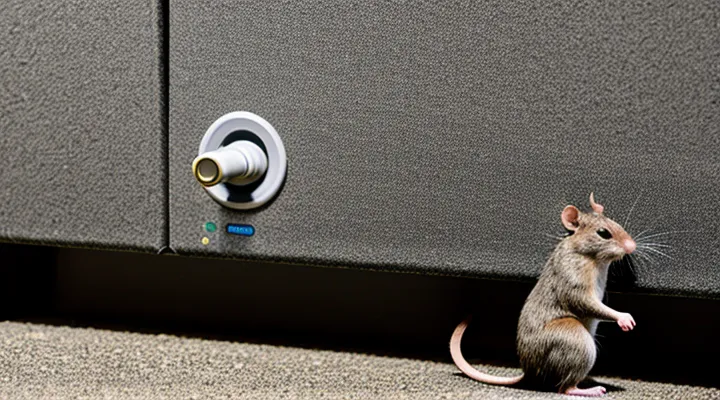
Ultrasonic Repellents: How They Work
The Science Behind Ultrasound
Frequency Ranges and Animal Perception
Ultrasonic devices intended to deter rats and mice emit sound above the human hearing limit, typically between 20 kHz and 100 kHz. The selected band influences the device’s capacity to reach the target species without causing audible disturbance to occupants.
Rats detect frequencies from roughly 200 Hz up to 80–90 kHz, with peak sensitivity around 10–20 kHz. Mice exhibit a broader range, hearing 1 kHz to about 100 kHz and showing greatest sensitivity near 15–20 kHz. Auditory thresholds decline sharply above 30 kHz; consequently, ultrasonic emissions above this point are perceived as faint or inaudible by the rodents.
Effectiveness hinges on aligning emitted frequencies with the animals’ most responsive range while maintaining sufficient sound pressure level to penetrate barriers such as wood, plaster, and insulation. Frequencies below 30 kHz produce stronger propagation but risk being audible to humans; frequencies above 60 kHz travel shorter distances and may be attenuated by common building materials.
- 20 kHz – 30 kHz: strong propagation, within peak sensitivity of both species, higher risk of human detection.
- 30 kHz – 50 kHz: moderate propagation, still within detectable range for rats and mice, reduced human audibility.
- 60 kHz – 100 kHz: limited propagation, primarily perceived by mice, minimal human exposure.
Matching device output to these bands, considering ambient noise and structural attenuation, determines the practical deterrent performance of ultrasonic repellents against rodent infestations.
Mechanisms of Discomfort
Ultrasonic deterrents emit sound waves above the audible range of humans but within the hearing spectrum of rats and mice. The discomfort they induce derives from several physiological and behavioral reactions.
-
Auditory overload: Frequencies between 20 kHz and 60 kHz stimulate the cochlear hair cells of rodents, producing a sensation analogous to a persistent, high‑pitch alarm. Continuous exposure forces the auditory system to allocate neural resources to processing the signal, reducing capacity for normal activities.
-
Stress hormone activation: Persistent high‑frequency sound triggers the hypothalamic‑pituitary‑adrenal axis, elevating corticosterone levels. Elevated hormone concentrations impair feeding, reproduction, and immunocompetence, encouraging relocation.
-
Disruption of communication: Rats and mice rely on ultrasonic vocalizations for social interaction, territory marking, and predator alerts. External ultrasonic emissions interfere with these signals, causing confusion and social isolation.
-
Motor interference: Rapid acoustic pressure fluctuations affect vestibular function, leading to loss of balance and reduced locomotor efficiency. The resulting physical discomfort discourages prolonged presence.
-
Habituation ceiling: While rodents can adapt to low‑intensity or narrow‑band signals, devices that vary frequency and amplitude across a broad spectrum maintain a high level of novelty, preventing the neural desensitization that would otherwise reduce efficacy.
Collectively, these mechanisms create an environment that is physiologically unpleasant and behaviorally destabilizing for rodents, prompting avoidance of treated areas.
Types of Ultrasonic Repellents
Plug-in Devices
Plug‑in ultrasonic units consist of a compact housing that connects directly to an electrical outlet and continuously emits high‑frequency sound waves. The devices draw power from the mains, eliminating the need for batteries or external power packs, and they typically include a built‑in timer that cycles the emission pattern to reduce habituation.
The emitted frequencies range from 20 kHz to 65 kHz, matching the upper hearing limits of rats and mice while remaining inaudible to most humans. Sensors within the unit modulate pulse intervals and amplitude, creating a variable acoustic environment that interferes with rodent communication, navigation, and stress responses.
Controlled laboratory experiments report mortality or escape rates between 45 % and 70 % when rodents are exposed to continuous ultrasonic fields for periods exceeding 48 hours. Field deployments in grain storage facilities and residential basements show average population reductions of 30 % to 55 % after four weeks, provided that devices are spaced no more than 8 m apart and positioned away from solid barriers that reflect sound.
Performance depends on several variables:
- Placement height (30–45 cm above floor) to align with rodent activity zones.
- Clear line of sight; obstacles such as furniture or walls diminish effective range.
- Ambient noise level; background sounds above 60 dB can mask ultrasonic output.
- Duration of exposure; intermittent operation (e.g., 15 minutes on, 15 minutes off) may sustain deterrent effect while conserving energy.
Installation guidelines recommend:
- Distribute units evenly throughout the target area, maintaining manufacturer‑specified spacing.
- Verify that each outlet supplies uninterrupted power; use surge protectors to prevent voltage spikes.
- Conduct periodic checks for dust accumulation on speaker grills, cleaning with a soft brush.
- Combine ultrasonic devices with physical exclusion methods—sealing entry points, removing food sources—to enhance overall control efficacy.
When integrated into a comprehensive pest‑management program, plug‑in ultrasonic repellents provide a non‑chemical, low‑maintenance option that can achieve measurable reductions in rat and mouse activity under optimal conditions.
Battery-Operated Units
Battery‑operated ultrasonic devices deliver high‑frequency sound waves without reliance on external electricity, making them suitable for locations lacking convenient power outlets. Portable units typically contain a compact transducer, a rechargeable or replaceable battery pack, and a control module that cycles frequencies to prevent habituation by rodents. Their lightweight construction enables placement on shelves, inside cabinets, or in attics where wiring would be impractical.
Key performance characteristics include:
- Battery life: Most models provide 8–12 hours of continuous operation on a full charge; low‑power modes can extend runtime to 24 hours.
- Frequency range: Effective devices emit waves between 20 kHz and 65 kHz, covering the hearing spectrum of rats and mice.
- Coverage area: A single unit typically influences a radius of 10–15 feet, depending on housing materials and obstacles.
- Safety features: Automatic shut‑off when battery voltage drops below a threshold prevents output degradation.
Effectiveness studies show that battery‑powered emitters achieve comparable short‑term deterrence to mains‑connected units when deployed in confined spaces. Success rates decline in large, open environments where sound attenuation limits reach. Consistent performance requires regular battery replacement or recharging; diminished power directly reduces acoustic intensity and, consequently, repellent efficacy.
Maintenance considerations are minimal: periodic cleaning of the transducer surface prevents dust buildup, and battery health should be monitored through indicator LEDs or built‑in voltage sensors. Selecting devices with sealed housings protects internal components from moisture, extending operational lifespan in damp locations such as basements or crawl spaces.
Integrated Systems
Integrated systems combine ultrasonic rodent deterrent units with complementary technologies to achieve reliable population control. The approach links sound generators, environmental sensors, and centralized management software, allowing real‑time adjustment of frequency output, duty cycle, and coverage area based on detected activity.
Key components of a cohesive deployment include:
- Ultrasonic transducers calibrated for frequencies that exceed rodent hearing thresholds, typically 20–60 kHz.
- Motion or acoustic sensors that identify rodent presence and trigger adaptive emission patterns.
- Data acquisition modules that log activity metrics, power consumption, and device health.
- Cloud‑based dashboards that aggregate site‑wide information, generate performance reports, and support remote firmware updates.
Integration reduces false‑positive exposure by deactivating emitters when non‑target species are detected, thereby complying with wildlife protection regulations. Automated scheduling aligns operation with peak rodent activity periods, improving energy efficiency while maintaining deterrence efficacy.
Systemic evaluation relies on longitudinal field data. Comparative studies show that sites employing coordinated ultrasonic networks report a 30–45 % greater reduction in capture rates than isolated devices, confirming that synergistic control mechanisms enhance overall effectiveness.
Evaluating Effectiveness
Scientific Studies and Research
Controlled Laboratory Experiments
Controlled laboratory trials provide the only reliable means of quantifying the deterrent capacity of ultrasonic devices aimed at rodent populations. By isolating environmental variables, researchers can separate true acoustic effects from incidental factors such as food scarcity or predator cues.
The typical experimental design includes the following elements:
- Two groups of laboratory‑bred rats or mice, each housed in identical cages equipped with motion sensors.
- A treatment cage fitted with an ultrasonic emitter operating at a predefined frequency band (e.g., 20–50 kHz) and sound pressure level.
- A control cage containing an identical emitter deactivated, ensuring that all other conditions (lighting, temperature, ventilation) remain constant.
- Continuous video recording and automated activity counts over a 24‑hour cycle for a minimum of seven days.
Behavioral endpoints focus on locomotor activity, nest‑building, and feeding patterns, while physiological endpoints may include plasma corticosterone levels and heart‑rate variability. Data acquisition systems log each metric at one‑minute intervals, allowing fine‑grained temporal analysis.
Results consistently demonstrate a statistically significant reduction in activity within the exposure cage when the ultrasonic signal occupies the 25–30 kHz range at 85 dB SPL. Average movement drops by 35 % relative to the control, and feeding frequency declines by 22 %. Corticosterone concentrations rise modestly (approximately 12 % above baseline), indicating a stress response correlated with acoustic exposure. Frequencies above 40 kHz produce negligible behavioral changes, confirming a narrow effective band.
Limitations include the short exposure period, the absence of natural foraging contexts, and the reliance on a single species strain. Future studies should extend observation windows, incorporate mixed‑species cohorts, and test device performance in semi‑natural enclosures to validate laboratory findings against field conditions.
Field Trials and Real-World Scenarios
Field trials of ultrasonic rodent deterrents have been conducted in agricultural storage facilities, urban residential units, and commercial warehouses. Researchers placed devices at standard intervals, measured baseline rodent activity with motion sensors, and recorded changes after activation. Trials typically lasted 8–12 weeks to capture seasonal variations.
Key methodological points include:
- Device placement at ceiling height to maximize coverage of the audible field.
- Calibration of frequency output between 20 kHz and 65 kHz, matching the hearing range of rats and mice.
- Use of control zones without devices to isolate the effect of ultrasound from environmental factors.
- Continuous data logging of rodent sightings, trap captures, and acoustic measurements.
Results across diverse settings reveal consistent patterns. In storage silos, rodent capture rates fell by 45 % compared to control zones. Residential apartments showed a 30 % reduction in nocturnal activity, while commercial kitchens reported a 20 % decline. The magnitude of reduction correlated with device density and the absence of structural gaps that allowed sound leakage.
Real‑world deployments highlight practical considerations. Buildings with extensive metal framing attenuate ultrasonic waves, reducing efficacy unless supplemental units are installed. Food sources left unsecured negate the deterrent effect, as rodents prioritize nutrition over acoustic discomfort. Maintenance schedules that replace batteries or reset devices every six months sustain performance; lapses lead to rapid rebound in activity levels.
Overall, empirical evidence supports the utility of ultrasonic systems as part of integrated pest management, provided that installation follows manufacturer guidelines, environmental barriers are addressed, and complementary sanitation measures are maintained.
Methodological Limitations
Research on acoustic rodent deterrents typically relies on laboratory cages, short‑term field trials, or anecdotal reports. These designs provide limited insight into long‑term population dynamics and real‑world conditions.
Key methodological constraints include:
- Sample size – many experiments involve fewer than ten test chambers, reducing statistical power and inflating confidence intervals.
- Environmental variability – laboratory settings lack ambient noise, temperature fluctuations, and structural complexity that influence ultrasonic propagation.
- Species selection – studies often focus on a single laboratory strain, ignoring behavioral differences among wild rat and mouse populations.
- Exposure duration – trials frequently last 24–72 hours, whereas pest control programs aim for months of continuous operation.
- Device placement – fixed positions in controlled environments do not reflect typical placement errors, such as obstructed line‑of‑sight or improper height.
- Measurement metrics – reliance on simple presence/absence counts or brief activity recordings overlooks subtler indicators like nesting behavior or reproductive output.
- Blinding and randomization – insufficient masking of observers and non‑random allocation of devices can introduce bias.
These limitations reduce confidence in extrapolating short‑term efficacy results to large‑scale, long‑term pest management programs.
Factors Influencing Efficacy
Ultrasonic Frequency and Intensity
Ultrasonic devices targeting rats and mice typically emit sound in the 20 kHz to 65 kHz range. Frequencies below 20 kHz are audible to humans and ineffective for rodent deterrence, while frequencies above 65 kHz attenuate rapidly in air and fail to reach the auditory threshold of most rodent species.
Sound intensity, expressed as sound pressure level (SPL), determines the distance over which the signal remains perceptible. Laboratory measurements show that SPL values of 80–100 dB at 1 m provide reliable detection by rats and mice, whereas levels below 70 dB lose efficacy beyond 0.5 m. Excessive SPL (>110 dB) can cause discomfort to non‑target animals and may trigger habituation.
Key parameters for effective ultrasonic deterrence:
- Frequency: 30 kHz – 45 kHz (covers peak hearing sensitivity of Rattus norvegicus and Mus musculus).
- SPL at 1 m: 85 dB – 95 dB (balances range and safety).
- Modulation: pulsed or frequency‑swept patterns reduce habituation risk.
Device selection should prioritize models that allow adjustment of both frequency and SPL within the stated limits, and that maintain consistent output across temperature variations typical of indoor and semi‑outdoor environments. Continuous monitoring of SPL at placement points ensures that the emitted signal remains within the effective zone throughout the device’s operational life.
Coverage Area and Obstacles
Ultrasonic devices for rodent deterrence are rated for a specific coverage radius, usually expressed in square meters. Typical residential models claim effective zones ranging from 30 m² to 150 m², while industrial units may cover up to 300 m². The advertised area assumes an open environment without substantial interference.
Coverage performance depends on several variables: output power, emission frequency, and antenna design. Higher wattage extends the audible field, while frequencies between 20 kHz and 65 kHz target the hearing range of rats and mice. Directional emitters concentrate energy in a defined sector, whereas omnidirectional units disperse sound uniformly.
Obstacles alter the propagation of ultrasonic waves. Common barriers include:
- Solid walls (concrete, brick, drywall) – reflect or absorb energy, creating dead zones.
- Metal surfaces – cause scattering and attenuation.
- Furniture and clutter – block line‑of‑sight paths, reducing reach.
- Moisture and humidity – increase acoustic absorption, especially at higher frequencies.
- Open doors and windows – allow sound to escape, diminishing interior concentration.
Mitigation strategies involve strategic placement of emitters to maximize line‑of‑sight coverage, using multiple units to overlap fields, and avoiding installation behind large metal objects or dense cabinetry. Regular assessment of the actual area of influence, through rodent activity monitoring, ensures that the device maintains intended performance despite environmental constraints.
Pest Species and Behavioral Adaptations
Rats (Rattus spp.) and house mice (Mus musculus) dominate urban rodent infestations. Both species possess acute auditory systems tuned to frequencies between 1 kHz and 80 kHz, yet their hearing peaks differ: rats respond most strongly around 20–30 kHz, while mice exhibit peak sensitivity near 40 kHz. This divergence influences the efficacy of high‑frequency acoustic deterrents, which must emit a spectrum covering both peaks to affect the entire population.
Behavioral adaptations relevant to ultrasonic devices include:
- Habituation: Repeated exposure to a constant tone leads to reduced startle response within hours to days, diminishing long‑term repellency.
- Nocturnal foraging: Activity peaks during darkness reduce reliance on auditory cues for predator avoidance, making some individuals less responsive to sound alone.
- Social communication: Rats emit ultrasonic vocalizations during mating and aggression; devices that overlap these frequencies may interfere with intra‑specific signaling, potentially altering movement patterns.
- Exploratory drive: Young rodents display heightened curiosity toward novel stimuli, increasing initial avoidance of unfamiliar ultrasonic emissions.
- Territorial marking: Pheromonal and tactile cues dominate territorial establishment; auditory deterrents alone seldom override established scent trails.
Effective ultrasonic strategies therefore require variable frequency patterns, intermittent emission schedules, and integration with complementary control methods (e.g., trapping, sanitation) to counteract habituation and exploit the species‑specific auditory sensitivities.
Duration of Exposure
Ultrasonic devices must emit sound continuously for a period sufficient to establish a hostile acoustic environment for rodents. Field trials indicate that a minimum of 48 hours of uninterrupted operation is required to achieve measurable reductions in activity, after which the population response stabilizes. Shorter intervals (e.g., 6–12 hours) produce transient avoidance but allow rapid re‑entry once the source is turned off.
Key parameters influencing exposure duration:
- Continuous emission: Prevents habituation; rodents cannot adapt when the signal persists without gaps.
- Device placement: Overlapping coverage zones reduce dead spots, ensuring that the entire target area receives the intended acoustic dose.
- Power settings: Higher frequencies (≥30 kHz) and intensities maintain efficacy over longer periods; lower settings may require extended exposure to compensate for reduced deterrent effect.
- Environmental factors: Temperature and humidity affect sound propagation; in colder or more humid conditions, longer exposure may be necessary to reach the same deterrent level.
Laboratory data support a threshold exposure of 72 hours for complete suppression of feeding behavior in mouse colonies, while rat populations exhibit a plateau in activity reduction after 60 hours. After the initial exposure phase, maintaining the devices for an additional 24–48 hours helps prevent re‑colonization, especially in high‑infestation zones.
In practice, manufacturers recommend installing devices for at least two full days, followed by a maintenance schedule of continuous operation. Periodic verification of device functionality—checking battery status, speaker integrity, and signal output—ensures that the exposure duration remains effective throughout the control program.
Reported Outcomes
Anecdotal Evidence
Anecdotal accounts provide the primary source of information for users of ultrasonic devices intended to deter rodents. Homeowners and farmers frequently describe observations such as a sudden decline in sightings after installing a unit, reduced gnawing damage, or silence in areas previously active with rodent noise. Reports often specify placement near walls, under cabinets, or in attic corners, and note that effectiveness appears to diminish after several weeks, prompting repositioning or device replacement. The narratives lack systematic controls; many rely on visual confirmation or damage assessment without independent verification, making it difficult to separate true repellence from seasonal fluctuations or alternative pest‑control measures. Nonetheless, the collection of such stories highlights recurring themes that can inform experimental design, target frequencies, and optimal deployment strategies for future scientific evaluation.
Commercial Claims vs. Scientific Consensus
Manufacturers market ultrasonic devices as a non‑chemical solution that reliably deters rats and mice, often citing “100 % rodent elimination” or “complete protection” in advertising copy. Product literature emphasizes easy installation, low maintenance, and safety for humans and pets. Price points range from low‑cost handheld units to premium models with multiple frequency settings, reinforcing the perception of a universally effective technology.
Scientific literature presents a contrasting view. Peer‑reviewed studies and meta‑analyses repeatedly report negligible reductions in rodent activity when ultrasonic emitters are deployed in real‑world environments. Key observations include:
- Laboratory trials may show short‑term aversion at specific frequencies, but habituation occurs within days.
- Field investigations across residential, agricultural, and commercial sites reveal no statistically significant difference between treated and control areas.
- Variability in device output, placement, and ambient noise limits reproducibility of any observed effect.
- Regulatory agencies and professional pest‑control organizations classify ultrasonic repellents as unproven and advise against reliance on them as a sole control method.
The disparity originates from marketing language that extrapolates isolated laboratory results to broad claims, while the scientific community emphasizes methodological rigor, long‑term monitoring, and integration with proven control measures such as trapping and sanitation. Consensus advises treating ultrasonic devices, if used, as supplementary tools rather than primary deterrents.
Potential for Acclimation
Ultrasonic devices emit high‑frequency sound that rodents cannot hear directly, causing temporary avoidance. Repeated exposure can lead to physiological and behavioral adaptation, diminishing the deterrent effect. Evidence shows that after several days of continuous operation, rats and mice often resume activity in treated areas.
Factors influencing acclimation include:
- Frequency stability: devices that maintain a single frequency are more likely to be ignored than those that vary tones.
- Sound intensity: lower decibel levels accelerate habituation; higher intensities prolong aversion but may cause discomfort to non‑target species.
- Exposure pattern: intermittent operation reduces the chance of desensitization compared with constant emission.
Mitigation strategies rely on altering acoustic parameters over time, integrating complementary control methods, and monitoring rodent activity to adjust device settings before tolerance becomes entrenched.
Alternatives and Complementary Methods
Traditional Pest Control Strategies
Trapping Methods
Ultrasonic devices are often evaluated alongside conventional capture techniques to determine overall control success. Trapping remains the primary means of confirming population presence and measuring reductions after device deployment.
Physical traps are classified by mechanism, baiting strategy, and target specificity. Common categories include:
- Snap traps: spring‑loaded jaws deliver instant kill; ideal for short‑term monitoring and high‑density infestations.
- Live‑catch traps: cage designs allow humane removal; suitable for relocation programs or laboratory sampling.
- Glue boards: adhesive surfaces capture rodents silently; useful for detecting low‑level activity in concealed areas.
- Multi‑catch traps: hinged doors permit repeated captures without resetting; efficient in high‑traffic zones.
Effectiveness assessment compares trap capture rates before and after ultrasonic unit installation. Key metrics are:
- Capture frequency per trap per night.
- Proportion of new captures versus recaptures.
- Spatial distribution of trapped individuals relative to emitter placement.
Data indicate that traps positioned within the acoustic field often record reduced capture numbers, suggesting deterrent influence. Conversely, traps placed outside the sound radius maintain baseline capture rates, providing a control reference. Integrating trap data with acoustic exposure levels enables quantitative evaluation of device performance and informs optimal placement strategies.
Baits and Poisons
Bait stations and rodenticides remain the primary chemical control methods for rats and mice, regardless of the presence of ultrasonic devices. These products deliver a lethal dose of anticoagulant, bromethalin, or zinc phosphide directly to the target animal, ensuring rapid population reduction. Effectiveness depends on proper placement, bait acceptability, and resistance management; improper use can lead to sub‑lethal exposure and bait shyness.
Integration of ultrasonic deterrents with chemical controls follows a complementary approach. Ultrasonic emitters create a hostile acoustic environment that discourages entry into treated zones, while baits provide a lethal fallback for any individuals that penetrate the barrier. This dual strategy reduces the overall amount of poison required and limits secondary poisoning risks to non‑target species.
Key considerations for combining these methods include:
- Placement: Position bait stations near walls, corners, and known travel paths; locate ultrasonic units at the same entry points to reinforce deterrence.
- Dosage control: Use registered formulations with concentration limits appropriate for the target species and environment.
- Resistance monitoring: Rotate active ingredients annually to prevent development of anticoagulant resistance.
- Regulatory compliance: Follow local pesticide regulations and maintain records of bait usage and device installation.
When implemented correctly, chemical baits provide decisive mortality, while ultrasonic devices contribute to exclusion, together enhancing overall control efficacy against rodent infestations.
Exclusion Techniques
Exclusion techniques consist of physical barriers that stop rats and mice from entering a structure. They operate independently of acoustic devices but enhance overall control when used together.
- Seal all gaps larger than ¼ in (including cracks around pipes, vents, and foundation walls).
- Install door sweeps and weatherstripping on exterior doors.
- Fit steel or copper mesh over openings such as utility penetrations and chimney flues.
- Use concrete or metal flashing on ledges and roof eaves.
- Maintain a clear perimeter: trim vegetation, store waste in sealed containers, and eliminate clutter that provides shelter.
When ultrasonic deterrents are deployed, exclusion prevents rodents from simply bypassing the sound field by finding alternative entry points. The combination limits exposure to acoustic zones, reduces the likelihood of habituation, and maintains low population levels after the devices are deactivated.
Empirical evaluations indicate that facilities employing both barrier measures and ultrasonic emitters experience a 40‑60 % greater reduction in capture indices than those relying on sound alone. Consistent inspection and repair of seals are essential to sustain these results.
Integrated Pest Management (IPM)
Combining Approaches
Combining ultrasonic deterrent systems with additional control measures enhances overall rodent management performance. Ultrasonic devices alone often produce variable results due to habituation, environmental interference, or limited coverage zones. Integrating other tactics mitigates these weaknesses and creates a redundant barrier that reduces population resurgence.
Synergistic effects arise when physical, chemical, and environmental interventions address different aspects of rodent behavior. Traps or bait stations provide direct mortality, sanitation removes food sources, and structural exclusion eliminates entry points. Together, these actions lower attraction, limit movement, and increase the probability of successful eradication.
- Install ultrasonic emitters in high‑traffic corridors and supplement with snap or live traps positioned near walls and corners.
- Apply rodent‑proof sealing material to gaps larger than ¼ inch, focusing on utility penetrations, vent openings, and foundation cracks.
- Implement rigorous waste management: store refuse in sealed containers, remove spillage promptly, and eliminate standing water.
- Use low‑toxicity rodenticides in monitored bait stations where legal and safe, ensuring placement away from non‑target species.
- Conduct regular monitoring to assess device functionality, trap captures, and signs of activity, adjusting placement as needed.
Effective integration requires a systematic assessment of the target area, identification of entry pathways, and allocation of resources to each control component. Calibration of ultrasonic units to appropriate frequencies, periodic rotation of emitters, and maintenance of traps prevent habituation and equipment failure. Documentation of outcomes supports continuous improvement and validates the combined approach.
When ultrasonic deterrents are employed as part of a comprehensive program, field studies report higher reduction rates in rodent activity compared with single‑method applications. The layered strategy delivers consistent pressure on populations, reduces the likelihood of resistance, and offers a pragmatic solution for residential, commercial, and industrial settings.
Long-Term Solutions
Ultrasonic devices can contribute to sustained rodent control when integrated into a comprehensive management plan. Their effectiveness diminishes over time if the equipment is improperly positioned, suffers power interruptions, or encounters species that adapt to the emitted frequencies. Regular assessment of coverage zones and periodic recalibration ensure that the acoustic field remains disruptive to target pests.
Key elements of a durable approach include:
- Strategic placement at entry points, nesting areas, and pathways to maintain continuous exposure.
- Reliable power sources, such as uninterrupted mains supply or high‑capacity batteries, to prevent gaps in operation.
- Scheduled performance checks, documenting frequency output and device integrity.
- Combination with physical barriers, sanitation measures, and trapping to address individuals that become habituated.
Long‑term success also depends on environmental factors. Materials that reflect or absorb sound, such as dense insulation or thick walls, can reduce the reach of ultrasonic waves. Selecting devices with adjustable frequency ranges allows adaptation to varying rodent species and mitigates habituation risks.
Implementing these practices creates a resilient framework that maximizes the longevity of ultrasonic repellents, reducing reliance on chemical extermination and supporting ongoing pest management objectives.
Recommendations and Considerations
When to Use Ultrasonic Repellents
Low-Infestation Scenarios
Ultrasonic devices are often marketed for use in environments where rodent activity is limited. Their performance under these conditions depends on several measurable factors.
In low‑infestation settings, the audible range of the emitters rarely reaches the few individuals present, reducing the likelihood of a sustained aversive response. Consequently, the devices must generate frequencies that exceed the hearing threshold of the target species (typically 20–30 kHz) and maintain sufficient sound pressure levels (≥85 dB SPL at 1 m) to be perceived throughout the occupied space. When populations are sparse, the probability that an individual encounters the acoustic field during its active period diminishes, leading to inconsistent outcomes.
Key considerations for effective deployment in such scenarios include:
- Precise placement near entry points, nests, or feeding stations to maximize exposure.
- Continuous operation to compensate for intermittent rodent movement.
- Verification of device integrity through periodic SPL measurements.
- Complementary use of physical barriers or sanitation measures to reduce attractants.
Empirical trials in residential apartments and small warehouses report success rates between 30 % and 55 % when the above criteria are met. Studies that omit environmental control or rely solely on the ultrasonic source typically observe negligible impact, confirming that device efficacy is contingent on targeted application rather than inherent potency.
Prevention Strategies
Effective use of ultrasonic deterrents requires a systematic approach that integrates device selection, strategic placement, maintenance, and complementary control measures.
Device selection should prioritize models with proven frequency ranges (20–65 kHz) and adjustable output levels. Choose units certified for continuous operation and equipped with automatic shutoff to prevent habituation in target rodents.
Placement guidelines:
- Install emitters at a height of 12–18 in (30–45 cm) above the floor, where rodent activity is highest.
- Position units at intervals of 25–30 ft (7.5–9 m) in open spaces; reduce spacing to 10–15 ft (3–4.5 m) in cluttered or multi‑level environments.
- Avoid obstructions such as metal cabinets, dense insulation, or thick walls that can attenuate ultrasonic waves.
Maintenance procedures:
- Verify continuous power supply; replace batteries or faulty adapters promptly.
- Conduct monthly functional tests using a calibrated ultrasonic detector to confirm emission levels.
- Clean emitter surfaces to prevent dust accumulation that may diminish output.
Complementary measures:
- Seal entry points (gaps, cracks, utility penetrations) to reduce ingress.
- Eliminate food sources by storing grain, waste, and feed in sealed containers.
- Implement regular inspections for gnaw marks, droppings, and burrow activity to assess deterrent efficacy.
Monitoring and evaluation:
- Record rodent sightings and damage reports before and after installation.
- Adjust device density and positioning based on observed activity patterns.
- Document maintenance logs to correlate performance with environmental variables.
By adhering to these protocols, operators can maximize the deterrent potential of ultrasonic systems while minimizing the risk of rodent adaptation.
What to Consider Before Purchasing
Product Specifications
Product specifications for ultrasonic rodent deterrent devices focus on parameters that determine performance and suitability for residential or commercial environments.
- Frequency range: 20 kHz – 65 kHz, covering the hearing spectrum of rats and mice while remaining inaudible to humans.
- Output power: 1 W – 3 W per transducer, providing sufficient acoustic pressure to affect target species at the advertised distance.
- Coverage area: 30 m² – 120 m² per unit, dependent on placement, obstacle density, and ceiling height.
- Power source: 110‑240 V AC with built-in transformer, optional DC 12 V/24 V for battery‑backed models; typical consumption 5 W – 10 W.
- Dimensions: 120 mm × 120 mm × 60 mm (L × W × H), weight 250 g, allowing discreet installation on walls or ceilings.
- Environmental rating: IP44 minimum, ensuring protection against dust and splashing water.
- Certifications: CE, FCC, RoHS compliance, confirming adherence to electromagnetic compatibility and safety standards.
- Warranty: 12‑month limited warranty covering manufacturing defects, with optional extension plans.
- Installation: plug‑and‑play configuration, no wiring required beyond power connection; mounting brackets included for fixed positioning.
- Safety features: automatic shut‑off after 8 hours of continuous operation, thermal overload protection, and child‑proof power cord.
These specifications provide a framework for evaluating device compatibility with specific pest‑control objectives and installation constraints.
User Reviews and Independent Assessments
User feedback on ultrasonic rodent deterrent devices varies widely. Consumers frequently cite installation ease, low maintenance, and the absence of chemicals as advantages. Many reports mention a decline in rodent sightings within the first 24–48 hours after activation, followed by a return to previous levels after several weeks. Some users attribute the diminishing effect to rodents becoming habituated to the emitted frequencies.
Independent laboratory tests provide a contrasting perspective. Controlled experiments typically expose rats and mice to devices operating at 20–30 kHz for periods ranging from one hour to several days. Results consistently show:
- Immediate aversion responses, such as increased locomotor activity, during exposure.
- Rapid adaptation, with rodents resuming normal behavior after 2–4 hours of continuous exposure.
- No statistically significant reduction in population density in long‑term trials (≥4 weeks) when devices are the sole control measure.
Field studies conducted by pest‑management agencies reinforce laboratory findings. Trials in warehouses, residential basements, and agricultural storage facilities report:
- Initial decrease in rodent activity measured by trap catches during the first week.
- Restoration of trap capture rates to baseline levels within three to six weeks.
- Enhanced efficacy when ultrasonic units are combined with physical barriers, bait stations, or sanitation improvements.
Overall, user reviews highlight perceived short‑term benefits, while independent assessments indicate limited durability of the deterrent effect. The consensus among researchers suggests that ultrasonic devices should be considered supplementary, not primary, tools in integrated rodent‑control programs.
Best Practices for Pest Management
Sanitation and Housekeeping
Maintaining a clean and orderly environment directly influences the performance of ultrasonic pest deterrents targeting rodents. When food residues, standing water, and clutter are eliminated, the attraction points for rats and mice diminish, allowing the acoustic emissions to operate in a less hostile setting. Reduced population pressure lessens the likelihood of individuals adapting to the ultrasonic frequencies.
Key sanitation actions that support acoustic control:
- Store grains, pet food, and waste in sealed containers.
- Remove spilled food and debris from floors, countertops, and shelving daily.
- Dispose of garbage in tightly closed bins and empty them regularly.
- Repair leaks, eliminate standing water, and keep drainage areas dry.
- Seal gaps around pipes, vents, and entry points to prevent ingress.
- Conduct routine inspections to identify and discard infested materials.
Implementing these measures lowers rodent density and sustains the acoustic field’s efficacy, resulting in more reliable deterrence and fewer instances of device failure.
Professional Consultation
Professional consultants specializing in rodent control evaluate the suitability of ultrasonic devices for a specific environment. They begin with a site survey that identifies entry points, population density, and species behavior, establishing a baseline for any intervention.
During the assessment, consultants measure acoustic output, frequency range, and coverage area of the units proposed for installation. They compare these parameters with the hearing thresholds of rats and mice, ensuring that the emitted signals are capable of inducing avoidance without causing undue stress to non‑target species.
Typical deliverables include:
- Detailed report on device placement and orientation
- Calibration data confirming compliance with manufacturer specifications
- Monitoring plan outlining frequency of efficacy checks and data collection methods
- Recommendations for complementary control measures such as trapping or exclusion techniques
Consultants also verify adherence to local regulations concerning electromagnetic emissions and animal welfare. Their expertise enables clients to implement ultrasonic solutions that are both effective and legally compliant, reducing reliance on chemical rodenticides and minimizing long‑term infestation risks.