
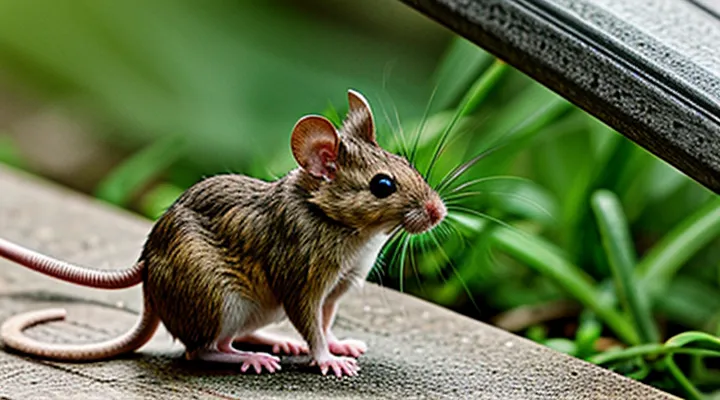
Understanding Mouse Classification
Mouse classification organizes the vast diversity of rodents into coherent groups, facilitating identification, research, and care. The system relies on taxonomy, morphology, and functional use.
Taxonomic hierarchy places mice within the family Muridae, genus Mus and related genera. Species such as the common house mouse (Mus musculus), the field mouse (Apodemus sylvaticus), and the deer mouse (Peromyscus maniculatus) represent distinct lineages. Each species exhibits unique genetic markers, chromosome counts, and geographic distribution.
Morphological criteria separate mice by size, fur coloration, tail length, and ear shape. For example:
- Small-bodied, short-tailed forms typical of laboratory strains.
- Larger, long-tailed specimens common in wild field populations.
- Color variants including albino, agouti, and coat-patterned types used in pet breeding.
Functional categories describe the mouse’s primary role:
- Laboratory mice, bred for controlled genetics and experimental reproducibility.
- Pet mice, selected for temperament and aesthetic traits.
- Wild mice, studied for ecological impact and disease vector potential.
Photographic documentation supports classification by providing visual reference points. High‑resolution images capture diagnostic features such as whisker arrangement, dorsal stripe patterns, and ventral coloration. Comparative galleries enable rapid differentiation between closely related species and between domestic strains.
Accurate classification underpins breeding programs, disease research, and conservation efforts. By aligning taxonomic data, physical description, and visual evidence, professionals can reliably assign any specimen to its appropriate group.
Common Mouse Types
Domesticated Mice
House Mouse («Mus musculus»)
The house mouse, Mus musculus, belongs to the order Rodentia, family Muridae. It is a small mammalian species that has been domesticated and widely studied in laboratory settings.
Adult individuals measure 7–10 cm in head‑body length, with tails of comparable length. Fur coloration ranges from gray‑brown to light tan, often with a paler underside. Ears are large relative to skull size, and whiskers extend well beyond the muzzle, providing tactile feedback.
Geographically, the species occupies a cosmopolitan range, inhabiting temperate and subtropical regions across all continents except Antarctica. It thrives in human‑altered environments such as homes, agricultural buildings, and warehouses, where shelter and food are abundant.
Diet consists primarily of grains, seeds, and plant material, supplemented by insects and occasional carrion. The mouse exhibits opportunistic foraging behavior, capable of exploiting diverse food sources.
Reproductive cycles are rapid: females reach sexual maturity at 5–6 weeks, produce litters of 4–8 pups after a gestation period of 19–21 days, and can breed year‑round under favorable conditions. This high fecundity contributes to population growth in suitable habitats.
Identification of Mus musculus can be summarized in a concise list:
- Head‑body length 7–10 cm; tail length equal to or slightly longer than body.
- Fur color: gray‑brown dorsal surface, lighter ventral side.
- Large, hairless ears; prominent whiskers.
- Small, pointed snout; sharp incisor teeth visible when mouth is open.
- Tail naked or sparsely haired, tapering to a point.
Photographic documentation typically highlights the mouse’s slender profile, contrasting dorsal fur against the lighter belly, and emphasizes the proportionally long tail and prominent ears. Such visual cues aid in distinguishing the house mouse from related rodent species.
Fancy Mouse («Mus musculus domestica»)
The fancy mouse, scientifically known as Mus musculus domestica, represents a domesticated subspecies of the common house mouse that has been selectively bred for distinctive coat colors, patterns, and temperament. Its phenotypic variation includes albino, black, brown, and piebald individuals, each displaying a smooth, glossy fur that distinguishes the breed from wild counterparts. Morphologically, the animal retains the typical murine body plan—small, agile, with a head‑to‑body length of 6–10 cm and a tail of comparable length—while exhibiting a slightly larger cranial capacity linked to enhanced learning ability in captivity.
Behaviorally, the fancy mouse demonstrates reduced aggression and increased sociability, traits that result from generations of controlled breeding. These characteristics make the species a preferred subject for laboratory research, educational programs, and pet ownership. In research settings, M. m. domestica serves as a model for genetics, neurobiology, and pharmacology, providing reproducible data due to its uniform genetic background. In educational contexts, the mouse’s docile nature facilitates hands‑on observation of mammalian development and behavior without the need for extensive handling protocols.
Reproduction follows a rapid cycle: gestation lasts approximately 19–21 days, litter size ranges from 4 to 12 pups, and sexual maturity is reached at 6–8 weeks. This high fecundity supports both scientific colonies and hobbyist breeding programs, allowing for continuous supply of specimens with specific phenotypic traits. Care requirements include a balanced diet of commercial rodent pellets, supplemental seeds, and fresh water, alongside environmental enrichment such as nesting material, tunnels, and climbing structures to promote natural foraging and exploratory behavior.
Photographically, the fancy mouse offers a range of visual subjects. The contrast between light and dark coat variants provides clear differentiation in macro imaging, while the animal’s small size enables detailed close‑up shots of facial whiskers, ear morphology, and tail scales. Proper lighting—soft, diffused illumination—reduces glare on the fur and highlights texture. Backgrounds of neutral gray or muted earth tones enhance color fidelity, and a shallow depth of field isolates the subject, emphasizing anatomical features without distraction.
Overall, Mus musculus domestica combines aesthetic appeal, manageable temperament, and scientific utility, making it a uniquely valuable organism within the broader classification of mouse varieties.
Wild Mouse Types
Deer Mouse («Peromyscus maniculatus»)
The deer mouse (Peromyscus maniculatus) is a common representative among the diverse groups of rodents often cataloged in surveys of mouse species. It belongs to the family Cricetidae, subfamily Neotominae, and is closely related to other North American field mice.
Native to a broad range across North America, the species thrives in habitats ranging from boreal forests and alpine tundra to grasslands and suburban areas. Its adaptability to varied environments contributes to its status as one of the most widely distributed murids on the continent.
Key identification traits include:
- Gray‑brown dorsal fur with a distinct white underbelly
- Large, dark eyes and prominent ears
- Tail length equal to or slightly longer than body length, often tufted at the tip
- Hind feet equipped with five toes, the hallux typically reduced
The deer mouse is primarily nocturnal and omnivorous. Its diet consists of seeds, insects, fruits, and occasional carrion. Seasonal shifts in food availability prompt flexible foraging strategies, while its reproductive cycle can produce several litters per year under favorable conditions.
In scientific research, P. maniculatus serves as a model organism for studies of genetics, disease transmission, and ecological adaptation. High‑resolution photographs commonly accompany field guides to aid identification, illustrating the characteristic coloration pattern and tail morphology described above.
White-footed Mouse («Peromyscus leucopus»)
The white‑footed mouse (Peromyscus leucopus) is a small rodent frequently listed among North American mouse species. Adults measure 10–13 cm in total length, with a tail roughly equal to body length, and weigh 12–25 g. Fur is brownish‑gray on the dorsal side, pale gray on the ventral side, and the feet are characteristically white, giving the species its common name.
Taxonomically, the species belongs to the family Cricetidae, genus Peromyscus. It occupies a broad range extending from southern Canada through the eastern United States to northern Mexico. Preferred habitats include deciduous forests, shrublands, and suburban yards, where dense ground cover provides shelter.
Key ecological traits:
- Diet: Omnivorous; consumes seeds, fruits, insects, and occasional carrion.
- Activity pattern: Primarily nocturnal; forages on the ground and in low vegetation.
- Reproduction: Breeding season spans spring to fall; females produce 2–5 litters per year, each containing 3–6 offspring.
- Predators: Owls, hawks, snakes, and terrestrial carnivores.
- Disease vector: Known reservoir for Lyme disease bacterium (Borrelia burgdorferi) and hantavirus.
Conservation status is listed as Least Concern by the IUCN, reflecting a stable population across its extensive range. Photographic records are abundant in wildlife databases and field guides, illustrating the species’ distinctive white feet, slender tail, and adaptive coloration.
Field Mouse («Apodemus sylvaticus»)
The field mouse, Apodemus sylvaticus, is a common representative among the various mouse species documented in the compilation of rodent types. It exhibits a slender body, reddish‑brown dorsal fur, and a lighter ventral side, with a tail that is slightly longer than the head‑body length and covered in fine hairs.
Habitat preferences include deciduous and mixed woodlands, hedgerows, and cultivated fields. The species thrives in ground litter and dense vegetation, where it constructs shallow nests from grasses and shredded leaves. Its range extends across most of Europe, western Asia, and parts of North Africa, adapting to both temperate and Mediterranean climates.
Key biological traits:
- Adult weight: 15–30 g; head‑body length: 70–100 mm.
- Diet: omnivorous, consuming seeds, insects, and fruit.
- Reproduction: up to five litters per year; each litter contains 4–7 young.
- Activity pattern: primarily nocturnal; displays agile climbing on low vegetation.
- Predators: birds of prey, small carnivorous mammals, and reptiles.
High‑resolution images of Apodemus sylvaticus are available through wildlife photography archives, illustrating distinct facial markings, tail morphology, and typical foraging postures. These visual resources aid identification and support comparative studies within the broader catalog of mouse taxa.
Harvest Mouse («Micromys minutus»)
The harvest mouse (Micromys minutus) represents one of the smallest rodent species found across Europe and parts of Asia. Adult body length typically ranges from 55 mm to 70 mm, with a tail of similar proportion; weight seldom exceeds 6 g. Its fur is reddish‑brown on the back, paler on the sides, and a distinct white underbelly, while the tail displays alternating dark and light bands.
Habitat preferences include tall grasslands, marshes, and reed beds where dense vegetation offers cover and nesting material. Nests are constructed from grasses and sedges, suspended above ground to protect against predators and flooding. Seasonal activity peaks in late spring and early summer, coinciding with abundant seed and insect supplies.
Diet consists mainly of seeds, grains, and small invertebrates. Foraging occurs both on the ground and within low vegetation, with occasional consumption of freshly fallen fruits. The species stores excess food in underground caches during periods of scarcity.
Reproductive characteristics:
- Breeding season: March to October.
- Litter size: 3 – 7 pups.
- Gestation period: approximately 19 days.
- Weaning: around 15 days after birth.
Conservation status is listed as Least Concern by the IUCN, yet populations decline in areas where agricultural intensification reduces suitable grassland habitats. Preservation measures focus on maintaining field margins, wetlands, and low‑intensity farming practices.
Photographic identification relies on the mouse’s diminutive size, proportionally long tail, and characteristic dorsal coloration. High‑resolution images captured at ground level or using macro lenses reveal the fine details of its fur pattern and tail banding, aiding field researchers in distinguishing Micromys minutus from sympatric mouse species.
Spiny Mouse («Acomys»)
The spiny mouse, genus Acomys, belongs to the family Muridae and is distinguished by stiff, hair‑like guard hairs that give the animal a bristly appearance. Unlike typical laboratory mice, Acomys species possess a robust body, large ears, and a tail that may be shorter than the head‑body length. Their dentition reflects an omnivorous diet, and they exhibit nocturnal foraging behavior.
- Taxonomy: Acomys is a separate genus within Muridae; species include A. cahirinus, A. percivali, and A. spinosus.
- Geographic range: Native to arid and semi‑arid regions of Africa and the Middle East, with populations reported from Egypt, Kenya, Ethiopia, and the Arabian Peninsula.
- Habitat: Prefers rocky outcrops, scrubland, and desert margins where shelter can be found under stones or in burrows.
- Physical traits: Adult body length 70–120 mm; weight 15–45 g; dorsal coat of stiff, pigmented spines interspersed with softer fur; hind feet adapted for climbing.
- Reproductive biology: Breeds year‑round in favorable climates; litter size ranges from 2 to 7 pups; gestation period approximately 38 days.
- Regenerative ability: Demonstrates rapid skin regeneration without scarring, a feature of interest to biomedical research.
- Photographic documentation: High‑resolution images available from field surveys and museum collections show dorsal, lateral, and close‑up views of the spiny coat, as well as habitat context.
These characteristics place the spiny mouse among the most distinctive members of the mouse assemblage, offering both ecological relevance and research value.
Wood Mouse («Apodemus sylvaticus»)
The wood mouse (Apodemus sylvaticus) belongs to the family Muridae and is a common rodent throughout Europe and parts of North Africa. It is a small, agile animal with a head‑body length of 70–100 mm and a tail roughly equal in length. The dorsal fur ranges from brown to gray, while the ventral side is pale; large, dark eyes and prominent whiskers aid nocturnal navigation.
Key biological traits include:
- Habitat: Deciduous and mixed woodlands, hedgerows, gardens, and agricultural fields; prefers dense ground cover.
- Diet: Omnivorous; consumes seeds, nuts, fruits, insects, and occasional fungi.
- Reproduction: Breeding season from March to October; up to five litters per year, each containing 4–7 young.
- Activity pattern: Primarily nocturnal; exhibits strong climbing ability and can swim short distances.
- Predators: Owls, foxes, snakes, and mustelids; high reproductive rate compensates for predation pressure.
- Conservation status: Classified as Least Concern by the IUCN due to its wide distribution and abundant populations.
Morphologically, the species is distinguished by a relatively long, hair‑less tail, a sharp, pointed snout, and a distinctive dark stripe extending from the eye to the ear. The skull features a narrow rostrum and well‑developed auditory bullae, adaptations that support acute hearing.
Geographically, the wood mouse occupies most of the British Isles, extends eastward through Central and Eastern Europe, and reaches the Mediterranean basin. In peripheral regions, it inhabits coastal dunes and mountainous zones up to 2,000 m altitude.
Photographic documentation typically shows the mouse perched on low vegetation or captured in a close‑up view that highlights the contrast between its dark dorsal coat and lighter underparts, providing a reliable visual reference for field identification.
Rare and Exotic Mouse Species
African Pygmy Mouse («Mus minutoides»)
The African pygmy mouse (Mus minutoides) ranks among the smallest rodent species, reaching an adult body length of 5–8 cm and a weight of 2–12 g. Its coat is soft, gray‑brown on the dorsal side with a paler ventral surface; ears are proportionally large, and the tail is short, often shorter than the head‑body length.
- Taxonomy: Family Muridae, genus Mus, species minutoides.
- Distribution: Scattered populations across sub‑Saharan Africa, including Kenya, Tanzania, Zambia, and South Africa.
- Habitat: Prefers savanna grasslands, shrublands, and agricultural fields; often found in burrows or under debris.
- Diet: Primarily seeds and insects; opportunistic feeder capable of exploiting seasonal food sources.
- Reproduction: Breeds year‑round in favorable conditions; litters average 3–7 pups with a gestation period of ~21 days.
- Behavior: Highly active, nocturnal; exhibits social tolerance in small groups but maintains individual territories marked by scent.
Conservation assessments list the species as Least Concern due to its wide range and adaptability, though localized habitat loss can affect specific populations. Photographic documentation commonly captures the mouse’s diminutive size against its natural backdrop, highlighting distinguishing features such as the large ears and short tail.
Striped Field Mouse («Apodemus agrarius»)
The striped field mouse (Apodemus agrarius) belongs to the family Muridae, subfamily Murinae. It is a medium‑sized rodent, typically 10–12 cm in body length with a tail of comparable length. Dorsal fur exhibits a distinctive dark longitudinal stripe flanked by lighter brownish‑gray coloration; ventral areas are pale. The species possesses sharp incisors adapted for gnawing and well‑developed hind limbs that facilitate agile movement through grasslands.
Geographically, A. agrarius occupies a broad range across Eurasia, extending from western Europe through Siberia to the Korean Peninsula and northern China. Populations thrive in open habitats such as fields, meadows, riverbanks, and agricultural lands, often seeking cover under low vegetation or stone piles. The mouse constructs shallow burrows or utilizes existing crevices for nesting and shelter.
Key ecological traits include:
- Diet: Omnivorous, consuming seeds, grains, insects, and occasionally small arthropods.
- Activity pattern: Primarily nocturnal; individuals forage at night and retreat to nests before dawn.
- Reproduction: Breeding season spans spring to early autumn; females produce 3–5 litters per year, each comprising 5–7 offspring. Gestation lasts about 21 days, and weaning occurs at three weeks.
- Predators: Subject to predation by birds of prey, foxes, and carnivorous mammals.
The International Union for Conservation of Nature (IUCN) classifies the striped field mouse as Least Concern, reflecting its extensive distribution and adaptability to altered landscapes. Nonetheless, local population declines may arise from intensive agricultural practices and habitat fragmentation.
Photographic records typically illustrate the characteristic dorsal stripe against a muted background, allowing reliable field identification. Images frequently capture the mouse in mid‑grass, emphasizing its slender build and alert posture.
Cactus Mouse («Peromyscus eremicus»)
The cactus mouse (Peromyscus eremicus) belongs to the family Cricetidae and the genus Peromyscus. It inhabits arid and semi‑arid regions of the southwestern United States and northern Mexico, where it occupies desert scrub, rocky slopes, and cactus-dominated vegetation.
Adult individuals measure 10–13 cm in head‑body length, with a tail nearly equal in length. Fur is gray‑brown on the dorsal side, fading to pale gray on the ventral surface; a distinctive dark stripe runs along the spine. Large, dark eyes and elongated whiskers aid navigation in low‑light conditions.
Key ecological traits include:
- Primarily nocturnal activity; forages on the ground and within shrub canopies.
- Omnivorous diet: seeds, green plant material, insects, and occasionally carrion.
- Breeding peaks in spring; litter size averages three to five pups.
- Capable of water conservation; obtains most moisture from food, reducing reliance on free water sources.
The species is classified as “Least Concern” by the IUCN, reflecting a stable population across its range. Threats are limited to habitat alteration from urban expansion and livestock grazing, which can reduce cactus cover and shelter.
Photographic documentation typically shows the mouse perched on a cholla or barrel cactus, emphasizing its adaptation to spiny environments. Images capture the contrast between the animal’s muted coloration and the vibrant green or yellow of desert flora, providing visual confirmation of its habitat preferences.
Distinguishing Features of Different Mouse Types
Size and Body Shape
Mouse varieties exhibit distinct size ranges and body silhouettes, which aid identification and inform care requirements.
- House mouse (Mus musculus) – Adult length 2.5–4 in (6–10 cm); tail roughly equal to body length; slender torso, rounded ears, pointed snout.
- Deer mouse (Peromyscus maniculatus) – Body 3–5 in (7.5–12.5 cm); tail longer than body, often bushy; robust hind limbs, larger eyes, slightly elongated skull.
- Field mouse (Apodemus sylvaticus) – Length 3–4 in (7.5–10 cm); tail shorter than body; compact build, rounded ears, modestly broad head.
- Harvest mouse (Micromys minutus) – Size 1.5–2 in (4–5 cm); tail proportionally long and thin; delicate frame, disproportionately large hind feet, narrow skull.
- African pygmy mouse (Mus minutoides) – Adult length 1.5–2 in (4–5 cm); tail similar to body length; tiny, streamlined body, tiny ears, pointed nose.
- Woodland jumping mouse (Napaeozapus insignis) – Body 4–5 in (10–12.5 cm); tail slightly longer; elongated hind limbs, flattened tail for balance, elongated skull.
- Spiny mouse (Acomys spp.) – Length 4–5 in (10–12.5 cm); tail roughly equal to body; dense fur with spiny tips, stout torso, rounded ears, broad muzzle.
Size and shape differences reflect ecological niches, locomotion styles, and predator avoidance strategies across mouse species.
Fur Color and Texture
Fur color and texture provide reliable criteria for distinguishing mouse species and assessing their adaptations. Each species exhibits a characteristic palette and coat structure that reflects genetic lineage and environmental pressures.
Typical color groups include:
- Uniform brown or gray coats, common in house mouse (Mus musculus).
- Light cream or sandy fur with darker dorsal stripes, typical of the deer mouse (Peromyscus maniculatus).
- Black or dark brown pelage, found in the black mouse (Mus spicilegus).
- White or albino coats, occurring in laboratory strains and occasional wild variants.
Texture categories are equally informative:
- Short, sleek hair that lies flat against the body, reducing friction for burrowing species.
- Medium‑length, fluffy fur that traps air for insulation in high‑altitude or desert dwellers.
- Coarse, bristly guard hairs overlaying a softer undercoat, providing protection against abrasive substrates.
Habitat influences both attributes: rodents inhabiting dense vegetation tend toward longer, denser coats, while those in arid regions develop lighter, finer fur to facilitate heat dissipation. Morphological details of fur therefore assist in field identification and support comparative studies of mouse diversity.
Tail Characteristics
Mouse tails vary markedly among species, providing reliable criteria for identification. Length, fur density, coloration, and structural features differentiate each type.
- House mouse (Mus musculus) – Tail length typically equals body length; surface covered with fine, short hair; coloration ranges from pink to dark brown; tip may be slightly darker.
- Deer mouse (Peromyscus maniculatus) – Tail longer than body, slender, sparsely haired; dorsal side dark brown, ventral side pale, giving a two‑tone appearance.
- White‑footed mouse (Peromyscus leucopus) – Tail similar in length to deer mouse but uniformly covered with sparse fur; dorsal surface dark, ventral side lighter; tip often lighter than the rest.
- Field mouse (Apodemus sylvaticus) – Tail proportionate to body, moderately furred; dorsal side dark brown, ventral side gray‑white; tip may be slightly paler.
- African pygmy mouse (Mus minutoides) – Tail shorter than body, densely furred; overall coloration gray‑brown; tip often indistinguishable from surrounding fur.
Tail morphology also reflects habitat adaptation. Species inhabiting open environments tend to have longer, less furred tails that aid balance, while forest dwellers often possess shorter, more heavily furred tails for thermoregulation. These characteristics, observable in photographs, support accurate classification across the spectrum of mouse varieties.
Ear Size and Shape
Ear morphology provides a reliable characteristic for distinguishing among mouse breeds and species. Size and shape vary consistently enough to serve as a primary visual cue in identification guides.
Common ear configurations include:
- Small, rounded ears – low profile, limited surface area.
- Medium, oval ears – balanced dimensions, slightly pointed tip.
- Large, pointed ears – pronounced length, sharp apex.
- Elongated, funnel‑shaped ears – extended base, wide opening.
Specific mouse types exhibit these patterns:
- House mouse (Mus musculus): medium, oval ears; fur around the pinna is short, allowing clear visibility of the ear margin.
- Deer mouse (Peromyscus maniculatus): large, pointed ears; the tip extends beyond the head silhouette, aiding nocturnal hearing.
- Fancy mouse (domestic varieties): ear size ranges from small, rounded in dwarf strains to medium, oval in standard strains, reflecting selective breeding.
- African pygmy mouse (Mus minutoides): small, rounded ears; proportionally tiny compared to body length, suited for dense underbrush habitats.
- Harvest mouse (Micromys minutus): elongated, funnel‑shaped ears; the extended base enhances sound capture while navigating grass stems.
Photographic records accompany each description, allowing direct visual comparison of ear dimensions and contours. Such images reinforce textual distinctions and support accurate classification without reliance on auxiliary descriptors.
Habitat and Geographical Distribution
Mouse species inhabit a broad spectrum of environments, ranging from arid deserts to dense temperate forests, and their ranges extend across all continents except Antarctica.
- House mouse (Mus musculus) – thrives in human‑occupied structures; distribution worldwide, especially in urban and agricultural areas of Europe, North America, Asia, and Oceania.
- Field mouse (Apodemus sylvaticus) – occupies woodlands, hedgerows, and grasslands; native to Europe and western Asia, introduced to parts of North America.
- Deer mouse (Peromyscus maniculatus) – prefers rocky slopes, shrublands, and coniferous forests; native to North America from Alaska to Mexico.
- White‑footed mouse (Peromyscus leucopus) – found in deciduous forests and wetlands; eastern United States and southeastern Canada.
- African pygmy mouse (Mus minutoides) – inhabits savannas, grasslands, and cultivated fields; widespread throughout sub‑Saharan Africa.
- Australian hopping mouse (Notomys spp.) – adapted to arid and semi‑arid scrublands; endemic to interior regions of Australia.
- Japanese house mouse (Mus musculus molossinus) – lives in coastal forests and agricultural zones; confined to the Japanese archipelago.
Each species demonstrates a distinct combination of ecological preferences and geographic limits, reflecting evolutionary adaptation to local climate, vegetation, and resource availability.
Ecological Roles of Mice
Pest Species
Mice represent a significant group within pest species, affecting residential, agricultural, and commercial environments. Their adaptability, rapid reproduction, and propensity for gnawing make them a common source of structural damage, food contamination, and disease transmission.
Key pest mouse species include:
- House mouse (Mus musculus) – ubiquitous in urban settings, recognizable by a gray‑brown coat and a pointed snout; frequently captured on indoor surveillance images.
- Field mouse (Apodemus sylvaticus) – typically found in rural and semi‑natural habitats, distinguished by a reddish‑brown back and a lighter belly; photographic records often show them near grain stores.
- Deer mouse (Peromyscus maniculatus) – prevalent in North American forests, characterized by large eyes and a bi‑colored tail; images reveal activity around attic insulation.
- Roof rat (Rattus rattus) – although technically a rat, it is often grouped with mice in pest control programs due to similar behaviors; photographs display its sleek black coat and preference for elevated nesting sites.
- Wood mouse (Apodemus flavicollis) – common in wooded areas, identifiable by a distinctive yellowish throat patch; visual documentation usually captures it near outdoor sheds.
Effective management relies on accurate identification, which is facilitated by photographic evidence. High‑resolution images allow professionals to distinguish subtle morphological traits, verify infestation levels, and select targeted control measures. Regular monitoring with visual documentation reduces reliance on anecdotal reports and improves response accuracy.
Food Source for Predators
Mice provide a reliable energy source for a wide range of predatory species. Their high reproductive rate and ubiquitous presence in diverse habitats sustain predator populations, especially during seasonal fluctuations in alternative prey.
Various mouse species support distinct predator groups:
- House mouse (Mus musculus) – targeted by barn owls, domestic cats, and red foxes.
- Deer mouse (Peromyscus maniculatus) – preyed upon by great horned owls, rattlesnakes, and coyotes.
- Field mouse (Apodemus sylvaticus) – consumed by Eurasian eagle‑owls, stoats, and kestrels.
- Woodland jumping mouse (Napaeozapus insignis) – captured by long‑tailed weasels and barred owls.
- Grasshopper mouse (Onychomys spp.) – eaten by spotted skunks and northern harriers.
Predators rely on mouse biomass to meet daily caloric requirements. For instance, an adult barn owl expends roughly 150 kJ per day; a single mouse supplies 30–40 kJ, meaning several captures satisfy the owl’s energy budget. Snake species such as the common garter snake derive up to 60 % of their nutritional intake from mouse consumption during active months.
The abundance of mice directly influences predator reproductive success. Studies show that fox litters increase in size when mouse density rises above a threshold of 15 individuals per hectare. Conversely, declines in mouse populations precede reduced breeding rates in raptor communities.
Overall, mice function as a cornerstone prey item, linking terrestrial food webs from small mammals to apex carnivores. Their role as a food source shapes predator distribution, foraging behavior, and population dynamics across ecosystems.
Seed Dispersal
Seed dispersal is a vital ecological process that moves plant propagules away from the parent, enhancing germination success and genetic diversity. Among mammals, several mouse species act as primary vectors, transporting seeds internally after consumption or externally by caching. Their foraging behavior, habitat range, and morphological adaptations determine the distance and pattern of seed movement.
Key mouse groups contributing to seed dispersal include:
- Woodland house mouse (Apodemus sylvaticus) – gathers nuts and seeds, stores them in shallow pits, often unrecovered, leading to natural planting.
- Deer mouse (Peromyscus maniculatus) – consumes a variety of seeds, excretes viable seeds after digestion, facilitating spread across open fields.
- Andean mouse (Akodon spp.) – caches high‑altitude seeds in mossy microhabitats, promoting colonization of disturbed slopes.
- African pygmy mouse (Mus minutoides) – transports small seeds within burrow systems, increasing seed penetration into soil layers.
- Japanese field mouse (Apodemus argenteus) – hoards seeds near forest edges, contributing to edge‑habitat regeneration.
These species exhibit distinct dispersal strategies: ingestion and defecation, scatter‑hoarding, and larder‑hoarding. The effectiveness of each strategy depends on seed size, coat hardness, and seasonal availability. Understanding the specific roles of mouse taxa improves predictions of plant community dynamics and informs habitat restoration efforts.
Conservation Status of Various Mouse Species
The International Union for Conservation of Nature (IUCN) classifies mouse species according to population trends, habitat integrity, and known threats. Conservation assessments reveal a spectrum of risk levels, from species with stable populations to those facing imminent extinction.
- House mouse (Mus musculus) – Least Concern; worldwide distribution, high adaptability to human environments.
- Deer mouse (Peromyscus maniculatus) – Least Concern; extensive North American range, tolerant of moderate habitat alteration.
- California mouse (Peromyscus californicus) – Near Threatened; restricted to coastal sage scrub, vulnerable to urban development.
- African pygmy mouse (Mus minutoides) – Least Concern; broad savanna and grassland habitats, limited data on localized pressures.
- Asian field mouse (Apodemus agrarius) – Least Concern; occupies agricultural landscapes, subject to pesticide exposure.
- Andean mouse (Thomasomys spp.) – Vulnerable; high‑altitude cloud forests, threatened by deforestation and climate change.
- Borneo pygmy mouse (Mus cervicolor) – Endangered; confined to lowland rainforest, habitat loss from logging and palm oil plantations.
- Kashmir vole (Microtus kirgisorum) – Data Deficient; insufficient surveys, potential risk from grazing and habitat fragmentation.
Species listed as Vulnerable or Endangered share common pressures: habitat destruction, climate variability, and limited geographic ranges. Conservation actions focus on protected area designation, habitat restoration, and monitoring programs to update population data. Effective management requires coordination among governmental agencies, NGOs, and local communities to mitigate identified threats.