
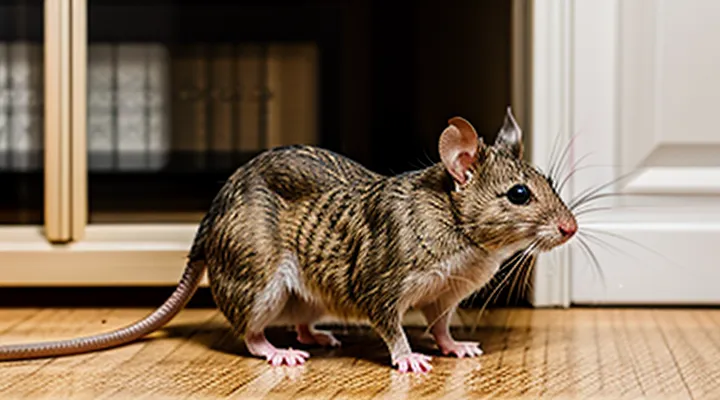
Understanding Domestic Mice
What are Domestic Mice?
History of Domestication
The domestication of mice began thousands of years ago when humans stored grain in silos and barns, providing abundant food and shelter that attracted wild rodents. Over time, people observed individual mice that tolerated close proximity to humans, reproduced readily, and displayed reduced aggression. These traits encouraged the intentional capture and breeding of the most manageable specimens.
During the Middle Ages, European households kept mice primarily for pest control, yet some individuals were retained for their docile behavior, laying the groundwork for selective breeding. The 19th‑century emergence of scientific research laboratories created a demand for standardized mouse strains, prompting systematic breeding programs that emphasized uniform size, coat color, and temperament. These programs produced the first recognized domestic mouse varieties, such as the albino laboratory mouse, which became a benchmark for genetic consistency.
The 20th‑century expansion of pet ownership introduced additional breeding goals: companionship, ease of handling, and aesthetic diversity. Breeders cultivated lines with distinct fur patterns (e.g., "Fancy" mice), varied body sizes, and calmer dispositions, catering to owners seeking specific characteristics. This diversification parallels the broader trend of tailoring animal companions to human preferences.
Key milestones in mouse domestication:
- 3,000 BC: Grain storage attracts wild mice; early human‑mouse interactions documented in ancient Near Eastern records.
- 12th century: European farms note tame mice that coexist with humans, leading to informal selection.
- 1902: First laboratory mouse strain (C57BL/6) established, marking the start of controlled breeding for research.
- 1950s: Development of “Fancy” mouse breeds for the pet market, emphasizing appearance and temperament.
- 1990s–present: Genetic engineering and pet‑industry collaborations produce designer strains with specific health and behavioral profiles.
Understanding this chronology clarifies why contemporary domestic mouse options differ markedly in size, coat, and disposition. Selecting an appropriate mouse now involves matching the animal’s historical breeding purpose—research, pest control, or companionship—with the owner’s current needs.
General Characteristics
Domestic mice exhibit a range of physical and behavioral traits that influence suitability for different households. Understanding these traits enables informed selection of a breed that aligns with space constraints, caretaker experience, and intended interaction level.
Key general characteristics include:
- Size: Adult body length typically ranges from 2.5 to 4 inches (6–10 cm); tail length may add an additional 2–3 inches. Larger breeds, such as the “Giant” variety, can exceed 5 inches in body length.
- Coat type: Variants present either a short, sleek coat or a longer, plush fur. Hairless strains lack external fur entirely, requiring specialized temperature regulation.
- Color patterns: Standard genetics produce solid, agouti, or piebald markings; selective breeding yields albino, chocolate, or patterned morphs.
- Lifespan: Average expectancy spans 1.5 to 3 years, with optimal health extending to 4 years under proper nutrition and veterinary care.
- Temperament: Most domestic mice are naturally curious and active during twilight hours. Certain lines, such as those bred for docility, display reduced aggression and are more tolerant of handling.
- Reproductive rate: Females can produce up to 10 litters per year, each containing 4–12 pups. Rapid breeding necessitates vigilant population management.
- Health considerations: Common concerns include respiratory infections, dental overgrowth, and skin conditions. Regular health checks and a balanced diet mitigate these risks.
Evaluating each characteristic against personal circumstances clarifies which mouse breed integrates seamlessly into the intended environment.
Why Choose a Domestic Mouse?
Benefits as Pets
Domestic mice offer distinct advantages for owners seeking low‑maintenance companions. Their small size fits comfortably in apartment settings, allowing placement of cages on shelves or under desks without sacrificing living space.
Behavioral traits make mice suitable for educational and therapeutic purposes. Many strains display curiosity, quick learning, and responsiveness to gentle handling, providing opportunities for basic conditioning exercises and stress‑relief interaction.
Health considerations further support mouse ownership. Compared with larger rodents, mice generate minimal allergens, produce limited waste, and require infrequent veterinary visits when provided with balanced nutrition and proper enclosure hygiene.
Key benefits include:
- Compact housing requirements
- Low daily feeding cost
- Short lifespan that reduces long‑term commitment
- High reproductive rate enabling breeding programs for specific traits
- Quiet activity pattern that does not disturb household routines
Considerations Before Adoption
Prospective owners must evaluate several factors before bringing a pet mouse into the household. Health status, environmental requirements, and long‑term commitment determine the suitability of a particular mouse for a given living situation.
- Health assessment: Verify that the mouse is free of respiratory infections, parasites, and dental abnormalities. Request veterinary clearance or health certificates from reputable breeders or shelters.
- Age and development: Juvenile mice adapt more readily to new environments but require intensive socialization. Adult mice may exhibit established behaviors that influence compatibility with other pets.
- Social needs: Most domestic mice thrive in small groups. Assess the capacity to house multiple individuals, considering cage size and enrichment provisions.
- Space and containment: Allocate a cage with a minimum floor area of 600 cm² per mouse, equipped with solid flooring, ventilation, and secure locks to prevent escape.
- Dietary requirements: Provide a balanced mix of commercial mouse pellets, fresh vegetables, and occasional protein sources. Monitor for weight fluctuations and adjust portions accordingly.
- Noise and activity: Anticipate nocturnal activity that may generate audible movement and occasional squeaking. Ensure the location of the cage minimizes disturbance to occupants.
- Allergy considerations: Conduct a preliminary exposure test for household members prone to rodent allergies before finalizing adoption.
- Legal and ethical obligations: Confirm that local regulations permit mouse ownership and that the source adheres to humane breeding standards.
A thorough review of these considerations ensures that the selected mouse aligns with the owner’s capacity to provide proper care, thereby reducing the risk of health issues, behavioral problems, and premature relinquishment.
Popular Types of Domestic Mice
Common Fancy Mice
Short-Haired Varieties
Short‑haired domestic mice present a compact coat that requires minimal grooming and exhibits strong resistance to matting. Their sleek pelage facilitates temperature regulation, making them well‑suited for varied indoor environments. Health records indicate lower incidence of skin infections compared to long‑haired counterparts, a factor that simplifies caretaker responsibilities.
Typical short‑haired varieties include:
- Standard (often called “American”) – solid or mixed colors, robust build, widely available from reputable breeders.
- Britannia – predominantly white with distinct markings, prized for uniform coloration and ease of handling.
- Swiss – small, agile, common in research colonies, recognized for consistent coat texture.
- Bicolor – combination of two contrasting shades, retains short fur while offering visual diversity.
When selecting a short‑haired mouse, prioritize reputable sources, verify health certifications, and consider the animal’s temperament alongside coat characteristics. These measures ensure the chosen specimen aligns with the owner’s expectations for low‑maintenance grooming and reliable health outcomes.
Long-Haired Varieties
Long‑haired domestic mice display a dense, silky coat that requires regular grooming to prevent matting. Their fur length varies among breeds, with some individuals reaching two to three inches when fully grown. The coat’s thickness provides additional warmth, making these mice suitable for cooler environments, but it also increases susceptibility to overheating in high temperatures.
Health considerations for long‑haired varieties include a higher risk of skin infections if grooming is neglected. Owners should inspect the fur daily for tangles, debris, or signs of irritation. A balanced diet rich in protein supports healthy hair growth, while a clean cage reduces the likelihood of bacterial buildup.
When selecting a long‑haired mouse, evaluate the following factors:
- Temperament: Many long‑haired strains are calm and sociable, yet individual behavior varies; observe the animal’s response to handling before purchase.
- Genetic background: Purebred lines often exhibit consistent coat quality, whereas mixed‑breed individuals may have unpredictable fur characteristics.
- Age: Younger mice adapt more readily to new environments, but older specimens may already possess a well‑maintained coat.
- Health record: Request veterinary documentation to confirm the absence of hereditary skin disorders.
Proper enclosure design enhances the well‑being of long‑haired mice. Provide ample climbing structures and soft bedding materials such as shredded paper, which reduce friction against the fur. Ensure ventilation is adequate to maintain stable humidity levels, preventing excessive moisture that can foster fungal growth.
Overall, long‑haired mice appeal to owners who appreciate their aesthetic qualities and are prepared to allocate time for routine grooming and environmental management.
Rex and Satin Varieties
Rex and Satin mice represent two of the most distinctive coat types among domestic murine pets. Both varieties share a compact body size typical of laboratory‑bred strains, yet their fur characteristics and handling requirements differ markedly.
Rex mice possess a plush, velvety coat created by a genetic mutation that shortens the guard hairs while leaving the underfur dense. The texture feels soft to the touch and often attracts owners seeking tactile appeal. The mutation also reduces shedding, simplifying enclosure cleaning. However, the dense undercoat can retain moisture, demanding regular humidity monitoring to prevent skin irritation. Lifespan averages 2–3 years, with common health concerns limited to minor dermatological issues when humidity is uncontrolled.
Satin mice display a sleek, glossy coat with long, fine hairs that lie flat against the body, producing a shimmering appearance. The satin gene enhances hair growth without altering texture, resulting in a smoother surface compared to Rex. This variety sheds more noticeably, requiring frequent grooming to avoid matting. Satin fur is less prone to moisture retention, reducing the risk of fungal infections. Average lifespan mirrors that of Rex, though the breed may exhibit a slightly higher incidence of dental overgrowth, necessitating routine chew‑toy provision.
When choosing between these two, consider the following factors:
- Coat maintenance: Rex – low shedding, high moisture sensitivity; Satin – higher shedding, easier moisture management.
- Handling preference: Rex – soft, plush feel; Satin – smooth, glossy texture.
- Health monitoring: Rex – watch humidity levels; Satin – provide dental wear items.
- Aesthetic priority: Rex – velvety appearance; Satin – reflective sheen.
Selecting the appropriate variety aligns the mouse’s physical traits with the owner’s environment and care capabilities, ensuring a healthy, long‑lasting companion.
Specialized Breeds and Varieties
Hairless Mice
Hairless mice are a distinct breed distinguished by the absence of a fur coat, which exposes their delicate skin to environmental factors. Their lack of hair simplifies cleaning, as there is no shedding, and facilitates the observation of skin conditions that might be concealed in furred varieties.
Key characteristics include a higher metabolic rate, which often results in increased food consumption compared to standard mice. They are typically smaller in size, with an average weight of 20–30 grams, and display a calm temperament when handled regularly from a young age. Their lifespan ranges from 1.5 to 2.5 years under optimal conditions.
When evaluating suitability, consider the following points:
- Housing requirements – provide a cage with a solid floor, avoid wire mesh that can cause skin irritation; include a soft, non‑abrasive bedding such as paper strips.
- Temperature control – maintain ambient temperature between 68–75 °F (20–24 °C) to prevent heat loss; supplemental heating may be necessary in cooler climates.
- Humidity management – keep relative humidity at 40–60 % to avoid excessive skin dryness; misting devices can be employed if the environment is too dry.
- Dietary needs – offer a high‑calorie pellet diet supplemented with fresh fruits and vegetables; monitor weight to prevent obesity.
- Health monitoring – regularly inspect skin for lesions, parasites, or fungal infections; schedule veterinary check‑ups at least twice a year.
Potential drawbacks include increased susceptibility to skin infections, heightened sensitivity to allergens, and the need for more frequent cage cleaning to remove urine and feces that can accumulate on the bare surface. Owners must be prepared to invest time in daily health checks and environmental adjustments.
Breeding hairless mice demands careful genetic management, as the hairless trait is recessive. Pairing two hairless individuals guarantees offspring with the same phenotype, but the limited gene pool can raise the risk of hereditary defects. Responsible breeders implement genetic screening and maintain detailed records to minimize health issues.
Overall, hairless mice suit owners who prioritize low‑maintenance grooming, require visible health indicators, and can provide a controlled environment that addresses their specific physiological needs.
Tailless Mice
Tailless mice, often referred to as “hairless” or “bobtail” strains, are a distinct category within domestic mouse varieties. Their lack of a visible tail results from a genetic mutation that affects vertebral development. The mutation does not typically impair mobility; instead, it creates a compact body shape that some owners find aesthetically appealing.
Key characteristics include:
- Body structure: Shortened vertebral column replaces the conventional tail, giving a rounded rear profile.
- Temperament: Generally calm, with reduced tendency to rear or climb compared to long‑tailed counterparts.
- Health considerations: Higher susceptibility to spinal injuries; requires soft bedding and careful handling to avoid stress on the lumbar region.
- Grooming needs: Minimal, as the absence of a tail eliminates the need for tail‑specific cleaning.
When selecting a tailless mouse, evaluate the environment. Provide enclosure flooring that cushions the lower back, such as thick paper bedding or fleece liners. Maintain ambient temperature within the standard range for pet mice (20‑24 °C) because the reduced tail surface area limits heat dissipation. Regular veterinary checks should focus on spinal alignment and signs of musculoskeletal strain.
Ideal candidates for tailless mice are experienced owners familiar with the breed’s specific care requirements. Their unique appearance and steady disposition make them suitable for display, breeding programs, or as companion animals for individuals seeking a mouse with a distinctive silhouette.
Dwarf Mice
Dwarf mice are a distinct breed characterized by a reduced body size, typically ranging from 5 to 7 cm in length, and a compact, muscular build. Their small stature results from a specific genetic mutation that limits growth without affecting overall health. Compared with standard house mice, dwarf mice require less floor space, making them suitable for limited‑area enclosures.
Key considerations when evaluating dwarf mice include:
- Temperament: Generally calm and less prone to aggressive behavior, facilitating handling for beginners and experienced owners alike.
- Lifespan: Average expectancy of 2–3 years, comparable to larger domestic mice, with proper nutrition and veterinary oversight.
- Health profile: Susceptible to similar ailments as other pet mice, such as respiratory infections and dental issues; however, their miniature size may mask early signs, necessitating regular health checks.
- Breeding potential: Dwarf genes are recessive; breeding two dwarf individuals yields a higher proportion of dwarf offspring, but mixed litters may appear if one parent carries the dominant normal‑size allele.
Environmental requirements differ slightly from larger breeds. A cage floor area of at least 0.2 m² per pair provides adequate movement space, while a vertical height of 30 cm accommodates climbing structures without overcrowding. Bedding should be low‑dust, absorbent material to reduce respiratory irritation, especially important given the breed’s small respiratory tract.
Dietary needs align with standard mouse nutrition: a balanced commercial mouse pellet supplemented with fresh vegetables, occasional protein sources, and limited fruit. Portion sizes should be adjusted to the animal’s reduced metabolic demand; overfeeding can lead to obesity more quickly in dwarf mice due to their compact frame.
In summary, dwarf mice offer a viable option for owners seeking a small, manageable pet with a temperament conducive to frequent interaction. Proper cage dimensions, vigilant health monitoring, and appropriately scaled nutrition are essential to ensure their well‑being and longevity.
Color and Pattern Variations
Self Colors
Self colors refer to mouse coat patterns in which a single pigment dominates the entire body, without contrasting patches or stripes. In the context of selecting a pet mouse, understanding self coloration helps owners anticipate visual appeal, potential health implications, and breeding considerations.
Common self colors among domesticated mice include:
- Black – uniform dark fur, often associated with the dominant B gene.
- White – albinism caused by recessive a allele, resulting in pink eyes and lack of pigment.
- Brown – medium to dark brown coat, produced by the recessive b gene.
- Gray – dilute form of black, linked to the d allele.
- Cream – light, almost off‑white hue, derived from the dilute c allele.
Genetic mechanisms determine each self color. Dominant alleles typically yield darker coats, while recessive alleles require homozygosity for expression. Dilution genes modify intensity, producing lighter shades without altering the underlying pigment type. Breeders can predict offspring coloration by tracking allele combinations across generations.
When choosing a mouse based on self color, consider the following factors:
- Visibility – Darker coats may conceal minor injuries; lighter coats facilitate early detection of wounds or skin issues.
- Sensory traits – Albino mice lack melanin in the eyes, leading to increased light sensitivity and a higher risk of ocular problems.
- Compatibility with habitat – Light‑colored mice stand out against standard bedding, simplifying cleaning and monitoring.
- Breeding goals – Maintaining a pure self color line requires careful selection of parents to avoid unwanted pattern genes.
Evaluating self colors alongside temperament, size, and health history enables a precise match between the mouse’s visual characteristics and the owner’s expectations.
Marked Patterns
Marked coat patterns serve as a decisive factor when selecting a domestic mouse for companionship or breeding. Visible markings reveal genetic lineage, aid in health monitoring, and satisfy aesthetic preferences without resorting to subjective judgments.
Common pattern categories include:
- Solid – uniform coloration across the entire body; simplifies identification of abnormalities.
- Tuxedo – contrasting dark dorsal region with a lighter ventral area; highlights breed standards in many laboratory strains.
- Spotted – discrete pigmented spots on a lighter background; often associated with recessive genes that require careful pairing.
- Barred – alternating dark and light bands along the spine; indicates heterozygous expression of the agouti allele.
- Siamese – darker extremities (ears, tail, paws) against a pale torso; linked to temperature‑sensitive pigment genes.
Pattern choice influences practical considerations. Solid coats reduce the likelihood of unnoticed skin lesions, while high‑contrast patterns facilitate early detection of injuries. Certain markings correlate with specific genetic conditions; for example, extensive spotting may accompany hearing deficits in some lines. Aesthetic selection should align with the owner’s environment—light‑colored patterns suit darker enclosures where visibility is essential, whereas darker patterns blend better in dimly lit habitats.
When matching pattern to owner expectations, evaluate the following steps:
- Identify the primary purpose (pet, show, research).
- Assess enclosure lighting and background colors.
- Verify health records for pattern‑linked hereditary issues.
- Choose a pattern that fulfills both visual appeal and functional requirements.
Adhering to these criteria ensures that the chosen mouse’s marked pattern supports the intended use while maintaining animal welfare.
Tan and Fawn Varieties
Tan and fawn domestic mice are distinguished primarily by coat coloration, which influences both aesthetic preference and practical considerations. The tan variety exhibits a uniform, warm beige hue across the body, while fawn mice display a lighter, sandy tone with subtle gray undertones on the ventral side. Both colors result from recessive pigment genes that are stable across generations when breeding pairs are selected carefully.
Key traits of these varieties include moderate activity levels, a calm temperament, and a tendency toward lower aggression compared to darker-coated strains. Their fur density is typically medium, providing adequate insulation without excessive shedding. Health monitoring should focus on common rodent issues such as respiratory infections and dental overgrowth; the coloration itself does not predispose the mice to specific ailments.
When selecting a tan or fawn mouse for a household, consider the following factors:
- Compatibility with existing pets; their mild demeanor reduces the risk of conflicts.
- Cage environment; a solid‑colored substrate highlights the coat while minimizing stress.
- Breeding goals; maintaining the color line requires pairing individuals that carry the appropriate recessive alleles.
These points help ensure that the chosen mouse aligns with the owner’s expectations for appearance, behavior, and long‑term care.
Factors in Choosing the Right Mouse
Temperament and Personality
Social Needs
Domestic mice vary in their proclivity for interaction with conspecifics and humans. Understanding these preferences prevents stress, promotes health, and informs selection.
Pet mouse strains such as the Fancy, the Balb/c, and the Swiss exhibit distinct social dynamics. Fancy mice form tight hierarchies, tolerate cage mates, and respond positively to regular handling. Balb/c individuals display heightened caution; they may thrive in pairs but often require gradual introduction to new companions. Swiss mice possess strong group cohesion, thriving in colonies of three or more, yet they can become aggressive if overcrowded.
Key considerations for matching a mouse’s social needs to an owner’s environment:
- Group size – Small‑group breeds (e.g., Fancy) function well in pairs or trios; colony‑oriented strains (e.g., Swiss) need larger groups to maintain stability.
- Human interaction – Strains accustomed to frequent handling (Fancy) tolerate daily contact; more timid types (Balb/c) benefit from limited, gentle exposure.
- Space allocation – Adequate vertical and horizontal enrichment reduces territorial disputes, especially for colony‑living mice.
- Gender composition – Mixed‑sex groups increase breeding risk; same‑sex groupings simplify management of social tension.
Selecting a mouse that aligns with the expected level of companionship and cage configuration minimizes aggression, supports natural behaviors, and enhances the owner’s experience.
Activity Levels
When selecting a pet mouse, activity level is a primary factor that influences housing, enrichment, and caretaker availability. Highly active strains, such as the standard albino and fancy “hairless” varieties, spend most daylight hours exploring cages, climbing, and running on wheels. Their vigorous movement demands larger enclosures, multiple climbing structures, and frequent interaction to prevent stress‑induced behaviors.
Moderately active mice, including many “dumbo” ear and short‑tailed breeds, display bursts of activity followed by longer periods of rest. They thrive in cages with a balanced mix of open floor space and limited vertical elements. Daily handling sessions of 10‑15 minutes satisfy their social needs without overwhelming them.
Low‑energy strains, like certain dwarf or “pocket” mice, move slowly and prefer quiet, confined environments. Simple shelters, soft bedding, and minimal climbing accessories are sufficient. These mice are suitable for owners with limited time for daily engagement.
Choosing the appropriate mouse based on activity level involves matching the animal’s energy profile with the caretaker’s schedule and the available cage setup. High‑energy mice suit experienced owners who can provide extensive enrichment; moderate‑energy mice fit most households; low‑energy mice are ideal for beginners or those seeking a low‑maintenance companion.
Health and Longevity
Common Ailments
When evaluating pet mice, health status directly influences suitability for a household. Recognizing prevalent conditions allows prospective owners to select individuals with the lowest risk of immediate veterinary intervention.
- Respiratory infections – often caused by Mycoplasma pulmonis; symptoms include sneezing, nasal discharge, and labored breathing. Preventive measures involve maintaining low humidity and regular cage sanitation.
- Dermatitis – triggered by mites, fungal agents, or allergic reactions; presents as hair loss, redness, and itching. Isolation of affected animals and thorough cleaning of bedding reduce spread.
- Dental malocclusion – overgrown incisors impair eating; signs are drooling and weight loss. Providing chewable enrichment and routine veterinary checks mitigate progression.
- Gastrointestinal disturbances – bacterial overgrowth or parasitic infestations lead to diarrhea and dehydration. Routine fecal examinations and a balanced diet support intestinal health.
- Tumors – particularly subcutaneous mast cell tumors; palpable masses may develop rapidly. Early detection through regular physical inspection enables timely treatment.
Selecting mice from breeders who conduct health screenings, maintain strict biosecurity, and document disease‑free status minimizes exposure to these ailments. Prospective owners should request health records and observe animal behavior before acquisition.
Lifespan Expectations
Domestic mice display a range of lifespan expectations that correlate with breed, genetics, and husbandry standards. Recognizing these differences assists prospective owners in making an informed selection.
- Standard Fancy mice: 2 – 3 years under optimal conditions.
- Dwarf varieties (e.g., Asian, African): 1.5 – 2.5 years; smaller body mass often shortens longevity.
- Hairless strains: 1 – 2 years; heightened susceptibility to skin infections reduces average lifespan.
- Hybrid or mixed‑breed individuals: 2 – 3.5 years; hybrid vigor may extend longevity beyond pure lines.
Key determinants of lifespan include:
- Genetic health: Inherited predispositions to tumors, respiratory disease, or metabolic disorders influence survival rates.
- Nutrition: Balanced, species‑appropriate diets prevent obesity and nutritional deficiencies that accelerate decline.
- Environment: Clean bedding, proper ventilation, and temperature control mitigate stress‑related illnesses.
- Veterinary care: Early detection of ailments and routine health checks improve outcomes.
When evaluating potential pets, prioritize breeds with documented longer lifespans and verify that care protocols address the factors listed above. Selecting a mouse whose expected longevity aligns with the owner’s commitment ensures a sustainable, responsible companion.
Care Requirements
Housing Considerations
When selecting a domestic mouse, the enclosure determines health, behavior, and lifespan.
The cage must provide enough floor space for movement and climbing. Minimum dimensions of 30 × 30 × 30 cm accommodate a single adult; larger units are required for breeding groups or active strains.
Bedding should be absorbent, dust‑free, and non‑toxic. Paper‑based or aspen shavings meet these criteria, while pine and cedar release aromatic oils that can irritate respiratory passages.
Ventilation prevents humidity buildup and odor accumulation. A cage with multiple airflow ports or a mesh side panel maintains a stable microclimate.
Location influences stress levels. Place the enclosure away from direct sunlight, drafts, and loud appliances; a quiet, temperature‑controlled room reduces cortisol spikes.
Cleaning protocols affect disease risk. Remove soiled bedding weekly, disinfect surfaces with a diluted veterinary‑grade sanitizer, and replace all supplies monthly to eliminate parasites and bacterial colonies.
Enrichment items—running wheels, tunnels, chew blocks, and nesting material—support natural foraging and gnawing behaviors, reducing stereotypic actions and promoting musculoskeletal health.
Safety considerations include securing all openings to prevent escapes and inspecting accessories for sharp edges or loose parts that could cause injury.
By adhering to these housing parameters, owners ensure that the chosen mouse species thrives in a controlled environment, facilitating accurate assessment of breed‑specific traits and long‑term welfare.
Dietary Needs
Domestic mice require a balanced diet that supports rapid growth, high metabolism, and strong immune function. Commercial rodent pellets formulated for mice supply essential protein, fat, fiber, vitamins, and minerals in proportions that meet these physiological demands. Supplementing pellets with fresh foods enhances nutritional variety and prevents deficiencies.
Key components of an optimal mouse diet include:
- Protein: 18‑20 % of total calories, sourced from soy, wheat, or animal‑based meals.
- Fat: 4‑6 % of calories, primarily from vegetable oils to provide energy without excess weight gain.
- Fiber: 5‑7 % of diet, supplied by whole grains and cellulose to promote digestive health.
- Vitamins and minerals: Adequate levels of A, D, E, K, B‑complex, calcium, phosphorus, and trace elements to sustain bone development and metabolic processes.
Fresh additions should be limited to 5‑10 % of daily intake and consist of safe vegetables (e.g., carrots, broccoli, kale) and occasional fruits (e.g., apple slices, berries). Avoid citrus, onions, garlic, and high‑sugar treats, which can cause gastrointestinal upset or metabolic disturbances.
Water provision is critical; mice need constant access to clean, fresh water, preferably from a sipper bottle to reduce contamination. Monitoring consumption helps detect health issues early.
When selecting a mouse breed, consider dietary adaptability. Laboratory strains tolerate standard pellets well, while pet breeds such as fancy mice may benefit from higher fiber content to accommodate more active foraging behavior. Adjusting the pellet formula or adding appropriate fresh foods can align nutrition with the specific breed’s metabolic profile, ensuring optimal health and longevity.
Grooming (if applicable)
When selecting a pet mouse, grooming requirements influence suitability. Coat texture varies among breeds; silky-haired varieties shed minimally, while long-haired strains demand regular brushing to prevent matting. Skin health depends on routine cleaning; excess moisture can lead to dermatitis, so owners must monitor humidity and provide dry bedding.
Key grooming practices include:
- Daily inspection of fur and skin for parasites or lesions.
- Weekly brushing for long-haired mice using a soft, animal‑safe brush.
- Monthly nail trimming with a small, precision clipper; overgrown claws impede movement and may damage cages.
- Periodic ear cleaning with a cotton swab moistened in saline solution; avoid deep insertion.
- Replacement of bedding every two weeks to maintain a hygienic environment.
Choosing a mouse breed aligns with the owner’s willingness to perform these tasks. Low‑maintenance coats suit beginners, whereas enthusiasts prepared for frequent grooming may prefer long‑haired models. Consistent care promotes a healthy, comfortable animal and enhances the overall ownership experience.
Availability and Cost
Where to Find Mice
Finding the appropriate source for a domestic mouse is essential when selecting a suitable breed. Reliable sources include establishments that prioritize animal health, genetic clarity, and responsible breeding practices.
- Reputable breeders: licensed facilities with documented health screenings, clear lineage records, and transparent care protocols.
- Specialty pet stores: retailers that partner with certified breeders, provide quarantine periods, and maintain clean enclosures.
- Rescue organizations: shelters and mouse-specific rescues that offer adoption options for mice of various ages and temperaments.
- Online marketplaces: platforms that verify seller credentials, require health certifications, and allow buyer reviews.
- Veterinary clinics with breeding programs: clinics that breed mice for research or therapeutic purposes under strict veterinary oversight.
When evaluating a source, verify health certificates, inquire about the mouse’s background, and confirm that the environment complies with local animal welfare regulations. Selecting a provider that adheres to these standards reduces the risk of hereditary issues and ensures a smoother integration of the mouse into its new home.
Initial Setup Costs
When acquiring a pet mouse, the first financial outlay centers on housing. A solid, escape‑proof cage suitable for a small rodent typically costs between $30 and $80, depending on size, material, and built‑in ventilation. Wire cages with a deep base are cheaper, while glass aquariums with secure lids command higher prices but offer superior visibility.
Bedding represents the next mandatory expense. High‑quality, dust‑free substrate such as paper‑based or aspen shavings ranges from $5 to $12 per pound; a single mouse generally requires 1–2 pounds for the initial month, with regular replacements thereafter.
Nutrition and hydration equipment incur additional costs. A starter pack of commercial mouse pellets averages $4 to $7, while fresh vegetable supplements add $2 to $5 per week. A reusable water bottle with a stainless‑steel spout typically sells for $3 to $6.
Enrichment items—tunnels, chew blocks, climbing ropes—are essential for welfare and range from $2 to $10 each. A modest assortment of three to four pieces usually suffices for a new mouse.
Health preparedness includes a basic first‑aid kit (antiseptic wipes, cotton swabs, small syringes) priced at $5 to $9, and a veterinary consultation for a wellness check, which commonly falls between $30 and $50.
Summarized initial costs:
- Cage: $30–$80
- Bedding (1–2 lb): $5–$12
- Food (pellets + weekly veg): $10–$15 first month
- Water bottle: $3–$6
- Enrichment set: $8–$30
- Health kit & vet visit: $35–$59
Total initial investment typically lies between $91 and $202, varying with product quality and regional pricing. Planning for these items ensures a functional, safe environment before the mouse arrives.
Ongoing Expenses
When keeping a domestic mouse, regular financial commitments extend beyond the initial purchase. Food represents the most consistent outlay; high‑quality seed mixes, pellets, and occasional fresh produce must be replenished weekly. Bedding must be changed frequently to maintain hygiene, with larger breeds requiring greater volume. Veterinary care includes annual health checks, vaccinations where available, and treatment for common ailments such as respiratory infections. Enrichment items—exercise wheels, tunnels, chew toys—wear out and need periodic replacement to prevent boredom and associated behavioral problems. Cage components, including filters, water bottles, and structural parts, deteriorate over time and must be inspected and swapped as needed.
- Food supplies: $15–$30 per month, varying by brand and dietary supplements.
- Bedding material: $10–$20 monthly, adjusted for cage size and mouse size.
- Veterinary expenses: $30–$60 annually for routine exams; additional costs for illness treatment.
- Enrichment accessories: $5–$15 quarterly, depending on durability and variety.
- Cage maintenance: $10–$25 yearly for parts replacement and cleaning agents.
Breed selection influences these figures. Larger or hairless strains often need larger enclosures, increasing bedding and cage‑component costs. High‑activity lines may benefit from sturdier wheels, raising accessory expenses. Evaluating these recurring charges alongside initial acquisition price ensures sustainable ownership and prevents unexpected financial strain.
Responsible Mouse Ownership
Ethical Sourcing
Reputable Breeders
When selecting a domestic mouse, the credibility of the breeder determines the health, temperament, and genetic soundness of the animal. Reputable breeders maintain detailed health records, conduct regular veterinary examinations, and follow strict biosecurity protocols to prevent disease transmission. They provide transparent information about lineage, including any known hereditary conditions, and guarantee that the mice are raised in a clean, stress‑free environment.
Key practices of trustworthy breeders include:
- Documentation of health checks and vaccination status for each mouse.
- Clear pedigree charts that trace ancestry and highlight any genetic concerns.
- Use of appropriate cage enrichment and nutrition plans consistent with species‑specific needs.
- Availability of a contract outlining health guarantees, return policies, and post‑sale support.
- Positive references from previous customers and active participation in professional rodent‑keeping associations.
Prospective owners should request a tour of the breeding facility, verify the breeder’s registration with relevant hobbyist or scientific societies, and confirm that the breeder adheres to ethical standards regarding animal welfare. These steps ensure the selected mouse matches the desired characteristics while minimizing health risks.
Rescue Organizations
Rescue organizations specialize in rehoming mice that have been abandoned, surrendered, or rescued from unsafe environments. They maintain health records, conduct basic veterinary checks, and often provide initial socialization, ensuring that each animal is ready for a new household.
When selecting a mouse from a rescue, consider the following factors:
- Health status documented by the organization (vaccinations, parasite treatments, any chronic conditions).
- Behavioral assessment notes (activity level, temperament, compatibility with other pets).
- Availability of breed or strain information, which helps match the mouse’s size, coat type, and care requirements to the owner’s expectations.
- Post‑adoption support, such as guidance on diet, cage setup, and enrichment.
Reputable rescues operate under transparent policies: they screen adopters, require a written agreement, and may conduct follow‑up visits. These practices reduce the risk of mismatched expectations and promote long‑term welfare for both mouse and owner.
Choosing a rescue‑sourced mouse provides immediate access to an animal with known background and health history, eliminating the uncertainty often associated with purchasing from commercial breeders. This approach aligns with responsible pet ownership and supports the broader effort to reduce stray and unwanted rodents.
Providing a Stimulating Environment
Enrichment Ideas
Enrichment enhances the physical and mental health of pet mice, regardless of breed. Providing varied stimuli reduces stress, encourages natural behaviors, and promotes longevity.
- Complex tunnels and PVC pipes: Mimic burrowing habitats; arrange in multiple layers to create escape routes and hidden chambers. Clean weekly to prevent odor buildup.
- Climbing structures: Include wooden ladders, ropes, and textured branches. Dwarf varieties benefit from low‑profile platforms, while larger breeds appreciate broader perches.
- Foraging puzzles: Hide small seed portions or dried insects inside rolled paper tubes, treat balls, or silicone egg shells. Rotate puzzles every few days to sustain interest.
- Chewing accessories: Offer untreated hardwood blocks, mineral chews, and sisal rope. Continuous gnawing safeguards dental health and satisfies instinctual urges.
- Sensory enrichment: Introduce safe aromatic herbs such as mint, rosemary, or dried lavender for brief exposure. Change scents regularly to avoid habituation.
- Interactive playtime: Place a shallow dish of water and a floating plastic ball in a separate enclosure for supervised exploration. Limit sessions to 10‑15 minutes to prevent fatigue.
- Social enrichment: House compatible individuals together when possible; monitor hierarchy and provide multiple nesting sites to reduce competition.
Implementing a rotating schedule—alternating tunnels, puzzles, and chew items every 2‑3 days—prevents monotony. Regular observation identifies preferred activities, allowing owners to tailor enrichment to each mouse’s specific breed characteristics and temperament.
Socialization Tips
Domestic mice thrive when they are accustomed to human interaction early in life, making socialization a critical factor in selecting a suitable pet. Proper handling reduces stress, encourages healthy behavior, and improves the bond between owner and animal.
- Begin with brief, gentle hand contacts after the mouse has settled in its cage for at least 24 hours. Limit each session to 1–2 minutes and gradually increase duration.
- Offer treats from the fingertips to associate the hand with positive outcomes. Use small pieces of seed mix or fruit, avoiding sugary items that may cause health issues.
- Introduce scent exchange by placing a clean cloth scented with the owner’s skin in the cage for several hours each day. This familiarizes the mouse with the caregiver’s odor.
- Maintain a consistent routine for feeding, cleaning, and handling. Predictability lowers anxiety and reinforces calm responses.
- Provide enrichment objects such as tunnels, wheels, and chewable items. A stimulating environment encourages exploration and reduces fear of new stimuli.
- When adding a new mouse to an existing group, keep cages separated but within visual range for 48 hours. Observe vocalizations and body language before allowing direct contact.
- Use a transparent container to transport the mouse for veterinary visits or relocation. The clear barrier offers safety while allowing the animal to see its surroundings.
- Monitor health indicators—weight, coat condition, and activity level—during each interaction. Early detection of illness prevents stress escalation.
Consistent application of these practices yields mice that are confident, adaptable, and less likely to exhibit aggression, facilitating a smoother integration of the chosen breed into the household.
Veterinary Care
Finding an Exotic Vet
When selecting a pet mouse, owners of rare or specialty breeds often encounter veterinarians whose practice focuses on conventional small‑animal care. These professionals may lack experience with the specific health issues, dietary requirements, and behavioral traits of exotic mouse varieties. Identifying a veterinarian with appropriate expertise prevents misdiagnosis, reduces stress for the animal, and ensures timely intervention for breed‑specific ailments.
Key steps to locate a qualified exotic‑pet practitioner:
- Search professional directories for veterinarians listing “exotic mammals,” “rodent specialists,” or “small‑animal exotic practice.”
- Verify credentials by confirming board certification in exotic animal medicine or documented continuing‑education courses on rodent health.
- Contact local animal shelters, university veterinary programs, or rodent‑owner clubs for referrals; these networks frequently maintain updated lists of trusted specialists.
- Evaluate clinic facilities: dedicated isolation cages, appropriate weighing scales, and access to diagnostic tools such as micro‑radiography or laboratory testing suitable for small mammals.
- Confirm willingness to discuss nutrition plans, environmental enrichment, and preventive care protocols tailored to the specific mouse breed.
After narrowing potential candidates, arrange an initial consultation. During the visit, assess the veterinarian’s familiarity with the breed’s common conditions—such as respiratory infections, dental overgrowth, or skin disorders—and their approach to handling delicate patients. A practitioner who demonstrates confidence, uses gentle restraint techniques, and provides clear, evidence‑based recommendations will be best equipped to support the health of an exotic mouse.
Maintaining a relationship with a qualified exotic‑pet veterinarian reduces emergency visits, supports long‑term wellness, and contributes to responsible ownership of uncommon mouse breeds.
Routine Check-ups
Routine veterinary examinations are essential for maintaining the health of pet mice, regardless of breed. A typical check‑up includes weight measurement, visual inspection of fur and skin, evaluation of eyes, ears, and teeth, and assessment of behavior and activity levels. Early detection of common issues such as respiratory infections, dental overgrowth, or parasites prevents complications and reduces treatment costs.
Key components of a mouse health assessment:
- Weight and body condition – Record the exact weight; significant loss may indicate illness.
- Fur and skin – Look for bald patches, sores, or parasites; healthy fur should be smooth and evenly colored.
- Eyes and ears – Check for discharge, redness, or crusting; clear eyes and clean ears are normal.
- Teeth – Examine incisor length; overgrown teeth require trimming to avoid feeding problems.
- Nail health – Ensure nails are not excessively long or broken, which can affect mobility.
- Behavior – Note any lethargy, aggression, or changes in nesting habits, which often signal discomfort.
Frequency of examinations should reflect the mouse’s age and strain. Juvenile mice benefit from a visit at 4–6 weeks and a follow‑up at 8 weeks. Adult mice require annual check‑ups, while breeders or owners of high‑maintenance breeds may schedule semi‑annual visits. In between professional visits, owners should perform weekly observations and promptly consult a veterinarian if abnormalities appear.
Preventive care strategies complement routine exams. Regular cage cleaning reduces pathogen load, a balanced diet supports immune function, and environmental enrichment minimizes stress‑related illnesses. By adhering to a structured health‑monitoring schedule, owners can ensure that each mouse, whether a standard fancy variety or a specialized strain, receives appropriate medical attention throughout its lifespan.