
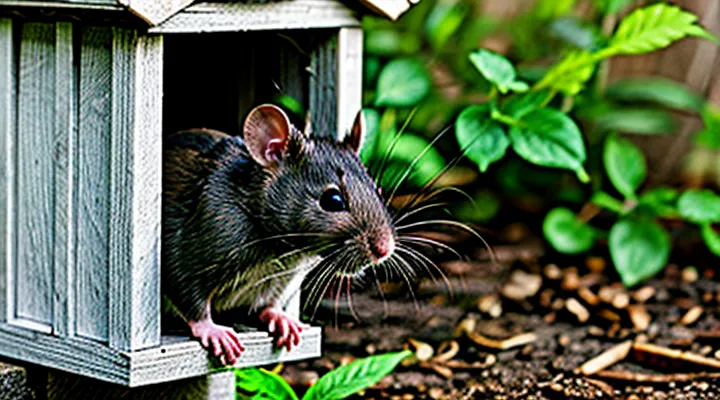
Understanding the Need for Rodent Control
Health Risks Associated with Rodents
Rodents carry pathogens that can cause severe illness in humans and domestic animals. Direct contact with urine, feces, saliva, or bite wounds introduces infectious agents, while contaminated food, water, and surfaces spread disease indirectly.
- Hantavirus pulmonary syndrome – transmitted through inhalation of aerosolized rodent droppings; mortality rates reach 30‑40 %.
- Leptospirosis – bacterial infection acquired from contact with urine-contaminated water; symptoms range from fever to kidney failure.
- Salmonellosis – caused by Salmonella bacteria present in rodent feces; leads to gastrointestinal distress and dehydration.
- Lymphocytic choriomeningitis virus (LCMV) – spread by rodent excreta; can cause meningitis, encephalitis, and fetal complications.
- Plague – Yersinia pestis carried by fleas that infest rodents; presents with fever, swollen lymph nodes, and can be fatal if untreated.
- Rat‑bite fever – caused by Streptobacillus moniliformis; results from bite wounds and may lead to sepsis.
Additional hazards include allergic reactions to rodent dander and structural damage that creates mold growth, further compromising indoor air quality. Effective rodent control measures reduce exposure to these risks, protecting public health and minimizing economic losses associated with medical treatment and property repair.
Property Damage Caused by Rodents
Rodents infiltrate residential and commercial structures, compromising integrity and functionality. Their activity creates direct financial losses and can trigger secondary health hazards.
- Chewed electrical wiring leads to short circuits, fire risk, and costly repairs.
- Burrowed insulation reduces thermal efficiency, raising energy consumption.
- Damaged plumbing fixtures cause leaks, mold growth, and structural rot.
- Contaminated food stores invite pest proliferation and necessitate disposal.
- Compromised wooden framing weakens load‑bearing elements, requiring reinforcement.
Gnawing results from rodents’ continuously growing incisors; they target materials that provide resistance and access. Saliva introduces bacteria and viruses, contaminating surfaces and food supplies. Repeated tunneling displaces foundation elements, undermining stability.
Property owners must assess damage promptly, document affected areas, and implement control strategies that target the specific species and entry points. Effective mitigation reduces repair costs and prevents recurrence.
General Principles of Rodent Trapping
Considerations Before Setting Traps
Identifying Rodent Activity Areas
Identifying rodent activity zones is a prerequisite for selecting and placing effective traps. Observation of physical evidence provides the most reliable indicators.
Common signs include:
- Fresh droppings, typically dark and pellet‑shaped, found along walls, under appliances, or near food sources.
- Gnaw marks on wood, plastic, or wiring, often concentrated at entry points or along travel routes.
- Chewed or shredded insulation, paper, and fabric, indicating nesting construction.
- Grease trails left by the animal’s paws, visible on smooth surfaces.
- Vocalizations or scratching sounds detected during quiet periods.
Patterns of movement become apparent when these signs are mapped. Rodents tend to follow established runways that connect food, water, and shelter. Runways are identifiable by parallel lines of droppings or smooth, worn pathways. Concentrations of waste near corners or behind objects suggest latrine sites, which are optimal locations for baited traps.
Environmental factors also influence activity zones. Areas with abundant food residues, moisture, and concealed shelter—such as basements, crawl spaces, and attic corners—draw higher rodent traffic. Structural gaps larger than ¼ inch provide entry points; sealing these openings reduces the need for extensive trapping.
Accurate identification of these zones enables strategic trap deployment, maximizes capture rates, and minimizes unnecessary bait waste.
Safety Precautions for Trap Placement
When placing rodent traps, follow these safety measures to protect people, pets, and non‑target wildlife.
- Position traps out of reach of children and domestic animals; use barriers or elevated platforms when necessary.
- Secure traps on stable surfaces to prevent tipping or accidental activation.
- Wear disposable gloves during installation and removal to avoid direct contact with bait or captured rodents.
- Keep bait sealed until the trap is set; store it in a locked container away from food preparation areas.
- Mark the trap location with a visible warning sign or tape to alert occupants of the hazard.
- Inspect traps before each use; replace damaged springs, snap‑traps, or electronic components that could malfunction.
- Dispose of captured rodents according to local health regulations; use sealed bags and double‑bagging to contain pathogens.
- After removal, clean the trap with an appropriate disinfectant and allow it to dry completely before reuse.
- Avoid setting traps near ventilation ducts, electrical outlets, or flammable materials to reduce fire or short‑circuit risks.
- Document trap placement dates, locations, and outcomes for ongoing monitoring and compliance reporting.
Adhering to these precautions minimizes accidental injuries, ensures effective pest control, and complies with health and safety standards.
Ethical and Humane Trapping Practices
Effective rodent control requires methods that protect animal welfare while achieving pest reduction. Ethical trapping eliminates unnecessary suffering, complies with legal standards, and maintains public health standards.
Legal frameworks in many jurisdictions mandate the use of humane devices and prescribe disposal procedures for captured animals. Violations can result in fines, liability, and loss of professional credibility. Compliance therefore forms a fundamental element of responsible pest management.
Humane devices fall into two categories: live-catch traps and rapid‑kill traps designed to cause immediate unconsciousness. Live-catch models allow relocation or humane euthanasia, whereas rapid‑kill designs incorporate calibrated spring mechanisms or electric shock calibrated to cause instant death. Selection depends on target species, infestation level, and ethical policy.
Practical guidelines for humane trapping:
- Inspect traps before each use to ensure proper function.
- Bait with minimal attractants to reduce prolonged exposure.
- Position devices away from non‑target wildlife and children.
- Check traps at intervals no longer than two hours.
- Release captured rodents at a suitable distance from the premises, or apply approved euthanasia methods promptly.
- Record capture data to monitor population trends and adjust control strategies.
Continuous training of personnel reinforces consistent application of these practices. Documentation of procedures and outcomes supports accountability and facilitates improvement of pest‑management programs.
Types of Traps for Rats and Mice
Snap Traps
Design and Mechanism
Effective rodent traps rely on precise engineering to ensure rapid capture and minimal risk to non‑target species. The core components include a housing, a trigger mechanism, a baiting system, and a retention element. Materials such as hardened steel for the strike plate, polymer for the base, and corrosion‑resistant coatings extend service life and maintain structural integrity.
The trigger mechanism converts a small force applied by the animal into a rapid release of stored energy. Common designs employ:
- Spring‑loaded snap triggers that store kinetic energy in a coiled spring; a slight pressure on the trigger releases the spring, driving the strike plate forward at high velocity.
- Mechanical levers that pivot around a fulcrum; bait displacement tilts the lever, disengaging a lock and allowing the capture bar to close.
- Electric circuits that close when the animal contacts conductive plates; a low‑voltage pulse induces muscular paralysis, immobilizing the rodent instantly.
Bait placement is optimized for species‑specific feeding behavior. For mice, powdered attractants positioned near the trigger edge increase contact probability, while for larger rats, block‑shaped baits secured to the trigger surface reduce premature disengagement.
Retention elements secure the captured rodent. Snap traps use a rigid jaws assembly that clamps the neck or torso, preventing escape. Live‑catch designs incorporate a spring‑opened door that shuts upon trigger activation, creating a sealed chamber with ventilation slots. Glue boards employ a tacky surface that adheres upon contact, though they require careful handling to avoid injury.
Safety features include shielded strike plates to protect users, ergonomic reset levers that allow quick re‑arming without direct contact, and visual indicators that signal a successful capture. Modular designs enable component replacement, reducing downtime and maintenance costs.
Overall, the interplay of material selection, energy storage, trigger sensitivity, and retention architecture defines the performance of rodent trapping devices, ensuring reliable operation across diverse environments.
Advantages and Disadvantages
Mechanical snap traps are inexpensive, require no power source, and deliver immediate kill.
- Advantages: low cost; rapid result; easy disposal of carcass; minimal maintenance.
- Disadvantages: risk of accidental injury; limited to single capture; effectiveness decreases with trap avoidance behavior.
Electronic traps use a high‑voltage shock to kill rodents instantly.
- Advantages: humane‑perceived rapid death; reusable; reduced odor compared to snap traps; can capture multiple individuals before resetting.
- Disadvantages: higher purchase price; dependence on batteries or electricity; occasional failure with larger rodents; requires cleaning of dead bodies.
Glue boards consist of adhesive surfaces that immobilize rodents.
- Advantages: silent operation; no need for bait; suitable for tight spaces; inexpensive.
- Disadvantages: prolonged suffering; difficult disposal; reduced effectiveness on larger rats; adhesive can collect dust and lose stickiness.
Live‑catch cages trap rodents alive for relocation or humane euthanasia.
- Advantages: no killing on site; reusable; allows selective release of non‑target species.
- Disadvantages: stress and possible injury to captured animal; legal restrictions on release; requires frequent monitoring; bait may attract predators.
Bait stations combine poisoned bait with a sealed enclosure.
- Advantages: high lethality; protects non‑target animals; minimal handling of dead rodents; suitable for large infestations.
- Disadvantages: risk of secondary poisoning; regulatory restrictions on poison use; requires careful placement; disposal of contaminated bait must follow safety protocols.
Proper Baiting and Placement
Effective bait selection and strategic placement are critical for maximizing trap performance against rodent infestations. Use fresh, high‑protein foods such as peanut butter, dried fruit, or meat scraps for rats; mice respond best to grain‑based or seed baits. Avoid stale or overly fragrant items that may deter target species.
Key practices for baiting and placement:
- Apply a pea‑sized amount of bait directly to the trap trigger mechanism, ensuring contact with the sensing surface.
- Position traps along established rodent pathways: behind walls, near baseboards, in corners, and close to food sources.
- Maintain a 2‑ to 3‑inch gap between trap and wall to allow unobstructed entry.
- Deploy multiple traps at regular intervals (approximately 10‑15 feet) to create a continuous barrier.
- Replace bait daily; discard any contaminated or uneaten bait to prevent secondary attraction of non‑target animals.
Monitor trap locations regularly, relocate any inactive devices, and adjust bait type based on observed rodent preferences. Consistent application of these guidelines yields reliable capture rates and reduces the likelihood of escape.
Glue Traps
Design and Mechanism
Design of rodent traps focuses on reliability, rapid action, and humane considerations. Core components include a housing that resists chewing, a trigger system calibrated to the weight of a rat or mouse, and a capture or kill mechanism that activates instantly. Materials such as hardened plastic, stainless steel, or reinforced wood provide durability while preventing damage from persistent gnawing. Trigger levers or pressure plates are engineered with spring tension that releases at a specific force threshold, typically 20–30 g for mice and 80–120 g for rats, ensuring selective activation and minimizing false releases.
Mechanisms differ according to intended outcome:
- Snap traps employ a spring‑loaded bar that closes with sufficient force to break the spinal cord. The bar rests on a trigger platform; when the rodent applies pressure, the spring releases, delivering a lethal strike within milliseconds.
- Live‑catch traps use a hinged door that closes when the animal steps on a pressure plate. Interior walls are smooth to prevent injury, and a release latch allows safe removal of the captured rodent.
- Electric traps contain insulated chambers with a high‑voltage, low‑current circuit. Contact with the metal grid completes the circuit, delivering a fatal shock in less than a second. Sensors detect presence and cut power immediately after activation to avoid excess discharge.
- Adhesive boards consist of a non‑slip backing coated with a strong, non‑toxic adhesive. A recessed trigger zone guides the rodent onto the surface, where it becomes immobilized. Design emphasizes a shallow profile to reduce escape risk.
- Automated bait stations integrate a concealed entry tunnel leading to a spring‑loaded kill plate. Sensors detect the rodent’s presence, prompting the plate to snap shut while the bait remains inaccessible to non‑target species.
Placement strategy complements design. Effective traps are positioned along walls, near known runways, and at points of entry. Alignment with the rodent’s natural tendency to travel close to surfaces maximizes encounter rates. Maintenance protocols require regular inspection, cleaning of debris, and replacement of worn springs or batteries to preserve trigger sensitivity. Proper disposal of captured rodents follows local health regulations, preventing secondary contamination.
Overall, successful trap construction integrates precise force calibration, robust housing, and a clear activation pathway, delivering consistent performance across diverse environments.
Advantages and Disadvantages
When evaluating rodent control devices, focus on functional outcomes, cost implications, and operational impact.
Advantages
- Immediate reduction of infestation levels; live capture and kill mechanisms remove individuals quickly.
- Target specificity; many designs limit bycatch of non‑target species.
- Minimal chemical exposure; mechanical solutions avoid poisons and associated health risks.
- Reusability; traps can be reset and redeployed, lowering long‑term expenses.
- Quiet operation; most models function without audible alerts, suitable for residential or commercial settings.
Disadvantages
- Labor intensity; placement, monitoring, and disposal require regular human effort.
- Limited coverage; isolated units may miss hidden populations, necessitating multiple devices.
- Potential for escape; poorly designed or improperly set traps can allow rodents to evade capture.
- Safety concerns; snap or electric mechanisms pose injury risks to users and pets if mishandled.
- Initial cost variance; high‑quality, humane, or electronic models often carry higher upfront prices.
Ethical Concerns and Alternatives
Ethical concerns surrounding rodent control devices focus on animal welfare, unintended harm to non‑target species, and environmental consequences. Conventional snap and glue mechanisms cause rapid injury or prolonged suffering, raising questions about compliance with humane standards and local legislation. Disposal of dead rodents can spread disease and attract scavengers, while poisoned baits risk secondary poisoning of predators and pets. Public expectations for humane treatment increasingly influence purchasing decisions and corporate policies.
Alternatives that address these concerns include:
- Live‑capture cages that allow release of unharmed rodents after relocation to suitable habitats.
- Structural exclusion methods such as sealing entry points, installing door sweeps, and using metal mesh to prevent ingress.
- Sanitation practices that eliminate food and shelter sources, reducing attractants without direct killing.
- Ultrasonic emitters that generate frequencies uncomfortable for rodents, discouraging occupancy without physical injury.
- Natural repellents derived from peppermint oil, predator urine, or plant extracts, applied to perimeter zones.
- Biological control through encouraging owls, hawks, or feral cats in appropriate settings, thereby maintaining ecological balance.
Implementing a combination of these strategies can reduce reliance on lethal devices, align control programs with ethical standards, and satisfy regulatory requirements while maintaining effective rodent management.
Live Traps «Cage Traps»
Design and Mechanism
Effective rodent traps are engineered to deliver rapid, reliable action while minimizing risk to non‑target species. Core design criteria include consistent trigger sensitivity, durable construction, simple reset, and secure containment of the captured animal.
Mechanisms employed in contemporary devices fall into distinct categories:
- Snap‑type spring actuators – a pre‑tensioned coil releases a hinged bar that strikes the rodent’s neck or spine within milliseconds.
- Pressure‑plate triggers – a weight‑sensitive platform depresses a latch, closing a cage or activating a lethal element.
- Electric grids – a conductive circuit completes when the animal contacts both electrodes, delivering a high‑voltage pulse that induces immediate incapacitation.
- Adhesive surfaces – a coated board captures the rodent through surface tension; the design incorporates a smooth release layer to facilitate disposal.
- Live‑capture cages – a bait‑drawn entrance activates a door that shuts behind the rodent, allowing relocation.
Construction materials are selected for strength and resistance to corrosion. Steel or hardened alloy provides the necessary force for snap mechanisms, while high‑impact polymers reduce weight for portable models. Bait compartments are molded to retain attractants and prevent premature exposure. Sealed housings protect internal components from moisture and dust, extending service life.
Safety measures integrate trigger guards that prevent accidental activation, lockable release levers for secure disposal, and clear labeling of lethal versus humane options. Designs often incorporate a visual indicator that confirms successful capture, enabling prompt response.
Application environments dictate specific adaptations. Indoor models prioritize low‑profile shapes and quiet operation to avoid disturbance, whereas outdoor units feature weather‑sealed enclosures and larger bait platforms to attract wary rodents. Commercial settings employ heavy‑duty cages with increased capacity and reinforced hinges to withstand high capture volumes.
Advantages and Disadvantages
Rodent control devices come in mechanical, electronic, and chemical forms, each offering specific operational benefits and constraints. Selecting a trap depends on target species, environment, and required speed of elimination.
Advantages
- Immediate kill or capture reduces population quickly.
- Minimal residual toxicity protects non‑target wildlife and humans.
- Reusability lowers long‑term expense for mechanical models.
- Compact design facilitates placement in confined spaces.
- Silent operation of electronic units prevents disturbance in residential settings.
Disadvantages
- Mechanical snares may cause delayed death, raising humane concerns.
- Glue boards retain live animals, increasing handling risk and potential disease spread.
- Electronic traps require power sources, limiting use where electricity is unavailable.
- Chemical bait stations can attract unintended species and require strict regulatory compliance.
- Some models are species‑specific, limiting effectiveness against mixed rodent infestations.
Releasing Trapped Rodents
After a rodent is secured in a catch device, the operator must follow a defined sequence to prevent injury, disease transmission, and recapture.
- Wear disposable gloves and, if available, a face shield.
- Transfer the animal from the trap to a release container without direct contact.
- Keep the container closed until the release site is reached.
The release site should be at least 200 meters from the original infestation point, situated in an environment that provides shelter, food sources, and natural predators. Urban settings require selection of vacant lots, parks, or wooded areas where the animal can integrate without posing a new nuisance. Avoid locations near residential buildings, schools, or food-processing facilities.
Compliance with local wildlife statutes is mandatory; many jurisdictions prohibit the intentional release of certain species or require permits for humane disposal. Verify applicable regulations before proceeding. If release is prohibited, euthanasia according to accepted humane standards becomes the legal alternative.
Post‑release sanitation includes:
- Disinfecting the trap with a solution of 10 % bleach or an EPA‑approved sanitizer.
- Rinsing and drying all components before storage.
- Disposing of used gloves and any contaminated materials in sealed bags.
Adhering to these protocols ensures operator safety, limits the risk of reinfestation, and aligns with best practices in rodent management.
Electronic Traps
Design and Mechanism
Effective rodent traps combine precise activation, durability, and safety. Designers select materials that resist corrosion and withstand repeated strikes; high‑carbon steel provides the necessary strength for snap mechanisms, while reinforced polymers reduce weight and simplify cleaning.
Key trigger mechanisms include:
- Spring‑loaded bar that releases upon a pressure plate or tail‑lever movement.
- Mechanical catch that holds a spring under tension until a bait‑induced displacement frees it.
- Electronic sensor that detects body heat or motion and delivers a high‑voltage pulse.
- Adhesive surface that immobilizes the animal when contact occurs.
Bait placement is engineered to guide the target toward the trigger zone. Compartments conceal food while exposing only a small entry point, ensuring the rodent contacts the activation element before reaching the reward.
Safety components prevent accidental discharge. Guard rails shield the spring arm, and insulated housings encase electrical circuits. Trigger sensitivity is calibrated to the weight range of rats and mice, reducing false activations caused by debris or non‑target species.
Maintenance considerations emphasize ease of reset and cleaning. Removable snap plates, detachable glue boards, and modular electronic modules allow rapid reloading without disassembly of the entire unit. Sealed chambers contain waste, facilitating hygienic disposal.
Overall, the design of rat and mouse traps integrates material science, mechanical engineering, and ergonomic baiting to deliver consistent performance across diverse environments.
Advantages and Disadvantages
Mechanical snap traps provide immediate kill, require no electricity, and are inexpensive. Their compact size allows placement in confined areas, and disposal of captured rodents is straightforward. However, they demand careful positioning to avoid accidental activation, and their effectiveness depends on bait selection and rodent wariness.
Glue boards capture without lethal force, useful for monitoring infestations and for species where killing is undesirable. They can be placed on vertical surfaces, expanding coverage options. The primary drawbacks include humane concerns, limited reusability, and reduced efficacy when rodents avoid adhesive surfaces after initial exposure.
Electronic devices deliver a high-voltage shock, ensuring rapid mortality and often include a collection chamber that isolates the carcass. These units reduce handling risk and can be equipped with sensors for activity logging. Their disadvantages involve higher purchase cost, reliance on power sources, and potential malfunction in moist environments.
Live‑catch cages allow relocation of captured animals, supporting non‑lethal control programs. They provide visual confirmation of capture and minimize damage to surrounding property. Drawbacks consist of stress imposed on captured rodents, necessity for frequent monitoring, and legal restrictions on release in some jurisdictions.
Chemical bait stations attract rodents with poison, offering extensive coverage and reduced labor. They can be concealed to limit non‑target exposure. Risks include secondary poisoning of predators, regulatory compliance requirements, and the possibility of resistance development in rodent populations.
Power Source and Maintenance
Power sources for rodent control devices vary according to trap design and deployment environment. Electric traps typically rely on sealed rechargeable lithium‑ion cells, providing 2–4 hours of continuous operation before a full recharge is required. Battery‑powered snap or glue traps use standard alkaline or carbon‑zinc cells, delivering 6–12 months of service under low‑current conditions. Solar‑assisted units incorporate photovoltaic panels that maintain charge levels during daylight hours, reducing the need for manual recharging in outdoor settings. Mechanical traps, such as spring‑loaded snap devices, operate without external power, eliminating energy concerns altogether.
Maintenance procedures ensure consistent performance and safety:
- Inspect the power indicator or voltage readout weekly; replace or recharge cells when the level falls below the manufacturer’s threshold.
- Clean sensor surfaces and trigger mechanisms with a mild detergent solution; dry thoroughly to prevent corrosion.
- Verify wiring integrity in electric models; look for frayed insulation or loose connections and repair before re‑installation.
- Test battery compartment seals to maintain moisture resistance; reseal any compromised gaskets.
- Record service dates in a log to track battery life cycles and schedule preventive replacements.
Adhering to these protocols extends trap efficacy, minimizes downtime, and supports reliable rodent management across residential and commercial applications.
Multi-Catch Traps
Design and Mechanism
Effective rodent control devices rely on precise engineering to ensure reliability and humane operation. Designers must balance durability, bait accessibility, and trigger sensitivity. Materials such as stainless steel provide corrosion resistance for outdoor deployment, while high‑impact plastics reduce weight for indoor placement. Ergonomic bait stations protect non‑target species and simplify loading procedures.
Mechanisms translate animal movement into capture or kill actions. Common principles include:
- Snap spring – a coiled spring holds a lethal bar; pressure on a trigger plate releases the bar, delivering a rapid, fatal blow.
- Adhesive surface – a sticky polymer coating immobilizes the rodent upon contact; the trap’s base includes a containment wall to prevent escape.
- Electronic pulse – a low‑voltage circuit detects entry via a sensor; a capacitor discharge produces an instantaneous shock that incapacitates the pest.
- Live‑catch cage – a spring‑loaded door closes when the animal pulls a baited latch; the interior features ventilation and a release mechanism for humane relocation.
Trigger design determines sensitivity. Adjustable tension screws allow calibration for different species and body weights, reducing false activations caused by vibrations or minor debris. Bait chambers are engineered to guide the rodent toward the trigger while limiting exposure to the capture element, enhancing success rates.
Safety features integrate lockout mechanisms for maintenance, clear labeling of lethal components, and insulated housings for electronic units. Compliance with regulatory standards mandates tamper‑resistant construction to protect children and pets. Continuous testing under variable temperatures validates performance consistency across seasonal conditions.
Advantages and Disadvantages
Rodent control devices vary in effectiveness, safety, and practicality. Evaluating each type reveals distinct strengths and limitations that influence selection for residential, commercial, or industrial environments.
Advantages
- Snap traps provide immediate kill, reducing population quickly.
- Glue boards capture without chemicals, useful where poison is prohibited.
- Live‑catch traps allow relocation, complying with humane‑catch policies.
- Electronic traps deliver rapid, painless death and often include monitoring indicators.
- Bait stations conceal poison, minimizing non‑target exposure and tampering.
Disadvantages
- Snap traps require careful placement to avoid accidental injury; disposal of carcasses can be messy.
- Glue boards may cause prolonged suffering, raise animal‑welfare concerns, and release captured rodents if not monitored.
- Live‑catch traps demand regular checking; stress to captured animals can be high, and release may reintroduce pests.
- Electronic devices depend on power sources; battery failure renders them ineffective, and cost is higher than mechanical alternatives.
- Bait stations involve chemical risks, necessitate strict compliance with regulations and can attract secondary poisoning of predators.
Choosing an appropriate device involves balancing these factors against the specific infestation level, regulatory constraints, and operational resources.
Application Strategies for Different Environments
Trapping in Residential Settings
Kitchens and Pantries
Kitchens and pantries provide abundant food, water, and shelter, creating ideal conditions for rats and mice. Effective rodent control in these areas requires devices that operate safely around food preparation surfaces and comply with health regulations.
- Snap traps – rapid‑acting, metal devices that kill instantly; suitable for concealed corners behind appliances and under cabinets.
- Electronic traps – battery‑powered units delivering a high‑voltage shock; ideal for locations where quick disposal of carcasses is necessary.
- Glue boards – adhesive surfaces that immobilize; best placed in low‑traffic zones away from food items to prevent contamination.
- Bait stations – sealed containers housing anticoagulant or non‑anticoagulant poison; require placement out of reach of children and non‑target species, typically beneath sinks or inside pantry shelves.
- Live‑catch traps – cage‑style enclosures that capture without killing; useful for temporary removal when extermination is not permitted, but must be checked frequently to avoid stress to the animal.
Placement strategies focus on proximity to known activity paths: along walls, behind refrigerators, within 12 inches of baseboards, and near entry points such as gaps around pipes. Avoid positioning devices directly on countertops or near food storage to maintain hygiene standards.
Regular inspection includes checking trigger mechanisms, replacing baits, and disposing of captured rodents according to local regulations. Recording observations of activity patterns helps refine trap locations and reduce repeat infestations.
Attics and Basements
Attics and basements provide ideal shelter for rodents because they offer darkness, warmth, and easy access to structural voids. These spaces often contain insulation, stored goods, and entry points such as vents, cracks, and utility openings, which facilitate movement and concealment. Effective rodent control in these areas requires selecting devices that operate reliably in confined, low‑light environments and that can be positioned without obstructing household functions.
Commonly employed devices include:
- Snap traps: metal jaws deliver instantaneous kill, suitable for tight corners and behind insulation panels. Placement near known runways maximizes capture rates.
- Live‑catch traps: cage‑style mechanisms allow humane removal, useful where chemical methods are prohibited. Position at floor level where rodents travel.
- Glue boards: adhesive surfaces capture small mice in hidden niches; however, they require frequent inspection to prevent suffering.
- Electronic traps: high‑voltage units deliver rapid death, function well on insulated surfaces, and provide visual kill indicators for monitoring.
Installation guidelines:
- Identify active pathways by inspecting for gnaw marks, droppings, and burrow entrances.
- Seal entry points with steel wool, caulk, or metal flashing before deploying traps to prevent reinfestation.
- Set traps perpendicular to walls, with the trigger side facing the expected direction of travel.
- Use bait such as peanut butter, dried fruit, or bacon, applied sparingly to avoid contaminating surrounding materials.
- Check traps daily; remove captured rodents promptly and reset devices.
Safety considerations demand that traps be placed out of reach of children and pets. When using snap or electronic models, wear gloves to avoid accidental injury. For live‑catch devices, release captured rodents at least one mile from the property to discourage return.
Regular maintenance involves rotating trap locations, replenishing bait, and conducting quarterly inspections of insulation, wiring, and storage areas. Consistent application of these practices reduces the likelihood of infestation and protects structural integrity.
Garages and Sheds
Garages and sheds present unique challenges for rodent control because they combine open access points with stored materials that attract rats and mice. Effective management begins with assessing entry routes, such as gaps around doors, vents, and utility lines, and sealing them before deploying traps.
Common trap options suitable for these environments include:
- Snap traps: steel‑spring devices that deliver rapid lethal force; ideal for high‑traffic lanes where quick kills reduce population pressure.
- Live‑capture traps: wire cages with a trigger mechanism; allow relocation of captured rodents, useful where humane handling is required.
- Glue boards: adhesive surfaces placed along walls and under shelving; best for monitoring low‑level activity but limited by non‑lethal outcomes.
- Electronic traps: battery‑powered units that electrocute upon contact; provide instant results and easy disposal of carcasses.
- Bait stations: enclosed containers with anticoagulant or non‑anticoagulant poison; appropriate for concealed placement behind stored items.
Placement strategy matters. Position snap and electronic traps perpendicular to walls, with the trigger end facing the rodent’s travel path. Live‑capture cages should be set near nesting sites or food sources, and bait stations must be secured away from children and pets, preferably at least 10 feet from human activity zones. Glue boards function best when affixed to vertical surfaces near suspected runways.
Maintenance protocols include checking traps daily, resetting or replacing devices as needed, and recording catch data to identify hotspots. In garages where vehicles and chemicals are stored, select traps with corrosion‑resistant components and avoid models that could interfere with fuel or oil residues. In sheds, prioritize traps that can be mounted on rafters or shelving to keep them out of the way of stored tools.
Integrating traps with sanitation measures—removing food scraps, sealing feed containers, and keeping the area free of clutter—enhances overall efficacy. Regular inspection of structural gaps, combined with the appropriate mix of lethal and monitoring devices, provides a comprehensive solution for rodent infestations in garage and shed settings.
Trapping in Commercial and Industrial Settings
Warehouses and Storage Facilities
Warehouses and storage facilities face continuous risk of rodent infestation, which can compromise inventory, equipment, and structural integrity. Effective trapping strategies reduce damage, protect product quality, and limit regulatory penalties.
Common trapping devices suitable for large‑scale storage environments include:
- Snap traps: rapid kill, low cost, ideal for high‑traffic aisles.
- Electronic traps: humane kill, data logging, minimal maintenance.
- Glue boards: discreet placement, useful for monitoring low‑level activity.
- Multi‑catch live traps: allow capture and release, suitable where live‑capture policies apply.
- Bait stations with built‑in trap mechanisms: combine poison delivery with containment, require strict compliance with safety standards.
Successful deployment relies on strategic placement and systematic oversight:
- Identify entry points, loading docks, and shelving gaps; position traps within 12‑18 inches of these zones.
- Distribute devices evenly along perimeter walls and interior walkways to create overlapping coverage.
- Inspect traps daily, record captures, and replace or reset as needed.
- Rotate trap locations every two weeks to prevent rodent habituation.
- Use tamper‑resistant mounting hardware in areas accessible to personnel but not to unauthorized individuals.
Integration with a broader pest‑management program enhances effectiveness. Maintain detailed logs of trap performance, correlate findings with sanitation audits, and adjust bait types according to seasonal activity patterns. Ensure all devices meet occupational safety regulations and that staff receive training on proper handling and disposal. Regular review of trap data supports proactive decisions, minimizing the likelihood of extensive infestations.
Restaurants and Food Service Areas
Restaurants and food‑service facilities require targeted rodent control to protect inventory, comply with health codes, and maintain customer confidence. Effective programs combine physical barriers, sanitation practices, and strategically placed trapping devices that address the behavior of rats and mice in commercial kitchens.
Common trapping solutions for dining establishments include:
- Snap traps with hardened steel jaws for instant kill; suitable for discreet placement behind equipment and in wall voids.
- Electronic traps delivering a high‑voltage pulse; reusable, easy to clean, and compliant with most local regulations.
- Glue boards for monitoring activity in hard‑to‑reach areas; not recommended as primary control but useful for detection.
- Live‑capture cages equipped with bait stations; allow removal of captured rodents for humane disposal where required by law.
Implementation guidelines:
- Position traps along walls, behind appliances, and near waste containers where rodents travel.
- Use bait that matches the target species, such as peanut butter for mice and grain‑based attractants for rats.
- Inspect and reset traps daily to prevent secondary contamination.
- Rotate trap locations periodically to disrupt established pathways and reduce trap avoidance.
- Document findings in a logbook, noting capture rates and locations to inform adjustments to the control plan.
Integrating these devices with rigorous cleaning schedules, sealed entry points, and regular pest‑inspection audits creates a comprehensive defense against rodent incursions in restaurant environments.
Offices and Retail Spaces
Rodent activity in office buildings and retail environments poses health risks, jeopardizes product integrity, and can damage property. Effective control relies on selecting devices that suit confined workspaces, high‑traffic aisles, and storage areas while minimizing disruption to personnel and customers.
Commonly deployed devices include:
- Snap traps with calibrated spring tension for rapid kill.
- Electronic traps delivering a high‑voltage pulse to incapacitate rodents instantly.
- Glue boards positioned in concealed corners to capture without chemicals.
- Live‑capture cages equipped with escape‑proof doors for humane removal.
- Bait stations containing anticoagulant or non‑anticoagulant pellets, sealed to prevent accidental exposure.
Placement strategies focus on travel routes, wall voids, and near food handling zones. Install devices 1–2 m from walls, aligning with the rodent’s natural tendency to run parallel to surfaces. Ensure traps are anchored to prevent tipping, and label bait stations clearly to comply with occupational safety regulations. Regular inspection—at least weekly—identifies captured specimens, assesses trap effectiveness, and informs adjustments.
Maintenance involves resetting or replacing devices, disposing of captured rodents according to local health codes, and documenting actions for audit trails. Integrating traps with a broader sanitation program—removing food debris, sealing entry points, and controlling moisture—enhances long‑term efficacy and reduces the likelihood of reinfestation.
Outdoor Trapping Considerations
Weather Resistance
Weather resistance determines whether a rodent control device can function reliably in outdoor or semi‑exposed environments. Materials such as stainless steel, galvanized steel, or UV‑stabilized polymers resist corrosion, rust, and degradation caused by rain, snow, and sunlight. Sealed joints and reinforced edges prevent water ingress that could impair spring mechanisms or electronic components. Devices designed for harsh climates often feature insulated bait chambers to keep attractants dry and maintain effectiveness despite temperature fluctuations.
Key factors to evaluate when selecting a weather‑proof trap:
- Construction material: corrosion‑resistant metals or UV‑protected plastics.
- Protective coatings: powder‑coat, epoxy, or anodized finishes.
- Seal integrity: gasketed lids, welded seams, or snap‑fit closures.
- Temperature tolerance: operational range from sub‑zero to high heat.
- Bait compartment design: moisture‑proof containers or covered trays.
Choosing models that meet these criteria ensures consistent performance throughout seasonal changes and reduces maintenance frequency, extending the service life of the device.
Protecting Non-Target Animals
Effective rodent control requires strategies that minimize harm to wildlife and domestic pets. Selecting devices that target only rats and mice reduces the risk of accidental capture. Mechanical traps equipped with size‑specific trigger mechanisms, such as snap or live‑catch models calibrated for the target species, limit engagement of larger or smaller non‑target animals.
Key practices for safeguarding unintended victims include:
- Positioning traps along established rodent pathways, away from bird feeders, pet feeding stations, and water sources.
- Using bait that attracts only rodents, such as grain or peanut butter, and avoiding highly aromatic attractants that may lure birds or small mammals.
- Installing protective guards or escape tunnels on live‑catch traps to allow entry of the intended species while excluding larger fauna.
- Regularly inspecting and resetting traps to prevent prolonged confinement, which can increase the likelihood of non‑target encounters.
When chemical control is considered, opt for rodenticides formulated with low secondary toxicity and place them in tamper‑resistant stations that restrict access to children, pets, and wildlife. Monitoring devices, such as motion‑activated cameras, can verify that captures involve only the intended rodents and inform adjustments to placement or device type.
Documentation of trap locations, capture records, and any non‑target incidents supports compliance with wildlife protection regulations and promotes continuous improvement of control programs.
Advanced Trapping Techniques
Scent Lures and Attractants
Scent lures and attractants are chemical compounds designed to draw rats and mice toward a trapping device. Their effectiveness depends on species‑specific olfactory preferences, concentration, and delivery method.
Common categories include:
- Food‑based baits – granulated grains, dried fruit, or peanut butter, providing strong, familiar odors.
- Synthetic pheromones – laboratory‑produced substances that mimic conspecific communication signals, useful for targeting breeding populations.
- Musk and animal‑derived extracts – musky secretions from predators or carrion, triggering innate avoidance‑to‑approach behavior in rodents.
Selection criteria focus on:
- Target species – mice respond better to grain aromas, while rats are attracted to protein‑rich or oily scents.
- Environmental conditions – high humidity can degrade volatile compounds; oil‑based attractants maintain potency longer in damp settings.
- Trap type compatibility – snap traps require a small amount of lure applied to the trigger mechanism; live‑capture cages benefit from a larger bait pad that sustains scent release.
Application guidelines emphasize precise placement. Lure should be positioned at the trap’s entry point, ensuring the rodent contacts the scent before triggering the mechanism. Over‑application can mask the odor, reducing detection range. For outdoor deployment, weather‑resistant containers protect the attractant from rain and UV degradation.
Safety considerations include:
- Avoiding toxic ingredients that could harm non‑target wildlife or humans.
- Storing lures in sealed containers to prevent accidental exposure.
- Monitoring baited traps regularly to remove captured rodents and refresh the scent as potency declines.
Integrating scent lures with mechanical trapping devices improves capture rates, especially in low‑density infestations where visual cues alone are insufficient. Proper selection, placement, and maintenance of attractants are essential components of an effective rodent control program.
Trap Placement Optimization
Effective trap placement maximizes capture rates while minimizing waste of resources. Successful positioning relies on an accurate assessment of rodent activity patterns, structural features of the infested area, and environmental variables that influence movement.
Rodents travel along established pathways that connect food sources, nesting sites, and shelter. These routes often follow walls, baseboards, and utility lines, and they avoid open spaces where predators might be present. Identifying high‑traffic zones requires careful observation of droppings, gnaw marks, and grease trails. Placement near these indicators aligns traps with natural foraging routes, increasing encounter probability.
Key considerations for optimal positioning:
- Locate traps within 1–2 feet of walls; rodents typically run parallel to surfaces.
- Position devices behind appliances, under sinks, and inside cabinets where food residues accumulate.
- Use multiple traps in clusters of 3–5 at each identified hotspot to account for bait competition.
- Avoid placing traps in direct sunlight or drafts, which can diminish bait attractiveness.
- Ensure a clear line of approach; remove obstacles that could block access to the trigger mechanism.
- Rotate trap locations every 3–5 days to prevent habituation and to map shifting activity.
Continuous monitoring validates placement choices. Record capture data daily, noting trap performance, species, and time of capture. Adjust locations based on trends, moving traps toward newly active zones while retiring ineffective ones. This iterative process refines the deployment strategy, sustaining high efficacy throughout the control program.
Monitoring and Maintenance
Frequency of Checking Traps
Regular monitoring of rodent capture devices is essential for humane treatment, bait efficiency, and sanitation. The appropriate interval depends on trap design, placement, and environmental conditions.
- Snap or kill traps: inspect every 12 hours during active periods; reduce to 24 hours in low‑activity zones.
- Live‑catch traps: check at least twice daily; more frequent (every 4–6 hours) when temperatures exceed 30 °C to prevent overheating.
- Electronic or electric traps: verify operation and remove carcasses every 8 hours; adjust to 12‑hour checks if the device includes automatic shut‑off.
- Glue boards: replace or clean every 24 hours; increase to 12 hours in humid or high‑traffic areas to avoid skin irritation.
Additional factors influencing schedule:
- Bait degradation – replace or refresh bait whenever it becomes dry, moldy, or unappealing.
- Rodent activity level – increase inspection frequency during infestation peaks or after recent sightings.
- Seasonal changes – shorten intervals in winter when rodents seek shelter and in summer when heat stress accelerates bait spoilage.
- Regulatory compliance – follow local wildlife and pest‑control statutes that may mandate specific monitoring periods.
Adhering to these timelines ensures effective control, minimizes suffering, and maintains a clean environment.
Disposal of Trapped Rodents
Captured rodents must be removed from traps promptly to prevent disease spread and odor buildup. Operators should wear disposable gloves, use a sealed container, and avoid direct contact with the animal.
Regulatory guidelines often require that dead rodents be treated as hazardous waste. Local health departments may mandate specific disposal methods, such as municipal waste collection or licensed pest‑removal services. Failure to follow these rules can result in fines and increased health risks.
Immediate disposal options include:
- Placing the carcass in a sturdy, puncture‑resistant bag, sealing it, and discarding it with regular trash if local regulations allow.
- Delivering the sealed bag to a licensed animal carcass processor.
- Using a dedicated biohazard container for larger quantities, then arranging pickup by an authorized waste handler.
After removal, clean the trap thoroughly. Rinse with hot water, scrub with a detergent solution, and rinse again. Apply an EPA‑approved disinfectant, allow the recommended contact time, then rinse and dry. Inspect the trap for damage before reuse.
Maintain a log that records the date, location, species, and disposal method for each capture. The record supports compliance audits and helps identify hotspots that may require additional control measures.