
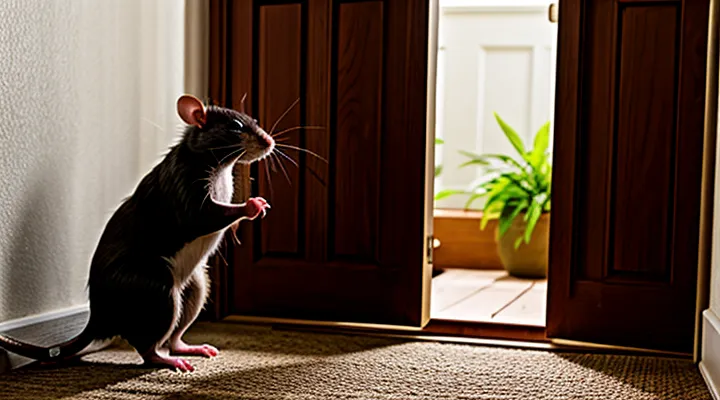
Understanding the Rodent Problem
Signs of Rat Infestation
Droppings and Urine Trails
Droppings and urine trails serve as the most reliable early evidence of a rat presence inside a private residence. Their detection allows homeowners to focus conventional control measures on the actual activity zones rather than applying indiscriminate treatments.
Typical rat droppings measure 0.3–0.5 cm in length, are dark brown to black, and often appear in clusters near food storage, along walls, or in concealed areas such as attics and crawl spaces. Fresh deposits are moist and may emit a faint, rancid odor, while older excreta become dry and crumbly.
Urine trails are invisible to the naked eye but leave detectable residues on porous surfaces. Stains or discoloration on fabrics, wood, or drywall indicate repeated marking. A strong, musky smell, especially in confined spaces, confirms active scent‑marking behavior.
The presence of these signs guides the placement of traps, baits, and exclusion efforts:
- Locate droppings and suspected urine paths; map the routes.
- Position snap traps or live‑catch traps perpendicular to the identified pathways, with trigger mechanisms facing the direction of travel.
- Apply bait stations near droppings, ensuring they are inaccessible to children and pets.
- Seal entry points discovered along the same routes using steel wool, cement, or metal flashing.
Sanitation eliminates attractants and reduces disease risk. Protective gloves and a mask must be worn when handling contaminated material. Recommended steps:
- Collect droppings with a disposable scoop; place in a sealed bag for disposal.
- Clean surfaces with a detergent solution, followed by a disinfectant containing quaternary ammonium compounds or a 10 % bleach solution.
- Allow treated areas to dry completely before re‑installing traps or baits.
Accurate interpretation of droppings and urine trails streamlines traditional rat‑control practices, concentrating effort where it yields the highest probability of eradication.
Gnaw Marks and Damage
Rats leave unmistakable evidence through gnaw marks, which serve as the primary indicator of infestation in a private residence. These marks appear on wood, plastic, and electrical wiring, often at a shallow angle and with a clean, crescent-shaped bite. The depth and spacing of teeth impressions reveal the size of the rodent and the duration of activity, allowing homeowners to assess the severity of the problem quickly.
Typical damage caused by rodent gnawing includes:
- Compromised structural integrity of wooden beams, joists, and door frames.
- Exposed or severed electrical insulation, increasing fire risk.
- Breached PVC pipes, leading to leaks and potential water damage.
- Damaged insulation material, reducing energy efficiency.
- Deteriorated furniture legs and decorative trim, affecting aesthetics and functionality.
Identifying gnaw marks early enables the selection of traditional control measures such as snap traps, glue boards, and natural repellents. Placement of traps near fresh bite sites maximizes capture rates because rats frequent the same pathways. Additionally, sealing entry points identified by gnaw patterns prevents further ingress, reinforcing the effectiveness of mechanical barriers.
Regular inspection of vulnerable areas—kitchens, attics, basements, and storage rooms—combined with prompt repair of gnawed components, reduces the likelihood of secondary problems like electrical shorts or structural collapse. Maintaining a record of gnaw locations assists in mapping rodent movement, guiding future preventive actions without reliance on chemical interventions.
Strange Noises
Strange noises often precede visible signs of rodent activity, providing the earliest indication that a private residence requires intervention.
Typical sounds include high‑pitched squeaks from confined spaces, rapid scurrying on walls or ceilings, and repetitive gnawing on wood or plastic. Each noise correlates with specific locations: squeaks usually emanate from attics or crawl spaces, scurrying is common in wall voids and floor joists, and gnawing appears near stored food, garbage bins, or structural timber.
When such sounds are detected, conventional rodent control techniques for a residential property should be applied immediately. The following actions address the source of the noise and prevent further infestation:
- Conduct a thorough inspection of the noise‑producing area; locate entry points, nests, and food sources.
- Seal cracks, gaps, and openings with steel wool, caulk, or metal mesh to block access.
- Install snap traps or multi‑catch traps along established runways; position bait stations near observed activity.
- Deploy natural repellents such as peppermint oil or ultrasonic devices in enclosed spaces where noise originates.
- Remove or secure food supplies, ensure garbage containers have tight lids, and maintain cleanliness to eliminate attractants.
After implementation, monitor the affected zones for a reduction in audible activity. Persistent noises indicate incomplete sealing or trap placement, requiring reassessment and additional measures. Continuous observation confirms the effectiveness of the applied methods and ensures long‑term rodent exclusion.
Non-Lethal Traditional Methods
Prevention and Exclusion
Sealing Entry Points
Sealing entry points prevents rats from accessing a residence, reducing the need for chemical or trap-based interventions. By eliminating gaps, homeowners remove the primary attractant: shelter.
- Gaps around utility pipes: apply steel wool or copper mesh, then cover with cement or expanding foam.
- Openings beneath doors and windows: install door sweeps, weather‑stripping, and hinged window screens.
- Cracks in foundations and walls: fill with hydraulic cement or epoxy resin, ensuring the material adheres to damp surfaces.
- Roof vent openings: fit metal flashing or mesh screens, securing them with stainless‑steel screws.
- Chimney and crawl‑space gaps: use chimney caps and crawl‑space vent covers made of metal or heavy‑duty plastic.
Select materials that resist gnawing; steel wool, copper mesh, and metal flashing are durable against rodent teeth. Apply sealants after cleaning debris and drying the surface to ensure proper adhesion. Inspect all seals quarterly, especially after extreme weather, to repair any new damage promptly.
Combining thorough sealing with sanitation and habitat reduction creates a comprehensive, low‑technology strategy that limits rat populations without reliance on poisons or traps.
Food Storage Practices
Proper food storage is a fundamental barrier against rodent entry in a private residence. Secure containers, cleanliness, and strategic placement diminish the attraction that unsecured provisions present to rats.
- Store dry goods in airtight, metal or heavy‑plastic containers with sealing lids.
- Keep pantry shelves free of crumbs; wipe surfaces after each use.
- Rotate stock regularly; discard items past their expiration date.
- Position food storage away from walls and behind appliances to eliminate concealed pathways.
- Use sealed bags for pet food; avoid leaving bowls out overnight.
- Install a dedicated, elevated storage cabinet in a low‑traffic area, ensuring no gaps larger than ¼ inch.
Maintain a routine of inspecting containers for damage and repairing any compromised seals promptly. Eliminate spillage on countertops and floors immediately, and sweep beneath appliances where debris accumulates. By integrating these practices, a homeowner reduces the likelihood of rat infestation without reliance on chemical or electronic deterrents.
Housekeeping and Sanitation
Effective rat control in a private residence relies heavily on disciplined housekeeping and sanitation. Proper waste handling, food management, and environmental cleanliness remove the resources rats need to survive and reproduce.
Key practices include:
- Store food in airtight containers; discard leftovers promptly.
- Keep countertops, floors, and appliances free of crumbs and spills.
- Use covered trash bins; empty them regularly and place bins away from the building.
- Clean pet feeding areas daily; remove uneaten food after each meal.
- Sweep, mop, and vacuum to eliminate debris that can serve as nesting material.
Structural upkeep supports these measures. Seal gaps around doors, windows, and utility penetrations; repair cracked walls, floors, and foundation joints. Eliminate standing water by fixing leaks and draining puddles, depriving rats of drinking sources.
Establish a routine inspection schedule. Conduct visual checks weekly for signs of activity—droppings, gnaw marks, or burrows—and address findings immediately. Consistent application of these housekeeping and sanitation protocols sustains a hostile environment for rats, reducing infestation risk without reliance on chemical or electronic devices.
Natural Repellents
Peppermint Oil and Other Essential Oils
Peppermint oil possesses a strong, mentholated scent that rats find intolerable. When applied to entry points, cracks, and nesting areas, the aroma disrupts the rodents’ sensory perception, discouraging them from establishing a presence. A typical application involves soaking cotton balls in undiluted peppermint oil and placing them in concealed locations such as behind appliances, under sinks, and within wall cavities. Replace the cotton balls every 3–5 days to maintain potency.
Other essential oils exhibit similar repellent properties:
- Eucalyptus oil – dense, camphorous odor; effective when sprayed on surfaces or diffused near potential pathways.
- Cedarwood oil – woody fragrance that interferes with rat pheromone communication; suitable for treating wooden structures and furniture.
- Clove oil – pungent, spicy scent; can be mixed with water (1 ml oil per 250 ml water) and applied with a spray bottle to floors and baseboards.
- Lemon oil – citrus acidity; useful for exterior perimeters and garden edges where rats may forage.
Application guidelines:
- Preparation – combine 10–15 drops of the chosen oil with 1 cup of water; add a few drops of dish soap to emulsify.
- Distribution – use a spray bottle to coat interior walls, door frames, and vent openings; avoid direct contact with food preparation surfaces.
- Maintenance – reapply weekly or after cleaning to preserve olfactory intensity.
Safety considerations include wearing gloves when handling concentrated oils, ensuring adequate ventilation, and keeping products out of reach of children and pets. Essential oils should complement, not replace, structural exclusion measures such as sealing gaps, installing door sweeps, and removing food sources. Their efficacy diminishes in high‑traffic areas where airflow disperses the scent rapidly; in such cases, combine oil treatment with mechanical traps for optimal control.
Chili Peppers and Other Spicy Deterrents
Chili peppers deter rats by exploiting the irritant properties of capsaicin, which triggers a strong sensory reaction in the rodents’ nasal passages and mucous membranes. When rats encounter a high‑concentration spice, they avoid the area to prevent discomfort, creating an effective barrier without chemicals.
Practical applications include:
- Powdered capsicum: Sprinkle cayenne or crushed red‑pepper flakes along walls, entry points, and near food storage. Reapply after cleaning or rain.
- Pepper‑infused cotton balls: Soak cotton in a solution of hot sauce or diluted capsaicin oil, place in concealed corners, and replace weekly.
- Spice‑treated bait stations: Mix ground chili with grain or peanut butter to lure rats away from primary zones, then retrieve and dispose of captured individuals.
- Essential‑oil sprays: Combine a few drops of pepper essential oil with water, spray around baseboards and crawl spaces; the volatile compounds persist for several days.
Safety considerations:
- Wear gloves and a mask when handling powders or liquids to avoid skin irritation and respiratory distress.
- Keep treated materials out of reach of children and pets; many mammals share the same sensitivity to capsaicin.
- Monitor effectiveness; if activity persists, increase concentration or combine with other non‑chemical measures such as sealing gaps and removing food sources.
Spicy deterrents complement traditional rodent‑control strategies by providing a natural, low‑cost option that reduces reliance on toxic poisons while maintaining a hostile environment for rats in a private residence.
Ultrasonic Devices (Traditional View)
Ultrasonic devices are marketed as a non‑chemical solution for rodent control in residential settings. They emit high‑frequency sound waves, typically above 20 kHz, which are intended to irritate the auditory system of rats and force them to vacate the area.
Proponents claim continuous operation repels rodents without physical contact. The devices are compact, plug‑in units that require no maintenance beyond occasional power checks. Installation involves placement in rooms where activity has been observed, with the expectation that the emitted frequencies will cover the entire space.
Scientific assessments reveal several constraints:
- Frequency range exceeds the hearing threshold of adult humans but falls within the audible spectrum for many rodent species.
- Effectiveness diminishes when obstacles such as walls, furniture, or insulation block sound propagation.
- Rats quickly habituate to the constant tone, reducing the repellent effect after a short exposure period.
- Field studies report inconsistent results, with success rates varying from 0 % to 30 % depending on environmental conditions and device quality.
Practical guidance for homeowners considering ultrasonic units includes:
- Use devices as a supplemental measure alongside proven methods such as sealing entry points and removing food sources.
- Position units at least 1 meter apart to minimize overlapping dead zones.
- Rotate or replace devices every few months to counteract habituation.
- Verify that the unit complies with safety standards to avoid interference with pets that can hear higher frequencies.
Overall, the traditional perspective treats ultrasonic devices as a convenient, low‑risk option, yet empirical evidence limits their reliability as a standalone rat control strategy. Integration with structural exclusion and sanitation practices remains essential for effective pest management.
Lethal Traditional Methods
Trapping Techniques
Snap Traps
Snap traps provide a rapid, mechanical solution for eliminating rats inside a residence. They consist of a spring‑loaded bar that releases when a rodent applies pressure to a trigger plate, delivering an instantaneous lethal strike. The design requires no electricity, chemicals, or ongoing maintenance beyond occasional resetting.
Effective use depends on proper placement. Position traps along walls, behind appliances, in dark corners, and near known gnawing sites. Rats travel close to surfaces; aligning the trigger plate with the wall maximizes contact. Secure the trap to prevent displacement by pets or children, and keep it out of direct sight to avoid accidental activation.
Bait selection influences capture rates. Preferred attractants include peanut butter, dried fruit, or small pieces of meat. Apply a thin layer to the trigger plate; excess bait can cause premature trips. Replace bait daily when traps remain unused, and discard any uneaten material to maintain hygiene.
Safety considerations are essential. Wear thick gloves when handling traps to avoid accidental snaps. After a kill, wear gloves and a mask, then dispose of the carcass in a sealed bag before discarding it in an outdoor trash container. Clean the trap with a mild disinfectant before resetting.
Advantages and drawbacks can be summarized:
-
Advantages
- Immediate result, no waiting period.
- No reliance on poisons, reducing risk to non‑target animals.
- Low cost; a pack of ten traps typically costs under $15.
- Reusable after cleaning and resetting.
-
Drawbacks
- Requires regular inspection and manual resetting.
- Visible presence may be unsettling for occupants.
- Effectiveness limited to single‑capture events; multiple traps may be needed for large infestations.
When integrated with other conventional rodent‑control practices—such as sealing entry points and maintaining a clean environment—snap traps become a reliable component of a comprehensive, non‑chemical strategy for managing rat populations in private homes.
Live Traps (for Catch-and-Release)
Live traps provide a humane alternative to lethal devices when dealing with rodent incursions in a residential environment. The mechanism relies on a spring‑loaded door that shuts once the animal steps on a trigger plate, allowing the occupant to be removed and released elsewhere.
Choosing an effective trap involves several factors. The cage must be large enough for an adult rat to move freely, constructed of sturdy wire mesh to prevent escape, and equipped with a secure latch that does not release unintentionally. Common models include wooden box traps, metal cage traps, and collapsible wire traps; each offers a different balance of durability, cost, and ease of cleaning.
Proper placement maximizes capture rates. Position traps along walls, behind appliances, and near known runways, because rats prefer concealed routes. Bait selection influences success; high‑protein foods such as peanut butter, cooked bacon, or fresh fruit attract rats more reliably than grain‑based offerings. Check traps at least twice daily to avoid prolonged confinement, which can cause stress or injury to the animal.
When a rat is caught, follow a consistent protocol:
- Wear thick gloves to prevent bites.
- Transport the trap to a release site at least five miles from the home, preferably in a wooded or agricultural area.
- Open the latch gently, allow the rat to exit, and retreat promptly.
- Clean the trap with a disinfectant solution to eliminate scent trails that could deter future captures.
Legal restrictions vary by jurisdiction; verify local wildlife regulations before releasing captured rodents to ensure compliance. Regular monitoring of trap performance and adjusting bait or location as needed sustains effectiveness over time.
Glue Traps
Glue traps consist of a cardboard or plastic platform coated with a strong adhesive. When a rodent steps onto the surface, it becomes immobilized, allowing the homeowner to remove the pest without the need for poison.
Effective placement requires targeting known travel routes, such as along walls, behind appliances, and near food sources. Traps should be positioned perpendicular to the wall, with the adhesive side facing the expected direction of movement. Replace traps promptly if they become dirty or lose stickiness.
Advantages
- Immediate capture without chemical exposure.
- Low cost and easy installation.
- No need for professional extermination services.
Disadvantages
- Non‑target species, such as insects or small pets, may be trapped unintentionally.
- Disposal creates a humane concern; captured rodents remain alive for an extended period.
- Adhesive loses effectiveness in dusty or humid environments, necessitating frequent replacement.
Safety measures include wearing gloves during handling, securing traps out of reach of children, and checking local regulations regarding the use of adhesive devices. After capture, place the trap in a sealed bag and discard according to municipal waste guidelines. Regular inspection of the property and removal of attractants, such as food debris and standing water, enhances the overall effectiveness of glue traps as a traditional rodent‑control option.
Baits and Lures
Food-Based Baits
Food‑based baits remain a cornerstone of conventional rodent control inside a dwelling. They attract rats by mimicking natural food sources, allowing a toxic or lethal agent to be delivered directly to the animal.
Typical bait formulations include:
- Grain or cereal mixes combined with anticoagulant compounds.
- Peanut butter or cheese blends laced with bromadiolone or difenacoum.
- Fruit‑based pastes infused with warfarin for rapid ingestion.
Effective deployment requires placement in sealed stations, positioned along walls, behind appliances, and in concealed corners. Stations must be inaccessible to children and pets; lockable containers fulfill this requirement. Bait stations should be inspected weekly, replenishing depleted bait and discarding any contaminated material.
Safety considerations demand strict adherence to label instructions, proper storage in a locked cabinet, and disposal of unused bait according to local hazardous‑waste regulations. Rotation of active ingredients, typically every three months, prevents resistance development and maintains efficacy.
Commercial Lures
Commercial lures are a staple of conventional rat control strategies for residential properties. They attract rodents by mimicking natural food sources, allowing traps or poisoning stations to achieve higher capture rates. Lures are formulated to resist spoilage, retain scent under varying temperature conditions, and remain palatable to rats that have developed wariness toward common household scraps.
Typical commercial lures fall into three categories:
- Protein‑based baits – often derived from meat, fish, or soy, these appeal to omnivorous feeding habits and are effective in cooler months when protein cravings increase.
- Grain‑based baits – composed of wheat, corn, or rice, they target rats that prefer carbohydrate‑rich diets, especially during breeding seasons.
- Hybrid formulations – combine protein and grain components with added attractants such as pheromones or fatty acids, delivering a broader appeal across diverse rat populations.
Selection criteria focus on scent intensity, moisture resistance, and regulatory compliance. Strong odor ensures detection at a distance, while low moisture content prevents mold growth that could deter rats or create health hazards for occupants. Products must meet local pesticide regulations, often requiring certification of active ingredients and labeling of toxicity levels.
Placement guidelines emphasize proximity to known activity zones—near walls, behind appliances, and within concealed entry points. Bait stations should be positioned at a height of 6–12 inches above the floor, aligning with typical rat travel routes. Regular inspection, at least weekly, confirms bait consumption and identifies the need for replenishment or repositioning. Integrating commercial lures with snap traps or tamper‑proof bait boxes enhances overall efficacy while minimizing exposure to non‑target species.
Safety and Best Practices
Handling and Disposal
Protective Gear
Protective equipment is indispensable when applying conventional rat‑control techniques inside a home. Direct contact with rodents, their droppings, and the chemicals used for eradication poses health risks that can be mitigated only through appropriate gear.
Essential items include:
- Heavy‑duty disposable gloves resistant to chemicals and punctures.
- Nitrile or latex masks with particulate filters (P2 or higher) to block aerosolized pathogens.
- Protective goggles or full‑face shields to prevent eye exposure to blood, urine, or spray residues.
- Coveralls or work shirts made of tightly woven fabric, preferably with a fluid‑resistant coating.
- Waterproof boots with steel toe caps for stability on uneven surfaces and protection against bites.
Correct use of the gear requires thorough inspection before each session, secure fastening to eliminate gaps, and disposal or decontamination after work. Adhering to these practices minimizes the likelihood of disease transmission and ensures safe execution of rat‑removal operations.
Proper Disposal of Rodents
Proper disposal of dead rodents is a critical step in any conventional rat‑control program for a private residence. Mishandling carcasses can attract predators, spread disease, and undermine other control measures.
First, isolate the dead animal. Place it in a sturdy, sealable container such as a plastic bucket with a tight‑fitting lid. If a bucket is unavailable, a heavy‑duty trash bag tied securely will suffice. Avoid direct contact with bare hands; wear disposable gloves to prevent contamination.
Second, disinfect the container. Apply a solution of one part bleach to nine parts water, ensuring all interior surfaces are wet for at least one minute. Rinse with clean water and allow the container to dry before sealing.
Third, eliminate the waste promptly. Deposit the sealed container in a municipal trash bin that is collected regularly, or arrange for pickup by a licensed waste‑removal service. Do not store carcasses for extended periods.
Finally, clean the area where the rodent was found. Remove debris, vacuum or sweep floors, and wash surfaces with a disinfectant solution. Dispose of cleaning materials according to local regulations.
Following these steps guarantees that rodent remains are removed safely, reducing health risks and supporting the effectiveness of traditional household rat‑control practices.
Preventing Re-Infestation
Ongoing Monitoring
Ongoing monitoring is the backbone of any effective rat‑control program in a private residence. Continuous observation reveals activity patterns, confirms the success of traps and barriers, and uncovers new entry points before infestations spread.
A systematic monitoring routine includes the following steps:
- Visual inspection: Examine kitchens, basements, attics, and storage areas weekly for droppings, gnaw marks, and burrows. Focus on concealed locations such as behind appliances, under cabinets, and within wall voids.
- Trap checks: Inspect snap traps, live‑catch traps, and glue boards daily. Record captures, replace bait, and reposition traps based on recent activity.
- Bait station assessment: Verify that bait stations remain intact, that poison is fresh, and that non‑target species have not accessed them. Refill or relocate stations as needed.
- Entry‑point audit: Test doors, windows, utility openings, and foundation cracks for gaps larger than ¼ inch. Seal any openings with steel wool, cement, or metal flashing.
- Data logging: Maintain a simple logbook or digital spreadsheet documenting date, location, type of evidence, and control measures applied. Use the data to identify hotspots and adjust strategies.
Frequency of monitoring should increase during peak rodent seasons—typically spring and autumn—and after any major weather event that could drive rats indoors. Consistent record‑keeping enables homeowners to track trends, evaluate the efficacy of each method, and justify further interventions.
Integrating ongoing monitoring with classic rat‑control tactics—such as sanitation, physical barriers, and manual trapping—creates a feedback loop that sustains low‑population levels and prevents re‑infestation.
Addressing Root Causes
Effective rat control begins with eliminating the conditions that attract and sustain infestations. Identify and correct these underlying factors before relying on traps, poisons, or cats.
First, remove food sources. Store dry goods in airtight containers, clean crumbs from countertops, and secure pet feed in sealed bins. Second, eliminate water availability. Repair leaky pipes, empty standing water containers, and ensure drainage systems function properly. Third, block entry points. Inspect walls, foundations, and roof eaves for gaps larger than ¼ inch; seal openings with steel wool, caulk, or hardware cloth. Fourth, reduce shelter. Trim vegetation near the house, store firewood off the ground, and keep clutter such as cardboard boxes or piles of debris to a minimum.
Implementing these measures creates an environment where rats cannot find sustenance, moisture, or hideouts, thereby enhancing the success of any traditional rat‑control tactics employed within a private residence.
When to Seek Professional Help
Severity of Infestation
Rats can quickly shift a household from manageable to hazardous. The degree of infestation is measured by three primary indicators: population density, spread of activity, and structural damage.
- Population density – more than ten active nests in a single dwelling signifies a moderate to severe problem; dozens indicate a critical level.
- Spread of activity – evidence of gnaw marks, droppings, or urine in multiple rooms, especially kitchens, storage areas, and attics, reflects extensive movement.
- Structural damage – compromised wiring, insulation, or stored food containers confirms that the rodents are affecting the building’s integrity.
Severity influences the choice of conventional control techniques. Light infestations may be addressed with snap traps and bait stations placed near known pathways. Moderate cases require systematic placement of multiple traps, regular bait replenishment, and sealing of obvious entry points. Critical infestations demand comprehensive measures: extensive trapping grids, strategic baiting in concealed areas, and full inspection of walls, foundations, and ventilation shafts to locate hidden nests.
Accurate assessment prevents unnecessary escalation. Homeowners should document the number of active nests, track droppings per square meter, and inspect for gnaw damage weekly. When these metrics exceed the thresholds above, immediate implementation of intensified traditional methods becomes essential to protect health, property, and food safety.
Ineffectiveness of DIY Methods
DIY rat‑control attempts often fail because they lack the essential components of a systematic program. Homeowners typically rely on homemade traps, inexpensive snap devices, or makeshift poison stations. These methods share several critical shortcomings:
- Inadequate coverage – placement is based on guesswork rather than proven activity patterns, leaving large portions of the structure untreated.
- Improper bait – homemade mixtures lack the attractants that commercial baits contain, resulting in low uptake.
- Insufficient potency – low‑dose poisons or weak mechanical traps cannot overcome the rodents’ natural wariness and may allow survivors to reproduce.
- Absence of monitoring – without regular inspection and data collection, owners cannot confirm success or adjust strategies.
- Safety risks – amateur poison deployment can expose residents and pets to toxic substances, creating liability and health concerns.
Professional pest‑control programs address these gaps by employing calibrated bait stations, strategically positioned traps, and ongoing surveillance. They also rotate active ingredients to prevent resistance, a practice rarely feasible in a do‑it‑yourself setting. Consequently, reliance on informal tactics rarely yields lasting reduction in rat populations and often escalates the problem.
Health Concerns
Traditional rodent control in a private residence carries several health risks that merit careful consideration.
Rats serve as carriers of pathogens that can cause serious illness. Common agents include Leptospira (leptospirosis), Salmonella (food poisoning), hantavirus, and Yersinia pestis (plague). Direct contact with rodent urine, feces, or saliva introduces these microorganisms into the household environment.
Contamination of food supplies and preparation surfaces occurs when rats gnaw packaging, scatter droppings, or leave urine trails. Even low‑level exposure can trigger gastrointestinal infections, allergic reactions, or respiratory problems.
Traditional control devices introduce additional hazards:
- Snap traps generate splatter of blood and body fluids, creating secondary contamination.
- Glue boards trap rodents in a manner that may cause prolonged suffering and release of pathogens as the animal decomposes.
- Rodenticides, whether in pellet or bait form, pose poisoning risks to children, pets, and non‑target wildlife; accidental ingestion can result in severe organ damage.
- Poison residues persist in hidden areas, potentially contaminating stored food or water sources.
Mitigation strategies focus on reducing exposure while maintaining effective control. Use sealed bait stations to limit access by non‑target species, employ humane live‑capture traps with immediate release far from the home, and conduct thorough sanitation after any kill, including disinfection of surfaces with EPA‑registered agents. Regular inspection of entry points and sealing of gaps prevent re‑infestation, thereby lowering the overall disease burden.