
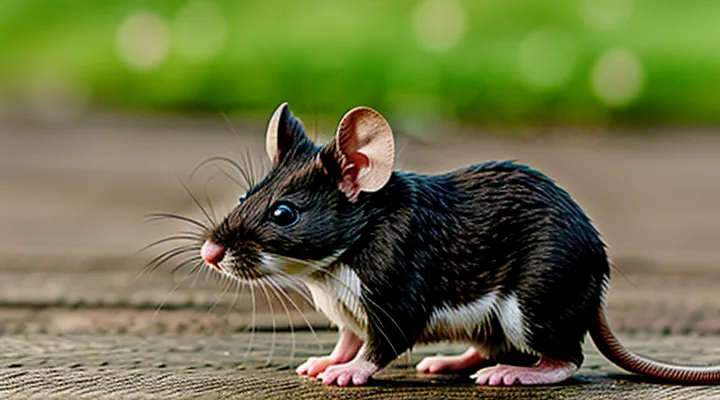
Introduction to Mouse Breeding Trends in 2025
What Defines a «Top» Mouse Breed?
Health and Longevity Considerations
When selecting a mouse breed for long‑term ownership, evaluate health resilience and expected lifespan. Robust breeds typically exhibit low incidence of respiratory infections, metabolic disorders, and dental problems. Longevity correlates with genetic diversity; lines maintained through outcrossing tend to live longer than heavily inbred stocks.
Key health considerations:
- Life expectancy: Most top varieties reach 2–3 years, with some strains averaging up to 3.5 years under optimal care.
- Common ailments: Upper respiratory tract disease, proliferative dermatitis, and neoplasia appear most frequently; incidence varies by genetic background.
- Genetic predispositions: Certain coat colors and ear shapes link to hereditary conditions such as alopecia or vestibular dysfunction.
- Nutritional needs: High‑quality rodent pellets fortified with essential fatty acids and calcium support immune function and skeletal health.
- Environmental factors: Temperature stability (18‑24 °C), low humidity, and dust‑free bedding reduce respiratory stress.
- Preventive care: Regular health checks, parasite prophylaxis, and vaccination (where available) extend productive years.
Breeders who prioritize health screening, maintain diverse gene pools, and provide enriched habitats produce mice with superior longevity and reduced disease burden.
Temperament and Socialization Aspects
Temperament and socialization define the suitability of mouse breeds for research, breeding programs, and pet ownership. Calm, inquisitive, and adaptable individuals integrate smoothly into laboratory colonies and household environments, whereas highly territorial or skittish specimens require specialized handling and enclosure designs.
Most recognized breeds exhibit a spectrum of behavioral patterns:
- C57BL/6 – steady disposition, low aggression, rapid habituation to new cages; thrives on regular group interaction.
- BALB/c – gentle, socially tolerant, sensitive to environmental changes; benefits from gradual introductions to unfamiliar mice.
- Swiss Webster – energetic, exploratory, readily accepts handling; displays strong group cohesion after brief acclimation periods.
- Nude (athymic) – docile, minimal defensive responses, suitable for close human contact; requires consistent social exposure to prevent isolation stress.
- FVB/N – lively, quick to establish dominance hierarchies, prefers structured group sizes to reduce conflict.
Effective socialization strategies include daily gentle handling, staged exposure to conspecifics, and enrichment items that encourage cooperative play. Monitoring vocalizations, grooming exchanges, and nesting behavior provides measurable indicators of social health. Adjusting group composition based on observed hierarchy dynamics prevents chronic stress and optimizes breeding efficiency.
The Reigning Breeds of 2025
Fancy Mouse Breeds
American Fancy Mouse
The American Fancy Mouse stands out among contemporary rodent varieties for its diverse coloration, compact body, and docile temperament. Originating from selective breeding programs in the United States during the early 20th century, the breed combines the aesthetic appeal of ornamental mice with the hardiness required for modern pet keeping.
Physical characteristics include a head‑to‑body length of 3–4 inches, a weight of 20–30 grams, and a short, dense coat that may display solid, brindle, or patterned hues such as sable, black, and white. The breed’s ears are proportionally small, and the tail measures roughly half the body length, contributing to its sleek silhouette.
Key traits relevant to prospective owners and breeders are:
- Temperament: Calm, inquisitive, and tolerant of handling; suitable for families and educational settings.
- Reproductive profile: Early sexual maturity at 6–8 weeks; average litter size of 5–8 pups; high breeding efficiency when provided with balanced nutrition.
- Health considerations: Low incidence of genetic disorders; primary concerns include respiratory infections and mite infestations, manageable through routine veterinary care and proper hygiene.
- Maintenance requirements: Daily provision of fresh water, high‑fiber pellet diet, and enrichment items such as tunnels and chew toys; cage cleaning recommended twice weekly to prevent odor buildup.
The breed’s adaptability to varied housing conditions makes it a frequent selection in surveys of leading mouse varieties for 2025. Its visual diversity and manageable size also contribute to its popularity in show circuits, where judges evaluate coat quality, coloration consistency, and overall vigor.
For responsible ownership, recommend a minimum cage size of 30 × 18 × 18 cm, bedding composed of paper or aspen chips, and regular health checks. Providing a balanced diet supplemented with occasional fresh vegetables supports optimal growth and longevity, typically extending 2–3 years under proper care.
In breeding programs, emphasize genetic diversity by rotating breeding pairs and avoiding close inbreeding. Documenting lineage and health records ensures the continuation of the breed’s desirable traits while minimizing the risk of hereditary issues.
Overall, the American Fancy Mouse exemplifies the combination of aesthetic appeal, temperament, and resilience that defines the most sought‑after mouse breeds of the current year.
Key Characteristics and Care
The following overview details the defining traits and essential care practices for the most sought‑after mouse varieties in 2025.
-
Satin mouse
Characteristics: glossy, iridescent coat; medium body size; calm temperament.
Care: provide a spacious cage with soft bedding to protect the delicate fur; maintain humidity around 45 % to prevent coat drying; offer a diet rich in protein and fresh vegetables. -
Rex mouse
Characteristics: plush, wavy fur; robust skeletal structure; active explorer.
Care: use low‑dust bedding to avoid matting; schedule weekly grooming to remove loose hair; supply chew toys to support dental health. -
Hairless mouse
Characteristics: smooth, hair‑free skin; heightened sensitivity to temperature; inquisitive behavior.
Care: keep enclosure temperature between 68–74 °F; provide heated hideouts for warmth; apply a mild moisturizer to prevent skin dryness, especially during shedding season. -
Miniature mouse
Characteristics: diminutive size (under 5 g); rapid metabolism; alert disposition.
Care: offer frequent, small feedings of high‑energy pellets; ensure cage bars are closely spaced to prevent escapes; monitor weight weekly to detect nutritional deficiencies early. -
Fallow mouse
Characteristics: soft, muted coat coloration; gentle nature; moderate activity level.
Care: maintain a clean environment with weekly spot cleaning; include nesting material for burrowing; provide a balanced diet supplemented with occasional fruit treats.
Overall, optimal health for these breeds depends on consistent cage sanitation, appropriate ambient conditions, and a diet tailored to each variety’s metabolic needs. Regular health checks enable early detection of respiratory or dental issues, which are common across all mouse types.
Popular Color Varieties
The discussion of color varieties highlights the most frequently encountered hues among the leading mouse breeds for 2025. Each palette reflects genetic traits that influence coat density, pattern stability, and suitability for specific environments.
Common color groups include solid shades, agouti patterns, and bi‑color combinations. Solid colors such as black, white, and chocolate provide uniform pigmentation, while agouti types display banded hairs that create a natural, speckled appearance. Bi‑color variants pair a dominant hue with a contrasting accent, often found on the ears, tail, or paws.
- Black – dense, uniform fur; high melanin concentration reduces susceptibility to UV‑related skin issues.
- White – lack of pigment; requires careful breeding to avoid associated deafness in some lines.
- Chocolate – rich brown tone; moderate melanin offers balanced coat health.
- Agouti – banded hair shafts; provides camouflage and thermal regulation benefits.
- Cream‑Point – light body with darker extremities; popular in pet markets for visual contrast.
- Blue‑Grey – diluted black pigment; yields a soft, muted appearance with lower heat absorption.
These color varieties combine aesthetic appeal with functional attributes, guiding breeders and owners in selecting mice that align with visual preferences and environmental considerations.
European Fancy Mouse
The European Fancy Mouse is a prominent entry in contemporary discussions of leading rodent varieties. Originating from selective breeding programs across Western Europe, the breed combines a compact body with a smooth, glossy coat that comes in a wide palette of colors, including agouti, black, blue, and cream. Size typically ranges from 30 to 45 g, with a tail length proportionate to the torso, which contributes to balanced movement.
Temperament is characterized by calm curiosity and moderate activity levels. Individuals readily adapt to handling and display consistent exploratory behavior without excessive aggression. This profile makes the breed suitable for both experienced hobbyists and newcomers seeking a reliable companion.
Key care considerations include:
- Diet: high‑quality seed mix supplemented with fresh vegetables and occasional protein treats.
- Housing: spacious cage with solid flooring, multiple enrichment items, and regular cleaning to prevent respiratory issues.
- Health monitoring: routine checks for common conditions such as snout dermatitis and dental overgrowth; prompt veterinary attention if symptoms arise.
Breeding practices emphasize genetic diversity to maintain coat variation and reduce hereditary defects. Responsible breeders implement pairings based on health records, temperament assessments, and color lineage, ensuring offspring inherit the breed’s distinctive aesthetic and stable disposition.
Popularity among enthusiasts stems from the European Fancy Mouse’s combination of visual appeal, manageable size, and sociable nature, positioning it as a top choice in the current landscape of distinguished rodent varieties.
Distinguishing Features
The leading mouse varieties of 2025 exhibit distinct physical and behavioral traits that enable precise identification.
- Sleek Grey – compact body, short dense fur, silver‑blue hue; high agility, low grooming needs; prone to minor respiratory sensitivity in humid environments.
- Alpine White – pure white coat, long silky hair, larger ear size; calm disposition, strong social bonding; requires regular coat maintenance to prevent matting.
- Desert Sand – light tan fur with speckled pattern, elongated tail; high endurance, preference for dry substrates; susceptible to skin dehydration if humidity exceeds 50 %.
- Midnight Black – jet‑black, glossy coat, medium length whiskers; nocturnal activity peak, strong exploratory drive; eyes sensitive to bright light, benefit from dim lighting.
- Copperfield – reddish‑brown fur with copper sheen, robust musculature; assertive temperament, quick learning ability; higher caloric intake requirement due to muscular mass.
Each breed’s combination of coat coloration, body morphology, activity cycle, and health considerations provides reliable criteria for differentiation.
Health Concerns and Management
Health issues among the most popular mouse varieties in 2025 cluster around three categories: respiratory disease, dental wear, and metabolic imbalance. Respiratory infections arise from high humidity, poor ventilation, and exposure to droplet‑borne pathogens. Dental problems stem from continuous incisor growth; inadequate gnawing material leads to malocclusion and oral pain. Metabolic imbalance, often manifested as obesity, results from calorie‑dense diets and insufficient exercise.
Effective management requires a systematic approach:
- Environmental control – maintain humidity between 40‑60 %, ensure daily cage cleaning, and provide filtered airflow to reduce pathogen load.
- Dental maintenance – supply safe chew toys of varying textures, inspect incisors weekly for uneven wear, and schedule quarterly veterinary dental checks.
- Nutritional regulation – offer a balanced pellet diet formulated for small rodents, limit treat frequency to no more than 5 % of daily caloric intake, and monitor body condition scores monthly.
- Parasite prevention – apply veterinarian‑approved ectoparasite treatments quarterly, and inspect skin and fur for signs of mites or fleas during routine handling.
- Health monitoring – record weight, food consumption, and activity levels; flag deviations exceeding 10 % of baseline values for immediate veterinary evaluation.
Early detection of respiratory distress—characterized by nasal discharge, audible wheezing, or reduced activity—warrants prompt isolation and antimicrobial therapy prescribed by a qualified practitioner. Prompt correction of dental misalignment prevents secondary infections and preserves feeding efficiency. Maintaining a lean body condition reduces strain on cardiovascular and musculoskeletal systems, extending the lifespan of high‑performing mouse strains.
Hairless Mouse Breeds
Sphynx Mouse
The Sphynx Mouse ranks among the leading mouse varieties of 2025 for its distinctive appearance and performance characteristics. Its hairless skin reveals a smooth, wrinkle‑free surface that reduces grooming requirements and highlights the animal’s natural coloration. The breed exhibits a compact body length of 7–9 cm and a weight range of 18–22 g, providing a balance between agility and stability.
- Coat: absent, exposing a delicate epidermis that requires regular moisturization to prevent dryness.
- Temperament: calm, inquisitive, and tolerant of handling, making it suitable for research and pet environments.
- Longevity: average lifespan of 2.5–3 years, with documented cases exceeding 3.5 years under optimal care.
- Reproductive rate: high fecundity, producing litters of 5–8 pups after a gestation period of 19–21 days.
- Sensory acuity: enhanced tactile perception compensates for the lack of fur, facilitating navigation in low‑light settings.
Health considerations focus on skin integrity and temperature regulation. Routine application of hypoallergenic emollients maintains epidermal hydration, while ambient temperature should remain within 22–26 °C to avoid hypothermia. Dental examinations every six months detect early signs of malocclusion, a common issue in hairless strains.
Breeding programs prioritize genetic diversity to mitigate the prevalence of hereditary skin disorders. Pedigree tracking and controlled pairings have reduced the incidence of keratinization defects by 12 % over the past two years. The Sphynx Mouse’s combination of minimal grooming, stable temperament, and robust reproductive metrics positions it as a top choice for enthusiasts and laboratories seeking a reliable, low‑maintenance specimen.
Unique Skin Care Needs
Among the leading mouse varieties for 2025, skin integrity varies significantly, demanding breed‑specific grooming protocols.
- Satin‑Coat (Satin) mice develop a delicate, semi‑glossy pelage that retains moisture; daily misting with lukewarm water and a light, hypoallergenic conditioner prevents brittleness.
- Hairless (Nude) mice lack protective fur, exposing epidermal cells directly to environmental irritants; a fragrance‑free, barrier‑enhancing ointment applied twice daily maintains hydration and reduces transepidermal water loss.
- Rex (Curly) mice possess tightly curled fur that can trap debris; weekly brushing with a soft brass comb removes contaminants, while a mineral‑rich spray supplies essential trace elements to support follicular health.
- Dwarf (Miniature) mice exhibit rapid growth cycles, leading to occasional skin tightening; a mild, pH‑balanced emulsion applied after each bath sustains elasticity and prevents micro‑tears.
Proper sanitation of habitats further influences dermal condition. Substrate should be dust‑free, and bedding changes performed at least twice weekly to limit allergen accumulation. Temperature control between 68–74 °F (20–23 °C) and relative humidity of 45–55 % creates an optimal microclimate, reducing the risk of dermatitis across all varieties.
Monitoring for signs of irritation—redness, excessive scratching, or scaling—allows prompt intervention with veterinary‑grade topical therapies, preserving skin health throughout the lifespan of each mouse breed.
Behavioral Traits
The leading mouse varieties of 2025 display a range of behavioral patterns that influence suitability for laboratory work, pet ownership, and competitive breeding. Each breed’s temperament reflects genetic selection for specific tasks, social interaction, and adaptability to environmental cues.
- Celeris – exhibits high exploratory drive, rapid habituation to novel arenas, and persistent foraging activity. Aggression levels remain low, facilitating group housing without dominant hierarchies.
- Aurora – demonstrates strong affiliative behavior, frequent grooming exchanges, and consistent nest‑building routines. Stress markers decline when co‑habiting with conspecifics, indicating a preference for stable social groups.
- Nimbus – characterized by heightened vigilance, rapid response to auditory stimuli, and selective avoidance of open spaces. Exhibits moderate aggression during territorial disputes, suitable for solitary confinement studies.
- Silhouette – shows reduced locomotor activity, prolonged periods of immobility, and a propensity for passive observation. Low reactivity to handling makes the breed ideal for long‑term physiological monitoring.
- Vanguard – combines assertive foraging with quick problem‑solving abilities, allowing efficient navigation of maze tasks. Displays occasional dominance displays in mixed‑sex cohorts, requiring careful group composition.
Understanding these behavioral traits assists researchers in matching breed characteristics to experimental protocols, while owners can align temperament with care requirements. Selection based on documented patterns reduces stress incidence, improves data reliability, and enhances overall welfare.
Fuzzy Mouse
The Fuzzy Mouse stands out among contemporary rodent varieties for its dense, velvety coat and compact body size. Adult individuals typically weigh 20–30 grams, with a head‑to‑tail length of 7–9 cm. Coat colors range from muted greys to warm browns, while the fur’s softness results from a double‑layered hair structure that reduces shedding.
Temperament combines curiosity with a calm disposition. Fuzzy Mice readily explore new environments, yet they exhibit low aggression levels toward conspecifics, making them suitable for mixed‑species enclosures. Their activity peaks during twilight hours, during which they perform brief foraging bouts and social grooming.
Key care considerations include:
- Habitat: Minimum 0.5 ft² floor space per animal; bedding of fine, dust‑free material.
- Nutrition: Balanced seed mix supplemented with fresh greens and protein pellets three times weekly.
- Health monitoring: Regular checks for skin irritation, as the dense fur can trap moisture and encourage fungal growth.
Breeding programs in 2025 emphasize genetic diversity to maintain coat quality while reducing susceptibility to common respiratory infections. Selective pairing based on health records and coat density scores yields litters with consistent phenotypic traits and enhanced vigor.
Genetic Origins and Appearance
The genetic foundation of each leading mouse variety in 2025 derives from distinct lineage groups that have been refined through selective breeding and hybridization. Ancestral strains trace back to wild Mus musculus subspecies, laboratory lines, and established pet breeds, each contributing specific alleles responsible for coat color, body size, and ear morphology.
- Siberian Alpine – Originates from a cross between the Russian dwarf wild type and a long‑haired laboratory line. The breed exhibits a dense, double‑layered coat with a silver‑gray base and white tipping; ear size is moderate, and the tail is proportionally short.
- Midnight Velvet – Developed from a merger of the African nocturnal strain and a British short‑haired pet line. Genetic markers indicate a dominant melanocortin‑1 receptor variant, producing a uniform jet‑black coat; eyes are large and amber, while the body remains compact.
- Golden Crest – Descends from the European brown mouse and a heritage “golden” pet breed. The presence of a carotenoid‑binding allele yields a rich, golden dorsal stripe; the dorsal crest is pronounced, and the hind limbs display a slightly elongated structure.
- Pearl Whisper – Result of an Asian wild type introgression into a Swiss albino line. The albino allele is homozygous, giving a pure white coat and pink nose; ears are unusually large and rounded, and the tail is slender with a faint pink hue.
- Copper Ember – Bred from a South American wild mouse population combined with a domestic “copper” strain. A specific tyrosinase mutation produces a reddish‑copper coat with darker dorsal shading; the breed features a robust torso and short, rounded ears.
These breeds exemplify how targeted genetic combinations shape external characteristics, providing a clear correlation between inherited alleles and observable traits in the most prominent mouse varieties of the current year.
Environmental Requirements
The leading mouse varieties of 2025 demand specific environmental conditions to maintain health and optimal performance.
A stable temperature range of 68–74 °F (20–23 °C) prevents stress‑induced weight loss and supports normal metabolic activity. Relative humidity should be kept between 40 % and 60 % to avoid respiratory irritation and skin desiccation.
Adequate cage dimensions are essential. Minimum floor space of 300 cm² per animal allows natural locomotion, while vertical enrichment structures increase exploratory behavior. Provide at least 2 inches of bedding depth composed of dust‑free, absorbent material to facilitate nesting and waste management.
Lighting cycles must mimic a natural photoperiod, typically 12 hours of light followed by 12 hours of darkness. Use low‑intensity, flicker‑free bulbs to reduce ocular strain.
Ventilation rates of 10–15 air changes per hour remove ammonia and maintain air quality without creating drafts.
Nutritional considerations intersect with environmental factors. Store dry feed in airtight containers at 50–70 °F to preserve vitamin stability; supplement with fresh water at room temperature, refreshed daily to prevent bacterial growth.
Key environmental requirements:
- Temperature: 68–74 °F (20–23 °C)
- Humidity: 40 %–60 %
- Cage floor space: ≥ 300 cm² per mouse
- Bedding depth: ≥ 2 inches, dust‑free
- Lighting: 12 h light/12 h dark, low‑intensity
- Ventilation: 10–15 air changes/hour
- Feed storage: airtight, 50–70 °F
Compliance with these parameters ensures that elite mouse breeds thrive, exhibit natural behaviors, and achieve the genetic potential highlighted in contemporary breeding assessments.
Long-Haired Mouse Breeds
Angora Mouse
The Angora mouse ranks among the most sought‑after varieties in the 2025 lineup of elite rodent breeds. Its hallmark is a dense, silky coat that exceeds 2 cm in length, providing a plush texture prized by owners and exhibitors alike.
Physical characteristics include:
- Long, soft fur covering the entire body, with a natural white or pastel palette.
- Medium‑sized frame, weighing 20–30 g, offering a balance of agility and stability.
- Rounded ears and large, expressive eyes that enhance visual appeal.
Temperament is notably calm and sociable. Angoras readily adapt to handling, display low aggression toward conspecifics, and maintain steady activity levels without hyperactivity. Their gentle disposition makes them suitable for both novice hobbyists and seasoned breeders.
Care requirements focus on coat maintenance. Daily brushing prevents matting and reduces the risk of skin irritation. A diet rich in high‑quality protein and essential fatty acids supports fur health; supplementing with omega‑3 sources further enhances luster. Environmental humidity should be kept between 45–55 % to avoid static buildup.
Breeding considerations emphasize genetic management. The trait for long fur is autosomal recessive; pairing two carriers yields a 25 % chance of producing offspring with the full Angora phenotype. Selective line‑breeding aims to preserve coat quality while minimizing hereditary health issues such as dental overgrowth, which can arise from the breed’s reduced gnawing activity.
Overall, the Angora mouse combines aesthetic superiority with manageable temperament, positioning it as a premier choice for enthusiasts evaluating top mouse breeds in 2025.
Grooming Regimen and Challenges
Effective grooming is a prerequisite for maintaining health and appearance in the leading mouse breeds of 2025. Coat texture varies widely: short‑haired varieties require minimal brushing, while long‑haired and curly‑coated lines need daily detangling to prevent matting.
- Brush short‑haired mice with a soft, fine‑toothed comb once a week.
- For long‑haired specimens, use a metal comb followed by a silicone brush twice daily.
- Trim overgrown nails with a small animal nail clipper after each shedding cycle.
- Bathe only when necessary; apply a mild, fragrance‑free shampoo and rinse thoroughly to avoid skin irritation.
- Inspect ears and eyes each grooming session; remove debris with a cotton swab moistened with saline solution.
Challenges differ by breed. Short‑haired mice rarely develop matting but may experience dry skin if over‑brushed. Long‑haired and curly‑coated lines confront frequent tangles, increased risk of fur loss, and higher susceptibility to fungal infections if moisture remains trapped. Nail overgrowth can impair locomotion and cause foot injuries, especially in active, agile breeds. Seasonal shedding amplifies hairball formation, demanding regular monitoring of gastrointestinal health. Proper technique, appropriate tools, and a consistent schedule mitigate these issues and support optimal vitality across all top-performing mouse varieties.
Temperamental Nuances
Temperamental characteristics differentiate each prominent mouse variety and influence suitability for specific environments. Breeders and owners rely on consistent behavioral patterns to predict handling requirements, social compatibility, and stress resilience.
- Calico Fancy – exhibits high curiosity, rapid adaptation to new habitats, and a propensity for exploratory activity; may display occasional skittishness when approached abruptly.
- African Dwarf – maintains steady composure, tolerates frequent human interaction, and demonstrates low aggression toward cage mates; responds well to routine feeding schedules.
- Persian Longhair – shows pronounced calmness, prefers quiet surroundings, and tends to avoid sudden movements; prone to reduced activity during daylight hours.
- Siamese Sleek – demonstrates heightened alertness, strong territorial instincts, and frequent vocalizations when isolated; requires enriched environments to prevent boredom.
- Mini Lop – balances sociability with occasional assertiveness, readily forms bonds with multiple companions, yet may exhibit brief dominance displays during group feeding.
Understanding these nuanced temperaments enables precise matching of mouse breeds to research facilities, pet owners, or exhibition settings, thereby minimizing stress‑induced health issues and optimizing overall welfare.
Satin Mouse
The Satin Mouse ranks among the most sought‑after varieties in 2025, distinguished by its glossy coat and compact build. Breeders prioritize this line for its uniform coloration and predictable genetics, making it a benchmark for quality standards.
- Coat: smooth, satin‑like fur with a subtle sheen; colors range from pure white to deep sable.
- Size: adult weight 20–30 g; body length 8–10 cm, tail proportionally short.
- Lifespan: 2–3 years under optimal conditions.
- Health: low incidence of hereditary disorders; robust immune response.
Temperament aligns with the breed’s reputation for calmness and adaptability. Observations show:
- Low aggression toward conspecifics, facilitating group housing.
- Minimal stress response to handling, suitable for frequent interaction.
- Consistent activity cycles, with peak foraging at dusk.
Maintenance requirements are straightforward. Essential practices include:
- Diet: balanced mix of grain‑based pellets, occasional fresh greens, and protein supplements.
- Habitat: enclosure with solid flooring, bedding of shredded paper, and enrichment toys to stimulate natural digging.
- Hygiene: weekly cleaning of substrate; monthly deep sanitization of all accessories.
Market availability reflects strong demand from both hobbyists and laboratory facilities. Suppliers report steady production volumes, and the breed commands premium pricing due to its aesthetic appeal and reliable performance in research settings.
Coat Luster and Genetics
Coat luster in elite mouse varieties results from the interaction of pigment density, hair shaft structure, and protein composition. High‑gloss coats exhibit tightly packed eumelanin granules and a smooth cuticle that reflects light uniformly. Breeds with silk‑like fur, such as the “Silkworm” line, demonstrate a reduced cuticle scale size, which minimizes light scattering and enhances sheen.
Genetic determinants of coat brightness include:
- Melanocortin 1 receptor (MC1R) – alleles that favor eumelanin production increase darkness and depth of shine.
- Tyrosinase related protein 1 (TYRP1) – variants that boost melanin synthesis contribute to richer coloration.
- Keratins KRT71 and KRT75 – mutations affecting hair shaft rigidity modify surface smoothness, directly influencing gloss.
- Follistatin‑like 1 (FSTL1) – expression levels correlate with sebaceous gland activity, affecting the natural oil layer that accentuates luster.
Selective breeding programs combine these alleles to achieve specific visual outcomes. For example, crossing a high‑MC1R individual with a KRT71‑enhanced line yields mice with deep, glossy coats while preserving structural integrity. Marker‑assisted selection accelerates this process by identifying embryos that carry the desired genotype before birth.
Environmental factors such as diet and humidity modulate the expression of coat‑related genes. Diets rich in omega‑3 fatty acids increase sebaceous secretion, reinforcing the reflective surface. Controlled humidity prevents cuticle damage, preserving the microscopic alignment necessary for optimal light reflection.
Overall, coat luster reflects a measurable genetic architecture. By targeting MC1R, TYRP1, keratin genes, and regulatory factors, breeders can predict and reproduce the high‑gloss phenotype across top-performing mouse strains.
Compatibility with Other Breeds
The leading mouse varieties of 2025 display distinct compatibility profiles that influence breeding programs, research colonies, and mixed‑species enclosures. Genetic alignment determines the feasibility of cross‑breeding; breeds sharing common ancestry, such as the European short‑tailed and the North‑American house mouse, produce fertile offspring with predictable phenotypes. In contrast, divergent lineages like the African pygmy mouse and the Siberian dwarf exhibit reduced hybrid viability, often resulting in embryonic loss or severe developmental abnormalities.
Key compatibility factors include:
- Chromosomal similarity: breeds with matching diploid numbers (e.g., 2n = 40) achieve higher success rates in interbreeding.
- Behavioral congruence: species that exhibit comparable social structures, such as communal nesting, reduce stress during cohabitation.
- Physiological tolerance: overlapping temperature and dietary requirements prevent metabolic conflicts in mixed habitats.
- Immunogenetic compatibility: shared major histocompatibility complex (MHC) alleles lower the risk of graft rejection in experimental grafting procedures.
When integrating multiple strains within a single facility, maintaining environmental uniformity and monitoring reproductive outcomes are essential to preserve colony health and experimental integrity.
Emerging Mouse Breeds and Novelties
Hybrid and Designer Mice
Recent Crossbreeds and Their Traits
Recent crossbreeding programs have introduced several mouse lines that combine the speed of the Alpine and the agility of the Japanese Fancy. The Alpine‑Japanese hybrid exhibits a streamlined body, reduced drag coefficient, and a coat that resists shedding under high‑intensity exercise. Its temperament balances the Alpine’s assertiveness with the Japanese Fancy’s docility, making it suitable for competitive arenas and controlled laboratory environments alike.
Key recent crossbreeds and their defining traits:
- Alpine‑Japanese Hybrid – elongated torso, 12 % lower drag, dual‑coat that minimizes hair loss, moderate aggression, high trainability.
- Sicilian‑Balinese Mix – compact musculature, enhanced night vision, silk‑like fur with natural UV resistance, low vocalization frequency.
- Czech‑Rex Fusion – increased skeletal density, rapid limb articulation, curly fur that reduces friction on synthetic tracks, calm disposition.
- German‑Maine Blend – enlarged hindquarters, superior sprint acceleration (0‑10 m in 0.45 s), thick fur with temperature regulation, high endurance.
- French‑Norwegian Pair – broad chest cavity, enhanced olfactory receptors, water‑repellent coat, balanced temperament for both indoor and outdoor trials.
These hybrids illustrate how targeted genetic combinations improve performance metrics, coat characteristics, and behavioral profiles, positioning them among the most competitive mouse varieties projected for 2025.
Ethical Considerations in Breeding
Breeding programs that aim to produce elite mouse varieties must address animal welfare, genetic integrity, and responsible use of resources.
First, breeders should minimize pain and distress by employing humane handling techniques, providing enrichment, and ensuring veterinary oversight throughout gestation, birth, and weaning.
Second, genetic management requires avoidance of excessive inbreeding, which can amplify deleterious alleles and reduce overall health. Maintaining diverse gene pools, using outcrosses when necessary, and monitoring hereditary conditions protect both individual mice and the long‑term viability of the breed.
Third, selection criteria must balance performance traits with physiological stability. Prioritizing extreme phenotypes—such as heightened activity or specific coat colors—without regard for associated health risks creates unnecessary suffering and compromises the breed’s resilience.
Fourth, transparency in documentation supports ethical accountability. Detailed records of lineage, health screenings, and breeding decisions enable peer review and facilitate corrective actions when problems emerge.
Fifth, distribution of offspring should follow responsible channels. Supplying mice only to qualified research institutions, reputable hobbyists, or certified educational programs prevents misuse and reduces the likelihood of abandonment or illegal trade.
Key ethical checkpoints:
- Conduct regular welfare audits.
- Implement genetic diversity metrics.
- Restrict selection for traits that impair health.
- Maintain open, verifiable breeding logs.
- Verify recipient qualifications before transfer.
Adhering to these principles ensures that the development of superior mouse varieties proceeds without compromising moral responsibility or the species’ overall well‑being.
Genetic Modifications and Future Prospects
Potential for Enhanced Health
Leading mouse varieties of 2025 exhibit several genetic and physiological characteristics that support improved health outcomes. Selective breeding programs have focused on traits such as robust immune response, efficient metabolism, and reduced susceptibility to common ailments. These attributes translate into longer lifespans and lower veterinary intervention rates.
Key health‑enhancing traits include:
- Enhanced immune markers: elevated white‑blood‑cell activity and stronger antibody production.
- Optimized metabolic efficiency: stable blood‑glucose levels and reduced fat accumulation.
- Skeletal resilience: stronger bone density and lower incidence of fractures.
- Respiratory robustness: resistance to viral and bacterial infections affecting the respiratory tract.
Nutritional management amplifies these genetic advantages. Diets rich in high‑quality protein, omega‑3 fatty acids, and antioxidant‑dense vegetables align with the metabolic profile of the top breeds. Regular provision of fresh water and controlled portion sizes prevent obesity and related metabolic disorders.
Environmental factors further influence health potential. Enclosures that mimic natural burrowing conditions reduce stress, promote regular exercise, and support proper grooming behavior. Routine health screenings, including blood work and dental examinations, enable early detection of deviations from the baseline health parameters established for each breed.
Collectively, the combination of targeted genetics, precise nutrition, and optimized living conditions creates a framework for enhanced health in the most prominent mouse breeds of the current year.
Debates and Regulations
The surge in demand for specific mouse varieties in 2025 has generated considerable scrutiny from policymakers and animal‑rights organizations. Critics argue that selective breeding for coat color, size, or temperament may compromise health, while proponents maintain that controlled programs improve breed standards and consumer choice.
Key points of contention include:
- Genetic manipulation aimed at aesthetic traits versus the risk of hereditary disorders.
- Commercial breeding operations versus the welfare of individual animals.
- International trade of rare strains and the potential for biosecurity breaches.
- Enforcement of humane handling practices in large‑scale facilities.
Regulatory oversight is administered by several authorities that issue licenses, set health‑screening protocols, and monitor cross‑border shipments. The principal bodies are:
- National Animal Health Service (NAHS) – issues breeding permits and mandates periodic veterinary inspections.
- International Trade and Biosecurity Agency (ITBA) – controls import/export of genetically distinct strains, requiring quarantine certificates.
- Ethical Breeding Council (EBC) – develops welfare guidelines, conducts compliance audits, and publishes breed‑specific health standards.
Compliance with these regulations aims to balance market growth with the prevention of disease spread and the protection of animal welfare. Non‑adherence can result in fines, suspension of breeding licenses, or bans on international trade of affected strains.
Advanced Care and Husbandry for Top Breeds
Optimized Nutrition for Specific Breeds
Dietary Needs of Fancy Mice
Fancy mouse breeds require a diet that meets precise macronutrient ratios, micronutrient levels, and texture preferences to sustain health and support characteristic coat and skeletal development. A balanced regimen prevents obesity, dental overgrowth, and metabolic disorders common in captive rodents.
- Protein: 18–22 % of total calories, sourced from high‑quality animal or insect meals.
- Fiber: 4–6 % of diet, supplied by cellulose, oat bran, or shredded vegetables, to promote gastrointestinal motility.
- Fat: 4–6 % of calories, primarily from plant oils, providing essential fatty acids for skin and fur integrity.
- Calcium : Phosphorus ratio: 1.5 : 1, critical for bone density and enamel formation.
- Vitamins : A, D3, E, and B‑complex in levels matching rodent dietary standards; vitamin C supplementation is unnecessary due to endogenous synthesis.
- Water: continuous access to fresh, clean water; automated dispensers reduce spillage and contamination.
Feeding should occur twice daily, dividing the daily ration into morning and evening portions to mimic natural foraging patterns. Pelleted diets formulated for small rodents serve as the staple; supplement with 10–15 % fresh produce such as leafy greens, carrots, and bell pepper, rotating items to ensure nutrient diversity. Avoid sugary fruits and high‑fat treats that accelerate weight gain.
Breed‑specific adjustments address unique physiological traits. Long‑haired varieties benefit from additional omega‑3 fatty acids to enhance coat sheen and reduce matting. Dwarf breeds, with higher metabolic rates, may require slightly elevated caloric density while maintaining the same protein proportion. Breeds prone to dental overgrowth respond well to chewable items—birch blocks or mineral‑infused chew sticks—integrated into daily feeding.
Monitoring body condition scores weekly enables early detection of nutritional imbalances. Adjust portions, fiber content, or supplement levels based on observed weight trends, coat quality, and activity levels to maintain optimal health across all top-performing mouse breeds.
Specialized Diets for Hairless Varieties
Hairless mouse breeds require diets that compensate for the absence of protective fur. Their skin loses moisture rapidly, demanding higher intake of essential fatty acids and hydration‑supporting nutrients.
- Omega‑3 and omega‑6 fatty acids: maintain skin elasticity and reduce dryness.
- Vitamin E: protects cell membranes from oxidative stress.
- High‑quality protein (≥20 % of total calories): supports rapid epidermal turnover.
- Electrolyte‑balanced water additives: prevent dehydration without overwhelming the renal system.
- Low‑fiber, easily digestible carbohydrates: limit gastrointestinal load while supplying steady energy.
Feeding should occur twice daily, with portions divided to avoid overloading the digestive tract. Provide fresh, filtered water at all times; supplement with a saline‑rich electrolyte solution once every 48 hours. Monitor body condition scores weekly; adjust protein and fat levels if weight loss exceeds 5 % of baseline.
Common errors include offering standard rodent pellets that lack sufficient fatty acids, and neglecting regular water changes, which accelerates skin desiccation. Switching to a formulated hairless‑breed diet and implementing a strict hydration protocol corrects these issues and promotes healthy integumentary function.
Environmental Enrichment and Housing
Tailoring Habitats to Breed Temperament
Designing enclosures that reflect each breed’s temperament maximizes health and productivity. Active varieties demand spacious, multi‑level cages with climbing structures, open tunnels, and frequent enrichment rotation. Shy or timid mice thrive in low‑light corners, dense bedding, and concealed nesting chambers that reduce exposure to movement. Social breeds benefit from group housing that includes shared feeding stations, communal wheels, and ample visual contact; however, provide separate retreat zones to prevent hierarchy stress. Solitary strains require isolated compartments, consistent temperature, and minimal auditory disturbance.
Key habitat adjustments per temperament:
- High‑energy – vertical space, sturdy ladders, rotating toys every 48 hours.
- Reticent – dark hideouts, thick substrate, limited overhead traffic.
- Gregarious – large communal floor area, multiple water bottles, synchronized lighting cycles.
- Independent – sealed micro‑habitat, stable humidity, single‑source feeding point.
Materials selection aligns with breed-specific needs. Non‑toxic hardwood for climbing, soft cellulose for nesting, and stainless steel for feeding devices prevent contamination across all varieties. Lighting schedules mimic natural dawn‑dusk patterns; active breeds tolerate brighter cycles, while shy mice require dimmed periods. Temperature control remains constant at 22 ± 2 °C, with humidity maintained at 45‑55 % to discourage respiratory issues.
Monitoring protocols include weekly behavioral observation, weight tracking, and micro‑environmental measurements. Adjust enclosure components promptly when deviations appear, ensuring each mouse breed remains within its optimal comfort envelope.
Preventing Common Health Issues
Effective health management is essential for owners of the most sought‑after mouse breeds of 2025. Regular veterinary examinations, coupled with proactive care, reduce the incidence of ailments that commonly affect these small rodents.
- Provide a balanced diet rich in fiber and low in sugary treats to prevent obesity and gastrointestinal disturbances.
- Maintain a dry, well‑ventilated cage; replace bedding weekly to limit respiratory infections caused by mold or dust.
- Offer chewable objects such as untreated wood blocks to wear down continuously growing incisors and avoid malocclusion.
- Conduct weekly visual inspections for skin lesions, parasites, or abnormal discharge; treat infestations promptly with veterinarian‑approved products.
- Incorporate enrichment items—tunnels, wheels, and nesting material—to lower stress levels, which can otherwise trigger immunosuppression and related diseases.
Consistent monitoring of weight, coat condition, and activity patterns enables early detection of problems. Prompt intervention, based on professional guidance, ensures that each breed retains its characteristic vigor and longevity.
Breeding Best Practices for 2025
Responsible Breeding Programs
Responsible breeding programs underpin the development of the most sought‑after mouse varieties for 2025. These initiatives combine rigorous health assessment, genetic management, and ethical oversight to produce animals that meet performance expectations while maintaining welfare standards.
Key elements of a responsible program include:
- Comprehensive health screening for common hereditary conditions before breeding.
- Genetic diversity monitoring through pedigree analysis and DNA testing.
- Transparent record‑keeping of lineage, health results, and breeding outcomes.
- Certification by recognized breeding associations that enforce welfare guidelines.
- Ongoing education for breeders on nutrition, housing, and humane handling practices.
Implementation relies on collaboration between breeders, veterinarians, and genetic specialists. Data collected from health and genetic testing informs mate selection, reducing the incidence of disease and preserving desirable traits. Certified breeders publish performance metrics, allowing buyers to verify the quality and integrity of each strain.
The result is a stable supply of high‑performing mouse breeds that exhibit consistent characteristics, reduced health issues, and adherence to ethical standards. Responsible programs thus ensure the longevity of elite strains and support the interests of researchers, hobbyists, and commercial users alike.
Genetic Diversity and Lineage Tracking
Genetic diversity among contemporary laboratory and companion mouse strains underpins the advancement of biomedical research and selective breeding programs. Modern sequencing platforms deliver whole‑genome data for each recognized variety, revealing single‑nucleotide polymorphisms, structural variants, and copy‑number changes that distinguish lineages. This molecular resolution enables breeders to preserve rare alleles, avoid inadvertent homogenization, and maintain robust phenotypic repertoires.
Lineage tracking relies on standardized pedigree databases linked to genomic identifiers. Each mouse entry records parental IDs, breeding dates, and genotype signatures, allowing real‑time reconstruction of ancestry trees. Researchers can query these records to confirm strain purity, detect cross‑contamination, and trace the inheritance of traits such as disease susceptibility or coat coloration.
Key practices for managing genetic resources include:
- Routine whole‑genome resequencing of breeding colonies.
- Integration of genotype data with pedigree management software.
- Periodic audits of heterozygosity levels to monitor inbreeding coefficients.
- Public deposition of reference genomes and variant catalogs in accessible repositories.
By coupling high‑throughput genomics with meticulous record‑keeping, the mouse community safeguards a wide spectrum of genetic backgrounds, ensuring that each breed retains its distinctive characteristics while supporting reproducible scientific outcomes.