
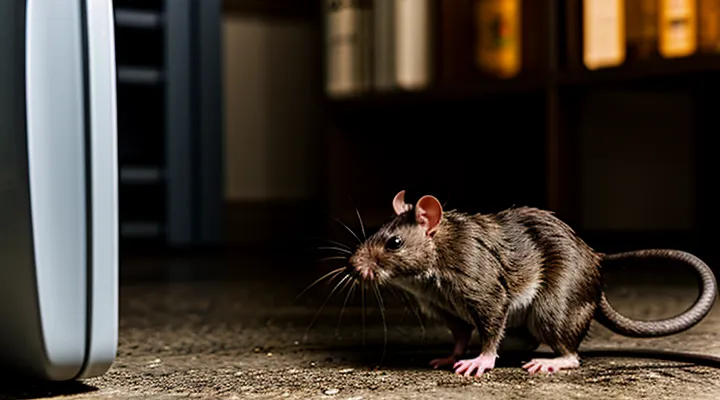
Understanding the Rat Problem
Identifying the Signs of Infestation
Droppings and Urine Trails
Droppings and urine trails provide the most reliable indicators of rat activity. Their presence confirms infestation, reveals movement patterns, and helps locate nesting sites.
- Fresh fecal pellets are dark, cylindrical, and approximately 1 cm long. A concentration of pellets along walls or in corners signals regular traffic routes.
- Urine stains appear as darkened surfaces or a faint, ammonia‑like odor. Trails often connect feeding areas to water sources and hideouts.
Analyzing these signs enables precise placement of control measures. Bait stations positioned at the intersection of multiple trails achieve higher consumption rates. Traps set near dense droppings increase capture probability. Regular cleaning removes scent markers, disrupts social communication, and reduces reinfestation risk.
Monitoring schedules should include weekly inspections of known pathways, recording pellet counts and urine markings. Quantitative data guide adjustments in bait density, trap locations, and sanitation frequency, ensuring an evidence‑based approach to rat suppression.
Gnaw Marks and Damage
Rats leave distinctive gnaw marks that reveal the extent of their intrusion. These incisions appear on wood, plastic, insulation, and wiring, often with clean, V‑shaped cuts at the entry point. Damage to structural components compromises integrity, while chewed wires create fire hazards and costly repairs. Recognizing the pattern of bite marks enables rapid assessment of infestation severity and prioritization of control actions.
Key observations for effective response:
- Parallel gnaw lines indicate multiple individuals or repeated activity.
- Fresh, sharp edges suggest ongoing feeding; ragged edges imply older damage.
- Presence of gnawed insulation or conduit signals imminent electrical failure.
- Damage concentrated near food sources or nesting sites points to high‑traffic routes.
Addressing gnaw marks involves sealing entry points, removing compromised materials, and installing barriers that prevent further chewing. Reinforcing vulnerable structures with steel mesh or hard‑plastic sleeves protects critical components. Prompt remediation reduces property loss and limits the need for extensive extermination measures.
Unusual Noises and Sightings
Unusual auditory and visual indicators supply critical data for any rat‑control program.
Typical rat sounds include:
- Rapid scratching on walls or pipes
- Persistent gnawing on wood, plastic, or insulation
- High‑pitched squeaks during night hours
- Soft scurrying across ceilings or floor joists
Each noise pattern suggests a specific activity zone; continuous scratching points to nesting construction, while intermittent squeaking often marks foraging routes.
Sightings provide complementary evidence. Common observations are:
- Rats moving along concealed pathways such as utility conduits
- Frequent appearances near food storage, waste containers, or water sources
- Clusters of droppings and urine stains indicating established colonies
- Visible burrows or gnaw marks at entry points
By correlating sound frequency with sighting locations, operators can prioritize intervention sites. Placement of snap traps or snap‑trigger bait stations directly adjacent to identified pathways maximizes capture rates. Sealing identified entry points eliminates access, while targeted sanitation removes attractants that sustain the observed activity.
In practice, systematic recording of noises and sightings reduces trial‑and‑error, concentrates resources on high‑risk zones, and accelerates the reduction of rat populations.
Assessing the Severity of the Infestation
Factors Influencing Rat Presence
Rats thrive when environmental conditions satisfy their basic needs. Understanding these conditions is essential for any comprehensive rodent management program.
- Reliable food supply: unsecured garbage, pet food left outdoors, and spilled grains provide constant nourishment.
- Accessible water: leaky pipes, standing rainwater, and damp basements eliminate dehydration limits.
- Shelter opportunities: cluttered storage, wall voids, roof voids, and dense vegetation offer protection from predators and weather.
- Favorable climate: mild temperatures and high humidity accelerate breeding cycles and reduce mortality.
- Structural deficiencies: gaps larger than ¼ inch, broken seals, and inadequate vent screens enable entry into buildings.
- Human activity patterns: frequent deliveries, irregular cleaning schedules, and nighttime operations create predictable foraging windows.
- Predator presence: low numbers of natural predators such as owls or snakes remove a biological control factor.
Each factor directly influences population density and distribution. Reducing food attractants, eliminating water sources, sealing entry points, and maintaining clean, organized spaces disrupt the conditions rats depend on. Effective control measures therefore target these variables simultaneously, rather than focusing solely on extermination techniques.
Health Risks Associated with Rats
Rats transmit a wide range of pathogens that directly threaten human health, making effective rat mitigation a public‑health priority. Their close proximity to food supplies, water sources, and living spaces creates opportunities for disease transmission and contamination.
- Leptospirosis: bacterial infection spread through urine, causing fever, kidney damage, and liver failure.
- Hantavirus pulmonary syndrome: inhalation of aerosolized rodent droppings leads to severe respiratory illness and high mortality.
- Salmonellosis: ingestion of food contaminated by rat feces results in gastrointestinal distress and dehydration.
- Rat‑bite fever (streptobacillosis): bacterial infection from bites or scratches produces fever, rash, and joint pain.
- Lymphocytic choriomeningitis virus (LCMV): exposure to contaminated secretions can cause meningitis, encephalitis, and, in pregnant women, fetal loss.
- Allergic reactions: rodent dander and urine trigger asthma attacks and hypersensitivity in susceptible individuals.
These hazards justify aggressive control measures that eliminate infestations, secure food storage, and block entry points. Reducing rat populations lowers the incidence of the listed diseases and diminishes the overall burden on healthcare systems.
Comprehensive Rat Control Strategies
Prevention as the First Line of Defense
Sealing Entry Points
Sealing entry points prevents rats from accessing interior spaces, eliminating the primary pathway for infestation. By blocking access, the population cannot establish nests, reducing the need for chemical or trap-based interventions.
- Inspect building envelope for gaps larger than ¼ inch.
- Examine utility penetrations, pipe sleeves, and vent openings.
- Check foundation cracks, door sweeps, and window frames.
- Survey attic, crawlspace, and basement for hidden openings.
Use durable, non‑porous materials that resist gnawing. Steel wool, copper mesh, and cement‑based sealants effectively fill small cracks; hardware cloth or metal flashing secures larger openings. Apply sealant after cleaning debris to ensure adhesion, then reinforce with screws or nails where appropriate.
Schedule quarterly inspections to verify integrity of repairs. Replace deteriorated sealant promptly, and re‑evaluate areas subjected to structural movement. Continuous maintenance sustains exclusion and sustains long‑term rat control.
Eliminating Food and Water Sources
Eliminating food and water sources deprives rats of the essential sustenance needed for survival, directly reducing their population density. Without accessible nutrition, rodents cannot establish colonies, reproduce, or cause damage.
Key actions to remove attractants:
- Store all dry goods in sealed, rodent‑proof containers made of metal or thick plastic.
- Clean up spills immediately; wipe countertops, floors, and equipment after each use.
- Dispose of waste in containers with tight‑fitting lids; empty them regularly to prevent overflow.
- Secure pet food and birdseed in airtight containers; remove leftovers after feeding.
- Repair leaking pipes, faucets, and roof penetrations; eliminate standing water in basements, crawl spaces, and outdoor areas.
- Keep compost piles covered and located away from buildings; use compost bins with secure lids.
Ongoing vigilance maintains the effectiveness of these measures. Conduct weekly inspections of storage areas, waste stations, and plumbing fixtures. Record any signs of rodent activity and address breaches promptly. Consistent enforcement of strict sanitation standards sustains a hostile environment for rats, thereby supporting the broader pest‑management program.
Maintaining Cleanliness and Sanitation
A clean environment removes the primary resources that attract rats, thereby reducing the likelihood of infestation. Food residues, spilled liquids, and clutter provide shelter and nourishment; eliminating them creates an inhospitable setting for rodents.
Effective sanitation requires systematic actions:
- Store all food in sealed containers; discard expired items promptly.
- Remove waste daily; use bins with tight-fitting lids and position them away from building entrances.
- Sweep, mop, and vacuum high‑traffic areas at least once per shift; focus on corners, under equipment, and behind appliances.
- Clean spills immediately; dry surfaces to prevent moisture accumulation.
- Inspect and clean ventilation ducts, drainage pipes, and utility rooms regularly.
Structural hygiene complements daily cleaning. Seal cracks, gaps, and openings in walls, floors, and roofs with steel‑welded mesh or cement. Repair leaky pipes and condensation sources to eliminate excess humidity, which encourages rat nesting.
Consistent application of these measures disrupts the food chain, water supply, and shelter that rats depend on, making sanitation the most reliable component of a comprehensive rodent‑control program.
Non-Lethal Rat Control Methods
Live Trapping and Relocation
Live trapping and relocation provide a humane alternative to lethal control, targeting individual rodents while preserving non‑target wildlife. This approach reduces population pressure by removing breeding individuals from the infestation site and releasing them in unsuitable habitats.
Effective implementation begins with selecting appropriate traps. Multi‑catch cage traps capture several rats without injury; single‑catch live‑catch traps allow precise handling. Traps must be constructed of sturdy wire mesh, feature smooth interior surfaces, and include a secure latch mechanism. Bait selection—peanut butter, dried fruit, or meat scraps—should match local rat preferences and be refreshed daily.
Procedure
- Position traps along walls, near burrows, and close to food sources.
- Set traps in the late afternoon; rats are most active at night.
- Check traps each morning; remove captured animals promptly.
- Transport each rat in a ventilated container to the relocation site.
- Release animals at a minimum distance of 5 km from the original property, in an area lacking shelter and food sources.
Relocation sites must be free of human habitation, agricultural crops, and structures that could support rat colonies. Local wildlife regulations often require permits for moving wildlife; compliance avoids legal penalties and ecological disruption. Release should occur during daylight hours to minimize predation risk.
Live trapping yields measurable reductions in local rat activity when combined with sanitation and exclusion measures. Advantages include public acceptance, avoidance of poison hazards, and preservation of ecosystem balance. Limitations involve labor intensity, the need for regular monitoring, and potential failure if relocated rats find suitable habitats elsewhere. Integrating this method with habitat modification maximizes long‑term control success.
Repellents and Deterrents
Effective rat control relies on substances and devices that create an environment rats avoid. Repellents alter sensory cues, while deterrents interfere with behavior patterns, reducing the likelihood of infestation.
Common categories include:
- Ultrasonic emitters that produce frequencies above human hearing, causing discomfort and prompting avoidance.
- Chemical repellents containing peppermint oil, capsicum, or ammonia, which mask food odors and create an unpleasant smell.
- Physical barriers such as copper mesh or steel wool placed in entry points, preventing access.
- Motion-activated devices that emit bursts of light or sound when movement is detected, startling rodents.
Implementation requires strategic placement around nesting sites, food storage areas, and potential entryways. Regular monitoring confirms efficacy; ineffective units should be repositioned or replaced with alternative methods. Combining multiple deterrents enhances overall success, as rats adapt quickly to single‑mode solutions.
Natural Predators and Their Role
Natural predators reduce rodent populations by direct predation, limiting breeding potential and suppressing foraging activity. Species that consistently target rats include:
- Barn owls (Tyto alba) – nocturnal hunters that locate prey through acute hearing and silent flight.
- Red-tailed hawks (Buteo jamaicensis) – diurnal raptors that capture rats with swift dives.
- Eastern foxes (Vulpes vulpes) – opportunistic carnivores that hunt both on the ground and in burrows.
- Striped skunks (Mephitis mephitis) – nocturnal foragers that consume rats and their juveniles.
- Domestic cats (Felis catus) – adaptable hunters that patrol indoor and outdoor environments.
- Common snakes (e.g., rat snakes, Pantherophis spp.) – constrictors that enter burrow systems to kill concealed rodents.
Integrating these predators into a control program involves preserving habitat features that attract them, such as nesting boxes for owls, perches for hawks, and brush piles for foxes. Maintaining a balanced ecosystem prevents predator displacement by pesticides, ensuring sustained predation pressure.
When combined with sanitation, structural exclusion, and monitoring, natural predation forms a core component of an evidence‑based rodent management plan, delivering long‑term reduction in rat activity without reliance on chemical interventions.
Lethal Rat Control Methods
Snap Traps and Other Mechanical Traps
Mechanical traps constitute a central element of an optimal rat‑control program. Their reliability, rapid kill, and low environmental impact make them indispensable when reducing rodent populations.
Snap traps operate on a spring‑loaded bar that releases instantaneously upon trigger activation. Effective deployment requires the following steps:
- Position traps along walls, behind objects, and near known runways; rats prefer concealed routes.
- Use a small amount of attractive bait such as peanut butter, dried fruit, or bacon grease; excess bait can deter entry.
- Set the trigger with sufficient tension to ensure immediate closure; insufficient tension results in escape.
- Inspect traps daily, remove carcasses, and reset promptly to maintain pressure on the infestation.
Other mechanical devices complement snap traps by addressing different behaviors and environments:
- Glue boards capture rats on adhesive surfaces; suitable for confined spaces but require frequent inspection to prevent suffering.
- Multi‑catch cages hold several rodents before manual removal; useful in high‑density infestations where repeated resetting is impractical.
- Electric traps deliver a lethal voltage upon contact; provide quick, humane death and reduce mess.
- Live‑catch traps allow relocation; appropriate only when local regulations permit release and when humane handling is ensured.
Integrating these tools maximizes coverage: place snap traps at primary pathways, supplement with glue boards in corners, and employ multi‑catch cages in burrow clusters. Monitor trap performance, replace worn mechanisms, and rotate bait types to prevent bait aversion. Consistent maintenance and strategic placement ensure sustained reduction of rat activity.
Bait Stations and Rodenticides
Bait stations provide a sealed environment that protects non‑target species while delivering rodenticides directly to rats. Their construction typically includes a durable housing, a tamper‑resistant latch, and a removable interior tray for bait placement. By limiting access, stations reduce accidental ingestion and allow precise monitoring of consumption rates.
Effective rodenticide selection depends on active ingredient, mode of action, and resistance patterns. Common choices include anticoagulants (e.g., bromadiolone, difethialone) and non‑anticoagulant compounds (e.g., cholecalciferol, zinc phosphide). Considerations for each product:
- Anticoagulants: high potency, secondary poisoning risk, require multiple feedings for lethal effect.
- Non‑anticoagulants: rapid action, lower secondary risk, may be unsuitable for species with specific dietary preferences.
Placement strategy maximizes impact. Install stations along walls, near known runways, and at entry points, maintaining a spacing of 10–15 m in high‑activity zones. Regular inspection—at least weekly—identifies depleted stations, confirms bait freshness, and records capture data for trend analysis.
Compliance with local regulations mandates labeling, record‑keeping, and restricted access. Integrating bait stations with sanitation, exclusion, and habitat modification creates a comprehensive control program that minimizes reinfestation and ensures long‑term reduction of rat populations.
Considerations for Safe Rodenticide Use
Effective rat control often involves chemical agents, but safety must guide every decision. Selecting a rodenticide requires verification that the active ingredient is approved for indoor or outdoor use, matches the target species, and presents minimal risk to non‑target wildlife. Formulations with low secondary toxicity, such as anticoagulant baits with limited persistence, reduce accidental poisoning of pets and humans.
- Verify label instructions; follow recommended concentration and bait placement density.
- Assess resistance patterns; rotate active ingredients when resistance is documented.
- Evaluate environmental conditions; avoid placement near water sources or food preparation areas.
- Comply with local regulations; maintain records of product batch numbers and application dates.
During deployment, personnel should wear gloves, eye protection, and respiratory masks where dust is generated. Store products in locked containers, away from food and children’s access. Dispose of unused bait, empty containers, and contaminated materials according to hazardous‑waste guidelines to prevent secondary exposure.
After treatment, conduct regular inspections to confirm bait consumption and detect unintended mortality. Record findings, adjust bait density if activity persists, and schedule follow‑up applications only after confirming safe clearance of previous residues. This systematic approach maximizes efficacy while protecting health and the environment.
Placement and Security
Effective rodent control hinges on strategic placement of devices and robust security measures. Proper positioning maximizes exposure to target areas while minimizing non‑target interactions.
- Install bait stations along walls, behind appliances, and near known runways; rats avoid open spaces.
- Position traps at the junction of walls and floors, where rodents travel along concealed routes.
- Place monitoring stations in secluded corners to detect activity before full deployment.
- Ensure devices are anchored to prevent displacement by curious pets or wildlife.
Security practices protect both the environment and the control tools.
- Use tamper‑resistant housings to restrict access by children and non‑target animals.
- Seal entry points with steel mesh or cement; rodents can gnaw through softer materials.
- Conduct regular inspections to verify integrity of installations and replace compromised units promptly.
- Maintain a log of placement coordinates and service dates to track effectiveness over time.
Risks to Non-Target Animals and Humans
Effective rat control measures can expose wildlife, domestic animals, and people to hazardous substances or unintended injuries. Primary concerns include secondary poisoning, accidental ingestion of bait, physical injury from traps, and environmental contamination. These risks arise whenever toxic agents or mechanical devices are deployed in environments shared by non‑target species.
Common sources of harm are:
- Anticoagulant rodenticides: cause internal bleeding in predators or scavengers that consume poisoned rats; residues persist in soil and water, affecting amphibians and birds.
- Acute toxic baits (e.g., bromethalin, zinc phosphide): lethal to pets and children if accessed; dust or crumbs can spread beyond the intended area.
- Snap and kill traps: can capture small mammals, reptiles, or birds; injuries may occur to humans handling mis‑fired devices.
- Biological agents (e.g., rodent‑specific viruses): risk of cross‑species transmission remains uncertain; improper release may disrupt local ecosystems.
Mitigation strategies include:
- Selecting bait stations with tamper‑proof designs and placement out of reach of non‑target organisms.
- Using low‑toxicity anticoagulants with precise dosing, coupled with regular monitoring of secondary exposure indicators.
- Implementing trap‑checks at least twice daily to release unintended captures promptly.
- Conducting environmental impact assessments before introducing biological controls, ensuring target specificity.
- Providing training for personnel on safe handling, disposal, and emergency response procedures.
Adhering to these practices minimizes collateral damage while maintaining a high level of efficacy in rat suppression programs.
Integrated Pest Management for Rats
Combining Multiple Approaches
Synergistic Effects of Different Methods
Combining mechanical, chemical, biological, and environmental tactics produces a control outcome greater than the sum of individual actions. Traps reduce immediate population density, allowing bait stations to reach a larger proportion of survivors. Bait efficacy improves when sanitation measures limit alternative food sources, forcing rodents to seek the offered toxicants. Introducing natural predators, such as barn owls or predatory mammals, adds pressure that discourages breeding, while habitat modification—sealing entry points, removing clutter, and maintaining dry conditions—prevents re‑infestation.
Key synergistic interactions:
- Mechanical + Chemical – Traps capture wary individuals; bait exposure targets those that evade capture, covering the full behavioral spectrum.
- Sanitation + Toxic Bait – Reduced food competition increases bait consumption, decreasing the amount of poison required.
- Biological + Habitat Management – Predators thrive in well‑maintained structures, enhancing their impact on rodent numbers.
- Monitoring + Integrated Actions – Continuous observation identifies gaps, prompting timely adjustments to the combined regimen.
Effective implementation follows a sequence: assess infestation level, execute immediate reduction with traps, deploy bait in a cleaned environment, seal all potential ingress, and establish biological controls. Regular data collection verifies that each method reinforces the others, sustaining long‑term suppression without reliance on a single technique.
Long-Term Rat Management Planning
Effective rat control requires a structured, multi‑year plan that integrates assessment, prevention, and ongoing evaluation. Initial steps involve a comprehensive survey of infestation levels, identification of entry points, and mapping of food and water sources. Data from the survey guide the allocation of resources and set measurable targets for population reduction.
Key components of a sustainable management program include:
- Habitat modification: remove clutter, seal cracks, and install barriers to limit access.
- Sanitation improvements: store waste in sealed containers, maintain clean surfaces, and eliminate standing water.
- Exclusion techniques: fit doors, windows, and utility openings with metal mesh or concrete plugs.
- Targeted baiting: deploy rodenticides in tamper‑resistant stations, rotate active ingredients to prevent resistance.
- Monitoring system: place tracking stations, conduct regular inspections, and record activity trends.
- Community engagement: train staff and residents on best practices, distribute educational materials, and establish reporting protocols.
Progress is measured quarterly against baseline metrics, with adjustments made as needed. Documentation of actions, outcomes, and cost analysis ensures accountability and supports long‑term reduction of rat populations. Continuous review of the plan sustains effectiveness and prevents resurgence.
Monitoring and Follow-Up
Regular Inspections for Rat Activity
Regular inspections provide the earliest indication of rat presence, allowing swift intervention before populations expand. By systematically surveying premises, property managers obtain reliable data on activity hotspots, entry points, and food sources. This information drives targeted actions, reduces reliance on broad pesticide applications, and limits damage to structures and supplies.
Effective inspection programs follow a fixed schedule and a defined protocol. Inspectors should:
- Conduct visual checks at least quarterly, increasing frequency to monthly in high‑risk environments such as restaurants, warehouses, and grain storage facilities.
- Examine areas where rodents seek shelter: wall voids, crawl spaces, attic insulation, and beneath appliances.
- Identify signs of activity: droppings, gnaw marks, urine stains, grease trails, and burrows.
- Test for fresh food contamination using ultraviolet light or specialized detection kits.
- Record findings in a standardized log, noting location, type of evidence, and severity rating.
Data from each visit informs immediate remediation steps—sealing gaps, eliminating water sources, and deploying traps or bait stations where evidence is strongest. Consistent documentation creates a trend analysis that predicts future infestations, supports compliance audits, and justifies resource allocation for long‑term rat control.
Adapting Strategies to Changing Conditions
Effective rat control demands continual adjustment as environmental variables shift. Successful programs begin with systematic surveillance; regular trap counts, bait consumption records, and activity mapping reveal population trends and emerging hotspots.
- Rotate toxic baits to prevent resistance, matching formulation to observed susceptibility patterns.
- Modify habitats by sealing entry points, removing food sources, and managing waste to reduce shelter availability.
- Deploy smart devices that log capture data, enabling real‑time analysis and rapid response to spikes.
- Integrate biological agents, such as predatory insects, where conditions support their efficacy, supplementing chemical measures.
- Engage local stakeholders, providing clear guidelines for sanitation practices and reporting sightings promptly.
Periodic review of collected metrics guides the selection of the most appropriate tactics, ensuring interventions remain aligned with current conditions. Continuous refinement of the control plan sustains pressure on rodent populations and minimizes the risk of resurgence.
Professional Pest Control Services
When to Call in the Experts
Rats can quickly overwhelm residential or commercial spaces, and DIY measures often fall short when populations expand or hide in inaccessible areas. Recognizing the limits of self‑applied tactics prevents prolonged damage and health risks.
Indicators that professional intervention is required
- Multiple sightings in separate rooms or floors within a short period.
- Evidence of gnaw damage to structural components, wiring, or food storage.
- Persistent droppings, urine stains, or strong odor despite traps and baits.
- Inability to locate nesting sites after thorough inspection.
- Presence of disease‑carrying parasites associated with rodents.
When any of these conditions appear, contacting a certified pest‑management firm is advisable. Qualified providers possess licensed rodenticides, specialized equipment such as infrared cameras and wall void probes, and the expertise to develop an integrated control plan that combines exclusion, sanitation, and population reduction. Verify credentials through state licensing boards, request a written assessment outlining methods and safety precautions, and ensure follow‑up monitoring is included in the service agreement. This approach minimizes recurrence and safeguards occupants while delivering the most efficient rat control outcome.
What to Expect from Professional Services
Professional pest‑control firms begin with a thorough site assessment. Technicians identify entry points, locate nesting areas, and evaluate the extent of infestation. The inspection report includes a detailed map of activity zones and a risk rating that guides the treatment strategy.
The service plan outlines the methods to be employed, such as bait stations, traps, or targeted rodenticide applications. Each method is selected for safety, efficacy, and compliance with local regulations. Contracts typically specify the frequency of visits, the quantity of materials used, and any warranties covering re‑infestation within a defined period.
Clients can expect the following deliverables:
- Written inspection summary with photographic evidence.
- Customized action plan with clear timelines.
- Certified products and equipment, accompanied by safety data sheets.
- Post‑treatment verification, including follow‑up inspections and trap counts.
- Documentation of disposal procedures for captured rodents and used materials.
Professional providers also supply transparent pricing, outlining labor, product costs, and any additional fees for emergency interventions. They maintain records for future reference, enabling rapid response should activity reappear.