
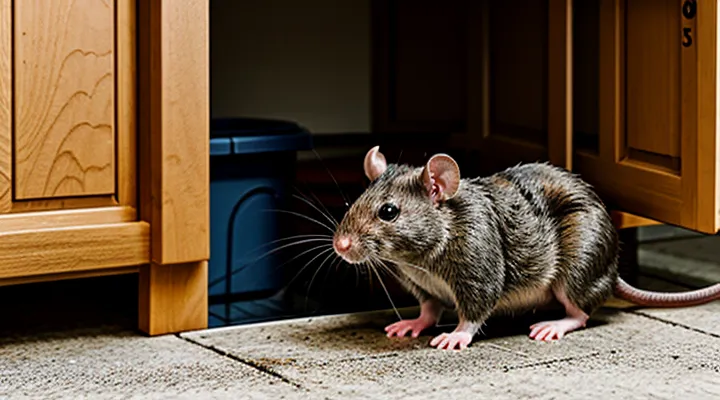
Understanding the Rat Problem in Private Homes
Identifying Rat Infestation Signs
«Droppings and Urine Trails»
Droppings and urine trails provide the most reliable evidence of rat presence inside a residence. Their detection allows homeowners to confirm an infestation, assess its severity, and direct control actions precisely.
Typical rat droppings measure ¼ to ½ inch, are dark brown to black, and have a tapered shape. Fresh deposits appear moist and may darken after exposure. Urine leaves yellowish stains on surfaces and emits a pungent, ammonia‑like odor, especially in confined spaces. Both signs indicate active foraging routes and nesting sites.
Systematic inspection follows a predictable sequence:
- Wear disposable gloves and a mask.
- Use a high‑intensity flashlight to examine hidden areas: behind appliances, under sinks, in attic rafters, and within wall voids.
- Collect a few droppings onto a sealed container for laboratory identification if required.
- Mark each discovery with a waterproof pen to map movement patterns.
Sanitation eliminates attractants and reduces disease risk. Remove all food residues, store pantry items in sealed containers, and clean surfaces with a disinfectant that breaks down urine proteins. Dispose of contaminated materials in sealed bags before discarding.
Evidence gathered from droppings and urine informs placement of control devices. Position snap traps or electronic lures along identified runways, focusing on corners where droppings accumulate. Seal gaps larger than ¼ inch to block re‑entry, using steel wool, caulk, or metal flashing. Continuous monitoring of new deposits confirms the success of interventions and signals any resurgence.
«Gnaw Marks and Damage»
Rats leave characteristic gnaw marks that signal structural compromise and health risk. Their incisors continuously grow, prompting relentless chewing on wood, plastic, wiring, and insulation. Each bite creates shallow, crescent‑shaped grooves that expand into holes, weakening load‑bearing components and exposing hidden cavities.
Damage extends beyond visible holes. Chewed electrical cables can spark, increasing fire hazard. Compromised insulation reduces energy efficiency and invites moisture accumulation, fostering mold growth. Food containers pierced by gnawing become contaminated, facilitating disease transmission through pathogens such as Salmonella and Hantavirus.
Identifying gnaw marks early informs the selection of the most effective residential rat control strategy. Evidence shows that eliminating the source of damage—by sealing entry points and removing gnawable materials—enhances trap placement success and reduces bait avoidance. Consequently, a comprehensive approach that addresses gnaw‑related destruction directly supports rapid population decline and prevents recurrence.
«Unusual Noises»
Unusual sounds often reveal the presence of rodents before visual confirmation. In a private residence, the most reliable detection method involves monitoring specific acoustic indicators that accompany active burrowing and foraging. Recognizing these noises allows homeowners to apply the most effective control technique promptly, minimizing infestation spread.
Typical rat-generated noises include:
- Scratching on walls, ceilings, or insulation, especially during nighttime hours.
- High‑pitched squeaking or chattering when rats communicate or feel threatened.
- Rattling of loose objects such as wires, pipes, or stored containers caused by repeated gnawing.
- Soft thudding or pattering sounds from movement within concealed cavities, often heard when rats travel along concealed pathways.
When any of these sounds are detected, the recommended control approach combines targeted bait placement with sealed entry-point exclusion. Bait stations should be positioned near the source of the noise, while all gaps larger than a quarter inch must be sealed with steel wool or metal mesh. This dual strategy addresses the infestation directly and prevents further intrusion, delivering the highest efficacy for residential rat management.
«Sightings of Live or Dead Rats»
Sightings of live or dead rats provide direct evidence of infestation severity and help prioritize control actions. A live rat indicates ongoing activity, while a dead specimen confirms that a control measure has been effective. Both types of observation should be recorded promptly, noting location, time, and condition.
Accurate documentation supports targeted treatment and prevents unnecessary pesticide use. Recordings enable homeowners to:
- Identify hotspots such as kitchens, basements, or attic spaces.
- Track changes in activity after interventions.
- Communicate precise information to pest‑control professionals.
When a live rat is observed, immediate steps include sealing entry points, setting traps, and eliminating food sources. For a dead rat, ensure safe removal, disinfect the area, and inspect surrounding zones for additional signs of activity. Failure to address either scenario can lead to population growth and increased health risks.
Continuous monitoring of sightings, combined with systematic exclusion and trapping, forms the core of an effective rodent management plan for a private residence.
Common Entry Points for Rats
«Gaps in Foundations and Walls»
Rats enter a residence primarily through openings in foundations and walls; eliminating these pathways is essential for any comprehensive rodent‑prevention strategy.
Typical entry points include:
- Cracks where concrete meets soil or footing.
- Gaps around utility penetrations (pipes, cables, vents).
- Unsealed joints between brick, stone, or siding and the foundation.
- Openings beneath basement or crawl‑space doors.
- Deteriorated or missing mortar, stucco, or lintels.
To assess vulnerabilities, inspect the exterior foundation after a rainstorm or when the soil is saturated; moisture highlights fissures. Use a flashlight and a mirror to examine interior wall perimeters, especially where fixtures intersect. A thin wire probe can confirm the size of suspect gaps.
Sealing measures should employ durable, rodent‑resistant materials:
- Hydraulic cement for active cracks; it expands as it cures, closing gaps tightly.
- Steel wool or copper mesh layered beneath silicone or polyurethane sealant to prevent chewing.
- Metal flashing or stainless‑steel plates over larger openings, fastened with corrosion‑resistant screws.
- Expanding foam formulated for pest control, applied sparingly to avoid excess buildup.
After repairs, establish a monitoring routine. Check sealed areas quarterly for new fissures, inspect for fresh gnaw marks, and maintain a clear perimeter free of debris, vegetation, and stored items that could conceal gaps.
By systematically locating, evaluating, and reinforcing foundation and wall openings, homeowners create a robust barrier that markedly reduces rat intrusion.
«Open Pipes and Drains»
Rats enter residential plumbing through uncovered pipe ends, vent stacks, and drain openings. These pathways provide direct access to walls, cabinets, and food storage areas, making them a primary conduit for infestation.
Open pipe and drain management reduces entry points and limits movement within the house. The approach consists of three core actions:
- Seal all pipe terminations below ground level with stainless‑steel or copper caps that fit tightly around the pipe diameter.
- Install fine‑mesh screens (¼‑inch or smaller) on vent stacks, sink traps, and floor drains; secure with corrosion‑resistant clamps.
- Fit one‑way rat guards on external drainage lines; these devices allow water flow while preventing rodent passage.
Routine inspection supports long‑term effectiveness. Conduct visual checks quarterly, focusing on:
- Integrity of caps and screens; replace any corroded or damaged components immediately.
- Accumulation of debris that could conceal gaps; clear and disinfect drains regularly.
- Signs of gnaw marks or droppings near pipe junctions; address breaches promptly.
Integrating pipe and drain sealing with bait stations, snap traps, and habitat reduction creates a comprehensive control system. Eliminating open plumbing routes removes a critical access channel, thereby enhancing overall rat suppression in a private dwelling.
«Roof and Attic Vulnerabilities»
Effective rat management in a residence begins with securing the roof and attic, the most common pathways for entry and nesting.
- Gaps around roof penetrations (chimney flues, vent pipes, skylights) allow direct access.
- Unsealed eaves, soffits, and fascia boards provide hidden routes along the underside of the roof.
- Damaged or missing shingles create openings that rats exploit during rain or wind.
- Loose or deteriorated insulation leaves voids that serve as shelter and concealment.
- Poorly fitted attic access doors or hatch covers can be pried open by determined rodents.
Inspection should start with a visual survey of the exterior roof surface, followed by a thorough examination of the attic floor and framing. Use a flashlight to identify chew marks, droppings, or gnaw‑indicated damage. Seal identified openings with steel wool, copper mesh, or heavy‑duty caulk; replace compromised shingles and reinforce soffit vents with metal screening. Install self‑closing attic access panels to prevent re‑entry.
Addressing these vulnerabilities eliminates the primary ingress points, reduces available nesting sites, and enhances the overall efficacy of any rodent control program implemented within the home.
«Unsealed Doors and Windows»
Unsealed doors and windows provide rats with direct pathways into a residence, undermining any control strategy. When gaps remain around frames, hinges, or sliding mechanisms, rodents exploit these openings to reach shelter, food, and nesting sites. Consequently, even the most thorough baiting or trapping program fails if entry points are not eliminated.
Typical access points include:
- Gaps between door frames and the wall, often exceeding ¼ inch.
- Space around window sashes, especially in older double‑hung units.
- Openings around sliding or French doors where tracks are misaligned.
- Unfilled cracks around vent covers, utility penetrations, and basement egress doors.
Effective sealing procedure:
- Inspect all exterior doors and windows for visible gaps using a thin card or flashlight.
- Apply weatherstripping of appropriate thickness to the perimeter of each door and window.
- Install door sweeps that extend to the floor, ensuring a tight seal when the door closes.
- Use silicone caulk or expanding foam to fill cracks around frames, hinges, and hardware.
- Replace damaged screens and repair any warped or broken sashes.
- Verify the seal by repeating the gap test after installation; adjust as needed.
By removing these entry routes, rats lose the ability to infiltrate the home, allowing control measures such as traps or bait stations to operate without constant reinfestation. The result is a sustainable reduction in rodent activity and a safer indoor environment.
Health Risks Associated with Rats
«Disease Transmission»
Rats harbor bacteria, viruses, and parasites that can be transferred to humans through bites, contaminated food, urine, and droppings. The most common agents include:
- Leptospira spp., causing leptospirosis, transmitted via urine on surfaces or water.
- Salmonella enterica, leading to salmonellosis, spread through contaminated food and surfaces.
- Hantavirus species, responsible for hantavirus pulmonary syndrome, aerosolized from dried urine or feces.
- Yersinia pestis, the bacterium behind plague, transferred by flea bites that infest rat hosts.
- Bartonella spp., causing bartonellosis, spread through scratches or bites.
Effective residential rodent eradication relies on a combination of exclusion, population reduction, and sanitation. Sealing gaps, installing tamper‑resistant traps, and deploying rodenticides in secured bait stations diminish rat presence and interrupt pathogen transmission cycles. Regular cleaning of areas where droppings or urine have accumulated removes residual infectious material, further lowering health risks. Implementing these measures consistently reduces the probability of disease exposure for occupants.
«Allergens and Asthma Triggers»
Rodent infestations introduce a range of indoor allergens that aggravate asthma. Urine, feces, saliva, and shed hair contain proteins that become airborne when disturbed, creating inhalable particles that trigger bronchial inflammation. Decomposition of dead rodents releases volatile organic compounds and mold‑friendly moisture, further increasing allergen load.
Asthma symptoms intensify when inhaled particles contain endotoxins, bacterial fragments, and fungal spores associated with rodent waste. These agents provoke airway hyper‑responsiveness, mucus production, and bronchoconstriction, leading to coughing, wheezing, and shortness of breath.
Effective residential rodent management reduces allergen sources but must avoid methods that generate additional hazards. Chemical rodenticides can leave residues that irritate the respiratory tract, while improper disposal of trapped rodents spreads dried droppings and dander. An integrated approach minimizes both primary and secondary triggers.
Key actions for safe, allergen‑focused rodent control:
- Seal cracks, gaps, and utility openings to block entry.
- Remove food debris and store perishables in airtight containers.
- Employ snap traps or professionally placed bait stations; inspect and replace traps regularly.
- Conduct thorough cleaning after any removal: vacuum with HEPA filtration, mop surfaces with enzymatic cleaners, and dispose of waste in sealed bags.
- Maintain low indoor humidity (below 50 %) to inhibit mold growth on contaminated areas.
- Schedule periodic inspections to verify that entry points remain sealed and that no new infestations develop.
By eliminating the primary sources of rodent‑related allergens and following strict sanitation protocols, households can markedly lower asthma‑triggering exposures and improve respiratory health.
«Contamination of Food and Surfaces»
Rats introduce pathogens directly onto food items and indirectly through droppings, urine, and saliva left on kitchen surfaces. These contaminants can survive for weeks, multiply in stored products, and spread to other foods via contact or airborne particles. Immediate identification of contaminated areas prevents the rapid escalation of health hazards.
Effective rodent management in a residence demands strict sanitation measures:
- Store dry goods in sealed, rodent‑proof containers; inspect packaging for holes before purchase.
- Clean counters, floors, and appliance exteriors daily with a disinfectant capable of neutralizing bacterial and viral agents.
- Remove food scraps and waste promptly; use bins with tight‑fitting lids and empty them regularly.
- Inspect pantry shelves and cupboards for gnaw marks, droppings, or urine stains; discard any compromised items.
- Seal cracks, gaps, and entry points around walls, pipes, and foundations to block access to food storage zones.
Maintaining a contaminant‑free environment reduces the attraction of rats, limits their ability to establish colonies, and supports the overall efficacy of any control strategy employed in the home.
Prevention as the First Line of Defense
Sealing Entry Points
«Repairing Structural Gaps»
Repairing structural gaps eliminates the primary entry points that rats exploit to invade residential spaces. Sealing openings in walls, foundations, floors, and rooflines prevents rodents from gaining access, reducing reliance on traps or poisons.
Identify gaps by inspecting the exterior and interior for:
- Cracks larger than ¼ inch in foundations or walls
- Openings around utility penetrations, such as pipes and cables
- Gaps beneath doors and windows, including weather‑stripping failures
- Holes in soffits, eaves, and attic vents
- Unfinished crawl‑space covers
Select sealing materials based on gap size and location:
- Expandable polyurethane foam for irregular, medium‑sized openings
- Steel wool combined with silicone caulk for ducts and vent shafts
- Cement‑based mortar for foundation cracks exceeding ½ inch
- Metal flashing or hardware cloth for larger voids around utility lines
- Self‑adhesive weather‑strip for door and window thresholds
Apply the repairs in a systematic sequence:
- Clean each opening to remove debris, moisture, and loose material.
- Insert steel wool or mesh where rodents could chew through softer sealants.
- Fill the remaining space with the chosen sealant, ensuring complete coverage.
- Allow the material to cure according to manufacturer specifications.
- Verify the integrity of the repair by probing for residual gaps.
Maintain the barrier by scheduling quarterly inspections, focusing on areas subject to seasonal movement or moisture. Promptly address any new fissures to sustain a rat‑free environment without dependence on chemical or mechanical control methods.
«Securing Pipes and Vents»
Rats commonly infiltrate residences through openings around water pipes, sewer lines, and ventilation ducts. These gaps provide unobstructed routes from exterior walls to interior spaces, allowing rodents to travel unnoticed and establish nests.
To eliminate these pathways, follow a systematic sealing protocol:
- Inspect all visible pipe penetrations, including supply, drain, and gas lines. Use a flashlight and mirror to reveal hidden cracks.
- Apply stainless‑steel mesh (minimum 1 mm aperture) around larger conduits where movement is required. Mesh resists gnawing and permits airflow.
- Fill smaller gaps with expandable polyurethane foam or cement‑based sealant. Ensure the material adheres to both pipe surface and surrounding masonry.
- Wrap vent shafts with metal flashing or copper tape, securing edges with corrosion‑resistant screws. Verify that flashing overlaps the vent opening by at least 2 inches on all sides.
- Install vent covers equipped with rat‑proof screens. Choose screens with reinforced frames and a mesh size not exceeding 3 mm.
- Re‑evaluate after installation, checking for signs of chewing or new cracks. Conduct this review quarterly, especially after severe weather.
Maintain the integrity of sealed areas by clearing debris, preventing moisture accumulation, and repairing any damage promptly. Consistent attention to pipe and vent security significantly reduces the likelihood of rodent entry into a private dwelling.
«Installing Door Sweeps and Screens»
Installing door sweeps and screens creates a physical barrier that prevents rats from entering through gaps beneath exterior doors and between doors and frames. Properly fitted sweeps block the typical ½‑inch opening that rodents exploit, while mesh screens stop larger pests from slipping through ventilation slots or pet doors.
Select sweeps made of durable rubber or silicone with a flexible lip that compresses against the threshold. Choose screens with a mesh size of no larger than ¼ inch, preferably stainless steel to resist chewing. Verify that the door frame is square; uneven frames compromise seal integrity.
Installation steps:
- Measure the width of the door opening at the bottom and at the top of the frame.
- Cut the sweep to length, allowing a ½‑inch overlap at each end.
- Remove any existing weatherstripping, clean the threshold, and dry it thoroughly.
- Align the sweep so the lip rests flush against the floor when the door closes; secure with the supplied screws or adhesive.
- For screens, remove the existing door panel or install a separate screen door.
- Attach the screen material to the frame using a spline tool, ensuring tension without gaps.
- Seal edges with a silicone caulk to eliminate any remaining openings.
Maintenance involves inspecting the sweep for wear, replacing it when the lip cracks or loses flexibility, and checking the screen for tears. Periodic cleaning removes debris that could create footholds for rodents. By eliminating entry points, door sweeps and screens reduce the likelihood of rat infestations, complementing other control measures such as sanitation and trapping.
Eliminating Food Sources
«Proper Food Storage»
Proper food storage is a critical component of effective rodent management in a residence. Food that is accessible, aromatic, or left uncovered provides a primary attractant for rats, encouraging foraging and nesting near human activity.
Secure containers made of metal or heavy‑walled plastic prevent rodents from chewing through seams. Seal each container with a tight‑locking lid; verify that the closure mechanism cannot be pried open by a rat’s incisors. Store dry goods, pet feed, and bulk purchases in these containers immediately after purchase, rather than on open shelves.
Maintain a routine that removes potential food sources from the environment:
- Transfer leftovers to sealed containers within 30 minutes of cooking.
- Dispose of garbage in bins equipped with rat‑proof lids; empty bins daily.
- Keep countertops, floors, and cabinets free of crumbs and spills; wipe surfaces after meals.
- Rotate pantry stock to use older items first, reducing the time food remains unattended.
Temperature control also limits odor emission. Refrigerate or freeze perishable items promptly; avoid storing them at room temperature for extended periods. Ensure that refrigerator and freezer doors seal fully and that gasket integrity is checked regularly.
By eliminating accessible nutrition, the habitat becomes inhospitable to rats, reducing the likelihood of infestation and complementing other control measures such as sealing entry points and setting traps. Proper food storage therefore functions as a preventative barrier that directly diminishes rat attraction and sustenance.
«Regular Waste Disposal»
Effective rat management in a residence begins with disciplined waste handling. Food residues and garbage attract rodents; eliminating this source reduces the likelihood of infestation.
- Store waste in containers with tight-fitting lids.
- Empty bins at least once daily in high‑traffic areas; increase frequency in kitchens and dining rooms.
- Keep collection points away from building foundations and entry points.
- Clean bin interiors regularly to remove crumbs and liquid buildup.
- Use recyclable or compostable bags that seal securely before disposal.
Consistent waste disposal removes the scent trails and accessible nutrition that rats exploit. When food sources disappear, rats are forced to travel farther, increasing exposure to traps and deterrents. Moreover, sealed containers prevent rodents from entering through gaps, limiting their ability to establish nesting sites.
Integrating regular waste management with sealing entry points, setting traps, and maintaining a tidy environment creates a comprehensive strategy that minimizes rat activity and supports long‑term control.
«Cleaning Up Spills and Crumbs»
Keeping kitchen surfaces free of food residues eliminates a primary attractant for rodents. Rats locate homes by scent; even small crumbs can signal a reliable food source. Prompt removal of spills and debris reduces the likelihood of an infestation.
Effective cleaning routine:
- Wipe countertops, tables, and appliance fronts immediately after use. Use a disinfectant that leaves no lingering odor.
- Sweep or vacuum floors daily. Focus on corners, under cabinets, and behind appliances where particles accumulate.
- Mop hard‑floor surfaces with a solution that dissolves grease. Allow the floor to dry completely before replacing rugs or mats.
- Empty trash bins each night. Seal bags tightly and keep lids closed.
- Clean pet feeding areas after each meal. Rinse bowls and remove any dropped food.
Additional measures:
- Store dry goods in airtight containers made of glass or heavy‑wall plastic.
- Inspect pantry shelves for spills after restocking; wipe any visible residue.
- Maintain a regular schedule for deep cleaning, including the interior of ovens and microwaves, where food splatters often linger.
By consistently eliminating edible traces, homeowners remove the most compelling incentive for rats to explore a residence, thereby strengthening overall pest‑management efforts.
«Securing Pet Food»
Securing pet food eliminates a primary attractant for rats in residential environments. When food is inaccessible, rodents lose a reliable source of calories, reducing their motivation to enter the home and limiting population growth.
Practical measures include:
- Store dry kibble in airtight containers made of metal or heavy‑wall plastic; avoid cardboard boxes that can be chewed.
- Freeze or refrigerate wet food and treats, then remove leftovers promptly.
- Place feeding stations on elevated, non‑climbable platforms or use feeding trays with smooth, rounded edges that rats cannot grip.
- Clean feeding areas after each meal; sweep crumbs and wipe surfaces with a damp cloth.
- Dispose of waste in sealed, rat‑proof bins; replace liners regularly to prevent odor buildup.
Implementing these actions creates a hostile environment for rats, complementing broader control tactics and sustaining a rodent‑free household.
Maintaining a Clean Environment
«Decluttering Indoors and Outdoors»
Clutter creates hidden pathways, nesting sites, and food reservoirs that attract rats to residential environments. Removing unnecessary items eliminates shelter and reduces the likelihood of infestation.
- Store food in sealed containers; discard expired or open packages.
- Keep countertops, tables, and floors clear of crumbs and debris.
- Organize cabinets, removing cardboard boxes and paper bags that can serve as nests.
- Regularly clean behind appliances, under sinks, and in storage closets.
- Dispose of garbage promptly; use bins with tight‑fitting lids.
Outdoor spaces must receive equal attention because rats readily move between interior and exterior habitats.
- Eliminate piles of firewood, lumber, and leaf litter; stack materials on pallets away from the house.
- Trim vegetation to maintain a clear perimeter; overgrown shrubs provide cover and easy access to the roof.
- Secure compost bins with metal lids; avoid loose organic waste that attracts rodents.
- Remove debris such as broken pallets, old tires, and discarded furniture from yards and garages.
- Keep gutters free of leaves and debris to prevent water accumulation that encourages rodent activity.
Consistent implementation of these practices limits shelter and food availability, thereby strengthening any additional rat‑control measures employed within the home.
«Trimming Vegetation Near the House»
Trimming vegetation around a residence reduces the habitat that rats exploit for shelter and foraging. Dense shrubs, tall grass, and vines create continuous cover that allows rodents to move unseen from the yard to the foundation.
Overgrown plants often conceal debris, fallen fruit, and compost, which serve as food sources. When vegetation is kept low and well‑maintained, rats lose access to these resources and are forced to seek food elsewhere, typically away from the home.
- Cut back shrubs to a height of no more than 12 inches from the ground.
- Mow lawns weekly during peak breeding season; keep grass no higher than 3 inches.
- Remove vines that climb walls or fences; prune tree branches so they do not touch the roof.
- Clear leaf litter, mulch piles, and garden waste within 3 feet of the foundation.
- Dispose of trimmed material in sealed containers or compost bins that rodents cannot enter.
Regular upkeep—monthly checks during cooler months and bi‑weekly during summer—maintains a clear perimeter. Combined with sealing entry points and proper waste management, vegetation trimming becomes a critical component of an effective rodent‑control strategy in a private home.
«Fixing Leaks and Moisture Issues»
Rats are attracted to water sources; uncontrolled leaks and persistent moisture create ideal habitats and increase the likelihood of infestation in a residence. Eliminating these conditions removes a primary incentive for rodents to enter and remain in the home.
Detecting water intrusion begins with a systematic inspection of all plumbing fixtures, appliances, and structural elements. Look for visible drips, corrosion, mold growth, and softened building materials. Use a moisture meter to verify hidden saturation behind walls, under floors, and in ceilings.
Remediation actions:
- Repair all faucet, pipe, and hose leaks promptly; replace worn seals and fittings.
- Seal cracks and gaps in foundations, walls, and around utility penetrations with appropriate caulking or expanding foam.
- Install drip‑free showerheads and faucet aerators to reduce runoff.
- Insulate exposed pipes to prevent condensation and subsequent water accumulation.
- Remove standing water from basements, crawl spaces, and utility rooms; employ dehumidifiers to maintain relative humidity below 50 %.
Ongoing maintenance includes routine checks of plumbing connections, periodic testing of moisture meters in vulnerable areas, and prompt correction of any new leaks. Consistent control of moisture eliminates a critical factor that supports rat populations, thereby strengthening overall rodent management in the home.
Effective Rat Control Methods
Trapping Methods
«Snap Traps»
Snap traps provide immediate, lethal control of rats in residential settings. Their mechanical action delivers a swift kill, eliminating the need for chemical agents and reducing the risk of secondary poisoning. The devices consist of a spring‑loaded bar that snaps shut when the animal triggers a pressure plate, ensuring a high mortality rate with a single strike.
Effective deployment requires strategic placement. Position traps along walls, behind appliances, and near known runways, because rats travel close to surfaces. Secure each trap on a stable surface to prevent accidental displacement. Use a bait that appeals to rodents—peanut butter, dried fruit, or small pieces of meat work well. Apply a pea‑sized amount to the trigger mechanism to encourage activation without overwhelming the trap’s sensitivity.
Maintenance practices sustain performance. Check traps daily; remove dead rodents promptly to prevent odor buildup and discourage scavengers. Reset the spring mechanism after each capture, inspecting for wear or rust that could impair function. Replace worn springs or broken components to maintain consistent force.
Key advantages of snap traps include:
- Immediate result, allowing rapid reduction of infestation.
- Low cost, with reusable units that amortize over multiple uses.
- No reliance on electricity or batteries, ensuring operation during power outages.
- Minimal environmental impact compared to poison baits.
Safety considerations protect occupants and pets. Keep traps out of reach of children, using enclosed bait stations when necessary. Wear gloves when handling captured rodents to avoid disease transmission. Dispose of carcasses in sealed bags before placing them in an outdoor waste container.
In summary, snap traps deliver a direct, economical, and environmentally benign solution for controlling rats within a private dwelling. Proper placement, appropriate bait, and diligent upkeep maximize their effectiveness and contribute to a sustainable pest‑management strategy.
«Live Traps»
Live traps provide a humane alternative to lethal methods for managing rats inside a residence. The devices consist of a cage with a trigger mechanism that closes the door when the animal enters to reach bait. Because the animal remains alive, owners can release it far from the property, eliminating the risk of secondary poisoning and preserving local wildlife.
Key considerations for effective use include:
- Selecting bait that appeals to rats, such as peanut butter, dried fruit, or meat scraps.
- Placing traps along walls, behind appliances, and near known runways, where rodents travel unobtrusively.
- Checking traps at least twice daily to prevent stress or injury to captured rats.
- Disinfecting traps between uses to avoid disease transmission.
- Relocating captured rats at a minimum of 5 kilometers from the home, preferably in an uninhabited area.
When implemented correctly, live traps reduce population numbers while complying with humane standards and local regulations. Their reusability and low chemical footprint make them a cost‑effective component of a comprehensive rat‑control strategy for private households.
«Electronic Traps»
Electronic traps provide a rapid, humane solution for rat infestations in residential environments. The devices emit a high‑frequency shock or a lethal pulse when a rodent completes an electrical circuit, delivering immediate mortality without chemical residues.
Key characteristics of effective models include:
- Voltage output sufficient to ensure instant incapacitation (typically 10 kV or higher).
- Sensor sensitivity calibrated for rodent size to avoid false activations by insects.
- Transparent housing for visual inspection of captured specimens.
- Safety interlock that disables the circuit when the unit is opened, protecting users and pets.
Installation guidelines:
- Position traps along established runways—near walls, behind appliances, and in concealed corners.
- Maintain a minimum distance of 12 inches between units to prevent overlapping fields.
- Connect each trap to a dedicated outlet equipped with a ground‑fault circuit interrupter.
Maintenance procedures:
- Inspect the interior daily; remove deceased rodents and clean the chamber with a mild detergent.
- Replace the power source or reset the circuit after each capture according to the manufacturer’s specifications.
- Test the device monthly using the built‑in self‑diagnostic indicator to confirm functional voltage.
Safety considerations:
- Ensure the trap is out of reach of children and non‑target animals.
- Verify that the electrical outlet complies with local building codes.
- Store spare units in a dry, temperature‑controlled area to preserve battery life or capacitor performance.
Performance data from independent laboratories show mortality rates exceeding 95 % for Rattus norvegicus when traps are correctly positioned and maintained. Compared with bait stations, electronic traps eliminate poisoning risks, reduce odor, and simplify disposal, making them a preferred choice for homeowners seeking a reliable, low‑maintenance rat control method.
«Proper Trap Placement and Baiting»
Effective rat control in a residence hinges on strategic trap positioning and proper bait selection. Rats travel along predictable pathways such as walls, baseboards, and utility lines. Placing traps directly in these travel corridors maximizes encounter rates while limiting exposure to non‑target animals.
Key placement guidelines:
- Position traps perpendicular to walls, with the trigger side facing the rodent’s expected direction of movement.
- Install traps within 12‑18 inches of known activity signs (droppings, gnaw marks, burrow entrances).
- Use multiple traps at each entry point, spacing them 2‑3 feet apart to cover the full width of the passage.
- Avoid cluttered areas that could obstruct trap operation; clear debris and maintain a clean surface around each device.
Bait selection and application:
- Choose high‑protein, high‑fat foods such as peanut butter, bacon bits, or dried fish; these attract rats more reliably than grain or fruit.
- Apply a pea‑sized amount directly to the trigger mechanism to ensure contact without contaminating surrounding surfaces.
- Refresh bait every 48‑72 hours to retain potency and prevent desiccation.
- Rotate bait types periodically to prevent habituation and sustain interest.
Consistent monitoring, prompt removal of captured rats, and regular repositioning of traps after each catch sustain pressure on the infestation and accelerate eradication.
Baits and Rodenticides
«Understanding Different Types of Baits»
Effective rat control in a private residence depends on selecting a bait that matches the infestation’s characteristics and the household’s safety requirements. Bait choice influences lethality, speed of action, and risk to non‑target animals.
- Anticoagulant baits – contain compounds such as brodifacoum or difenacoum; disrupt blood clotting, leading to death after several days. Suitable for populations with low resistance but require careful placement to avoid accidental ingestion.
- Non‑anticoagulant baits – include bromethalin and cholecalciferol; cause rapid neurological failure or hypercalcemia. Effective against anticoagulant‑resistant rats; present higher acute toxicity, demanding secure containment.
- Food‑based baits – use natural attractants like peanut butter, grain, or dried fruit. Provide strong olfactory lure, useful in environments where rats have limited exposure to synthetic scents.
- Scented synthetic baits – incorporate pheromones or proprietary odor blends to enhance appeal. Ideal for indoor settings where food odors may be masked by cleaning products.
- Mechanical baits – consist of glue boards or snap traps pre‑loaded with bait. Offer immediate kill, eliminating the need for secondary poisoning; appropriate when rapid reduction of activity is required.
Selection criteria focus on resistance patterns, exposure risk, and placement feasibility. Verify local regulations regarding anticoagulant use; assess household members and pets for potential contact; position baits along walls, behind appliances, and in concealed entry points where rats travel. Rotate bait types periodically to prevent habituation and resistance development.
Implement a monitoring schedule: inspect bait stations daily, replace depleted units, and record capture data. Consistent observation, combined with the appropriate bait class, maximizes control efficiency while minimizing collateral hazards.
«Safety Precautions with Rodenticides»
When rodenticides are employed for residential rat management, strict safety protocols protect occupants and non‑target animals. Store products in locked cabinets, away from food preparation areas, and keep original containers sealed. Label each container with active ingredient, concentration, and hazard warnings; do not transfer chemicals to unlabeled vessels.
Personal protection is mandatory during handling. Wear disposable gloves, goggles, and a mask that filters particulate matter. Apply the bait only in locations inaccessible to children and pets, such as behind appliances, in wall voids, or within tamper‑resistant stations. Follow manufacturer‑recommended dosages; excess reduces efficacy and increases risk of accidental exposure.
Dispose of unused rodenticide and contaminated materials according to local hazardous‑waste regulations. Do not flush liquids down drains or discard in regular trash. In case of accidental ingestion, inhalation, or skin contact, rinse the affected area with water for at least 15 minutes and seek medical assistance immediately, providing product details.
Regularly inspect bait stations for damage, leakage, or depletion. Replace expired or compromised products promptly. Maintain a written log of application dates, locations, and quantities used to support accountability and facilitate safe re‑application cycles.
«Placement Guidelines for Baits»
Effective bait placement determines the success of any residential rat management program. Position baits where rodents travel, feed, and hide while protecting non‑target animals and humans.
- Locate stations along walls, behind appliances, and near garbage containers; rats prefer the edges of rooms.
- Install baits 2–4 inches above the floor to match rat foraging height and keep them out of reach of children and pets.
- Place stations inside concealed spaces such as under sinks, behind baseboards, and within wall voids; these areas retain moisture and food residues that attract rats.
- Maintain a minimum distance of 10 feet between bait stations to prevent competition and ensure coverage of the entire infestation zone.
- Use tamper‑resistant bait stations that lock securely, limiting accidental exposure.
- Replace or refresh baits every 3–5 days, especially in high‑traffic zones, to preserve potency and attract reluctant rodents.
- Avoid placement near food preparation surfaces, open windows, or vents that could disperse bait particles.
After deployment, inspect stations daily for consumption evidence and adjust locations if activity concentrates elsewhere. Consistent monitoring and timely replenishment sustain bait attractiveness and accelerate population reduction.
«Monitoring and Disposal of Baited Rats»
Monitoring baited rats provides the data needed to verify control success and to adjust placement before populations rebound. Place bait stations along walls, behind appliances, and near known runways; ensure each station is concealed from children and pets. Inspect stations at least once daily for fresh signs of activity, such as gnaw marks, droppings, or displaced bait. Record the date, location, and number of dead or incapacitated rodents observed; this log supports trend analysis and informs future station density.
When a rat is captured in a baited device, immediate disposal prevents secondary poisoning and eliminates disease risk. Wear disposable gloves and use a sealed container to transport the carcass. Recommended disposal methods include:
- Incineration: Place the sealed container in a high‑temperature furnace or outdoor fire pit, ensuring complete combustion.
- Professional waste service: Hand the container to a licensed pest‑removal contractor who follows local regulations for hazardous biological waste.
- Deep burial: Dig a pit at least 3 feet deep, away from water sources and food gardens; wrap the carcass in a double layer of biodegradable material before burial.
After removal, clean the station with a detergent solution, rinse thoroughly, and allow it to dry before re‑baiting. Disinfect surrounding surfaces with a 10 % bleach solution to eradicate pathogens left by the rodent. Rotate bait stations weekly to avoid bait aversion and to maintain pressure on the remaining population.
Consistent monitoring paired with prompt, safe disposal creates a feedback loop that drives rapid population decline, ensuring long‑term rodent suppression in a private residence.
Natural and Repellent Methods
«Peppermint Oil and Other Scents»
Peppermint oil is a volatile essential oil that emits a strong, mentholated aroma. Rats possess a highly developed sense of smell; the oil’s intensity overwhelms their olfactory receptors, causing avoidance behavior. When applied correctly, the scent creates a barrier that rats are reluctant to cross.
- Dilute 10–15 ml of pure peppermint oil in 1 liter of water.
- Transfer the solution to a spray bottle.
- Apply to entry points, baseboards, and areas where droppings have been observed.
- Reapply every 3–4 days, or after cleaning, to maintain potency.
Other aromatic deterrents function on similar principles. Citronella, eucalyptus, and clove oil each produce compounds that irritate rodent nasal passages. Their effectiveness improves when combined in a rotating schedule, preventing rats from habituating to a single scent.
Safety considerations:
- Use food‑grade oils to avoid toxic residues on surfaces.
- Test a small, inconspicuous area for material compatibility before widespread application.
- Keep oils out of reach of children and pets; some concentrations can cause skin irritation.
Limitations:
- Scents deter foraging rats but do not eliminate established nests.
- Heavy infestations require mechanical removal or professional extermination in addition to aromatic barriers.
- Environmental factors such as ventilation can reduce scent longevity, necessitating more frequent reapplication.
Integrating peppermint oil and complementary aromas into a comprehensive rodent deterrent plan—combined with sealing entry points and maintaining cleanliness—provides a practical, low‑toxicity approach for homeowners seeking to control rats.
«Ultrasonic Devices»
Ultrasonic devices generate sound waves above the audible range of humans but within the hearing spectrum of rats. The emitted frequencies create a hostile acoustic environment that disrupts feeding and nesting behavior, prompting rodents to vacate the treated area.
Effective deployment requires placement at a height of 12–18 inches, directly opposite known entry points or pathways. Devices should operate continuously to maintain a consistent deterrent field; intermittent use reduces efficacy because rats quickly adapt to intermittent exposure. Power sources must be stable, and units should be positioned away from dense furniture or thick walls that block sound propagation.
Key characteristics
- Frequency range: 20–50 kHz, matching rat auditory sensitivity.
- Coverage radius: typically 20–30 ft, dependent on wall material and room layout.
- Power consumption: low, suitable for plug‑in or battery operation.
- Maintenance: periodic cleaning of speaker grille to prevent dust buildup.
Limitations
- Solid barriers (concrete, brick) attenuate ultrasonic waves, creating blind spots.
- Open doors and windows allow rats to bypass the acoustic field.
- Some rodent populations may develop tolerance after prolonged exposure.
When integrated with proper sanitation, sealing of entry gaps, and removal of food sources, ultrasonic devices contribute to a comprehensive rat management strategy for residential environments.
«Predators and Pet Deterrents»
Predators and pet‑friendly deterrents form a practical layer in residential rat management.
Domestic cats, especially those with strong hunting instincts, reduce rodent activity by direct predation. Small mammals such as ferrets can be employed temporarily in attics or basements where safe confinement is possible. Trained dogs, notably terrier breeds, locate and chase rats, prompting movement away from hiding spots. Outdoor birds of prey, attracted by nesting boxes, add pressure on outdoor rat populations that may infiltrate the home.
Pet‑compatible deterrents complement natural predators while safeguarding household animals:
- Ultrasonic emitters calibrated below the hearing threshold of cats and dogs, yet disruptive to rodents.
- Scent repellents based on peppermint oil or ammonia applied to entry points; concentrations remain non‑irritating to pets.
- Physical barriers—steel mesh, sealed gaps, and snap‑tight door sweeps—prevent rat ingress without affecting pet traffic.
- Motion‑activated flash devices positioned out of pet sightlines, delivering brief illumination that startles rodents.
When integrating predators and pet deterrents, maintain regular health checks for cats and dogs to ensure they remain fit for hunting duties. Monitor ultrasonic units for signs of pet discomfort. Combine these measures with sanitation, sealing of food sources, and structural exclusion for a comprehensive, residence‑focused rat control program.
Integrated Pest Management (IPM) for Long-Term Control
Combining Multiple Strategies
«Synergy of Prevention and Active Control»
Effective rat management in a residence relies on the combined use of preventive measures and active control tactics. Prevention reduces the likelihood of infestation, while active control eliminates rodents that have already entered. The interaction of both approaches creates a feedback loop: fewer rats lower the need for intensive interventions, and timely interventions reinforce preventive barriers.
Preventive actions focus on denying rats access to food, water, and shelter. Key steps include:
- Inspecting and sealing cracks, gaps, and utility openings with steel wool, caulk, or metal mesh.
- Storing food in airtight containers and promptly cleaning crumbs and spills.
- Removing clutter, debris, and vegetation that provide nesting sites.
- Maintaining proper waste management with sealed bins and regular removal.
Active control targets individuals that bypass preventive barriers. Effective tactics comprise:
- Deploying snap traps or electronic devices along established runways, positioned perpendicular to walls.
- Using tamper‑resistant bait stations with anticoagulant or non‑anticoagulant formulations, placed out of reach of children and pets.
- Engaging licensed pest‑management professionals for high‑density infestations or when structural modifications are required.
Integration of prevention and active control follows a systematic routine. Conduct monthly inspections to verify seal integrity and monitor trap activity. Adjust trap placement and bait type based on capture data. Record observations in a log to identify patterns and refine preventive measures. This iterative process sustains low rat populations and minimizes the need for aggressive chemical interventions.
«Adapting Methods to Infestation Severity»
Effective rat control in a residence depends on matching techniques to the level of infestation. Accurate assessment begins with visual inspection for droppings, gnaw marks, and active burrows. Quantify evidence: a few droppings indicate low pressure; widespread signs across multiple rooms suggest moderate pressure; extensive damage and multiple sightings confirm high pressure.
- Low severity – Apply preventive measures only. Seal entry points with steel wool or copper mesh; install snap traps near suspected pathways; use non‑toxic repellents such as peppermint oil on perimeter surfaces. Monitor traps weekly and replace bait as needed.
- Moderate severity – Combine prevention with active removal. Increase trap density to one per 10 sq ft; employ bait stations containing anticoagulant rodenticide placed in tamper‑proof containers; conduct targeted fumigation in concealed areas (e.g., crawl spaces) using approved gas cartridges. Maintain a log of captures to gauge progress.
- High severity – Implement comprehensive eradication. Engage a licensed pest‑control professional for full‑house fumigation or heat treatment; install multiple snap and electronic traps throughout the structure; reinforce all structural gaps with cement‑based sealants; schedule follow‑up inspections at 7‑day intervals for at least one month.
Adjustments should be revisited after each monitoring cycle. If trap counts decline, downgrade to the next lower tier; if activity persists, retain or intensify current measures. Consistent documentation of findings ensures the chosen approach remains proportionate to the infestation’s dynamics.
Monitoring and Follow-Up
«Regular Inspection for New Activity»
Regular inspection for new activity is a cornerstone of any rodent management program in a private residence. Detecting early signs prevents infestations from escalating and reduces reliance on reactive measures.
A systematic schedule should include:
- Visual sweep of kitchens, pantries, and storage areas at least once a week. Look for droppings, gnaw marks, and urine stains.
- Inspection of exterior entry points—gaps under doors, utility openings, and roof vents—every two weeks. Seal any openings larger than ¼ inch.
- Monitoring of traps and bait stations daily. Record captures and replace expended devices promptly.
- Use of motion‑activated cameras or infrared sensors in concealed zones such as basements and crawl spaces. Review footage weekly for nocturnal movement.
Documentation supports timely action. Maintain a log that notes date, location, observed evidence, and corrective steps taken. Trends in the log reveal hotspots and guide targeted sealing or baiting efforts.
Integrating inspection with sanitation amplifies effectiveness. Remove food residues, store dry goods in airtight containers, and keep garbage bins sealed. Cleaned environments reduce attraction and make detection of new activity more apparent.
Consistent vigilance eliminates the need for large‑scale eradication campaigns, ensures that control measures remain efficient, and safeguards the household from health risks associated with rodent presence.
«Replacing Baits and Traps as Needed»
Regularly renewing bait stations and mechanical traps sustains the overall effectiveness of a residential rat management program. As rodents consume or contaminate bait, its attractiveness diminishes; similarly, trap springs lose tension and trigger mechanisms become less reliable after repeated use.
Inspection should occur at least once a week. During each check, verify that bait retains its original color and texture, and that no debris or droppings block the trap’s entry point. Replace any station that shows signs of depletion, moisture damage, or tampering.
- Remove the old bait or trap component using disposable gloves.
- Clean the surrounding area with a mild disinfectant to eliminate scent traces.
- Install fresh bait, selecting a formulation appropriate for the target species and placement environment.
- Reset the trap mechanism according to the manufacturer’s specifications, ensuring proper alignment and tension.
- Record the replacement date and location in a tracking log for future reference.
Maintain safe handling practices: store unused bait out of reach of children and pets, and dispose of spent traps in sealed containers before discarding. Consistent replacement eliminates gaps in control, preventing population rebounds and reducing the likelihood of infestations spreading throughout the home.
When to Call Professional Exterminators
«Persistent or Large-Scale Infestations»
Persistent or large‑scale rat infestations demand a systematic approach that combines environmental modification, targeted control tools, and ongoing monitoring. The first step is a thorough inspection to locate nests, travel pathways, and food sources. Identify entry points such as gaps around pipes, vents, and foundation cracks; these must be sealed with steel wool, cement, or metal flashing to prevent re‑entry.
Implement an integrated control plan that includes:
- Exclusion: Close all access routes using durable, rodent‑proof materials.
- Sanitation: Remove food debris, store pantry items in airtight containers, and eliminate standing water.
- Mechanical devices: Deploy snap traps or electronic kill traps in high‑activity zones; place them perpendicular to walls with trigger end facing the wall.
- Bait stations: Use tamper‑resistant stations loaded with anticoagulant or non‑anticoagulant rodenticides, positioned away from children and pets.
- Professional assistance: For infestations exceeding a few dozen individuals, engage a licensed pest‑control operator who can apply fumigation or rodenticide broadcast methods safely.
After deployment, maintain a monitoring schedule. Check traps and bait stations daily for captures, replace consumables, and re‑inspect sealed openings weekly for signs of breach. Document activity levels to assess progress; a declining capture rate over two weeks indicates effective reduction.
If activity persists despite these measures, reassess the environment for overlooked attractants or structural defects. Adjust the placement of devices, increase trap density, or upgrade exclusion materials. Continuous documentation and prompt corrective actions prevent the population from rebounding and secure a long‑term, rat‑free residence.
«Difficulty Identifying Entry Points»
Identifying how rats gain access to a private residence is often the most time‑consuming phase of any control program. Small size, flexible bodies, and nocturnal activity allow rodents to exploit cracks, gaps, and utility penetrations that are invisible to casual inspection. Without a clear map of these openings, bait placement and trapping become ineffective, and infestations persist despite ongoing efforts.
A systematic survey reduces uncertainty. Begin by examining the building envelope from the inside outward, focusing on areas where structural components intersect. Typical entry locations include:
- Gaps around doors and windows, especially where weather‑stripping is worn or missing.
- Openings around plumbing, electrical, and HVAC penetrations, often left unsealed after renovations.
- Cracks in foundation walls, especially near crawl‑space vents or basement windows.
- Roof eaves, soffits, and vent chutes where damaged flashing creates a passage.
- Exterior siding joints and damaged brick mortar that create linear fissures.
Document each potential opening, measure its dimensions, and prioritize based on size (rat‑sized openings range from ½ in. to 1 in.) and proximity to known activity sites. Use a flashlight and a mirror to view concealed spaces, and consider a low‑light inspection to follow fresh droppings or gnaw marks to their source.
After cataloguing entry points, seal them with materials that resist chewing, such as steel wool combined with caulk, metal flashing, or cement‑based mortar. Reinforcing doors and windows with tight-fitting sweeps eliminates gaps that rats can exploit. Completing this verification and sealing process before deploying traps or bait stations maximizes the efficacy of the chosen control method, ensuring that the population cannot re‑enter once reduced.
«Concerns About Safety and Chemical Use»
Controlling rodents in a residence often relies on chemical agents, which create safety concerns for occupants and the surrounding environment.
Key hazards associated with pesticide use include:
- Acute toxicity to humans, especially children and elderly individuals, through inhalation, skin contact, or accidental ingestion.
- Chronic health effects such as respiratory irritation, neurological symptoms, or endocrine disruption from repeated low‑level exposure.
- Secondary poisoning of pets, wildlife, and beneficial insects that encounter bait or residues.
- Contamination of food preparation surfaces, utensils, and stored provisions.
- Development of resistance in rat populations, leading to higher concentrations or more hazardous formulations.
Regulatory frameworks impose maximum residue limits, mandatory labeling of active ingredients, and required safety data sheets. Compliance with these standards reduces the likelihood of accidental exposure and ensures that products meet tested efficacy thresholds.
Safe application practices consist of:
- Wearing appropriate personal protective equipment—gloves, goggles, and respirators—during mixing and placement.
- Applying the minimal effective dose, confined to areas inaccessible to non‑target species.
- Ensuring adequate ventilation when using aerosolized or fogger products.
- Storing chemicals in locked, clearly labeled containers away from food items.
- Disposing of unused bait and contaminated materials according to local hazardous waste guidelines.
Adhering to these protocols mitigates health risks while maintaining effective rodent management in a private dwelling.