
General Terms in Pest Control
Rodent
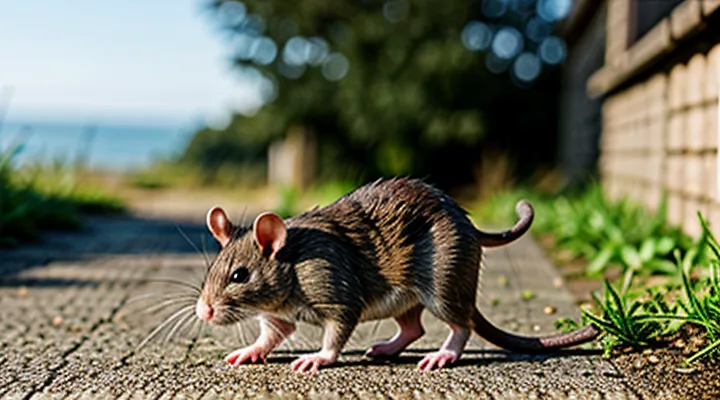
Rodents constitute a diverse order of mammals characterized by continuously growing incisors, high reproductive rates, and adaptability to urban and rural environments. Species such as the Norway rat, roof rat, and house mouse dominate human‑occupied habitats, exploiting food residues, shelter, and water sources. Their gnawing behavior damages infrastructure, contaminates stored products, and facilitates the spread of pathogens including hantavirus, leptospirosis, and salmonellosis.
Effective eradication programs rely on a precise lexicon describing control measures, monitoring techniques, and regulatory standards. Key terms include:
- «Integrated pest management» – a systematic approach combining sanitation, exclusion, and targeted chemical or biological interventions.
- «Bait stations» – secured devices that deliver anticoagulant or non‑anticoagulant rodenticides while minimizing non‑target exposure.
- «Trapping protocols» – standardized methods specifying trap type, placement density, and check frequency to achieve rapid population reduction.
- «Exclusion methods» – structural modifications such as sealing gaps, installing door sweeps, and using rodent‑proof materials.
- «Surveillance indices» – quantitative metrics, for example, capture‑per‑unit‑effort (CPU) and activity‑monitoring devices, that assess infestation levels and treatment efficacy.
Rodent biology informs each component of the control cycle. Rapid breeding cycles, with gestation periods as short as three weeks, necessitate continuous monitoring to prevent rebound after initial treatment. Habitat preferences dictate strategic placement of bait stations and traps near walls, pipe runs, and concealed pathways. Seasonal variations influence activity patterns, with increased indoor activity during colder months, prompting adjustments in sanitation and exclusion efforts.
Regulatory frameworks governing rodent control emphasize the safe handling of toxicants, mandatory record‑keeping of application sites, and compliance with environmental protection standards. Documentation of product label instructions, dosage calculations, and disposal procedures ensures accountability and reduces risks to humans and wildlife.
In summary, the term «rodent» encompasses a biologically resilient group whose presence in human settings triggers a suite of specialized control concepts. Mastery of the associated terminology enables practitioners to design, implement, and evaluate eradication strategies with precision and regulatory alignment.
Pest
A pest denotes any organism that inflicts damage, spreads disease, or causes economic loss, with the rat being a primary example in urban and agricultural environments. Identification of a pest focuses on its behavior, reproductive capacity, and adaptability, which together determine the urgency and methods of control.
Effective eradication programs classify the rat as a target pest, assess population density, and implement measures that reduce survivorship and reproduction. Strategies integrate chemical, mechanical, and environmental interventions, each selected based on efficacy, safety, and regulatory compliance.
Key terms commonly encountered in rat‑focused pest management include:
- «bait» – substance designed to attract and deliver a toxic agent.
- «trap» – device that captures or kills upon activation.
- «rodenticide» – chemical formulation intended to exterminate rodents.
- «exclusion» – physical barriers preventing entry into structures.
- «population monitoring» – systematic observation of numbers and distribution.
- «biosecurity» – protocols limiting accidental introduction or spread.
- «integrated pest management» – coordinated use of multiple control tactics.
- «sanitation» – removal of food sources and waste that sustain infestations.
- «habitat modification» – alteration of environment to reduce suitability for rats.
Infestation
Infestation denotes the presence of a rat population at densities that cause measurable damage, health risks, or economic loss. Assessment relies on observable evidence such as gnaw marks, droppings, nesting material, and live sightings. Quantitative thresholds define when a situation transitions from isolated incidents to a full‑scale infestation, prompting intervention.
Key indicators of an infestation include:
- Accumulation of droppings in food‑handling areas.
- Visible gnawing on structural components or wiring.
- Presence of burrows or nests in concealed spaces.
- Repeated capture of live rodents in traps.
- Reports of nocturnal activity near entry points.
Effective eradication strategies begin with accurate identification of infestation severity. Integrated pest management (IPM) protocols combine sanitation, exclusion, and targeted rodenticide application to reduce population levels. Monitoring continues after initial control to verify that «infestation» has been eliminated and to prevent re‑establishment.
Control
The term «Control» denotes actions taken to reduce rat populations to levels that no longer pose health, economic, or structural risks. It encompasses strategies designed to limit reproduction, prevent colonisation, and eliminate existing individuals.
Effective control measures fall into four principal categories:
- «Chemical control» – application of rodenticides following safety regulations and resistance‑management guidelines.
- «Mechanical control» – deployment of traps, snap devices, or electronic kill stations positioned in high‑activity zones.
- «Biological control» – introduction of natural predators or pathogens approved for urban environments.
- «Environmental control» – modification of habitats to remove food sources, shelter, and entry points.
Implementation proceeds through assessment, selection, execution, and verification. Initial assessment identifies infestation extent, species composition, and environmental constraints. Selection matches appropriate methods to identified factors, prioritising non‑target safety and regulatory compliance. Execution applies chosen techniques while documenting dosage, placement, and timing. Verification involves post‑treatment surveys, population indices, and data comparison to baseline figures.
Continuous monitoring validates long‑term efficacy. Indicators such as trap catch rates, bait consumption, and sighting reports inform adaptive adjustments. Integrated approaches that combine multiple categories typically achieve sustained reductions and mitigate resistance development.
Eradication
Eradication refers to the complete removal of a target species from a defined area, leaving no viable individuals capable of reproduction. In rat control, the goal is to eliminate established populations to prevent disease transmission, property damage, and competition with native wildlife.
Effective eradication programs combine several tactics. Coordination of actions, precise timing, and thorough documentation increase the likelihood of success. The process typically proceeds through assessment, intervention, and verification phases.
Key intervention tactics include:
- Trapping: placement of snap or live traps in high‑activity zones, regular checking, and humane disposal.
- Rodenticides: application of anticoagulant or non‑anticoagulant baits following dosage guidelines, with attention to non‑target species protection.
- Biological control: introduction of predators such as owls or feral cats, where ecological impact assessments permit.
- Habitat modification: removal of food sources, sealing entry points, and reduction of sheltering structures.
Monitoring involves systematic surveys using tracking stations, motion‑activated cameras, or environmental DNA sampling. Data collection continues until repeated assessments confirm absence of reproducing individuals.
Regulatory frameworks govern pesticide use, animal welfare, and environmental protection. Compliance with local statutes, licensing requirements, and best‑practice guidelines ensures legal and ethical conduct throughout eradication efforts.
Management
Effective rat control requires systematic management that aligns operational practices with established terminology. Clear definitions ensure consistent communication among pest‑control professionals, regulatory bodies, and stakeholders.
Key terms governing the management process include:
- «integrated pest management» – coordinated strategy combining preventive measures, monitoring, and targeted interventions.
- «population suppression» – reduction of rat numbers to levels that no longer pose health or economic threats.
- «baiting protocol» – standardized procedure for the placement, concentration, and rotation of toxic baits.
- «environmental assessment» – evaluation of habitat conditions that support rat activity and identification of modification opportunities.
- «remediation plan» – detailed schedule for habitat alteration, waste management, and structural repairs to eliminate shelter and food sources.
Implementation steps follow a logical sequence: conduct an environmental assessment, establish baseline population data, select appropriate control methods, execute baiting protocols, and monitor outcomes. Documentation of each phase supports regulatory compliance and facilitates continuous improvement.
Performance metrics focus on measurable outcomes such as reduction percentage, non‑target species impact, and cost efficiency. Regular review of metrics informs adjustments to the remediation plan, ensuring sustained effectiveness and alignment with public‑health objectives.
Methods and Strategies
Integrated Pest Management (IPM)
Integrated Pest Management (IPM) represents a systematic framework for controlling rat populations while minimizing environmental impact. The approach combines scientific knowledge, regular observation, and a hierarchy of control methods to achieve long‑term suppression.
Key elements of IPM for rodent control include:
- Monitoring and data collection through trap counts and sighting reports.
- Accurate species identification to tailor interventions.
- Establishment of action thresholds based on population density and damage potential.
- Implementation of control tactics arranged by invasiveness: sanitation and exclusion, mechanical removal, biological agents, and chemical applications as a last resort.
- Post‑intervention evaluation to verify effectiveness and adjust future strategies.
Monitoring supplies the baseline needed for threshold determination; sanitation removes food sources, while exclusion seals entry points. Mechanical methods such as snap traps provide immediate reduction, whereas biological controls—predatory mammals or pathogens—offer ongoing pressure. Chemical rodenticides are deployed only when other measures fail to meet the established threshold, and their use follows strict regulatory guidelines.
Adopting «Integrated Pest Management» yields reduced reliance on toxic substances, lower operational costs, and compliance with public‑health standards. Continuous assessment ensures that each component remains aligned with the overarching goal of sustainable rat suppression.
Baits
Baits are a primary tool in rat management programs, delivering toxic agents directly to target animals. Formulations combine an attractant matrix with an active ingredient that disrupts physiological processes, leading to mortality after ingestion.
Common categories of rodent baits include:
- Anticoagulant compounds such as bromadiolone, difenacoum, and brodifacoum, which inhibit blood clotting.
- Non‑anticoagulant agents like cholecalciferol, which induces hypercalcemia, and zinc phosphide, which releases phosphine gas in the stomach.
- Hybrid products that incorporate multiple modes of action to reduce resistance development.
Effective deployment requires precise placement in areas of high rat activity, typically along walls, behind objects, and within concealed routes. Bait stations protect non‑target species and reduce accidental exposure. Monitoring involves regular inspection of bait consumption, verification of mortality rates, and adjustment of placement density to maintain a lethal dose per individual.
Regulatory frameworks mandate labeling of active ingredients, concentration limits, and safety warnings. Compliance ensures that operators follow best practices for environmental protection and public health. Continuous evaluation of bait performance supports adaptive management, optimizing eradication outcomes while minimizing ecological impact.
Traps
Traps constitute a fundamental component of rodent control strategies, providing direct removal of rats while limiting exposure to chemicals. Effective deployment requires understanding of trap categories, optimal placement, and maintenance protocols.
Common trap types include:
- Snap traps: metal devices that deliver a rapid, lethal strike; suitable for interior use where quick kills are desired.
- Live‑catch traps: cages that confine rats without injury; appropriate for relocation or humane disposal.
- Glue boards: adhesive surfaces that immobilize rodents; best applied in concealed areas to prevent accidental capture of non‑target species.
- Electronic traps: battery‑powered units that electrocute rats upon entry; offer quick results and easy disposal of carcasses.
Placement considerations:
- Position traps along walls, near known runways, and close to food sources.
- Ensure bait placement aligns with the trap’s activation mechanism; common baits include peanut butter, dried fruit, and meat scraps.
- Install traps at a height of 2–4 inches above the floor for snap traps, and at ground level for live‑catch models.
Maintenance guidelines:
- Inspect traps daily; remove captured rats promptly to prevent odor buildup and secondary infestations.
- Reset or replace bait after each capture to maintain attraction.
- Clean electronic traps according to manufacturer instructions to preserve battery life and efficacy.
- Dispose of dead rodents in sealed containers, adhering to local health regulations.
Safety measures:
- Wear gloves when handling traps to avoid disease transmission.
- Keep traps out of reach of children and pets; use tamper‑resistant designs where necessary.
- Store unused traps in a secure location to prevent accidental activation.
Integrating traps with sanitation improvements and exclusion techniques enhances overall rat eradication outcomes, reducing population pressure and preventing re‑infestation.
Exclusion
Exclusion refers to the systematic prevention of rat entry into structures by sealing openings, installing barriers, and modifying the environment. The approach targets the physical pathways that rodents use to access food, shelter, and nesting sites, thereby reducing the need for chemical or lethal controls.
Key components of an exclusion program include:
- Inspection of building façades, foundations, and utility penetrations to identify gaps larger than ¼ inch.
- Installation of durable materials such as steel mesh, cement‑based sealants, and weather‑resistant flashing.
- Maintenance of doors and windows with tight‑closing hardware and rat‑proof sweeps.
- Elimination of overhanging vegetation and debris that facilitate climbing or concealment.
Effective exclusion relies on regular monitoring to verify the integrity of seals and to detect new intrusion points. Documentation of inspection findings and repair actions supports compliance with health and safety regulations and enables continuous improvement of the barrier system.
When combined with sanitation measures that limit food availability, exclusion forms a cornerstone of integrated rat management, delivering long‑term population suppression without reliance on poisons or traps.
Sanitation
Sanitation, defined as the systematic removal of waste, control of food sources, and maintenance of structural integrity, directly influences rat population dynamics. Proper waste disposal eliminates nourishment and shelter, limiting reproductive opportunities for rodents.
Key practices include:
- Secure containment of garbage in sealed containers.
- Prompt removal of organic debris from streets and alleys.
- Regular inspection and repair of building cracks and utility openings.
- Installation of rodent‑proof doors, screens, and vent covers.
- Enforcement of strict food‑storage protocols in commercial and residential settings.
Implementation of these measures reduces the incidence of rodent‑borne diseases by decreasing contact between rats and human habitats. Consistent application across municipal districts correlates with measurable declines in sightings and infestation reports.
Effective programs integrate sanitation with monitoring, employing data‑driven adjustments to resource allocation. Coordination among public health agencies, waste management services, and property owners ensures sustained compliance and rapid response to emerging threats.
Habitat Modification
Habitat modification refers to the intentional alteration of environments to make them unsuitable for rat habitation and reproduction. By reducing access to food, shelter, and water, the approach directly limits population growth without reliance on toxic agents.
Typical interventions include:
- Securing waste containers with tight‑fitting lids and regular collection schedules.
- Removing standing water and eliminating sources of moisture that attract rodents.
- Reducing clutter, debris, and vegetation that provide nesting sites.
- Sealing cracks, gaps, and openings in building foundations, walls, and utility penetrations.
- Implementing landscaping designs that discourage burrowing, such as hard‑scaping near structures.
Benefits of habitat modification encompass lower infestation rates, decreased need for chemical control, and enhanced long‑term resilience of facilities. The method aligns with integrated pest management principles, emphasizing prevention over reactive measures.
Implementation steps:
- Conduct a comprehensive site assessment to identify attractants and entry points.
- Prioritize actions based on risk level and feasibility.
- Execute physical alterations and maintenance protocols.
- Monitor rodent activity through trapping data and visual inspections.
- Adjust and reinforce modifications as needed to sustain effectiveness.
Fumigation
Fumigation involves the controlled release of gaseous chemicals to eliminate rodents within enclosed environments. Application targets burrows, nests, and concealed passages where rats reside, delivering toxic agents directly to the respiratory system of the pests. The process requires sealed spaces, adequate ventilation after treatment, and compliance with safety regulations governing exposure limits for humans and non‑target animals.
Key considerations for effective fumigation include:
- Selection of a rodent‑specific gas, such as phosphine or sulfuryl fluoride, based on resistance profiles and regulatory approval.
- Determination of dosage calculated from volume of the treated area, ensuring lethal concentration is achieved throughout the space.
- Implementation of pre‑treatment inspection to identify entry points, structural gaps, and materials that may absorb or deactivate the fumigant.
- Execution of post‑treatment monitoring using indicator strips or electronic detectors to confirm residual gas levels fall below permissible thresholds.
- Documentation of the procedure, including dates, chemicals used, concentrations, and clearance certifications, to satisfy legal and occupational health requirements.
Biological Control
Biological control refers to the use of living organisms to suppress rat populations, reducing reliance on chemical poisons and mechanical traps. The approach integrates ecological principles to achieve long‑term reduction of rodent numbers while minimizing non‑target impacts.
Natural predators constitute a primary component of this strategy. Species such as the barn owl (Tyto alba), the feral cat (Felis catus), and the small‑eared mongoose (Herpestes brachyurus) actively hunt rats, contributing to population regulation in agricultural and urban settings. Their effectiveness depends on habitat suitability, prey availability, and predator density.
Pathogens and parasites provide additional control mechanisms. Commonly employed agents include:
- «Yersinia pestis» strains attenuated for safety, targeting rat hosts through infection.
- The nematode «Trichinella spiralis», which reduces reproductive capacity.
- The protozoan «Toxoplasma gondii», affecting behavior and survival rates.
Implementation of these biological agents requires rigorous risk assessment to prevent unintended spread to wildlife, domestic animals, or humans. Monitoring protocols must verify target specificity, environmental persistence, and resistance development.
Successful integration of biological control into rat management programs demands coordination among pest‑control professionals, wildlife biologists, and regulatory agencies. Continuous data collection on efficacy and ecological impact supports adaptive adjustments, ensuring that biological methods remain a viable complement to conventional eradication techniques.
Types of Rodenticides
Anticoagulants
Anticoagulants constitute a core class of chemical agents employed to suppress rodent populations. These compounds interfere with the blood‑clotting cascade, leading to internal hemorrhage and death after a delayed period, which reduces the likelihood of bait avoidance.
Key characteristics of anticoagulant rodenticides include:
- Second‑generation agents – bromadiolone, difenacoum, brodifacoum, and flocoumafen; high potency, effective against resistant strains.
- First‑generation agents – warfarin, chlorophacinone, diphacinone; lower potency, often used where resistance is minimal.
- Single‑dose formulations – designed to deliver a lethal dose in one feeding, enhancing operational efficiency.
- Multiple‑dose formulations – require repeated ingestion, suitable for low‑density infestations.
Mechanism of action centers on inhibition of vitamin K epoxide reductase, a critical enzyme for the regeneration of active vitamin K. Depleted vitamin K impairs synthesis of clotting factors II, VII, IX, and X, culminating in uncontrolled bleeding. The delayed mortality—typically 2 to 7 days—allows rodents to consume bait unnoticed, increasing overall effectiveness.
Resistance management relies on rotating active ingredients, integrating non‑chemical controls, and monitoring bait uptake. Susceptibility testing identifies populations with elevated tolerance, guiding selection of appropriate second‑generation compounds.
Safety considerations demand strict adherence to regulatory limits for non‑target exposure. Secure bait stations, calibrated placement, and labeling mitigate risks to wildlife, pets, and humans. Biodegradation of anticoagulants in soil is slow; therefore, disposal protocols prescribe containment and removal of contaminated materials.
Overall, anticoagulant rodenticides provide a scientifically validated method for reducing rat infestations when applied within an integrated pest‑management framework.
Acute Rodenticides
Acute rodenticides are chemical agents designed to cause rapid mortality in rodent populations, primarily targeting rats that pose health and structural threats. These substances act within hours to days after ingestion, delivering lethal doses that reduce the likelihood of bait avoidance and secondary poisoning.
Typical active ingredients include:
- Brodifacoum
- Difenacoum
- Bromadiolone
- Chlorophacinone
- Warfarin
Formulations combine the active compound with attractants and carriers to ensure palatability and effective delivery. Application methods range from hand‑placed bait stations to automated dispensers, each requiring secure placement to prevent access by non‑target species.
Safety protocols mandate personal protective equipment during handling, strict record‑keeping of bait locations, and compliance with regulatory limits on residue levels. Disposal of unused product follows hazardous waste guidelines to mitigate environmental contamination.
Resistance monitoring involves periodic sampling of surviving rodents and laboratory testing for genetic markers associated with anticoagulant tolerance. Early detection of resistance informs adjustment of active ingredients or rotation strategies to maintain efficacy.
Single-Dose Rodenticides
Single‑dose rodenticides represent a class of toxic agents formulated for one‑time administration, delivering a lethal dose sufficient to eliminate target rodents without repeat exposure. Their design prioritises rapid absorption, high bioavailability, and sustained action until death occurs, typically within 24–72 hours. Formulations often combine anticoagulants, neurotoxins, or metabolic inhibitors, each selected for specific efficacy profiles and resistance management.
Key attributes of single‑dose products include:
- Fixed lethal concentration calibrated for adult rats, reducing the risk of sub‑lethal dosing that can foster resistance.
- Palatable bait matrices that encourage immediate consumption, minimizing the need for re‑baiting cycles.
- Environmental stability ensuring potency under varied temperature and humidity conditions.
- Regulatory compliance with safety thresholds for non‑target species, supported by restricted‑access labeling and placement guidelines.
Implementation in rat control programs emphasizes strategic placement in high‑activity zones, monitoring of bait uptake, and documentation of mortality rates to verify program success. Integration with habitat modification and exclusion measures enhances overall eradication efficiency while limiting collateral impacts.
Multi-Dose Rodenticides
«Multi‑dose rodenticides» refer to formulations designed for repeated administration over a defined period, allowing continuous exposure of target rodents to an active ingredient. These products typically contain a slow‑release matrix that maintains lethal concentrations in the bait for several days, reducing the need for frequent re‑placement.
The primary benefit of such preparations lies in sustained efficacy. Continuous ingestion ensures that individuals that avoid a single dose eventually consume a lethal amount, addressing the phenomenon of bait shyness. Additionally, the extended availability of toxic bait diminishes the frequency of monitoring visits, lowering labor costs for pest‑management programs.
Key operational considerations include:
- Placement in tamper‑resistant stations to prevent non‑target access.
- Verification of matrix integrity to guarantee consistent release rates.
- Alignment with local regulatory limits on active‑ingredient residues.
- Documentation of application dates and locations for traceability.
Safety protocols mandate protective equipment for handlers, strict adherence to label instructions, and regular inspection of stations for signs of damage or contamination. Disposal of unused bait must follow hazardous‑waste guidelines to prevent environmental release.
Regulatory frameworks often classify multi‑dose products under restricted‑use categories, requiring licensed applicators and documented justification for use in residential or public‑area settings. Compliance audits typically examine record‑keeping, station security, and post‑application monitoring results.
Effective deployment of «multi‑dose rodenticides» integrates these elements into a comprehensive rodent‑control strategy, ensuring persistent pressure on pest populations while minimizing risks to humans, domestic animals, and wildlife.
First-Generation Anticoagulants
First‑generation anticoagulants constitute the earliest class of rodent‑control agents that disrupt blood clotting by inhibiting vitamin K epoxide reductase. The chemicals act systemically after ingestion, leading to fatal hemorrhage within several days. Their effectiveness derives from a single‑dose or short‑multiple‑dose regimen, which simplifies field application.
Common compounds include:
- «warfarin» – the prototype molecule, introduced in the 1950s.
- «chlorophacinone» – a coumarin derivative with higher potency than warfarin.
- «diphacinone» – a long‑acting agent suitable for bait stations.
- «brodifacoum» – the most potent member, often employed when resistance is suspected.
Regulatory frameworks typically classify these agents as restricted‑use poisons, requiring licensed applicators and specific labeling to mitigate non‑target exposure. Safety protocols mandate:
- Placement of bait in tamper‑proof stations.
- Use of child‑ and pet‑resistant containers.
- Monitoring of bait consumption and removal of uneaten bait after the control period.
Resistance development has been documented in several rodent populations, prompting a shift toward second‑generation anticoagulants or integrated pest‑management strategies. Nevertheless, first‑generation compounds remain relevant for short‑term interventions, especially in environments where regulatory constraints limit the use of more potent substances.
Second-Generation Anticoagulants
Second‑generation anticoagulants, also known as super‑warfarins, are synthetic rodenticides designed to overcome resistance to first‑generation compounds such as warfarin. These agents exhibit higher potency, longer biological half‑lives, and increased affinity for vitamin K epoxide reductase (VKOR) enzymes in target rodents.
Key characteristics include:
- Enhanced lipophilicity, facilitating rapid absorption through the gastrointestinal tract.
- Extended elimination periods, allowing a single dose to remain lethal for several weeks.
- Broad spectrum activity against resistant Rattus norvegicus and Rattus rattus populations.
Prominent compounds comprise:
- Bromadiolone
- Difenacoum
- Flocoumafen
- Brodifacoum
Mechanistically, second‑generation anticoagulants inhibit VKOR, preventing regeneration of reduced vitamin K. This disruption impedes γ‑carboxylation of clotting factors II, VII, IX, and X, leading to progressive coagulopathy and fatal hemorrhage. Unlike earlier agents, the delayed onset of mortality—typically 3–7 days—reduces bait shyness and enhances uptake.
Resistance management relies on rotating active ingredients, integrating non‑chemical control methods, and monitoring bait consumption rates. Regulatory frameworks in many jurisdictions mandate restricted access, mandatory labeling, and mandatory training for applicators to mitigate non‑target exposure. Environmental persistence demands careful disposal of unused bait and contaminated materials to prevent secondary poisoning of wildlife and domestic animals.
Overall, second‑generation anticoagulants represent the primary pharmacological tool for effective rodent population suppression where resistance to older compounds is documented.
Tracking Powders
Tracking powders are fine, non‑toxic particles formulated to adhere to the fur or paws of rodents, leaving a visible residue that can be detected during inspection. The residue often incorporates fluorescent or colored pigments, enabling identification under standard or ultraviolet lighting.
When a rat traverses a treated surface, powder particles cling to its body and are subsequently transferred to subsequent pathways, providing a traceable pattern of movement. This principle allows pest‑management teams to map activity zones, identify entry points, and evaluate the effectiveness of control measures.
Application techniques include:
- Dusting of floor seams, wall cracks, and known runways.
- Placement of powder‑impregnated pads at bait stations.
- Integration of powder within bait‑station liners to combine monitoring and control.
Key benefits:
- Immediate visual confirmation of rodent presence without reliance on trap catches.
- Low toxicity reduces risk to non‑target species and human occupants.
- Cost‑effective compared with electronic tracking devices, requiring only periodic visual checks.
Limitations:
- Moisture and heavy foot traffic can diminish powder adhesion, necessitating reapplication.
- Detection depends on regular inspection schedules; delayed checks may miss transient activity.
- Effectiveness varies with species’ grooming behavior; some rodents may remove particles before detection.
Equipment and Tools
Bait Stations
Bait stations are sealed containers designed to present rodenticide in a protected environment, limiting access to target species while preventing exposure to non‑target animals and humans. The enclosure typically features a lockable lid, a tamper‑resistant hinge, and a removable tray that holds the bait matrix. Materials such as heavy‑gauge plastic or stainless steel provide durability and resistance to weathering, allowing deployment in outdoor settings.
Key characteristics include:
- Controlled release of toxic bait, reducing waste and environmental contamination.
- Compliance with regulatory standards for rodent control devices, often requiring labeling and certification.
- Compatibility with various bait formulations, including anticoagulant blocks, zinc phosphide pellets, and cholecalciferol granules.
Strategic placement enhances effectiveness. Install stations along established runways, near entry points, and in concealed locations such as under eaves, behind dumpsters, or within utility enclosures. Maintain a minimum distance of 10 feet from food preparation areas and child‑accessible zones. Regular inspection—typically weekly—ensures bait freshness, identifies tampering, and confirms structural integrity. Replace depleted or compromised units promptly to sustain continuous pressure on rat populations.
Safety protocols mandate personal protective equipment during handling, proper disposal of spent bait, and documentation of station locations for accountability. Training programs for pest‑management personnel emphasize correct installation techniques, monitoring procedures, and emergency response actions in the event of accidental exposure.
«Bait stations provide a reliable, discreet method for delivering rodenticide while safeguarding public health and preserving ecological balance».
Snap Traps
Snap traps are mechanical devices designed to deliver an instantaneous lethal force to rodents. The mechanism consists of a spring‑loaded bar that snaps shut when triggered by the animal’s contact with a baited trigger plate. Immediate incapacitation reduces suffering and prevents escape, making snap traps a core element of rat control terminology.
Key characteristics include:
- High‑tensile spring for rapid closure
- Adjustable trigger sensitivity to accommodate different rodent sizes
- Durable construction, typically stainless steel or reinforced polymer
- Bait stations that secure attractants while limiting access to non‑target species
Effective deployment requires placement along established runways, near walls, or in concealed locations where rats travel. Positioning the trigger plate perpendicular to the wall maximizes contact probability. Regular inspection ensures functionality; a malfunctioning spring or fouled trigger compromises efficacy.
Safety protocols mandate securing traps away from children and pets, using protective gloves during handling, and disposing of captured rodents in sealed containers. In many jurisdictions, snap traps meet regulatory standards for humane pest management, provided they are used responsibly and inspected frequently.
Glue Traps
Glue traps are adhesive devices designed to capture rodents by immobilizing them on a sticky surface. The mechanism relies on a non‑drying, high‑strength gel that adheres to the animal’s paws and fur, preventing escape. Placement typically occurs along established runways, near entry points, or in areas with visible gnaw marks.
Advantages include immediate capture without the need for poison, discreet appearance, and low cost per unit. Disadvantages involve prolonged suffering for captured rodents, risk of non‑target species entrapment, and limited effectiveness against large or aggressive individuals. Regulatory agencies in several jurisdictions require labeling that warns of humane concerns and restricts indoor use.
Key considerations for deployment:
- Select locations with confirmed activity to maximize capture rates.
- Replace traps regularly to maintain adhesive potency.
- Use protective barriers or bait stations to reduce accidental capture of pets and wildlife.
- Follow local legislation regarding disposal of trapped rodents, employing sealed containers or approved sanitation services.
Alternative control methods, such as snap traps, electronic devices, or integrated pest management programs, address some ethical and safety limitations associated with adhesive traps. Decision‑makers should evaluate the specific infestation level, environmental impact, and compliance requirements before choosing glue traps as a component of a comprehensive rodent control strategy.
Live Traps
Live traps are devices that capture rats without causing fatal injury, allowing for relocation or humane euthanasia. The traps consist of a sturdy cage, a trigger mechanism, and a secure locking door that closes when the animal enters.
Key characteristics of effective live traps include:
- Robust construction to withstand strong gnawing.
- Sensitive trigger that activates with minimal pressure.
- Easy‑to‑open door for quick release or removal of the captured animal.
- Transparent panels or openings for visual monitoring.
Placement strategies focus on rat activity patterns. Traps should be positioned along walls, near burrow entrances, and close to food sources. Elevating traps a few centimeters off the ground prevents non‑target species from entering and reduces escape attempts.
Bait selection influences capture rates. Preferred attractants are high‑protein foods such as peanut butter, dried fruit, or small pieces of meat. Bait must be securely affixed to prevent removal without triggering the mechanism.
Monitoring involves checking traps at regular intervals—typically every two to four hours during peak activity periods. Prompt inspection minimizes stress on captured rats and reduces the risk of trap avoidance.
Legal considerations vary by jurisdiction; some regions require permits for relocation, while others prohibit the release of captured rodents outside the original property. Operators must verify local regulations before proceeding.
Advantages of live traps:
- Non‑lethal control aligns with humane pest‑management policies.
- Allows for targeted removal, limiting impact on non‑target wildlife.
- Provides data on rat population size and movement patterns.
Disadvantages:
- Requires frequent handling and disposal procedures.
- May result in escape if the locking mechanism fails.
- Relocation can spread infestation if released in unsuitable habitats.
Monitoring Devices
Monitoring devices form the core of data‑driven rat control programs. These tools capture activity patterns, population density, and movement corridors, enabling timely intervention and resource allocation.
Typical equipment includes:
- «Infrared motion sensors» placed along sewer lines and alleyways to detect nocturnal activity.
- «Radio‑frequency identification (RFID) readers» attached to bait stations, recording individual visits and visit frequency.
- «Acoustic detectors» that analyse squeaking frequencies to estimate colony size.
- «Smart camera traps» equipped with motion‑triggered recording, delivering visual confirmation and species verification.
- «Environmental DNA (eDNA) samplers» that collect trace genetic material from water or soil, indicating presence without direct observation.
Data from these devices feed centralized management platforms. Automated analytics generate heat maps, trend graphs, and predictive models. Alerts trigger when thresholds—such as sudden increases in detections—are exceeded, prompting field teams to deploy control measures.
Integration with geographic information systems (GIS) aligns monitoring outputs with urban infrastructure, facilitating targeted bait placement and habitat modification. Continuous calibration of sensor sensitivity and placement optimizes detection accuracy while minimizing false positives.
Effective deployment requires regular maintenance, firmware updates, and periodic validation against manual surveys. Documentation of device performance supports compliance reporting and long‑term program evaluation.
Personal Protective Equipment (PPE)
Personal protective equipment (PPE) for rat control operations must meet the hazards associated with trapping, poisoning, and disinfection. Protective clothing includes disposable coveralls, chemical‑resistant gloves, and boot covers that prevent skin contact with rodent‑borne pathogens and toxic agents. Respiratory protection ranges from particulate‑filtering half‑mask respirators for dust exposure to full‑face air‑purifying respirators when handling aerosolized rodenticides. Eye safety is ensured by impact‑resistant goggles or face shields that guard against splashes and debris.
Selection criteria focus on material compatibility, durability, and regulatory compliance. Coveralls fabricated from Tyvek or polyethylene provide barrier performance against liquids and particulates while remaining lightweight for extended wear. Gloves must be nitrile or neoprene, offering resistance to both chemicals and puncture. Respirators require certification according to NIOSH standards and must be fitted to the wearer’s facial dimensions to maintain a proper seal.
Maintenance procedures include routine inspection for tears, seams, or compromised filters. Disposable items are discarded in sealed, puncture‑proof containers after each use. Reusable components, such as respirator cartridges, follow manufacturer‑specified replacement intervals and are stored in a clean, dry environment to preserve efficacy. Decontamination of reusable apparel employs approved disinfectants, followed by thorough drying before storage.
Compliance monitoring involves documenting PPE issuance, fit‑testing records, and training completion. Audits verify that personnel consistently wear the required equipment during all phases of rodent eradication activities, reducing occupational exposure and supporting adherence to health‑safety regulations.
Biological and Ecological Terms
Commensal Rodents
Commensal rodents are species that thrive in close association with human habitats, exploiting food storage, waste, and shelter provided by domestic environments. Their adaptation to anthropogenic resources distinguishes them from wild counterparts, resulting in frequent encounters with structures such as homes, warehouses, and agricultural facilities. These rodents exhibit high reproductive rates, short gestation periods, and flexible foraging behavior, factors that contribute to rapid population expansion when control measures are insufficient.
Key characteristics relevant to pest‑management terminology include:
- Habitat preference for human‑derived resources, leading to persistent presence in residential and commercial settings.
- Dietary opportunism, allowing consumption of stored grains, processed foods, and organic waste.
- Ability to navigate confined spaces, facilitating access to hidden niches within building infrastructures.
- Seasonal breeding cycles that can produce multiple litters per year, intensifying infestation potential.
Understanding the ecological role of commensal rodents informs the development of targeted eradication strategies, such as habitat modification, exclusion techniques, and population‑reduction interventions. Effective application of these approaches reduces the risk of disease transmission, property damage, and food contamination associated with rodent activity. «Effective control relies on integrating environmental management with appropriate chemical and mechanical tactics, calibrated to the biology of the species involved.»
Synanthropic Rodents
Synanthropic rodents are rodent species that thrive in close association with human habitations, exploiting structures, waste, and food supplies provided by urban and suburban environments. Their ecological success stems from high reproductive rates, flexible nesting habits, and tolerance of disturbed habitats.
Common synanthropic species include the brown rat (Rattus norvegicus), the black rat (Rattus rattus), and the house mouse (Mus musculus). These taxa dominate residential, commercial, and industrial settings worldwide, often forming dense populations that coexist with human activity.
Their presence directly influences pest‑control programs because population growth, movement patterns, and habitat preferences dictate the selection and timing of eradication measures. Effective management requires accurate identification of species, assessment of infestation levels, and understanding of the factors that sustain their numbers.
Key terminology associated with these rodents in the field of rat control:
- «commensal species» – rodents that rely on human‑generated resources;
- «urban infestation» – high‑density presence within city environments;
- «population dynamics» – fluctuations in numbers driven by reproduction and mortality;
- «habitat plasticity» – ability to occupy diverse structures such as sewers, attics, and storage areas;
- «food source reliance» – dependence on waste, stored products, and refuse.
Norway Rat («Rattus norvegicus»)
Norway Rat («Rattus norvegicus») is a large rodent native to East Asia, now distributed worldwide through human commerce. The species belongs to the family Muridae and is identified by a robust body, coarse brown fur, and a blunt tail. Adult individuals typically weigh 250–500 g and reach lengths of 20–25 cm, excluding the tail.
Reproductive capacity drives population growth: females produce up to six litters annually, each containing 5–12 pups. Breeding occurs year‑round in temperate zones, with sexual maturity reached at 2–3 months. Omnivorous diet includes grains, waste, and animal protein, enabling exploitation of diverse urban and agricultural habitats. Burrowing and nesting behavior favor sewers, basements, and field margins.
Public‑health concerns arise from pathogen transmission, including leptospirosis, hantavirus, and salmonellosis. Structural damage results from gnawing of electrical wiring, insulation, and stored goods. Crop losses stem from seed predation and competition with native fauna.
Effective eradication strategies combine multiple tactics:
- Anticoagulant rodenticides applied in bait stations, calibrated to target populations while minimizing non‑target exposure.
- Snap traps and electronic devices deployed along runways and entry points for immediate removal.
- Habitat modification, such as sealing entry gaps, removing food sources, and managing waste, reduces attractants.
- Biological control, including predatory birds and feral cat management, complements chemical and mechanical measures.
Regulatory frameworks classify Norway Rat as a pest species, requiring licensed operators for rodenticide use and mandatory reporting of infestation levels. Monitoring programs employ live‑trapping surveys and environmental DNA sampling to assess distribution and guide intervention timing.
Roof Rat («Rattus rattus»)
Roof rat, scientific name «Rattus rattus», belongs to the family Muridae and is one of the three species most commonly targeted in rodent control programs. The species exhibits a slender body, a length of 16‑20 cm, a tail longer than the head‑body ratio, and a dark brown to black dorsal coat. Adaptations include excellent climbing ability, a preference for elevated habitats, and a diet that incorporates fruits, nuts, grains, and insects.
Native to tropical and subtropical regions, roof rat has spread worldwide through maritime trade. Populations establish in attics, eaves, roof spaces, and dense vegetation where shelter and food are abundant. Activity peaks during night hours, and individuals travel up to 30 m from nesting sites to forage.
Damage caused by roof rat includes consumption of stored grain, contamination of food supplies with urine and feces, and structural degradation through gnawing of wiring, insulation, and building materials. Health concerns involve transmission of pathogens such as leptospirosis, hantavirus, and bacterial agents that may contaminate surfaces and food items.
Detection relies on visual inspection of droppings, gnaw marks, and nesting material, as well as the placement of motion‑activated cameras and tracking plates. Signs are most prevalent in concealed roof cavities, upper floor joists, and near entry points.
Control measures encompass:
- Exclusion – sealing cracks, gaps, and vent openings larger than ½ in.
- Trapping – using snap traps or electronic devices positioned along travel routes.
- Baiting – deploying anticoagulant or non‑anticoagulant rodenticides in tamper‑resistant stations.
- Habitat modification – removing vegetation and debris that provide cover or food sources.
Regulatory frameworks in many jurisdictions require licensed applicators for the use of toxic baits and mandate record‑keeping of control activities. Compliance with environmental protection standards limits non‑target exposure and dictates disposal procedures for dead rodents and contaminated materials.
House Mouse («Mus musculus»)
The species commonly known as «House Mouse» («Mus musculus») belongs to the family Muridae and exhibits a global distribution that includes urban, suburban, and rural environments. Adults measure 6–10 cm in body length, possess a pointed snout, and display a gray‑brown dorsal coat with a lighter ventral side. Reproductive capacity is high; a single female can produce up to ten litters per year, each containing 3–14 offspring.
In rodent management contexts, the house mouse is frequently encountered alongside rats, requiring clear differentiation. Key identification criteria include smaller body size, a shorter tail relative to head‑body length, and a more delicate skull structure. These morphological distinctions facilitate accurate reporting and targeted intervention.
Health implications associated with «Mus musculus» involve the transmission of pathogens such as hantavirus, salmonella, and various parasites. Structural damage results from gnawing on electrical wiring, insulation, and stored food products, leading to increased fire risk and economic loss.
Effective control measures comprise multiple approaches:
- Environmental sanitation: removal of food residues, sealing of entry points, and reduction of clutter.
- Mechanical trapping: use of snap traps, live‑capture devices, and electronic traps positioned along established runways.
- Chemical intervention: application of rodenticides formulated for mouse‑specific toxicity, adhering to label dosage and safety regulations.
- Biological methods: introduction of predatory species (e.g., barn owls) and utilization of fertility‑reducing agents where permitted.
Integration of these tactics within a comprehensive pest‑management program enhances reduction of «House Mouse» populations and mitigates associated health and property risks.
Neophobia
Neophobia describes an animal’s reluctance to approach novel objects, food sources, or environments. In rodents, this instinctive caution can limit interaction with unfamiliar bait stations, reducing the effectiveness of population‑reduction measures.
Rats exhibiting neophobia may reject newly introduced toxic baits, delay consumption, or avoid altered trap designs. Consequently, eradication campaigns often encounter lower uptake rates during the initial deployment phase, extending the timeline required to achieve target reductions.
Mitigation techniques include:
- Gradual habituation: introduce inert, non‑lethal food items in bait stations before adding toxic bait, allowing rats to associate the location with a safe resource.
- Incremental scent integration: incorporate familiar food odors into bait formulations to mask novelty.
- Multi‑point distribution: deploy numerous low‑dose stations to increase encounter probability and reduce perceived risk.
- Pre‑bait conditioning: provide a brief period of non‑lethal bait exposure to diminish fear responses.
Effective management of neophobia accelerates bait acceptance, improves mortality rates, and enhances overall success of rat‑control programs.
Bait Shyness
The phenomenon known as «bait shyness» describes a rat’s learned avoidance of poisoned food after an initial sub‑lethal exposure. This behavioral adaptation reduces the effectiveness of conventional rodent control programs.
Typical causes include:
- Consumption of a dose insufficient to cause rapid mortality
- Association of the bait’s taste or odor with illness
- Repeated exposure to the same bait formulation
Detecting bait shyness relies on monitoring bait uptake rates and observing a sudden decline after an initial period of acceptance. Low consumption coupled with continued rat activity signals the development of avoidance.
Management strategies focus on disrupting the learned association and restoring susceptibility:
- Rotate active ingredients and flavors to prevent pattern recognition
- Reduce bait concentration to avoid sub‑lethal dosing, then increase gradually
- Incorporate pre‑bait (non‑poisoned food) to reacclimate rats to the delivery device
- Employ alternative delivery methods such as tamper‑proof stations or bait stations with timed release
- Combine chemical control with habitat modification, removing food sources that reinforce avoidance
Preventive measures emphasize proper bait placement, regular assessment of consumption, and adherence to dosage guidelines to minimize the risk of rats developing avoidance behavior. Implementing these practices maintains the efficacy of eradication efforts and reduces the likelihood of resurgence.
Resistance
Resistance in rat control refers to the capacity of rodent populations to survive or evade eradication measures. Genetic mutations can diminish the effectiveness of anticoagulant baits, while learned avoidance behaviors reduce trap success. Operational factors such as sub‑lethal dosing or inconsistent application also contribute to reduced efficacy.
Key categories of resistance include:
- Genetic resistance: inherited traits that lower susceptibility to chemical agents.
- Behavioral resistance: learned avoidance of bait stations or traps.
- Operational resistance: failures arising from improper deployment or maintenance of control tools.
Mitigation strategies focus on rotating active ingredients, integrating multiple control methods, and monitoring population responses. Rotating anticoagulants prevents selection pressure for a single resistant genotype. Combining baiting with mechanical traps disrupts learned avoidance patterns. Regular susceptibility testing identifies emerging resistance, enabling timely adjustment of protocols.
Health and Safety Considerations
Secondary Poisoning
Secondary poisoning refers to the unintended ingestion of toxic rodenticide by non‑target species after they consume poisoned rats or encounter contaminated carcasses. The phenomenon extends the impact of rodent control beyond the intended pest, affecting predators, scavengers, and domestic animals that rely on rodents as a food source.
Pathways of exposure include predation on live rats, scavenging of dead rodents, and indirect contact with contaminated environments such as bait stations or soil. Species most at risk are birds of prey, foxes, feral and domestic cats, and small carnivorous mammals. Each pathway introduces the toxin into the food chain, potentially causing sub‑lethal effects or lethal outcomes.
Risk magnitude depends on several variables:
- Toxicant class and potency (e.g., anticoagulant versus bromadiolone)
- Bait formulation and concentration
- Placement density and accessibility of bait stations
- Degradation rate of the poison under local climate conditions
- Feeding habits and metabolic sensitivity of the secondary consumer
Mitigation strategies aim to limit exposure while maintaining effective rat control:
- Deploy bait within secured, tamper‑proof stations to restrict access by non‑target fauna
- Select rodenticides with lower secondary toxicity profiles, such as first‑generation anticoagulants
- Apply the minimum effective dose, calibrated to the target species’ size and feeding behavior
- Conduct regular monitoring of predator and scavenger populations for signs of toxicity
- Integrate non‑chemical control methods (e.g., trapping, habitat modification) to reduce reliance on poisons
Regulatory guidance often emphasizes the principle that «secondary poisoning» must be minimized through responsible bait management and continuous risk assessment. Compliance with these practices protects ecological balance while achieving the primary objective of rat eradication.
Non-Target Organisms
Non‑target organisms are species that are unintentionally affected by measures aimed at eliminating rats. These organisms can include mammals, birds, reptiles, amphibians, insects, and soil micro‑fauna that inhabit the same environment as the rodent population.
Potential impacts on non‑target species arise from several mechanisms:
- Direct exposure to toxic baits or rodenticides, leading to acute poisoning or sub‑lethal effects.
- Secondary poisoning when predators or scavengers consume poisoned rats.
- Habitat disruption caused by trapping devices, bait stations, or habitat modification.
- Indirect ecological shifts due to the removal of rats, which may alter food‑web dynamics and competition patterns.
Regulatory frameworks typically require risk assessments that quantify exposure levels for non‑target wildlife, establish acceptable toxicity thresholds, and define mitigation strategies. Common mitigation approaches include:
- Using bait formulations with reduced palatability to non‑target species.
- Deploying bait stations with selective entry mechanisms that limit access to rats.
- Timing applications to avoid periods of heightened activity for vulnerable wildlife.
- Conducting pre‑application surveys to identify the presence of protected or sensitive species.
Monitoring programs track mortality and behavioral changes in non‑target populations after rat control interventions. Data collection methods involve carcass retrieval, necropsy, and population surveys to detect trends that may indicate adverse effects.
Effective rat eradication programs balance the objective of reducing rodent numbers with the responsibility to preserve biodiversity by minimizing collateral damage to non‑target organisms.
Environmental Impact
The terminology used in rodent control reflects the ecological consequences of eradication measures. Each term carries implications for non‑target organisms, soil health, water quality, and biodiversity.
- «Integrated pest management» – emphasizes coordination of cultural, mechanical, and biological methods to reduce reliance on toxic chemicals, thereby limiting collateral damage to ecosystems.
- «Rodenticide» – denotes chemical agents that may persist in the environment, accumulate in food webs, and pose risks to wildlife and domestic animals.
- «Anticoagulant bait» – specifies a class of rodenticides that interfere with blood clotting; secondary poisoning can affect predators and scavengers.
- «Biocontrol agent» – refers to natural enemies such as predatory birds or introduced parasites, offering targeted suppression while preserving ecological balance.
- «Habitat modification» – involves altering shelter and food sources to deter rat populations, reducing the need for lethal interventions and minimizing habitat disruption.
- «Ecotoxicology assessment» – assesses the toxicity of control substances across multiple trophic levels, guiding regulatory decisions and best‑practice guidelines.
Understanding these concepts enables practitioners to evaluate trade‑offs between population reduction and environmental stewardship. Selecting terms that prioritize low‑impact strategies aligns pest management with conservation objectives and regulatory compliance.
Ecotoxicology
Ecotoxicology examines the impact of chemical agents used to suppress rat populations on non‑target organisms and ecosystems. Understanding toxicity thresholds, exposure pathways, and degradation rates is essential for selecting rodenticides that achieve effective control while minimizing collateral damage.
Key ecotoxicological parameters include:
- Acute toxicity (LD₅₀, LC₅₀) for mammals, birds, reptiles, and aquatic species.
- Sub‑lethal effects such as reproductive impairment, behavioral changes, and endocrine disruption.
- Environmental persistence, expressed by half‑life in soil, water, and sediment.
- Bioaccumulation potential, measured by bioconcentration factors (BCF) and biomagnification indices.
Regulatory frameworks require detailed risk assessments that integrate these metrics. Models predict concentrations in food chains, allowing authorities to set maximum residue limits and application guidelines. Mitigation strategies—such as bait stations with restricted access, biodegradable formulations, and targeted delivery systems—reduce exposure of wildlife and reduce the likelihood of secondary poisoning.
Monitoring programs employ sentinel species and environmental sampling to verify compliance with safety thresholds. Data collection supports adaptive management, enabling adjustments to dosage, timing, or formulation when adverse effects are detected.
Overall, ecotoxicology provides the scientific basis for responsible rat control, balancing eradication objectives with the preservation of ecological integrity.
Biocides
Biocides are chemical agents designed to destroy or suppress harmful organisms. In the sphere of rat control, biocides serve as essential tools for population reduction and disease prevention.
Key categories applicable to rodent management include:
- «Rodenticides» – anticoagulant or non‑anticoagulant compounds that target the coagulation cascade or nervous system of rats.
- «Fumigants» – volatile substances released in enclosed spaces to achieve rapid mortality.
- «Insect growth regulators» – occasionally employed in integrated pest‑management programs to disrupt breeding cycles of associated arthropod vectors.
Mechanisms of action vary by chemical class. Anticoagulant rodenticides inhibit vitamin K recycling, leading to fatal hemorrhage. Non‑anticoagulant agents such as bromethalin disrupt mitochondrial function, causing cerebral edema. Fumigants like phosphine interfere with cellular respiration, resulting in systemic failure.
Regulatory frameworks impose strict limits on concentration, labeling, and disposal. Compliance with environmental protection statutes ensures minimal impact on non‑target species and groundwater quality. Safety data sheets mandate personal protective equipment, ventilation standards, and emergency procedures.
Resistance management requires rotating active ingredients, employing bait stations with limited accessibility, and integrating non‑chemical methods such as trapping and habitat modification. Monitoring bait uptake and mortality rates informs adjustments to treatment protocols.
Effective deployment of biocides demands precise dosage calculation, strategic placement, and adherence to legal requirements, thereby maximizing efficacy while safeguarding human health and ecological integrity.
Hazard
Hazard in rodent control refers to any condition or agent that poses a risk to human health, non‑target species, or the environment during the implementation of eradication measures.
Key categories of risk include:
- Disease transmission: pathogens carried by rodents, such as leptospirosis and hantavirus, can infect personnel and residents.
- Chemical exposure: toxicants used for baiting may contaminate water supplies, soil, or food sources if misapplied.
- Non‑target poisoning: predatory birds, pets, and beneficial insects are vulnerable to accidental ingestion of rodenticides.
- Structural damage: traps or explosive devices can compromise building integrity or cause fire hazards.
- Economic loss: improper disposal of carcasses or contaminated materials may result in regulatory penalties and remediation costs.
Mitigation strategies demand strict adherence to safety protocols, proper personal protective equipment, and comprehensive monitoring of environmental impact.
Regulatory frameworks obligate documentation of hazard assessments, implementation of containment procedures, and periodic review of control efficacy to ensure compliance and protect public health.
Risk
Risk in rat control initiatives represents the probability of adverse outcomes arising from the planning, execution, or aftermath of eradication measures. Identifying, quantifying, and mitigating these hazards ensures program effectiveness and protects public health, ecosystems, and stakeholder interests.
Key risk categories include:
- «Operational risk» – failure of traps, bait deployment errors, or logistical delays that compromise target elimination.
- «Environmental risk» – non‑target species exposure, disruption of native fauna, or chemical runoff affecting soil and water quality.
- «Health risk» – occupational exposure to rodenticides, disease transmission from surviving rodents, or community concerns about contaminant residues.
- «Regulatory risk» – non‑compliance with wildlife protection statutes, pesticide licensing requirements, or reporting obligations.
- «Financial risk» – budget overruns, unexpected equipment costs, or loss of funding due to poor performance metrics.
Effective risk management follows a structured process: assess probability and impact, prioritize based on severity, implement control measures, and monitor outcomes. Mitigation tactics range from selecting species‑specific baits, employing integrated pest‑management protocols, conducting environmental impact assessments, to establishing clear communication channels with regulatory agencies and local communities. Continuous evaluation and adaptive adjustments reduce uncertainty, enhance success rates, and safeguard both human and ecological health.
Regulatory and Professional Terms
Certified Applicator
A certified applicator is an individual authorized to handle, mix, and apply rodent‑control products in accordance with regulatory standards. Certification confirms mastery of safety protocols, product labeling, and environmental considerations, reducing the risk of accidental exposure or ineffective treatment.
Key qualifications include:
- Completion of an accredited training program covering toxicology, dosage calculations, and personal protective equipment.
- Successful passage of a competency examination administered by a governing agency.
- Documentation of ongoing education to maintain current knowledge of pest‑management legislation and emerging control methods.
Responsibilities of a certified applicator involve precise measurement of active ingredients, adherence to application timing and placement guidelines, and thorough record‑keeping of each treatment. Accurate documentation supports traceability, facilitates compliance audits, and provides data for evaluating program efficacy.
Regulatory frameworks require that only certified personnel perform applications in residential, commercial, or industrial settings where rodent infestations are addressed. Non‑compliant actions may result in penalties, product misuse, or heightened public health hazards. Maintaining certification ensures that practitioners meet legal obligations while delivering effective eradication outcomes.
Pest Control Operator (PCO)
A Pest Control Operator (PCO) is a licensed professional tasked with the systematic reduction and management of rodent populations, particularly rats, in residential, commercial, and industrial environments. The role combines field expertise, regulatory compliance, and the application of specialized techniques to achieve long‑term suppression.
Core responsibilities include:
- Conducting site inspections to identify infestation indicators and structural vulnerabilities.
- Selecting and deploying appropriate control methods, such as bait stations, traps, and exclusion measures.
- Monitoring bait consumption and trap activity to assess efficacy.
- Maintaining detailed records of treatments, product usage, and observable outcomes.
- Ensuring adherence to local health and safety statutes, including pesticide registration and disposal regulations.
Essential qualifications for a PCO encompass:
- Completion of an accredited pest‑management training program.
- Acquisition of a state‑issued pest‑control license, often requiring periodic renewal and continuing‑education credits.
- Proficiency in the safe handling of rodenticides and knowledge of integrated pest‑management (IPM) principles.
- Ability to interpret building codes and identify structural modifications that prevent re‑infestation.
Typical equipment employed by a PCO consists of:
- Certified bait stations with tamper‑resistant designs.
- Mechanical traps calibrated for target species.
- Personal protective gear, including gloves, respirators, and eye protection.
- Data‑collection tools such as digital loggers and GPS‑enabled devices for mapping activity zones.
Effective rat eradication programs rely on the PCO’s capacity to integrate inspection data, control tactics, and regulatory requirements into a cohesive strategy that minimizes health risks and property damage. Continuous evaluation and adaptation of methods ensure sustained population control and compliance with public‑health standards.
Label Directions
Label directions on rodent‑control products convey mandatory information for safe and effective use. They translate technical specifications into actionable steps, ensuring that the product achieves the intended pest‑reduction outcome while protecting non‑target organisms and human health.
Key components of label directions include:
- «Application method»: description of the technique (e.g., bait placement, trap deployment) required to target the target species.
- «Dosage» or concentration limits: precise amounts per unit area or per bait station, expressed in milligrams or percent active ingredient.
- «Frequency of use»: interval between applications, preventing over‑exposure and resistance buildup.
- «Safety precautions»: personal protective equipment, ventilation requirements, and measures to avoid accidental ingestion by children or pets.
- «Storage conditions»: temperature range, humidity limits, and container integrity guidelines to preserve efficacy.
- «Disposal instructions»: procedures for residual product, packaging, and contaminated materials to meet environmental regulations.
Compliance with label directions is enforceable under pest‑control legislation; deviation may result in reduced effectiveness, legal penalties, or unintended ecological impact. Accurate interpretation of the instructions, supported by training and reference to regulatory manuals, maximizes eradication success and minimizes adverse consequences.
MSDS (Material Safety Data Sheet)
The Material Safety Data Sheet (MSDS) is a mandatory document that conveys health, safety, and environmental information for chemicals employed in rodent control operations. It enables pest‑management professionals to assess risks, implement protective measures, and comply with regulatory requirements. Each MSDS follows a standardized format that facilitates quick reference during field work and emergency response.
Key sections of an MSDS relevant to rodent‑eradication chemicals include:
- Identification of the product and supplier
- Hazard identification, encompassing classification and labeling according to applicable standards
- Composition/information on ingredients, specifying active substances and concentrations
- First‑aid measures, detailing emergency procedures for inhalation, skin contact, ingestion, and eye exposure
- Fire‑fighting measures, outlining suitable extinguishing media and special protective equipment
- Accidental release measures, describing containment, cleanup, and environmental protection steps
- Handling and storage recommendations, including ventilation requirements and incompatibility warnings
- Exposure controls/personal protection, specifying engineering controls, permissible exposure limits, and required PPE
- Toxicological information, summarizing acute and chronic effects, routes of exposure, and symptom onset
- Ecological information, covering toxicity to aquatic life, persistence, and biodegradability
- Disposal considerations, providing guidance on waste classification and disposal methods
- Transport information, listing UN numbers, hazard classes, and packaging instructions
- Regulatory information, citing applicable statutes, safety standards, and classification criteria
Compliance with the MSDS ensures that personnel handling rodent‑control agents are equipped with precise, actionable data, minimizing accidental exposure and supporting safe, effective pest‑management practices.
EPA (Environmental Protection Agency)
The Environmental Protection Agency (EPA) establishes federal guidelines that influence rodent management practices. Regulations define permissible toxicants, set maximum residue limits, and require registration of active ingredients used in bait formulations. Compliance with these standards ensures that control measures target rats while minimizing risks to non‑target wildlife and human health.
EPA‑approved products undergo rigorous evaluation for efficacy, environmental persistence, and toxicity. Labels provide specific instructions on application rates, placement strategies, and protective equipment. Enforcement agencies monitor adherence through inspections, complaint investigations, and periodic reporting.
Key regulatory components relevant to rat control include:
- Registration of rodenticides under the Federal Insecticide, Fungicide, and Rodenticide Act (FIFRA)
- Classification of substances as restricted use or general‑use based on toxicity profiles
- Mandatory record‑keeping of product usage and disposal procedures
- Periodic review of acceptable exposure levels for humans and wildlife
The agency also publishes integrated pest management (IPM) guidelines that emphasize habitat modification, sanitation, and exclusion techniques as primary tactics, reserving chemical interventions for situations where non‑chemical methods prove insufficient.
Regulations
Regulatory frameworks governing rodent‑control operations establish legal boundaries for all activities aimed at eliminating rats. Authorities at multiple levels define permissible methods, required documentation, and enforcement procedures.
Key regulatory components include:
- Federal pest‑management statutes that outline authorized control agents and prohibited substances.
- State wildlife‑conservation laws mandating habitat‑preservation considerations during eradication efforts.
- Municipal health codes specifying sanitation standards and mandatory reporting of infestation levels.
- Environmental protection regulations restricting the use of toxic baits near water sources and non‑target species.
- Licensing requirements for professionals applying pesticides, including certification and continuing‑education obligations.
- Mandatory record‑keeping and incident‑reporting protocols for each eradication campaign.
- Defined penalties for violations, ranging from fines to suspension of operational licenses.
Enforcement relies on routine inspections, audit of treatment records, and verification of compliance with prescribed application techniques. Agencies conduct site visits, review documentation, and may require corrective actions when deviations are identified.
International guidance, such as recommendations from the World Health Organization and the Food and Agriculture Organization, informs national policies and promotes harmonized standards for safe and effective «rat eradication».
Compliance
Compliance in the context of rodent control encompasses legal obligations, industry standards, and internal policies that govern eradication activities. Regulatory frameworks demand permits for the use of toxicants, mandatory notification to public health agencies, and adherence to environmental protection statutes. Failure to meet these requirements can result in fines, suspension of operations, or criminal liability.
Key elements of a compliance program include:
- Documentation of pesticide acquisition, storage, and application records.
- Verification that all personnel possess certified training and hold valid licenses.
- Routine audits of equipment calibration, site inspections, and waste disposal procedures.
- Submission of periodic reports detailing eradication outcomes, non‑target impacts, and corrective actions.
Monitoring mechanisms rely on traceable data logs, third‑party verification, and real‑time reporting systems. Integration of compliance checks into operational workflows reduces the risk of violations and supports transparent communication with regulatory bodies.
Enforcement agencies evaluate compliance through site visits, sample analysis, and review of submitted documentation. Organizations that maintain rigorous compliance structures demonstrate accountability, protect public health, and sustain the effectiveness of rodent control initiatives.