
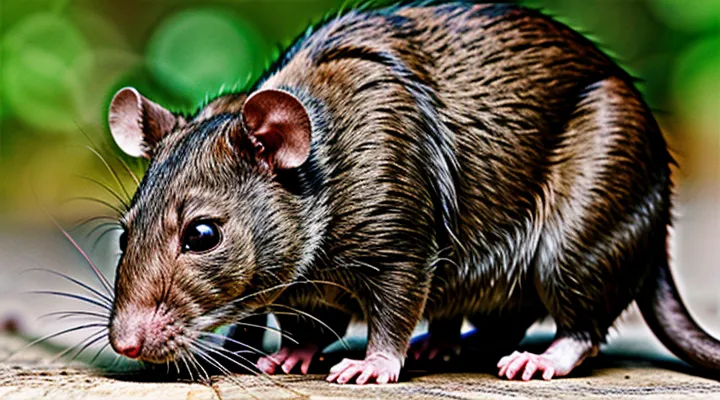
Understanding Subdermatitis in Rats
What is Subdermatitis?
Clinical Presentation
The clinical picture of subdermal inflammation in laboratory rats is defined by a consistent set of dermatological signs. Affected animals display well‑demarcated, erythematous plaques that may be raised or indurated. Lesions frequently localize to the dorsal neck, ventral abdomen, and distal limbs, but can extend to any hair‑covered area.
Typical manifestations include:
- Hair loss surrounding the plaque
- Scaling or crust formation on the surface
- Localized edema that may progress to ulceration
- Pruritus leading to self‑trauma
- Minimal exudate unless secondary infection occurs
The condition often follows a rapid onset, with plaques expanding over 24–48 hours. In severe cases, necrosis develops, and systemic signs such as pyrexia, reduced feed intake, and weight loss may appear. The presence of fever and anorexia distinguishes extensive cutaneous disease from isolated lesions.
Physical examination combined with observation of lesion morphology provides the primary diagnostic clue. The pattern of distribution, the sharp borders of erythema, and the concurrent alopecia are hallmarks that differentiate this disorder from allergic dermatitis, fungal infection, or ectoparasite infestation.
Common Affected Areas
Subdermatitis in rats frequently presents on specific body regions where skin is thin, hair density is low, or moisture accumulates. Recognizing these sites assists in early detection and targeted therapy.
- Dorsal thoracolumbar area: erythema and scaling appear on the back near the spine.
- Ventral abdomen: moist lesions develop around the lower belly, often with crust formation.
- Tail base and distal tail: ulcerative patches emerge where the tail contacts bedding.
- Pinnae and surrounding ear skin: inflammation manifests as redness and edema.
- Paws, especially interdigital spaces: papules and erosions develop in the footpads.
- Facial region, including muzzle and periorbital skin: lesions may be limited to the nose and eyes.
- Perianal zone: moist dermatitis occurs near the anus, prone to secondary infection.
Lesions in these areas typically exhibit erythema, papulation, scaling, or ulceration. Sampling from affected sites yields reliable cytology and culture results, guiding antimicrobial selection. Prompt topical or systemic treatment directed at the identified regions reduces disease progression and improves recovery rates.
Anatomy and Physiology of Rat Skin
Epidermal Layers
The epidermis of the laboratory rat consists of distinct strata that provide structural integrity and a barrier against environmental agents. The deepest layer, the stratum basale, contains proliferating keratinocytes and melanocytes; its activity determines the rate of epidermal renewal, influencing the speed of lesion closure during subdermal inflammation. Above it, the stratum spinosum comprises several cell layers with desmosomal connections, contributing to mechanical resilience. The stratum granulosum introduces keratohyalin granules and lamellar bodies, essential for lipid secretion that restores barrier function after injury. In rats, the stratum lucidum is typically absent, while the stratum corneum forms the outermost, keratinized plate that shields underlying tissue from irritants and microbial invasion.
Diagnostic assessment of rat subdermatitis relies on histopathological examination of these layers. Key observations include:
- Hyperplasia or thinning of the stratum basale, indicating altered cell proliferation.
- Spongiosis in the stratum spinosum, reflecting intercellular edema.
- Disruption of granule formation in the stratum granulosum, suggesting impaired lipid barrier.
- Parakeratosis or excessive desquamation in the stratum corneum, marking abnormal keratinization.
Therapeutic strategies target specific epidermal alterations. Agents that stimulate basal cell division, such as growth factor analogues, accelerate re‑epithelialization. Topical formulations containing ceramides or fatty acid mixtures restore lipid content in the granulosum, reinforcing barrier repair. Anti‑inflammatory compounds applied to the spinosum reduce edema and limit secondary damage. Monitoring the restoration of normal stratum corneum architecture serves as a practical endpoint for treatment efficacy.
Dermal Structures
Dermal structures in rats consist of a multilayered epidermis, a dense connective‑tissue dermis, and a thin subcutaneous layer. The epidermis contains keratinized stratified squamous cells, melanocytes, and a few Merkel cells that provide sensory input. Beneath it, the dermis is composed of collagen and elastin fibers, fibroblasts, and a rich vascular network that supplies nutrients and immune cells. Hair follicles penetrate the dermis, accompanied by associated sebaceous glands and occasional apocrine glands; these appendages serve as entry points for pathogens and sites of inflammation in subdermal skin disorders. The dermal papillae interdigitate with the epidermis, facilitating nutrient exchange and structural integrity.
Accurate diagnosis of rat subdermal inflammation requires detailed assessment of these structures. Histopathological examination reveals epidermal hyperplasia, dermal edema, inflammatory infiltrates (neutrophils, lymphocytes, macrophages), and possible follicular involvement. Immunohistochemistry can identify specific cytokine expression within dermal fibroblasts and immune cells. Non‑invasive imaging, such as high‑resolution ultrasound, detects dermal thickening and fluid accumulation, guiding biopsy sites.
Therapeutic strategies target the compromised dermal components. Topical corticosteroids reduce inflammatory cell activity in the dermis, while barrier‑enhancing ointments restore epidermal integrity and prevent transepidermal water loss. Systemic antibiotics address secondary bacterial invasion of hair follicles and sebaceous glands. Immunomodulatory agents, such as tacrolimus, modulate fibroblast cytokine production, limiting fibrosis. Regular monitoring of dermal thickness and vascular perfusion ensures treatment efficacy and early detection of relapse.
Factors Predisposing to Skin Issues
Rats develop subdermal inflammation when multiple predisposing elements converge. Genetic background influences skin barrier integrity; certain strains exhibit reduced epidermal lipid content and altered keratinocyte differentiation, increasing susceptibility. Environmental conditions contribute substantially. High humidity combined with inadequate ventilation promotes microbial proliferation and moisture‑related maceration of the dermis. Temperature fluctuations stress thermoregulatory mechanisms, impairing local immune responses.
Nutritional status exerts direct effects on cutaneous health. Deficiencies in essential fatty acids, vitamin E, and zinc compromise barrier function and delay wound healing. Excessive dietary protein or carbohydrate can alter gut microbiota, indirectly affecting skin immunity. Hygiene practices, including bedding material and cage cleaning frequency, shape the microbial environment. Rough or chemically treated bedding fibers cause mechanical irritation, while contaminated bedding introduces opportunistic pathogens.
Physiological factors such as age and sex modulate risk. Juvenile rats possess immature immune systems, while older animals experience decreased regenerative capacity. Hormonal differences between males and females can affect sebaceous gland activity, influencing skin moisture levels. Psychological stress, induced by overcrowding or frequent handling, elevates glucocorticoid release, suppressing inflammatory regulation and predisposing to lesions.
Key predisposing factors can be summarized:
- Genetic predisposition (strain‑specific barrier defects)
- Ambient humidity and temperature extremes
- Inadequate ventilation and poor cage hygiene
- Rough or chemically treated bedding materials
- Nutrient deficiencies (essential fatty acids, vitamin E, zinc)
- Imbalanced diet affecting gut‑skin axis
- Age‑related immune maturation or decline
- Sex‑related hormonal influences on skin secretions
- Chronic psychological stress from overcrowding or handling
Understanding and controlling these variables reduces the incidence of subdermal skin disorders in laboratory rats and supports effective diagnostic and therapeutic protocols.
Etiology and Risk Factors
Infectious Causes
Bacterial Infections («Staphylococcus aureus», «Streptococcus spp.»)
Bacterial agents, principally Staphylococcus aureus and various Streptococcus species, frequently complicate subdermal inflammation in laboratory rats. Infection typically follows breach of the integumentary barrier, such as abrasion, injection site trauma, or ulceration associated with primary dermatological disorders. Clinical manifestations include localized erythema, purulent exudate, swelling, and a marked increase in body temperature. Cytological examination of swabs reveals neutrophilic infiltration and gram‑positive cocci in clusters (S. aureus) or chains (Streptococcus spp.). Culture on selective media confirms species identity and antimicrobial susceptibility, guiding targeted therapy.
Effective management consists of three coordinated actions: antimicrobial therapy, wound care, and supportive measures.
-
Antimicrobial therapy:
- Empirical use of broad‑spectrum agents such as oxacillin or cefazolin for suspected S. aureus; adjust according to susceptibility results.
- Penicillin G or ampicillin for Streptococcus spp., with clindamycin as an alternative for beta‑lactam‑resistant strains.
- Duration of treatment ranges from 7 to 10 days, extending to 14 days for deep or recurrent infections.
-
Wound care:
- Daily cleaning with sterile saline, followed by application of a non‑adherent dressing.
- Topical antiseptics (e.g., chlorhexidine) applied only if systemic antibiotics are insufficient.
-
Supportive measures:
- Analgesics (e.g., buprenorphine) to reduce pain‑induced stress.
- Environmental enrichment to minimize scratching and self‑trauma.
Prevention relies on aseptic techniques during handling, routine monitoring of skin integrity, and periodic microbial surveillance of colony environments. Early detection and prompt, species‑specific antibiotic intervention reduce morbidity and prevent progression to systemic infection, thereby preserving the validity of experimental outcomes involving rat skin pathology.
Fungal Infections («Dermatophytes»)
Fungal infections caused by dermatophytes represent a frequent source of secondary dermatitis in laboratory rats. The organisms penetrate keratinized tissue, producing circular, scaly lesions that may coalesce into larger plaques. Infected areas often exhibit erythema, alopecia, and pruritus, which can exacerbate underlying subdermal inflammation and compromise experimental outcomes.
Accurate identification relies on a combination of clinical observation and laboratory testing. Recommended procedures include:
- Direct microscopic examination of hair and skin scrapings after potassium hydroxide preparation to reveal hyaline, septate hyphae.
- Culture on Sabouraud dextrose agar with cycloheximide to isolate species such as Trichophyton mentagrophytes or Microsporum canis.
- Molecular confirmation using PCR amplification of the internal transcribed spacer region when species‑level differentiation is required.
Effective management integrates topical and systemic therapy while minimizing impact on the study design. Standard interventions consist of:
- Topical application of 1 % terbinafine or 2 % miconazole cream twice daily for 14 days, ensuring thorough coverage of lesions.
- Oral administration of itraconazole at 5 mg/kg once daily for 7–10 days, with dosage adjustment based on hepatic enzyme monitoring.
- Environmental decontamination through autoclaving of bedding, disinfection of cages with 2 % chlorhexidine, and quarantine of affected animals to prevent horizontal transmission.
Preventive measures focus on strict biosecurity: routine health surveillance, use of pathogen‑free breeding stock, and regular cleaning protocols. Early detection and prompt treatment of dermatophyte infections reduce the risk of prolonged subdermal inflammation and support the integrity of dermatological research in rat models.
Parasitic Infestations («Mites», «Lice»)
Parasitic infestations, particularly by mites and lice, are frequent contributors to cutaneous inflammation in laboratory rats. Infested animals often present with erythema, crusting, and alopecia, symptoms that overlap with primary subdermal dermatitis and can complicate differential diagnosis.
Effective identification relies on systematic examination:
- Direct visual inspection under magnification to locate mobile arthropods or their fecal pellets.
- Skin scrapings collected with a sterile blade, placed on a glass slide with saline, and examined microscopically for mite legs or lice morphology.
- Adhesive tape impressions pressed onto affected areas, then transferred to a slide for rapid detection of surface-dwelling parasites.
- Histopathological analysis of biopsy specimens to reveal epidermal hyperplasia and inflammatory infiltrates associated with parasitic activity.
Treatment protocols combine immediate eradication and supportive care:
- Topical acaricides – permethrin 0.5 % or ivermectin cream applied twice daily for five days, covering the entire coat and skin folds.
- Systemic agents – oral ivermectin at 0.2 mg/kg once daily for three consecutive days, effective against both mites and lice with minimal toxicity in rodents.
- Environmental decontamination – thorough cleaning of cages, bedding, and equipment with a 1 % chlorhexidine solution; replacement of all soft furnishings to prevent reinfestation.
- Adjunctive anti‑inflammatory therapy – short‑course corticosteroids (e.g., dexamethasone 0.1 mg/kg subcutaneously) to reduce acute swelling while antiparasitic treatment takes effect.
- Monitoring – repeat skin scrapings 7 days post‑treatment to confirm eradication; continue observation for at least 14 days to detect recrudescence.
Preventive measures include regular health surveillance, quarantine of new arrivals, and routine ectoparasite screening. Maintaining low humidity and optimal cage hygiene reduces mite proliferation, while routine grooming limits lice transmission. Implementing these strategies minimizes parasitic involvement in rat skin disorders and supports accurate assessment of primary inflammatory conditions.
«Myobia musculi»
Myobia musculi is a fur‑migrating mite that infests laboratory and pet rats, producing localized skin irritation that often progresses to subdermal inflammation. Adult females embed their mouthparts in the hair shaft, laying eggs that hatch within the cuticle. The life cycle, completed in 10–14 days under standard housing temperatures, includes egg, larva, nymph, and adult stages, each capable of provoking pruritic lesions.
Clinical presentation includes discrete, erythematous papules or crusted plaques on the dorsal neck, flank, and tail regions. Affected rats display excessive scratching, hair loss, and secondary bacterial infection, which may exacerbate the underlying dermatitis. Lesions typically appear 2–3 weeks after infestation, coinciding with peak mite reproduction.
Diagnosis relies on direct observation and laboratory confirmation:
- Microscopic examination of skin scrapings reveals characteristic spindle‑shaped mites with elongated chelicerae.
- Adhesive tape impressions provide a non‑invasive method for detecting mobile stages.
- Histopathology shows epidermal hyperplasia, inflammatory infiltrates, and mite remnants within the stratum corneum.
Therapeutic management combines acaricidal and anti‑inflammatory measures. Systemic ivermectin (0.2 mg/kg, subcutaneously, repeated after 7 days) achieves high cure rates. Topical moxidectin formulations offer an alternative for animals intolerant of injections. Concurrent topical antiseptics or broad‑spectrum antibiotics mitigate secondary bacterial colonization. Environmental decontamination—thorough cage cleaning, bedding replacement, and rodent‑proofing of housing—prevents reinfestation and supports long‑term resolution of rat skin disorders.
«Radfordia ensifera»
Radfordia ensifera is a microscopic ectoparasite commonly encountered on laboratory and pet rats. The mite belongs to the family Demodicidae and is characterized by a dorsoventrally flattened body, elongated opisthosomal setae, and a short, cheliceral stylet adapted for feeding on epidermal tissue. Morphological identification relies on light microscopy of skin scrapings, with emphasis on the distinctive comb‑like posterior setae that differentiate R. ensifera from other Demodex species.
In the context of rat subdermal inflammation, R. ensifera functions as a primary irritant. Infestation triggers hyperkeratosis, follicular plugging, and localized erythema, which can progress to secondary bacterial infection if left untreated. Clinical presentation includes focal alopecia, crust formation, and pruritus that may be mistaken for allergic dermatitis. Accurate diagnosis requires:
- Direct microscopic examination of skin scrapings or tape impressions.
- Histopathological analysis of biopsy specimens to confirm mite presence within hair follicles.
- Molecular confirmation (e.g., PCR targeting mitochondrial 16S rRNA) for ambiguous cases.
Therapeutic management combines topical and systemic approaches. Recommended regimens include:
- Topical acaricides (e.g., 1 % ivermectin cream) applied twice daily for 7 days.
- Systemic ivermectin (0.2 mg/kg subcutaneously) administered on days 1, 3, and 5.
- Antibacterial coverage (e.g., enrofloxacin 10 mg/kg orally for 5 days) when secondary infection is evident.
- Supportive skin care with antiseptic washes (chlorhexidine 0.05 %) to reduce bacterial load.
Environmental control reduces reinfestation risk. Effective measures consist of:
- Weekly cleaning of cages with dilute bleach solution.
- Replacement of bedding with sterile, low‑dust substrates.
- Isolation of affected individuals for the duration of treatment.
Monitoring post‑therapy involves repeat skin scrapings at 14‑day intervals until two consecutive negative results are obtained. Persistent mites warrant escalation to higher‑dose systemic acaricides or combination therapy with milbemycin oxime. Proper identification, targeted treatment, and rigorous husbandry collectively mitigate the impact of R. ensifera on rat dermal health.
Non-Infectious Causes
Allergic Reactions («Environmental Allergens», «Food Sensitivities»)
Allergic reactions are a frequent trigger of subdermal inflammation in laboratory rats. Environmental allergens such as dust mites, mold spores, and bedding fibers can penetrate the epidermal barrier, provoking IgE‑mediated responses that manifest as erythema, edema, and pruritus. Food sensitivities, including reactions to soy, casein, and corn proteins, generate similar cutaneous signs through delayed hypersensitivity pathways.
Key diagnostic measures include:
- Clinical observation of lesion distribution and severity.
- Histopathological examination to identify eosinophilic infiltration.
- Serum allergen‑specific IgE testing for environmental agents.
- Elimination diets followed by controlled re‑challenge to pinpoint dietary triggers.
Therapeutic interventions focus on eliminating the offending allergen and controlling inflammation. Strategies comprise:
- Replacing contaminated bedding with hypoallergenic alternatives.
- Transitioning to a defined, protein‑restricted diet free of identified sensitivities.
- Administering systemic antihistamines (e.g., diphenhydramine) to reduce pruritus.
- Applying topical corticosteroids for localized flare‑ups.
- Implementing immunomodulatory agents, such as cyclosporine, when refractory cases arise.
Effective management requires systematic identification of the allergen source and prompt implementation of both environmental and pharmacological controls to prevent recurrence of skin lesions.
Nutritional Deficiencies («Zinc», «Essential Fatty Acids»)
Zinc deficiency in laboratory rats frequently manifests as erythema, alopecia, and crusted lesions that resemble subdermal inflammation. Histopathology often reveals epidermal hyperplasia, dermal infiltrates of neutrophils, and impaired wound healing. Low serum zinc levels correlate with reduced activity of metalloproteinases essential for collagen remodeling, thereby aggravating skin breakdown.
Essential fatty acid (EFA) insufficiency produces similar dermatological signs, including dry scaling, erythematous patches, and delayed regeneration of the stratum corneum. Biochemical analysis shows decreased levels of arachidonic and linoleic acids, which compromises the synthesis of prostaglandins and leukotrienes that regulate inflammation and barrier function. Rats on EFA‑deficient diets exhibit elevated transepidermal water loss and heightened susceptibility to secondary infections.
Effective management combines dietary correction with supportive therapy:
- Supplementation with zinc gluconate or zinc sulfate at 30–50 mg kg⁻¹ day⁻¹ until serum concentrations normalize.
- Inclusion of fish oil or linseed oil providing 2–4 % of total caloric intake as EPA/DHA and α‑linolenic acid.
- Topical application of barrier creams containing ceramides and glycerol to reduce moisture loss.
- Monitoring of serum zinc and plasma fatty acid profiles weekly during the first month of treatment.
Early identification of these nutritional deficits prevents progression to chronic subdermal lesions and improves overall skin integrity in experimental rat colonies.
Environmental Factors («Humidity», «Bedding Type»)
Humidity directly influences the moisture content of the rat’s skin surface and the proliferation of opportunistic microorganisms. Relative humidity above 60 % accelerates maceration of the epidermis, facilitating colonization by Staphylococcus and Pseudomonas species that exacerbate subdermal inflammation. Conversely, humidity below 30 % promotes xerosis, leading to epidermal cracking and secondary infection. Precise measurement of ambient humidity is therefore essential for accurate differential diagnosis and for selecting appropriate topical or systemic antimicrobial agents.
Bedding type modifies the microenvironment of the cage and the mechanical stress applied to the dorsal skin. Soft, absorbent materials such as cellulose‐based bedding reduce friction and retain moisture, lowering the incidence of traumatic lesions but increasing the risk of bacterial growth when humidity is high. Rough, non‑absorbent substrates (e.g., wood shavings) decrease moisture retention yet increase abrasive contact, potentially triggering dermatitis in susceptible strains. Selection of bedding should consider the following criteria:
- Absorbency rating relative to expected cage humidity levels.
- Particle size and softness to minimize mechanical irritation.
- Antimicrobial properties or treatment with sterilizing agents.
- Compatibility with standard cleaning protocols to prevent residue buildup.
Optimal management of these environmental variables enables early detection of skin changes, improves the efficacy of therapeutic regimens, and reduces the likelihood of chronic subdermal inflammation in laboratory rats.
Self-Trauma («Stress», «Boredom», «Pruritus»)
Self‑induced injury is a frequent contributor to dermatological disorders in laboratory rats. Behavioral stress, environmental monotony, and intense itching generate repetitive scratching, biting, or rubbing that compromises the integumentary barrier and precipitates inflammatory lesions.
Clinical observation reveals localized alopecia, erythema, and serous exudate at sites of repeated trauma. Histopathology typically shows epidermal hyperplasia, neutrophilic infiltration, and dermal edema. Differential diagnosis must exclude infectious agents, allergic reactions, and nutritional deficiencies before attributing lesions to self‑trauma.
Effective management requires a two‑fold strategy:
- Environmental enrichment – introduce nesting material, chewable objects, and varied cage layouts to reduce boredom‑driven compulsive behaviors.
- Stress mitigation – implement consistent handling routines, minimize noise, and provide visual barriers to limit predator‑type stress cues.
Adjunctive pharmacotherapy addresses pruritus and inflammation:
- Antihistamines (e.g., diphenhydramine) administered orally to diminish histamine‑mediated itch.
- Topical corticosteroids applied to affected areas for short‑term reduction of edema and erythema.
- Systemic anti‑inflammatory agents (e.g., meloxicam) for severe or widespread lesions.
Regular monitoring of lesion progression, behavioral patterns, and weight gain ensures early detection of relapse. Documentation of environmental changes and pharmacologic interventions supports reproducibility of outcomes across studies.
Genetic Predisposition
Genetic predisposition significantly influences the incidence and severity of subdermal inflammation in laboratory rats. Specific inbred strains display higher susceptibility, reflecting the contribution of hereditary factors to skin pathology. Studies identify polymorphisms in genes regulating immune response, barrier integrity, and cytokine production as primary determinants.
Key genetic contributors include:
- Mutations in the Filaggrin (Flg) gene, compromising epidermal barrier function.
- Variants of the Toll‑like receptor 4 (Tlr4) gene, enhancing pro‑inflammatory signaling.
- Allelic differences in the Interleukin‑4 (Il4) promoter, modulating Th2‑mediated reactions.
- Deficiencies in the Keratin 14 (Krt14) gene, affecting keratinocyte stability.
These genetic markers guide diagnostic strategies. Molecular screening of rodent colonies can identify high‑risk individuals before clinical manifestation. Early detection permits targeted monitoring, reducing the likelihood of severe lesions.
Therapeutic protocols adjust according to genetic background. Animals with barrier‑related defects benefit from topical emollients containing ceramides, while those carrying hyper‑responsive immune alleles respond better to systemic immunomodulators such as low‑dose cyclosporine. Tailoring treatment to the underlying genotype improves outcomes and minimizes unnecessary drug exposure.
Diagnostic Approaches
Clinical Examination
Visual Inspection
Visual inspection serves as the first non‑invasive step in evaluating rat subdermal inflammation. Direct observation under adequate lighting reveals surface alterations that guide subsequent diagnostic actions.
Key indicators detectable by eye include:
- Redness or erythema localized to the dorsal or ventral skin
- Scaling or flaking of the epidermis
- Ulcer formation, often surrounded by necrotic tissue
- Crusts and exudate accumulation
- Patchy hair loss or alopecia
- Swelling or edema of the affected area
A systematic examination follows a defined routine:
- Place the animal on a clean, non‑slippery surface to expose the entire coat.
- Use a magnifying lens or low‑power stereomicroscope to enhance detail.
- Adjust illumination to avoid shadows; diffuse white light provides the most accurate color perception.
- Record lesion size with a calibrated ruler or digital measurement tool.
- Capture high‑resolution photographs for longitudinal comparison.
Findings from visual assessment inform the selection of confirmatory tests such as histopathology or microbiological culture. When lesions match characteristic patterns, treatment protocols can be initiated promptly, reducing the need for extensive invasive procedures.
Palpation
Palpation provides direct assessment of skin integrity, subcutaneous tissue, and underlying musculature in laboratory rats presenting with inflammatory dermal lesions. The technique involves gentle, systematic pressure applied with the fingertips or a blunt probe while the animal is restrained on a padded surface. Proper restraint minimizes stress‑induced muscle tension that can obscure tactile findings.
During examination, the operator evaluates several parameters:
- Texture: firmness indicates edema or fibrosis; softness suggests ulceration or necrosis.
- Temperature: localized warmth correlates with active inflammation.
- Tenderness: increased sensitivity signals acute irritation or infection.
- Mobility: adherence of skin to underlying structures reveals panniculitis or deep tissue involvement.
These tactile cues complement visual inspection and histopathology, allowing differentiation between superficial dermatitis, subdermal abscesses, and deeper myositis. Palpation also guides sampling decisions; areas of maximal firmness or tenderness are prioritized for biopsy or cytology, improving diagnostic yield.
Therapeutic planning incorporates palpation findings. Persistent edema warrants anti‑inflammatory agents, while focal induration may require surgical debridement. Temperature elevation combined with tenderness suggests systemic infection, prompting antimicrobial therapy. Regular tactile monitoring tracks response to treatment, with decreasing firmness and tenderness indicating resolution.
Consistent application of palpation, combined with standardized scoring of tactile parameters, enhances reproducibility across studies and supports evidence‑based management of rodent skin disorders.
Lesion Characterization
Lesion characterization in rat subdermatitis requires systematic documentation of macroscopic and microscopic features to support accurate diagnosis and guide therapeutic decisions. Macroscopic assessment includes measurement of lesion size (length, width, depth), evaluation of shape (circular, irregular), border definition (well‑circumscribed, diffuse), surface texture (smooth, ulcerated, crusted), and color changes (erythema, pallor, necrosis). Recording the anatomical location (dorsal, ventral, limb) and distribution pattern (single, multiple, symmetrical) provides essential context for differential diagnosis.
Microscopic examination focuses on epidermal and dermal alterations. Key histopathological parameters are:
- Epidermal hyperplasia or atrophy
- Presence of spongiosis, vesiculation, or acantholysis
- Infiltrate composition (neutrophils, eosinophils, lymphocytes, macrophages)
- Vascular changes (dilatation, edema, thrombosis)
- Fibrosis or collagen deposition in the dermis
- Evidence of bacterial colonies or fungal elements
Quantitative scoring systems, such as severity indices based on cellular infiltrate density and tissue damage extent, enable reproducible comparisons across studies. Correlating these morphological data with clinical signs and treatment outcomes strengthens the evidence base for effective management of skin disorders in laboratory rats.
Differential Diagnosis
Other Dermatological Conditions
Rats commonly develop dermatoses beyond subdermal inflammation, each requiring distinct diagnostic and therapeutic approaches. Accurate identification relies on clinical observation, histopathology, and microbiological testing.
Typical non‑subdermal skin disorders include:
- Acute ulcerative dermatitis – characterized by focal necrosis and serous exudate; bacterial culture isolates Staphylococcus spp.; treatment involves systemic antibiotics and topical antiseptics.
- Fungal infections (dermatophytosis) – present as alopecic plaques with scaling; potassium hydroxide preparation confirms hyphae; oral terbinafine or itraconazole resolves lesions.
- Parasitic infestations – mange caused by Sarcoptes or Notoedres mites produces intense pruritus and crusting; skin scrapings reveal mites; ivermectin or selamectin provides rapid control.
- Allergic contact dermatitis – erythema and edema develop after exposure to bedding materials or disinfectants; patch testing determines causative agents; elimination of the irritant and short‑course corticosteroids reduce inflammation.
- Neoplastic skin lesions – papillomas or fibrosarcomas appear as firm nodules; biopsy establishes malignancy; surgical excision with clean margins is primary therapy, supplemented by chemotherapy when indicated.
Differential diagnosis hinges on lesion distribution, onset speed, and associated systemic signs. Laboratory evaluation should include complete blood count, serum chemistry, and, when appropriate, polymerase chain reaction assays for viral agents such as rat polyomavirus.
Therapeutic regimens must consider drug metabolism in rodents; for instance, corticosteroids are administered at 0.5–1 mg/kg intraperitoneally, while non‑steroidal anti‑inflammatory agents require dose reduction to avoid gastrointestinal toxicity. Topical formulations should be limited to non‑oil‑based carriers to prevent occlusion and secondary infection.
Preventive measures—regular cage cleaning, use of low‑allergen bedding, and quarantine of new arrivals—substantially lower incidence of secondary dermatologic problems, supporting overall health of laboratory rat colonies.
Systemic Diseases Manifesting in Skin
Systemic disorders frequently produce cutaneous lesions that resemble subdermal inflammation in laboratory rats. Hepatic insufficiency, renal failure, endocrine imbalance, infectious agents, and neoplastic processes generate pruritic papules, erythema, and ulceration that may be misinterpreted as primary skin disease. Recognizing the internal origin of these manifestations is essential for accurate diagnosis and effective therapy.
Key systemic conditions associated with skin involvement include:
- Hepatopathies: jaundice‑related pruritus, cholestatic dermatitis, and pigmentary changes.
- Renal disease: uremic pruritus, xerosis, and secondary infections.
- Endocrine disorders: hypothyroidism‑induced alopecia, hyperadrenocorticism‑related dermatoses, and diabetes‑associated fungal overgrowth.
- Infectious diseases: viral (e.g., Sendai virus), bacterial sepsis, and parasitic infestations that provoke vasculitis and necrosis.
- Neoplasia: paraneoplastic alopecia, metastatic cutaneous nodules, and immune‑mediated skin reactions.
Diagnostic workflow should combine dermatologic assessment with systemic evaluation. Initial steps involve complete blood count, serum chemistry, and urinalysis to identify organ dysfunction. Targeted imaging (ultrasound, radiography) confirms organ pathology, while skin biopsies processed for histopathology and immunohistochemistry differentiate inflammatory from neoplastic lesions. Microbiological cultures and PCR assays detect infectious contributors.
Therapeutic strategy prioritizes correction of the underlying systemic abnormality. Hepatoprotective agents, renal dialysis protocols, hormone replacement, antimicrobial regimens, or oncologic interventions are applied as indicated. Concurrent skin care includes gentle cleansing, topical antiseptics, and barrier creams to reduce secondary irritation. Monitoring clinical response through serial skin examinations and laboratory parameters ensures resolution of both systemic disease and cutaneous signs.
Diagnostic Tests
Skin Scrapes and Hair Plucks («Microscopic Examination»)
Skin scrapes and hair plucks provide direct access to epidermal and follicular cells for microscopic evaluation. The technique is essential for confirming infectious agents, inflammatory patterns, and structural abnormalities in rodent dermatoses.
During a scrape, a sterile scalpel blade is drawn across the lesion surface with consistent pressure. The collected material is transferred onto a glass slide, fixed with methanol, and stained with Giemsa or Wright stain. Hair plucks involve gently grasping a single hair with fine forceps, pulling it from the follicle, and placing the root on a slide for similar fixation and staining. Both methods preserve cellular morphology, allowing identification of bacteria, fungi, mites, and atypical keratinocytes.
Key diagnostic features observable under light microscopy include:
- Presence of cocci or rods within keratin layers (bacterial infection).
- Hyphae or spores interspersed among epidermal cells (fungal invasion).
- Mite legs or eggs attached to hair shafts (ectoparasitosis).
- Neutrophilic infiltrates, eosinophils, or lymphocytes indicating specific inflammatory responses.
- Dyskeratosis or abnormal keratinization suggestive of chronic irritation or neoplasia.
Interpretation guides therapeutic decisions. Detection of bacterial rods prompts targeted antibiotic therapy; fungal hyphae warrant antifungal agents; mite identification leads to acaricide treatment. In cases where inflammation dominates without infectious agents, anti-inflammatory drugs or immunomodulators may be indicated. Regular monitoring through repeat scrapes or plucks assesses treatment efficacy and detects relapse.
Proper execution requires aseptic technique, accurate sampling from active margins, and timely slide preparation to prevent artifact formation. Mastery of these microscopic examinations enhances diagnostic precision for subdermal skin disorders in laboratory rats and supports evidence‑based therapeutic interventions.
Fungal Cultures
Fungal cultures are essential for confirming mycotic involvement in rat subdermal inflammation. Specimens are obtained by aseptically swabbing the lesion surface, scraping the crust, or aspirating exudate. Samples are inoculated onto Sabouraud dextrose agar, potato dextrose agar, and, when dermatophytes are suspected, onto cycloheximide‑containing media. Incubation occurs at 25–30 °C for up to 14 days, with daily observation for colony morphology, pigmentation, and growth rate.
Interpretation of culture results guides therapeutic decisions. Positive growth of Candida spp., Aspergillus spp., or dermatophytes indicates the need for systemic or topical antifungal agents; negative cultures suggest bacterial or allergic etiologies and redirect treatment toward antibiotics or anti‑inflammatory drugs. Antifungal susceptibility testing, performed by broth microdilution or Etest, determines the most effective drug and dosage.
Key procedural points:
- Collect specimens before initiating antimicrobial therapy.
- Use multiple media to cover a broad spectrum of fungi.
- Document colony characteristics and microscopic features for accurate identification.
- Perform susceptibility testing on all clinically relevant isolates.
Accurate fungal culture results reduce empirical drug use, improve recovery rates, and prevent recurrence of skin lesions in laboratory rat colonies.
Bacterial Cultures and Sensitivity Testing
Bacterial culture remains the primary method for confirming infectious agents in rat subdermal dermatitis. Tissue swabs, skin scrapings, or excised lesions are placed on selective and non‑selective agar (e.g., blood agar, MacConkey, Mannitol salt) and incubated at 35‑37 °C for 24‑48 hours. Growth characteristics—colony morphology, hemolysis, pigment production—guide preliminary identification, which is refined by Gram staining, catalase/coagulase tests, and automated systems such as MALDI‑TOF.
Sensitivity testing follows isolation and identification. Standardized disk diffusion (Kirby‑Bauer) or broth microdilution determines minimum inhibitory concentrations (MICs) for a panel of antibiotics relevant to rodent medicine (e.g., amoxicillin‑clavulanate, enrofloxacin, trimethoprim‑sulfamethoxazole). Interpretation uses CLSI or EUCAST breakpoints adapted for veterinary use. Results are recorded as susceptible, intermediate, or resistant, providing a basis for targeted therapy.
Key procedural points:
- Collect specimens aseptically to avoid contamination.
- Use appropriate transport media if processing is delayed beyond two hours.
- Perform quality control with reference strains each run.
- Document organism, MIC values, and interpretive categories in the animal’s medical record.
- Re‑culture after treatment completion to verify eradication, especially for chronic or recurrent lesions.
Effective antimicrobial selection, guided by culture and sensitivity data, reduces the risk of treatment failure, limits the emergence of resistant strains, and accelerates resolution of cutaneous infections in laboratory rats.
Biopsy and Histopathology
Biopsy of rat skin lesions provides the definitive tissue sample required for microscopic evaluation. The procedure typically involves a 4‑mm punch or excisional biopsy under brief inhalation anesthesia, ensuring hemostasis with sterile gauze and avoiding excessive pressure that could distort histologic architecture. Specimens are immediately placed in 10 % neutral‑buffered formalin, fixed for 12–24 hours, and processed using standard paraffin embedding protocols.
Histopathologic assessment follows fixation and includes routine hematoxylin‑eosin staining, supplemented by special stains (e.g., Masson’s trichrome) or immunohistochemistry when infectious agents or immune markers are suspected. Key microscopic features to identify include:
- Epidermal hyperplasia or ulceration
- Dermal infiltrates composed of neutrophils, eosinophils, lymphocytes, or plasma cells
- Edema, fibrin deposition, and vasculitis
- Presence of bacterial colonies, fungal hyphae, or parasitic larvae
- Fibrosis or granuloma formation in chronic cases
Quantitative scoring systems, such as inflammatory cell density per high‑power field, support objective comparison across treatment groups. Correlating these findings with clinical presentation guides therapeutic decisions: acute neutrophilic infiltrates often respond to systemic antibiotics, whereas eosinophil‑rich infiltrates suggest allergic or hypersensitivity mechanisms, prompting antihistamine or corticosteroid regimens. Chronic fibrotic changes may require topical keratolytics or surgical debridement.
Proper documentation of biopsy site, orientation, and animal identifier is essential for reproducibility and regulatory compliance. Integration of histopathologic data with clinical observations enhances the accuracy of diagnosis and the efficacy of targeted interventions for subdermal skin disorders in laboratory rats.
Allergy Testing
Allergy testing is a critical component of evaluating cutaneous inflammation in laboratory rats, particularly when subdermal dermatitis is suspected. The procedure identifies hypersensitivity to environmental, dietary, or pharmacologic agents that may trigger or exacerbate skin lesions. Accurate identification of allergens guides targeted therapeutic strategies and reduces reliance on broad‑spectrum anti‑inflammatory drugs.
Testing protocols commonly employed include:
- Intradermal injection of standardized allergen extracts, followed by observation of erythema, edema, or wheal formation within 15–30 minutes. Positive responses indicate immediate‑type hypersensitivity.
- Serum IgE quantification using enzyme‑linked immunosorbent assay (ELISA) or radioimmunoassay. Elevated specific IgE levels correlate with allergen exposure and support a diagnosis of atopic dermatitis.
- Patch testing for delayed‑type reactions, wherein allergens are applied to shaved dorsal skin under occlusive dressing for 48 hours. Subsequent evaluation of erythema, scaling, or induration confirms contact hypersensitivity.
- Mast cell mediator analysis, measuring histamine or tryptase concentrations in serum or skin biopsies after allergen challenge, provides additional confirmation of immune activation.
Interpretation of results requires correlation with clinical signs, histopathology, and environmental exposure history. A positive intradermal test combined with elevated specific IgE suggests an IgE‑mediated mechanism, prompting interventions such as allergen avoidance, desensitization protocols, or targeted antihistamine therapy. Positive patch test outcomes indicate contact dermatitis, leading to removal of offending substances and application of topical corticosteroids.
Integrating allergy testing into the diagnostic workflow shortens the time to effective treatment, minimizes unnecessary drug exposure, and improves the overall health status of the animal colony. Regular screening of breeding and experimental groups helps maintain a controlled environment, reducing the incidence of recurrent skin disorders.
Blood Work («Complete Blood Count», «Biochemistry Panel»)
Blood analysis is integral to the evaluation of rats presenting with subdermal inflammation. A complete blood count supplies quantitative data on erythrocytes, leukocytes, and platelets, allowing identification of systemic responses that accompany cutaneous lesions.
- Red blood cell count, hemoglobin, and hematocrit reveal anemia that may result from chronic inflammation or blood loss from ulcerated lesions.
- Total leukocyte count and differential distribution (neutrophils, lymphocytes, monocytes, eosinophils) indicate infection, allergic reaction, or stress‑related leukocytosis.
- Platelet count assists in detecting coagulopathies that could exacerbate skin ulceration.
The biochemistry panel complements hematology by measuring serum constituents that reflect organ function and metabolic status.
- Total protein and albumin assess nutritional adequacy and protein loss through exudative dermatitis.
- Electrolytes (sodium, potassium, chloride) monitor shifts caused by fluid loss from extensive skin lesions.
- Liver enzymes (ALT, AST, ALP) and bilirubin detect hepatic involvement that may arise from systemic inflammation or drug therapy.
- Blood urea nitrogen and creatinine evaluate renal clearance, crucial when nephrotoxic agents are used in treatment.
Interpretation of these parameters guides therapeutic decisions. Elevated neutrophils with a left shift suggest bacterial infection, prompting empirical antimicrobial selection pending culture results. Hypoalbuminemia may warrant dietary supplementation or adjustment of topical preparations to reduce protein loss. Abnormal liver enzymes necessitate dose modification of hepatically metabolized medications. Serial monitoring of CBC and biochemistry values tracks response to therapy, identifies adverse drug effects, and confirms resolution of systemic involvement before discontinuing treatment.
Treatment Strategies
Addressing Underlying Causes
Environmental Modifications
Environmental conditions exert direct influence on the incidence and severity of subdermal inflammation in laboratory rats. Temperature fluctuations above 22 °C or below 18 °C accelerate skin barrier disruption, while relative humidity below 40 % promotes xerosis and secondary infection. Inadequate ventilation leads to accumulation of ammonia and dust, both of which irritate the epidermis and complicate diagnostic interpretation. Consistent control of these parameters reduces lesion prevalence and improves the reliability of therapeutic assessments.
- Maintain ambient temperature at 20 ± 2 °C.
- Keep relative humidity between 45 % and 60 %.
- Ensure air exchange rates of at least 15 changes per hour; filter out ammonia and particulate matter.
- Use low‑dust, absorbent bedding such as paper or corncob; replace bedding daily to prevent moisture buildup.
- Provide nest material that allows rats to regulate microclimate without excessive moisture.
- Implement a regular cleaning schedule that removes fecal contamination without harsh chemical residues.
- Adjust lighting cycles to a stable 12 h light/12 h dark pattern; avoid abrupt changes that stress the integumentary system.
- Incorporate enrichment items made of non‑abrasive, non‑allergenic materials to limit mechanical trauma to the skin.
Adhering to these environmental modifications enhances diagnostic accuracy and supports the efficacy of pharmacologic and topical interventions for rat dermal disorders.
Nutritional Adjustments
Nutritional strategies are integral to managing subdermal inflammation in laboratory rats. Adequate dietary composition supports epidermal regeneration, modulates immune responses, and reduces the incidence of secondary infections.
Key adjustments include:
- Protein enrichment: Increase casein or soy protein to 20‑25 % of total calories, providing essential amino acids for collagen synthesis and wound repair.
- Omega‑3 fatty acids: Add 1‑2 % fish oil or algal oil, supplying eicosapentaenoic acid (EPA) and docosahexaenoic acid (DHA) that attenuate inflammatory cytokine production.
- Vitamin A and E supplementation: Provide 10 000 IU/kg vitamin A and 200 IU/kg vitamin E to enhance epithelial integrity and antioxidant defenses.
- Zinc fortification: Incorporate 100 ppm zinc sulfate, a cofactor for metalloproteinases involved in tissue remodeling.
- Fiber moderation: Reduce crude fiber to 4‑5 % to prevent excessive fecal moisture, which can exacerbate skin maceration.
Implementation guidelines:
- Formulate the diet in a semi‑synthetic base to allow precise nutrient manipulation.
- Verify ingredient stability; store omega‑3 sources under nitrogen and at low temperature to prevent oxidation.
- Conduct weekly body‑weight monitoring to assess caloric adequacy and adjust intake accordingly.
- Perform skin scoring at baseline and after two weeks of dietary intervention to evaluate clinical response.
Evidence from controlled studies demonstrates that rats receiving the outlined nutrient profile exhibit faster lesion resolution, lower histopathological scores, and reduced reliance on systemic anti‑inflammatory drugs. Consistent application of these adjustments enhances overall therapeutic outcomes for dermal disorders in rodent models.
Stress Reduction Techniques
Effective management of stress in laboratory rats directly influences the reliability of studies on cutaneous inflammation and therapeutic interventions. Elevated cortisol levels can exacerbate epidermal lesions, obscure clinical scoring, and interfere with pharmacokinetic measurements. Consequently, integrating stress‑reduction protocols is essential for accurate assessment of skin‑related outcomes.
- Provide environmental enrichment (nesting material, chewable objects) to promote natural behaviors.
- Maintain a consistent light‑dark cycle with dim lighting during handling to reduce sensory overload.
- Employ gentle, low‑velocity handling techniques; train personnel to use cupping or tunnel transfer rather than tail grabs.
- Implement habituation sessions: expose rats to the examination arena and diagnostic equipment for several minutes daily before data collection.
- Offer a balanced diet enriched with omega‑3 fatty acids, which can attenuate inflammatory responses and improve coat condition.
- Ensure cage density adheres to species‑specific social requirements, avoiding overcrowding that triggers aggression.
Applying these measures stabilizes physiological stress markers, resulting in clearer lesion presentation and more reproducible histopathological findings. Reduced stress also enhances the efficacy of topical or systemic treatments by minimizing confounding immune activation, thereby supporting more precise therapeutic evaluation.
Medical Management
Topical Treatments («Antiseptics», «Corticosteroids», «Antibiotics», «Antifungals»)
Topical agents constitute the primary modality for managing cutaneous inflammation in laboratory rats. Selection depends on the presumed etiology, lesion severity, and risk of systemic absorption.
-
Antiseptics: Broad‑spectrum compounds such as chlorhexidine, povidone‑iodine, and benzalkonium chloride reduce microbial load on compromised epidermis. Application frequency ranges from once to three times daily, with concentrations limited to 0.05–2 % to avoid cytotoxicity.
-
Corticosteroids: Potent anti‑inflammatory drugs, including hydrocortisone acetate (0.5 %), betamethasone valerate (0.1 %), and clobetasol propionate (0.05 %), suppress cytokine release and edema. Thin‑film preparations are preferred; dosing intervals vary from once to twice daily, and treatment duration should not exceed seven days without veterinary oversight to prevent skin thinning.
-
Antibiotics: Topical mupirocin (2 %) and fusidic acid (2 %) target Gram‑positive bacteria commonly isolated from secondary infections. Application is limited to the affected area once or twice daily for up to five days, with attention to resistance patterns.
-
Antifungals: Agents such as clotrimazole (1 %) and terbinafine (1 %) address dermatophytosis and yeast overgrowth. Treatment courses extend from seven to fourteen days, with daily application ensuring complete coverage of the lesion.
Therapeutic choice requires confirmation of the underlying pathogen through culture or PCR when feasible. In mixed infections, combination therapy—antiseptic cleansing followed by antibiotic or antifungal ointment—provides synergistic control. Formulations must be free of irritants; petroleum‑based bases are avoided due to occlusive properties that may exacerbate moisture‑dependent conditions.
Monitoring includes daily inspection for erythema, exudate, and lesion size. Adverse reactions such as local alopecia, ulceration, or systemic signs (e.g., weight loss) necessitate immediate cessation of the offending agent and reassessment of the treatment plan. Adjustments are guided by clinical response and, when available, histopathological findings.
Systemic Medications («Antibiotics», «Antifungals», «Anti-parasitics», «Corticosteroids», «Antihistamines»)
Systemic agents are essential when topical therapy fails to control inflammation, infection, or parasitic invasion of the rat’s subcutaneous tissue. Their selection depends on the underlying pathogen, severity of the lesion, and the animal’s overall health status.
-
Antibiotics – indicated for bacterial cellulitis, secondary infection of ulcerated lesions, or septic spread. Broad‑spectrum agents such as enrofloxacin (10 mg kg⁻¹ PO q24 h) or amoxicillin‑clavulanate (20 mg kg⁻¹ PO q12 h) are commonly employed. Culture‑guided therapy refines choice and reduces resistance risk. Monitor renal function and watch for gastrointestinal upset.
-
Antifungals – required for dermatophytosis, systemic mycoses, or opportunistic Candida infection. Itraconazole (5 mg kg⁻¹ PO q24 h) and fluconazole (10 mg kg⁻¹ PO q24 h) achieve therapeutic plasma concentrations in rodents. Hepatic enzymes should be assessed before initiation; hepatotoxicity may appear as elevated ALT/AST.
-
Anti‑parasitics – used against ectoparasites (mites, lice) that exacerbate skin inflammation and internal parasites that produce pruritic dermatitis. Ivermectin (0.2 mg kg⁻¹ SC single dose) and selamectin (0.2 mg kg⁻¹ topical) provide rapid parasite clearance. Over‑dosage can lead to neurotoxicity; weight‑based calculations are mandatory.
-
Corticosteroids – suppress severe inflammatory response and prevent tissue necrosis when immune‑mediated mechanisms dominate. Prednisone (1–2 mg kg⁻¹ PO q24 h) or dexamethasone (0.2 mg kg⁻¹ PO q24 h) are typical regimens. Short‑term use limits adrenal suppression; tapering is advised after clinical improvement.
-
Antihistamines – alleviate pruritus and histamine‑driven edema accompanying allergic dermatitis. Diphenhydramine (5 mg kg⁻¹ PO q8 h) or cetirizine (0.5 mg kg⁻¹ PO q24 h) reduce scratching, thereby preventing secondary infection. Sedation may occur with first‑generation agents; dose adjustment can mitigate this effect.
Effective management combines accurate diagnosis—often supported by bacterial culture, fungal microscopy, or parasitological examination—with a rational systemic pharmacologic plan. Regular monitoring of clinical signs and laboratory parameters ensures therapeutic success while minimizing adverse outcomes.
Pain Management
Effective pain control is essential for experimental integrity and animal welfare when treating cutaneous inflammation in laboratory rats. Pain assessment should combine behavioral observation with validated scoring systems, such as the Rat Grimace Scale and locomotor activity monitoring. Baseline measurements must be recorded before inducing subdermal dermatitis to detect deviations attributable to the condition or therapeutic interventions.
Analgesic selection must consider the inflammatory nature of the skin disorder, drug metabolism in rodents, and potential interference with study outcomes. Commonly used agents include:
- Non‑steroidal anti‑inflammatory drugs (NSAIDs) – carprofen (5 mg/kg, oral or subcutaneous, every 12 h) and meloxicam (1 mg/kg, oral, once daily). Provide anti‑inflammatory and analgesic effects without profound sedation.
- Opioids – buprenorphine (0.05 mg/kg, subcutaneous, every 8–12 h) and fentanyl transdermal patches (0.018 mg/kg/day). Offer potent analgesia for severe pain but require careful monitoring for respiratory depression and altered behavior.
- Gabapentinoids – gabapentin (30 mg/kg, oral, twice daily) for neuropathic components that may arise from chronic skin irritation.
Adjunctive measures support pharmacologic therapy. Environmental enrichment reduces stress‑induced hyperalgesia. Topical applications, such as lidocaine‑containing gels, can be applied to intact skin surrounding lesions, provided they do not interfere with the disease model. Regular re‑evaluation of pain scores guides dose adjustments and determines the duration of analgesic coverage, typically continued until lesions show clinical resolution and inflammatory markers return to baseline.
Supportive Care
Wound Care
Effective wound management is essential for laboratory rats suffering from subdermal skin inflammation. Proper assessment begins with visual inspection and gentle palpation to determine wound size, depth, exudate type, and presence of necrotic tissue. Documentation of measurements and clinical signs supports consistent monitoring and comparison across treatment intervals.
Cleaning protocols should employ sterile isotonic saline or a buffered antiseptic solution such as chlorhexidine at a concentration that avoids cytotoxicity. Irrigation must be performed with low-pressure streams to remove debris without damaging fragile granulation tissue. After cleansing, the wound surface should be dried with sterile gauze before applying any topical agents.
Topical treatments may include:
- Hydrogel dressings to maintain a moist environment and promote cellular migration.
- Antimicrobial ointments containing bacitracin or mupirocin to reduce bacterial load.
- Silver‑nanoparticle gels for broad‑spectrum activity against resistant strains.
Selection depends on the wound’s stage, presence of infection, and the rat’s overall health status.
Systemic therapy complements local care when infection extends beyond the wound margin. Empirical broad‑spectrum antibiotics, such as enrofloxacin or amoxicillin‑clavulanate, are administered at doses adjusted for rodent metabolism. Analgesia, typically via buprenorphine or meloxicam, mitigates pain‑induced stress that can impair healing.
Dressing choices must balance protection and breathability. Semi‑permeable film dressings prevent contamination while allowing gas exchange; for heavily exudative wounds, absorbent polyurethane foams are preferable. Dressings are changed every 24–48 hours, or sooner if saturation occurs.
Advanced interventions include:
- Negative‑pressure wound therapy using miniature devices calibrated for small animals, which accelerates granulation and reduces edema.
- Autologous platelet‑rich plasma applications to deliver growth factors directly to the wound bed.
- Laser phototherapy at specific wavelengths to stimulate fibroblast activity and collagen synthesis.
Monitoring protocols require daily scoring of erythema, edema, and exudate volume, complemented by periodic photographic documentation. Laboratory analysis of wound swabs guides targeted antimicrobial adjustments. Failure to achieve progressive closure within 7–10 days warrants reassessment of underlying systemic conditions, such as immunosuppression or nutritional deficiencies.
In summary, comprehensive wound care for rats with subdermal dermatitis integrates meticulous cleaning, appropriate topical and systemic agents, tailored dressings, and, when indicated, advanced modalities. Consistent evaluation ensures rapid resolution and minimizes complications that could compromise experimental outcomes.
Elizabethan Collars
Elizabethan collars, commonly called E‑collars, are a practical intervention for preventing self‑trauma in rats undergoing treatment for dermatological disorders. The rigid or semi‑rigid structure creates a physical barrier that stops the animal from reaching lesions with its mouth or paws, thereby protecting wounds, topical applications, and bandages from contamination and disruption.
Key attributes of an effective E‑collar for rats include:
- Size matched to the animal’s body length and neck circumference to avoid excessive pressure or gaps.
- Material that is lightweight yet durable, such as high‑density polyethylene, to minimize stress while maintaining shape.
- Smooth interior surfaces to prevent irritation of the skin or fur.
- Easy‑to‑clean design, allowing disinfection between uses without compromising structural integrity.
Proper fitting involves measuring the rat from the tip of the nose to the base of the tail, adding a small allowance for movement, and securing the collar with a velcro or snap closure that does not restrict breathing. Regular checks—at least twice daily—ensure the collar remains correctly positioned and that the animal can eat, drink, and exhibit normal behavior.
When selecting an E‑collar, consider the following factors:
- Severity of the skin condition; extensive lesions may require a longer collar to cover the entire dorsal surface.
- Presence of concurrent respiratory or dental issues; a lighter collar reduces the risk of exacerbating these problems.
- Compatibility with ongoing treatments; the collar must not interfere with topical ointments, bandages, or environmental enrichment.
Alternative protective measures, such as soft fabric sleeves or custom‑molded plastic shields, are available for rats that cannot tolerate a rigid collar. However, these options often provide less reliable protection against gnawing and may require more frequent adjustments.
Incorporating an appropriately sized Elizabethan collar into the therapeutic protocol enhances wound integrity, improves the efficacy of topical agents, and reduces the likelihood of secondary infections, thereby supporting faster recovery in rats afflicted with subdermal skin disease.
Hydration and Nutrition Support
Adequate fluid balance is essential for maintaining epidermal integrity in laboratory rats suffering from subdermal inflammation. Dehydration accelerates keratinocyte desiccation, impairs barrier repair, and predisposes lesions to secondary infection. Monitoring daily water intake, providing palatable electrolyte‑enriched solutions, and adjusting ambient humidity to 50–60 % reduce epidermal damage and support therapeutic outcomes.
Optimal nutrition supplies substrates required for collagen synthesis, cellular turnover, and immune function. Diets enriched with high‑quality protein (18–20 % of kcal), omega‑3 fatty acids, vitamin A, zinc, and selenium accelerate wound closure and diminish inflammatory cytokine expression. Regular assessment of body weight, feed consumption, and serum nutrient levels identifies deficits before they compromise skin recovery.
Practical measures for hydration and nutrition support:
- Offer water bottles with stainless‑steel spouts to prevent spillage and contamination.
- Supplement drinking water with 0.5 % NaCl or isotonic electrolyte mixes during acute flare‑ups.
- Provide a pelleted diet formulated for growth or recovery, containing 25 % protein and added fish oil (1 % of diet).
- Include a daily ration of soft, moist feed (e.g., gelatinized mash) to ensure intake when oral pain limits chewing.
- Administer a multivitamin/mineral supplement delivering 100 % of the recommended rat daily allowance for vitamins A, E, zinc, and selenium.
- Record intake metrics and adjust formulations based on weight trends and lesion progression.
Consistent implementation of these fluid and dietary protocols stabilizes systemic health, enhances cutaneous repair mechanisms, and improves overall prognosis for rats undergoing treatment for subdermal skin disorders.
Long-Term Management and Prevention
Regular Health Checks
Regular health examinations are essential for early identification of cutaneous disorders in laboratory rats. Systematic observation reduces the likelihood of advanced lesions that complicate therapeutic interventions.
A comprehensive check includes:
- Visual assessment of coat condition, erythema, scaling, and alopecia.
- Palpation of the dermal layer to detect edema, firmness, or ulceration.
- Measurement of body weight to reveal systemic effects of skin disease.
- Evaluation of grooming behavior and activity levels as indirect indicators of discomfort.
- Recording of environmental parameters (humidity, bedding quality) that influence skin integrity.
Examinations should be performed at least weekly for breeding colonies and bi‑weekly for short‑term studies. Each session requires standardized documentation: date, animal identifier, findings, and any deviations from baseline. Consistent records enable trend analysis and rapid response to emerging pathology.
When abnormalities are noted, immediate referral to diagnostic protocols—such as skin scraping, histopathology, or microbiological culture—facilitates targeted treatment. Integrating routine checks with therapeutic decision‑making shortens disease progression and improves overall welfare of the animal cohort.
Diet and Supplementation
Adequate nutrition directly influences the severity and recovery rate of subdermal inflammation in laboratory rats. Deficiencies in essential fatty acids, vitamins, and trace minerals compromise epidermal barrier integrity, increase transepidermal water loss, and predispose animals to secondary infections.
Key dietary components that support cutaneous health include:
- Omega‑3 long‑chain polyunsaturated fatty acids (EPA, DHA): 0.5–1 % of total energy; reduce inflammatory eicosanoid production and promote wound closure.
- Vitamin A (retinyl acetate): 2,000–4,000 IU kg⁻¹ feed; maintains keratinocyte differentiation and mucopolysaccharide synthesis.
- Vitamin E (α‑tocopherol acetate): 100–200 mg kg⁻¹ feed; functions as a lipid‑soluble antioxidant, limiting peroxidation of membrane lipids.
- Zinc sulfate: 30–60 mg kg⁻¹ feed; essential for DNA synthesis, collagen formation, and immune competence.
- Selenium (as selenomethionine): 0.2–0.5 mg kg⁻¹ feed; supports glutathione peroxidase activity, mitigating oxidative stress in inflamed tissue.
- Probiotic strains (Lactobacillus spp., Bifidobacterium spp.): 10⁸–10⁹ CFU g⁻¹ feed; modulate gut microbiota, indirectly enhancing systemic immune regulation and skin barrier function.
Supplementation protocols should be integrated with standard laboratory chow, ensuring uniform distribution and minimizing palatability issues. Monitoring serum levels of vitamin A, vitamin E, zinc, and selenium before and after intervention confirms adequacy and prevents toxicity. Adjustments are necessary for aged or immunocompromised cohorts, which may require higher doses within established safety margins.
When diagnosing skin lesions, clinicians should record recent dietary changes, as abrupt alterations can trigger or exacerbate inflammatory responses. Correlating lesion severity with nutrient intake patterns assists in distinguishing primary dermatological disorders from nutrition‑related dermatoses, guiding targeted therapeutic measures.
Appropriate Housing Conditions
Optimal housing for laboratory rats involved in skin disorder studies requires control of environmental variables that influence dermal health. Temperature should be maintained between 20 °C and 24 °C with a relative humidity of 45 %–55 % to prevent excessive skin drying or moisture accumulation. Ventilation must provide a minimum of 10 air changes per hour, filtering particulate matter to reduce irritant exposure.
Cage design should include:
- Solid-bottom enclosures to eliminate chewing of wire mesh, which can cause abrasions.
- Bedding composed of low-dust, absorbent material such as paper pulp; replace bedding weekly to avoid fungal growth.
- Nesting material that allows thermoregulation without introducing allergens.
Lighting schedules must follow a 12‑hour light/dark cycle, with light intensity not exceeding 150 lux at cage level. Ultraviolet exposure should be avoided, as UV radiation can exacerbate epidermal inflammation.
Sanitation protocols demand weekly deep cleaning of cages and daily spot cleaning to remove soiled bedding. Disinfectants must be non‑irritating to skin; quaternary ammonium compounds diluted to 0.1 % are suitable.
Social housing is recommended for adult rats, with groups of 2‑4 individuals per cage, provided that dominance hierarchies do not result in aggressive grooming or wound formation. Monitoring of individual behavior should be conducted daily to detect signs of stress or skin trauma.
Nutrition and water provision should be ad libitum, using sterile, low‑fat pelleted diets and filtered water. Food containers must be cleaned regularly to prevent bacterial contamination that could aggravate cutaneous lesions.
By adhering to these parameters, researchers can minimize confounding factors related to the environment, thereby improving the reliability of diagnostic assessments and therapeutic interventions for rat dermatoses.
Parasite Control Protocols
Parasite control is a critical element in managing cutaneous disorders in laboratory rats, particularly when subdermal inflammation is suspected. Effective protocols reduce secondary infection, limit lesion progression, and support therapeutic outcomes.
Accurate diagnosis requires confirmation that ectoparasites or endoparasites contribute to the skin condition. Microscopic examination of skin scrapings, hair plucks, and fecal samples identifies common agents such as Sarcoptes spp., Notoedres spp., and Mycoplasma spp. Molecular assays provide species‑level resolution when morphology is inconclusive.
A standard parasite control protocol includes:
- Quarantine – isolate new or symptomatic animals for at least 14 days.
- Environmental decontamination – clean cages, bedding, and equipment with a 1 % sodium hypochlorite solution; vaporize with a proven acaricide for a minimum of 30 minutes.
- Therapeutic administration – apply a topical acaricide (e.g., selamectin 0.8 mg/kg) or deliver an oral antiparasitic (e.g., ivermectin 0.2 mg/kg) according to species‑specific dosing guidelines.
- Repeat treatment – schedule a second dose 7–10 days after the first to interrupt the parasite life cycle.
- Monitoring – perform weekly skin examinations and repeat diagnostic sampling until two consecutive negative results are obtained.
Adjunctive measures enhance treatment efficacy. Maintain low humidity and temperature ranges that discourage mite proliferation. Provide a balanced diet rich in essential fatty acids to support skin barrier integrity. Document all interventions in the animal’s health record to facilitate audit trails and future research reproducibility.
By integrating systematic parasite surveillance, targeted chemoprophylaxis, and rigorous environmental hygiene, researchers can mitigate parasitic contributions to rat dermatoses and improve the reliability of experimental outcomes.
Prognosis and Complications
Expected Outcomes
The anticipated results of therapeutic protocols for rat subdermatitis focus on measurable improvements in skin health, animal welfare, and experimental reliability. Successful intervention is expected to produce:
- Restoration of epidermal continuity, evidenced by reduced ulceration and re‑epithelialization within 7–14 days.
- Quantifiable decline in inflammatory markers (e.g., IL‑1β, TNF‑α) in tissue extracts and serum samples.
- Normalization of grooming and locomotor activity, indicating alleviation of discomfort.
- Consistent histopathological grades across treated groups, facilitating comparative studies.
- Minimal adverse reactions, confirming the safety of the selected pharmacological or topical agents.
Long‑term observation should reveal sustained skin integrity without recurrence, supporting the protocol’s suitability for chronic studies. Reproducible outcome metrics enable cross‑laboratory validation and contribute to the development of standardized treatment guidelines for this dermatological condition in laboratory rodents.
Potential Complications
Secondary Infections
Secondary infections frequently complicate rodent subdermal dermatitis, increasing morbidity and obscuring primary lesion assessment. Bacterial agents—Staphylococcus aureus, Streptococcus spp., and opportunistic Gram‑negative rods—colonize compromised epidermis within 24–48 h after initial inflammation. Fungal contaminants, principally Candida albicans and dermatophytes, emerge when moisture accumulates under bandages or in cage bedding. Parasites such as Mycoplasma and Notoedres can exploit the weakened barrier, leading to pruritus and secondary ulceration.
Accurate identification relies on systematic sampling. Recommended workflow:
- Collect swabs from the lesion edge and underlying tissue aseptically.
- Perform quantitative culture on blood agar and MacConkey plates; incubate 24–48 h at 37 °C.
- Submit specimens for fungal microscopy using potassium hydroxide preparation; confirm species by culture on Sabouraud agar.
- Apply PCR assays for Mycoplasma spp. when bacterial cultures are negative but clinical signs persist.
Treatment protocols must address both the primary dermatologic condition and the superimposed pathogens. Evidence supports the following regimen:
- Initiate broad‑spectrum antimicrobial therapy (e.g., enrofloxacin 10 mg/kg subcutaneously once daily) pending culture results; adjust to organism‑specific agents after susceptibility testing.
- Incorporate antifungal medication (e.g., itraconazole 5 mg/kg orally every 24 h) for confirmed yeast or dermatophyte infection; maintain therapy for at least 14 days beyond clinical resolution.
- Apply topical antiseptics—chlorhexidine 0.05 % solution or povidone‑iodine—twice daily to reduce surface microbial load.
- Ensure environmental control: dry bedding, regular cage cleaning, and humidity monitoring to prevent moisture‑driven fungal growth.
- Re‑evaluate lesions after 48 h; discontinue systemic agents if cultures are negative and clinical improvement is evident.
Monitoring includes daily inspection for erythema, exudate, and pruritic behavior. Hematologic parameters—white blood cell count and differential—provide adjunctive data on systemic infection. Prompt resolution of secondary infections facilitates healing of the underlying skin disorder and reduces the risk of chronic scarring in laboratory rats.
Scarring
Scarring in laboratory rats follows subdermal inflammation and represents a measurable endpoint for evaluating therapeutic efficacy. The process involves fibroblast proliferation, extracellular matrix deposition, and wound contraction, producing hypertrophic, atrophic, or contractile lesions depending on the severity and duration of the inflammatory episode.
Diagnosis relies on visual scoring, histological examination, and quantitative analysis of collagen content. Standard practice includes:
- Macroscopic grading of scar size, color, and texture.
- Histopathology with Masson’s trichrome staining to assess collagen organization.
- Hydroxyproline assay for total collagen quantification.
- High‑resolution ultrasound or optical coherence tomography for thickness measurement.
Treatment protocols aim to limit fibroproliferative activity and promote remodeling. Interventions commonly employed are:
- Topical corticosteroids to suppress inflammatory cytokines.
- Silicone gel sheets that maintain hydration and reduce tensile forces.
- Intralesional injection of anti‑fibrotic agents such as tranilast or pirfenidone.
- Systemic administration of matrix‑metalloproteinase inducers to accelerate collagen turnover.
- Laser therapy (e.g., fractional CO₂) to remodel scar tissue.
- Surgical excision followed by grafting when functional impairment is evident.
Monitoring scar dimensions and histological markers throughout the treatment course provides objective data for comparing therapeutic strategies and refining protocols for cutaneous disease management in rodent models.
Recurrence
Recurrence of rat subdermal dermatitis poses a significant challenge for researchers and veterinarians. After initial resolution, lesions often reappear within weeks, especially when underlying etiological factors remain unchecked. Repeated episodes compromise animal welfare, interfere with experimental outcomes, and increase the demand for therapeutic resources.
Key contributors to relapse include persistent contact allergens, inadequate environmental sanitation, and incomplete eradication of microbial agents. Genetic predisposition and stress‑induced immunomodulation further elevate the risk of repeated flare‑ups. Continuous exposure to contaminated bedding, cage surfaces, or grooming products sustains the inflammatory cascade, prompting new lesions despite prior treatment.
Diagnostic reassessment should occur promptly when clinical signs reemerge. A systematic approach comprises:
- Visual inspection for erythema, papules, and crust formation.
- Histopathological sampling to differentiate allergic from infectious processes.
- Microbiological culture to identify secondary bacterial colonization.
- Assessment of serum IgE levels or cytokine profiles when immunologic involvement is suspected.
Therapeutic strategies aimed at preventing recurrence focus on eliminating the primary trigger and reinforcing skin barrier integrity. Effective protocols incorporate:
- Thorough decontamination of housing equipment and replacement of bedding with hypoallergenic materials.
- Administration of topical corticosteroids or calcineurin inhibitors for a defined tapering period to suppress residual inflammation.
- Systemic antimicrobials targeted to cultured pathogens, combined with probiotic supplementation to restore normal flora.
- Implementation of stress‑reduction measures, such as environmental enrichment and consistent handling routines.
- Periodic monitoring of skin condition through scheduled examinations and photographic documentation.
Long‑term success depends on integrating these measures into a comprehensive care plan. Regular review of treatment efficacy, coupled with adjustments based on clinical response, minimizes the likelihood of future episodes and sustains the health of the rodent colony.
Importance of Owner Compliance
Owner participation determines the success of therapeutic protocols for rat subdermal skin inflammation. Consistent administration of topical agents, oral medications, and environmental adjustments prevents disease progression and reduces the risk of secondary infections.
Key outcomes linked to strict adherence include:
- Accelerated lesion resolution
- Lower dosage requirements, minimizing drug toxicity
- Reliable assessment of treatment efficacy through observable clinical changes
Failure to follow prescribed schedules leads to persistent pruritus, bacterial overgrowth, and potential development of antimicrobial resistance. Inconsistent monitoring obscures the true therapeutic response, complicating subsequent clinical decisions.
Effective compliance strategies consist of:
- Providing written dosage charts with clear timing cues
- Demonstrating application techniques during initial consultation
- Scheduling regular check‑ins to verify adherence and address obstacles
- Supplying contact information for prompt clarification of doubts
By integrating these measures, caretakers reinforce the therapeutic plan, ensuring optimal recovery and facilitating accurate evaluation of skin condition management in laboratory and pet rats.