
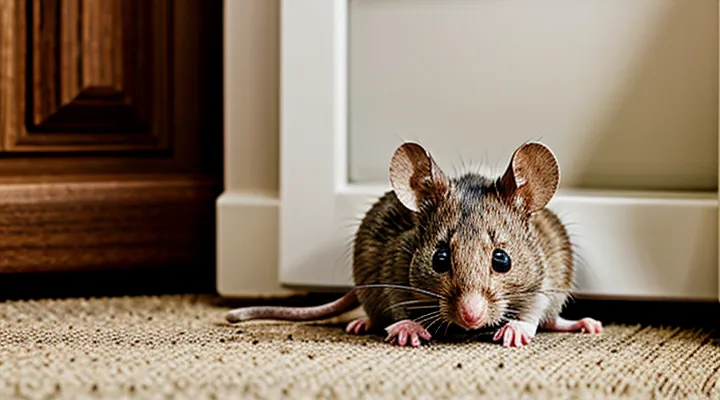
Understanding Mouse Sounds
What Sounds Do Mice Make?
«Squeaks»
Squeaks are high‑pitched vocalizations produced when mice expel air through the larynx. The sound typically ranges from 4 kHz to 12 kHz, with peak energy around 8 kHz. Individual squeaks last 50–150 ms and may appear as isolated bursts or rapid sequences during social interaction, distress, or territorial displays.
Mice emit squeaks most frequently during mating rituals, when confronting rivals, or when experiencing pain. The frequency band overlaps with human hearing limits, making the noises audible to most adults, especially in quiet rooms or during nighttime when ambient noise drops.
Detecting squeaks in a domestic setting relies on three approaches:
- Passive listening: Quiet the environment, eliminate background appliances, and use a low‑noise microphone or a binaural recorder placed near potential activity zones (e.g., walls, attics, cabinets).
- Digital recording: Capture audio with a sampling rate of at least 44.1 kHz; apply a high‑pass filter at 3 kHz to isolate mouse frequencies.
- Spectral analysis: Visualize recordings with a spectrogram; look for narrow, vertical bands within the 4–12 kHz range that correspond to brief, high‑intensity spikes.
To improve the likelihood of hearing squeaks, follow these steps:
- Conduct surveys during quiet periods, preferably after midnight or early morning.
- Position recording devices close to suspected entry points—holes, vents, or gaps in flooring.
- Use acoustic insulation (e.g., foam panels) around the microphone to reduce reflections and external interference.
- Review recordings with software that supports automatic call detection, setting thresholds to flag events exceeding 70 dB SPL in the target frequency band.
Consistent application of these techniques yields reliable identification of mouse squeaks, enabling accurate assessment of rodent presence within the home.
«Scratching and Gnawing»
Mice produce distinctive scratching and gnawing noises that reveal their presence within residential structures. These sounds originate from two primary activities: movement through concealed pathways and the consumption of building materials or stored food.
The scratching component arises when rodents propel themselves across walls, ceilings, or insulation. The sound is sharp, intermittent, and often heard at night when ambient noise levels drop. Gnawing, by contrast, generates a steady, high‑pitched chatter as incisors grind wood, plastic, or wiring. This activity intensifies when mice explore new openings or attempt to enlarge existing gaps.
Key characteristics for identification:
- Frequency: Scratch bursts occur in short, irregular intervals; gnawing persists for several seconds to minutes.
- Location: Scratching is common near concealed entry points such as attic joists or behind appliances; gnawing concentrates on structural elements like baseboards, drywall seams, and cable bundles.
- Amplitude: Both sounds are audible without amplification in quiet rooms, but gnawing can produce a louder, more constant hum.
Detection strategies:
- Silence background noise after sunset to enhance auditory perception.
- Position a recorder or smartphone near suspected areas for extended monitoring.
- Listen for changes in pattern; increased gnawing may indicate population growth or nesting activity.
Interpretation of the sounds guides remediation. Persistent scratching suggests active travel routes that require sealing, while continuous gnawing signals material damage that must be repaired to prevent fire hazards or electrical failures. Prompt identification and targeted intervention reduce infestation duration and protect the home’s integrity.
«Running and Scampering»
Running and scampering noises are produced by mice as they move across surfaces, climb, or dash through confined spaces. The sounds consist of rapid, high‑pitched footfalls and occasional squeaks when paws strike hard materials such as wood, tile, or plastic.
Acoustic characteristics fall between 4 kHz and 12 kHz, with peak energy near 8 kHz. Individual steps generate brief pulses lasting 30–70 ms; a continuous rush creates a rhythmic series of these pulses at 5–12 steps per second. The pattern changes when mice accelerate, producing irregular intervals and higher amplitude.
Typical locations include attic insulation, wall voids, ceiling joists, and beneath kitchen cabinets. In these areas, mice use ladders of wires or ducts, causing distinct scurrying sounds that echo through adjacent rooms. Floorboards near pantry thresholds often transmit the clearest footfall signatures.
Differentiation from mechanical or pet noises relies on timing and texture. HVAC fans emit steady, low‑frequency hums without the rapid pulse train of mouse footfalls. Cats or dogs produce deeper, irregular thuds, whereas mouse scurrying maintains a consistent high‑frequency rhythm and persists during quiet nighttime hours.
Detection recommendations
- Conduct listening sessions between 22:00 and 04:00 when ambient noise is minimal.
- Use a directional microphone or a smartphone with a high‑sensitivity recorder placed near suspected entry points.
- Record for at least 15 minutes per location; analyze waveforms for repeating high‑frequency pulses.
- Correlate audible events with visual inspections of droppings, gnaw marks, or nesting material.
Implementing these measures isolates the specific auditory signature of mice running and scampering, facilitating timely identification and targeted remediation.
«Thumping or Bumping»
Mice generate low‑frequency thumps and bumps when they move through walls, ceilings, or floor joists. The sound resembles a faint, irregular tapping that repeats at irregular intervals, often louder during the night when the animals are most active.
These noises indicate structural activity:
- Mice running along vertical ducts or insulation produce a series of rapid, soft thuds.
- Mice climbing on horizontal beams create a series of dull bumps spaced several seconds apart.
- Repeated impacts on a single point suggest a mouse is gnawing or nesting in that location.
Identifying the source requires systematic listening. Stand near suspected entry points, such as gaps around pipes, vents, or baseboards, and pause for a minute to allow the animal’s movement to be heard. Use a handheld recorder or a smartphone app with a high‑sensitivity microphone to capture the frequency range (approximately 100–500 Hz) for later analysis.
If thumping persists, seal openings larger than ¼ inch, remove food sources, and set traps or bait stations close to the identified activity zone. Continuous monitoring after intervention confirms whether the disturbance has ceased.
Why Do Mice Make These Sounds?
«Communication Among Mice»
Mice communicate through a range of acoustic signals that are often inaudible to humans. Their vocal repertoire includes ultrasonic calls, low‑frequency squeaks, and subtle rustling noises produced during grooming or movement. Each type conveys specific information: ultrasonic bursts signal alarm, territorial boundaries, or mating intent; low‑frequency squeaks indicate distress or aggression; and rustling sounds accompany social grooming, reinforcing group cohesion.
Detecting these sounds inside a residence requires equipment capable of capturing frequencies beyond the human hearing range. Common approaches include:
- Ultrasonic microphones paired with audio recorders that sample at 192 kHz or higher.
- Dedicated bat‑detector devices, which display real‑time spectrograms of mouse calls.
- Smartphone adapters equipped with ultrasonic transducers and compatible analysis apps.
- Passive infrared or vibration sensors that pick up movement‑related noises, useful when combined with sound‑analysis software.
Interpreting recorded audio benefits from spectrographic analysis. Peaks around 40–80 kHz typically represent alarm calls, while patterns near 10–20 kHz correspond to distress vocalizations. Software such as Raven, Audacity, or specialized bioacoustics programs can isolate these bands, allowing researchers or homeowners to identify the context of mouse activity.
Chemical cues complement acoustic signals. Mice release pheromones from scent glands, which influence social hierarchy and reproductive behavior. While these cues are not audible, they often accompany vocal exchanges, creating a multimodal communication system that reinforces messages conveyed through sound.
Understanding mouse communication enhances the ability to monitor infestations, assess stress levels, and implement targeted control measures. Accurate detection and analysis of their acoustic output provide reliable indicators of presence and activity within the home environment.
«Foraging for Food»
Mice locate food by exploiting gaps, crumbs, and unsecured containers. Their movements generate distinct acoustic signatures: rapid footfalls on hard surfaces, the rustle of packaging, and the subtle squeak of gnawed material. Recognizing these sounds enables early identification of foraging activity before visual signs appear.
Typical auditory indicators of mouse foraging include:
- Light tapping on tile or wood flooring
- Soft scraping against plastic wrappers
- Low‑frequency squeaking when chewing
- Rapid, repetitive thumping within wall cavities
Effective monitoring relies on continuous listening in areas where food is stored. Place a sensitive recorder or simply pause in quiet moments near pantries, countertops, and behind appliances. Consistent detection of the listed sounds signals that mice are actively searching for sustenance.
Preventive measures stem from understanding foraging behavior. Secure all food in airtight containers, eliminate exposed crumbs, and seal entry points. By reducing audible foraging cues, the likelihood of mouse presence diminishes, allowing homeowners to maintain a quiet, pest‑free environment.
«Building Nests»
Mice construct nests to protect themselves, store food, and support reproductive cycles. The design and placement of these nests directly affect the acoustic profile of a residence, making nest detection a critical step in identifying mouse activity.
Typical nesting materials include shredded paper, fabric fibers, insulation, dried plant matter, and soft plastics. Mice select items that provide warmth, concealment, and structural integrity. When multiple pieces are combined, the resulting mass dampens sound, reducing the frequency of audible squeaks and rustling.
Common locations for nests are:
- Behind wall cavities and within floor joist spaces
- Inside attics, especially near exposed beams or insulation
- Beneath appliances such as refrigerators, dishwashers, and washing machines
- Within stored boxes, laundry baskets, or cluttered closets
- In ceiling voids adjacent to light fixtures or vent ducts
Nests generate low‑frequency vibrations that travel through building structures. These vibrations become audible as faint thumps or squeaks when mice move in or out of the nest, especially during nocturnal activity. Detecting the sound requires a quiet environment and a listening device positioned near suspected nest sites.
To confirm nest presence, follow these steps:
- Silence all household appliances and reduce ambient noise.
- Place a directional microphone or a smartphone recorder close to each suspected area.
- Record for at least ten minutes during the early night hours.
- Analyze the recording for repetitive, soft rustling or thudding patterns.
- Inspect the area for visual signs—chewed material, droppings, or clustered nesting debris.
Understanding where mice build nests and how those structures influence indoor sound patterns enables precise identification of infestations and informs targeted remediation.
«Exploring Their Environment»
Mice navigate a network of concealed pathways that intersect walls, ceilings, and floor joists. Their movements generate distinct acoustic signatures: rapid footfalls on hard surfaces, squeaks from vocalizations, and the subtle rustle of nesting material. Recognizing these sounds requires familiarity with the typical frequencies—generally between 2 kHz and 10 kHz for footfalls and up to 20 kHz for high‑pitched squeaks.
The structure of a residential building influences sound propagation. Gaps around pipe penetrations, vent ducts, and electrical conduits act as conduits for both mouse traffic and the noises they produce. Areas where insulation contacts framing members amplify vibrations, making them prime listening zones. Conversely, rooms with carpeted floors or heavy furniture dampen acoustic cues, reducing detection reliability.
Effective exploration of the environment combines strategic positioning with appropriate listening tools. Recommendations:
- Use a directional microphone with a frequency response extending to at least 20 kHz; position the capsule near suspected entry points.
- Employ a low‑noise audio recorder set to a sampling rate of 44.1 kHz or higher to capture fine details.
- Conduct listening sessions during quiet periods—typically early morning or late evening—when ambient household sounds are minimal.
- Map observed sounds onto a floor plan, marking locations of footfall bursts, squeaks, and rustling. Correlate clusters with structural features such as wall voids or attic access points.
- Verify suspected pathways by inspecting for gnaw marks, droppings, or shredded insulation, then seal openings with steel wool and caulk.
By systematically probing structural voids, monitoring frequency‑specific noises, and cross‑referencing acoustic data with physical evidence, one can delineate the hidden routes mice use within a dwelling. This knowledge enables targeted remediation and reduces the likelihood of future infestations.
Pinpointing Mouse Activity in Your Home
Best Times to Listen for Mice
«During Quiet Hours»
Quiet hours—typically the late night and early morning—reduce ambient noise, allowing low‑volume rodent activity to emerge. With fewer competing sounds, the subtle rustle of bedding, the faint squeak of a mouse’s vocalization, and the minute footfall on flooring become detectable.
Mice generate three principal acoustic signatures during these periods. Scratching occurs when they gnaw at insulation or stored material, producing a rapid, high‑pitched rasp. Squeaking is a brief, high‑frequency call used for communication, often audible only when the animal is startled. Footfall sounds are soft thuds, irregular in rhythm, reflecting the animal’s movement across various substrates.
Effective detection relies on a systematic approach:
- Eliminate extraneous sources: turn off appliances, close windows, and silence HVAC fans where possible.
- Position a sensitive audio recorder or a smartphone with a high‑gain microphone near suspected activity zones.
- Record for at least 30 minutes during the deepest quiet interval, typically between 02:00 and 04:00.
- Review recordings with a spectrogram tool, focusing on frequencies between 4 kHz and 12 kHz where mouse vocalizations concentrate.
Interpretation of the acoustic data should consider timing and pattern. Repeated bursts of scratching at regular intervals suggest nesting behavior, while sporadic squeaks may indicate distress or territorial disputes. Consistent footfall sequences often map a travel corridor, revealing entry points or preferred pathways.
When acoustic evidence confirms infestation, targeted remediation can proceed. Seal identified gaps, install bait stations near the recorded activity corridor, and monitor subsequent recordings to verify the reduction of rodent sounds. Continuous acoustic surveillance during quiet hours provides objective confirmation of control measures’ effectiveness.
«At Night»
Mice become active after dark, producing a set of noises that differ from daytime activity. Their nocturnal behavior concentrates sound production in the hours between sunset and sunrise, making this period the most reliable window for acoustic detection.
Typical night‑time mouse sounds include:
- Light scratching on insulation or wall cavities
- Rapid scurrying across hard surfaces
- High‑pitched squeaks emitted during social interaction
- Repetitive gnawing on wood, plastic, or wiring
- Soft thumping when climbing vertical structures
These sounds occupy distinct acoustic ranges. Scratching and scurrying generate broadband energy between 2 kHz and 8 kHz, often lasting less than half a second per event. Squeaks concentrate around 10 kHz to 15 kHz, with durations of 0.1 – 0.3 seconds. Gnawing produces lower‑frequency pulses near 1 kHz, extending up to several seconds during continuous chewing.
Effective listening requires minimizing ambient noise and positioning detection equipment near likely pathways: baseboards, underfloor spaces, and ceiling joists. Recommendations:
- Silence HVAC fans and household appliances at least 30 minutes before monitoring.
- Place a directional microphone or ultrasonic recorder 12–18 inches from suspected entry points.
- Record for a minimum of 20 minutes during the darkest hour to capture intermittent activity.
- Review spectrograms to isolate frequency bands matching the patterns listed above.
Distinguishing mouse sounds from other pests involves comparing frequency signatures. Insect wingbeats typically exceed 20 kHz, while rodent footfalls remain below 5 kHz. Consistent presence of high‑pitched squeaks coupled with intermittent gnawing strongly indicates mouse activity.
By focusing observation on the night window, employing targeted recording techniques, and analyzing the characteristic acoustic profile, homeowners can reliably detect and confirm mouse presence without visual inspection.
«Early Morning»
Early morning represents the most active period for residential rodents, with audible activity intensifying as daylight approaches. Mice emerge from concealed nests to forage, producing a distinct acoustic profile that differs from daytime sounds.
Typical early‑hour noises include:
- High‑pitched squeaks generated during brief social exchanges;
- Soft footfalls on flooring, often heard as a faint thudding rhythm;
- Persistent gnawing on insulation, wood, or wiring, creating a repetitive scraping tone;
- Rustling of bedding material as mice rearrange nests, producing a subtle shuffling sound.
Effective detection relies on eliminating competing noises and positioning the listener near likely pathways. Recommendations:
- Silence household appliances and close windows to reduce external interference.
- Place a recording device on the floor adjacent to walls where mice travel.
- Conduct listening sessions between 04:00 and 07:00 local time, when ambient sound levels are lowest.
- Use a directional microphone or a smartphone with a high‑sensitivity audio app to capture faint signals.
Interpretation of recorded patterns aids in assessing infestation severity. Frequent, continuous squeaking suggests a larger population, while isolated footfalls indicate limited activity. Repeated gnawing bursts often pinpoint structural damage zones, guiding targeted remediation efforts.
Common Locations to Hear Mice
«In Walls and Ceilings»
Mice communicate primarily through high‑frequency vocalizations and mechanical noises that travel through the structural cavities of a house. In walls and ceilings, these sounds become audible when the rodents move, gnaw, or nest, creating a distinctive acoustic profile.
Typical noises include:
- Sharp, intermittent squeaks ranging from 30 kHz down to the audible spectrum, often heard as brief, high‑pitched chirps.
- Persistent rustling caused by bedding material or shredded insulation.
- Repetitive gnawing clicks, produced when teeth contact wooden studs, drywall, or metal framing.
- Soft thudding when mice drop or relocate objects within concealed spaces.
The intensity of each sound correlates with distance and barrier composition. Concrete or dense insulation dampens higher frequencies, allowing only lower‑pitched thuds to pass, whereas hollow drywall transmits squeaks more clearly. Time of occurrence provides additional clues: nocturnal activity peaks between 10 p.m. and 4 a.m., while daytime sounds usually indicate a larger infestation or disturbed nesting site.
To isolate the source, follow these steps:
- Record the audible segment with a digital recorder or smartphone for later analysis.
- Identify the wall or ceiling section where the sound is loudest by moving the recording device slowly along the surface.
- Pinpoint entry points by inspecting gaps around utility penetrations, vents, and floor joists near the identified area.
- Seal openings with steel wool, caulk, or mesh to prevent further ingress.
Understanding the acoustic signatures in walls and ceilings enables precise detection, targeted exclusion, and effective monitoring of rodent activity within residential structures.
«Attics and Basements»
Mice often choose attics and basements for shelter because these areas provide darkness, insulation, and easy access to food sources. Listening for their activity requires awareness of specific acoustic cues and an understanding of how building materials affect sound transmission.
In attics, mouse noises typically include:
- Light scratching on insulation or wooden joists, most audible during night hours when ambient sounds diminish.
- Rapid, high‑pitched squeaks emitted when the animal is startled or communicating with conspecifics.
- Soft thumping as mice move across stored items or crawl along roof sheathing.
Basements produce a different set of sounds due to concrete floors and moisture‑rich environments:
- Subtle rustling of nesting material against plaster walls or pipe insulation.
- Low, repetitive tapping generated by mice climbing utility lines or vent shafts.
- Occasional squeaking, often masked by plumbing noises but distinguishable by its frequency range (approximately 4–8 kHz).
Effective detection strategies:
- Conduct a systematic listening sweep after dark, moving slowly along the perimeter of each space while maintaining a consistent distance from walls and ceilings.
- Use a directional microphone or a simple ultrasonic listener to amplify frequencies above 3 kHz, where mouse vocalizations are most prominent.
- Record ambient sounds for later analysis; compare the spectral profile of suspected rodent activity against known reference recordings.
- Reduce background interference by temporarily turning off HVAC fans, water pumps, and other mechanical equipment during the observation period.
Understanding the acoustic profile of these two environments helps differentiate mouse activity from other sources such as insects, structural settling, or plumbing. Consistent monitoring, combined with targeted listening equipment, provides reliable evidence of infestation in attics and basements.
«Kitchens and Pantries»
Mice frequent kitchen counters, cabinets, and pantry shelves where food residues and crumbs provide easy access to nutrition. Their vocalizations differ from those heard in other rooms because the acoustic environment contains hard surfaces that reflect high‑frequency sounds.
Typical sounds include:
- Short, sharp squeaks lasting 0.1–0.3 seconds, often heard when a mouse is startled.
- Continuous, low‑volume chirps emitted during social interaction or when grooming.
- Rapid, repetitive clicking noises produced by teeth against metal or ceramic utensils.
Detection is most reliable during quiet periods—late night to early morning—when background noise drops below 30 dB. Placing a sensitive ultrasonic recorder near the back of pantry shelves or under the sink captures frequencies up to 80 kHz, revealing activity invisible to the human ear. Visual confirmation can be aided by infrared motion sensors positioned at cabinet door hinges, where mice enter and exit.
Preventive measures focus on eliminating acoustic niches. Seal gaps around pipe entries, install door sweeps on pantry doors, and use silicone caulk on countertop seams. Regularly clean crumbs, store dry goods in airtight containers, and inspect pantry walls for gnaw marks. These actions reduce the likelihood of audible mouse presence and simplify monitoring efforts.
«Near Food Sources»
Mice locate food by scent and proximity, producing distinct vocalizations that differ from those heard in empty corners. When a rodent feeds on pantry items, it emits high‑frequency squeaks, soft chattering, and occasional rustling as it gnaws packaging. These sounds often occur in brief bursts, lasting a few seconds before the mouse retreats to a hidden route.
Typical acoustic cues near food sources include:
- Sharp, metallic‑tone squeaks when the animal bites hard‑shelled items such as nuts or seeds.
- Low, rhythmic chattering during continuous nibbling of soft foods like cheese or bread crumbs.
- Subtle crinkling noises from tearing paper or plastic wrappers.
Detecting these signals requires a sensitive listening environment. Turn off background appliances, sit quietly near suspected storage areas, and use a digital recorder with a sampling rate of at least 96 kHz to capture ultrasonic components. Playback at reduced speed reveals hidden patterns and helps differentiate mouse activity from household noises.
Frequent inspection of food containers, sealing gaps in pantry doors, and eliminating spillage reduce the acoustic footprint. By correlating recorded sounds with specific feeding behaviors, homeowners can confirm infestations and target control measures precisely where the rodents access sustenance.
«Behind Appliances»
Mice often occupy the concealed spaces behind household appliances because those areas provide shelter, warmth, and easy access to food sources. Listening in these zones reveals specific acoustic patterns that differ from normal appliance operation.
The most common sounds include:
- High‑pitched squeaks that rise intermittently, especially when the animal moves across metal or plastic components.
- Rapid, soft scratching against insulation or wiring, audible when the appliance cycles off and vibrations cease.
- Low, repetitive thumping that matches the cadence of a mouse’s footfalls on a solid surface, often heard through the hum of a refrigerator or dishwasher.
Detecting these noises requires a quiet environment and a systematic approach:
- Turn off the appliance and allow it to cool, reducing background noise.
- Place an ear against the back panel or open the service door while maintaining a safe distance from moving parts.
- Use a handheld digital recorder or a smartphone with a high‑sensitivity microphone to capture faint sounds for later analysis.
- Compare recordings with reference samples of mouse vocalizations to confirm identification.
Safety considerations are essential. Power the appliance off at the circuit breaker before opening any panels, and avoid direct contact with electrical components. If recordings confirm rodent activity, seal entry points, remove food residues, and consider professional pest control to prevent damage to wiring and insulation.
Differentiating Mouse Sounds from Other Pests
«Rats vs. Mice Sounds»
Rats and mice produce distinct acoustic signatures that can be distinguished with careful listening. Rat vocalizations are generally lower‑frequency, ranging from 200 Hz to 2 kHz, and include deep squeaks, guttural chattering, and occasional ultrasonic bursts above 20 kHz. The sounds are often sustained, resonating through walls and floor joists, and may accompany heavy footfalls or gnawing activity. Mice emit higher‑frequency chirps and squeaks, typically between 4 kHz and 12 kHz, with rapid, repetitive trills that fade quickly. Their noises are most audible in ceilings, attics, and narrow gaps where small bodies can move freely.
Key auditory differences:
- Frequency range: rats ≈ 200 Hz–2 kHz (plus occasional ultrasounds); mice ≈ 4 kHz–12 kHz.
- Duration: rat sounds last longer, often seconds; mouse chirps are brief, milliseconds.
- Pattern: rats produce steady, low‑pitched chatter; mice generate rapid, high‑pitched trills.
- Context: rat noises accompany larger movements and structural damage; mouse sounds accompany light scurrying and nesting activity.
Recognizing these characteristics enables accurate identification of the species responsible for indoor noises, facilitating targeted mitigation strategies.
«Squirrels vs. Mice Sounds»
Mice produce high‑pitched squeaks, chirps, and occasional rustling as they move through walls, insulation, or floorboards. The squeaks typically range from 8 kHz to 12 kHz, often heard as brief, intermittent bursts during active periods at night. Rustling sounds are soft, irregular, and accompany the animal’s passage through dry material.
Squirrels generate lower‑frequency chattering, tail‑slaps, and more pronounced scurrying noises. Chattering falls between 3 kHz and 6 kHz and consists of rapid, repetitive clicks. Tail‑slaps create sharp, percussive thuds that resonate through ceilings and attics. Scurrying is louder, with a consistent, rapid footfall pattern.
Key distinctions:
- Frequency: mice ≈ 8–12 kHz; squirrels ≈ 3–6 kHz.
- Timing: mouse vocalizations appear sporadically, often after darkness; squirrel chatter persists throughout daylight.
- Rhythm: mouse rustling is irregular; squirrel scurrying follows a steady, faster cadence.
- Acoustic signature: tail‑slap thuds are exclusive to squirrels, absent in mouse activity.
Identifying the source helps target mitigation. Mice are confined to concealed spaces such as wall cavities, while squirrels occupy larger, more open areas like attics and eaves, producing louder, more reverberant sounds. Listening for the specific frequency range and pattern described above enables accurate differentiation between the two rodents.
«Insects vs. Mice Sounds»
Mice emit a distinct set of audible signals that differ markedly from the noises produced by common household insects. Understanding these differences aids accurate identification and appropriate response.
Mice sounds:
- High‑frequency squeaks (2–8 kHz) during social interaction or alarm.
- Rapid, rhythmic chirps (10–12 kHz) associated with mating.
- Soft foot‑pad thuds when moving across hard surfaces, audible at 20–30 dB.
Insect sounds:
- Low‑frequency wing beats (0.5–2 kHz) typical of flies and beetles.
- Continuous, faint rustling from crawling insects, usually below 5 dB.
- Crickets and katydids produce chirps in the 3–5 kHz range, with patterned intervals.
Key distinguishing factors:
- Frequency range: mouse vocalizations occupy higher frequencies than most insect noises.
- Temporal pattern: mouse squeaks are intermittent and context‑specific, whereas insect wing beats are steady.
- Acoustic source: mice generate sounds via vocal cords; insects rely on wing movement or stridulation.
Accurate discrimination relies on listening for the sharp, high‑pitched squeaks of rodents versus the softer, lower‑pitched hums of insects. Recording devices with a frequency response up to 12 kHz can capture both categories, enabling precise analysis.
«House Settling Noises»
House settling noises are structural sounds generated as a building adjusts to temperature changes, humidity levels, and load distribution. They typically manifest as low‑frequency creaks, pops, or thuds that occur during periods of temperature fluctuation, such as early morning cooling or evening heating cycles. The noises often originate from joints, floorboards, door frames, and roof trusses, and they may persist for weeks after construction or after significant renovations.
Key characteristics that separate settling sounds from rodent activity include:
- Frequency range: Settling noises fall below 200 Hz, while mouse vocalizations and footfalls occupy the 4–12 kHz band.
- Pattern: Settling sounds appear irregularly and often align with thermal shifts; mouse sounds are repetitive, especially during feeding or mating periods.
- Location: Creaks are heard near structural components (walls, ceilings, floor seams); mouse noises emerge from concealed voids such as wall cavities, attics, or behind appliances.
- Duration: A single pop or creak lasts milliseconds to a few seconds; mouse squeaks or scratching persist for several seconds and may repeat in rapid succession.
To assess whether a sound originates from the building itself, follow these steps:
- Record the noise with a smartphone or digital recorder.
- Analyze the waveform using a free audio analysis tool (e.g., Audacity) to identify dominant frequencies.
- Correlate the timing of the sound with environmental changes (temperature, HVAC cycles).
- Conduct a visual inspection of the area where the sound is most audible, looking for gaps, loose fasteners, or visible movement in materials.
If analysis confirms low‑frequency, irregular creaks linked to temperature changes, the source is likely normal house settling. Persistent high‑frequency sounds that repeat and localize to concealed spaces warrant further investigation for possible rodent presence.
Using Sound to Detect and Confirm Infestation
Active Listening Techniques
«Silence Your Home»
Silencing a household requires addressing the acoustic pathways that transmit rodent movements. Identify structural gaps—such as gaps around pipes, vents, and flooring seams—and seal them with steel wool, caulk, or expanding foam. Reinforce insulation under cabinets and behind walls to dampen vibrations that travel through building materials.
Implement sound‑absorbing solutions in rooms where mouse activity is most audible. Install dense rubber mats beneath appliances, place acoustic panels on walls, and use thick curtains to reduce echo and reverberation. Replace hollow‑core doors with solid‑core alternatives to block noise transmission between spaces.
Adopt preventive habits that limit sources of audible disturbance. Keep food storage airtight, eliminate standing water, and maintain a clutter‑free environment to remove shelters that amplify rustling sounds. Schedule regular inspections of attics, basements, and crawl spaces to detect early signs of intrusion before noise escalates.
Practical checklist
- Seal entry points with steel wool and caulk.
- Apply acoustic insulation in vulnerable zones.
- Upgrade doors and install rubber padding under equipment.
- Store food in sealed containers and remove water sources.
- Conduct monthly visual and auditory inspections.
«Use a Stethoscope or Listening Device»
A stethoscope or a dedicated listening device provides a direct acoustic link to the hidden activity of mice within walls, ceilings, and floor cavities. By placing the diaphragm against suspected entry points, the faint rustle of fur and the squeak of tiny paws become audible without reliance on visual cues.
Key advantages include:
- Amplification of low‑volume sounds that are otherwise masked by household noise.
- Ability to pinpoint the exact location of activity by moving the sensor along seams and joints.
- Minimal disturbance to the animals, allowing continuous monitoring over several hours.
Effective use requires the following steps:
- Select a device with a frequency response extending to at least 20 kHz, as mouse vocalizations can reach ultrasonic ranges.
- Quiet the environment: turn off HVAC fans, televisions, and appliances that generate broadband noise.
- Identify potential pathways—gaps around pipes, vent openings, and baseboard seams.
- Press the stethoscope’s chest piece firmly against each point, listening for intermittent clicks, squeaks, or the soft thud of movement.
- Record observations with timestamps; repeated patterns indicate active nesting sites.
When using electronic listening devices, connect the output to a high‑gain headphone or a digital recorder. Software that visualizes frequency spectra can reveal ultrasonic components invisible to the human ear, confirming the presence of rodents even when audible cues are absent.
Regular monitoring, combined with targeted inspection, narrows down infestation zones and informs subsequent control measures.
«Install Sound Recording Devices»
Installing sound recording devices provides a reliable method for detecting rodent activity within a dwelling. Choose equipment capable of capturing frequencies between 10 kHz and 80 kHz, as mouse vocalizations and footfall noises typically fall in this range. Devices with adjustable gain and built-in low‑noise preamplifiers reduce background interference and enhance signal clarity.
Placement determines the effectiveness of monitoring. Position microphones near known entry points, such as gaps around doors, windows, and utility penetrations. Install additional units along walls adjoining basements, attics, or crawl spaces, where mice often travel. Secure sensors at a height of 6–12 inches above the floor to intercept both squeaks and the subtle rustle of movement.
Configure recording parameters before deployment. Set sampling rates to at least 192 kHz to preserve high‑frequency content. Enable continuous recording or schedule intervals of 5–10 minutes during peak activity periods (dusk and early morning). Store files on encrypted external drives or cloud storage with timestamps for later analysis.
Maintain devices to ensure consistent operation. Replace batteries weekly or connect to a regulated power source to avoid interruptions. Clean microphone grills regularly to prevent dust buildup that could attenuate acoustic signals. Document installation locations and settings in a log for reproducibility and future reference.
Interpreting Sound Patterns
«Frequency of Sounds»
Mice communicate primarily through ultrasonic vocalizations that span 20 kHz to 110 kHz. Adult house mice emit short bursts at 40–70 kHz during social interactions, while pups produce higher‑pitched calls around 70–90 kHz when separated from the nest. Low‑frequency components (5–10 kHz) occasionally accompany distress calls, making them detectable with standard consumer microphones.
Human hearing tops out near 20 kHz, so most mouse sounds remain inaudible without specialized equipment. To capture the full spectrum, a recording system must meet two criteria:
- Frequency response extending to at least 100 kHz.
- Sampling rate of 250 kHz or higher to satisfy the Nyquist requirement for ultrasonic signals.
Common devices that satisfy these conditions include ultrasonic microphones paired with audio interfaces capable of high‑rate digitization, and dedicated wildlife recorders that list “ultrasonic” in their specifications. When selecting a microphone, prioritize a flat response across the 20–110 kHz band to avoid distortion of harmonic structures.
Analyzing recorded calls benefits from spectrogram software that visualizes frequency versus time. Typical patterns include:
- Pup isolation calls: continuous tones at 70–90 kHz, lasting 0.1–0.5 s.
- Adult social calls: series of brief chirps at 40–70 kHz, interspersed with silent intervals.
- Distress vocalizations: mixed low‑frequency (5–10 kHz) and ultrasonic components, often longer in duration.
Understanding these frequency bands enables accurate detection, monitoring, and interpretation of mouse activity within residential environments.
«Intensity of Sounds»
Mice generate vocalizations that span a wide dynamic range. Quiet squeaks often fall between 30 and 40 dB SPL, barely audible over background household noise. More aggressive chirps or distress calls can reach 55–65 dB SPL, sufficient to be heard from several meters away without amplification.
Detecting low‑intensity sounds requires equipment with a low self‑noise floor. Condenser microphones with a sensitivity of –45 dBV/Pa and a signal‑to‑noise ratio above 70 dB are suitable for capturing the softest squeaks. For higher‑intensity calls, dynamic microphones with a robust diaphragm prevent distortion, maintaining fidelity up to 80 dB SPL.
Key factors influencing perceived intensity:
- Distance from the source: sound pressure decreases roughly 6 dB per doubling of distance.
- Ambient noise level: typical home background noise ranges from 35 to 45 dB SPL, masking weaker mouse vocalizations.
- Frequency content: high‑frequency components attenuate faster in air, reducing overall intensity at a distance.
- Surface reflections: hard surfaces amplify certain frequencies, altering perceived loudness.
When measuring, calibrate the recording device with a known reference tone. Record in a quiet room, place the microphone 30 cm from potential mouse activity zones, and log peak and RMS levels. Comparing these values against the ambient baseline identifies genuine mouse sounds and distinguishes them from other household noises.
«Direction of Sounds»
Understanding the direction of mouse noises is essential for pinpointing entry points and nesting sites. Human ears rely on interaural time differences (the slight delay between sounds reaching each ear) and interaural level differences (variations in sound intensity). These cues become less reliable in reverberant rooms where reflections mask the original source.
To improve directional perception, follow these steps:
- Quiet the environment – eliminate appliances, HVAC systems, and external traffic to reduce background noise.
- Position yourself centrally – stand in the middle of the room to receive balanced auditory input.
- Rotate slowly – turn the head in small increments while listening; the point where the sound becomes louder and clearer indicates the source’s bearing.
- Use a handheld recorder – place the microphone at ear height, record brief segments while rotating, then analyze waveform peaks to identify the loudest direction.
- Employ a smartphone app with binaural processing – some acoustic measurement tools display sound intensity maps that highlight dominant directions.
Physical structures influence sound travel. Thin walls and open doorways allow higher frequencies to pass, making squeaks more audible near these pathways. Conversely, carpeted floors and heavy curtains absorb high‑frequency components, causing low‑frequency rustlings to dominate in distant areas.
When multiple sounds are present, isolate the target frequency range (typically 2–8 kHz for mouse vocalizations) using a narrow‑band filter. This reduces interference from human speech and household devices, sharpening directional cues.
In multi‑room dwellings, create a simple triangulation grid: mark three equidistant points, record the perceived intensity at each, and plot the relative strengths. The intersection of the highest intensity vectors approximates the mouse’s location.
Consistent application of these techniques yields reliable directional data, enabling targeted sealing of entry routes and focused placement of traps or deterrents.
Other Signs of Mice Beyond Sound
«Droppings»
Mouse droppings are small, dark, cylindrical pellets about ¼‑inch long, often with a pointed tip. Fresh specimens appear moist and may have a faint odor, while older ones become dry and crumbly.
Typical deposition sites include pantry shelves, behind appliances, in wall cavities, and along baseboards. Accumulation near food packages or in storage boxes signals active foraging. In areas where audible scurrying is heard, droppings provide visual confirmation of rodent presence.
Health considerations stem from pathogens such as hantavirus, salmonella, and leptospirosis that can survive on fecal material. Direct contact or inhalation of dust from disturbed droppings may cause respiratory or gastrointestinal illness.
Safe removal follows these steps:
- Wear disposable gloves and a mask.
- Seal collected droppings in a plastic bag, remove air, and discard in a sealed container.
- Disinfect the affected surface with a bleach solution (1 part bleach to 10 parts water) and allow it to remain wet for at least ten minutes.
- Ventilate the area while cleaning to reduce aerosolized particles.
Preventive measures include sealing entry points, storing food in airtight containers, and maintaining regular inspections of hidden spaces. Consistent monitoring of droppings, together with audible signs, enables early detection and effective control of mouse activity in the household.
«Gnaw Marks»
Gnaw marks serve as a direct indicator that rodents are present and active within a residence. The presence of fresh incisions confirms that mice are chewing, which produces audible sounds that often go unnoticed until the damage becomes evident.
Typical gnaw marks display the following characteristics:
- Diameter of 2–4 mm, matching the average size of a mouse’s incisors.
- Parallel, shallow grooves that intersect at a slight angle, reflecting the animal’s alternating bite pattern.
- Clean edges without splintering, indicating fresh material removal rather than weathering.
Locating gnaw marks helps pinpoint the source of mouse-generated noises. Common sites include:
- Base of cabinetry and pantry shelves, where food storage attracts foraging.
- Along wiring conduits, where gnawing may generate faint scraping sounds.
- Near entry points such as door frames and vent openings, where mice test structural integrity.
By correlating the position and freshness of gnaw marks with known mouse behavior, one can infer the likely timing and intensity of the associated chewing sounds. Fresh marks near food sources suggest active feeding periods, typically during nighttime, while marks on structural elements indicate exploratory activity that may produce intermittent, higher‑pitch squeaks as the animal navigates confined spaces. Recognizing these patterns enables targeted monitoring and mitigation of mouse noise within the home.
«Runways and Grease Marks»
Mouse activity often leaves distinct physical evidence that complements acoustic detection. Runways—narrow, well‑worn paths across flooring, countertops, or walls—indicate regular traffic. The presence of multiple parallel runways suggests a colony larger than a single individual, increasing the likelihood that audible squeaks, scurries, and footfalls will be detectable. Grease marks, the oily residue left by mouse fur and saliva, appear as faint, translucent streaks along the edges of runways or around entry points. These marks concentrate in areas where mice frequently turn, providing visual cues that help locate the zones where sound generation is most intense.
Identifying runways and grease marks improves the efficiency of auditory monitoring:
- Inspect low‑traffic surfaces for linear depressions or discolorations; runways often align with walls, cabinets, or appliances.
- Use a flashlight at an oblique angle to reveal subtle grease sheen; the light reflects off the oily film, making the mark visible.
- Prioritize rooms with both runway networks and grease streaks when setting up listening devices or conducting silent observation.
When runways intersect, the convergence point typically hosts nesting material and heightened movement, producing a concentration of audible activity. Grease marks near these intersections confirm frequent use, allowing homeowners to focus listening efforts on specific locales rather than scanning the entire dwelling. By correlating visual traces with sound patterns, detection becomes systematic, reducing false positives and accelerating remediation.
«Nests»
Mice build nests to protect themselves while they rest, feed, and rear young; these structures concentrate the sounds they generate. Nest material typically includes shredded paper, fabric fibers, insulation, and dried plant matter, each producing a distinct rustle when the occupants move. The density of the material influences how audible scurrying, squeaking, and chewing become; compact nests mute low‑frequency rustles, while loosely packed bundles transmit higher‑frequency chirps more clearly.
In residential settings nests appear most frequently behind wall panels, under floorboards, inside ceiling voids, within attic insulation, and inside stored‑item piles such as boxes or laundry. Locations that offer both concealment and access to food sources—kitchens, pantry corners, and utility rooms—are favored. Nests positioned near structural cavities often generate sounds that travel through the building frame, making them detectable in adjacent rooms.
Acoustic cues reveal nest proximity. A steady thumping rhythm indicates a mouse moving within a confined space, while intermittent high‑pitched squeaks suggest distress or contact with a predator. Chewing noises on wiring or insulation are louder when the nest is adjacent to the source. Sound intensity typically diminishes by 6 dB for each additional foot of insulation between the nest and the listening point.
To pinpoint nests using auditory observation, follow these steps:
- Remain quiet in a room where mouse activity is suspected; listen for consistent rustling or squeaking.
- Move gradually toward the sound source, noting any increase in volume or change in pitch.
- Pause near walls, ceilings, or floor seams; a sudden rise in noise often marks a cavity entry point.
- Use a handheld recorder or smartphone app to capture the sound; replaying the recording can help distinguish mouse vocalizations from other household noises.
- Once the loudest point is identified, inspect the adjacent structural opening for nesting material.
Recognizing the relationship between nest construction, placement, and the sounds they emit enables accurate detection of mouse presence within a home environment.
«Unusual Odors»
Unusual odors often accompany the subtle sounds produced by rodents in domestic environments. When mice move through insulation, chew wiring, or stash food, they release chemical compounds that create distinct smells. Recognizing these odors can corroborate auditory evidence and confirm an infestation.
Typical mouse-related odors include:
- Ammonia‑like scent – produced by urine deposits in hidden corners.
- Cheesy or sour odor – results from bacterial growth on droppings and spilled food.
- Musty, stale smell – emanates from nesting material such as shredded paper or fabric that absorbs moisture.
- Metallic or oily odor – appears when rodents gnaw on electrical components, exposing lubricants and metal fragments.
Detection strategies:
- Conduct a systematic sniff test in areas where squeaks or rustling noises are heard.
- Use a cotton swab to collect scent samples near suspected nesting sites; compare with known rodent odor profiles.
- Employ a portable olfactory detector if available, calibrated to identify volatile organic compounds associated with mouse urine and feces.
Consistent identification of these smells, alongside acoustic monitoring, strengthens the assessment of mouse activity and guides targeted remediation.
Next Steps After Detecting Mice
Confirming the Presence of Mice
«Setting Up Traps»
Detecting mouse activity through audible cues often leads to the decision to install traps. Proper trap deployment reduces infestation risk and limits damage to property.
Essential equipment includes snap traps, live‑catch traps, bait (peanut butter, chocolate, or dried fruit), gloves, and a flashlight for low‑light inspection. Choose traps made of stainless steel for durability and avoid plastic models that may break under repeated use.
- Identify travel routes by following wall edges, baseboard cracks, and areas where scurrying sounds originate.
- Place traps perpendicular to the wall, with the trigger side facing the expected path.
- Position each trap 1–2 inches from the wall to align with the mouse’s natural tendency to run close to surfaces.
- Apply a small amount of bait directly to the trigger mechanism; excess bait can attract non‑target animals.
- Set traps in clusters of two to three, spaced 6–12 inches apart, to increase capture probability.
- Check traps daily, wearing gloves to prevent odor transfer that may deter mice.
After a capture, dispose of the mouse according to local regulations, reset the trap with fresh bait, and re‑evaluate placement if activity persists. Continuous monitoring of sound patterns guides adjustments, ensuring that traps remain effective throughout the infestation cycle.
«Monitoring Activity»
Monitoring activity focuses on systematic detection and analysis of rodent acoustics within residential environments. The process begins with selecting appropriate recording devices, calibrating sensitivity to capture frequencies typical of mouse vocalizations (approximately 3–10 kHz). Consistent placement near potential entry points—such as wall voids, attic spaces, and kitchen cabinets—maximizes signal capture while minimizing ambient interference.
Key instruments include:
- Ultrasonic microphones designed for frequencies above human hearing.
- Portable digital recorders with built‑in high‑pass filters.
- Smartphone applications that convert ultrasonic input to audible playback for rapid assessment.
- Dedicated passive acoustic monitors that log continuous data for later review.
Data interpretation requires spectral analysis to distinguish mouse calls from other household noises. Spectrograms reveal characteristic patterns: short, high‑pitched chirps and repetitive squeaks. Frequency peaks between 4 kHz and 8 kHz, with durations under 200 ms, reliably indicate mouse presence. Software tools can automate detection by applying threshold filters and pattern‑matching algorithms.
Practical implementation steps:
- Install devices at least 30 cm from suspected activity zones.
- Record continuously for a minimum of 24 hours to capture nocturnal peaks.
- Export audio files to analysis software; generate spectrograms for visual inspection.
- Log timestamps of detected calls; correlate with environmental factors such as temperature and food availability.
- Adjust device placement based on initial findings to refine coverage.
Effective monitoring provides actionable evidence, enabling targeted remediation and long‑term prevention strategies.
Professional vs. DIY Pest Control
«When to Call an Exterminator»
Listening to rodent noises in a residence provides a reliable early warning of a developing problem. When the sounds become persistent, widespread, or are accompanied by additional evidence, professional intervention is warranted.
Typical indicators that justify contacting an exterminator include:
- Continuous scratching or scurrying from multiple locations, especially behind walls, in ceilings, or beneath flooring.
- Audible noises that increase during night hours and persist for weeks without diminishing.
- Visible droppings, gnaw marks, or shredded insulation found in several rooms.
- Damage to food containers, wiring, or structural components that poses health or safety risks.
- Failure of DIY traps or deterrents after a reasonable trial period (usually 3–5 days).
If any of these conditions are present, arrange for a licensed pest‑control service promptly to prevent infestation escalation and protect the home’s integrity.
«Safe DIY Solutions»
Detecting the subtle noises produced by mice in residential spaces requires more than passive listening; it demands practical measures that eliminate hazards while enhancing acoustic detection. Safe do‑it‑yourself interventions provide reliable results without exposing occupants to chemicals or structural damage.
- Seal gaps with steel‑wool inserts and silicone caulk; rodents cannot gnaw through metal, and the material does not emit volatile compounds.
- Install acoustic panels made from dense foam or recycled denim behind walls and under cabinets; these barriers dampen ambient sounds and amplify the frequency range where mouse vocalizations occur.
- Deploy passive ultrasonic detectors constructed from piezoelectric sensors and battery packs; the devices capture high‑pitch squeaks without emitting harmful radiation.
- Apply non‑toxic peppermint oil or dried lavender sachets near suspected routes; natural aromas deter mice while remaining safe for pets and children.
- Build a listening station using a simple wooden box lined with acoustic foam, a smartphone microphone, and a free sound‑analysis app; the setup isolates ambient noise and records clear audio for later review.
Each solution relies on readily available materials, minimizes health risks, and supports continuous monitoring of rodent activity within the home environment.