
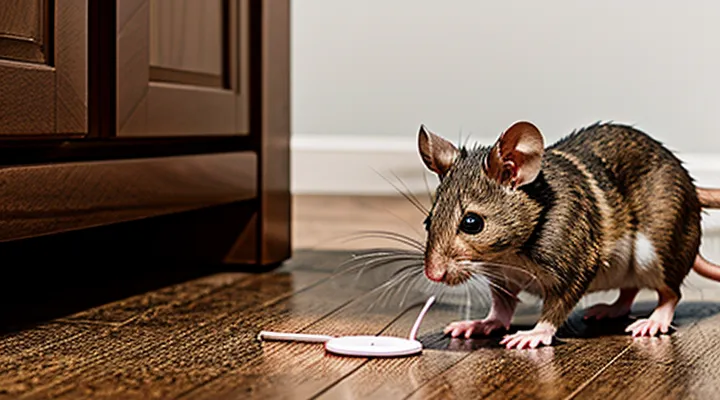
Understanding the Mouse Problem
Signs of a Mouse Infestation
Droppings
Droppings are a primary indicator of a mouse presence inside a residence. They appear as small, dark, rice‑shaped pellets, typically found along walls, behind appliances, in cabinets, and near food storage areas. Their size, color, and consistency differentiate them from insect feces; mouse droppings are roughly 3‑6 mm long, 1‑2 mm wide, and have a smooth surface.
Health concerns arise from droppings because they can contain pathogens such as Hantavirus, Salmonella, and Leptospira. Inhalation of dried particles or direct contact with contaminated surfaces may lead to respiratory or gastrointestinal illness. Prompt removal and proper sanitation are essential to minimize exposure.
Effective handling of droppings involves the following steps:
- Protective gear – wear disposable gloves, a mask rated N95 or higher, and eye protection.
- Ventilation – open windows and use a fan to direct airflow outward for at least 30 minutes before cleaning.
- Moistening – lightly spray the droppings with a disinfectant solution (e.g., 1 % bleach in water) to prevent aerosolization.
- Removal – use a disposable paper towel or a damp cloth to pick up the wet material, placing it directly into a sealed plastic bag.
- Disinfection – apply the same bleach solution to the affected area, let it sit for 10 minutes, then wipe clean with a fresh cloth.
- Waste disposal – seal the bag, label it as contaminated, and discard it according to local hazardous waste guidelines.
After cleaning, inspect the premises for additional signs of activity, such as gnaw marks, nesting material, or urine stains. Identifying the extent of droppings helps locate entry points and high‑traffic routes, informing subsequent control measures like sealing gaps, setting traps, or employing bait stations. Regular monitoring of droppings can confirm the success of eradication efforts and prevent re‑infestation.
Gnaw Marks
Gnaw marks are the most reliable indicator that mice are present in a residence. They appear as clean, crescent‑shaped cuts on wood, plastic, or cardboard, typically 1–2 mm wide and up to several centimeters long. The pattern of damage reveals the size of the rodent, the material it prefers, and the direction of travel, allowing targeted intervention.
Identifying gnaw marks helps locate active pathways and nesting sites. Focus inspection on:
- Baseboards, cabinets, and pantry shelves where fresh cuts are visible.
- Areas near food storage, especially where packaging shows bite edges.
- Hidden spaces such as behind appliances, inside wall voids, and under furniture.
Once gnaw marks are mapped, apply simple control measures:
- Seal entry points with steel wool or copper mesh, then cover with caulk or expanding foam.
- Place snap traps or humane catch‑and‑release devices perpendicular to the observed travel direction, positioning bait near the cuts.
- Deploy short‑term, low‑toxicity bait stations at the ends of gnawed routes, ensuring they are inaccessible to children and pets.
- Clean the affected surfaces with a disinfectant solution to remove scent trails that encourage further activity.
Regular monitoring of gnaw marks after treatment confirms effectiveness. A decrease in fresh cuts indicates reduced mouse movement; persistent marks suggest additional entry points or a surviving population, prompting further sealing and trapping. Maintaining a clean, clutter‑free environment minimizes new gnawing opportunities and supports long‑term rodent control.
Nests
Mice build nests to protect offspring and store food, making the removal of these structures essential for effective control. Locate nests by inspecting hidden areas such as behind appliances, inside wall cavities, under furniture, and within stored material. Once identified, follow these steps:
- Wear disposable gloves and a mask to prevent exposure to droppings and pathogens.
- Disassemble the nest using a sturdy tool, placing debris in a sealed plastic bag.
- Dispose of the bag in an outdoor trash container away from the residence.
- Clean the surrounding surface with a disinfectant solution, allowing it to remain wet for the recommended contact time.
- Apply a rodent‑resistant sealant or steel wool to any openings that could serve as future entry points.
Eliminating nests reduces the population’s ability to reproduce and disrupts food sources, thereby supporting broader mouse‑management efforts within the home.
Strange Noises
Mice often reveal their presence through unexpected sounds that occur at night or when the house is quiet. Scratching in walls, squeaking in ceilings, and faint rustling in stored food containers indicate active rodents moving, nesting, or chewing. Recognizing these noises allows prompt action before damage escalates.
To address the problem, apply straightforward measures:
- Seal entry points with steel wool and caulk; mice cannot squeeze through gaps smaller than a quarter‑inch.
- Place snap traps or humane catch‑and‑release traps along walls where noises are heard; position them perpendicular to the wall, with the trigger side facing the rodent’s path.
- Deploy cotton balls soaked in peppermint oil near suspected routes; the strong scent deters further activity without chemicals.
- Keep all food in airtight containers and eliminate crumbs; a clean environment removes the attraction that encourages noisy foraging.
- Maintain a tidy storage area, removing cardboard boxes and clutter that provide hiding spots and amplify sounds.
If noises persist after these steps, inspect hidden spaces such as attic insulation, crawl spaces, and behind appliances. Remove any nesting material and replace damaged insulation to eliminate shelter and reduce acoustic evidence of infestation. Continuous monitoring of sound patterns confirms whether the implemented actions have succeeded.
Why Mice are a Problem
Health Risks
Rodents living inside a dwelling pose direct threats to human health. Their droppings, urine, and saliva introduce pathogens that can cause acute and chronic illnesses.
- Hantavirus – transmitted through inhalation of aerosolized particles from dried urine or feces; symptoms include fever, muscle aches, and respiratory distress.
- Salmonella – contaminates food surfaces when mice gnaw packaging or storage containers; leads to gastroenteritis with vomiting, diarrhea, and fever.
- Leptospirosis – spreads via contact with contaminated water or soil; can result in kidney failure, meningitis, or liver damage.
- Allergic reactions – proteins in mouse urine and dander trigger asthma attacks and rhinitis, especially in children and individuals with pre‑existing respiratory conditions.
- Secondary infections – bites or scratches introduce bacteria such as Staphylococcus and Streptococcus, potentially causing cellulitis or sepsis.
Immediate reduction of rodent activity limits exposure to these hazards. Simple control measures—snap traps, bait stations, sealing cracks, and maintaining a clean environment—interrupt breeding cycles and prevent waste accumulation. Consistent application of these techniques reduces pathogen load, protects occupants, and eliminates the health risks associated with indoor mice.
Property Damage
Mice cause extensive damage to residential structures, wiring, and stored goods. Their gnawing habit compromises insulation, penetrates wooden framing, and creates pathways for water intrusion. Chewed electrical cords increase fire risk, while contaminated food supplies invite bacterial growth. Structural integrity declines as rodents enlarge holes in walls, floors, and cabinets, leading to costly repairs.
To prevent such losses, apply straightforward measures that interrupt access and reduce attraction:
- Seal entry points with steel wool and caulk; mice cannot bite through metal.
- Store food in airtight containers; eliminate readily available nourishment.
- Place snap traps in concealed locations along walls; immediate removal of captured rodents curtails further activity.
- Deploy peppermint oil-soaked cotton balls near suspected routes; the strong scent deters movement.
- Maintain a clean environment by regularly sweeping crumbs and disposing of waste in sealed bins.
Implementing these actions promptly limits damage, preserves property value, and avoids expensive restoration.
Prevention Strategies
Sealing Entry Points
Inspecting the Exterior
Inspect the building’s outer envelope before attempting any indoor measures. Identify all potential entry points where rodents could gain access. Common locations include gaps around utility lines, cracks in the foundation, and openings beneath doors and windows. Seal each opening with steel wool, copper mesh, or cement‑based filler, ensuring a tight, durable barrier.
Assess the surrounding landscape. Trim vegetation that touches the house, as branches can serve as bridges for mice. Remove piles of leaf litter, firewood, and other debris that create sheltered pathways to the foundation. Keep the ground level at least six inches away from the exterior walls to discourage burrowing.
Examine exterior structures that may harbor rodents. Check crawl spaces, attics, and roof eaves for signs of nesting material, gnaw marks, or droppings. Install metal flashing or hardware cloth around vent openings and chimney flues, and verify that existing screens are intact and free of tears.
Maintain a regular inspection schedule. Conduct a visual sweep of the perimeter quarterly, focusing on newly formed cracks after seasonal temperature changes. Document any repairs performed and re‑evaluate the effectiveness of sealing materials after heavy rain or wind events.
Key inspection actions
- Walk the foundation perimeter, probing for holes larger than ¼ inch.
- Test door sweeps and weatherstripping for gaps; replace if worn.
- Verify that all exterior lighting fixtures are sealed to prevent rodent entry.
- Install low‑profile metal barriers at the base of any standing water features.
By systematically evaluating and fortifying the exterior, you remove the most accessible routes for mice, reducing the likelihood of indoor infestation and supporting long‑term pest management.
Blocking Small Holes
Mice gain entry through openings as small as a pencil diameter. Sealing these gaps removes the primary pathway, preventing infestations before they start.
Identify potential entry points by inspecting walls, floors, and foundations for cracks, gaps around pipes, vents, and utility lines. Use a flashlight and a mirror to view hidden areas. Mark each opening with a piece of tape for systematic repair.
Select appropriate sealing material based on the location:
- Steel wool or copper mesh for gaps around plumbing, because rodents can chew through softer substances.
- Expanding polyurethane foam for larger cracks in exterior walls; apply in thin layers to avoid excess expansion.
- Cement or mortar for foundation cracks, ensuring a smooth, durable finish.
- Silicone or acrylic caulk for interior gaps around baseboards and trim, providing a flexible seal.
Apply the chosen material following these steps:
- Clean the area to remove debris and dust.
- Insert steel wool or mesh into the opening, pressing firmly.
- Cover the filler with foam, caulk, or mortar, shaping it to match the surrounding surface.
- Allow the sealant to cure completely before painting or installing trim.
Regularly inspect sealed areas, especially after seasonal temperature changes, and repair any new gaps promptly. Maintaining an airtight envelope around the home eliminates the most accessible route for mice, reinforcing overall pest control.
Repairing Gaps in Foundations
Mice enter homes through openings in the foundation; sealing these gaps removes a primary pathway and reduces indoor activity. The process begins with a visual inspection of the exterior slab, crawl spaces, and basement walls to locate cracks, holes, and gaps around utility penetrations. Use a flashlight and a mirror to examine low‑lying areas where rodents can squeeze through.
After identification, select appropriate sealing materials. For cracks up to ¼ inch, apply a polyurethane caulk that remains flexible as the concrete shifts. Larger openings require a two‑part epoxy or hydraulic cement, which expands to fill voids and hardens into a durable barrier. Metal flashing or steel wool can be placed behind the sealant for added protection around pipes and vents.
The repair steps are:
- Clean the opening of debris, dust, and loose concrete.
- Wet the area lightly to improve adhesion of sealants.
- Insert steel wool or mesh if the gap exceeds ¼ inch.
- Apply caulk, epoxy, or hydraulic cement, pressing firmly to eliminate air pockets.
- Smooth the surface with a putty knife; allow the material to cure according to the manufacturer’s instructions.
- Inspect the repaired spot after curing; reapply if any gaps remain.
Regularly monitor the foundation for new cracks, especially after heavy rain or seasonal temperature changes, and repeat the sealing procedure as needed to maintain an effective barrier against rodent intrusion.
Maintaining a Clean Home
Proper Food Storage
Proper food storage is a fundamental deterrent against house mice. Food left unsecured emits scent cues that attract rodents, allowing them to locate a reliable supply. By eliminating these cues, a homeowner removes one of the primary incentives for infestation.
Effective storage practices include:
- Seal all dry goods in airtight containers made of glass, metal, or heavy‑duty plastic with lock‑tight lids.
- Transfer bulk items such as grains, cereals, and pet food into smaller, sealed portions to reduce exposure.
- Store perishable items in the refrigerator or freezer promptly; avoid leaving leftovers on countertops.
- Keep pantry shelves clear of crumbs and spills; wipe surfaces with a damp cloth after each use.
- Position containers away from walls and floor edges to prevent mice from accessing them from hidden routes.
Additional measures reinforce the barrier:
- Use a dedicated, mouse‑proof cabinet for snacks and small treats, installing metal mesh or solid doors if necessary.
- Rotate stock regularly; discard items past their expiration date to avoid attracting pests with stale odors.
- Inspect storage containers for damage before refilling; replace compromised lids or cracked jars immediately.
- Maintain a clean kitchen environment by sweeping floors daily and disposing of waste in sealed bins with tight‑fitting lids.
Consistent implementation of these steps deprives mice of food sources, significantly lowering the likelihood of their presence in the home.
Regular Cleaning
Regular cleaning deprives rodents of food, shelter, and nesting material, making the environment unsuitable for infestation. Removing crumbs, spills, and improperly stored food eliminates primary attractants that draw mice into living spaces.
Effective cleaning practices include:
- Sweeping and vacuuming floors daily to capture dropped particles.
- Wiping countertops, tables, and appliances after each use.
- Storing dry goods in sealed containers made of glass or heavy‑wall plastic.
- Disposing of garbage in tightly sealed bins and removing waste regularly.
- Cleaning behind and under appliances, furniture, and cabinets where debris can accumulate.
- Laundering pet bedding and cleaning pet feeding areas frequently.
Consistent execution of these steps reduces the availability of sustenance and hiding places, thereby lowering the likelihood of mouse activity in the house.
Decluttering
Keeping the home free of clutter removes hiding places and food sources that attract rodents. When objects are stacked on the floor or stored haphazardly, mice can nest behind them, travel along concealed pathways, and access crumbs that accumulate in difficult‑to‑reach spots. Reducing clutter therefore limits both shelter and sustenance, making the environment hostile to infestation.
To create a mouse‑unfriendly space, follow these steps:
- Remove all boxes, bags, and loose items from the floor; store them on shelves or in sealed containers.
- Keep countertops clear; wipe surfaces after each meal and store food in airtight containers.
- Organize closets and garages by placing items on raised platforms or in metal bins with tight lids.
- Eliminate piles of newspaper, cardboard, or fabric that could serve as bedding; recycle or discard them promptly.
- Seal gaps around doors, windows, and utility openings; use metal mesh or steel wool to block entry points that become exposed after items are moved.
By systematically decluttering high‑risk areas—kitchens, pantries, basements, and attics—homeowners reduce the number of potential mouse habitats and cut off easy access to food. The result is a cleaner, safer living space that discourages rodents without the need for chemicals or traps.
Non-Lethal Mouse Removal Methods
Live Traps
Placement of Traps
Effective trap placement is critical for successful rodent control. Position devices along walls, behind appliances, and near known entry points, because mice travel close to surfaces and avoid open spaces. Ensure traps are stable, concealed from pets, and aligned with the direction of mouse movement.
- Adjacent to walls where droppings or gnaw marks are visible.
- Inside cabinets, particularly near food storage areas.
- Behind refrigerators, stoves, and other large appliances.
- In dark corners of basements, crawl spaces, and attics.
- Directly in front of suspected entry holes, using a small amount of bait to lure the animal.
Maintain a clean environment around each trap, replace bait regularly, and monitor daily to remove captured mice and reset devices promptly. This systematic approach maximizes capture rates while minimizing disruption to household activities.
Baiting Live Traps
Baiting live traps requires selecting attractants that trigger a mouse’s natural foraging behavior while ensuring the trap remains safe for capture. Peanut butter, rolled oats, and small pieces of fruit provide strong olfactory cues; combine a small amount of each to increase appeal. Avoid overly scented or toxic substances that may deter entry or cause harm after capture.
Placement determines success. Position traps along walls, behind appliances, and near known droppings, because mice travel close to surfaces. Secure traps on a flat surface to prevent tipping, and keep them away from pet food or human food storage to avoid accidental interaction.
Regular monitoring is essential. Check traps at least twice daily; a captured mouse should be removed promptly to prevent stress and possible escape. After removal, clean the trap with mild soap and water, then reset with fresh bait before the next inspection.
When releasing captured mice, choose a location at least 200 meters from the residence, preferably in a wooded or field area with natural cover. Wear gloves, open the trap gently, and allow the animal to exit without direct contact. Dispose of any used bait and clean the surrounding area to eliminate residual scent trails that could attract additional rodents.
Releasing Mice Safely
Effective mouse control often requires returning captured rodents to an environment where they can survive without re‑entering the home. The process demands careful preparation, precise handling, and immediate release at a suitable location.
Essential items include a live‑capture trap, sturdy gloves, a transport container with ventilation, and a map of nearby green spaces or fields at least 100 meters from the residence. Wear gloves to prevent bites and to avoid transferring human scent to the animal, which could hinder its ability to evade predators after release.
- Set the trap along walls, behind appliances, or near known gnaw marks; bait with peanut butter or seeds.
- Check the trap every two hours to minimize stress.
- When a mouse is caught, approach slowly, cover the trap with a cloth, and lift it using the container’s handle.
- Transport the container directly to the predetermined release site, keeping it upright and shaded.
- Open the container, allow the mouse to exit on its own, then retreat quickly to reduce human contact.
After release, seal potential entry points, eliminate food sources, and monitor for new activity. Maintaining a rodent‑free interior while respecting wildlife ensures long‑term effectiveness and compliance with humane standards.
Repellents
Natural Repellents
Natural repellents provide a practical alternative to chemical rodenticides when trying to deter mice from residential spaces. They rely on strong scents or tastes that rodents find unpleasant, creating an environment that discourages entry and nesting.
Common options include:
- Peppermint oil: diluted with water and sprayed along baseboards, entry points, and behind appliances. The volatile compounds irritate mouse olfactory receptors, prompting avoidance.
- Cayenne pepper or crushed red pepper flakes: scattered in corners, cupboards, and pantry shelves. The capsaicin irritates mucous membranes, deterring gnawing activity.
- Clove oil: applied with a cotton ball or mixed with water for a spray. The pungent aroma interferes with mouse scent trails.
- Vinegar solution: 1:1 mixture of white vinegar and water, misted on surfaces where mice travel. The acidic odor disrupts scent marking.
- Dryer sheets: placed in drawers and closets; the synthetic fragrance repels rodents without leaving residue.
Effective deployment requires regular reapplication, typically every 2–3 days, because volatile compounds dissipate quickly. Areas with high mouse activity should receive the highest concentration of repellent, while all potential entry points—such as gaps around pipes, vents, and doors—must be sealed before treatment to prevent re‑infestation.
Safety considerations:
- Test each repellent on a small, inconspicuous surface to avoid damage to finishes.
- Keep essential oils out of reach of children and pets; some substances can cause irritation if ingested or applied to skin.
- Combine repellents with structural exclusion measures for lasting results.
Electronic Repellents
Electronic repellents are devices that emit sound or electromagnetic waves intended to deter rodents from inhabited spaces. They operate without chemicals, traps, or physical barriers, relying on frequencies that are unpleasant to mice but inaudible to most humans.
Typical designs include:
- Ultrasonic emitters that produce high‑frequency pulses ranging from 20 kHz to 70 kHz.
- Electromagnetic units that generate low‑intensity fields affecting rodent nervous systems.
- Plug‑in models that combine ultrasonic and electromagnetic output for broader coverage.
Effectiveness depends on several factors:
- Placement – devices should be positioned in areas where mice travel, such as along walls, behind appliances, and near entry points.
- Coverage – most units protect a radius of 20–30 feet; multiple units are required for larger homes.
- Maintenance – continuous operation is essential; power interruptions reduce efficacy.
Installation steps:
- Connect the unit to a wall outlet or battery source according to manufacturer instructions.
- Verify that the device is oriented toward the target area; many models have a directional speaker.
- Allow a 24‑hour acclimation period before assessing activity levels.
Safety considerations:
- Avoid placing units near pet habitats, as some animals may perceive ultrasonic frequencies.
- Ensure that the device complies with local electrical standards to prevent fire hazards.
- Do not rely solely on electronic repellents; combine them with sealing entry gaps and proper sanitation for comprehensive control.
Limitations:
- Mice may become habituated to constant frequencies, reducing long‑term impact.
- Walls and furniture can block wave propagation, creating blind spots.
- Effectiveness varies among manufacturers; independent testing data should guide selection.
When integrated with structural exclusion and sanitation practices, electronic repellents can contribute to a reduction in rodent presence without introducing toxins or traps.
Lethal Mouse Removal Methods
Snap Traps
Types of Snap Traps
Snap traps remain a cornerstone of direct mouse control inside residential spaces. Their design relies on a rapid mechanical action that kills the rodent instantly, minimizing suffering and preventing escape. Selecting the appropriate model influences placement flexibility, bait options, and ease of disposal.
Common snap‑trap configurations include:
- Wooden base with metal bar – traditional style, inexpensive, easy to assemble, suitable for tight corners.
- Plastic base with spring‑loaded bar – lighter weight, corrosion‑resistant, often equipped with a safety latch for handling.
- Tube or “catch‑and‑release” snap trap – elongated chamber that contains the mouse after activation, allowing safe removal without direct contact.
- Multi‑catch snap trap – incorporates several trigger plates in one unit, increasing capture capacity in high‑infestation areas.
- Pre‑baited snap trap – factory‑loaded with attractant, reduces setup time and standardizes bait placement.
Effective use requires proper positioning along walls, near known runways, and behind appliances. The trigger should be set just enough to respond to a light touch; overtightening may cause premature activation or reduce sensitivity. After capture, dispose of the carcass promptly, clean the trap with disinfectant, and reset or replace as needed. Regular inspection of trap locations ensures continued efficacy and prevents secondary infestations.
Effective Baiting
Effective baiting relies on selecting appropriate attractants, positioning stations correctly, and managing risks to non‑target animals and humans.
Choose a bait that matches the mouse’s dietary preferences. Common options include:
- Peanut butter or almond butter mixed with a small amount of grain.
- Commercial rodenticide blocks formulated for house mice.
- High‑protein foods such as dried fish or boiled egg yolk.
Prepare stations by using tamper‑resistant containers or snap‑trap bait plates. Place each station along established mouse pathways: behind appliances, within wall voids, and near food storage areas. Space stations 3–5 feet apart to maximize coverage while avoiding clutter.
Secure the bait to prevent spillage. For poison baits, follow label instructions regarding dosage and ensure that children and pets cannot access the stations. Use bait stations with locking lids where possible.
Monitor effectiveness daily. Replace depleted bait promptly and record capture locations. After several days of consistent activity, reduce the number of stations gradually to confirm population decline. Once no signs of mice are observed for two weeks, remove all bait and clean the areas thoroughly to eliminate residual odors that could attract new rodents.
Safe Placement
Effective rodent control begins with strategic positioning of devices. Place traps and bait stations where mice travel, yet out of reach of children and pets.
Identify pathways by observing droppings, gnaw marks, and nesting material. Position devices perpendicular to walls, with the trigger side facing the wall, because mice run close to surfaces. Avoid cluttered areas that impede access or conceal the device.
Safe placement of bait stations requires mounting them at least 12 inches above floor level, using wall brackets or shelving that pets cannot climb. Secure stations to a solid surface to prevent tipping. Enclose stations in tamper‑resistant containers when children are present.
Key safety practices:
- Inspect devices daily; remove captured mice promptly.
- Replace depleted bait; discard old bait according to local regulations.
- Wear gloves when handling traps or dead rodents.
- Store all chemicals and snap‑traps in locked cabinets.
- Keep devices away from food preparation areas and open containers.
By adhering to these placement rules, homeowners minimize health risks while maintaining an effective barrier against mouse infestations.
Glue Traps
How Glue Traps Work
Glue traps consist of a thin, adhesive‑coated surface that immobilizes rodents upon contact. The adhesive is formulated to remain tacky for several days, even in humid environments, preventing the mouse from escaping once it steps onto the trap. The trap’s design is typically a flat cardboard or plastic base with a clear plastic covering that protects the adhesive while allowing the animal to see the bait area.
When a mouse investigates the bait—often a small amount of food or a scent—it steps onto the sticky surface. The adhesive bonds to the animal’s feet and fur, distributing the force across multiple points and making movement impossible. As the mouse struggles, the trap’s surface retains its grip, eventually leading to exhaustion and death. Because the trap does not rely on poison, it eliminates the risk of secondary poisoning of pets or humans.
Key considerations for effective use:
- Placement: Position traps along walls, behind appliances, and near known entry points; mice travel close to surfaces.
- Bait selection: Use a few grains of peanut butter, cheese, or dried fruit to attract the rodent without contaminating the adhesive.
- Safety: Wear disposable gloves when handling traps to avoid skin contact with the adhesive; keep traps out of reach of children and non‑target animals.
- Disposal: After capture, seal the trap in a plastic bag and discard according to local regulations; avoid crushing the animal to prevent mess and odor.
Properly deployed glue traps provide a low‑cost, chemical‑free method for reducing mouse populations within residential settings.
Ethical Considerations
When rodent control measures are applied inside a residence, ethical implications demand careful evaluation.
- Humane treatment: methods should minimize pain and distress for the animal.
- Preference for non‑lethal options: traps that allow release, deterrents, and exclusion techniques reduce mortality.
- Ecological impact: avoid substances that could harm non‑target wildlife or contaminate the environment.
- Legal compliance: adhere to local animal welfare statutes and housing regulations.
- Tenant responsibility: ensure that measures do not jeopardize the health or safety of occupants.
Balancing effectiveness with moral responsibility requires selecting strategies that achieve pest reduction while respecting animal welfare and regulatory standards.
Poison Baits
Risks of Poison
Poison baits are frequently used in basic rodent control, yet they introduce several serious hazards. Direct exposure can cause acute toxicity in children and pets, while improper placement may lead to accidental ingestion. Residual poison on carcasses creates a pathway for secondary poisoning of non‑target wildlife, disrupting local ecosystems.
- Acute health risk to humans and domestic animals from accidental consumption
- Secondary poisoning of predators, scavengers, and birds that feed on dead rodents
- Development of bait resistance, reducing long‑term effectiveness of chemical control
- Environmental contamination of soil and water through leaching of toxic compounds
- Legal restrictions and liability for misuse, varying by jurisdiction
Homeowners must weigh these dangers against the convenience of poison. Safer alternatives—such as sealing entry points, employing snap traps, or using humane catch‑and‑release devices—eliminate the toxic exposure while maintaining effective mouse control.
Safe Use and Disposal
Effective rodent control depends on responsible handling of devices and substances, followed by proper waste management. The following guidelines ensure safety for occupants, pets, and the environment while eliminating mice from residential spaces.
When deploying mechanical traps, observe these precautions:
- Wear disposable gloves to prevent direct contact with rodent fluids.
- Position traps along walls, behind appliances, and near known activity zones, away from children’s reach.
- Use low‑sugar, non‑allergenic bait such as peanut butter or dried fruit; avoid food items that could attract other pests.
- Inspect traps at least twice daily; remove captured rodents promptly to reduce odor and disease risk.
If chemical baits are part of the strategy, adhere to strict safety standards:
- Store products in their original containers, sealed, and out of reach of non‑target species.
- Apply the minimum effective amount, following label instructions precisely.
- Keep bait stations locked or secured, labeling them clearly as hazardous.
- Do not place baits near food preparation areas, water sources, or pet feeding stations.
Disposal of captured mice and used equipment must minimize contamination:
- Place each carcass in a double‑sealed plastic bag, then dispose of the package in a municipal landfill or according to local wildlife regulations.
- For snap traps, submerge the mechanism in a disinfectant solution for at least ten minutes before cleaning or discarding.
- Live‑catch traps require humane release far from the residence; release sites should be at least two miles away, in a habitat suitable for the animal.
Environmental protection measures include:
- Prevent runoff of rodenticide residues by avoiding placement on porous surfaces.
- Dispose of empty bait containers in sealed trash bags to eliminate residual poison.
- Conduct regular ventilation of treated areas to reduce airborne particles.
Following these protocols guarantees that mouse eradication efforts remain effective without compromising health or ecological integrity.