
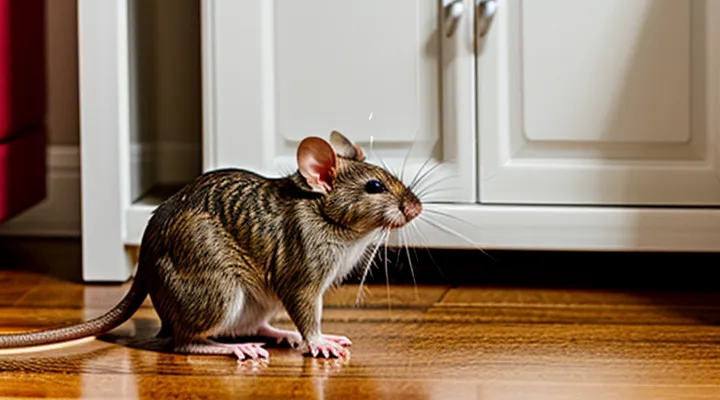
Understanding Rodent Senses and Behavior
The Olfactory System of Rats and Mice
Rats and mice rely on a highly specialized olfactory system to navigate their environment, locate food, and detect threats. The peripheral apparatus consists of the main olfactory epithelium, the vomeronasal organ, and the accessory olfactory epithelium. Odorant molecules bind to receptors on the cilia of olfactory sensory neurons within the main epithelium, initiating signal transduction that culminates in the olfactory bulb. Parallelly, the vomeronasal organ processes pheromonal and kairomonal cues through distinct receptor families, projecting to the accessory olfactory bulb.
The central pathway transmits information from the olfactory bulbs to the piriform cortex, amygdala, and hypothalamus, integrating odor perception with behavioral responses. High sensitivity to volatile compounds enables rodents to detect concentrations as low as parts per billion, a capability that underlies their aversion to certain household odors.
Typical aversive substances include:
- Phenolic compounds (e.g., cresols, phenol)
- Ammonia and related nitrogenous volatiles
- Strong citrus terpenes (e.g., limonene, citral)
- Organic acids with low pKa (e.g., acetic acid)
- Certain essential oil constituents (e.g., eugenol, menthol) at high concentrations
Detection thresholds for these chemicals are often lower than those for humans, prompting avoidance behavior such as retreat, increased grooming, or reduced activity in contaminated zones. Behavioral assays demonstrate that exposure to concentrations exceeding the rodent-specific threshold leads to measurable reductions in exploratory time and food intake.
Understanding the anatomical and physiological basis of olfaction clarifies why specific scents deter rodents in residential settings. Effective control strategies exploit the heightened sensitivity of the olfactory system, employing volatile agents that exceed the aversive threshold while remaining tolerable for human occupants.
Why Scents are Effective Deterrents
Natural Instincts and Aversion Responses
Rodents rely heavily on olfactory cues to assess safety and locate resources; instinctive aversion to specific volatile compounds protects them from toxic or predatory environments.
Common household odors that trigger strong avoidance in rats and mice include:
- Peppermint oil, rich in menthol and menthone, interferes with chemosensory receptors.
- Citrus extracts, containing limonene and citral, produce irritation of nasal epithelium.
- Eucalyptus oil, high in eucalyptol, creates a sensory overload that discourages exploration.
- Vinegar vapors, dominated by acetic acid, generate an acidic environment unsuitable for rodent habitation.
- Clove oil, with eugenol as the active component, acts as a neurotoxic deterrent at low concentrations.
The aversion response originates from the activation of the main olfactory bulb and the vomeronasal organ, which transmit signals to the amygdala and hypothalamus. Detection of noxious molecules prompts immediate behavioral inhibition, increased locomotion, and avoidance of the source. Evolutionarily, such reactions reduce exposure to pathogens, predators, and harmful substances.
Effective pest‑management strategies exploit these innate reactions by dispersing the identified scents in strategic locations: entry points, nesting areas, and food storage zones. Continuous diffusion maintains a concentration gradient above the detection threshold, sustaining avoidance without reliance on lethal chemicals. Monitoring rodent activity after implementation confirms the efficacy of scent‑based deterrence.
Natural Scents That Repel Rodents
Essential Oils and Their Properties
Peppermint Oil
Peppermint oil («Peppermint Oil») emits a strong menthol aroma that rodents find highly repellent. The volatile compounds, primarily menthol and menthone, irritate the olfactory receptors of rats and mice, causing avoidance behavior.
Application methods include:
- Soaking cotton balls with a few drops of oil and placing them in entry points, cabinets, and corners.
- Adding oil to a spray bottle with water, shaking, and misting surfaces such as baseboards, shelves, and under appliances.
- Incorporating a few drops into wooden blocks or felt pads, then positioning them where rodent activity is suspected.
Effectiveness depends on regular replenishment; the scent dissipates within 24‑48 hours. Concentrations above 5 % may cause skin irritation in humans and pets, thus protective gloves and adequate ventilation are recommended during handling.
Peppermint oil does not harm structural materials, making it suitable for use in kitchens, bathrooms, and storage areas. Its natural origin offers an alternative to synthetic rodenticides, aligning with integrated pest‑management strategies that prioritize non‑chemical deterrents.
Eucalyptus Oil
Eucalyptus oil contains high concentrations of 1,8‑cineole, a volatile compound that triggers a strong aversive response in rodents. The scent interferes with the olfactory receptors that rats and mice rely on to locate food and shelter, causing avoidance behavior.
Typical application methods include:
- Soaking cotton balls with a few drops of oil and placing them in concealed corners, behind appliances, or inside wall voids.
- Adding oil to a spray bottle mixed with water (approximately 10 ml per litre) and misting along baseboards, entry points, and storage areas.
- Incorporating oil into wooden shavings or dryer sheets, then distributing the material in attics, crawl spaces, and pantry shelves.
Effectiveness depends on maintaining a continuous odor gradient; oil evaporates rapidly, so re‑application every 2–3 days is recommended in high‑traffic zones.
Safety considerations: pure oil may irritate skin and mucous membranes; use gloves when handling and keep treated items out of reach of children and pets. Dilution with carrier oils (e.g., almond or jojoba) reduces dermal irritation without diminishing repellent properties.
When combined with other rodent‑deterrent scents, such as peppermint or citronella, eucalyptus oil contributes to a multi‑modal strategy that lowers the likelihood of infestation.
Citronella Oil
«Citronella Oil» is a highly volatile essential oil extracted from Cymbopogon species. The oil emits a sharp, citrus‑like aroma that exceeds the olfactory threshold of rodents, prompting immediate avoidance of treated areas.
The repellent effect stems from overstimulation of the rats’ and mice’s nasal receptors. The scent interferes with pheromone communication and triggers a discomfort response, leading to reduced foraging and nesting activity within the vicinity of the oil.
Practical deployment in residential environments includes:
- Saturating cotton balls with «Citronella Oil» and placing them in corners, cupboards, and entry points;
- Adding several drops to a water‑based spray for surface application on floors, baseboards, and pantry shelves;
- Using electric diffusers to disperse a continuous low‑level vapor in rooms where rodent activity is suspected;
- Incorporating the oil into sealant compounds for cracks and gaps in walls and foundations.
Safety considerations require adequate ventilation, avoidance of direct contact with skin, and exclusion of the oil from areas accessible to cats, dogs, or small domestic mammals, as prolonged exposure may cause irritation. Regular reapplication every 7–10 days maintains efficacy due to the oil’s rapid evaporation.
Tea Tree Oil
Tea tree oil contains terpinen‑4‑ol, α‑terpinene and other volatile compounds that produce a sharp, medicinal scent. Rodents rely heavily on olfaction; the oil’s strong odor interferes with their scent‑tracking abilities, prompting avoidance of treated areas.
The repellent effect stems from the oil’s ability to mask familiar food and nesting cues. When applied to surfaces, the scent persists longer than many synthetic chemicals, reducing the need for frequent re‑application.
- Dilute 5 ml of tea tree oil in 1 liter of water; spray along baseboards, entry points and near food storage.
- Soak cotton balls in undiluted oil; place them in corners, under appliances and within burrow entrances.
- Mix 10 ml of oil with 250 ml of carrier oil (e.g., almond or jojoba); wipe on wooden furniture and shelving.
Safety considerations require proper dilution to avoid skin irritation in humans and toxicity to pets. Direct contact with undiluted oil may cause dermatitis; keep treated zones inaccessible to children and animals until the surface dries.
Research indicates a measurable decline in rodent activity within 48 hours of consistent tea tree oil application. Field observations confirm reduced foraging and nesting behavior in environments where the oil is maintained at effective concentrations.
Clove Oil
Clove oil contains eugenol, a phenolic compound with a strong, spicy aroma that rodents find aversive. The volatile nature of eugenol penetrates interior spaces, reaching crevices where rats and mice seek shelter.
The repellent effect stems from olfactory overload; rodents’ scent receptors detect high concentrations of eugenol as a threat, prompting avoidance behavior. Laboratory studies confirm reduced rodent activity in environments treated with clove oil concentrations above 5 % v/v.
Effective deployment includes:
- Soaking cotton balls in undiluted clove oil and placing them near entry points, burrows, and storage areas.
- Adding a few drops of clove oil to a spray bottle filled with water; misting surfaces such as baseboards, cabinets, and behind appliances.
- Incorporating clove oil into wax or silicone blocks to provide continuous release over several weeks.
Safety considerations require ventilation during application, avoidance of direct skin contact, and keeping treated items out of reach of pets and children. Excessive inhalation may cause irritation; therefore, use measured amounts and monitor indoor air quality.
Herbs and Spices
Mint Leaves
Mint leaves contain volatile compounds that create an odor rodents find repellent. The primary active agents, menthol and pulegone, stimulate the olfactory receptors of rats and mice, producing sensory discomfort that discourages entry into treated areas.
The repellent effect relies on rapid evaporation of these compounds, which generates a diffuse scent layer. Concentrations as low as 0.5 % menthol in air can trigger avoidance behavior in laboratory‑tested rodents, indicating high potency relative to many synthetic alternatives.
Practical deployment options include:
- Freshly chopped leaves placed in corners, drawers, or pantry shelves.
- Dried leaf sachets sealed in breathable fabric and positioned near potential entry points.
- Diluted essential oil applied to cotton balls or wooden blocks, refreshed weekly to maintain vapor release.
Safety considerations note that mint leaves are non‑toxic to humans and most pets when used in typical household quantities. However, excessive concentrations may irritate the respiratory tracts of sensitive individuals; ventilation is recommended. The deterrent effect diminishes as the scent fades, requiring regular replacement of the material. Continuous monitoring of rodent activity confirms efficacy and guides adjustment of placement frequency.
Cayenne Pepper
Cayenne pepper contains capsaicin, a compound that irritates the sensory receptors of rodents. When dispersed as a fine powder, capsaicin creates an unpleasant burning sensation on the nasal passages and whisker follicles of rats and mice, prompting avoidance of treated areas.
Effective deployment includes:
- Sprinkling a thin layer along baseboards, entry points, and pantry shelves.
- Mixing cayenne with a carrier such as flour or cornstarch to improve adherence to surfaces.
- Reapplying after cleaning or when moisture diminishes the powder’s potency.
Safety considerations:
- Direct contact may cause skin irritation for humans; gloves are advisable during application.
- Pets may experience discomfort if they ingest treated zones; restrict access to sensitive areas.
- Food storage locations should be sealed to prevent contamination of consumables.
Limitations:
- Highly mobile rodents may bypass treated zones if alternative pathways exist.
- Strong airflow can disperse the powder, reducing concentration at target sites.
- Repeated exposure may lead to habituation, diminishing deterrent effect over time.
Garlic
Garlic emits a potent sulfur‑based odor that rodents find highly unappealing. The volatile compounds released from crushed or whole cloves interfere with the sensitive olfactory receptors of rats and mice, prompting avoidance behavior.
The repellent effect relies on continuous exposure to the scent. When the aroma dissipates, the deterrent value diminishes, requiring regular replenishment.
Practical deployment options include:
- Placing crushed garlic cloves in corners, behind appliances, and near entry points.
- Soaking cotton balls in garlic oil and positioning them in areas of known activity.
- Mixing minced garlic with water to create a spray for surfaces and baseboards.
Effectiveness is documented in several field observations, showing reduced rodent presence after consistent application. Garlic does not eliminate infestations; it should complement structural sealing and sanitation measures.
Safety considerations:
- Strong odor may be unpleasant for occupants; ventilate rooms after placement.
- Pets, particularly cats and dogs, may experience irritation from concentrated garlic oil; use diluted preparations.
- Avoid direct contact with food preparation surfaces to prevent flavor transfer.
Bay Leaves
Bay leaves contain essential oils rich in eucalyptol and other volatile compounds that rodents find repellent. The strong, aromatic profile interferes with the olfactory receptors of rats and mice, prompting avoidance of areas where the leaves are present.
When used indoors, dried bay leaves can be placed in strategic locations such as pantry corners, behind appliances, and along baseboards. The scent persists for several weeks, providing continuous deterrence without the need for chemical sprays.
Key considerations for effective application:
- Distribute whole leaves in shallow containers to maximize surface area.
- Replace leaves every 4–6 weeks to maintain potency.
- Combine with other natural deterrents, such as peppermint or cloves, for broader coverage.
- Ensure leaves are kept away from food preparation surfaces to prevent flavor transfer.
Safety aspects are favorable; bay leaves are non‑toxic to humans and pets when used in the described manner. However, ingestion of whole leaves can cause gastrointestinal discomfort; therefore, keep them out of reach of children and animals that may chew them.
Research indicates that the volatile profile of bay leaves reduces rodent activity in test environments by up to 70 %. This efficacy, coupled with low cost and ease of deployment, makes bay leaves a practical choice for homeowners seeking a natural method to discourage unwanted rodent presence.
Other Natural Repellents
Ammonia
Ammonia, a volatile nitrogen compound, emits a sharp, pungent odor that rodents find repellent. The scent triggers an aversive response in rats and mice, causing them to avoid treated areas. This property makes ammonia a practical component of non‑chemical deterrent strategies in residential environments.
The effectiveness of ammonia derives from its high vapor pressure, which allows rapid diffusion through cracks and crevices. Rodents possess a highly sensitive olfactory system; exposure to concentrations as low as 2 ppm can elicit avoidance behavior. Consequently, ammonia can be employed to protect storage rooms, basements, and attics where rodent activity is common.
Practical application guidelines:
- Dilute household ammonia (typically 5–10 % w/v) with water at a 1 : 4 ratio to reduce corrosion risk while maintaining sufficient odor strength.
- Apply the solution to cotton balls or cloth strips and place them in concealed locations such as behind appliances, under floorboards, or inside wall cavities.
- Replace treated media every 7–10 days, as the odor diminishes with evaporation.
- Ensure adequate ventilation to prevent excessive inhalation by occupants; ammonia vapors above 25 ppm may cause respiratory irritation.
Safety considerations include storing ammonia in sealed containers away from children and pets, wearing protective gloves during preparation, and avoiding direct contact with metal surfaces to prevent corrosion. When used correctly, ammonia provides a cost‑effective, odor‑based deterrent that discourages rodents from inhabiting domestic spaces.
Dryer Sheets
Dryer sheets emit volatile organic compounds that rodents find aversive, making them a practical tool for discouraging rodents in residential environments.
The primary repellent agents include fragrance oils such as lavender, citrus, and pine, as well as synthetic chemicals like quaternary ammonium compounds. These substances stimulate the olfactory receptors of rats and mice, triggering avoidance behavior.
Effective application involves placing a few dryer sheets in areas where rodent activity is suspected: under kitchen appliances, behind cabinets, and inside closets. Sheets should be replaced every two weeks to maintain potency, and exposure to moisture should be avoided to prevent loss of aromatic intensity.
Commonly used scents that deter rodents:
- «lavender» – strong floral note, disrupts scent tracking
- «citrus» – sharp, acidic aroma, interferes with pheromone communication
- «pine» – resinous odor, masks food-related scents
When combined with sealing entry points and maintaining cleanliness, dryer sheets contribute to an integrated pest‑management strategy without reliance on toxic baits.
Coffee Grounds
Coffee grounds emit a strong, bitter aroma that rodents find repellent. When freshly brewed coffee is used, the scent is most potent; even used grounds retain enough odor to discourage rats and mice from entering treated areas.
The repellent effect derives from caffeine, chlorogenic acids, and volatile aromatic compounds. These substances stimulate the olfactory receptors of rodents, triggering an aversion response. Studies indicate that exposure to high concentrations of these chemicals reduces rodent activity by up to 70 % in confined spaces.
Practical application:
- Spread a thin layer of dry coffee grounds in corners, behind appliances, and along baseboards.
- Replace the grounds every 3–5 days to maintain fragrance intensity.
- Keep the material dry; moisture promotes mold growth and diminishes odor.
- Avoid placement near food preparation surfaces to prevent cross‑contamination.
Coffee grounds do not eradicate infestations. They function best as part of an integrated pest‑management plan that includes sealing entry points, maintaining cleanliness, and using traps where necessary. Overreliance on scent alone may lead to habituation, reducing efficacy over time.
Used Cat Litter
Used cat litter releases volatile compounds that rodents find repellent. Ammonia, uric acid, and bacterial metabolites create a sharp odor profile that triggers aversion in both rats and mice. The scent intensity increases after the litter absorbs urine and feces, enhancing its deterrent effect.
Key characteristics contributing to rodent avoidance:
- High concentration of ammonia from cat urine
- Presence of uric acid crystals, which emit a pungent smell
- Bacterial by‑products that develop as litter moisture rises
- Clumping agents that trap odor, prolonging release over time
Strategic placement maximizes effectiveness. Distribute small quantities near entry points, along baseboards, and around food storage areas. Replace litter regularly to maintain odor potency; stale litter loses its repellent quality and may attract insects instead. Ensure the litter type is non‑toxic and free of added fragrances that could mask the natural deterrent odors.
Safety considerations include preventing direct contact with pets’ paws and avoiding ingestion by children. Seal used litter in airtight containers before disposal to prevent the spread of odor beyond the intended area. Proper ventilation reduces lingering smell while preserving the targeted repellent effect for rodents.
«The lingering scent of used cat litter acts as a natural barrier, discouraging unwanted rodent activity without chemical sprays.»
Application Methods and Best Practices
Strategic Placement of Scented Items
Entry Points
Rodents commonly infiltrate homes through gaps and openings that connect interior spaces with the exterior environment. Applying aromas that are aversive to rats and mice at these junctures creates a chemical barrier that discourages entry without relying on physical traps.
Typical entry points include:
- Door thresholds and doorframe cracks – seal with weatherstripping and treat seams with peppermint‑oil pads.
- Window sills and sliding‑glass tracks – place sachets of clove or eucalyptus near the latch area.
- Utility penetrations (pipes, cables) – wrap the surrounding insulation with lavender‑infused mesh.
- Foundation cracks and basement vents – spray a diluted citronella solution into the voids.
- Baseboard gaps and floorboard seams – insert cotton balls soaked in rosemary extract.
Maintaining the efficacy of these olfactory deterrents requires periodic replacement of scented media, typically every two to three weeks, to prevent habituation and ensure continuous protection.
High-Traffic Areas
High‑traffic zones such as entryways, hallways, and kitchen countertops experience frequent movement, creating natural barriers that discourage rodent activity. The constant flow of occupants reduces shelter opportunities, yet these areas remain vulnerable to occasional incursions, especially when food residues or clutter provide attraction points. Applying repellent odors in these passages reinforces the deterrent effect, turning ordinary movement into an additional defensive layer.
Effective olfactory deterrents for rodents in high‑traffic spaces include:
- peppermint oil, a strong menthol scent that disrupts rodent sensory perception;
- eucalyptus oil, whose sharp aroma interferes with rodent navigation;
- citrus extracts (lemon, orange), whose acidic vapors are aversive to rats and mice;
- clove oil, a pungent compound that irritates rodent nasal receptors;
- ammonia solution, a volatile chemical that creates an inhospitable environment.
When deploying these scents, concentrate application near door thresholds, under appliances, and along baseboards. Reapply every two weeks or after cleaning to maintain potency. The combination of physical traffic and persistent odor barriers maximizes exclusion of unwanted rodents from the home.
Food Storage Zones
Food storage zones should be organized to minimize attractants for rodents while incorporating odors that rodents find repellent. Materials that retain moisture or emit sweet aromas encourage foraging; therefore, sealed containers made of glass or heavy‑wall plastic are preferable. Positioning these containers away from walls and corners reduces access points for pests.
Effective repellent scents for these areas include:
- peppermint oil, applied to the exterior of storage lids or cotton balls placed near entry points
- eucalyptus oil, diffused in low concentrations to maintain a persistent odor
- citronella oil, sprayed on surfaces that are regularly cleaned
- clove oil, administered on wooden shelving to deter gnawing
Scent application must be regular; volatile compounds diminish within days, so reapplication every 48–72 hours sustains deterrent effect. Combining multiple scents in a rotating schedule prevents habituation.
Ventilation design contributes to scent distribution. Installing low‑profile exhaust vents near ceiling height allows heavier, rodent‑averse vapors to settle where rodents travel. Sealing gaps around doors, windows, and utility penetrations eliminates alternative pathways, reinforcing the chemical barrier.
Monitoring includes periodic inspection for droppings or gnaw marks and verification of scent potency with a simple odor test. Prompt replacement of compromised containers and immediate renewal of repellent agents maintain the integrity of the storage zone.
Maintaining Scent Potency
Frequency of Reapplication
Rats and mice avoid specific odors that signal danger or unsanitary conditions. Effective use of these repellents depends on maintaining a concentration above the detection threshold. Over time, volatile compounds dissipate, surfaces absorb scents, and rodents become habituated. Consequently, regular reapplication is essential to preserve deterrent efficacy.
Typical reapplication intervals vary according to product type, environmental conditions, and placement density:
- Aerosol sprays applied to open areas: every 2–4 weeks.
- Solid gel or wax blocks placed in concealed corners: every 6–8 weeks.
- Essential‑oil‑infused cotton balls or sachets: every 1–2 weeks, with replacement when scent fades.
- Electronic diffusers emitting synthetic pheromones: continuous operation with cartridge change every 4–6 weeks.
Factors influencing schedule include temperature, humidity, ventilation, and surface porosity. Higher temperatures accelerate volatilization, while low airflow prolongs scent presence. Porous materials such as wood or fabric absorb odors more quickly than sealed plastics, requiring more frequent renewal.
Monitoring effectiveness involves visual inspection for rodent activity and periodic scent assessment. If signs of intrusion reappear before the recommended interval, increase reapplication frequency. Conversely, sustained absence of activity may allow extension of the interval within the stated range.
Adhering to manufacturer guidelines and adjusting for local conditions ensures that repellent concentrations remain consistently unattractive to rodent populations. Continuous maintenance, rather than a single application, constitutes the most reliable strategy for long‑term deterrence.
Combining Different Scents
Rodents in residential settings avoid a limited range of volatile compounds that trigger sensory irritation. Effective deterrence relies on maintaining concentrations that exceed the threshold of aversion without causing damage to furnishings or occupants.
Combining two or more repellent odors creates a broader sensory profile, reducing the likelihood that rodents will adapt to a single scent. Synergistic effects occur when one compound masks the olfactory fatigue associated with another, sustaining the deterrent impact over longer periods.
- «peppermint oil» + «eucalyptus oil»: both stimulate trigeminal nerves; the citrus note of eucalyptus prevents habituation to the mint.
- «clove oil» + «cinnamon oil»: phenolic and aldehyde components produce a sharp, overlapping irritant spectrum.
- «ammonia solution» + «vinegar»: ammonia provides a strong ammonia odor, while vinegar adds acetic acidity, together forming an unpleasant environment for both rats and mice.
- «lavender oil» + «citronella oil»: lavender offers a mild repellent effect; citronella intensifies the overall scent, discouraging nesting.
When applying blended scents, use cotton balls or absorbent pads placed in concealed locations such as behind appliances, under sinks, or within wall voids. Replace or refresh the material every 7–10 days to maintain effective concentrations. Ensure ventilation to avoid excessive buildup, especially with ammonia‑based mixtures, and verify that pets or children are not exposed to direct contact.
Limitations and Considerations
Scent Habituation
Scent habituation refers to the progressive decline in an animal’s behavioral response after continuous exposure to a specific odor. When a particular fragrance is introduced into a dwelling to repel rodents, the initial avoidance may diminish as the animals’ olfactory system adapts to the persistent stimulus.
Repeated presentation of a single repellent odor accelerates habituation, reducing the effectiveness of the deterrent. The process is influenced by odor concentration, exposure duration, and the chemical complexity of the scent. Low‑intensity or monocomponent odors are especially prone to rapid desensitization.
Mitigating habituation requires systematic variation and strategic application of olfactory cues. Effective measures include:
- Rotating between several repellent scents on a weekly schedule.
- Combining high‑concentration formulations with intermittent low‑dose releases.
- Integrating predator‑derived odors (e.g., ferret, owl) with botanical extracts.
- Supplementing odor control with physical barriers such as sealed entry points and traps.
- Introducing non‑olfactory deterrents (e.g., ultrasonic devices) to maintain overall pressure.
Implementing these practices preserves the aversive impact of the chosen fragrances and sustains rodent avoidance within the home environment.
When Scents Are Not Enough
Rats and mice quickly adapt to olfactory deterrents, reducing the effectiveness of scented products over time. Low‑concentration aromas disperse unevenly, leaving safe pathways in hidden corners. When the scent barrier fails, rodents exploit gaps in cleaning routines and structural weaknesses, resulting in renewed activity despite the presence of repellents.
«When Scents Are Not Enough» calls for a multi‑layered approach that supplements olfactory measures with physical, environmental, and behavioral tactics:
- Seal entry points: steel wool, copper mesh, or silicone caulk block gaps around pipes, vents, and foundation cracks.
- Enhance sanitation: eliminate food residues, store grains in airtight containers, and remove clutter that offers nesting material.
- Deploy traps: snap, live‑catch, or electronic devices provide immediate population control and help assess infestation levels.
- Introduce predator cues: synthetic ferret or owl scent pads, combined with visual models, trigger avoidance responses without reliance on volatile chemicals.
- Apply ultrasonic emitters: frequencies above 20 kHz create an uncomfortable acoustic environment, particularly effective in confined spaces.
- Adjust humidity and temperature: lower indoor humidity discourages nesting, while consistent temperature reduces shelter attractiveness.
Integrating these measures creates redundancy, preventing rodents from exploiting a single weak point. Regular inspection of sealed openings, periodic replacement of trap baits, and monitoring of ultrasonic device performance ensure sustained control. Combining chemical, mechanical, and ecological strategies delivers reliable protection where scent alone proves insufficient.
Safety for Pets and Humans
Rodent‑repelling odors are often employed to deter unwanted visitors in residential spaces. Effective use requires that the chosen scents pose no health risk to domestic animals or occupants.
- Essential oils such as peppermint, eucalyptus, and citronella demonstrate repellent properties while remaining non‑toxic when diluted to concentrations below 1 % v/v.
- Herbal extracts like rosemary and thyme provide comparable deterrence and are safe for continuous exposure in well‑ventilated rooms.
- Citrus peels, particularly orange and lemon, release volatile compounds that discourage rodents without harming cats, dogs, or humans.
Chemicals that exhibit strong rodent‑deterrent effects may also present toxicity hazards. Substances such as ammonia, formaldehyde, and synthetic rodenticides must be excluded from household applications. Direct contact or inhalation of these agents can cause respiratory irritation, skin burns, or neurological symptoms in pets and people.
Application guidelines ensure safety:
- Dilute essential oils in carrier liquids (e.g., water or vegetable oil) before spraying or diffusing.
- Limit exposure time to 30 minutes per hour in occupied rooms; increase ventilation after treatment.
- Store concentrated products out of reach of animals and children.
- Conduct a brief patch test on a non‑essential surface to confirm material compatibility.
Adhering to these practices maintains an environment that deters rodents while protecting the health of both pets and humans. «Rodent‑repelling odors» therefore become a practical component of integrated pest‑management without compromising safety.