
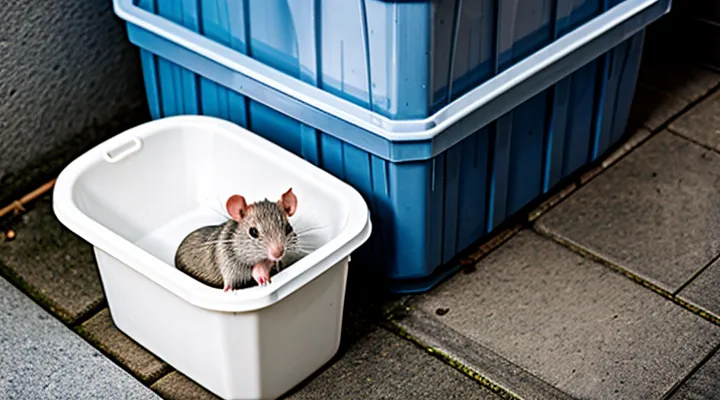
Understanding the Rat Problem
The Impact of Rodents on Public Health and Property
Disease Transmission
Rats serve as reservoirs for pathogens that cause leptospirosis, hantavirus pulmonary syndrome, plague, salmonellosis, and murine typhus. Transmission occurs through direct contact with rodent urine, feces, or saliva, and indirectly via contaminated food, water, or surfaces.
Improper waste disposal creates abundant food sources, encouraging rat colonization of residential and commercial areas. Accumulated garbage and standing water provide breeding sites, increasing rodent density and the probability of human exposure to infectious material.
- Leptospirosis – exposure to urine‑contaminated water
- Hantavirus – inhalation of aerosolized droppings
- Plague – bite from infected flea vectors living on rats
- Salmonellosis – ingestion of food tainted by feces
- Murine typhus – transmission through flea bites
Hygienic practices that remove food residues, seal refuse containers, and eliminate standing water disrupt the environmental conditions required for rat survival. Regular cleaning of food preparation zones, prompt disposal of organic waste, and maintenance of drainage systems reduce contact points between rodents and humans.
Implementation of these sanitation measures lowers rodent populations, curtails pathogen reservoirs, and decreases incidence rates of rat‑borne diseases in affected communities.
Structural Damage
Effective sanitation reduces rat activity, thereby protecting building integrity. Rats gnaw on wood, drywall, and insulation to create pathways and nesting sites. Continuous exposure to such damage compromises load‑bearing elements, leading to costly repairs and potential safety hazards.
Key structural impacts of rodent intrusion include:
- Compromised timber framing from bite marks and weakening of joints.
- Deteriorated plaster and drywall caused by gnawing and urine corrosion.
- Damaged electrical wiring, increasing fire risk and requiring replacement of conduit and fixtures.
- Eroded insulation, reducing thermal efficiency and prompting moisture accumulation that accelerates rot.
Preventive cleaning eliminates food residues and water sources that attract rodents. By removing these incentives, the likelihood of gnawing activity declines, preserving structural components and extending the service life of the facility. Regular waste management, sealed storage, and prompt repair of water leaks constitute essential sanitation practices that directly mitigate structural degradation caused by rat infestations.
Economic Losses
Effective cleanliness practices reduce the financial impact of rodent infestations on businesses and municipalities. Rats damage stored food, raw materials, and finished products, leading to direct loss of inventory. They also compromise equipment by chewing wiring and mechanical components, resulting in costly repairs and downtime. Moreover, the presence of rodents triggers regulatory fines and increases insurance premiums, adding indirect expenses.
Key categories of economic loss include:
- Product spoilage: Contamination of food and commodities forces disposal, eroding profit margins.
- Infrastructure damage: Chewed cables, pipes, and structural elements require replacement or refurbishment.
- Operational disruption: Unplanned shutdowns for pest eradication extend labor costs and delay deliveries.
- Compliance penalties: Health inspections that uncover sanitation deficiencies can impose monetary sanctions.
- Reputation decline: Consumer distrust following a rodent incident reduces sales and market share.
Implementing rigorous waste management, regular cleaning schedules, and secure storage eliminates food sources that attract rodents. These measures lower the probability of infestation, directly curbing the financial losses outlined above. Investment in systematic hygiene protocols yields measurable savings by preventing damage, avoiding penalties, and preserving brand integrity.
The Role of Sanitation in Rat Control
Principles of Integrated Pest Management (IPM)
Prevention as the First Line of Defense
Effective rat management begins with preventive actions that eliminate conditions attracting rodents. Proper waste handling is essential: store garbage in sealed containers, remove refuse daily, and keep collection areas clean. Regular inspection of building exteriors identifies entry points; sealing cracks, gaps around pipes, and utility penetrations blocks access. Maintaining indoor and outdoor sanitation reduces food sources: clean spills promptly, limit birdseed or pet food exposure, and store dry goods off the floor.
Key preventive steps can be organized as follows:
- Secure waste: use rat‑proof bins, compact trash regularly, and keep dumpsters away from building walls.
- Structural maintenance: repair damaged screens, install door sweeps, and apply metal flashing to vulnerable openings.
- Habitat reduction: trim vegetation, remove debris piles, and eliminate standing water that supports insects and rodents.
- Monitoring: place non‑lethal detection devices in strategic locations, record activity, and adjust measures promptly.
Implementing these measures creates a hostile environment for rats, reducing the need for reactive control methods and supporting long‑term public health protection.
Reducing Attractants
Effective rodent management relies on eliminating resources that attract rats. Removing food, water, and shelter eliminates the conditions that support colony growth.
- Store garbage in sealed containers with tight-fitting lids.
- Remove spilled grains, pet food, and kitchen waste promptly.
- Eliminate standing water by fixing leaks and draining puddles.
- Clear clutter, debris, and overgrown vegetation that provide nesting sites.
- Maintain compost heaps with proper covering and regular turning.
Secure storage reduces accidental access to food. Regular waste collection prevents accumulation that draws rodents. Routine inspection of building exteriors identifies entry points and moisture sources. Implementing these sanitation practices creates an environment where rats cannot find sufficient sustenance, thereby decreasing population pressure and limiting damage.
Key Sanitation Practices
Proper Waste Management
Effective waste management reduces food sources that attract rodents, thereby limiting population growth. Secure containers prevent scavenging, while regular collection eliminates accumulated debris that serves as shelter.
Key practices include:
- Sealing trash bags before placement in bins.
- Using rat‑proof lids on dumpsters and outdoor containers.
- Scheduling frequent pickups to avoid overflow.
- Removing organic waste (fruit, vegetables, meat) from public areas promptly.
- Maintaining clear zones around waste sites, free of vegetation and debris.
Proper segregation separates compostable material from general refuse, reducing moisture and odor that draw rats. Compost bins should be enclosed, with carbon‑rich layers to balance nitrogen and deter burrowing.
Routine inspections identify breaches in container integrity, damaged seals, or illegal dumping. Immediate repair or replacement restores barrier effectiveness.
Training staff and residents on disposal protocols ensures consistent compliance. Documentation of waste‑handling procedures supports accountability and facilitates audits.
By integrating these measures, communities limit the availability of sustenance and habitat for rodents, achieving sustained reduction in rat activity without reliance on chemical controls.
Secure Storage of Refuse
Secure storage of waste disrupts rodent access to food sources, directly reducing population growth. When refuse is confined in sealed containers, rats cannot detect odors or infiltrate openings, limiting their ability to establish foraging routes.
Effective containers must be constructed of rigid material, feature tight-fitting lids, and include lockable or latch mechanisms that prevent accidental opening. Placement should consider elevation above ground level, distance from building foundations, and protection from wind-driven debris. Regular inspection removes damage, ensures seals remain intact, and eliminates spillage that could attract pests.
Implementation steps:
- Select containers with a minimum wall thickness of 2 mm and gasketed lids.
- Install containers on raised platforms at least 30 cm above ground.
- Position units at least 5 m from building entry points and food‑handling areas.
- Perform weekly checks for cracks, rust, or compromised latches.
- Empty and clean containers at consistent intervals, preferably before waste accumulation exceeds 75 % capacity.
Consistent application of these measures creates an environment where rats lack reliable nutrition, supporting broader waste‑management strategies aimed at population suppression.
Regular Waste Collection
Regular waste collection removes the primary food source that sustains rat populations. By ensuring that refuse is removed before it accumulates, the incentive for rats to establish foraging routes diminishes sharply.
Consistent removal of garbage limits shelter opportunities as well. Uncollected waste provides cover and nesting material; prompt collection eliminates these microhabitats, forcing rats to seek less suitable environments.
Effective programs follow clear operational standards:
- Collection cycles of no more than 24‑48 hours in high‑density areas.
- Use of sealed, rodent‑proof containers with tight-fitting lids.
- Placement of containers away from building foundations and vegetation.
- Community reporting mechanisms for missed pickups or container damage.
These measures produce measurable outcomes: infestation rates drop, disease transmission risks decline, and municipal pest‑control expenses decrease. Regular waste collection therefore serves as a critical component of an integrated hygiene‑based rat management strategy.
Food Source Elimination
Effective rat management relies on removing food availability. When waste is securely stored, promptly disposed of, and inaccessible to rodents, population growth stalls. Key actions include:
- Store grain, pet food, and leftovers in metal containers with tight-fitting lids.
- Clean floors, countertops, and equipment daily to eliminate crumbs and spills.
- Install sealed trash bins and schedule regular collection to prevent overflow.
- Remove standing water sources, as moisture supports food‑borne insects that attract rats.
Inspection of all interior and exterior areas should occur weekly. Identify hidden sources such as discarded packaging, fallen fruit, or improperly sealed dumpsters. Immediate correction eliminates feeding sites before rodents can exploit them.
Long‑term success requires integrating these practices into standard operating procedures. Documentation of cleaning schedules, waste handling protocols, and audit results ensures accountability and facilitates continuous improvement.
Storing Food in Rodent-Proof Containers
Storing food in containers that block rodent entry is a critical component of hygiene-driven rat management. Secure storage eliminates a primary attractant, reduces the risk of contamination, and supports broader pest‑reduction strategies.
Effective implementation includes:
- Selecting containers made of metal, heavy‑wall plastic, or thick glass with tight‑fitting lids.
- Ensuring lids seal with a latch or compression mechanism; avoid snap‑on designs that can be pried open.
- Inspecting containers regularly for cracks, worn seals, or damaged hinges and repairing or replacing compromised units promptly.
- Labeling containers with usage dates and keeping inventory rotations to prevent prolonged exposure of food to ambient conditions.
- Placing containers on raised platforms or shelving away from walls, eliminating direct pathways for climbing rodents.
- Storing bulk feed in sealed, airtight bins equipped with rodent‑proof gaskets and lockable doors.
Additional measures reinforce protection:
- Keep the storage area clean; sweep debris, and dispose of waste in sealed bins.
- Separate raw and processed foods to limit cross‑contamination.
- Maintain a buffer zone of at least 12 inches between containers and potential entry points such as doors, windows, or utility openings.
By adhering to these practices, facilities minimize food availability for rats, thereby decreasing population pressure and supporting overall pest‑control objectives.
Prompt Spill Cleanup
Prompt spill cleanup eliminates food sources that attract rats, directly reducing the likelihood of infestation. Immediate removal of liquid and solid waste prevents moisture accumulation, which creates favorable habitats for rodent nesting and movement.
Effective spill response follows a defined sequence:
- Identify the spill type and extent.
- Isolate the affected area to limit access.
- Apply absorbent materials or neutralizing agents appropriate to the substance.
- Dispose of contaminated waste in sealed containers.
- Sanitize the surface with approved disinfectants.
- Verify that no residue remains before restoring normal traffic.
Rapid action limits the time rats have to detect and exploit the spill. Studies show that delays exceeding 30 minutes increase rodent activity by up to 40 % in comparable environments. Consistent implementation of the above steps therefore contributes to a sanitation strategy that suppresses rat populations.
Documentation of each incident, including time of detection, response duration, and cleaning agents used, enables trend analysis and resource allocation. Data-driven adjustments improve response efficiency and reinforce overall rodent management objectives.
Water Source Reduction
Reducing the availability of water directly limits rat survival and reproduction. Rats require regular access to moisture for physiological processes; eliminating reliable sources disrupts their life cycle and diminishes population density.
- Repair leaks in plumbing, roofs, and foundations.
- Remove standing water from puddles, ditches, and low‑lying areas.
- Ensure drainage systems are functional and regularly cleared of debris.
- Cover or seal containers that hold liquids, including pet water dishes and industrial vats.
- Manage sewer overflows and prevent runoff accumulation near structures.
Effective water source reduction lowers breeding rates, curtails disease transmission, and reduces reliance on chemical controls. When combined with waste management and habitat modification, it forms a comprehensive sanitary approach to rodent control.
Fixing Leaky Pipes
Leaking pipes create moisture that attracts rats, undermining any effort to keep premises rodent‑free. Prompt repair eliminates water sources, reduces shelter options, and supports overall hygiene strategies aimed at pest suppression.
Key actions for effective pipe repair:
- Identify all visible leaks and test hidden sections with pressure gauges.
- Shut off water supply and drain the affected line to prevent further seepage.
- Replace damaged sections using corrosion‑resistant fittings; apply pipe‑thread sealant where required.
- Verify joint integrity with a leak‑test pressurization cycle before restoring service.
- Inspect surrounding insulation and seal gaps that could serve as entry points for rodents.
Regular maintenance schedules, including periodic leak inspections, sustain dry conditions and reinforce the broader rodent‑control program.
Eliminating Standing Water
Standing water provides rats with a reliable source of drinking fluid and a conducive environment for breeding. Removing such reservoirs directly reduces the attractiveness of a property to rodent populations and limits their capacity to sustain colonies.
Effective elimination of standing water includes the following actions:
- Inspect all exterior and interior areas for puddles, clogged gutters, and leaking pipes; repair or replace damaged components promptly.
- Ensure proper grading around structures so rainwater drains away from foundations.
- Install or maintain drainage systems such as French drains, swales, or catch basins to channel runoff.
- Replace broken or cracked concrete slabs, sidewalks, and patios that collect rainwater.
- Use absorbent materials or sand in low‑lying spots to prevent water accumulation after precipitation.
- Store containers with lids; empty, clean, and dry birdbaths, pet dishes, and plant trays regularly.
Routine monitoring verifies that no new water sources develop. Conduct weekly visual checks after rain events and after any maintenance work that could introduce moisture. Record findings and corrective measures to maintain a consistently dry environment, thereby supporting long‑term rodent suppression.
Clutter and Harboring Area Removal
Effective rodent management relies on eliminating environments where rats can hide, breed, and store food. Cluttered spaces and abandoned storage zones provide shelter, nesting material, and easy access to sustenance, allowing populations to expand unchecked. Removing these conditions reduces the carrying capacity of any infested area and forces remaining rodents into exposed locations where traps and baits become more effective.
Key actions for clutter and harboring‑area removal:
- Conduct a systematic walk‑through of interior and exterior zones; note piles of cardboard, scrap metal, debris, and unused equipment.
- Clear all items not essential to daily operations; store necessary objects in sealed, elevated containers made of metal or heavy‑wall plastic.
- Trim vegetation, prune shrubs, and cut back overgrown ground cover within three meters of building foundations.
- Repair cracks, gaps, and openings in walls, floors, and roofing that could serve as entry points or shelter.
- Dispose of removed material in sealed containers; avoid dumping on site to prevent re‑infestation.
Implementation guidelines:
- Schedule removal during low‑activity periods to minimize disturbance to occupants and to allow thorough inspection.
- Assign responsibility to a designated maintenance team; document each cleared area with photographs and checklists.
- Integrate regular inspections into a maintenance calendar; repeat the removal process quarterly or after major renovations.
- Combine clutter elimination with targeted bait placement, ensuring bait stations are positioned where rats are forced to travel.
By maintaining an environment free of excess debris and concealed spaces, property managers create conditions that deter rat colonization, enhance the efficacy of other control measures, and sustain long‑term rodent suppression.
Trimming Vegetation
Trimming vegetation reduces shelter and food sources for rats, directly supporting hygienic rodent management. Overgrown grass, shrubs, and vines create tunnels and hideouts that facilitate rat movement and nesting. By maintaining a low, tidy perimeter, property owners limit the habitats rats seek for protection and foraging.
Effective vegetation control involves regular inspection and removal of excess growth. Key actions include:
- Cutting grass to a height of 3–4 inches and mowing at least weekly during warm months.
- Pruning shrubs to a compact shape, eliminating dense foliage that can conceal burrows.
- Removing vines from building walls, fences, and utility poles to prevent bridge formation between ground and elevated structures.
- Disposing of trimmed plant material in sealed containers or away from the premises to avoid providing additional food.
Consistent vegetation management also improves visibility for surveillance and traps, allowing quicker detection of rat activity. Integrating these practices with other sanitation measures—such as waste containment and structural repairs—creates a comprehensive strategy that discourages rat colonization and supports long‑term pest suppression.
Organizing Storage Spaces
Organizing storage spaces reduces the likelihood of rodent infestations by eliminating hidden food sources and shelter. Proper arrangement creates clear aisles, facilitates regular cleaning, and limits clutter where rats can nest.
Key practices include:
- Segregate items: Store food, waste, and non‑perishable goods in sealed, rodent‑proof containers. Separate cleaning supplies from consumables to prevent cross‑contamination.
- Elevate storage: Place supplies on shelves or pallets at least six inches off the floor. This prevents rats from accessing items directly from the ground.
- Maintain order: Keep inventory lists and rotate stock to avoid long‑term storage of expired products, which attract pests.
- Implement regular inspection: Schedule weekly checks for signs of gnawing, droppings, or burrows. Record findings and address issues promptly.
- Control moisture: Ensure that stored materials are dry; damp environments encourage rodent activity. Use dehumidifiers or ventilation where needed.
By adhering to these measures, facilities create an environment that discourages rats, supporting broader hygienic strategies aimed at pest control.
Implementing Effective Sanitation Strategies
Residential Sanitation
Homeowner Responsibilities
Effective rat control begins with rigorous household hygiene. Maintaining a clean environment eliminates food sources and nesting sites, thereby reducing rodent attraction.
Homeowners must:
- Store food in sealed containers; discard leftovers daily.
- Remove trash promptly; use bins with tight‑fitting lids and empty them regularly.
- Clean spills, crumbs, and pet feed immediately; sweep and mop floors at least once a week.
- Keep countertops, cabinets, and appliances free of debris; wipe surfaces after each use.
- Seal entry points by repairing cracks, installing door sweeps, and using mesh screens on vents.
- Eliminate standing water; fix leaks and dry damp areas within 24 hours.
- Maintain yard hygiene: trim vegetation, stack firewood away from walls, and keep compost bins covered.
- Conduct periodic inspections for droppings, gnaw marks, or burrows; document findings and act promptly.
Adhering to these practices creates an environment where rats cannot thrive, supporting broader pest‑management efforts.
Community-Wide Initiatives
Effective rat management relies on eliminating the conditions that support rodent populations. Community-driven sanitation programs create the necessary environment for long‑term control by removing food sources, shelter, and breeding sites across neighborhoods.
Key elements of a comprehensive community initiative include:
- Centralized waste collection with sealed containers and frequent removal schedules.
- Regular street sweeping and removal of debris that can serve as nesting material.
- Public education campaigns that teach residents how to store food, manage compost, and report infestations.
- Infrastructure upgrades such as repaired sewer lines, sealed building foundations, and rat‑proofed utility openings.
- Coordinated inspections conducted by municipal health officers in partnership with local businesses and homeowner associations.
Implementation follows a structured process:
- Conduct a baseline survey to identify hotspots and assess current sanitation practices.
- Form a coalition of municipal agencies, community groups, and private partners to define roles and allocate resources.
- Deploy targeted interventions—enhanced waste services, infrastructure repairs, and outreach materials—according to the survey data.
- Establish a monitoring system that records rodent sightings, complaint rates, and compliance with waste‑management protocols.
- Adjust tactics based on periodic data reviews to maintain effectiveness.
When executed consistently, community-wide sanitation efforts reduce rat activity, lower the incidence of rodent‑borne diseases, and decrease expenses associated with emergency pest‑control measures. The collective responsibility of residents and authorities ensures sustainable habitat disruption and measurable public‑health benefits.
Commercial and Industrial Sanitation
Food Establishments and Restaurants
Effective rodent control in food service venues depends on rigorous hygiene protocols. Clean surfaces, properly stored waste, and regular pest‑inspection schedules reduce the likelihood of rat infestations and protect food safety.
Key practices include:
- Immediate removal of food scraps from preparation areas.
- Secure sealing of garbage containers with tight‑fitting lids.
- Daily cleaning of floors, countertops, and equipment to eliminate crumbs and spills.
- Routine inspection of structural gaps; seal cracks, holes, and utility openings.
- Installation of bait stations or traps in concealed locations, monitored weekly.
Staff training reinforces compliance. Employees must understand proper waste handling, recognize signs of rodent activity, and report breaches promptly. Documentation of cleaning logs and pest‑monitoring results provides accountability and supports regulatory audits.
Consistent application of these measures maintains a sanitary environment, limits rodent access, and upholds public health standards in restaurants and other food establishments.
Warehouses and Storage Facilities
Warehouses and storage facilities attract rodents because they provide shelter, food residues, and water sources. Maintaining rigorous cleanliness directly reduces the availability of these attractants, thereby limiting rat populations.
Effective sanitation practices include:
- Prompt removal of waste and debris; sealed containers and daily disposal prevent food access.
- Regular cleaning of floors, aisles, and loading docks; moisture‑free surfaces eliminate drinking sources.
- Inspection and repair of structural gaps; sealed doors, windows, and vent openings block entry points.
- Organization of stored goods; pallets raised off the floor and stacked with spacing hinder nesting.
- Documentation of cleaning schedules and pest‑monitoring results; records enable rapid response to breaches.
A disciplined cleaning program requires trained staff, clear procedures, and verification checks. Routine audits confirm compliance, while immediate corrective action addresses any lapse. Consistent application of these measures sustains a hostile environment for rats and protects inventory integrity.
Agricultural Settings
Effective rodent management in farms depends on rigorous hygienic practices that eliminate food sources, shelter, and water for rats. Regular removal of spilled grain, discarded produce, and animal feed prevents accidental nourishment. Waste containers must be sealed, cleaned, and positioned away from livestock pens to reduce attraction.
Sanitation measures also target nesting sites. Soil exposed by irrigation channels, drainage ditches, and storage bays should be compacted or covered with concrete slabs. Vegetation along field margins requires periodic mowing to deny rats cover for burrowing. Equipment such as harvesters and transport trucks should be inspected and cleaned after each use to avoid transporting rodents between fields.
A structured routine enhances consistency:
- Daily: sweep floors, collect debris, empty waste bins.
- Weekly: deep clean feed storage, inspect drainage systems for blockage.
- Monthly: rotate and sanitize bedding in animal housing, audit perimeter fences for gaps.
- Quarterly: conduct comprehensive pest‑assessment audits, adjust sanitation protocol based on findings.
Documentation of each task, including date, personnel, and observations, creates accountability and enables rapid response when rodent activity increases. Integrating these sanitary controls with physical barriers and monitoring devices forms a comprehensive strategy that minimizes rat populations and protects crop yields.
Public Spaces Sanitation
Parks and Recreational Areas
Parks and recreational areas attract large numbers of visitors, creating abundant sources of food waste that sustain rodent populations. Poorly managed refuse, leftover picnics and stagnant water provide rats with shelter and nourishment, increasing the likelihood of infestations that threaten public health and degrade the visitor experience.
Effective sanitation measures reduce these risks through targeted actions:
- Regular collection and sealed disposal of all trash, with containers emptied at least twice daily during peak usage.
- Prompt removal of organic debris, such as fallen fruit, leaves and grass clippings, to eliminate hiding places.
- Routine cleaning of picnic tables, benches and playground equipment using disinfectants that deter gnawing.
- Maintenance of drainage systems to prevent standing water and damp ground conditions favored by rats.
- Installation of rat‑proof waste bins equipped with locking lids and chew‑resistant materials.
Implementing these practices yields measurable outcomes: fewer rat sightings, lower incidence of disease transmission, and decreased need for chemical rodent control. Consistent sanitation also extends the lifespan of park infrastructure by reducing damage caused by gnawing.
Municipal authorities should adopt a structured plan that includes: scheduled inspections, staff training on waste‑handling protocols, public education campaigns encouraging proper litter disposal, and performance metrics tracking rodent activity. By integrating rigorous cleaning routines into park management, communities achieve a safer, cleaner environment while minimizing reliance on lethal control methods.
Urban Infrastructure
Effective rat management in cities depends on the design and operation of infrastructure that supports hygienic conditions. Properly engineered sewer networks, waste collection systems, and drainage channels limit access to food, shelter, and water, thereby reducing rodent populations.
Critical elements include:
- Sewer pipes with smooth interiors and sealed manholes to prevent nesting.
- Waste containers equipped with tight-fitting lids and scheduled emptying to eliminate food sources.
- Stormwater drains designed to avoid standing water and equipped with grates that block entry.
- Building foundations and utility conduits constructed with rodent‑proof materials and regular inspections.
Maintenance practices reinforce these components. Routine cleaning of streets and alleys removes debris that can attract rats. Inspection programs identify cracks, gaps, or blockages in sewer and drainage systems, allowing prompt repairs. Integrated scheduling of waste collection, sewage flushing, and infrastructure audits creates a coordinated defense against rodent infestations.
By aligning urban infrastructure with sanitary standards, municipalities create environments where rats cannot thrive, achieving control through structural and operational measures rather than reliance on chemical interventions.
Challenges and Considerations
Behavioral Aspects of Rodents
Adaptability and Resilience
Effective rodent management relies on hygienic strategies that can adjust to varied settings and persist despite environmental fluctuations. Adaptability manifests through flexible waste‑handling protocols, such as modular collection containers that fit residential, commercial, and industrial sites. These systems accommodate changes in waste volume, composition, and disposal frequency without compromising efficacy. Resilience appears in the capacity of these practices to maintain performance during disruptions—seasonal weather extremes, supply‑chain interruptions, or sudden population density shifts—by incorporating redundancy, such as multiple collection points and backup sanitation personnel.
Key elements that enhance both adaptability and resilience include:
- Scalable infrastructure – equipment sized for incremental expansion or contraction, allowing rapid response to growth or contraction of target areas.
- Standardized procedures – documented protocols that can be applied uniformly across diverse locations while permitting localized adjustments (e.g., altered cleaning schedules for high‑traffic zones).
- Continuous monitoring – real‑time indicators of waste accumulation and rodent activity that trigger immediate corrective actions, ensuring the system remains effective under stress.
- Community engagement – training programs that empower occupants to recognize and report sanitation breaches, reinforcing system durability through collective vigilance.
By integrating these components, hygienic rodent control frameworks sustain their functional integrity, delivering consistent reductions in rat populations even when confronted with unpredictable challenges.
Neophobia
Neophobia, the innate avoidance of unfamiliar objects or foods, strongly influences rat behavior when sanitation measures are applied to limit infestations. Clean environments remove readily available food, forcing rats to confront scarcity. Under scarcity, the cost of ignoring a novel bait or trap rises, reducing the protective effect of neophobia and increasing the probability that rats will investigate new control devices.
Sanitation therefore interacts with neophobia in two measurable ways:
- Reduced food residues lower the frequency of safe foraging trips, prompting rats to expand their search radius and encounter novel stimuli.
- Consistent removal of waste eliminates habituated feeding sites, weakening the association between familiar locations and food availability and making novel bait stations more attractive.
Effective rodent management programs should align sanitary protocols with an understanding of neophobia. By maintaining low baseline food levels, managers create conditions where rats are more likely to sample unfamiliar baits, enhancing trap success rates and accelerating population decline.
Human Behavior and Compliance
Education and Awareness
Education and awareness directly influence the effectiveness of sanitation‑based rodent management. Clear information about waste handling, food storage, and structural maintenance enables communities to identify and eliminate conditions that attract rats. When residents understand the link between refuse accumulation and rodent activity, they adopt practices that reduce food sources and nesting sites.
Targeted programs increase compliance and sustain improvements. Effective components include:
- Training sessions for household members on proper garbage segregation and disposal.
- Workshops for property managers covering inspection routines and repair of entry points.
- Public campaigns that distribute visual guides illustrating common attractants and preventive actions.
- School curricula that teach children safe food handling and the health risks associated with rodent infestations.
Continuous monitoring reinforces learned behaviors. Feedback mechanisms, such as community surveys and reporting hot‑spots, provide data for adjusting educational content. By maintaining an informed populace, sanitation measures achieve lasting reduction in rat populations and associated disease transmission.
Enforcement of Regulations
Effective enforcement of regulations underpins the use of hygiene measures to limit rodent infestations. Legal frameworks assign responsibility for waste management, water supply integrity, and building maintenance to municipal authorities, property owners, and commercial operators. Compliance monitoring relies on scheduled inspections, documented checklists, and mandatory reporting of pest sightings.
Key enforcement mechanisms include:
- Licensing requirements that mandate adherence to sanitation standards before operation permits are issued.
- Routine inspections conducted by health officials, with violations recorded and rectified within specified timeframes.
- Fines and penalties imposed for non‑compliance, scaled according to the severity and recurrence of infractions.
- Mandatory corrective action plans that outline specific steps to improve waste storage, drainage, and structural integrity.
- Public disclosure of inspection results, enabling community oversight and encouraging proactive compliance.
Data collection during inspections supports trend analysis, allowing regulators to identify high‑risk areas and allocate resources efficiently. When violations persist, escalation procedures trigger legal action, including injunctions or revocation of operating licenses. Consistent application of these measures sustains environmental conditions that deter rat populations, reinforcing overall public health objectives.
Environmental Factors
Climate Change Impacts
Climate change alters environmental conditions that directly affect the effectiveness of hygienic waste management aimed at reducing rodent populations. Rising average temperatures expand the breeding season for rats, leading to higher reproduction rates and larger colonies. Warmer climates also accelerate the decomposition of organic waste, increasing the attractiveness of refuse sites and overwhelming sanitation systems designed for cooler, drier conditions.
Changes in precipitation patterns produce additional challenges. Increased frequency of heavy rain events causes flooding of sewers and waste storage areas, dispersing food sources and providing rats with new habitats in previously dry zones. Flood‑induced damage to infrastructure reduces the reliability of waste collection, creating gaps that rodents quickly exploit.
Extreme weather events, such as heatwaves and storms, strain municipal resources, diverting attention and funding away from routine sanitation activities. Disruptions in waste transport schedules lead to accumulation of garbage, which serves as a continuous food supply for rats. The resulting surge in rodent activity raises the risk of zoonotic disease transmission, undermining public‑health objectives linked to sanitation programs.
Key climate‑driven impacts on rodent‑control sanitation:
- Extended breeding periods due to higher temperatures
- Accelerated waste decay, increasing food availability
- Flooding of sewer networks, creating new shelter sites
- Infrastructure damage that hampers regular waste collection
- Resource reallocation during emergencies, reducing routine sanitation coverage
Addressing these impacts requires adaptive infrastructure, climate‑resilient waste‑management protocols, and continuous monitoring of rodent activity to maintain the efficacy of sanitation‑based control measures.
Urbanization and Habitat Alteration
Urban expansion replaces natural landscapes with densely built environments, creating fragmented habitats that favor commensal rodents. Construction sites, vacant lots, and poorly maintained infrastructure provide shelter, food, and breeding sites, while reducing the prevalence of predators and competing species.
Sanitary interventions—such as regular waste collection, sealed refuse containers, and drainage maintenance—lose efficacy when urban growth outpaces service provision. Overcrowded neighborhoods experience irregular garbage removal, leading to accumulated organic waste that sustains rat populations despite existing cleanliness standards.
Key challenges linked to habitat alteration include:
- Increased surface runoff that creates standing water, facilitating burrow stability.
- Elevated human waste output exceeding the capacity of municipal collection systems.
- Rapid turnover of vacant properties, leaving temporary shelters unchecked.
- Diminished green spaces that would otherwise disperse rodent colonies.
Effective response strategies require:
- Scaling waste management resources in proportion to population density.
- Implementing mandatory sealed containers for commercial and residential use.
- Integrating routine inspections of construction zones and abandoned sites.
- Designing urban drainage to prevent water pooling and reduce subterranean nesting.
Policy frameworks that synchronize urban planning with sanitation infrastructure can sustain rat control outcomes. Continuous monitoring of habitat changes ensures that sanitary measures remain aligned with the evolving urban landscape.
Measuring the Success of Sanitation Efforts
Monitoring Rodent Activity
Trap-Based Surveys
Trap‑based surveys provide quantitative insight into rodent activity by recording capture rates, species composition, and spatial distribution. Researchers deploy baited live‑catch or kill traps in predefined grids, retrieve them at regular intervals, and log each capture with location coordinates, date, and trap condition. The resulting dataset forms the basis for statistical models that estimate population density and identify hotspots.
When combined with hygiene‑driven rodent management, trap data guide targeted interventions. Areas with high capture frequencies receive intensified waste removal, structural repairs, and exclusion measures, while low‑activity zones maintain routine sanitation protocols. This feedback loop ensures resources focus on locations where environmental conditions most likely support rat proliferation.
Standard procedure for a trap‑based survey includes:
- Selection of a representative study area and delineation of a sampling grid.
- Placement of a uniform number of traps per grid cell, ensuring consistent bait type and trap model.
- Daily inspection, removal of captured rodents, and recording of auxiliary variables (e.g., temperature, humidity).
- Replacement of traps and bait to maintain capture efficiency.
- Aggregation of data into a geospatial database for analysis of temporal trends and spatial clustering.
Advantages of this approach are:
- Direct measurement of rat presence, avoiding reliance on indirect signs.
- Ability to differentiate species, informing species‑specific control tactics.
- Generation of actionable maps that align sanitation efforts with actual infestation patterns.
Limitations include labor intensity, potential trap avoidance by wary populations, and ethical considerations surrounding live capture. Mitigation strategies involve rotating trap locations, employing pre‑baiting periods, and adhering to humane handling guidelines.
Visual Inspections
Visual inspections involve systematic observation of premises to identify conditions that attract or sustain rat populations. Inspectors focus on structural weaknesses, food sources, water availability, and waste handling practices.
Critical observation points include:
- Cracks, gaps, and openings in walls, floors, and foundations.
- Unsealed entry points around pipes, vents, and utility conduits.
- Accumulated garbage, spillage, or improperly stored food.
- Standing water, leaky fixtures, and damp areas.
- Signs of rodent activity such as droppings, gnaw marks, and urine stains.
A typical inspection routine follows a defined schedule, records findings, and assigns remediation actions. Inspectors start at the exterior, progress to interior zones, and use a checklist to ensure consistency. Documentation captures location, severity, and photographic evidence, enabling tracking of corrective measures and verification of effectiveness.
Linking visual inspections with hygienic practices strengthens rat control. Identified deficiencies are corrected through sealing, waste management improvements, and moisture control. Regular review of inspection data guides adjustments to sanitation protocols, ensuring that environmental conditions remain unfavorable for rodent habitation.
Data Analysis and Reporting
Tracking Infestation Rates
Effective rodent management through improved cleanliness requires systematic monitoring of infestation levels. Accurate data on rat activity informs the allocation of resources, validates sanitation interventions, and prevents escalation of problems.
Data collection should encompass multiple sources:
- Direct sightings reported by staff or residents.
- Trap counts recorded daily, noting species, sex, and weight.
- Signs of activity such as droppings, gnaw marks, and burrow entrances.
- Remote sensors that detect movement or heat signatures.
Analysis of the gathered information follows a defined schedule. Weekly aggregation reveals short‑term trends; monthly summaries highlight seasonal patterns; quarterly reviews compare regions and identify hotspots. Key performance indicators include:
- Percentage change in trap captures versus previous period.
- Density of droppings per square meter.
- Frequency of new entry points detected.
Integrating these metrics with sanitation practices enables targeted actions. Areas with rising rates trigger intensified cleaning, waste removal, and exclusion measures, while stable zones maintain routine upkeep. Continuous feedback loops ensure that hygiene improvements directly correspond to measurable reductions in rodent presence.
Evaluating Intervention Effectiveness
Effective assessment of hygiene-driven rodent management requires systematic data collection, clear performance indicators, and rigorous analysis. Baseline surveys establish initial infestation levels, species composition, and environmental conditions. Follow‑up measurements after sanitation interventions capture changes in these variables, allowing direct comparison with pre‑intervention status.
Key performance indicators include:
- Reduction in active burrow counts per hectare
- Decrease in trap‑catch rates expressed as captures per 100 trap‑nights
- Lower incidence of rat‑borne pathogens in sentinel populations
- Decline in food waste volume measured in kilograms per day
Statistical techniques such as paired t‑tests, generalized linear models, or Bayesian hierarchical frameworks evaluate whether observed differences exceed random variation. Incorporating control sites that receive no sanitation improvement strengthens causal inference by accounting for external factors like seasonal climate shifts.
Cost‑effectiveness analysis compares the monetary outlay for waste removal, facility cleaning, and public education against savings from reduced damage, health care expenses, and pest control contracts. Sensitivity testing of cost parameters identifies thresholds where the intervention remains financially viable.
Reporting standards demand transparent methodology, reproducible data handling, and clear presentation of confidence intervals or credible intervals for all estimates. Peer‑reviewed publication of results facilitates knowledge transfer and supports policy decisions regarding broader adoption of cleanliness‑based rat control programs.