
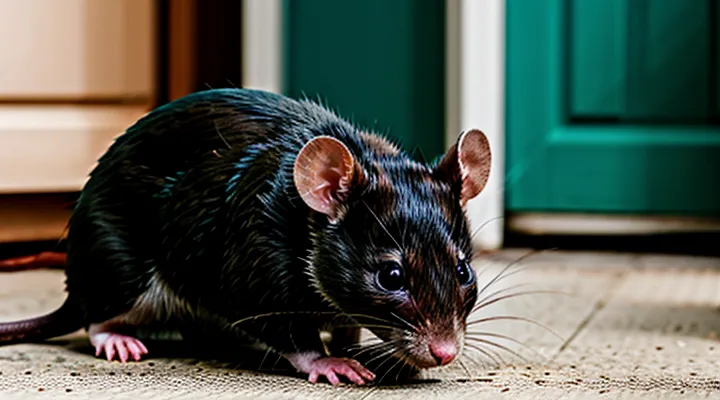
Understanding the Dangers of Traditional Rodenticides
How Conventional Rat Poisons Work
Anticoagulants
Anticoagulant rodenticides interfere with the blood‑clotting cascade by blocking the vitamin K cycle, leading to uncontrolled bleeding in affected rodents. The most common compounds belong to the second‑generation group, such as brodifacoum, difenacoum, and bromadiolone, which are highly potent and persist in the environment for weeks.
Non‑target animals, especially cats, dogs, and small mammals, can ingest anticoagulants indirectly through eating poisoned rats, handling bait, or contacting contaminated surfaces. Clinical signs in secondary victims include bruising, nosebleeds, blood‑tinged urine, and lethargy, typically appearing 24–72 hours after exposure. Prompt veterinary treatment with vitamin K1 therapy is essential to reverse coagulopathy.
Practical measures to limit accidental poisoning:
- Store bait in sealed, child‑proof containers placed out of reach of pets.
- Use tamper‑resistant bait stations that require a specific entry mechanism only rodents can navigate.
- Position stations away from feeding, sleeping, and play areas of other animals.
- Choose lower‑toxicity anticoagulants or alternative agents (e.g., zinc phosphide) when feasible.
- Monitor and promptly remove any uneaten bait to prevent scavenging.
Regular inspection of the premises, proper disposal of dead rodents, and clear labeling of all rodenticide products further reduce the likelihood of secondary exposure.
Non-Anticoagulants
Non‑anticoagulant rodenticides rely on mechanisms such as metabolic disruption, neurotoxicity, or cellular damage rather than blood clot inhibition. These compounds typically contain active ingredients like bromadiolone‑derived analogues, zinc phosphide, or cholecalciferol, each presenting a distinct toxicity profile.
When selecting a product that minimizes risk to companion animals, consider the following factors:
- Low palatability for non‑target species; formulations often include bittering agents or odor masks that deter dogs and cats.
- Rapid degradation in the environment; many non‑anticoagulants break down within days under normal indoor conditions, reducing prolonged exposure.
- Specificity of action; some agents require ingestion of a lethal dose that exceeds the amount a pet would encounter through accidental contact.
Effective deployment of non‑anticoagulant rat control involves precise placement, secure bait stations, and regular inspection. Bait stations should be mounted out of reach of pets, using lockable covers or elevated mounts. Replace bait according to manufacturer recommendations to avoid accumulation of expired product.
Alternative strategies complement chemical control and further protect other animals. Mechanical traps, exclusion techniques, and sanitation measures reduce rodent populations without introducing toxins. Integrating these methods with targeted non‑anticoagulant bait creates a comprehensive approach that safeguards both the intended pest and surrounding pets.
Risks to Non-Target Animals
Primary Poisoning: Direct Ingestion
Direct ingestion occurs when a pet consumes rat‑control bait or poisoned carcass without any intermediate exposure. This route delivers the toxic agent to the bloodstream within minutes, producing rapid clinical signs such as vomiting, tremors, seizures, or sudden collapse. The severity depends on the dose, the pet’s size, and the specific anticoagulant or neurotoxic compound used.
Preventive measures focus on eliminating access:
- Store all rodenticide containers in locked cabinets, out of reach of cats, dogs, and small mammals.
- Use tamper‑resistant bait stations that require a push‑through mechanism inaccessible to non‑target animals.
- Place stations along walls, behind appliances, or in concealed locations where pets cannot climb or jump.
- Select bait formulations with low palatability for dogs and cats, such as those lacking strong scents or flavors.
- Keep the area surrounding each station clear of debris, food, or water sources that might attract pets.
If a pet is suspected of having eaten rodenticide, act immediately:
- Contact a veterinary emergency line; provide product name, active ingredient, and amount ingested.
- Induce vomiting only under professional guidance; do not use home remedies.
- Transport the animal promptly for assessment and possible administration of vitamin K1, activated charcoal, or supportive therapy.
Long‑term safety requires routine inspection of bait stations for damage, replacement of expired products, and documentation of placement locations. Training household members to recognize signs of poisoning and to report any accidental exposure reinforces protection. By controlling direct ingestion through secure storage, restricted bait access, and rapid response protocols, owners can maintain effective rodent control while safeguarding other pets.
Secondary Poisoning: Eating Contaminated Rodents
Secondary poisoning occurs when a pet consumes a rodent that has ingested anticoagulant or neurotoxic rat bait. The toxin is transferred from the dead or dying rodent to the predator, producing clinical signs similar to direct exposure: lethargy, excessive bleeding, bruising, vomiting, seizures, or respiratory distress. Early detection relies on recognizing these symptoms and confirming recent access to poisoned prey.
Preventive measures:
- Store all rodent control products in locked containers inaccessible to pets.
- Place bait stations outdoors, out of reach of cats, dogs, and wildlife; use tamper‑resistant devices.
- Choose bait formulations with low secondary toxicity, such as single‑dose anticoagulants that degrade quickly after ingestion.
- Monitor rodent activity; remove dead rodents promptly to eliminate a source of secondary exposure.
- Train household members and visitors to keep pets away from areas where bait is applied.
If secondary poisoning is suspected, seek veterinary care immediately. Treatment may include vitamin K1 therapy for anticoagulant exposure or specific antidotes for neurotoxic agents, along with supportive care. Prompt intervention improves survival rates and reduces long‑term complications.
Signs of Poisoning in Pets
When rodent control measures are employed, the risk of accidental exposure to companion animals persists. Prompt recognition of toxic effects can prevent fatal outcomes.
Typical clinical manifestations in dogs and cats include:
- Sudden loss of appetite
- Excessive drooling or foaming at the mouth
- Repeated vomiting, often with blood
- Diarrhea, which may be watery or contain blood
- Noticeable lethargy or weakness
- Pale or bluish gums indicating poor circulation
- Rapid breathing or difficulty catching breath
- Elevated heart rate, sometimes irregular
- Muscle tremors, twitching, or full-body convulsions
- Uncontrolled bleeding from the nose, gums, or rectum
These signs may appear within minutes to several hours after ingestion, depending on the toxin’s potency and the amount consumed. Early veterinary intervention, ideally within the first few hours, markedly improves prognosis. Monitoring for any deviation from normal behavior, especially after suspected contact with rodenticides, is essential for protecting all household pets.
Emergency Protocols for Pet Poisoning
When a pet ingests rat bait, immediate action can prevent severe toxicity. Recognize the signs—vomiting, drooling, lethargy, tremors, or seizures—and treat them without delay.
First, isolate the animal from other household members and other pets. Keep the pet calm, and avoid giving food or water unless instructed by a professional, as some toxins require an empty stomach for effective treatment.
Contact a veterinary emergency clinic or the local poison control center right away. Provide details about the product name, concentration of active ingredient, estimated amount consumed, and the time of exposure. Follow the expert’s instructions precisely; they may advise induced vomiting, administration of activated charcoal, or immediate transport to a veterinary facility.
If professional help is unavailable within minutes, consider these emergency measures only under veterinary guidance:
- Induced vomiting: Use a safe, recommended emetic (e.g., hydrogen peroxide 3%) at a dosage of 1 ml per 10 lb of body weight, administered orally. Do not attempt if the pet shows signs of seizures or loss of consciousness.
- Activated charcoal: Offer 1 g of charcoal per kilogram of body weight, mixed with water to form a slurry. This binds the toxin and reduces absorption.
- Supportive care: Keep the pet warm, monitor breathing and heart rate, and be prepared to perform CPR if cardiac arrest occurs.
After stabilization, arrange a veterinary examination for laboratory testing, antidote administration, and ongoing monitoring. Document the incident, including product packaging and storage conditions, to prevent future exposures.
Safer Alternatives and Prevention Strategies
Integrated Pest Management (IPM) for Rodent Control
Sanitation and Exclusion
Sanitation and exclusion form the foundation of a safety plan that protects companion animals when employing rodent control products. Clean environments remove attractants, while physical barriers prevent unintended access to toxic bait.
- Store bait in sealed, child‑proof containers away from feeding areas.
- Place bait stations on elevated platforms or within tamper‑resistant housings.
- Eliminate food residues, spilled grain, and standing water that draw rodents and other pets.
- Seal gaps under doors, around pipes, and in walls to block rodent entry points.
- Use low‑profile, lockable bait boxes positioned out of sight of cats, dogs, and small mammals.
Routine inspection reinforces these measures. Check bait stations weekly for tampering, replenish only as needed, and record placement locations. Clean any spillage immediately with disposable gloves and a dedicated cleaning solution. Document observations of rodent activity to adjust exclusion tactics and reduce bait quantity over time.
Trapping Methods
When rodent control must avoid endangering cats, dogs, or other household animals, mechanical capture offers a reliable alternative to toxic baits. Properly selected traps, strategic placement, and diligent monitoring reduce accidental exposure while maintaining effective population management.
-
Snap traps: Constructed from steel, they deliver an instantaneous kill. Use trigger plates calibrated for the target species; position traps along walls, behind appliances, and near known runways. Inspect each trap within 30 minutes of activation to remove the carcass and prevent scavenging by pets.
-
Live‑catch cages: Multi‑entry designs allow rodents to enter but not escape. Bait with grain or peanut butter, then relocate captured individuals at least 2 kilometers from the residence. Secure the cage with a latch that cannot be opened by curious pets.
-
Electronic traps: Deliver a high‑voltage shock that kills instantly. Power sources are sealed, eliminating loose wires that pets might chew. Place units on solid surfaces, away from pet pathways, and empty the collection drawer after each use.
-
Glue boards: Adhesive surfaces immobilize rodents without poison. Enclose boards in rigid containers with ventilation holes sized to exclude pets. Check daily; dispose of trapped rodents according to local regulations.
-
Multiple‑trap arrays: Deploy several trap types in a grid to cover larger infestations. Rotate locations weekly to prevent habituation. Record capture data to assess effectiveness and adjust density as needed.
Consistent trap maintenance—cleaning, resetting, and proper disposal of captured rodents—prevents secondary poisoning and deters pets from investigating. Integrating these mechanical methods with sanitation measures, such as sealing entry points and eliminating food sources, creates a comprehensive, pet‑safe rodent management program.
Pet-Safe Rodent Control Products
Bait Stations and Their Limitations
Bait stations concentrate rodent poison in a sealed container, allowing rats to feed while preventing direct contact with cats, dogs, and wildlife. The design typically features a tamper‑resistant lid and a lockable mechanism that limits access to the bait material.
Limitations of bait stations include:
- Size restrictions – small stations may be insufficient for high‑traffic infestations, requiring multiple units that increase cost and maintenance.
- Placement challenges – optimal locations often lie in concealed or hard‑to‑reach areas; improper placement can expose non‑target animals to accidental entry.
- Weather exposure – extreme temperatures or moisture can degrade bait potency, reducing efficacy and potentially encouraging rodents to seek alternative food sources.
- Learning behavior – rats may develop aversion to the station after a few exposures, diminishing consumption rates.
- Regulatory compliance – certain jurisdictions mandate specific labeling, lock types, or periodic inspections, adding administrative burden.
Effective use of bait stations demands regular inspection, correct positioning away from pet pathways, and integration with complementary control methods such as trapping and sanitation.
Natural and Non-Toxic Deterrents
Using rodent control that does not endanger companion animals requires alternatives to conventional poisons. Natural, non‑toxic deterrents create an environment that discourages rats without introducing harmful chemicals.
- Peppermint oil applied to cotton balls or sprayed around entry points repels rodents through strong scent.
- Citrus peels, especially orange and lemon, placed near suspected pathways deter rats because of acidic aroma.
- Cayenne pepper or crushed red pepper sprinkled in crawl spaces irritates rodents’ sensory receptors, reducing activity.
- Ultrasonic emitters generate frequencies uncomfortable for rats while remaining inaudible to most pets.
- Steel wool packed into holes blocks access and creates an abrasive barrier that rats cannot chew through.
Effective deployment follows simple steps. Identify all possible ingress locations, then apply the chosen deterrent directly to those sites. Reapply volatile substances, such as essential oils or citrus, every two weeks to maintain potency. For physical barriers, inspect and replace steel wool when corrosion appears. Keep ultrasonic devices powered continuously; position them away from walls to avoid dead zones.
Combining multiple methods increases reliability. A scent‑based repellent near a steel‑wool‑blocked opening, supplemented by an ultrasonic unit in the same room, creates both olfactory and auditory deterrence. This layered approach reduces the likelihood that rats will bypass a single defense.
Natural, non‑toxic options protect other pets while delivering effective rodent control. Proper selection and regular maintenance ensure a safe environment for all animals in the household.
Best Practices for Rodenticide Use (If Absolutely Necessary)
Strategic Placement
Strategic placement of rodent control agents determines whether they affect only the intended pests or pose a risk to companion animals. Positioning bait where only rats can access it reduces the probability of dogs, cats, or small mammals encountering the toxic material.
- Install bait stations at the interior edge of walls, behind appliances, or within concealed tunnels that rodents use for travel.
- Mount stations at a height of 12–18 inches above floor level, preventing low‑lying pets from reaching them.
- Use tamper‑resistant containers that lock securely, allowing entry only for rodents small enough to fit through the designed entry slot.
- Locate stations away from food preparation areas, pet feeding zones, and open corridors where animals roam freely.
Regular inspection of bait stations confirms that no non‑target animal has accessed the product. Replace damaged or compromised units immediately. Maintain a log of placement locations, dates of inspection, and any observed signs of unintended exposure. Adjust positioning if pets show interest or if environmental changes alter access routes. This systematic approach ensures effective rodent management while safeguarding other household animals.
Monitoring and Removal of Carcasses
Effective rodent control requires diligent oversight of dead rodents to prevent accidental exposure of other animals. When poison is used, every carcass represents a potential source of secondary toxicity for pets that may scavenge or ingest contaminated tissue.
Regular inspection of areas where bait is placed helps identify deceased rodents promptly. Inspection frequency should match the activity level of the baited zone, typically daily in high‑traffic locations and every two to three days in less active spots.
- Locate carcasses by visual sweep and by monitoring pet behavior for signs of interest.
- Use disposable gloves and seal each carcass in a plastic bag to contain toxins.
- Dispose of sealed bags according to local hazardous‑waste regulations or incinerate when permitted.
- Record the date, location, and number of removals to track trends and adjust bait placement.
Documented removal reduces the likelihood that a cat, dog, or wildlife will encounter poisoned material, thereby maintaining a safe environment for all non‑target animals.
Protecting Your Pets: Proactive Measures
Securing Your Home Against Rodents
Sealing Entry Points
Sealing potential access routes is a critical measure for preventing accidental ingestion of rodent bait by non‑target animals. By eliminating gaps and openings, you reduce the likelihood that cats, dogs, or small mammals encounter poisonous pellets or blocks left in concealed areas.
Typical entry points include gaps beneath doors, vent openings, utility line penetrations, cracks in foundation walls, and openings around pipes or ducts. Even small holes—no larger than a quarter inch—can admit curious pets.
Steps to secure entry points
- Inspect the perimeter of the building, focusing on the foundation, basement, crawl spaces, and attic.
- Measure each opening; record dimensions for material selection.
- Choose appropriate sealants: silicone caulk for small cracks, expanding foam for larger voids, metal flashing for high‑traffic gaps.
- Apply sealant according to manufacturer instructions, ensuring a complete bond with surrounding surfaces.
- Install hardware cloth or steel mesh over ventilation grilles and utility penetrations before sealing to maintain airflow while blocking entry.
- Verify that doors and windows close tightly; install weather stripping or door sweeps where needed.
After initial sealing, conduct periodic inspections—especially after seasonal weather changes—to detect new gaps caused by settling or damage. Prompt repair of any identified openings maintains a barrier that protects other pets from exposure to rodent control products.
Eliminating Food Sources
Eliminating food sources that attract rodents is a direct method for reducing the risk that pet‑safe bait will be ingested by other animals. When potential meals are removed, rats are forced to seek food elsewhere, decreasing contact with placed poison.
- Store all pet food in sealed containers; discard any leftovers promptly.
- Keep countertops, floors, and cabinets free of crumbs and spilled pet treats.
- Use trash cans with tight‑fitting lids and empty them regularly.
- Seal gaps under doors, around vents, and in cabinets to block rodent entry.
- Place bait in tamper‑resistant stations located away from feeding areas.
Regular inspection of storage areas and immediate cleanup of spills maintain an environment where rodents lack easy nutrition, thereby protecting non‑target pets while allowing effective rodent control.
Training Your Pets to Avoid Rodents
Leash Training and Supervision
Leash training and vigilant supervision are essential components of a strategy that keeps all household animals safe from accidental ingestion of rodent control products. Properly trained dogs and cats are less likely to wander into areas where bait is placed, reducing the risk of poisoning.
Consistent leash use creates a physical barrier between pets and potential hazards. When a pet is on a leash, the owner can control its movements and intervene before it approaches a concealed bait station. Supervision reinforces this control, especially in outdoor environments where bait may be scattered.
Key practices for effective leash training and supervision:
- Begin training with a comfortable, properly fitted collar or harness. Adjust for snugness without restricting breathing.
- Teach a reliable “come” command. Practice at short distances, then gradually increase range.
- Reinforce “leave it” or “stop” cues. Use high‑value treats to reward immediate compliance.
- Conduct daily walks in the same areas where bait is stored or used. Observe the pet’s reaction to any unfamiliar scents or objects.
- Keep the leash short when walking near known bait locations. A short leash limits the pet’s reach and provides quick corrective ability.
- After each walk, inspect the leash and harness for signs of damage that could allow escape.
- When indoor supervision is required, keep doors to rooms with bait sealed. Use baby gates or barriers if the pet is not leashed.
- Rotate leash lengths for training sessions: short leash for close‑quarter control, longer leash for recall practice.
Regularly review the pet’s behavior. If the animal shows curiosity toward bait containers, increase supervision and reinforce training commands. Maintaining a disciplined leash routine and constant visual oversight minimizes the chance that a non‑target animal encounters toxic rodent control substances.
«Leave It» Command
The “Leave It” command serves as a critical safeguard when rodent control measures are in place around the home. By teaching a dog or cat to abandon an object on sight, owners reduce the risk that a pet will ingest toxic bait.
Training the command requires consistent, short sessions. Begin with a high‑value treat held in the hand. Present the treat, then close the hand while saying “Leave It.” When the animal stops trying to obtain the treat, reward with a different treat from the other hand. Repeat until the animal immediately backs away from the closed fist.
Once the animal responds reliably to a closed hand, transfer the cue to actual bait. Place a small piece of non‑lethal item on the floor, say “Leave It,” and reward compliance. Gradually increase the size and realism of the object, eventually using a sealed container of rodent poison. The animal should retreat without attempting to access the container.
Key points for effective implementation:
- Use a distinct, sharp voice for the cue; avoid ambiguous tones.
- Keep training sessions under five minutes to maintain focus.
- Reinforce the behavior daily, especially before introducing new hazards.
- Store all poison in locked cabinets; the command provides a secondary layer of protection, not a substitute for secure storage.
By integrating the “Leave It” command into routine obedience training, owners create a reliable behavioral barrier that helps prevent accidental exposure to rodent control products. This approach complements physical safety measures and minimizes the likelihood of pet poisoning incidents.
Regular Veterinary Check-ups and Awareness
Regular veterinary examinations provide objective data on a pet’s health status, allowing early detection of toxic exposure. Blood work, urine analysis, and physical assessment reveal subclinical signs that owners might overlook, such as mild gastrointestinal irritation or altered liver enzymes caused by accidental ingestion of rodent control products.
Veterinarians also serve as educators, delivering specific guidance on safe bait placement and storage. Their recommendations reduce the likelihood that cats, dogs, or small mammals encounter poison. Awareness initiatives reinforced during appointments include:
- Identifying high‑risk areas (garage, basement, pantry) and securing bait behind child‑proof locks or in tamper‑resistant containers.
- Selecting bait types with reduced secondary toxicity, such as anticoagulant formulations that require larger doses to affect non‑target species.
- Monitoring pets for changes in appetite, behavior, or weight that may indicate low‑level exposure.
- Maintaining an up‑to‑date inventory of all household toxins and sharing this list with the veterinary team.
Consistent check‑ups create a feedback loop: owners report observed incidents, veterinarians adjust preventive strategies, and both parties stay informed about emerging rodent control products. This cycle minimizes accidental poisoning while preserving effective pest management.