
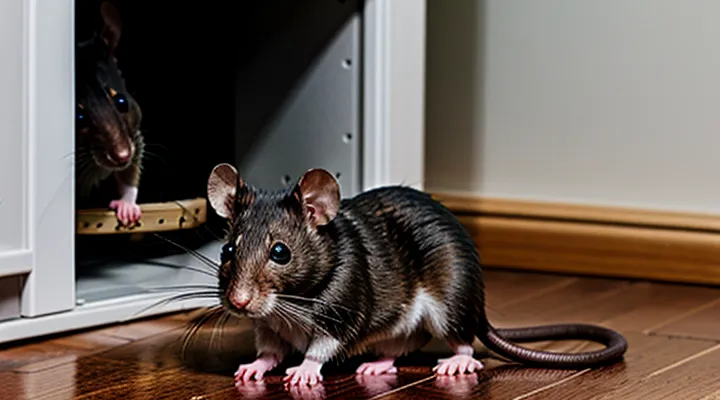
Understanding the Rodent Problem
The Dangers of Rodent Infestations
Health Risks to Humans
Rodent control agents labeled as pet‑friendly still present measurable hazards to people who handle, store, or live near treated areas. The reduced toxicity to cats and dogs does not eliminate acute or chronic effects for humans.
Exposure occurs through several pathways:
- Ingestion of bait or contaminated food items.
- Dermal contact with the poison or residues on surfaces.
- Inhalation of dust or aerosolized particles during application.
- Secondary poisoning after handling dead rodents that have consumed the bait.
Health outcomes vary with the active ingredient and dose. Common manifestations include:
- Gastrointestinal irritation, nausea, vomiting, and diarrhea.
- Neurological symptoms such as dizziness, tremors, or seizures when anticoagulant or neurotoxic agents are involved.
- Hematologic disturbances, especially prolonged clotting times, linked to anticoagulant compounds.
- Renal or hepatic stress in cases of prolonged low‑level exposure.
Preventive actions reduce risk:
- Store bait in locked containers, away from food preparation zones.
- Use gloves and protective clothing during placement and removal.
- Dispose of dead rodents in sealed bags, following local hazardous waste guidelines.
- Keep children and non‑target adults out of treated rooms until residues have dried or been cleaned according to product instructions.
Damage to Property
Rodents infiltrate homes in search of food, shelter, and nesting material, leaving behind extensive structural and financial damage. Chewed electrical wiring creates fire hazards, while gnawed insulation reduces energy efficiency and increases heating costs. Burrows within walls weaken framing members, leading to costly repairs and potential collapse in severe cases. Contaminated pantry items and droppings introduce health risks that can render stored goods unusable, further adding to losses.
Pet‑safe rodent control solutions mitigate these threats without endangering cats, dogs, or other household animals. Products formulated with low‑toxicity active ingredients, bittering agents, or enclosed bait stations prevent accidental ingestion while maintaining lethal efficacy for mice and rats. Selecting formulations that are approved for use around pets ensures compliance with veterinary guidelines and reduces liability for accidental poisoning.
Implementing a comprehensive prevention strategy limits property damage and safeguards companion animals. Key actions include:
- Sealing entry points larger than ¼ inch with steel wool, caulk, or metal flashing.
- Removing food sources by storing grains, pet food, and waste in airtight containers.
- Installing pet‑proof bait stations in concealed locations inaccessible to non‑target species.
- Conducting regular inspections of attics, basements, and crawl spaces for signs of activity.
- Maintaining a clean environment to deter nesting material accumulation.
By integrating these measures with responsibly chosen rodent poisons, homeowners protect structural integrity, preserve stored goods, and ensure the safety of their pets.
The Dangers of Conventional Rodenticides
Accidental Ingestion by Pets
Accidental ingestion of rodent bait by cats, dogs, or other household animals can occur when bait is left within reach, when pets are attracted to the scent, or when a pet discovers bait during play. Even products marketed as pet‑friendly may cause severe toxicity if consumed in sufficient quantity.
Symptoms typically appear within minutes to several hours and may include drooling, vomiting, diarrhea, lethargy, tremors, seizures, or abnormal heart rhythm. Rapid identification of these signs is essential for successful intervention.
Preventive actions:
- Store all bait in sealed containers out of pet access.
- Place bait stations behind doors, under appliances, or in wall voids where pets cannot crawl.
- Use tamper‑resistant bait blocks that require a specific mechanism to open.
- Keep pets supervised during active bait placement and removal.
- Label storage areas clearly with warnings.
If ingestion is suspected:
- Contact a veterinary professional or emergency poison control line immediately.
- Provide product name, active ingredient, and estimated amount ingested.
- Do not induce vomiting unless instructed by a professional.
- Bring the pet’s medical records and the bait container to the veterinary clinic.
- Follow all recommended treatment protocols, which may include activated charcoal, intravenous fluids, and specific antidotes.
Regular inspection of bait stations and prompt removal of spent or damaged bait reduce the likelihood of accidental exposure. Continuous monitoring of pet behavior after bait deployment further safeguards animal health.
Secondary Poisoning Risks
Rodent control products that rely on anticoagulant or neurotoxic agents can remain toxic after a target animal dies, creating a pathway for accidental exposure in cats, dogs, and other companion animals. Secondary poisoning occurs when a pet ingests a poisoned rodent, consumes contaminated bait, or contacts residues left on surfaces.
The risk level depends on several factors:
- Type of active ingredient (first‑generation anticoagulants retain toxicity longer than second‑generation compounds).
- Amount of bait consumed by the rodent and the subsequent amount stored in its body.
- Frequency of pet interaction with areas where bait is placed or where dead rodents are likely to be found.
- Species‑specific susceptibility; cats are especially vulnerable to anticoagulant exposure.
Mitigation measures:
- Position bait stations out of reach of pets, using tamper‑proof containers that open only for target rodents.
- Select poisons with rapid metabolism in mammals and low secondary toxicity, such as products formulated with reduced‑dose anticoagulants.
- Remove carcasses promptly; dispose of them in sealed containers to prevent pet access.
- Keep pets away from baited zones until the area is cleared, and supervise outdoor activity in the vicinity of control sites.
- Monitor pets for signs of hemorrhage, lethargy, or neurological impairment, and seek veterinary care immediately if symptoms appear.
Adhering to these practices minimizes the chance that a household pet will suffer unintended consequences from rodent control efforts.
Environmental Impact
The use of rodent control agents marketed as low‑risk for cats and dogs introduces chemicals that persist in soil and water. Active ingredients such as anticoagulants, zinc phosphide, or cholecalciferol degrade at varying rates; some remain detectable months after application, potentially affecting microbial communities and invertebrate populations.
- Anticoagulant baits decompose slowly, leading to accumulation in detritus and runoff that can alter nutrient cycles.
- Zinc phosphide releases phosphine gas upon ingestion, which may volatilize and contribute to atmospheric pollutants.
- Vitamin D3‑based poisons break down more rapidly but can still affect scavenger species if uneaten bait is left exposed.
Non‑target wildlife, including birds of prey and beneficial insects, may encounter secondary poisoning through contaminated prey or residues. Studies show measurable residues in beetle larvae and earthworms within treated zones, indicating a pathway for trophic transfer.
Regulatory frameworks require manufacturers to provide data on environmental persistence, leaching potential, and ecotoxicology. Compliance with these standards reduces the likelihood of long‑term ecosystem disruption, but enforcement varies across jurisdictions.
Integrated pest management (IPM) strategies lower reliance on chemical baits. Measures such as sealing entry points, employing traps, and maintaining sanitation diminish rodent populations while minimizing ecological footprints. When chemical control is unavoidable, selecting products with rapid degradation profiles and applying them in confined, monitored locations limits environmental exposure.
Proper disposal of unused bait and contaminated materials prevents accidental release into soil and waterways. Packaging should be sealed, and waste directed to hazardous‑material facilities rather than ordinary trash streams. Continuous monitoring of residue levels in surrounding habitats provides feedback for adjusting application practices and safeguarding ecosystem health.
Safe Rodent Control Strategies
Integrated Pest Management (IPM) for Rodents
Sanitation and Exclusion Techniques
Effective rodent management that safeguards companion animals relies heavily on rigorous sanitation and thorough exclusion. Eliminating attractants and preventing entry reduce the need for toxic baits, thereby lowering the risk of accidental pet exposure.
Sanitation measures focus on denying mice and rats access to food, water, and shelter. Key actions include:
- Storing all food in sealed, rodent‑proof containers.
- Promptly cleaning crumbs, spills, and pet food remnants from floors, countertops, and pet dishes.
- Disposing of garbage in containers equipped with tight‑fitting lids and removing waste regularly.
- Repairing leaky pipes and eliminating standing water sources.
- Maintaining a tidy yard by trimming vegetation, removing debris, and storing firewood away from the house.
Exclusion techniques create a physical barrier that blocks rodents from entering the interior. Critical steps are:
- Inspecting the building envelope for gaps larger than ¼ inch and sealing them with steel wool, caulk, or cement.
- Installing door sweeps and weather stripping on all exterior doors.
- Fitting mesh screens over vents, utility openings, and chimney flues.
- Repairing cracked foundation walls and reinforcing damaged siding.
- Using metal flashing around windows, soffits, and eaves to prevent hidden entry points.
When sanitation and exclusion are fully implemented, any remaining rodent activity can be addressed with low‑toxicity bait stations placed in locations inaccessible to pets, such as behind appliances or inside secured traps. This layered approach minimizes reliance on poison, protects household animals, and promotes long‑term rodent control.
Trapping Methods
Effective rodent control that minimizes risk to cats, dogs, and other pets relies on careful selection and placement of traps. Mechanical devices, such as snap traps, capture rodents instantly and leave no toxic residue. When using these devices, position them along walls, behind appliances, and in concealed corners where pets cannot reach them. Secure the trigger mechanism with a protective cover if the trap is located near pet activity zones.
Live‑capture cages provide an alternative that avoids poison entirely. Check cages at least twice daily to prevent stress or injury to captured animals. Release rodents at a distance of at least five miles from the residence, following local wildlife regulations, to reduce the likelihood of re‑entry.
When baited traps are necessary, choose low‑toxicity, pet‑safe baits formulated with bittering agents that deter consumption by non‑target species. Place bait inside a sealed compartment that requires a rodent’s specific size and strength to access, thereby limiting exposure to larger animals.
Key considerations for all trapping methods:
- Use tamper‑resistant housings to prevent accidental pet contact.
- Locate traps away from pet feeding and sleeping areas.
- Inspect and reset traps regularly to maintain effectiveness.
- Record trap locations and capture dates to identify activity patterns and adjust placement accordingly.
Integrating these practices with a targeted, low‑risk poison strategy ensures rodent populations are managed while safeguarding household companions.
Live Traps
Live traps provide a non‑toxic solution for controlling mice and rats while keeping household animals safe. The device captures rodents in a cage or compartment, preventing contact with poisonous baits and eliminating the risk of accidental ingestion by pets.
The trap operates by luring a rodent with bait placed on a trigger plate. When the animal steps on the plate, a door closes, sealing the creature inside. No chemicals are released, and the captured rodent remains alive until it is removed.
Key benefits include:
- No exposure to anticoagulants or other hazardous substances for dogs, cats, or other pets.
- Ability to monitor capture rates, allowing precise assessment of infestation severity.
- Reusability after proper cleaning, reducing long‑term expenses.
- Compliance with humane‑treatment standards, avoiding unnecessary suffering.
When choosing a live trap, consider the following factors:
- Size of the capture chamber relative to target species; mice require smaller cages, rats need larger compartments.
- Trigger sensitivity; a low‑force mechanism captures timid mice, while a stronger trigger suits larger rats.
- Construction material; sturdy metal or heavy‑duty plastic resists gnawing and weather exposure.
- Ease of cleaning; smooth interiors and removable doors simplify sanitation.
Placement strategies improve effectiveness and protect pets:
- Position traps along walls, behind appliances, or near known gnaw marks, as rodents travel close to surfaces.
- Avoid locations accessible to cats and dogs; use elevated platforms or sealed containers to shield the trigger area.
- Set traps in quiet, low‑traffic zones to reduce false activations caused by pet movement.
Check traps at least twice daily. Use disposable gloves when handling captured rodents, and release them at a minimum distance of one mile from the residence, preferably in a wooded or field environment. If immediate disposal is required, follow local wildlife regulations for humane euthanasia.
Integrate live traps with complementary measures: seal entry points, eliminate food sources, and maintain a clutter‑free environment. Regular inspection of structural gaps, proper waste storage, and routine cleaning diminish attractants, reducing reliance on trapping alone.
Maintain traps by disinfecting after each capture, inspecting hinges and doors for wear, and resetting bait as needed. Consistent upkeep ensures reliable operation and prolongs the lifespan of the equipment.
Snap Traps
Snap traps provide a mechanical solution for rodent control that eliminates the need for toxic baits, thereby reducing the risk of accidental exposure to cats, dogs, and other household animals. The device consists of a spring‑loaded bar that delivers a rapid, lethal strike when the trigger is activated by a rodent’s movement. This instant action prevents prolonged suffering and eliminates the possibility of a poisoned animal returning to the home environment.
Key safety features include enclosed trigger plates, child‑proof latch mechanisms, and bait chambers that are inaccessible to non‑target species. Models with transparent covers allow visual monitoring of captures without opening the trap, further minimizing handling. Some manufacturers incorporate a release lever that disables the spring until the trap is positioned, reducing accidental discharge during setup.
Effective deployment follows a systematic approach:
- Identify high‑traffic pathways such as wall margins, behind appliances, and near food storage areas.
- Place traps perpendicular to the wall, with the trigger side facing the expected travel route of the rodent.
- Use a small amount of attractive bait (e.g., peanut butter or dried fruit) confined to the bait cup to limit spillage.
- Check traps at least twice daily; remove captured rodents promptly and reset the device.
- Store unused traps out of reach of children and pets, preferably in a locked cabinet.
When selecting a snap trap, prioritize models that meet regulatory standards for humane killing and feature insulated handles for safe disposal. Regular maintenance, including cleaning and spring lubrication, ensures consistent performance and prolongs the lifespan of the equipment.
In environments where pets roam freely, combining snap traps with exclusion techniques—sealing entry points, maintaining a tidy kitchen, and securing food containers—creates a comprehensive barrier against rodent infestation while preserving the safety of companion animals.
Pet-Safe Rodenticides: Fact or Fiction?
Exploring Non-Toxic Options
Rodent control in homes where cats, dogs, or other pets reside demands products that eliminate mice and rats without posing toxicity risks to companion animals. Non‑lethal or low‑risk formulations achieve this balance by relying on mechanical, biological, or plant‑derived mechanisms rather than traditional anticoagulant baits.
- Snap traps with insulated arms prevent accidental pet injury while delivering rapid kill to rodents.
- Electronic traps emit a high‑voltage pulse that incapacitates rodents instantly; interior designs block pet access.
- Live‑catch cages allow humane removal; released rodents can be relocated far from the residence.
- Granular repellents containing peppermint oil, citrus extracts, or dried rosemary create an environment rodents avoid, leaving pets unharmed.
- Boric acid dust applied in concealed voids targets rodents through ingestion of contaminated debris; the low solubility and minimal systemic absorption reduce pet exposure.
Effective implementation requires placement of devices out of reach, regular inspection, and replacement of worn components. Sealing entry points, maintaining cleanliness, and removing food sources complement non‑toxic methods, ensuring long‑term rodent suppression while safeguarding household pets.
Baits with Cholecalciferol (Vitamin D3)
Cholecalciferol‑based rodent baits deliver vitamin D₃ in a dose that disrupts calcium metabolism, leading to fatal hypercalcemia in mice and rats after a single ingest. The active ingredient is highly potent for target species yet exhibits a wide margin of safety for cats, dogs, and other household companions when exposure remains below established toxic thresholds.
Safety for non‑target animals relies on several factors. First, the lethal dose for rodents is approximately 0.1 mg kg⁻¹, whereas the estimated toxic dose for dogs and cats exceeds 10 mg kg⁻¹. Second, cholecalciferol does not produce immediate neurological symptoms, reducing the likelihood of accidental ingestion by curious pets that might be attracted to rapid‑acting neurotoxins. Third, the bait matrix can be formulated with low‑palatability additives for carnivores, further discouraging accidental consumption.
Effective deployment follows strict placement and monitoring procedures:
- Position bait stations at least 2 m from pet sleeping or feeding areas.
- Secure stations with lockable covers that open only under the weight of a rodent.
- Inspect stations daily; replace only when bait is depleted or contaminated.
- Record dates of placement, inspection, and removal to maintain accountability.
Proper storage eliminates secondary risk. Keep unopened containers in a locked cabinet, away from pet food and treats. Dispose of used bait and empty containers according to local hazardous‑waste regulations; do not discard in regular trash where pets might access remnants.
When used according to these guidelines, cholecalciferol baits provide a reliable, low‑risk solution for controlling mouse and rat populations while preserving the health of domestic animals.
Mechanical Solutions with Pet Safety Features
Effective rodent management in homes where cats, dogs, or other pets reside requires devices that neutralize mice and rats without exposing non‑target animals to hazardous substances. Mechanical traps meet this demand when they incorporate safety mechanisms that prevent accidental activation by pets and limit access to bait.
Key safety features include:
- sealed capture chambers that lock automatically after entry, eliminating the risk of a pet pulling a live animal out;
- trigger levers calibrated to the weight range of rodents, ignoring the heavier mass of typical household pets;
- bait compartments with one‑way entry slots, allowing only small‑mouth rodents to reach the attractant;
- durable construction that resists chewing or tampering, ensuring the device remains functional and secure over time.
Common mechanical solutions suitable for pet‑friendly environments are:
- Snap traps with insulated covers – spring‑loaded jaws enclosed in a plastic housing; the cover opens only when a rodent applies sufficient pressure.
- Live‑capture cage traps with double‑door locks – interior doors close behind the rodent, while an external latch remains inaccessible to pets.
- Electronic traps with motion sensors – deliver a rapid, humane shock to rodents; the exterior housing blocks any interaction from larger animals.
- Multi‑catch rotary traps – feature rotating arms that capture several rodents sequentially; the outer shell prevents pets from reaching the interior.
Proper deployment enhances safety. Place devices along walls, behind appliances, or in concealed corners where pets cannot reach them. Mount traps at a height or angle that aligns with rodent pathways but exceeds the typical reach of cats and dogs. Regularly inspect and empty capture chambers to maintain effectiveness and prevent odor buildup that might attract curious pets.
By selecting mechanically engineered devices with built‑in pet protection, homeowners can control rodent populations while preserving the health and wellbeing of their companion animals.
Understanding the Risks of ««Safe»» Poisons
Rodent control agents marketed as “safe” often rely on reduced acute toxicity to humans, yet they retain mechanisms that can harm companion animals. These products typically contain anticoagulants, neurotoxins, or metabolic disruptors that interfere with blood clotting, nerve transmission, or cellular respiration. While dosage thresholds are set higher for larger mammals, pets may encounter lethal concentrations through direct ingestion, grooming, or secondary exposure after consuming a poisoned rodent.
Secondary poisoning occurs when a cat or dog eats a rodent that has accumulated the toxin in its tissues. Anticoagulant baits, for example, can persist in the rodent’s liver for weeks, delivering a delayed but potent dose to the predator. Neurotoxic formulations may cause rapid onset of seizures or respiratory failure in pets that ingest even a fraction of the bait. Environmental factors such as rain or heat can degrade bait integrity, prompting animals to chew or swallow fragments that would otherwise remain unpalatable.
Key risk factors include:
- Placement near pet activity zones – bait stations left under furniture, in cabinets, or on low shelves are easily accessed by curious cats and dogs.
- Unsecured packaging – loose pellets or gels can be scattered by wind or cleaning, creating accidental exposure points.
- Misidentification of “low‑risk” labels – marketing terms do not guarantee safety for all species; many products lack specific pet‑toxicity data.
- Delayed onset of symptoms – anticoagulant poisoning may not manifest for several days, complicating timely veterinary intervention.
Mitigation requires strict adherence to manufacturer instructions, physical barriers that prevent pet access, regular inspection of bait stations, and immediate veterinary consultation if exposure is suspected. Alternatives such as mechanical traps, exclusion techniques, or non‑chemical deterrents eliminate the toxic risk while maintaining effective rodent management.
Misuse and Mislabeling
Rodenticides marketed as pet‑friendly often suffer from improper application and inaccurate labeling. When users apply the product in areas accessible to cats, dogs, or other companion animals, toxic exposure can occur despite manufacturer claims of safety. Misuse includes mixing the bait with food intended for pets, placing traps near pet feeding stations, and using concentrations higher than recommended. Each of these actions defeats the intended protective measures and places household animals at risk.
Common labeling problems exacerbate the danger:
- Ambiguous warnings that fail to specify which species are protected.
- Small print that omits dosage limits for non‑target animals.
- Inconsistent terminology between product name and active ingredient, leading to confusion with more hazardous formulations.
- Failure to highlight the need for separate storage from pet supplies.
Consequences of mislabeling are evident in veterinary reports of accidental ingestion, often resulting in neurological symptoms, gastrointestinal distress, or fatal outcomes. Accurate labeling should present clear, prominent statements about species‑specific safety, dosage guidelines, and storage instructions. Manufacturers must adopt standardized label formats to eliminate ambiguity and facilitate rapid identification by pet owners.
Preventive measures rely on strict adherence to label directions, proper placement of bait stations, and segregation of rodent control products from pet environments. Education of consumers about the distinction between “pet‑safe” claims and actual safe practices reduces the likelihood of accidental poisoning.
Inadvertent Exposure Pathways
Rodent control toxins designed for mice and rats can reach household pets through several unintended routes. Understanding these pathways enables owners to implement preventive measures without compromising the effectiveness of the bait.
- Direct consumption of bait left within reach of cats, dogs, or small mammals.
- Secondary ingestion after a pet eats a poisoned rodent that has not yet died.
- Contact with contaminated surfaces, such as countertops or floors where bait has been scattered, followed by grooming.
- Accidental exposure to spray residues applied to baseboards, cracks, or entry points.
- Contamination of pet food or water dishes when bait fragments fall into bowls or are carried by rodents.
Each route introduces the toxic agent into the pet’s system, potentially causing clinical signs ranging from mild gastrointestinal upset to severe neurotoxicity. Mitigation requires secure bait placement, use of tamper‑resistant stations, regular inspection of feeding areas, and immediate removal of any debris that could be mistaken for food.
Protecting Your Pets
Immediate Actions if Pet Ingests Rodenticide
Recognizing Symptoms of Poisoning
Recognizing the early signs of rodent‑bait poisoning in pets enables swift intervention and reduces the risk of fatal outcomes. Veterinarians and pet owners should monitor for subtle changes as well as overt reactions after exposure to rodent control products marketed as safe for household animals.
Typical manifestations include:
- Lethargy or sudden collapse
- Excessive drooling, foaming at the mouth, or difficulty swallowing
- Vomiting, often accompanied by blood or a foul odor
- Diarrhea, sometimes containing blood
- Tremors, seizures, or uncontrolled muscle movements
- Abdominal pain indicated by restlessness, whining, or a hunched posture
- Rapid or irregular heartbeat, detectable by pulse assessment or auscultation
- Pale gums or mucous membranes, indicating circulatory shock
If any of these symptoms appear, initiate emergency veterinary care without delay. Immediate treatment may involve activated charcoal, antidotes specific to the toxin, and supportive measures such as intravenous fluids and respiratory assistance. Prompt identification and response are critical to preserving the health of cats, dogs, and other household companions exposed to rodent control agents.
Emergency Veterinary Care
When a pet ingests rodent control products, rapid veterinary intervention determines survival chances. Symptoms develop within minutes to hours and may include drooling, vomiting, tremors, seizures, irregular heartbeat, or sudden collapse. Immediate actions save lives:
- Call an emergency animal clinic before leaving the home.
- Provide the exact product name, active ingredient, and amount consumed.
- If instructed, induce vomiting only with professional guidance; do not use home remedies.
- Transport the animal quickly, keeping it calm and warm.
Veterinary facilities equipped for toxic emergencies have protocols for decontamination, antidote administration, and supportive care. Intravenous fluids restore circulation, while specific antidotes—such as vitamin K1 for anticoagulant rodenticides—counteract toxin effects. Seizure control, oxygen therapy, and cardiac monitoring address secondary complications.
After stabilization, veterinarians advise owners on long‑term monitoring for delayed organ damage, especially liver and kidney function. Follow‑up blood tests confirm recovery and guide any necessary dietary or medication adjustments.
Preventing accidental exposure remains essential. Store rodent baits in tamper‑proof containers, place them in locations inaccessible to pets, and consider pet‑safe alternatives such as sealed bait stations or non‑chemical traps. Regular inspection of bait stations ensures that no residues remain where animals can reach them.
In emergencies, decisive communication with veterinary professionals, prompt transport, and adherence to clinical recommendations constitute the most effective response to accidental poisoning of household companions.
Preventing Accidental Exposure
Secure Placement of Baits and Traps
Effective rodent control with toxic baits requires precise placement to prevent accidental exposure of cats, dogs, and other household animals. Position baits and traps where rodents are active but pets cannot reach them. Avoid areas of high pet traffic, such as feeding stations, bedding zones, and open floor spaces.
Key factors for secure placement include:
- Install bait stations behind appliances, inside wall voids, or under furniture legs where rodents travel.
- Use tamper‑resistant containers that lock shut when pets touch the exterior.
- Elevate stations on platforms or shelves that exceed the reach of dogs and cats.
- Seal entry points around stations with metal mesh or silicone to block pet access.
- Monitor stations daily; replace only when evidence of consumption appears.
Select traps that minimize pet interaction. Snap traps with enclosed mechanisms, electronic devices with recessed plates, and live‑capture cages equipped with safety covers reduce the chance of a pet triggering the device. Position traps along established runways, near walls, and away from pet pathways.
Additional precautions:
- Keep all bait and trap supplies in locked cabinets.
- Label containers clearly with hazard warnings.
- Educate household members about the locations of active stations.
- Conduct regular inspections to confirm that no pet damage or tampering has occurred.
Regular Inspection and Removal of Carcasses
Using pet‑compatible rodent bait does not eliminate the need for systematic monitoring of the environment. Dead rodents left behind can become a source of secondary toxicity for cats and dogs, a vector for bacterial or parasitic infections, and an attractant that undermines control efforts.
Carcasses also compromise the safety of the bait itself. Decomposing tissue may release toxins that migrate into the surrounding area, increasing the likelihood of accidental exposure for non‑target animals. Prompt removal prevents these secondary hazards and maintains the integrity of the pest‑management program.
- Conduct visual checks in all rooms, crawl spaces, and storage areas at least once a week.
- Focus on locations where bait stations are placed, underneath appliances, and near entry points.
- Wear disposable gloves and use sealed bags for each carcass to avoid cross‑contamination.
- Dispose of the sealed bags according to local hazardous‑waste regulations or incinerate when permitted.
- Record the date, location, and number of removals in a log to track trends and adjust bait placement.
Regular inspection and timely disposal of rodent remains protect household pets, reduce disease risk, and sustain the effectiveness of pet‑safe poison strategies.
Alternative Pest Control for Pet Households
Natural Repellents
Natural repellents offer an effective, non‑chemical approach to deterring mice and rats while safeguarding cats, dogs, and other household companions. These substances exploit sensory aversions—olfactory, gustatory, or tactile—to create an environment that rodents find hostile, reducing the need for toxic baits that could be ingested by pets.
Commonly used natural deterrents include:
- Peppermint oil – strong menthol scent overwhelms rodent olfactory receptors; dilute with water and spray along baseboards and entry points.
- Cedar shavings – volatile aromatics emitted from cedar wood repel rodents; place in closets, pantries, and under appliances.
- Clove or clove oil – pungent aroma disrupts rodent foraging; apply cotton balls soaked in oil near suspected pathways.
- Ammonia solution – sharp chemical odor mimics predator urine; use sparingly in sealed containers to avoid irritation to pets.
- Ultrasonic devices – emit high‑frequency sound beyond human hearing; position in rooms where rodents are active, ensuring devices do not produce audible noise that may disturb pets.
When implementing natural repellents, observe the following safety measures:
- Test each solution on a small, inconspicuous surface to confirm no adverse reaction on household fabrics or finishes.
- Store essential oils and concentrated mixtures out of reach of pets, in sealed containers.
- Avoid direct application of undiluted oils to surfaces where pets may lick or chew.
- Combine repellents with structural exclusion—seal cracks, install door sweeps, and maintain a clean environment to eliminate food sources.
Natural repellents reduce reliance on lethal poisons, thereby minimizing accidental exposure to non‑target animals. Proper selection and disciplined application create a rodent‑free home without compromising the health of beloved pets.
Professional Pest Control Services with Pet-Safe Practices
Professional pest control providers specialize in eliminating rodents while ensuring the safety of cats, dogs, and other household animals. Their approach begins with a thorough inspection to identify entry points, nesting sites, and activity levels. Based on findings, technicians select baits and traps that meet strict pet‑safety standards, often opting for low‑toxicity formulations or mechanical devices that do not rely on poison.
Key elements of pet‑safe pest management include:
- Use of bait stations with lockable covers that prevent accidental contact.
- Placement of traps and baits away from pet feeding areas, bedding, and play zones.
- Preference for rodent‑specific products that are ineffective against non‑target species.
- Regular monitoring and removal of consumed or expired baits.
- Clear communication of safety instructions to homeowners, including temporary pet restrictions when necessary.
Technicians follow integrated pest management (IPM) principles, combining sanitation, structural repairs, and environmental modifications to reduce reliance on chemicals. All products are applied in accordance with local regulations and manufacturer guidelines, and staff receive certification in handling pet‑compatible toxicants. In the event of accidental exposure, providers supply emergency contact information and first‑aid procedures.
By integrating these practices, professional services achieve effective rodent control while maintaining a safe environment for all domestic animals.