
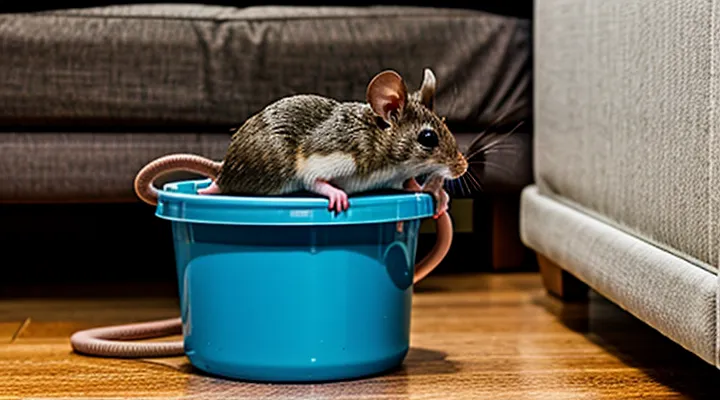
Understanding the Mouse Problem
Signs of a Mouse Infestation
Droppings and Urine Trails
Mouse droppings appear as small, dark, rice‑shaped pellets, typically found along walls, behind appliances, and in hidden corners. Urine trails are invisible but leave a distinct, musky odor and may cause staining on surfaces. Both signs confirm active infestation and guide targeted removal efforts.
These waste products carry pathogens such as hantavirus, salmonella, and leptospirosis. Direct contact or inhalation of aerosolized particles released during cleaning can lead to infection. Immediate containment of the area reduces exposure risk.
Safe removal protocol:
- Wear disposable gloves, a fitted N‑95 respirator, and eye protection.
- Ventilate the room by opening windows; avoid using fans that may disperse particles.
- Moisten droppings and urine‑soaked spots with a 1 % bleach solution or an EPA‑approved disinfectant; allow the liquid to soak for at least five minutes.
- Scrape softened material into a sealed plastic bag; discard the bag in an outdoor trash container.
- Clean the underlying surface with the same disinfectant, then rinse with water and dry thoroughly.
- Decontaminate reusable tools with bleach or alcohol before storage.
To limit future deposits, seal cracks and gaps larger than ¼ inch, store food in airtight containers, and maintain regular housekeeping. Eliminating access to food, water, and shelter removes the incentive for mice to leave waste inside the residence.
Gnaw Marks and Damage
Mice leave characteristic gnaw marks that signal structural compromise and potential health hazards. Their incisors continuously grow, prompting them to bite through a wide range of materials. Common evidence includes:
- Shallow, parallel grooves on wooden beams, baseboards, or furniture.
- Chewed holes in plastic containers, electrical wiring insulation, and cable jackets.
- Damaged drywall corners where mice have forced entry points.
- Frayed or exposed copper and aluminum wiring, increasing fire risk.
Each type of damage can lead to secondary problems. Compromised insulation permits drafts, raising heating costs. Exposed wiring may spark, creating a fire hazard. Food containers with gnaw‑induced openings become breeding grounds for bacteria, attracting further infestation. Structural integrity of walls and ceilings degrades as mice enlarge entry holes, potentially requiring costly repairs.
Detecting gnaw marks early enables prompt, safe intervention. Visual inspection should focus on areas where food is stored, along baseboards, and around utility lines. When marks are identified, apply non‑toxic deterrents such as sealed entry points, ultrasonic repellents, and strategically placed humane traps. After removal, replace damaged wiring and repair gnawed surfaces with rodent‑resistant materials to prevent recurrence.
Strange Noises
Strange noises in walls, ceilings, or baseboards often signal rodent activity. Mice generate high‑pitched squeaks, scratching, and scurrying sounds, especially at night when they forage for food. Recognizing these auditory clues allows homeowners to intervene before infestations expand.
When unusual sounds appear, follow a systematic approach:
- Conduct a quiet inspection during the suspected activity period; listen for repeated patterns that correspond to mouse movement.
- Seal entry points such as gaps around pipes, vents, and door frames with steel wool and caulk to prevent further access.
- Deploy snap traps or live‑catch devices in concealed locations near the noise source; place bait (peanut butter or dried fruit) to increase capture rates.
- Use ultrasonic repellents strategically placed near walls; these emit frequencies beyond human hearing that disrupt mouse communication without chemicals.
- Maintain a clean environment: store food in airtight containers, promptly clean crumbs, and remove clutter that offers shelter.
If noises persist after these measures, consider professional assessment to locate hidden nests or structural damage. Early detection through auditory monitoring reduces the need for extensive extermination and supports humane, chemical‑free control.
Prevention is Key
Sealing Entry Points
Inspecting Foundation and Walls
A comprehensive examination of the building’s foundation and wall assemblies is essential for any effective, non‑toxic mouse control program. Identifying entry points before implementing exclusion measures prevents rodents from establishing pathways that bypass traps or deterrents.
When inspecting the exterior foundation, focus on the following items:
- Visible cracks or gaps larger than ¼ inch, especially near the footing line.
- Openings around utility penetrations such as water, gas, and electrical lines.
- Gaps beneath siding, brick, or stone veneer where mortar has deteriorated.
- Unsealed seams where concrete meets drainage pipes or vent stacks.
Inside the home, evaluate wall structures for potential ingress routes:
- Holes or fissures in interior plaster, drywall, or paneling.
- Spaces behind baseboards, crown molding, and trim that may conceal rodent activity.
- Openings around pipe sleeves, HVAC ducts, and cable conduits.
- Gaps between wall studs and insulation that can be enlarged by chewing.
Seal identified breaches using durable, rodent‑resistant materials:
- Insert steel wool or copper mesh into narrow gaps, then apply silicone or acrylic caulk to lock the filler in place.
- Use expanding polyurethane foam for larger voids, ensuring the product is labeled safe for indoor use.
- Install metal flashing or sheet metal brackets over utility penetrations, securing them with stainless‑steel screws.
- Apply a continuous bead of high‑quality exterior sealant along the footing line and around all pipe sleeves.
Perform the inspection annually or after severe weather events, and re‑evaluate after any renovation work. A methodical survey of the foundation and walls eliminates the most common access routes, dramatically reducing the likelihood of mouse infestations without resorting to hazardous chemicals.
Gaps around Pipes and Wires
Gaps surrounding plumbing, electrical conduits, and other utility lines provide direct routes for rodents to enter interior spaces. These openings often appear as cracks in the drywall, gaps around pipe sleeves, or unsealed holes where wires pass through walls and floors.
To prevent mouse intrusion, locate all potential entry points. Inspect the perimeter of each room, paying special attention to areas where pipes emerge from foundations, where cable bundles exit cabinets, and where HVAC ducts intersect walls. Use a flashlight and a mirror to view concealed spaces, and feel for drafts that may indicate hidden openings.
Once identified, seal gaps using materials that resist chewing and comply with building codes:
- Steel wool tightly packed into the opening, then covered with a layer of expanding polyurethane foam for added rigidity.
- Copper mesh (½‑inch gauge) wrapped around pipe sleeves, secured with stainless‑steel screws.
- Cement‑based mortar or concrete patch for larger cracks in masonry.
- Silicone‑based sealant for small gaps around electrical boxes, applied after the mesh barrier is installed.
Apply the sealant while the surrounding surface is clean and dry. Press the chosen barrier material firmly into the gap, then smooth the sealant to create a continuous, airtight barrier. Allow the product to cure according to the manufacturer’s instructions before reinstalling fixtures or repainting.
Regular maintenance reduces the likelihood of re‑opening. Schedule a visual inspection quarterly, especially after seasonal temperature changes that can cause building movement. Replace any damaged barrier material promptly to maintain a robust defense against rodent entry.
Sealing Cracks and Openings
Sealing cracks and openings blocks the primary pathways mice use to enter a residence, reducing the likelihood of infestation without chemicals or traps.
- Inspect exterior walls, foundation, and roof for gaps larger than a quarter‑inch.
- Examine interior spaces: baseboards, utility openings, and vents.
- Use steel wool or copper mesh to fill small holes before applying sealant.
- Apply a durable, waterproof caulk or expanding foam to larger openings.
- Install door sweeps on all exterior doors and weather‑stripping around windows.
- Cover utility penetrations (pipes, cables) with metal flashing or silicone sealant.
Select materials that resist gnawing; stainless steel mesh and silicone‑based sealants maintain integrity under pressure. After sealing, perform periodic checks, especially after seasonal temperature changes, to repair any new fissures promptly. Continuous maintenance preserves the barrier and supports a mouse‑free environment.
Food Storage and Sanitation
Storing Food in Airtight Containers
Storing food in airtight containers removes a primary attractant for rodents, reducing the likelihood of infestation. Sealed containers block scent trails, prevent crumbs from escaping, and deny mice easy access to nutritional resources.
- Choose containers made of solid plastic, glass, or metal with locking lids that compress firmly.
- Verify that the seal is silicone or rubber, not merely a snap‑fit, to ensure no gaps.
- Label each container with its contents and purchase date to rotate stock and avoid spoilage.
- Place containers on shelves rather than on the floor, keeping them away from walls where mice travel.
Maintain the integrity of the seal by inspecting lids regularly for cracks or worn gaskets. Clean containers after each use with hot, soapy water, then dry thoroughly before refilling. Discard any damaged or compromised containers immediately.
By eliminating exposed food sources, airtight storage complements other non‑lethal rodent deterrents, creating an environment where mice find little incentive to enter the home.
Regular Cleaning and Crumb Removal
Regular cleaning eliminates food sources that attract mice, reducing the likelihood of infestation. Every meal should be followed by immediate removal of crumbs from countertops, floors, and appliance surfaces. Use a damp cloth or disposable wipes to capture residue that dry cleaning might miss.
A systematic cleaning schedule reinforces rodent deterrence:
- Sweep or vacuum high‑traffic areas twice daily; focus on corners, under appliances, and behind furniture.
- Mop hard floors with a mild, non‑toxic solution after each sweep to dissolve grease and protein traces.
- Wipe down tables, shelves, and cabinet doors before and after meals; avoid leaving open food packages.
- Empty trash bins each night, seal lids tightly, and place bins away from walls to prevent easy access.
- Clean pet feeding stations after each use; wash bowls with hot, soapy water and store food in airtight containers.
Consistent removal of crumbs deprives mice of the energy needed for reproduction and foraging, making the home environment hostile to their survival. Implementing these practices alongside other safe control measures creates a comprehensive, chemical‑free strategy for mouse prevention.
Managing Pet Food
Managing pet food is a critical component of any strategy aimed at reducing rodent activity in a residence. Food that is left unsecured provides an easy source of nutrition for mice, encouraging them to explore and establish nests near feeding areas. By eliminating this attractant, homeowners remove a primary incentive for infestation, thereby enhancing the effectiveness of non‑lethal control measures.
Secure storage solutions prevent accidental exposure. Use airtight containers made of plastic or metal, and place them on elevated surfaces away from walls. Transfer only the portion needed for the day into a separate bowl, and discard any leftovers within a few hours. Clean the bowl and surrounding area with hot, soapy water after each use to eliminate residue.
- Keep pet food in sealed, child‑proof containers.
- Feed pets at scheduled times rather than leaving food out continuously.
- Remove spilled crumbs promptly with a damp cloth.
- Employ automatic dispensers that limit the quantity released per feeding.
- Store dry and wet food in separate, clearly labeled containers.
Regular inspection of the feeding zone helps identify potential problems early. Look for signs of gnawing, droppings, or nesting material near the food station. If any evidence appears, relocate the feeding area and reinforce storage practices immediately. Maintaining a clean, organized pantry reduces the likelihood that stray particles will draw insects, which in turn attract mice.
Consistent application of these practices diminishes the availability of food resources for rodents, supporting safe, humane methods of mouse control throughout the home.
Safe and Humane Trapping Methods
Live Traps
How Live Traps Work
Live traps capture rodents without killing them, allowing removal from the living space. The device consists of a sturdy cage with a narrow entry tunnel, a sensitive trigger mechanism, and a secure latch. When a mouse pushes through the tunnel to reach bait, its weight depresses a lever or lifts a platform, releasing the latch and sealing the door behind the animal. The cage remains airtight, preventing escape.
Key components:
- Entry tunnel – dimensions match mouse size, encouraging passage.
- Trigger – calibrated to react to a mouse’s weight (approximately 20 g), avoiding false releases from debris.
- Latch – spring‑loaded or magnetic, snaps shut instantly once triggered.
- Bait compartment – holds food that attracts the mouse while keeping it out of reach of the latch.
Effective use requires placement along walls, behind appliances, or near known activity. Position the trap with the entry tunnel facing the wall, as mice travel close to surfaces. Use a small amount of high‑protein bait, such as peanut butter or dried fruit, to maximize attraction. Check traps at least twice daily; prolonged confinement can cause stress or injury to the captured mouse.
When a mouse is captured, follow these steps:
- Wear disposable gloves.
- Transport the sealed cage to an outdoor release site at least 100 m from the home.
- Open the latch outdoors, allowing the mouse to exit promptly.
- Clean the trap with mild soap and hot water before reuse.
Live traps provide a humane, chemical‑free solution for rodent control, aligning with strategies that minimize health risks and environmental impact.
Proper Placement of Live Traps
Proper placement of live traps maximizes capture rates while minimizing stress to the animals. Position traps along established mouse pathways, such as walls, behind appliances, and near food sources. Mice rarely cross open spaces; they prefer to travel close to vertical surfaces, so align traps with these routes.
Key considerations for optimal trap location include:
- Proximity to entry points – place traps within 12‑18 inches of holes, cracks, or gaps where rodents gain access.
- Low visibility – set traps in dimly lit areas or under cabinets where mice feel secure.
- Stable surface – ensure the trap rests on a flat, non‑slippery surface to prevent tipping.
- Avoid disturbance – keep traps away from high‑traffic zones to reduce accidental resets.
After positioning, check traps at least twice daily. Prompt removal of captured mice prevents escape and reduces the risk of disease transmission. Release captured rodents at least one mile from the residence, following local wildlife regulations.
Regularly inspect the area for new activity. If captures decline, relocate traps a few feet along the same wall or adjust height to target different nesting zones. Consistent, strategic placement sustains effective, humane control of mouse populations within the home.
Releasing Trapped Mice Safely
Releasing a captured mouse without harming it or contaminating your home requires a systematic approach. Follow these steps to ensure the animal’s welfare and prevent future infestations.
- Choose a release site at least 150 meters (500 feet) from the residence, preferably a wooded area or field with natural cover.
- Wear disposable gloves to avoid direct contact and to protect against disease transmission.
- Open the trap gently, allowing the mouse to exit on its own; do not shake or tip the trap.
- Observe the mouse briefly to confirm it has left the trap and is moving away from the release point.
- Dispose of the gloves in a sealed bag and wash hands thoroughly with soap and water.
Perform the release during daylight hours when predators are less active, and keep the trap away from pet food or other attractants to reduce the chance of recapture. Regularly inspect and reset traps, and combine this practice with sealing entry points to maintain a rodent‑free environment.
Snap Traps (Used with Caution)
Safe Baiting Techniques
Effective rodent control in residential settings relies on baiting strategies that protect occupants, pets, and the environment. Safe baiting techniques combine low‑toxicity attractants with secure delivery mechanisms, reducing the risk of accidental exposure while maintaining efficacy against mice.
- Use sealed, tamper‑proof bait stations that lock the poison inside a plastic or metal container. Stations should be placed along walls, behind appliances, and in secluded corners where mice travel.
- Select baits formulated with reduced‑hazard active ingredients, such as vitamin‑derived anticoagulants or low‑dose rodenticides approved for indoor use. These products require ingestion of multiple doses before lethal effect, limiting danger to non‑target species.
- Incorporate non‑chemical attractants, like grain, peanut butter, or dried fruit, to increase bait acceptance without adding toxic substances. Pairing a harmless attractant with a mechanical trap (snap or live‑capture) provides an alternative when chemical options are unsuitable.
- Position stations at least 12 inches above floor level and away from pet feeding areas. Mounting on baseboards or using wall brackets prevents pets from climbing onto the device.
- Monitor stations weekly. Replace depleted bait, record capture data, and relocate stations if activity shifts to new zones.
When deploying bait, follow these safety protocols: wear disposable gloves, wash hands after handling, and keep the product out of sight from children. Record the location of each station on a floor plan to facilitate regular inspection. If a child or pet is suspected of contact, seek medical advice promptly and provide the product label.
Combining sealed delivery, low‑risk formulations, and strategic placement delivers a controlled, humane approach to mouse management while safeguarding household members and the surrounding ecosystem.
Positioning Snap Traps Away from Children and Pets
Snap traps are an effective tool for rodent control, but their sharp mechanisms require strategic placement to protect children and pets. Position traps where household members cannot reach them while maintaining access for mice.
- Install traps along interior walls, behind appliances, or inside cabinets where only small rodents can navigate.
- Keep traps at least three feet above floor level or inside enclosed bait stations that lock the trigger mechanism.
- Avoid high‑traffic areas such as hallways, kitchens, and playrooms; select concealed locations like behind baseboards or under furniture legs.
- Use bait that does not attract pets, such as small pieces of cheese or peanut butter, and place it deep within the trap’s cavity.
- Secure each trap with a protective cover or a wooden shield that blocks accidental contact but allows mouse entry from one side.
After placement, check traps daily. Remove captured rodents promptly, reset or dispose of the trap, and verify that no new hazards have emerged. Regular inspection ensures that the control method remains effective without compromising household safety.
Humane Disposal of Mice
Humane disposal of mice involves capturing the animals alive and releasing them far from the residence, thereby preventing suffering while removing the infestation.
Effective live‑capture requires traps designed for non‑lethal use. Recommended options include:
- Snap‑free traps with a release mechanism that holds the mouse without injury.
- Multi‑catch cages that allow several rodents to be collected before release.
- Box‑type traps equipped with a one‑way door that prevents escape once the mouse enters.
After capture, follow these steps:
- Transport the trap to a suitable release site, such as a wooded area or field at least one mile from the home.
- Open the trap gently, allowing the mouse to exit on its own.
- Inspect the surrounding area for signs of additional entry points; seal gaps, cracks, and openings with steel wool, caulk, or hardware cloth to block re‑entry.
- Clean and disinfect the trap with a mild bleach solution before reuse to eliminate scent trails that could attract other rodents.
Maintaining a rodent‑proof environment reduces the need for repeated captures. Regularly inspect storage areas, keep food in sealed containers, and manage clutter that provides shelter. These practices complement humane disposal, ensuring a sustainable, non‑lethal approach to rodent control.
Natural Repellents and Deterrents
Peppermint Oil
Application Methods
Effective mouse control in a residence requires precise execution of safe application techniques. Each method targets a specific stage of infestation while minimizing health risks to occupants and pets.
- Mechanical traps: Snap devices positioned along walls, behind appliances, and near known runways. Set trigger plates flush with the surface to ensure immediate contact. Dispose of captured rodents promptly in sealed bags.
- Live‑catch cages: Place baited enclosures in concealed locations. Check daily; release captured mice at least one mile from the property, following local wildlife regulations.
- Non‑toxic bait stations: Load stations with food‑based attractants formulated without anticoagulants. Install stations out of reach of children and animals, securing lids to prevent accidental access.
- Natural repellents: Apply peppermint oil, dried cayenne, or crushed cloves on entry points and interior corners. Reapply weekly to maintain potency.
- Entry‑point sealing: Use steel wool, copper mesh, or caulk to block gaps around pipes, vents, and foundation cracks. Verify integrity after seasonal temperature shifts.
- Ultrasonic emitters: Position devices in rooms where activity is observed. Rotate units periodically to prevent habituation.
Consistent placement, regular inspection, and immediate removal of caught rodents sustain efficacy while preserving a safe indoor environment.
Areas to Target
Targeting the locations where mice are most likely to hide, travel, or feed maximizes the effectiveness of non‑chemical control measures. Identifying and treating these zones reduces the need for repeated interventions and limits the risk of contamination.
- Kitchen counters and backsplashes where crumbs accumulate
- Pantry shelves and boxes, especially those with torn packaging
- Baseboards and wall voids that provide concealed pathways
- Areas behind refrigerators, stoves, and dishwashers
- Cabinet interiors, focusing on corners and undersides of shelves
- Interior walls, particularly near electrical outlets and light fixtures
- Attic insulation and rafters where nesting material is available
- Crawl spaces with access to exterior drainage or ventilation openings
- Garage corners and storage bins that contain food remnants
- Utility rooms, including laundry areas and boiler closets
Inspect each zone regularly, seal visible gaps, and place traps or deterrents directly within these hotspots. Consistent attention to these areas sustains a safe, mouse‑free environment.
Essential Oil Blends
Clove and Eucalyptus Oil
Clove and eucalyptus oil serve as natural rodent deterrents when integrated into a non‑lethal pest‑management plan. Both essential oils emit volatile compounds that disrupt mice’s highly developed sense of smell, discouraging entry into treated areas.
The repellent effect derives from eugenol in clove oil and 1,8‑cineole in eucalyptus oil. These chemicals overload olfactory receptors, creating an environment mice avoid. Concentrated vapors are particularly effective in confined spaces such as cabinets, wall voids, and pantry shelves.
Preparation and application
- Combine 10 ml clove oil with 10 ml eucalyptus oil in a 250 ml spray bottle.
- Add 230 ml water and a teaspoon of mild dish soap to emulsify the mixture.
- Shake vigorously before each use.
- Spray the solution along baseboards, entry points, and surfaces where droppings have been observed.
- Reapply every 48 hours or after cleaning, as the scent dissipates over time.
Safety considerations include the oils’ low toxicity to humans and most pets when used as directed. Direct skin contact may cause irritation; wear gloves during preparation. Avoid application on food‑contact surfaces without thorough rinsing.
Effectiveness peaks in well‑sealed environments; open ventilation reduces potency. The oils function best when paired with sanitation measures—removing food sources, sealing cracks, and eliminating clutter. Regular reapplication sustains the olfactory barrier, maintaining a deterrent zone without resorting to lethal traps or chemical pesticides.
Use in Diffusers and Cotton Balls
Using scented diffusers or cotton balls impregnated with repellent substances offers a non‑toxic approach to deterring mice from residential spaces. The technique relies on strong odors that rodents find unpleasant, creating an environment that discourages entry and nesting.
For diffusers, select essential oils with documented rodent‑repellent properties, such as peppermint, eucalyptus, and citronella. Prepare a blend of 5–10 drops per 100 ml of water, fill the diffuser, and position the device near suspected entry points, along baseboards, and in concealed areas like closets. Operate the diffuser continuously for at least 12 hours each day; replace the solution every 3–4 days to maintain potency.
Cotton balls provide a low‑cost alternative. Saturate each ball with 3–5 drops of the chosen oil, then place the balls in sealed plastic containers with small ventilation holes. Distribute the containers in the same locations used for diffusers, ensuring they remain out of reach of children and pets. Replace cotton balls weekly, or sooner if the scent fades.
Safety measures include monitoring indoor air quality, avoiding excessive concentrations that may cause irritation, and confirming that pets are not sensitive to the selected oils. Use only food‑grade, pure essential oils; do not apply synthetic fragrances that lack safety data.
Effectiveness can be assessed by tracking mouse activity signs—droppings, gnaw marks, or audible noises—over a two‑week period. A noticeable decline indicates that the odor barrier is functioning; persistent activity may require supplemental measures such as sealing entry gaps or employing mechanical traps.
Ultrasonic Repellents
How They Work
Safe rodent control techniques rely on specific mechanisms that target mice without hazardous chemicals.
Physical barriers prevent entry. Steel‑mesh screens, door sweeps, and caulk seal cracks, making it impossible for mice to pass. The barrier’s effectiveness stems from the animal’s inability to gnaw through hardened metal or tightly sealed gaps.
Live‑capture traps use a spring‑loaded platform that releases when a mouse applies pressure to the trigger. The platform snaps shut, enclosing the animal in a ventilation‑rated cage. Because the cage does not contain poison, the mouse can be released outdoors, eliminating health risks associated with toxic baits.
Snap traps operate on the same pressure principle but close a lethal bar. The rapid action causes immediate death, minimizing suffering and preventing the mouse from escaping and contaminating the area.
Natural repellents, such as peppermint oil or dried cloves, exploit rodents’ acute sense of smell. Volatile compounds interfere with scent receptors, creating an aversive environment that discourages nesting and foraging. Regular reapplication maintains a concentration high enough to sustain deterrence.
Ultrasonic emitters generate sound waves above 20 kHz, a frequency beyond human hearing but audible to mice. The constant high‑frequency noise disrupts communication and induces stress, prompting the rodents to vacate the treated space. Devices are calibrated to emit pulses at intervals that prevent habituation.
Integrated pest‑management strategies combine these methods: seal entry points, deploy live‑capture or snap traps in high‑activity zones, and reinforce with repellents or ultrasonic devices. The layered approach reduces mouse populations while preserving household safety.
Limitations and Effectiveness
Effective rodent control in residential settings must balance safety with results. Non‑toxic approaches—such as snap traps, electronic devices, sealed entry points, and natural repellents—present distinct constraints that influence their overall performance.
- Snap traps deliver immediate mortality but require careful placement to avoid accidental contact with children or pets; repeated checking is essential to maintain hygiene.
- Electronic traps eliminate rodents quickly and contain carcasses, yet they depend on reliable power sources and can be costly for large infestations.
- Sealing cracks, gaps, and utility openings blocks access, yet the process demands thorough inspection and may involve structural modifications that exceed DIY capabilities.
- Natural repellents (e.g., peppermint oil, ultrasonic emitters) pose minimal health risks, but their efficacy declines over time and often fails to deter determined mice.
Effectiveness correlates with proper implementation. A single method rarely achieves complete eradication; combining strategies—such as exclusion, targeted trapping, and sanitation—produces the highest reduction rates. Monitoring results weekly enables adjustments, ensuring that safety measures do not compromise pest control outcomes.
When to Call a Professional
Large Infestations
A large mouse infestation typically involves dozens to hundreds of individuals, visible droppings in multiple rooms, gnawed wiring, and persistent odor. The presence of nests in wall voids, attics, or stored‑food areas confirms the severity and requires immediate, systematic action.
Begin by sealing all entry points larger than a quarter inch. Use steel wool, copper mesh, or silicone caulk to block cracks around pipes, vents, and foundation gaps. Conduct a thorough inspection of the interior, marking each suspected pathway for later verification.
Implement safe control measures that avoid chemicals harmful to occupants and pets:
- Exclusion devices – install metal flashing or mesh over openings; replace damaged screens.
- Live‑catch traps – position snap‑type or electronic traps in high‑traffic zones; check and dispose of captures promptly.
- Bait stations – employ tamper‑resistant containers with low‑toxicity rodenticide, placed out of reach of children and animals; replace according to manufacturer instructions.
- Sanitation – store food in sealed containers, eliminate standing water, and remove clutter that provides shelter.
After deployment, monitor trap success daily and record activity at each sealed entry. Re‑inspect for new signs of intrusion weekly for at least six weeks; re‑seal any fresh gaps uncovered during this period. Persistent activity after this interval may indicate hidden colonies, warranting professional assessment with integrated pest‑management expertise.
Persistent Mouse Activity
Mice that continue to appear after initial control attempts indicate a resilient population that can undermine safe household pest management. Persistent activity often results from incomplete sealing of entry points, abundant food sources, and nesting sites that remain undisturbed.
Typical signs include:
- Fresh droppings in multiple locations
- gnaw marks on wiring, furniture, or packaging
- tracks in dusty areas or along walls
- audible scratching or scurrying, especially at night
Addressing these factors requires a systematic approach. First, conduct a thorough inspection to locate and close all gaps larger than ¼ inch using steel wool, caulk, or metal mesh. Second, eliminate attractants by storing food in airtight containers, promptly cleaning crumbs, and securing garbage bins. Third, reduce shelter by decluttering storage areas, removing pile‑up of paper, fabric, or insulation, and maintaining low humidity.
Implementing humane traps or sealed bait stations within identified hotspots can capture remaining individuals without exposing residents or pets to hazardous chemicals. Regular monitoring—checking traps weekly and re‑inspecting for new entry points—ensures that the mouse population does not re‑establish, maintaining a safe and rodent‑free home environment.
Health Concerns
Mice infestations create direct health hazards. They carry pathogens such as hantavirus, salmonella, and leptospira, which can be transmitted through urine, feces, and saliva. Contact with contaminated surfaces or ingestion of food tainted by droppings introduces these agents into the human body, potentially causing severe respiratory, gastrointestinal, and renal illnesses.
Allergic reactions arise from mouse dander and urine proteins. Sensitive individuals may experience asthma attacks, rhinitis, or skin irritation. Children, the elderly, and immunocompromised persons face heightened vulnerability to both infectious and allergic consequences.
Implementing non‑toxic rodent control strategies reduces exposure to hazardous substances while addressing the underlying health risks. Effective measures include:
- Sealing entry points with steel wool or caulking to prevent ingress.
- Maintaining a clutter‑free environment that eliminates nesting sites.
- Storing food in airtight containers and promptly cleaning spills.
- Using snap traps or electronic devices that kill instantly without poison.
- Deploying live‑catch traps followed by humane release far from the residence.
These practices limit pathogen transmission, decrease allergen accumulation, and avoid secondary health threats associated with chemical rodenticides. Consistent application safeguards occupants and promotes a healthier indoor environment.
Post-Extermination Cleanup
Disinfecting Contaminated Areas
After a mouse infestation, the areas where droppings, urine, or nesting material are present must be treated to prevent disease transmission and to eliminate lingering odors that can attract additional rodents. Immediate removal of visible debris, followed by thorough cleaning, reduces bacterial load and deters re‑entry.
Disinfection protocol
- Wear disposable gloves and a mask; discard them after use.
- Vacuum dry droppings and nesting material with a HEPA‑rated vacuum; avoid stirring up dust.
- Apply a solution of 1 part bleach to 9 parts water or a commercial rodent‑specific disinfectant to all contaminated surfaces.
- Allow the solution to remain wet for at least 10 minutes; then wipe with disposable cloths.
- Rinse surfaces with clean water if the area will be used for food preparation; dry completely.
- Dispose of cleaning materials in sealed bags and place them in an outdoor trash container.
Use only EPA‑registered products labeled for rodent‑borne pathogens. Maintain ventilation during and after application to disperse fumes. Regularly repeat the process in high‑traffic zones until no signs of contamination remain. This regimen supports a hygienic environment while complementing other non‑toxic rodent‑control measures.
Proper Ventilation
Proper ventilation reduces the indoor conditions that attract mice. Fresh air lowers humidity, dries food residues, and disperses scent trails that rodents use for navigation.
When air circulates effectively, moisture‑prone areas such as kitchens, basements, and crawl spaces become less hospitable. Dry environments diminish the availability of water sources, while continuous airflow prevents the buildup of food odors that draw mice into living spaces.
To implement adequate ventilation, follow these steps:
- Install exhaust fans in kitchens, bathrooms, and laundry rooms; run them during and after cooking or cleaning.
- Use window or wall vents in basements and crawl spaces; keep them open when weather permits.
- Seal gaps around vent ducts, windows, and doors with weather‑resistant caulk to prevent mouse entry while maintaining airflow.
- Place air purifiers with HEPA filters near food storage areas to capture airborne particles and odors.
- Schedule regular maintenance of HVAC filters and ducts; replace filters according to manufacturer recommendations to ensure optimal airflow.
Consistent application of these measures creates an environment that discourages mouse activity without relying on chemicals or traps.
Preventing Future Infestations
Effective prevention hinges on eliminating conditions that attract rodents. Seal entry points, repair cracks, and install metal flashing around vents and utility openings. Use steel wool or copper mesh for small gaps; replace damaged screens promptly.
Maintain a clean environment. Store dry goods in airtight containers, dispose of food waste in sealed bins, and clean spills immediately. Keep countertops, floors, and pantry shelves free of crumbs. Remove outdoor attractants by trimming vegetation away from the foundation and storing firewood at least two feet from the house.
Implement structural barriers. Fit door sweeps on exterior doors, ensure weather stripping is intact, and install chimney caps. Check attic and crawl spaces for insulation gaps; fill voids with expanding foam or caulk.
Adopt regular monitoring. Place snap traps or live-catch devices in concealed corners for early detection. Inspect traps weekly and record activity. Replace bait stations with non-toxic alternatives if necessary.
Schedule periodic inspections. Conduct quarterly walkthroughs to verify that seals remain intact, food storage remains secure, and no new entry points have emerged. Promptly address any signs of gnawing or droppings to prevent a resurgence.