
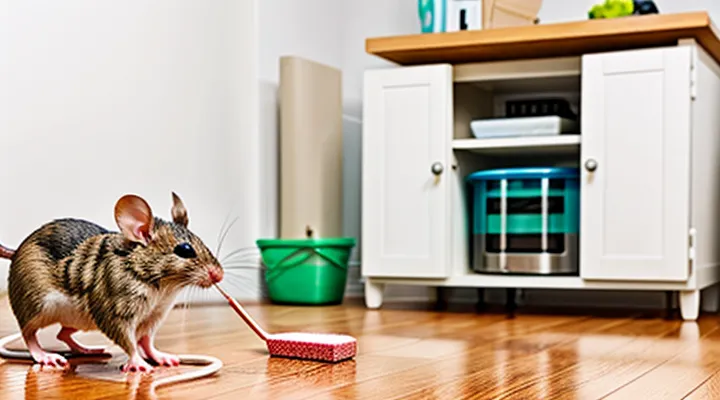
Understanding the Mouse Problem
Signs of a Mouse Infestation
Droppings and Urine Trails
Droppings and urine trails are the most reliable evidence of a mouse presence in an apartment and the primary source of health hazards. Recognizing these signs enables prompt action before the problem spreads.
Mouse droppings are small, dark, rod‑shaped pellets, typically 3–5 mm long, with pointed ends. They appear in clusters along walls, behind appliances, and in cupboards. Urine trails are invisible but can be detected by a faint, ammonia‑like odor or by spotting damp, discolored areas on surfaces where mice have traveled.
Health risks associated with rodent excreta include Hantavirus, Salmonella, and Leptospira infections, as well as allergic reactions to proteins in the droppings. Direct contact or inhalation of aerosolized particles during cleaning can transmit these pathogens.
Safe removal of droppings and urine requires protective equipment and proper disinfection:
- Wear disposable gloves, a N95 respirator, and eye protection.
- Ventilate the area by opening windows and using a fan to direct airflow outward.
- Moisten droppings with a liquid disinfectant (e.g., a 1:10 bleach solution) for at least five minutes to prevent aerosolization.
- Gently sweep the softened material into a sealable plastic bag; avoid dry sweeping or vacuuming.
- Apply the same disinfectant to the contaminated surface, scrub for one minute, then rinse with clean water.
- Dispose of the sealed bag in an outdoor trash container; wash hands thoroughly after removing gloves.
Eliminating urine trails involves removing the moisture source and sealing pathways. Repair gaps around pipes, baseboards, and doors; install door sweeps; store food in airtight containers; and keep countertops free of crumbs. Regular cleaning with the described protocol reduces attractants and removes scent marks that encourage further mouse activity.
Gnaw Marks and Damage
Mice leave distinctive gnaw marks on wood, plastic, and wiring; these incisions are typically 2‑3 mm wide and exhibit clean, straight edges. The presence of fresh bite marks indicates active foraging and a high likelihood of further structural compromise.
- Chewed electrical cords create fire hazards; inspect all visible cables for exposed conductors.
- Damaged insulation reduces thermal efficiency and encourages additional rodent entry.
- Compromised furniture legs and baseboards weaken support and may lead to collapse under load.
Identifying gnaw damage early enables targeted, humane removal strategies. Seal entry points with steel wool or copper mesh before conducting traps or live‑capture devices. Replace or repair compromised wiring and insulation promptly to eliminate attractants and protect resident safety. Regularly monitor previously affected areas; absence of new marks confirms successful mitigation.
Strange Noises and Odors
Mice generate distinctive sounds and smells that often precede visible damage. Scratching or squeaking behind walls, in ceilings, or beneath cabinets signals movement along concealed pathways. A sharp, metallic clatter usually indicates gnawing on metal or plastic, while soft, intermittent squeaks suggest nesting activity. These auditory clues pinpoint entry points and high‑traffic zones, allowing targeted intervention without unnecessary disruption.
Unpleasant odors accompany mouse presence. A strong, musky scent derives from urine marking territory; it intensifies in confined spaces such as closets or behind appliances. Foul, rancid smells may result from decomposing food or dead rodents, indicating a potential health hazard. Detecting these odors early guides placement of traps and deterrents, reducing exposure to pathogens.
Practical steps to address noises and odors safely:
- Inspect suspected areas for gnaw marks, droppings, or shredded material; wear disposable gloves and a mask.
- Seal entry gaps with steel wool and caulking to prevent further ingress.
- Deploy snap traps or electronic traps in quiet corners near the noise source; position them perpendicular to walls for maximum contact.
- Place odor‑absorbing containers (e.g., baking soda or activated charcoal) near detected smells to neutralize urine scent while cleaning surfaces with enzymatic cleaners.
- Maintain a clutter‑free environment to eliminate hiding spots and reduce food availability.
By correlating auditory and olfactory evidence with precise, humane control measures, residents can eliminate rodent activity while preserving apartment integrity and health standards.
Why Choose Safe Removal Methods
Risks of Poisons and Snap Traps
Poison baits and snap traps pose significant hazards in residential settings. Toxicants can be ingested by children, pets, or non‑target wildlife that accidentally encounter the bait, leading to severe poisoning or death. Snap traps, while mechanically lethal, often result in incomplete kills, causing prolonged suffering for the animal and creating a mess that may contain blood and tissue fragments, which can contaminate living areas and attract insects.
- Health risks: Anticoagulant rodenticides remain active in animal tissues for weeks, potentially exposing secondary predators and household members through accidental contact or ingestion of contaminated prey.
- Legal exposure: Many jurisdictions classify certain rodenticides as restricted substances; improper use can result in fines or liability for harm caused to non‑target species.
- Safety concerns: Snap traps require careful placement to avoid accidental activation by occupants, especially in high‑traffic areas or homes with young children.
- Hygiene issues: Disposed carcasses or fragmented bodies create biohazard waste that must be handled with protective gloves and sealed containers, increasing the workload for residents.
- Ethical considerations: Inhumane killing methods may conflict with personal or building policies that prioritize humane pest management.
For apartment dwellers, the confined environment amplifies these risks. Limited space restricts safe placement of lethal devices, and shared walls increase the likelihood of cross‑unit exposure. Additionally, the presence of communal areas such as hallways and laundry rooms makes it difficult to contain poison or trap debris, raising the probability of accidental encounters by other residents.
Given these dangers, reliance on toxic baits and snap mechanisms undermines the goal of safe, responsible rodent control. Safer alternatives—such as sealed bait stations, live‑catch traps, and preventive measures like sealing entry points and maintaining cleanliness—reduce health hazards, comply with regulations, and align with humane standards.
Humane Considerations
Humane considerations shape every step of rodent removal in residential settings. Live‑capture traps provide a non‑lethal alternative to snap devices; they contain a small chamber that restrains the mouse without injury. When using such traps, select models with smooth interiors and adequate ventilation to prevent stress and overheating. Check traps at least twice daily; prolonged confinement increases the risk of dehydration and trauma.
If release is the chosen endpoint, follow local wildlife regulations. Many jurisdictions prohibit releasing captured mice outdoors because they may become invasive or spread disease. When release is permitted, choose a habitat at least one mile from the dwelling, offering shelter and food sources. Transport the animal in a breathable container, handle it gently, and avoid direct contact with hands to reduce the chance of bites and disease transmission.
Sanitation measures protect both the animal and occupants. Remove food residues, seal storage containers, and repair structural gaps that permit entry. Eliminating attractants reduces the need for repeated trapping, thereby limiting exposure to stressors for captured mice.
Key humane practices:
- Use live‑catch devices with smooth, escape‑proof designs.
- Inspect and empty traps no less than every 12 hours.
- Verify legal requirements for relocation before release.
- Transport captured rodents in ventilated containers, wearing gloves.
- Maintain a clean environment to prevent re‑infestation and reduce trap reliance.
By integrating these protocols, mouse removal remains effective while respecting animal welfare and complying with public‑health standards.
Preventing Secondary Contamination
When rodents are eliminated from a dwelling, the most immediate health risk comes from the residues they leave behind. Droppings, urine, and saliva contain pathogens that can survive for months on surfaces, making thorough decontamination essential to protect occupants.
The decontamination process should begin before any live‑capture or trap removal. Wear disposable gloves and a mask rated for particulate protection. Seal all contaminated materials—nesting material, food debris, and trapped rodents—in heavy‑duty plastic bags before disposal. Place the bags in a sealed container and discard them according to local hazardous‑waste regulations.
After removal, clean all affected areas with a detergent solution to eliminate organic matter. Follow with an EPA‑approved disinfectant, applying it to surfaces for the contact time specified on the label. Pay special attention to:
- Kitchen countertops and cabinets
- Pantry shelves and food storage containers
- Behind appliances and inside wall voids
- Flooring joints and baseboards
Finally, replace any compromised insulation, wiring, or structural components that show signs of damage or contamination. Conduct a visual inspection after cleaning to verify that no residue remains, and schedule periodic monitoring to detect any new activity promptly. This systematic approach minimizes secondary infection risks and ensures a safe living environment.
Non-Lethal Removal Strategies
Sealing Entry Points
Identifying Common Entry Points
Mice gain access to apartments through the smallest openings; locating these breaches is the first step in any humane control plan.
Inspect the building envelope from the interior outward. Examine the perimeter of each room for gaps larger than ¼ inch (6 mm) around baseboards, window frames, and door thresholds. Use a flashlight to highlight concealed cracks in plaster, drywall, or siding.
Check utility penetrations. Pipes, cables, and vent ducts often pass through walls and floors without sealing. Apply steel wool or caulk to any space surrounding copper, PVC, or gas lines.
Survey exterior features. Ensure that weather‑stripping on doors and windows is intact; replace damaged pieces promptly. Verify that screened vents, dryer exhausts, and attic vents have mesh or tight-fitting covers.
Assess structural openings. Look for holes around chimney flues, foundation cracks, and gaps beneath stairwells or crawl‑space entries. Seal with expanding foam, concrete patch, or metal flashing as appropriate.
Create a checklist to verify each area:
- Baseboard and trim gaps – seal with caulk or foam.
- Door and window frames – install or replace weather‑stripping.
- Pipe and cable entries – pack with steel wool, then seal.
- Vent and exhaust openings – fit mesh or metal covers.
- Foundation and crawl‑space cracks – fill with concrete or epoxy.
- Chimney and flue gaps – apply metal flashing.
Thoroughly addressing every identified opening eliminates the pathways mice use to enter, reducing the need for lethal measures and supporting a safe, long‑term solution.
Materials for Effective Sealing
Effective sealing prevents mice from re‑entering an apartment after removal. Selecting the right materials blocks entry points, reduces damage, and eliminates health hazards.
- Steel wool: Dense fibers that mice cannot chew through; compress into gaps around pipes and vents, then cover with caulk for durability.
- Copper mesh: Flexible, corrosion‑resistant; ideal for larger openings such as under doorframes; secure with screws or staples.
- Silicone caulk: Flexible, water‑proof sealant; fills cracks around windows, baseboards, and electrical outlets; remains effective under temperature fluctuations.
- Expanding polyurethane foam: Expands to fill irregular voids; use sparingly in non‑structural gaps to avoid excess pressure on surrounding material.
- Metal flashing: Thin sheets of aluminum or stainless steel; reinforce seal around roof edges, chimneys, and balcony doors where rodents exploit seams.
- Weatherstripping: Adhesive strips for doors and windows; compresses when closed, creating a tight barrier that mice cannot squeeze through.
Apply each material after thorough inspection of potential entry points. Ensure surfaces are clean and dry before installation to maximize adhesion. Replace worn or damaged seals promptly to maintain a continuous barrier.
Trapping and Relocation
Live Traps: Types and Placement
Live traps provide a humane alternative to lethal devices, allowing rodents to be captured and released outdoors. Selecting the appropriate trap and positioning it correctly maximizes capture rates while minimizing stress to the animal.
Common live‑trap designs
- Single‑catch box trap – a hinged lid that closes when the mouse steps on a trigger plate; ideal for isolated infestations.
- Multi‑catch cage – a series of compartments that seal individually as mice enter; useful for larger populations.
- Bucket trap – a baited platform over a shallow bucket; the mouse falls into the bucket and cannot escape.
- Fold‑down tunnel trap – a narrow passage that collapses when the rodent reaches the far end; effective in tight spaces.
Strategic placement guidelines
- Position traps along walls, because mice travel close to vertical surfaces.
- Target known entry points, such as gaps around pipes, vents, or cabinets.
- Place traps near food sources, including pantry shelves, garbage cans, and pet feeding areas.
- Set traps perpendicular to the mouse’s travel route, with the entrance facing the anticipated direction of movement.
- Keep traps away from children and pets; secure them on stable surfaces or under furniture.
- Replace bait daily with fresh, high‑protein items (e.g., peanut butter, cheese, or sunflower seeds) to maintain attraction.
Properly maintained live traps, paired with diligent placement, offer an effective, non‑lethal solution for managing rodent presence in residential units.
Baiting Strategies for Live Traps
Effective bait selection determines the success of live‑capture devices used to remove mice from residential units. Choose attractants that match the rodent’s natural diet and remain appealing over time.
- Peanut butter – high fat content, strong scent, adheres to trap surfaces.
- Sunflower seeds – small size, easy to grasp, low risk of spoilage.
- Oats or whole‑grain cereal – mild flavor, suitable for mice preferring grains.
- Dried fruit pieces – sweet aroma, attractive to omnivorous individuals.
- Commercial rodent bait gels – formulated for prolonged release, compatible with trap interiors.
Placement of baited traps follows predictable mouse behavior. Position devices along walls, behind appliances, and near known droppings or gnaw marks. Align traps perpendicular to the wall, allowing entry from the side rather than the front, which mimics natural travel corridors. Space traps 1–2 feet apart to cover multiple pathways without creating overlapping zones that may deter entry.
Maintain trap hygiene by inspecting and cleaning devices daily. Remove captured mice promptly, using gloves and a sealed container to prevent disease transmission. Release captured rodents at least 200 feet from the building, preferably in a wooded or field area, to reduce the chance of re‑entry.
Adhering to these baiting strategies maximizes capture rates while preserving the safety of occupants and the humane treatment of the animals.
Safe Relocation Practices
Safe relocation of mice from a residential unit requires methods that protect occupants, the animals, and the building’s integrity. Use live‑capture traps constructed of sturdy wire mesh or plastic with a smooth interior to prevent injury. Position traps along established runways, near walls, or close to food sources; avoid placing them in high‑traffic areas where accidental contact may occur.
- Select traps that close securely without crushing the rodent.
- Bait with small portions of peanut butter, oatmeal, or dried fruit.
- Check traps at least twice daily; remove captured mice promptly.
- Wear disposable gloves and a mask when handling traps to reduce disease risk.
- Release mice at least 500 meters from the building, preferably in a wooded or agricultural area where shelter and food are available.
After releasing the rodents, seal all potential entry points. Apply steel wool or copper mesh to gaps around pipes, vents, and utility lines, then cover with caulk or metal flashing. Maintain a clean environment by storing food in airtight containers, disposing of waste regularly, and eliminating standing water. These practices prevent re‑infestation while ensuring humane treatment of the captured mice.
Natural Deterrents
Essential Oils and Their Effectiveness
Essential oils are widely cited as a non‑toxic option for deterring rodents in living spaces. Their strong aromas interfere with the olfactory cues mice rely on for navigation and nesting, prompting avoidance of treated areas.
Commonly used oils include:
- Peppermint: high menthol concentration creates an unpleasant scent for mice.
- Eucalyptus: volatile compounds mask food odors and irritate respiratory receptors.
- Citronella: sharp citrus notes disrupt foraging behavior.
- Clove: eugenol content acts as a repellent and may affect nervous function.
Effective application follows a consistent protocol. Dilute the oil in water at a ratio of 10 ml per liter, add a few drops of an emulsifier (e.g., dish soap), and spray the mixture along baseboards, entry points, and near suspected activity zones. Reapply every 48 hours, especially after cleaning or ventilation, to maintain potency.
Research indicates that essential‑oil treatments reduce mouse sightings by up to 60 % when combined with exclusion measures such as sealing gaps and removing food sources. They do not eradicate established infestations; however, they provide a safe, odor‑based deterrent that aligns with humane pest‑control strategies for apartments.
Plant-Based Repellents
Plant‑based repellents provide a chemical‑free alternative for discouraging rodents in residential units. The approach relies on natural aromas that mice find unpleasant, reducing the likelihood of entry and nesting without endangering occupants or pets.
- Peppermint oil – high menthol content, strong volatile scent.
- Clove oil – eugenol produces a pungent odor that interferes with rodent olfactory receptors.
- Citronella – citronellal masks food odors, discouraging foraging.
- Lavender – linalool creates an environment mice avoid.
- Rosemary – cineole and camphor act as irritants to rodent sensory pathways.
Application involves soaking cotton balls or cloth strips in diluted essential oil (approximately 10 ml oil per 100 ml water) and placing them near known entry points, gaps, and potential nesting sites. Replace soaked materials every 3–5 days to maintain potency. For larger areas, diffuse oil using a passive vaporizer or hang small sachets containing dried herb mixtures. Ensure ventilation to prevent buildup of strong aromas that may affect human comfort.
Plant extracts do not eradicate established infestations; they function best as a preventive barrier. Combine repellents with sealing cracks, proper food storage, and regular sanitation for comprehensive control. Monitor effectiveness by checking for fresh droppings or gnaw marks; adjust placement or concentration if activity persists.
Ultrasonic Devices: Pros and Cons
Ultrasonic repellers emit high‑frequency sound waves that are inaudible to humans but intended to deter rodents. They require only a power source and can be placed in any room without visible hardware.
Advantages
- No chemicals, eliminating risk of poisoning pets or residents.
- Installation involves plugging in a device; no structural modifications needed.
- Operates silently for occupants, preserving a quiet living environment.
- Can cover multiple square meters when positioned according to manufacturer specifications.
Disadvantages
- Scientific evaluations show inconsistent efficacy; many studies report limited impact on established mouse populations.
- Effect diminishes as rodents acclimate to the frequency, reducing long‑term reliability.
- Devices cease functioning during power outages, leaving gaps in protection.
- Continuous emission may interfere with other electronic equipment sensitive to high‑frequency signals.
When selecting a control strategy for an apartment, consider ultrasonic units as part of an integrated approach rather than a standalone solution. Combining them with sealing entry points and regular sanitation improves overall success rates.
Post-Removal Prevention and Sanitation
Thorough Cleaning and Disinfection
Cleaning Droppings and Urine
Cleaning rodent waste promptly prevents disease spread and eliminates lingering odors that attract further infestation.
Wear disposable gloves and a mask before handling any material. Use a disposable paper towel or a damp disposable cloth to collect solid droppings; place them directly into a sealed plastic bag.
Disinfect the contaminated area with a solution of one part bleach to ten parts water, or apply an EPA‑approved rodent‑specific sanitizer. Apply the liquid generously, let it sit for at least five minutes, then wipe with a clean, disposable cloth.
For porous surfaces such as carpet or upholstery, remove the affected section if possible; otherwise, steam‑clean with a high‑temperature setting to kill pathogens.
After treatment, dispose of all used protective gear, wipes, and bags in a sealed trash container. Wash hands thoroughly with soap and water, even if gloves were worn.
Key steps
- Equip gloves, mask, and eye protection.
- Collect solid waste into sealed bags.
- Apply bleach‑water or approved sanitizer; allow proper contact time.
- Wipe or steam‑clean the area.
- Seal and discard contaminated materials.
- Perform thorough hand hygiene.
Following this protocol removes health hazards and reduces the likelihood of mice returning to the apartment.
Sanitizing Contaminated Surfaces
Sanitize all surfaces that have been exposed to droppings, urine, or nesting material immediately after confirming the absence of active rodents. Wear disposable gloves and a mask to prevent inhalation of aerosolized particles. Use a commercial disinfectant registered for rodent‑borne pathogens, following the manufacturer’s contact time. If a certified product is unavailable, a solution of 1 part bleach to 9 parts water provides effective decontamination; apply generously, allow a minimum of 10 minutes, then rinse with clean water.
For porous items such as upholstery, carpet, or insulation, remove and discard if heavily contaminated. Lightly soiled fabrics can be laundered at the highest temperature safe for the material, using a detergent with an added disinfectant. Vacuum the area with a HEPA‑rated filter before washing to capture residual particles.
Hard, non‑porous surfaces—countertops, floors, cabinets, and appliance exteriors—require thorough wiping. A two‑step process improves results: first, scrub with a detergent solution to eliminate organic matter; second, apply the disinfectant and maintain the required dwell time. Rinse if the disinfectant label advises.
After cleaning, dispose of all contaminated waste in sealed bags placed in an outdoor trash container. Wash hands with soap and water for at least 20 seconds before removing gloves. Record the date, products used, and areas treated to track compliance with sanitation protocols.
Food Storage and Management
Airtight Containers
Airtight containers are essential for eliminating food sources that attract rodents in a residential unit. By sealing all edible items, these containers break the primary incentive for mice to enter living spaces, thereby supporting a non‑lethal, preventative approach to rodent control.
When selecting containers, prioritize the following attributes:
- Seal integrity – double‑locking lids or silicone gaskets that prevent any gap larger than 1 mm.
- Material durability – heavy‑wall plastic or stainless steel that resists gnawing.
- Size appropriateness – capacity that accommodates typical household supplies without requiring excessive stacking.
- Label clarity – clear markings indicating contents to avoid accidental opening.
Placement strategy influences effectiveness. Store containers on shelves away from walls and corners, where mice travel. Keep them on elevated surfaces if possible, as rodents prefer low‑lying routes. Ensure that the surrounding area remains clean; crumbs or spills compromise the seal’s protection.
Maintenance procedures include regular inspection of lid mechanisms for wear, cleaning the interior after each use, and replacing damaged containers promptly. A systematic audit—once per month—verifies that all storage units remain sealed and that no new food sources have emerged.
Integrating airtight storage with other preventive measures—such as sealing entry points and removing clutter—creates a comprehensive, humane solution for keeping rodents out of an apartment.
Proper Disposal of Food Waste
Proper disposal of food waste is a critical element in preventing rodent activity within a living space. Food residues left in trash bins or on countertops provide an attractive food source that encourages mice to enter and remain in an apartment. Eliminating this attraction reduces the likelihood that mice will seek shelter and reproduce.
To manage food waste safely, follow these steps:
- Store all perishable items in sealed containers made of glass, metal, or heavy‑duty plastic. Containers must close tightly to prevent odors from escaping.
- Empty kitchen trash daily. Use bins with fitted lids that lock securely; avoid bags that tear easily.
- Separate organic waste (fruit peels, vegetable scraps) from regular trash. Place organic material in a dedicated compost container equipped with a carbon filter, and keep the container outside the apartment or in a sealed area.
- Clean the interior of trash cans weekly with a mild detergent and hot water. Rinse thoroughly and allow to dry before reinstalling the lid.
- Dispose of waste in a building’s central collection point rather than leaving bags in hallways or stairwells. Ensure bags are tied securely to prevent spillage.
Additional precautions enhance effectiveness:
- Wipe countertops, stovetops, and dining tables after each meal. Use a disinfectant solution to remove food particles and residues.
- Sweep or vacuum floors nightly, focusing on corners and under appliances where crumbs accumulate.
- Inspect pantry shelves for spills or open packaging. Replace damaged packaging with airtight alternatives.
By maintaining rigorous food waste disposal practices, residents remove a primary incentive for mice to inhabit an apartment, supporting broader rodent‑control strategies that rely on sanitation rather than chemical or lethal measures.
Ongoing Monitoring and Maintenance
Regular Inspections
Regular inspections form the backbone of any effective, non‑lethal rodent control plan for a dwelling. Consistent visual checks identify entry points, nesting sites, and activity before infestations become visible.
- Examine walls, baseboards, and ceiling corners for gnaw marks, droppings, or shredded material.
- Inspect behind appliances, under sinks, and inside cabinets where food residues may accumulate.
- Verify the integrity of screens, door sweeps, and vent covers; replace or seal any gaps larger than ¼ inch.
- Use a flashlight and a mirror to reach concealed spaces such as behind radiators or inside crawl spaces.
Inspection frequency should match occupancy patterns and seasonal risk. Conduct a thorough walkthrough at least once a month, and add weekly spot checks in high‑risk zones (kitchens, pantries, and garbage areas). Record findings in a simple log, noting date, location, and type of evidence. This documentation guides targeted remediation and provides a timeline for evaluating the success of preventive measures.
Early detection enables swift, safe interventions—such as sealing openings, removing food sources, and deploying humane traps—reducing the need for more aggressive control methods. Maintaining a disciplined inspection schedule protects both residents and the integrity of the living environment.
Addressing Potential Re-entry Points
Eliminating an infestation does not guarantee long‑term success; any opening that allows rodents to re‑enter must be identified and secured.
Inspect walls, floors, and ceilings for openings larger than a quarter‑inch. Common locations include:
- Gaps around utility pipes, vents, and cable entries
- Cracks in drywall, plaster, or foundation
- Unsealed spaces beneath cabinets, appliances, and countertops
- Openings around door frames, windows, and sliding glass tracks
Seal each opening with appropriate materials: use steel wool combined with expanding foam for irregular gaps, apply copper mesh or metal flashing to cover larger voids, and install silicone caulk around fixtures. For structural cracks, employ cementitious mortar or epoxy filler. Ensure weather‑stripping on doors and windows is intact and replace worn sections.
After repairs, conduct a follow‑up inspection to verify that all seals remain intact. Install low‑profile monitoring stations, such as snap‑traps or electronic sensors, near previously compromised areas to detect any new activity promptly. Maintain a schedule of quarterly checks, especially after seasonal changes that may shift building materials.
By systematically locating, sealing, and regularly verifying potential re‑entry points, the apartment remains resistant to future mouse incursions while preserving a humane and safe environment.