
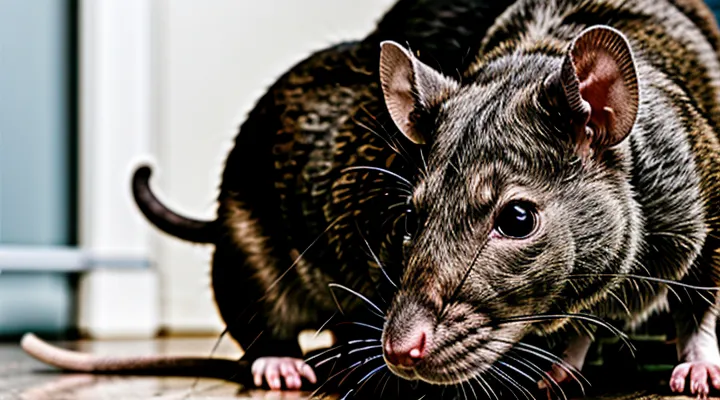
Understanding Runny Nose in Rats
Anatomy of the Rat Respiratory System
The rat respiratory system begins with the external nares, leading to a complex nasal cavity lined with pseudostratified columnar epithelium. Within the cavity, three paired nasal turbinates—dorsal, middle, and ventral—increase surface area for air filtration, humidification, and temperature regulation. The olfactory epithelium occupies the dorsal region, while the respiratory epithelium, equipped with ciliated cells and goblet cells, lines the remaining surfaces and produces mucus that traps particles and pathogens.
Mucus drainage follows a network of nasolacrimal and nasal ducts that converge on the nasopharynx. The nasopharyngeal opening of the eustachian tube and the choanae provide pathways for excess fluid to exit the nasal passages, a process directly relevant to the development of nasal discharge. Vascularization stems from the internal carotid artery, which gives rise to the rostral and caudal branches supplying the nasal mucosa. Venous drainage proceeds through the pterygoid plexus into the jugular system, facilitating immune cell trafficking.
Posterior to the nasal cavity, the larynx comprises the epiglottis, vocal folds, and the glottic aperture. The trachea, supported by C-shaped cartilage rings, extends caudally and bifurcates into the main bronchi. Each bronchus branches into secondary and tertiary bronchi, culminating in alveolar sacs where gas exchange occurs. Alveolar walls consist of type I and type II pneumocytes, a thin interstitium, and an extensive capillary network.
Innervation of the respiratory tract derives from the vagus nerve (parasympathetic) and the superior laryngeal branch of the vagus (sensory). Sympathetic fibers from the cervical ganglia modulate vascular tone and mucosal secretion. The autonomic balance influences mucus production and clearance, factors that affect the severity of nasal discharge.
Key anatomical elements influencing nasal discharge in rats include:
- Nasal turbinates and mucosal epithelium – sites of secretion and ciliary transport.
- Nasolacrimal and nasal ducts – routes for fluid egress.
- Vascular plexus – regulator of edema and inflammatory exudate.
- Autonomic innervation – modulator of mucus volume and viscosity.
Understanding these structures provides a foundation for diagnosing the origin of rhinorrhea and selecting therapeutic interventions that target mucosal inflammation, enhance ciliary function, or adjust vascular permeability.
Normal Nasal Discharge vs. Runny Nose
Healthy Secretions
Healthy nasal secretions in rats consist primarily of water, electrolytes, mucins, lysozyme, immunoglobulins, and antimicrobial peptides. Water provides a fluid medium that keeps the nasal epithelium moist, while electrolytes maintain osmotic balance. Mucins form a gel that traps particles and pathogens, preventing deeper airway invasion. Lysozyme and immunoglobulins neutralize bacterial contaminants; antimicrobial peptides disrupt microbial membranes.
Regulation of secretion volume and composition occurs through autonomic innervation and local cytokine signaling. Parasympathetic activation increases fluid output, whereas sympathetic stimulation reduces it. Cytokines such as IL-1β and TNF‑α modulate mucin gene expression, adjusting gel viscosity in response to irritants.
When secretion remains within physiological ranges, it supports mucociliary clearance, preserves epithelial integrity, and contributes to immune surveillance. Excessive or altered secretions indicate disruption of these regulatory mechanisms and often precede observable nasal discharge.
Key indicators of healthy secretions include:
- Clear, thin fluid with low protein concentration
- Balanced electrolyte levels (Na⁺, Cl⁻, K⁺)
- Normal mucin glycosylation patterns
- Presence of innate immune factors at baseline concentrations
Monitoring these parameters in experimental rats provides a baseline for distinguishing normal secretory function from pathological runny nose conditions, thereby informing appropriate therapeutic interventions.
Signs of Abnormal Discharge
Abnormal nasal discharge in laboratory rats manifests as changes in color, consistency, and volume that differ from the typical clear, watery secretions associated with normal respiration. Researchers should monitor the following indicators:
- Thick, viscous fluid that adheres to the whiskers or fur.
- Yellow, green, or brown coloration suggesting bacterial or fungal involvement.
- Persistent wetness around the nares lasting more than a few hours.
- Crusting or scab formation on the nasal planum.
- Unusual foul odor emanating from the nasal region.
These signs often accompany respiratory distress, such as increased respiratory rate, audible wheezing, or audible sneezing episodes. The presence of unilateral discharge may indicate localized infection or trauma, whereas bilateral flow frequently reflects systemic pathology. In addition to visual assessment, tactile examination can reveal swelling of the nasal mucosa or tenderness upon gentle palpation.
Early detection of abnormal discharge enables prompt diagnostic procedures, including microbial culture, histopathology, or imaging, and facilitates timely therapeutic interventions such as antimicrobial therapy, anti-inflammatory agents, or environmental modifications to reduce irritants. Continuous observation and accurate documentation of discharge characteristics are essential components of effective health management in rat colonies.
Common Causes of Runny Nose in Rats
Environmental Factors
Dust and Allergens
Dust particles and airborne allergens frequently trigger nasal discharge in laboratory rats. Exposure to fine particulate matter irritates the nasal epithelium, while proteinaceous allergens activate immune pathways that increase mucus production.
Inhaled dust mechanically damages ciliated cells, disrupts mucociliary clearance, and stimulates sensory nerves. Allergen binding to IgE on mast cells releases histamine, leukotrienes, and cytokines, leading to vasodilation, glandular hypersecretion, and edema of the nasal mucosa. Both mechanisms converge on excessive fluid exudation from the nasal passages.
Common dust sources include:
- Wood shavings, paper bedding, and straw.
- Feed particles and powdered supplements.
- Construction debris and cage cleaning residues.
Typical allergens encountered in rodent facilities are:
- Rodent-derived proteins (urine, dander).
- Mold spores from humid storage areas.
- Insect fragments and cockroach allergens.
Diagnostic assessment relies on visual inspection of nasal secretions, measurement of discharge volume, and histopathological examination of nasal tissue. Serum IgE levels and cytokine profiles help differentiate allergen‑mediated responses from purely irritant‑induced rhinitis.
Effective management combines environmental control and pharmacotherapy:
- Replace dusty bedding with low‑dust alternatives (e.g., aspen or paper).
- Implement HEPA filtration and regular cage cleaning to reduce airborne particulates.
- Apply antihistamines (e.g., diphenhydramine) or mast‑cell stabilizers to block allergen‑driven mediator release.
- Use intranasal corticosteroids for severe inflammation, monitoring for systemic effects.
- Consider leukotriene receptor antagonists when histamine blockade alone is insufficient.
Continuous monitoring of environmental parameters and prompt adjustment of husbandry practices prevent recurrence and maintain respiratory health in rat colonies.
Ammonia Levels
Ammonia accumulation in rodent housing directly influences the incidence of nasal discharge in laboratory rats. Elevated ammonia originates from urine and feces decomposition, diffusing into the cage atmosphere. When concentrations exceed the physiological tolerance of the respiratory epithelium, irritation of the nasal mucosa occurs, leading to increased secretions.
Typical measurements indicate that concentrations above 25 ppm correlate with a measurable rise in nasal discharge frequency. Values between 10–25 ppm may produce subclinical irritation, whereas levels below 10 ppm generally maintain mucosal integrity. Continuous monitoring with calibrated gas detectors provides real‑time data for environmental management.
Mitigation strategies focus on reducing ammonia generation and enhancing ventilation:
- Increase cage cleaning frequency to remove waste promptly.
- Employ high‑efficiency particulate air (HEPA) filtration combined with active exhaust systems.
- Use absorbent bedding materials with low nitrogen content.
- Maintain ambient temperature and humidity within optimal ranges to limit volatilization.
Pharmacological intervention for affected rats includes the administration of mucolytic agents and anti‑inflammatory drugs, prescribed according to established veterinary guidelines. However, primary prevention through strict control of ammonia levels remains the most effective approach to limit nasal discharge and preserve respiratory health.
Temperature and Humidity
Temperature and humidity directly affect the incidence and severity of nasal discharge in laboratory rats. Elevated ambient temperature accelerates mucosal blood flow, increasing secretory activity and promoting fluid loss from the nasal epithelium. Conversely, low temperatures reduce ciliary motion, impairing clearance of mucus and predisposing animals to persistent rhinorrhea.
Humidity modulates the viscosity of nasal secretions. High relative humidity (≥70 %) maintains mucus hydration, facilitating transport by ciliary action and limiting crust formation. Low humidity (<30 %) desiccates mucus, leading to thickened secretions that obstruct nasal passages and exacerbate irritation.
Interaction of these parameters shapes disease dynamics:
- Warm, dry environments: heightened secretion production combined with viscous mucus, rapid onset of nasal discharge.
- Cool, humid settings: reduced secretion rate, thin mucus, lower likelihood of observable rhinorrhea.
- Fluctuating conditions: stress on mucosal defenses, increased susceptibility to secondary infections.
Management strategies focus on environmental control and supportive care:
- Maintain room temperature between 20–24 °C to balance metabolic demand and mucosal function.
- Keep relative humidity at 50–60 % using humidifiers or dehumidifiers as needed.
- Monitor temperature and humidity continuously with calibrated sensors; adjust HVAC systems promptly when deviations exceed ±2 °C or ±5 % RH.
- Provide isotonic saline nasal drops or nebulized saline to rehydrate mucus when humidity cannot be optimized.
- If persistent discharge occurs despite optimal conditions, evaluate for infectious agents and consider appropriate antimicrobial therapy.
Consistent regulation of temperature and humidity reduces the frequency of nasal discharge, supports mucociliary clearance, and minimizes the need for pharmacologic intervention.
Infectious Agents
Bacterial Infections
Bacterial pathogens frequently underlie nasal discharge in laboratory rats, contributing to morbidity and experimental variability. Common agents include Streptococcus pneumoniae, Staphylococcus aureus, Klebsiella pneumoniae, and Pseudomonas aeruginosa. These organisms colonize the upper respiratory tract, breach mucosal barriers, and stimulate inflammatory exudate that manifests as a watery or purulent rhinorrhea.
Diagnostic confirmation relies on microbiological culture of nasal swabs, quantitative PCR for species‑specific genes, and histopathological examination of nasal tissues. Sensitivity testing guides antimicrobial selection, while complete blood counts and acute‑phase protein measurements assess systemic involvement.
Therapeutic protocols emphasize targeted antibiotic therapy, typically administered via subcutaneous injection or oral gavage. Effective agents include amoxicillin‑clavulanate for Streptococcus spp., oxacillin for methicillin‑susceptible Staphylococcus, and ciprofloxacin for Pseudomonas. Adjunctive measures comprise humidified environment, nasal lavage with sterile saline, and isolation of affected animals to prevent colony spread. Monitoring response through daily assessment of discharge volume and repeat cultures ensures resolution and informs adjustments to the regimen.
Mycoplasma pulmonis
Mycoplasma pulmonis is a primary bacterial agent that induces serous or mucopurulent nasal discharge in laboratory and pet rats. The organism colonises the respiratory epithelium, leading to inflammation of the nasal passages, turbinates, and sinuses. Infection often spreads from the upper airway to the lower respiratory tract, producing rhinitis, bronchitis, and occasionally pneumonia. Clinical signs include constant sniffling, sneezing, and wetness around the nares, which may be mistaken for allergic or viral conditions.
Transmission occurs through direct contact, aerosolised droplets, and contaminated bedding. The pathogen persists in carrier animals without overt disease, facilitating silent spread within colonies. Diagnosis relies on culture of nasal swabs, polymerase chain reaction assays, or histopathological examination of lung tissue, confirming the presence of the organism and associated inflammatory changes.
Effective management combines antimicrobial therapy with environmental control:
- Antibiotics: Macrolides (e.g., tylosin, erythromycin) administered orally or via drinking water for a minimum of 14 days; tetracyclines may be used when macrolide resistance is documented.
- Supportive care: Warm, dry housing; regular cleaning of cages to reduce humidity and bacterial load; provision of high‑quality nutrition to support immune function.
- Colony hygiene: Quarantine of newly introduced rats; periodic health screening; removal of chronically infected individuals to prevent reinfection.
Preventive measures include maintaining low‑density housing, using HEPA‑filtered ventilation, and implementing routine surveillance programs that detect subclinical carriers before clinical signs emerge. Prompt identification and targeted treatment of Mycoplasma pulmonis reduce the incidence and severity of nasal discharge, improving overall respiratory health in rat populations.
Other Bacterial Strains
Nasal discharge in laboratory rats often results from bacterial infection. While Streptococcus pneumoniae and Pasteurella multocida receive most attention, several additional strains can provoke similar symptoms.
- Bordetella bronchiseptica: colonizes the upper respiratory tract, induces mucosal inflammation, and may lead to serous or purulent discharge.
- Staphylococcus aureus: opportunistic pathogen that can breach nasal epithelium after stress or injury, producing thick, yellowish exudate.
- Escherichia coli: certain strains possess adhesins that facilitate nasal colonization, resulting in watery rhinorrhea accompanied by systemic signs.
- Pseudomonas aeruginosa: thrives in moist environments, creates biofilm on nasal passages, and generates a characteristic greenish discharge.
- Mycoplasma pulmonis: lacks a cell wall, adheres to ciliated epithelium, and causes chronic, low‑volume nasal secretions.
Accurate identification relies on culture of nasal swabs on selective media, polymerase chain reaction targeting species‑specific genes, and, when appropriate, histopathological examination of nasal tissue. Sensitivity testing guides antimicrobial selection and prevents resistance development.
Therapeutic protocols typically combine systemic antibiotics with supportive care. Preferred agents include:
1. Fluoroquinolones (e.g., enrofloxacin) for P. aeruginosa and E. coli.
2. Macrolides (e.g., tylosin) for Mycoplasma and B. bronchiseptica.
3. Beta‑lactam/beta‑lactamase inhibitor combinations (e.g., ampicillin‑sulbactam) for S. aureus and mixed infections.
Adjunct measures—humidified housing, nasal saline irrigation, and isolation of affected animals—reduce pathogen load and promote recovery. Continuous monitoring of clinical signs and periodic microbiological reassessment ensure treatment efficacy and prevent recurrence.
Viral Infections
Viral infections are a frequent etiological factor for nasal discharge in laboratory rats. Common agents include Sendai virus, rat coronavirus, rat parvovirus, and murine adenovirus. These pathogens target the respiratory epithelium, causing cytopathic damage, mucosal edema, and increased production of serous fluid that manifests as a runny nose.
Pathogenesis proceeds through viral attachment to nasal epithelial receptors, replication within the mucosal cells, and subsequent inflammatory response. The resulting hypersecretion of mucus, coupled with impaired ciliary clearance, leads to persistent rhinorrhea. Secondary bacterial colonization may develop if the mucosal barrier remains compromised.
Diagnostic assessment relies on a combination of clinical observation and laboratory techniques. Key indicators are:
- Clear or slightly cloudy nasal exudate without purulent component
- Elevated respiratory rate and mild sneezing
- Positive polymerase chain reaction (PCR) for viral nucleic acids in nasal swabs
- Seroconversion detected by enzyme‑linked immunosorbent assay (ELISA)
Therapeutic measures focus on limiting viral replication, reducing inflammation, and supporting the animal’s physiological status. Recommended interventions include:
- Antiviral agents (e.g., ribavirin) administered according to species‑specific dosing guidelines
- Non‑steroidal anti‑inflammatory drugs (NSAIDs) to alleviate mucosal inflammation
- Intranasal saline irrigation to enhance mucus clearance
- Environmental controls such as reduced humidity, adequate ventilation, and isolation of affected individuals
- Monitoring of body weight and hydration status, with supplemental fluids provided as needed
Implementation of these strategies, combined with strict biosecurity protocols, reduces the duration and severity of nasal discharge and minimizes the risk of outbreak within a rat colony.
Fungal Infections
Fungal pathogens are a recognized source of nasal discharge in laboratory rats, frequently accompanying respiratory irritation and secondary bacterial colonisation. Infection typically originates from environmental spores that settle in the nasal cavity, proliferate in humid conditions, and breach the mucosal barrier.
Common fungal agents implicated include:
- Aspergillus fumigatus – thrives on organic debris, produces conidia that incite inflammation.
- Candida albicans – opportunistic yeast, often associated with immunosuppressed animals.
- Pneumocystis carinii – microscopic organism, causes interstitial pneumonia and rhinitis.
- Mucor spp. – rapid tissue invasion, especially in poorly ventilated enclosures.
Pathophysiology involves spore germination, hyphal penetration of the nasal epithelium, and release of proteolytic enzymes that damage mucosal cells. The resulting exudate manifests as persistent watery or muco‑purulent discharge, sometimes accompanied by sneezing, ocular irritation, and reduced grooming.
Diagnostic procedures:
- Direct microscopic examination of nasal swabs using potassium hydroxide preparation.
- Culture on Sabouraud dextrose agar to isolate the causative fungus.
- Histopathological analysis of nasal tissue sections stained with Grocott’s methenamine silver.
- Polymerase chain reaction assays for species‑specific identification.
Therapeutic interventions focus on eliminating the fungal load and supporting mucosal recovery:
- Systemic antifungals (e.g., itraconazole 10 mg kg⁻¹ PO daily, voriconazole 15 mg kg⁻¹ PO BID) administered for 10–14 days.
- Topical antifungal sprays (e.g., miconazole 2 % solution) applied to the nostrils twice daily.
- Environmental control: reduce humidity below 50 %, increase air exchange, and sterilise bedding.
- Adjunctive care: saline nasal irrigation to clear debris, and nutritional support with vitamin A–rich diets to enhance epithelial integrity.
Effective management requires prompt identification, targeted antifungal therapy, and strict hygiene measures to prevent recurrence and protect colony health.
Other Health Conditions
Dental Problems
Dental disease frequently underlies persistent nasal discharge in rats. Malocclusion of the incisors produces excessive tooth growth, leading to oral lesions that extend to the nasal passages. Inflammation of the nasal mucosa often results from bacterial invasion through ulcerated oral tissue, generating a clear or muco‑purulent rhinorrhea.
Typical indicators include:
- Continuous sneezing or snuffling
- Wet fur around the muzzle
- Visible overgrown incisors or cheek teeth
- Weight loss and reduced feed intake
Diagnostic steps involve oral examination under anesthesia, radiographic assessment of tooth length, and microbiological culture of nasal secretions. Radiographs reveal root elongation or pulp exposure, while cultures identify opportunistic pathogens such as Staphylococcus spp. or Pasteurella spp.
Therapeutic measures focus on correcting the dental abnormality and addressing secondary infection:
- Trim or file overgrown incisors to restore proper occlusion.
- Perform buccal or maxillary tooth reduction if cheek teeth are involved.
- Administer appropriate antibiotics based on culture sensitivity; enrofloxacin or doxycycline are common choices.
- Provide analgesia and anti‑inflammatory medication to reduce discomfort and mucosal swelling.
- Ensure a high‑fiber diet and appropriate chew objects to promote natural tooth wear and prevent recurrence.
Regular monitoring of dental status and nasal condition is essential to prevent relapse. Early intervention limits the progression of oral lesions to the respiratory tract and improves overall health outcomes for affected rodents.
Tumors and Polyps
Tumorous growths and nasal polyps represent structural contributors to persistent rhinorrhea in laboratory rats. Neoplastic lesions within the nasal cavity, such as adenocarcinomas, squamous cell carcinomas, and fibrosarcomas, can obstruct airflow, irritate mucosal surfaces, and stimulate excessive secretions. Polyps, typically arising from chronic inflammation or epithelial hyperplasia, form pedunculated masses that interfere with normal drainage and promote continuous discharge.
Key characteristics of tumor‑related nasal discharge include:
- Unilateral or bilateral fluid loss accompanied by blood‑tinged mucus.
- Resistance to standard antihistamine or decongestant therapy.
- Presence of palpable masses or visible lesions on endoscopic examination.
Effective management requires a two‑step approach:
- Diagnostic confirmation through imaging (micro‑CT or MRI) and histopathological analysis of biopsy specimens.
- Targeted treatment based on lesion type:
- Surgical excision for well‑defined polyps or localized tumors.
- Radiotherapy or chemotherapy for malignant neoplasms, employing agents such as cyclophosphamide or cisplatin at doses adjusted for rodent physiology.
- Adjunctive anti‑inflammatory medication (e.g., corticosteroids) to reduce edema and prevent recurrence.
Monitoring protocols should include weekly nasal swabs, weight tracking, and repeat imaging at four‑week intervals to assess therapeutic response and detect early signs of regrowth. Prompt identification and removal of tumorous or polypoid structures markedly reduce the duration and severity of nasal discharge, improving overall animal welfare and experimental reliability.
Foreign Objects
Foreign material lodged in the nasal passages is a frequent trigger of nasal discharge in laboratory rats. Objects may enter the nostrils during cage cleaning, handling, or accidental ingestion of bedding fragments. Once lodged, the foreign body irritates the mucosa, stimulates glandular secretion, and can become a nidus for bacterial colonization, leading to persistent rhinorrhea.
Typical sources include:
- Wood shavings or paper particles that become compacted in the ventral nasal cavity.
- Plastic fragments from cage accessories or water bottle caps.
- Small seeds or grain kernels that escape from feed.
- Fibrous material from enrichment toys that fragments under chewing.
Diagnostic steps:
- Visual inspection of the nares for protruding debris.
- Endoscopic examination of the nasal cavity to locate hidden objects.
- Radiographic or CT imaging when the object is radiopaque or suspected deep within the sinus.
Therapeutic protocol:
- Immediate removal of visible material using fine forceps under light anesthesia.
- For embedded objects, gentle flushing with sterile saline combined with endoscopic retrieval.
- Post‑extraction administration of a broad‑spectrum antibiotic (e.g., enrofloxacin 10 mg/kg subcutaneously once daily for 5 days) to prevent secondary infection.
- Application of a topical anti‑inflammatory agent (e.g., 0.5 % dexamethasone eye drop solution applied to the nostrils twice daily for 3 days) to reduce mucosal swelling.
- Monitoring for recurrence; repeat imaging if discharge persists beyond 48 hours.
Preventive measures:
- Use low‑dust, fine‑particle bedding such as paper or corncob.
- Inspect cage components regularly for wear and replace cracked plastic parts.
- Provide feed in sealed containers to limit spillage.
- Implement routine nasal examinations during health checks to detect early irritation.
Effective identification and removal of foreign objects, coupled with appropriate antimicrobial and anti‑inflammatory therapy, resolves most cases of nasal discharge caused by mechanical irritation in rats.
Diagnosing the Cause
Veterinary Examination
Physical Inspection
Physical inspection provides the first line of evidence when evaluating nasal discharge in laboratory rats. Direct observation of the animal’s face reveals the presence, color, and consistency of secretions. Clear or watery fluid suggests a mild irritant, whereas thick, yellow‑brown material indicates bacterial involvement. Swelling of the nasal bridge or periorbital area signals inflammatory processes that may accompany infection or allergic reaction.
Palpation of the nasal region assesses tissue firmness and detects tenderness that points to sinusitis or abscess formation. A gentle press on the nares can elicit reflex sneezing, helping to confirm irritant exposure. Respiratory rate and pattern should be recorded; tachypnea or labored breathing accompanies severe mucosal edema or obstruction.
A systematic visual‑palpation protocol improves reproducibility:
- Observe the animal from a distance for discharge accumulation on the snout and fur.
- Approach the rat, hold gently, and inspect the nostrils for patency and fluid level.
- Use a sterile cotton swab to collect a small sample of discharge for later microbiological analysis, noting the amount collected.
- Palpate the nasal bridge, sinuses, and surrounding facial bones for swelling, warmth, or pain response.
- Record respiratory rate, depth, and any audible wheezes with a stethoscope placed lightly against the thorax.
Documentation of these findings creates a baseline for monitoring disease progression and evaluating therapeutic efficacy. Objective measures such as discharge volume (measured in microliters with a calibrated pipette) and standardized scoring of facial edema allow comparison across treatment groups. Physical inspection, when performed consistently, distinguishes between transient irritation and conditions that require pharmacological intervention, such as antimicrobial or anti‑inflammatory therapy.
Auscultation
Auscultation provides direct insight into the respiratory status of rats exhibiting nasal discharge, allowing clinicians to distinguish between primary upper‑airway inflammation and secondary lower‑tract involvement. By placing a calibrated stethoscope on the thorax and abdomen, practitioners can detect abnormal breath sounds—such as wheezes, crackles, or reduced airflow—that often accompany infectious, allergic, or irritant‑induced rhinitis.
Key diagnostic contributions of auscultation include:
- Identification of bronchial hyper‑reactivity, suggesting a spread of inflammation from the nasal mucosa to the bronchi.
- Detection of pleural effusion or pneumonia, which may develop as complications of severe nasal secretions.
- Real‑time assessment of treatment efficacy; improvement in breath sound quality typically follows successful anti‑inflammatory or antimicrobial therapy.
When integrating auscultation with other evaluations (e.g., nasal lavage, radiography, histopathology), the clinician gains a comprehensive picture of the disease process. Routine auscultatory checks before and after therapeutic interventions help refine dosage schedules for corticosteroids, antihistamines, or antibiotics, ensuring that respiratory function is restored alongside the resolution of nasal discharge.
Diagnostic Tests
Nasal Swabs and Cultures
Nasal swabs provide direct access to the microbial load responsible for rhinorrhea in laboratory rats, allowing precise identification of bacterial, fungal, or viral agents. The procedure involves gently inserting a sterile, flexible swab into each nostril until resistance is felt, rotating to collect epithelial cells and secretions, then withdrawing without causing trauma. Immediate placement of the swab in transport medium preserves viability; common options include Stuart’s medium for bacteria and viral transport medium supplemented with antibiotics for mixed flora.
The subsequent culture phase follows standardized protocols:
- Inoculate swabs onto selective agar (e.g., MacConkey for Gram‑negative rods, blood agar for hemolytic organisms).
- Incubate at 35‑37 °C with 5 % CO₂ for 24‑48 hours; extend to 72 hours for slow‑growing fungi.
- Perform Gram staining and biochemical panels to differentiate species.
- Apply polymerase chain reaction or immunofluorescence assays for viral detection when culture yields no growth.
Interpretation of culture results guides therapeutic decisions. Identification of pathogenic Streptococcus spp. or Pasteurella spp. justifies targeted antibiotic regimens, while detection of Candida spp. or Aspergillus spp. indicates antifungal intervention. Negative cultures, combined with histopathology, may suggest non‑infectious etiologies such as allergic inflammation, prompting anti‑inflammatory treatment. Regular monitoring of swab cultures during therapy ensures efficacy and detects emerging resistance.
X-rays and Imaging
X‑ray and advanced imaging are essential tools for evaluating nasal discharge in laboratory rats. Conventional radiography provides rapid assessment of bony structures, revealing sinus thickening, fluid levels, or osteolytic lesions that may underlie excessive nasal secretions. High‑resolution micro‑computed tomography (micro‑CT) extends this capability, delivering three‑dimensional visualization of the nasal cavity, turbinates, and surrounding bone, which assists in distinguishing inflammatory edema from neoplastic growth.
Magnetic resonance imaging (MRI) offers superior soft‑tissue contrast, allowing detection of mucosal inflammation, edema, and abscess formation without ionizing radiation. Ultrasound, although limited by acoustic shadowing from bone, can be employed transcutaneously to monitor superficial sinus fluid accumulation in real time. Each modality contributes specific information that guides therapeutic decisions, such as the selection of antimicrobial regimens, anti‑inflammatory agents, or surgical intervention.
Key considerations for imaging rats with nasal discharge include:
- Anesthesia protocols that maintain stable respiration and minimize respiratory artifacts.
- Dose optimization for X‑ray and micro‑CT to limit cumulative radiation exposure while preserving image quality.
- Standardized positioning to ensure reproducible sagittal and transverse views of the nasal passages.
- Correlation of imaging findings with clinical signs, histopathology, and microbiological results.
Interpretation of imaging data should focus on measurable parameters: sinus cavity dimensions, mucosal thickness, presence of fluid‑filled spaces, and bony integrity. Quantitative assessment enables monitoring of disease progression and response to treatment, supporting evidence‑based management of rhinitis in rodent models.
Blood Tests
Blood analysis is essential for identifying systemic contributors to nasal discharge in laboratory rats. Hematology provides quantitative data on leukocyte populations; an elevated neutrophil count suggests bacterial infection, while lymphocytosis may indicate viral involvement. Differential leukocyte counts, performed with automated analyzers or manual smears, help distinguish primary respiratory pathogens from secondary inflammatory reactions.
Serum chemistry evaluates organ function that can influence mucosal health. Elevated hepatic enzymes (ALT, AST) may point to toxin exposure, whereas increased creatinine or BUN signals renal impairment that could exacerbate fluid accumulation in the nasal passages. Electrolyte disturbances, particularly hyponatremia, correlate with edema formation and should be corrected before initiating therapy.
Immunological assays detect specific antibodies or antigens. Enzyme‑linked immunosorbent tests (ELISA) for common rodent respiratory viruses (e.g., Sendai, rat coronavirus) confirm viral etiology. Polymerase chain reaction (PCR) performed on serum allows rapid identification of bacterial DNA, guiding antimicrobial selection.
Coagulation profiles, including prothrombin time and activated partial thromboplastin time, are relevant when anti‑inflammatory drugs or anticoagulants are considered, ensuring safe dosing.
Practical considerations for sampling include:
- Use of heparinized or serum‑separator tubes depending on the intended assay.
- Collection from the lateral tail vein or saphenous vein to minimize stress.
- Immediate processing or refrigeration of samples to preserve analyte stability.
Interpretation of laboratory results must be integrated with clinical observations (e.g., frequency of nasal discharge, body weight, behavior) to formulate an effective treatment plan. Antibiotic therapy is justified only when bacterial markers are present, while antiviral agents or supportive care are indicated for viral cases. Nutritional supplementation and fluid therapy may be adjusted based on metabolic findings from serum chemistry.
Treatment Options
Medical Interventions
Antibiotics
Antibiotics are employed when bacterial pathogens contribute to nasal discharge in laboratory rodents. Cultures of nasal swabs identify agents such as Streptococcus spp., Staphylococcus spp., and Pasteurella spp., which justify antimicrobial therapy. Empirical treatment without confirmation may mask underlying viral or allergic causes and promote resistance.
Selection of an appropriate drug depends on susceptibility patterns, pharmacokinetic properties, and the ability to achieve therapeutic concentrations in nasal mucosa. Commonly used agents include:
- Enrofloxacin: broad‑spectrum fluoroquinolone, effective against Gram‑negative organisms, administered orally or subcutaneously.
- Amoxicillin‑clavulanate: β‑lactam combination targeting β‑lactamase‑producing bacteria, given via drinking water or intraperitoneally.
- Doxycycline: tetracycline class, active against atypical pathogens, delivered orally.
Dosage regimens follow manufacturer recommendations adjusted for the animal’s weight and health status. Treatment courses typically span 5–7 days; extension beyond this period occurs only with persistent positive cultures or clinical relapse.
Monitoring includes daily assessment of nasal secretions, body weight, and behavior. Post‑treatment cultures verify eradication, and antimicrobial susceptibility testing guides future interventions. Discontinuation is advised when bacterial involvement is excluded, allowing supportive measures such as humidified environments and saline irrigation to address non‑infectious causes.
Anti-inflammatory Drugs
Anti‑inflammatory agents are central to managing nasal secretions in laboratory rats when inflammation underlies the symptom. Their therapeutic value derives from inhibition of prostaglandin synthesis, suppression of cytokine release, or stabilization of cellular membranes, which collectively reduce vascular permeability and mucus production.
Commonly employed drugs include:
- Non‑steroidal anti‑inflammatory drugs (NSAIDs) – ibuprofen, meloxicam, and carprofen act by blocking cyclo‑oxygenase enzymes; oral doses range from 5 mg kg⁻¹ to 10 mg kg⁻¹, administered once or twice daily.
- Glucocorticoids – dexamethasone and prednisolone exert broad immunosuppressive effects; typical regimens involve 0.5–2 mg kg⁻¹ subcutaneously or intraperitoneally, with dosing intervals of 12–24 h.
- Selective COX‑2 inhibitors – celecoxib and etoricoxib provide anti‑inflammatory activity with reduced gastrointestinal toxicity; effective doses are 10–20 mg kg⁻¹ orally once daily.
- Cyclo‑oxygenase‑1 sparing agents – flunixin meglumine targets inflammatory pathways while preserving gastric mucosa; administered at 2–4 mg kg⁻¹ intraperitoneally.
Efficacy assessment relies on quantitative measurement of nasal discharge volume, histological scoring of nasal epithelium, and cytokine profiling in lavage fluid. Studies consistently show a dose‑dependent decline in secretion after NSAID or glucocorticoid treatment, with glucocorticoids producing the most rapid resolution but carrying higher risks of immunosuppression and metabolic disturbance.
Safety considerations include:
- NSAIDs: potential renal impairment, especially in dehydrated animals; monitor serum creatinine and urine output.
- Glucocorticoids: suppression of hypothalamic‑pituitary‑adrenal axis; limit treatment duration and provide tapering when feasible.
- COX‑2 inhibitors: occasional hepatic enzyme elevation; conduct periodic liver function tests.
When selecting an anti‑inflammatory regimen, balance rapid symptom control against the likelihood of adverse effects, and align dosing schedules with the experimental timeline to avoid confounding study outcomes.
Antifungals
Antifungal therapy becomes relevant when fungal pathogens contribute to nasal discharge in laboratory rats. Common etiologic agents include Aspergillus fumigatus, Candida albicans, and Cryptococcus neoformans, which can colonize the nasal mucosa and provoke inflammation, mucus hypersecretion, and secondary bacterial infection.
Accurate diagnosis requires culture of nasal swabs, histopathological examination of nasal tissue, or PCR identification of fungal DNA. Once a fungal species is confirmed, treatment protocols rely on systemic or topical antifungal agents selected for spectrum of activity, pharmacokinetics in rodents, and safety profile.
- Itraconazole – oral suspension, 10 mg kg⁻¹ day⁻¹, effective against Aspergillus and Candida; therapeutic drug monitoring advisable to avoid hepatotoxicity.
- Fluconazole – oral solution, 20 mg kg⁻¹ day⁻¹, high bioavailability, primary activity against Candida; minimal hepatic impact, suitable for prolonged courses.
- Voriconazole – oral or intraperitoneal, 5 mg kg⁻¹ bid, broad‑spectrum azole with activity against resistant Aspergillus strains; monitor serum levels to prevent neurotoxicity.
- Amphotericin B – intraperitoneal injection, 0.5 mg kg⁻¹ day⁻¹, fungicidal against most molds; limited to short‑term use due to nephrotoxicity.
- Posaconazole – oral suspension, 15 mg kg⁻¹ day⁻¹, effective against Cryptococcus and azole‑resistant molds; limited data in rats, employ cautiously.
Adjunctive measures include humidified environment to maintain mucosal moisture, supportive nutrition, and, when bacterial superinfection is present, appropriate antibiotics based on culture sensitivity. Treatment duration typically spans 7–14 days, extending to 21 days for deep‑seated infections or immunocompromised subjects.
Resistance monitoring involves periodic fungal cultures and susceptibility testing, especially after prolonged azole exposure. Hepatic enzymes (ALT, AST) and renal parameters (BUN, creatinine) should be assessed before therapy initiation and weekly thereafter to detect organ toxicity.
Effective antifungal intervention reduces nasal discharge, restores normal respiratory function, and prevents systemic dissemination, thereby improving the welfare and experimental reliability of rat colonies.
Decongestants
Decongestants are pharmacological agents employed to reduce nasal mucosal edema and limit excessive secretions in rodents exhibiting rhinorrhea. Their primary action involves sympathetic stimulation of α‑adrenergic receptors, leading to vasoconstriction of nasal capillaries and subsequent decrease in transudate formation. In experimental models, agents such as phenylephrine, oxymetazoline, and pseudoephedrine have demonstrated rapid attenuation of discharge when administered intranasally or subcutaneously.
Key considerations for effective use include:
- Dosage range: 0.05–0.2 mg kg⁻¹ for phenylephrine; 0.1–0.3 mg kg⁻¹ for oxymetazoline; 5–15 mg kg⁻¹ for pseudoephedrine, adjusted according to body weight and severity of symptoms.
- Administration route: Intranasal spray ensures direct contact with mucosa; subcutaneous injection provides systemic distribution when nasal access is limited.
- Onset and duration: Onset typically within 5–10 minutes; effects persist for 1–3 hours, requiring repeat dosing for prolonged studies.
- Adverse effects: Tachycardia, hypertension, and reduced appetite may arise at higher concentrations; careful monitoring mitigates these risks.
Experimental data indicate that decongestants improve respiratory airflow and reduce contamination of bedding, thereby enhancing welfare and data reliability. Comparative studies reveal that topical oxymetazoline yields superior local effect with minimal systemic impact, whereas pseudoephedrine offers broader systemic decongestion but carries greater cardiovascular liability.
When integrating decongestants into protocols, researchers should verify compatibility with concurrent treatments, avoid chronic administration exceeding 48 hours to prevent mucosal desensitization, and document physiological parameters pre‑ and post‑treatment to assess efficacy.
Supportive Care
Nebulization and Humidifiers
Nebulization delivers aerosolized saline or pharmacological solutions directly to the nasal mucosa of laboratory rats, reducing mucosal irritation and facilitating clearance of excess fluid. The procedure typically employs a chamber sized for small rodents, with airflow calibrated to 0.5–1 L min⁻¹ to prevent hyperventilation. Saline concentrations of 0.9 % are standard; when anti‑inflammatory agents are required, dilute solutions of corticosteroids (e.g., budesonide 0.5 mg mL⁻¹) may be added under veterinary supervision. Treatment sessions last 5–10 minutes, repeated twice daily until discharge diminishes.
Humidifiers increase ambient relative humidity, creating an environment that prevents desiccation of the nasal epithelium and supports mucociliary function. Optimal humidity for rodent housing ranges from 45 % to 55 % RH; devices should be equipped with hygrometers and automatic controls to maintain this window. Placement of the humidifier at a distance of at least 30 cm from cages avoids condensation on bedding, which could promote fungal growth. Continuous operation for 12–24 hours per day is recommended during acute phases of nasal discharge.
Combined use of nebulization and controlled humidity yields synergistic effects: nebulization clears existing secretions, while humidification sustains a moist airway surface, reducing recurrence. Protocols often begin with nebulization for the first 24–48 hours, followed by maintenance humidification for the remainder of the observation period. Monitoring includes daily assessment of nasal discharge volume, respiratory rate, and weight. Adjustments to solution composition or humidity level are made based on these parameters.
Key considerations:
- Verify sterility of nebulized solutions to prevent secondary infection.
- Ensure humidifier filters are replaced weekly to maintain air quality.
- Document all interventions in the animal’s health record for reproducibility.
Nutritional Support
Nutritional management is essential for rats exhibiting nasal discharge. Adequate hydration prevents mucus thickening; provide fresh water ad libitum and consider isotonic electrolyte solutions when intake declines. High‑quality protein sources support immune function; include lean meat, boiled egg, or soy‑based pellets with at least 18 % protein. Vitamin A supplementation (e.g., 2000 IU/kg diet) enhances epithelial integrity, while vitamin C (50–100 mg/kg) reduces oxidative stress associated with inflammation. Minerals such as zinc (30 mg/kg) and selenium (0.2 mg/kg) improve leukocyte activity and mucosal repair. Incorporate prebiotic fibers (inulin, chicory root) and probiotic cultures (Lactobacillus spp.) to stabilize gut microbiota, indirectly influencing respiratory immunity. Reduce dietary components that exacerbate mucus production, such as excessive dairy or high‑fat treats. Implement the following regimen:
- Fresh water and optional electrolyte solution, refreshed twice daily.
- Protein‑rich diet meeting 18 % minimum, supplemented with lean animal or soy protein.
- Vitamin A at 2000 IU/kg and vitamin C at 50–100 mg/kg added to feed.
- Zinc 30 mg/kg and selenium 0.2 mg/kg incorporated into mineral mix.
- Prebiotic fiber (5 % of diet) combined with probiotic supplement (10⁸ CFU/g).
- Eliminate dairy and high‑fat snacks from daily rations.
Monitoring body weight, coat condition, and nasal secretions guides adjustments; rapid weight loss or persistent discharge warrants veterinary evaluation and possible pharmacological intervention.
Stress Reduction
Stress directly influences nasal secretions in laboratory rodents. Elevated cortisol and catecholamine levels impair mucociliary clearance, increase vascular permeability, and promote inflammatory mediator release, all of which exacerbate watery nasal discharge. Consequently, reducing physiological stress can mitigate symptom severity and improve responsiveness to therapeutic interventions.
Effective stress‑reduction protocols for rats include:
- Environmental enrichment (nesting material, tunnels, chewable objects).
- Consistent light‑dark cycle with minimal disturbances.
- Group housing when compatible, avoiding overcrowding.
- Gradual acclimation to handling and experimental procedures.
- Administration of anxiolytic agents (e.g., low‑dose benzodiazepines) under veterinary supervision.
Implementing these measures lowers baseline stress hormones, stabilizes immune function, and enhances the efficacy of pharmacologic or supportive treatments aimed at controlling nasal discharge. Regular monitoring of behavior and physiological indicators ensures that stress‑mitigation strategies remain effective throughout the study.
Environmental Management
Air Filtration
Air filtration directly influences the incidence of nasal discharge in laboratory rats by controlling airborne contaminants that irritate the nasal mucosa and provoke infection. High‑efficiency particulate air (HEPA) filters remove particles ≥0.3 µm with 99.97 % efficiency, eliminating dust, fungal spores, and bacterial aerosols that commonly trigger rhinorrhea. Activated‑carbon filters adsorb volatile organic compounds and odors, reducing chemical irritation that can exacerbate fluid secretion.
Effective filtration systems for rodent facilities incorporate the following components:
- Pre‑filters: capture large debris, extend HEPA lifespan.
- HEPA stage: provides primary microbial and particulate removal.
- Carbon layer: mitigates gaseous irritants.
- Ultraviolet (UV) sterilization (optional): inactivates residual microorganisms passing through the filter matrix.
Implementation guidelines:
- Install filters at the cage rack exhaust to ensure continuous air turnover.
- Maintain a minimum of 10 air changes per hour within the animal room, measured by calibrated flow meters.
- Replace pre‑filters weekly and HEPA units according to manufacturer‑specified load, typically every 6–12 months.
- Conduct quarterly microbiological sampling of inlet and outlet air to verify filter performance.
Air quality monitoring complements filtration. Real‑time particle counters detect spikes in aerosol concentration, prompting immediate inspection of filter integrity. Gas‑sensing probes track ammonia and volatile organic compounds, indicating the need for carbon filter renewal.
By reducing exposure to irritants and pathogens, air filtration serves as a preventive measure that lowers the prevalence of nasal discharge and supports therapeutic protocols, such as targeted antimicrobial or anti‑inflammatory treatments, by minimizing reinfection risk. Consistent maintenance of filtration systems thus forms an essential element of health management for rats prone to rhinorrhea.
Bedding Choices
Bedding selection directly influences the incidence and severity of nasal discharge in laboratory rats. Moisture‑retaining substrates, such as corn cob or wood shavings with high absorbency, create humid microenvironments that favor bacterial and fungal growth. These microorganisms release irritants that stimulate the nasal mucosa, leading to increased secretion.
Low‑dust, absorbent materials—paper pulp, cellulose, or processed aspen shavings—reduce airborne particulates and maintain drier cage conditions. By limiting exposure to irritants, they decrease the likelihood of rhinitis development and support faster recovery when discharge occurs.
Key considerations for bedding choice:
- Absorbency: High capacity prevents pooling of urine and water, limiting humidity.
- Dust level: Minimal dust reduces mechanical irritation of the nasal passages.
- Chemical composition: Avoid aromatic oils or phenols that can act as nasal irritants.
- Biodegradability: Rapid breakdown may release allergens; select products with documented low allergenicity.
- Ease of cleaning: Frequent removal of soiled bedding maintains a sterile environment.
When nasal discharge is observed, immediate actions include:
- Replace the existing bedding with a low‑dust, high‑absorbency alternative.
- Increase cage ventilation to lower ambient humidity.
- Implement daily spot cleaning to remove wet or soiled areas.
- Monitor the rats for signs of infection; if discharge persists, administer appropriate antimicrobial therapy as prescribed by a veterinarian.
Consistent use of suitable bedding, combined with rigorous cage hygiene, constitutes an effective preventive and therapeutic strategy for managing rhinorrhea in rats.
Cage Cleaning Protocols
Proper cage hygiene directly influences the prevalence of nasal discharge in laboratory rats and enhances the effectiveness of therapeutic interventions. Frequent removal of soiled bedding, droppings, and spilled food eliminates sources of bacterial and fungal growth that can irritate the respiratory tract.
Cleaning should occur at least twice weekly for standard housing, with daily spot cleaning of visible waste. In high‑density or immunocompromised colonies, increase to daily full changes.
Standard cleaning procedure
- Remove all animals and transfer them to a temporary, sanitized holding cage.
- Discard used bedding; sweep the cage interior to eliminate debris.
- Rinse the cage with warm water to loosen residual matter.
- Apply an approved disinfectant (e.g., 0.5 % sodium hypochlorite or quaternary ammonium compound) for the manufacturer‑specified contact time.
- Rinse thoroughly with deionized water to prevent chemical residues.
- Dry the cage completely, either by air drying or with a low‑heat dryer.
- Replace with fresh, autoclaved bedding and reinstall enrichment items after confirming they are clean.
Regular monitoring of humidity and temperature within the animal room prevents condensation that can foster microbial growth. Replace water bottles and food hoppers each cleaning cycle to avoid contamination.
A clean environment reduces exposure to pathogens that trigger or exacerbate watery nasal secretions, thereby supporting medical treatments such as antimicrobial therapy or supportive care. Maintaining strict cage cleaning protocols is therefore a non‑pharmacologic component of disease management in rodent colonies.
Prevention Strategies
Optimal Cage Environment
Ventilation
Adequate airflow within animal housing directly influences the incidence of nasal discharge in laboratory rats. Poor ventilation creates humid microenvironments that favor proliferation of respiratory pathogens and irritant particles, both of which trigger excessive nasal secretions. Continuous exchange of fresh air reduces humidity, dilutes airborne contaminants, and stabilizes temperature, thereby limiting the stimuli that provoke mucosal irritation.
Ventilation impacts the pathophysiology of nasal discharge through several mechanisms. First, high humidity levels increase mucus viscosity, impairing clearance and promoting accumulation. Second, stagnant air allows accumulation of ammonia from urine, which irritates the nasal mucosa and induces hypersecretion. Third, inadequate air turnover facilitates the spread of viral and bacterial agents that infect the upper respiratory tract, leading to inflammatory exudate. By maintaining a steady flow of filtered, low‑humidity air, these processes are suppressed.
Practical measures for optimizing airflow in rodent facilities include:
- Air changes per hour (ACH) of 10–15, verified by calibrated flow meters.
- Relative humidity maintained between 30 % and 50 %.
- Temperature setpoint of 20–22 °C with minimal fluctuation.
- Use of high‑efficiency particulate air (HEPA) filters to remove microbial aerosols.
- Regular inspection of ductwork and exhaust fans to prevent blockage.
Implementing these parameters reduces the frequency and severity of nasal discharge, supports animal welfare, and enhances the reliability of experimental outcomes.
Substrate Selection
Substrate selection directly influences the reliability of experimental data on nasal discharge in laboratory rats. The material in contact with the animal can affect moisture balance, microbial load, and irritation of the nasal mucosa, all of which may confound the assessment of etiological factors and therapeutic outcomes.
Key criteria for choosing an appropriate substrate include:
- Low absorbency to prevent excess humidity that could mask or exacerbate rhinorrhea.
- Minimal dust generation to avoid mechanical irritation of the nasal passages.
- Sterility or proven low microbial contamination to reduce secondary infections.
- Chemical inertness, ensuring no leachable compounds that could trigger inflammatory responses.
- Compatibility with cage design and ventilation systems to maintain consistent environmental conditions.
Common substrates evaluated for these studies are:
- Paper‑based bedding, offering low dust and high absorbency control.
- Wood shavings treated to reduce volatile oils, providing moderate absorbency with limited irritant potential.
- Recycled cellulose pellets, delivering low dust and stable moisture retention.
When implementing a protocol, researchers should validate the chosen substrate by measuring baseline humidity, dust particle count, and microbial presence before introducing experimental variables. Consistent documentation of substrate characteristics facilitates reproducibility across laboratories and supports accurate interpretation of nasal discharge phenomena.
Regular Health Checks
Regular health examinations are essential for early detection of nasal discharge in laboratory rats and for guiding effective therapeutic strategies. Systematic observation of clinical signs, including sneezing, wet snout, and increased grooming of the facial area, provides the first indicator of a developing respiratory issue.
A comprehensive health check should include:
- Physical inspection of the nasal cavity and surrounding tissues for moisture, crusting, or swelling.
- Measurement of body weight and temperature to identify systemic effects.
- Collection of nasal swabs for microbiological analysis, enabling identification of bacterial, viral, or fungal agents.
- Hematological profiling (CBC) to detect leukocytosis or eosinophilia associated with infection or allergy.
- Radiographic or micro‑CT imaging of the nasal passages when persistent discharge suggests structural obstruction or sinus involvement.
Documentation of these parameters at consistent intervals (e.g., weekly for breeding colonies, bi‑weekly for experimental cohorts) creates a baseline for comparison and facilitates rapid intervention. Prompt treatment, such as targeted antimicrobial therapy or anti‑inflammatory medication, relies on the accuracy of the data obtained during these examinations. Regular monitoring therefore reduces morbidity, improves welfare, and enhances the reliability of experimental outcomes involving rats prone to nasal discharge.
Quarantine Procedures for New Rats
Quarantine is the first line of defense against infectious agents that can cause nasal discharge in laboratory rats. New arrivals must be isolated from the established colony for a minimum of 14 days. During this period, health status is monitored daily for signs of rhinorrhea, ocular discharge, lethargy, and changes in weight. Any animal showing symptoms is removed from the quarantine area and evaluated by a veterinarian.
The quarantine environment should meet the following criteria:
- Separate ventilation system that prevents air exchange with the main facility.
- Individually ventilated cages (IVCs) with filtered inlet and exhaust air.
- Controlled temperature (20‑24 °C) and humidity (40‑60 %).
- Strict sanitation protocol: disinfect cages, bedding, and feeding equipment before each use.
- Access limited to trained personnel wearing dedicated protective clothing and gloves.
Sample collection and diagnostic testing are performed at the end of the isolation period. Nasal swabs, blood samples, and fecal material are submitted for bacterial culture, viral PCR, and parasitological examination. Negative results permit integration of the rats into the primary colony; positive findings trigger treatment or disposal according to institutional bio‑security policies.
Treatment of confirmed rhinorrhea cases follows a regimen based on the identified pathogen. Antibiotics are administered for bacterial infections according to susceptibility testing. Antiviral agents are used for recognized viral agents, and supportive care includes humidified air, softened diet, and monitoring of hydration status. All therapeutic measures are recorded in the animal’s health log and reviewed during regular colony health audits.
Diet and Immune Support
Dietary composition strongly influences the susceptibility of rats to nasal discharge. High‑quality protein (e.g., casein or soy isolate) supplies amino acids required for immunoglobulin synthesis. Adequate levels of vitamin A support mucosal epithelium integrity, while vitamins C and E function as antioxidants that mitigate oxidative stress in the respiratory tract. Mineral zinc, at 30 mg kg⁻¹ feed, enhances lymphocyte proliferation and barrier function. Omega‑3 fatty acids (e.g., fish oil, 1 % of diet) modulate inflammatory mediators, reducing excessive mucus production.
Immune support strategies complement nutritional adjustments. Probiotic strains such as Lactobacillus reuteri (10⁸ CFU g⁻¹ feed) colonize the gut, stimulating systemic immunity and decreasing respiratory pathogen load. Prebiotic fibers (inulin, 2 % of diet) promote beneficial microbiota growth, indirectly strengthening mucosal defenses. Immunostimulatory compounds, including β‑glucans (0.2 % of diet), activate macrophages and enhance phagocytic activity. Regular monitoring of serum immunoglobulin G and cytokine profiles guides supplementation intensity.
Implementation checklist:
- Verify protein source and digestibility.
- Include vitamins A, C, E at recommended levels.
- Add zinc and omega‑3 fatty acids to the formulation.
- Incorporate probiotic and prebiotic components.
- Supplement with β‑glucans for innate immunity boost.
- Conduct periodic immunological assays to adjust regimen.
Consistent application of these dietary and immunological measures reduces the incidence and severity of nasal discharge in laboratory rats, supporting both animal welfare and experimental reliability.