
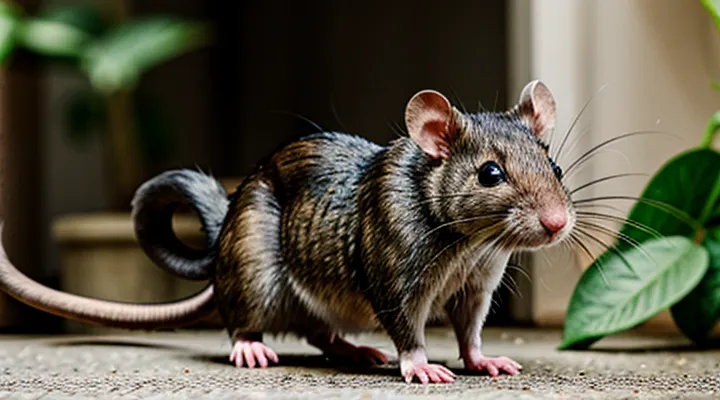
Introduction to Rodent Diversity
Why Many Rodents Resemble Rats
Shared Evolutionary Traits
Rat-like rodents share a suite of evolutionary characteristics that distinguish them from other mammalian orders while reinforcing their close phylogenetic relationship. These mammals exhibit a dental arrangement of a single pair of continuously growing incisors in each jaw, coupled with a diastema that separates the incisors from the cheek teeth. The incisors possess enamel limited to the outer surface, creating a self-sharpening edge essential for gnawing hard materials.
Key shared traits include:
- High reproductive capacity, characterized by short gestation periods and large litter sizes.
- Rapid maturation, allowing offspring to reach sexual maturity within a few months.
- Omnivorous diet flexibility, supported by a digestive tract capable of processing both plant and animal matter.
- Enhanced olfactory epithelium, providing acute scent detection for food, predators, and conspecifics.
Molecular evidence further confirms common ancestry. Mitochondrial cytochrome b sequences show less than 5 % divergence among species that resemble rats, indicating recent speciation events. Nuclear genes governing cranial development and tooth growth display conserved regulatory regions, reinforcing the morphological parallels observed across the group.
Convergent Evolution in Rodents
Rodent groups that independently evolved body plans resembling true rats illustrate convergent evolution driven by comparable ecological pressures. Species from distinct families exhibit elongated bodies, short limbs, robust incisors, and nocturnal foraging habits, despite separate evolutionary histories.
Key examples include:
- African giant pouched rat (Cricetomys gambianus) – belongs to the Muridae subfamily but developed a larger size and enhanced olfactory capabilities for scavenging.
- Madagascar “rat” (Eliurus spp.) – members of the Nesomyidae family, adapted to forest floor niches with dense fur and strong gnawing teeth.
- North American deer mouse (Peromyscus maniculatus) – a cricetid that occupies open habitats, showing a compact skull and opportunistic diet similar to urban rats.
- Australian hopping mouse (Notomys spp.) – dipodid rodents that evolved a rat‑like tail for balance while retaining bipedal locomotion.
- South American rice rat (Oryzomys spp.) – a sigmodontine that acquired a semi‑aquatic lifestyle yet retains the typical rat silhouette.
These taxa converge on a set of morphological and behavioral traits because such features optimize survival in ground‑dwelling, omnivorous niches where competition favors efficient chewing, rapid reproduction, and flexible diet selection. Convergent evolution thus produces rat‑like forms across disparate lineages, underscoring the predictive power of ecological constraints in shaping rodent diversity.
Common Rodents Mistaken for Rats
Voles: The Chunky Impostors
Physical Characteristics of Voles
Voles are small, stout mammals that belong to the family Cricetidae, a group of rodent species that share several morphological traits with rats. Adult body length typically ranges from 10 to 15 cm, with a tail that is short—often less than half the body length—and covered in sparse hair. The head appears broad, featuring a blunt muzzle and relatively small, rounded ears that lie close to the skull. Eyes are modest in size, providing limited visual acuity; tactile and olfactory senses compensate for this limitation.
The pelage varies among species but generally presents a dense, soft coat in shades of brown, gray, or reddish brown, which aids in thermoregulation and camouflage within grasslands and forest undergrowth. Underneath, a lighter ventral surface reduces visibility to predators when the animal moves through low vegetation. Fur length and coloration may shift seasonally, with thicker, darker coats in winter.
Dental structure is a key identifier: voles possess a dental formula of 1/1 incisors, no canines, 0/0 premolars, and 3/3 molars, all adapted for gnawing fibrous plant material. The incisors are continuously growing, reinforced by enamel on the front surface and dentine behind, ensuring effective wear resistance. Molars display complex occlusal patterns that facilitate grinding of roots, stems, and seeds.
Limbs are proportionally short and robust, supporting a fossorial lifestyle. Forefeet feature strong claws for digging, while hind feet are equipped with well‑developed pads that enhance traction on moist soil. Muscular development in the forelimbs allows voles to create extensive tunnel networks, which serve as shelter and food storage.
Reproductive anatomy shows minimal sexual dimorphism; males and females are similar in size, though males may exhibit slightly larger testes during the breeding season. This trait reflects a high reproductive rate, with multiple litters produced annually, each containing 3–7 offspring. Rapid growth and early sexual maturity enable voles to exploit transient food resources effectively.
Habitat and Behavior Distinctions
Rodent species that resemble rats occupy a broad spectrum of environments, ranging from temperate forests to arid deserts. Forest-dwelling members, such as certain vole species, construct burrows beneath leaf litter and root systems, while desert-adapted gerbils excavate shallow tunnels in sandy soils. Urban and agricultural settings host commensal forms that exploit human-made structures, utilizing cracks in foundations, sewers, and grain storage facilities for shelter.
Behavioral patterns differ markedly among these taxa. Nocturnal activity predominates in most rat-like rodents, yet some meadow voles display crepuscular peaks aligned with predator avoidance. Social organization varies from solitary foraging in gerbils to complex colony hierarchies observed in Norway rats and some mouse populations. Food acquisition strategies reflect habitat specialization: desert forms rely on seed caching, forest dwellers consume a mixture of plant material and invertebrates, and urban species exploit refuse and stored grains.
Key distinctions can be summarized:
- Burrow architecture: deep, multi‑chamber systems (forest voles) versus shallow, branching tunnels (gerbils).
- Territoriality: aggressive defense of limited foraging zones (some mice) compared with fluid home ranges in commensal rats.
- Reproductive cycles: rapid, continuous breeding in warm, resource‑rich environments; seasonal peaks in colder or arid regions.
- Dietary breadth: omnivorous opportunism in urban rodents; strict granivory in desert species.
Understanding these habitat and behavioral divergences informs pest management, conservation planning, and ecological research involving rat-like rodents.
Mice: Smaller Cousins
Size and Tail Differences
Rodent species that resemble rats display a wide spectrum of body dimensions and tail proportions, reflecting adaptations to distinct ecological niches.
Typical body length (head‑to‑base of tail) ranges from 10 cm in small members such as the African pygmy mouse (Mus minutoides) to 30 cm in larger forms like the Norway rat (Rattus norvegicus). Body mass follows a similar gradient, from under 5 g in the smallest species to more than 500 g in the heaviest.
- Rattus norvegicus: 20–30 cm, 250–500 g
- Rattus rattus: 16–25 cm, 150–300 g
- Bandicota indica (greater bandicoot rat): 22–30 cm, 200–400 g
- Nesokia indica (short-tailed bandicoot rat): 15–20 cm, 120–250 g
- Cricetomys gambianus (Gambian pouched rat): 18–25 cm, 300–500 g
Tail length varies independently of body size, influencing balance, thermoregulation, and locomotion. In many rat-like rodents the tail exceeds the head‑body length, while in others it is markedly shorter.
- Long‑tailed forms (Rattus rattus, Rattus norvegicus): tail length 18–30 cm, often equal to or longer than body length.
- Medium‑tailed forms (Bandicota indica): tail length 12–18 cm, approximately 50–70 % of body length.
- Short‑tailed forms (Nesokia indica): tail length 8–12 cm, less than 50 % of body length.
These quantitative differences serve as reliable criteria for species identification and provide insight into the functional morphology of rodents that share a rat‑like appearance.
Behavioral Patterns of Mice
Mice, as members of the rodent group closely related to rats, display distinct behavioral patterns that facilitate survival in diverse environments. Their activity peaks during twilight and night, aligning with a predominantly nocturnal schedule. Foraging behavior combines opportunistic scavenging with selective grain collection, driven by olfactory cues that guide individuals toward nutrient‑rich sources. Social organization centers on small, fluid groups where dominant males establish territories marked by scent deposits from specialized glands; subordinate individuals occupy peripheral zones and avoid direct confrontations.
Key behavioral traits include:
- Nest construction: Utilization of shredded material and bedding to create insulated chambers that protect offspring and regulate microclimate.
- Grooming: Repetitive self‑cleaning actions that maintain fur integrity and reduce parasite load.
- Communication: Emission of ultrasonic vocalizations during mating, aggression, and distress, complemented by pheromone signaling for territorial demarcation.
- Reproductive cycles: Rapid breeding turnover with gestation lasting approximately three weeks, allowing multiple litters per year.
- Learning and problem solving: Demonstrated capacity for maze navigation and operant conditioning, indicating adaptability to novel challenges.
These patterns collectively shape mouse ecology, influencing population dynamics, predator–prey interactions, and the species’ role in ecosystems that host rat‑like rodents.
Shrews: Not Rodents at All
Taxonomic Classification of Shrews
Shrews are diminutive, insect‑eating mammals that are frequently mistaken for rat‑like rodents because of their size and body shape, yet they belong to a distinct evolutionary lineage.
- Kingdom: Animalia
- Phylum: Chordata
- Class: Mammalia
- Order: Eulipotyphla
- Family: Soricidae
- Subfamilies: Crocidurinae (white‑toothed shrews), Soricinae (red‑toothed shrews)
- Representative genera: Sorex, Crocidura, Blarina, Neomys
The family Soricidae comprises over 385 species distributed across Europe, Asia, Africa, and the Americas. Their taxonomic placement highlights a divergence from rodent groups that exhibit rat‑like morphology, providing a clear example of convergent body plans among unrelated mammalian orders. Comparative analysis of shrew and rat‑like rodent classifications aids in clarifying phylogenetic relationships and evolutionary adaptations within small mammal assemblages.
Key Physical Disparities
Rat-like rodents exhibit a range of anatomical distinctions that separate them from true rats. These differences affect identification, ecological niche, and behavior.
- Body length: Some species possess a markedly shorter torso, while others exceed the typical 20‑25 cm of the brown rat.
- Tail morphology: Certain relatives have a hair‑covered tail, contrasting with the mostly naked, scaly tail of Rattus spp.
- Ear proportion: Species such as the gerbil display disproportionately large, rounded ears compared to the relatively modest ears of common rats.
- Fur characteristics: Dense, soft undercoat appears in many rat analogues, whereas true rats usually have coarser guard hairs.
- Skull configuration: A flatter braincase and broader zygomatic arches occur in several rat-like taxa, differing from the more elongated skull of Rattus.
- Dental pattern: While all retain the characteristic incisor, variations in molar cusp arrangement distinguish groups like pocket mice from true rats.
- Hind‑foot structure: Some exhibit elongated metatarsals adapted for jumping, opposed to the compact hind feet of standard rats.
- Whisker length: Certain species possess exceptionally long vibrissae, exceeding the modest whisker span of typical rats.
These physical markers provide reliable criteria for differentiating rat analogues from genuine rat species in field studies and taxonomic assessments.
Other Small Mammals: The Unlikely Look-Alikes
Hamsters and Gerbils
Hamsters and gerbils belong to the order Rodentia and share several morphological traits with the common rat, such as a continuously growing incisors pair and a compact body plan adapted for gnawing.
Both species are small, nocturnal or crepuscular mammals frequently kept as laboratory subjects or companion animals. Their digestive systems require a high-fiber diet; failure to provide adequate roughage can lead to gastrointestinal blockage.
Key biological distinctions are summarized below:
-
Taxonomic classification:
• Hamsters – subfamily Cricetinae, genera Mesocricetus, Phodopus, among others.
• Gerbils – subfamily Gerbillinae, genus Meriones is most common. -
Natural habitat:
• Hamsters originate from arid steppes and semi‑desert regions of Eurasia.
• Gerbils inhabit open grasslands and deserts across Africa and Asia. -
Social structure:
• Most hamster species are solitary; territorial aggression increases when individuals are housed together.
• Gerbils display a strong preference for pair or small group living, forming monogamous bonds in the wild. -
Reproductive traits:
• Hamsters produce litters of 4–12 offspring after a gestation of 16–22 days.
• Gerbils yield litters of 3–8 pups following a gestation of 20–24 days. -
Lifespan in captivity:
• Hamsters: 2–3 years.
• Gerbils: 3–4 years.
Proper enclosure design reflects these differences. Hamsters require solitary cages with deep bedding for burrowing and a sealed wheel to prevent escape. Gerbils need a spacious, multi‑level habitat that enables social interaction and provides tunnels for natural digging behavior.
Health monitoring for both species includes regular checks for dental overgrowth, respiratory infections, and skin lesions. Veterinary care should be sought promptly when symptoms such as weight loss, lethargy, or abnormal discharge appear.
Understanding the specific physiological and behavioral attributes of hamsters and gerbils enhances their management in research facilities and domestic settings, ensuring welfare standards align with their evolutionary adaptations.
Dormice
Dormice belong to the family Gliridae, a group of small nocturnal mammals that share several morphological traits with rat-like rodents, such as a compact body, incisors adapted for gnawing, and a high reproductive capacity. Their distribution spans Europe, North Africa, and parts of Asia, where they occupy woodland, shrubland, and occasionally human‑made structures.
Physiologically, dormice exhibit:
- Seasonal hibernation lasting up to six months in temperate zones.
- A diet consisting mainly of seeds, nuts, fruits, and insects, with occasional consumption of fungi.
- A dental formula of 1.0.0.3/1.0.0.3, reflecting the typical rodent pattern of continuously growing incisors.
Ecologically, dormice contribute to seed dispersal and serve as prey for owls, foxes, and mustelids. Their nesting behavior involves constructing spherical nests from moss, leaves, and shredded plant material, placed in tree cavities or under dense vegetation.
Conservation status varies among species; the European dormouse (Muscardinus avellanarius) is listed as vulnerable due to habitat loss, while several Asian species remain data‑deficient. Protection measures focus on preserving mature deciduous forests and maintaining connectivity between habitat patches.
Identifying Key Differences
Tail Characteristics
Scaled vs. Hairy Tails
Rat-like rodents exhibit two primary tail integument types: keratinized scales and dense fur. Scaled tails consist of overlapping plates of hardened epidermis that provide rigidity, reduce water loss, and protect against abrasion. Species such as the African giant pouched rat and certain members of the genus Nesokia display this adaptation, which correlates with semi‑arboreal or burrowing lifestyles where tail durability is advantageous.
Hairy tails are covered by a uniform layer of coarse or fine fur, offering thermal insulation and tactile feedback. Examples include the Norway rat (Rattus norvegicus) and the black rat (Rattus rattus), whose tails serve as heat exchangers and sensory appendages during nocturnal foraging. The fur can also aid in locomotor balance by increasing surface area for grip on smooth substrates.
Key contrasts:
- Structure: scales = rigid plates; fur = flexible hair covering.
- Function: scales = protection, water retention; fur = insulation, sensory input.
- Habitat association: scales = burrowing, rocky environments; fur = urban, forested areas.
- Physiological impact: scales = lower evaporative loss; fur = enhanced temperature regulation.
Tail Length and Thickness
Rat-like rodents exhibit tail dimensions that correlate with locomotor habits and habitat use. Length typically exceeds body length, providing balance during arboreal or semi‑aquatic movement. Thickness varies with species’ ecological niche, influencing thermoregulation and fat storage.
- Norway rat (Rattus norvegicus) – tail length 18–25 cm; average thickness 0.5 cm; tail accounts for 70–80 % of body length.
- Black rat (Rattus rattus) – tail length 15–20 cm; average thickness 0.4 cm; tail proportion 75 % of body length, slender for climbing.
- House mouse (Mus musculus) – tail length 7–10 cm; average thickness 0.3 cm; tail length equals 70–80 % of body length, thin for maneuverability in confined spaces.
- Deer mouse (Peromyscus maniculatus) – tail length 8–12 cm; average thickness 0.35 cm; tail length 80 % of body length, moderately robust for terrestrial foraging.
- Rice field rat (Rattus argentiventer) – tail length 20–30 cm; average thickness 0.6 cm; tail exceeds body length, providing stability in wet environments.
Tail measurements serve as reliable taxonomic indicators. Length-to-body ratios distinguish arboreal species from strictly terrestrial forms, while cross‑sectional diameter reflects adaptations to temperature extremes and predator evasion. Consistent documentation of these metrics enhances species identification and ecological assessment.
Ear and Eye Proportions
Relative Size to Head
Rat-like rodents display a consistent relationship between cranial dimensions and overall body length. The head‑to‑body ratio provides insight into ecological adaptation, foraging behavior, and phylogenetic placement.
Across the group, head length typically ranges from 12 % to 18 % of total body length. Species occupying open habitats, such as the Norway rat (Rattus norvegicus), tend toward the lower end of the range, with a head constituting roughly 13 % of body length. In contrast, forest‑dwelling forms, including the wood mouse (Apodemus sylvaticus), exhibit a proportion nearer 17 %, reflecting a larger cranial capacity for sensory processing.
Key measurements:
- Rattus rattus – head length 2.5 cm, body length 18 cm (≈14 %).
- Bandicota indica – head length 3.0 cm, body length 22 cm (≈14 %).
- Sundamys infraluteus – head length 2.8 cm, body length 16 cm (≈18 %).
- Niviventer cremoriventer – head length 3.2 cm, body length 20 cm (≈16 %).
The variation aligns with locomotor demands: shorter heads reduce drag for species that burrow or navigate tight tunnels, while elongated crania support enhanced olfactory and auditory structures in arboreal or nocturnal taxa. Comparative analysis of head‑to‑body ratios therefore serves as a diagnostic criterion for distinguishing among rat‑like rodents and inferring their ecological niches.
Position and Shape
Rat‑like rodents exhibit a distinctive body plan that differentiates them from other murine groups. The overall silhouette is elongated, with a proportionally long torso and a short, robust hind‑quarter. The head occupies roughly one‑quarter of the total length, featuring a blunt nose, small eyes, and prominent whiskers that aid tactile navigation.
The typical stance is quadrupedal, with limbs positioned beneath the body rather than splayed outward. This arrangement supports efficient locomotion on the ground and facilitates rapid bursts of speed. Forelimbs are shorter than hind limbs, allowing a powerful push during sprinting. The tail, often longer than the body, serves as a counterbalance during swift turns and climbs.
Key shape characteristics include:
- Cylindrical body cross‑section, minimizing resistance when moving through narrow burrows.
- Dense, coarse fur covering the dorsal surface, providing protection against abrasive substrates.
- Flattened, clawed feet adapted for digging and gripping varied terrain.
- Muscular neck and jaw structures that enable strong gnawing forces.
These morphological traits collectively define the positional dynamics and physical form of rodents that closely resemble rats, informing both ecological niche occupation and behavioral strategies.
Body Shape and Size
Overall Build and Weight
Rodent species that resemble rats share a compact, muscular torso, relatively short limbs, and a tail roughly equal to or slightly shorter than the body length. The skull is broad with strong incisors that extend continuously, supporting a powerful bite.
- Brown rat (Rattus norvegicus) – body length 20‑25 cm, tail 18‑22 cm, weight 250‑500 g.
- Black rat (Rattus rattus) – body length 16‑20 cm, tail 20‑25 cm, weight 150‑250 g.
- Polynesian rat (Rattus exulans) – body length 15‑18 cm, tail 12‑15 cm, weight 60‑120 g.
- House mouse (Mus musculus) – body length 7‑10 cm, tail 5‑10 cm, weight 15‑30 g (included for comparative purposes).
Fur density varies from coarse on the dorsal surface to finer ventral hair, providing insulation while maintaining flexibility for burrowing and climbing. Limb musculature emphasizes forelimb strength for gnawing and manipulation of objects, whereas hind limbs favor rapid locomotion. Tail musculature contributes to balance during swift movements and assists in thermoregulation through vasodilation.
Leg Length and Foot Structure
Rat-like rodents display a range of hind‑limb proportions that reflect their ecological niches. Species that occupy open habitats typically possess elongated tibiae and fibulae, extending the overall leg length to 30–45 mm in adults. In contrast, burrowing forms exhibit shortened distal limb segments, often not exceeding 20 mm, which reduces leverage but enhances maneuverability in confined tunnels.
The fore‑ and hind‑feet share several morphological traits despite size differences. Both possess five digits, each ending in a claw that is keratinized and curved for digging or climbing. The plantar surface is covered by a dense pad of squamous epithelium, providing traction on varied substrates. Muscular attachment sites on the metatarsals and metacarpals are enlarged in species with greater stride length, supporting stronger propulsive forces.
Key functional correlations:
- Longer legs → increased stride length, higher terrestrial speed, reduced energy cost per unit distance.
- Shorter legs → enhanced digging efficiency, greater torque generation for soil displacement.
- Robust foot pads → improved grip on smooth or slippery surfaces, essential for arboreal or semi‑aquatic activity.
- Expanded digital claws → specialized for excavation, grasping, or climbing depending on habitat.
Overall, leg length and foot architecture in these rodents constitute an integrated system that balances locomotor performance with environmental demands.
Fur Coloration and Texture
Common Variations
Rodent species that resemble rats display a range of morphological and behavioral variations that facilitate adaptation to diverse habitats. Size differences are pronounced: some taxa, such as the Norway rat (Rattus norvegicus), exceed 30 cm in body length, while others, like the African pygmy mouse (Mus minutoides), remain under 8 cm. Fur coloration varies from uniform brown or gray to mottled patterns with dorsal stripes, reflecting camouflage needs in forest floor litter, arid scrub, or urban infrastructure.
- Tail morphology – length may equal, surpass, or fall short of body length; some species possess scaly, hairless tails that aid thermoregulation.
- Dental structure – incisor curvature and enamel thickness differ, influencing diet breadth from grain-heavy to insectivorous consumption.
- Reproductive output – litter sizes range from one to twelve offspring, with gestation periods spanning 20–30 days, affecting population growth rates.
- Social organization – certain groups form hierarchical colonies with defined burrow systems, while others adopt solitary, nomadic foraging patterns.
Behavioral flexibility further distinguishes these rodents. Nocturnal activity peaks align with predator avoidance, yet some populations exhibit crepuscular or diurnal tendencies in response to food availability. Nest construction varies from elaborate underground chambers to simple nest piles in abandoned structures. These common variations underscore the evolutionary plasticity that enables rat-like rodents to thrive across continents and ecological niches.
Unique Markings
Rat‑like rodents display a variety of distinctive markings that aid identification and reveal ecological adaptations.
Many species possess dorsal stripe patterns ranging from thin, dark lines to broad, contrasting bands. The stripe often aligns with the spine, providing camouflage among grasses and leaf litter.
Facial coloration differs markedly among taxa. Some exhibit a stark contrast between a pale muzzle and a darker cheek patch, while others have a uniform hue that blends with the surrounding substrate.
Tail coloration can serve as a diagnostic feature. Certain species have a uniformly dark tail, whereas others show a gradient from dark proximal segments to a lighter distal tip.
Limbs frequently bear characteristic markings:
- Hind feet: dark pads with lighter surrounding fur in some ground‑dwelling forms.
- Forepaws: distinct white or yellowish spots on the dorsal surface of specific arboreal species.
Ventral markings also vary. A ventral stripe or spot pattern may be present in species adapted to burrowing, offering visual cues for conspecific recognition during underground encounters.
These unique markings, when combined with morphometric data, enable taxonomists to differentiate closely related rat analogues and to infer habitat preferences, predator avoidance strategies, and social signaling mechanisms.
Behavioral Cues for Identification
Diet and Foraging Habits
Herbivores, Omnivores, and Insectivores
Rat‑like rodents exhibit a wide spectrum of feeding strategies that can be grouped into three primary categories: herbivory, omnivory, and insectivory. Each strategy reflects adaptations to specific ecological niches and influences the species’ morphology, behavior, and distribution.
Herbivorous members of this group primarily consume plant material such as seeds, stems, and leaves. Examples include the African giant pouched rat (Cricetomys gambianus), which harvests grains and tubers, and the marsh rice rat (Oryzomys palustris), whose diet consists largely of aquatic vegetation and grasses. Dental structures in these species show pronounced molar grinding surfaces, and gastrointestinal tracts are elongated to maximize cellulose extraction.
Omnivorous rat analogues exploit both plant and animal resources. The common house mouse (Mus musculus) and the Norway rat (Rattus norvegicus) ingest grains, fruits, and a variety of animal matter, including carrion and small invertebrates. Their incisors remain sharp for gnawing, while molars retain a versatile cusp pattern that accommodates mixed diets. Behavioral flexibility allows these species to thrive in urban, agricultural, and natural habitats.
Insectivorous forms specialize in the consumption of arthropods. The southern pygmy mouse (Baiomys musculus) and the grasshopper mouse (Onychomys torridus) target insects, arachnids, and occasionally small vertebrates. Their jaws produce rapid, crushing bites, and saliva contains enzymes that break down chitin. These adaptations enable efficient exploitation of prey abundant in arid and semi‑arid environments.
Collectively, the dietary diversity among rat‑like rodents underscores their evolutionary success. Herbivores contribute to seed dispersal and vegetation control, omnivores act as opportunistic foragers linking multiple trophic levels, and insectivores help regulate invertebrate populations. Understanding these feeding categories informs ecological assessments and pest‑management strategies.
Food Storage Behaviors
Rat-like rodents exhibit diverse strategies for securing food resources, reflecting evolutionary pressures from fluctuating environments and competition. These species typically harvest, process, and conceal edible items to mitigate loss from predators, conspecifics, and seasonal scarcity.
Storage methods include:
- Burrow caches – individuals deposit seeds, grains, and insects within sealed chambers of extensive tunnel systems, often lining walls with saliva or waxy secretions to retard moisture loss.
- Nest hoarding – food is placed beneath bedding material in communal nests, allowing rapid access while providing thermal insulation.
- External scatter – small quantities are buried shallowly across a foraging area, creating a dispersed reserve that reduces the impact of a single cache being discovered.
Temporal patterns reveal peak accumulation during autumn, aligning with increased availability of high‑energy resources. Subsequent retrieval aligns with breeding cycles, ensuring sufficient caloric intake for gestation and offspring rearing.
Physiological adaptations support these behaviors. Enhanced olfactory receptors facilitate precise location of buried caches, while a flexible digestive tract tolerates intermittent fasting between retrieval events. Behavioral observations confirm that individuals adjust cache size and depth in response to ambient temperature and predation risk, optimizing energy expenditure and preservation efficiency.
Nesting and Burrowing Patterns
Complexity of Burrows
Rat-like rodents construct burrow systems that exceed simple tunnels in spatial organization, structural variation, and functional specialization. These subterranean networks consist of primary shafts, secondary branches, nesting chambers, food storage rooms, and escape exits. Depth ranges from 30 cm in small meadow voles to over 2 m in larger gerbil species, reflecting soil composition and predator pressure.
Key elements of burrow complexity include:
- Multilevel architecture – vertical shafts intersect horizontal tunnels, creating three‑dimensional matrices that facilitate movement and thermoregulation.
- Ventilation design – strategically placed openings generate airflow, maintaining oxygen levels and reducing humidity.
- Zonation of spaces – distinct chambers serve reproductive, resting, and foraging purposes, often segregated by size and proximity to the surface.
- Adaptive reinforcement – walls are lined with compacted soil or plant material, increasing stability in loose substrates.
Social dynamics influence structural elaboration. Colonies of Norway rats and related species exhibit cooperative excavation, resulting in shared chambers and coordinated maintenance. In contrast, solitary field mice produce minimalistic tunnels, limited to a single nest and a few escape routes.
Environmental impact manifests through soil turnover, aeration, and nutrient redistribution. Burrowing activity enhances microbial activity by introducing organic matter deeper into the profile, thereby influencing plant root development and ecosystem productivity.
Material Used for Nests
Nest construction among rat‑like rodents relies on readily available resources that provide insulation, structural support, and camouflage. Species such as the Norway rat, house mouse, and Asian bush rat select materials based on local availability and seasonal conditions, integrating them into compact, multilayered structures.
Commonly used substances include:
- Dry grasses and wheat straw for softness and thermal regulation.
- Twigs and bark fragments for framework stability.
- Soft leaves or moss for moisture absorption.
- Paper shreds, cardboard, and fabric scraps in anthropogenic environments.
- Plastic fibers and synthetic foams where urban detritus dominates.
Material choice influences nest durability, predator concealment, and reproductive success. Dense, interwoven layers reduce heat loss, while coarse elements deter intrusion. Adaptation to human‑generated waste expands nesting opportunities, allowing these mammals to thrive in diverse habitats.
Activity Rhythms
Nocturnal vs. Diurnal Activity
Rat-like rodents exhibit two principal temporal activity patterns: nocturnality and diurnality. Nocturnal species, such as the Norway rat (Rattus norvegicus) and the brown rat (Rattus rattus), concentrate foraging, mating, and territorial patrols within the dark phase. Peak locomotor activity aligns with the onset of twilight, when ambient temperature declines and predator visibility is reduced. Melatonin secretion rises sharply after sunset, synchronizing circadian clocks and enhancing alertness during night hours. Vision relies on a high rod-to-cone ratio, while olfactory and tactile cues dominate navigation.
Diurnal counterparts, exemplified by the African crested rat (Lophiomys imhausi) and certain desert gerbils that share morphological traits with rats, operate primarily during daylight. Activity peaks occur in the early morning and late afternoon, avoiding the hottest midday periods. Cortisol levels increase before sunrise, preparing physiological systems for sustained activity under bright conditions. Visual acuity is heightened, supporting predator detection and foraging on seeds and insects.
Key distinctions between the two strategies include:
- Thermoregulation: Nocturnal rodents exploit lower night temperatures to reduce evaporative water loss; diurnal forms employ behavioral thermoregulation, seeking shade during peak heat.
- Predation risk: Nighttime activity lowers exposure to visually hunting predators; daylight activity necessitates heightened vigilance and faster escape responses.
- Resource partitioning: Temporal segregation reduces competition for overlapping food sources, allowing sympatric rat-like species to coexist.
Understanding these temporal niches informs pest management, habitat conservation, and comparative physiology research across rodent taxa that resemble true rats.
Seasonal Activity Changes
Rodent species that resemble rats exhibit distinct patterns of activity that correspond to seasonal fluctuations in temperature, food availability, and reproductive cycles. These variations are measurable across temperate zones and influence population dynamics, foraging behavior, and habitat use.
- Winter: Reduced metabolic rates and increased nest building conserve heat; foraging shifts to stored food and underground caches; reproductive activity ceases or slows markedly.
- Spring: Accelerated breeding begins, with multiple litters produced; activity peaks as juveniles emerge; foraging expands to include fresh vegetation and insects.
- Summer: High ambient temperatures prompt nocturnal foraging to avoid heat stress; water intake rises; population density peaks, leading to heightened territorial interactions.
- Autumn: Preparatory behaviors appear, such as increased hoarding of seeds and nuts; activity levels decline gradually as daylight shortens; breeding concludes, and individuals allocate energy to fat accumulation for winter survival.
Seasonal shifts also affect disease transmission potential, as denser populations in spring and summer facilitate pathogen spread, while lower activity in winter reduces contact rates. Understanding these temporal patterns assists in managing pest populations and predicting ecological impacts across the year.
Ecological Roles and Impact
Niche Partitioning in Ecosystems
Competition for Resources
Rodent species that resemble rats occupy a wide range of habitats, from urban sewers to agricultural fields. Their populations often overlap, creating direct competition for limited resources.
Key resources contested among these rodents include:
- Food items such as grains, seeds, and human waste.
- Nesting sites in burrows, wall voids, or stored-product containers.
- Access to water sources, especially in arid environments.
Competition influences population density, territorial behavior, and disease transmission. Species that secure a greater share of food and shelter tend to reproduce more rapidly, suppressing rival numbers. Aggressive encounters and displacement can alter community composition, leading to dominance by the most adaptable species.
Predator-Prey Dynamics
Rat-like rodents occupy a central position in many terrestrial food webs. Their high reproductive rates and opportunistic foraging create abundant prey populations that sustain a diverse array of carnivores, including mustelids, raptors, and snakes. Predator pressure shapes rodent behavior, morphology, and population cycles; intense predation can trigger rapid declines, while reduced predator density often leads to population explosions that alter vegetation structure and disease dynamics.
Key aspects of the interaction include:
- Temporal synchrony: Predator breeding seasons often align with peaks in rodent abundance, maximizing offspring survival.
- Spatial heterogeneity: Habitat complexity provides refuges that diminish predation risk; open fields expose rodents to aerial hunters, whereas dense cover favors ground predators.
- Adaptive responses: Rodents develop heightened vigilance, nocturnal activity, and burrowing depth as countermeasures; predators evolve stealthy approaches and specialized hunting techniques.
These dynamics generate oscillatory patterns observable in long‑term monitoring data. For instance, a three‑year increase in rodent density may precede a corresponding rise in mustelid numbers, followed by a subsequent crash in both groups as resource depletion intensifies. Understanding these cycles informs wildlife management, pest control, and conservation strategies by predicting predator impacts on rodent populations and associated ecosystem processes.
Potential as Pests
Agricultural Damage
Rat-like rodents inflict substantial losses on crops, livestock feed, and stored produce. Their gnawing habit damages plant stems, roots, and seed pods, reducing yields and compromising plant vigor. Burrowing activity disrupts soil structure, leading to uneven irrigation and increased erosion.
Key mechanisms of agricultural damage include:
- Direct consumption of seedlings, grains, and fruits.
- Contamination of harvested produce with urine, feces, and hair, rendering products unsuitable for market.
- Transmission of bacterial, viral, and parasitic pathogens to livestock and humans.
- Structural harm to irrigation canals, silos, and grain bins through chewing of wiring, tubing, and metal components.
Economic impact manifests as reduced harvest volumes, higher post‑harvest cleaning costs, and expenses for pest‑control interventions. In regions where these rodents coexist with intensive farming, loss estimates frequently exceed 10 % of total production value.
Effective mitigation relies on integrated management: habitat modification to eliminate shelter, strategic placement of bait stations, and regular monitoring of rodent activity. Coordination between agronomists, veterinarians, and pest‑control specialists enhances early detection and limits damage propagation.
Disease Transmission Risks
Rat‑like rodents serve as reservoirs for a wide range of pathogens that can infect humans and domestic animals. Their close association with human habitats, abundant food sources, and high reproductive rates increase the likelihood of disease spread.
Key zoonotic diseases linked to these mammals include:
- Leptospirosis
- Hantavirus pulmonary syndrome
- Plague (Yersinia pestis)
- Salmonellosis
- Lymphocytic choriomeningitis virus (LCMV)
Transmission occurs through several pathways:
- Direct contact with urine, feces, or saliva during handling or cleaning activities.
- Inhalation of aerosolized particles contaminated with rodent excreta.
- Bite wounds that introduce pathogens into the bloodstream.
- Indirect exposure via contaminated food, water, or surfaces.
Mitigation strategies focus on habitat control and personal protection:
- Seal entry points, eliminate shelter, and maintain rigorous waste management.
- Use traps or professional pest‑control services to reduce population density.
- Employ personal protective equipment (gloves, masks) when cleaning contaminated areas.
- Implement regular monitoring and testing of rodent populations in high‑risk settings.
Effective implementation of these measures reduces the probability of pathogen transmission from rat‑resembling species to humans and livestock.
Conservation Status of Similar Rodents
Endangered Species
Rodent species that resemble rats and face extinction pressures occupy a narrow ecological niche across continents. Their populations decline due to habitat loss, invasive predators, and climate‑driven changes. Conservation assessments by the IUCN list several of these taxa as Critically Endangered or Endangered, reflecting rapid reductions in range and numbers.
Key endangered rat‑like rodents include:
- Bornean black‑tailed tree rat (Niviventer cremor) – confined to lowland dipterocarp forests of Borneo; deforestation for palm oil plantations removes essential canopy cover.
- Mongolian dwarf hamster (Cricetulus mongolicus) – inhabits steppe regions of Mongolia; overgrazing and agricultural conversion fragment its habitat.
- Greater long‑tailed hamster (Cricetulus longicaudatus) – restricted to arid zones of Central Asia; desertification and illegal collection for the pet trade diminish populations.
- Southeast Asian water rat (Bunomys coelestis) – lives near mountain streams in Sulawesi; water pollution and mining disrupt breeding sites.
- African giant pouched rat (Cricetomys gambianus) – once abundant in West African savannas; hunting for meat and trade reduce wild stocks.
Effective measures involve protecting remaining habitats, controlling invasive species, and establishing captive breeding programs to augment wild populations. Monitoring initiatives track population trends, enabling adaptive management to mitigate emerging threats.
Common and Widespread Populations
The most abundant rat‑like rodents occupy urban, agricultural, and natural environments worldwide. Their success stems from high reproductive rates, flexible diets, and tolerance of human‑altered habitats.
- Norway (brown) rat (Rattus norvegicus) – dominates temperate cities, sewers, and farms; population densities can exceed 30 individuals per hectare in dense settlements.
- Roof (black) rat (Rattus rattus) – thrives in tropical and subtropical regions; frequently found in attics, warehouses, and plantations; densities typically range from 10 to 20 per hectare.
- House mouse (Mus musculus) – occupies indoor and outdoor niches across all continents except Antarctica; can reach 100 individuals per hectare in grain storage facilities.
- Polynesian rat (Rattus exulans) – widespread on Pacific islands; persists in coastal villages and cultivated fields; often the sole rat species on isolated islands.
These species exhibit overlapping ranges, allowing coexistence where resources are abundant. Their adaptability to diverse food sources—grains, waste, insects, and carrion—facilitates rapid colonization of new habitats. Seasonal breeding cycles and short gestation periods (approximately three weeks for most species) sustain high turnover, maintaining population stability despite predation and control measures.
Geographic surveys indicate that the combined global population of rat‑like rodents exceeds several billion individuals, with the highest concentrations in densely populated human settlements. Their presence influences disease transmission, infrastructure integrity, and food security, prompting continuous monitoring by public‑health and agricultural agencies.