
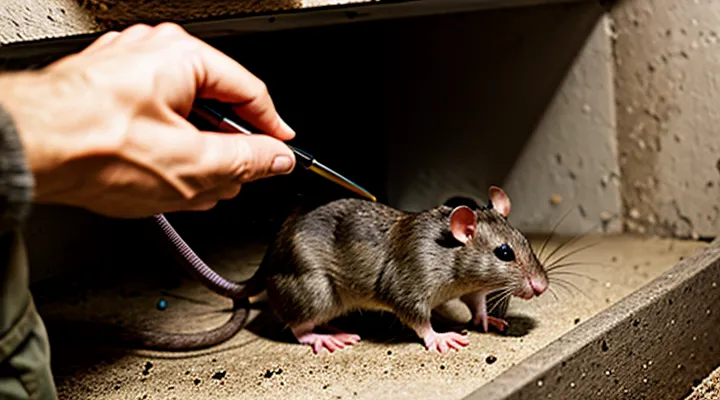
Understanding the Rat Problem in Your Basement
Why Rats Choose Basements
Food Sources
Rats survive on readily available food, and a basement that stores or leaks edible material becomes a primary attractant. Eliminating these sources removes the incentive for infestation and supports any chemical or mechanical control measures.
Identify and secure all potential food items. Common sources include pet food, stored grains, canned goods, and waste. Place each item in sealed, rodent‑proof containers made of metal or thick plastic with tight‑fitting lids.
Inspect the area for accidental spills or crumbs. Clean surfaces with a detergent solution, then rinse with water. Dry the area thoroughly; moisture encourages rodents to forage.
Remove organic waste promptly. Use trash cans with lids that lock, and empty them at least daily. Compost bins should be kept outside the basement or sealed with a heavy-duty lid.
Seal entry points that allow food to enter from other parts of the house, such as gaps around utility lines or vent openings. Apply steel wool or silicone caulk to block these pathways.
Maintain a regular schedule:
- Weekly inventory of stored food, discarding expired items.
- Daily sweep of floors and countertops.
- Bi‑weekly inspection of containers for damage.
- Monthly check of seals around doors, windows, and utilities.
By systematically denying rats access to nourishment, the basement becomes an inhospitable environment, increasing the effectiveness of any removal strategy.
Shelter and Warmth
Rats occupy basements because the environment offers protection from predators and stable temperatures. The concrete walls, limited exposure to sunlight, and occasional insulation create a refuge that satisfies their need for shelter and warmth. Reducing these conditions removes the primary incentive for infestation.
Seal entry points. Inspect foundation cracks, utility penetrations, and vent openings; apply steel wool, concrete filler, or metal flashing to block access. Repair damaged flooring and remove gaps around pipes.
Eliminate heat sources. Disable or relocate appliances that generate warmth, such as water heaters, furnaces, or laundry machines left running unattended. Install thermostatically controlled vents to maintain lower ambient temperatures that are less attractive to rodents.
Remove nesting materials. Clear stored cardboard, fabric, paper, and debris that provide bedding. Store items in sealed plastic containers with tight‑fitting lids.
Control humidity. Use a dehumidifier to keep relative humidity below 50 %, preventing condensation that creates a comfortable microclimate for rats.
Implement regular monitoring. Place snap traps or electronic monitors along walls and near potential hideouts; check daily and record activity to verify that shelter and warmth have been effectively reduced.
By systematically denying rats the shelter and thermal comfort they seek, the likelihood of a persistent basement infestation drops dramatically.
Easy Access Points
Rats enter basements through openings as small as a quarter‑inch, exploiting structural weaknesses and utility penetrations. Typical access points include:
- Gaps around foundation walls and concrete footings.
- Unsealed cracks in basement floors or walls.
- Openings around pipe sleeves, vent pipes, and sewer lines.
- Spaces beneath door thresholds and around sliding doors.
- Gaps around electrical conduit, HVAC ducts, and cable entries.
- Unfinished or damaged window frames and soffit vents.
Inspection should begin with a thorough visual survey, using a flashlight to trace the perimeter at floor level. Any opening larger than 1/4 in. must be sealed with appropriate material: hydraulic cement for concrete cracks, steel wool combined with expanding foam for pipe gaps, and weather‑stripping or metal thresholds for door edges. Metal flashing or mesh can protect larger vent openings, while silicone caulk secures minor seams around windows.
After sealing, maintain a dry environment by fixing leaks, installing a dehumidifier, and ensuring proper drainage away from the foundation. Periodic re‑inspection, especially after seasonal temperature changes, confirms that sealed points remain intact and prevents new entry routes from forming.
Signs of a Rat Infestation
Droppings and Urine
Rat droppings and urine are primary indicators of infestation and pose significant health hazards. Fresh droppings appear as small, dark pellets about ¼ inch long; older deposits may dry and crumble. Urine stains are often invisible but can be detected by a strong ammonia odor or by using a blacklight, which reveals fluorescence on contaminated surfaces.
Health risks stem from pathogens such as Hantavirus, Leptospira, and Salmonella. Inhalation of aerosolized particles from disturbed droppings can lead to severe respiratory illness. Direct contact with urine may cause skin irritation or infection. Prompt identification and removal of these contaminants reduce exposure and prevent secondary infestations.
Effective decontamination follows a strict protocol:
- Ventilate the area for at least 30 minutes; wear N‑95 respirator and disposable gloves.
- Saturate droppings and urine with a 10% bleach solution (1 part bleach to 9 parts water) or an EPA‑registered disinfectant; allow contact time of 10 minutes.
- Collect material with a disposable scoop or damp paper towel; place in a sealed, double‑bagged container.
- Dispose of the waste according to local hazardous‑waste regulations; do not place in regular trash.
- Clean all surfaces with the same disinfectant; rinse with clean water and dry thoroughly.
- Replace any porous materials (insulation, carpeting) that cannot be fully sanitized.
After removal, inspect the basement for residual stains or odors. Persistent ammonia smell indicates hidden urine pockets that require additional treatment. Maintaining low humidity and sealing entry points further diminishes the likelihood of future waste accumulation.
Gnaw Marks and Damage
Rats leave unmistakable evidence through gnaw marks, which serve as the primary indicator of infestation in a basement. These marks appear as clean, crescent-shaped cuts on wood, plastic, insulation, and wiring. The damage often follows a pattern: rodents chew from the outside inward, targeting structural supports, pipe insulation, and electrical cables to enlarge entry points and create pathways.
Key consequences of gnawing include:
- Compromised structural integrity: weakened joists and support beams can lead to sagging floors or collapse.
- Electrical hazards: exposed wires increase the risk of short circuits, fire, or electrocution.
- Moisture intrusion: chewed insulation allows water to seep into walls, fostering mold growth and further weakening materials.
- Contamination: saliva and urine deposited during chewing introduce pathogens that can spread to stored items and indoor air.
Identifying gnaw marks early enables targeted intervention. Inspect all accessible surfaces, focusing on corners, pipe runs, and vent openings. Document the location, depth, and material affected to prioritize repairs and prevent recurrence. Prompt sealing of chewed entry points, followed by professional rat control measures, mitigates further damage and restores basement safety.
Unusual Noises
Unusual noises in a basement often signal the presence of rodents and can guide removal efforts.
Common sounds include:
- Scratching on pipes, insulation, or stored boxes, typically heard at night when rats are most active.
- High‑pitched squeaking from confined spaces such as wall voids or crawl spaces.
- Rattling of debris or loose materials caused by rats moving heavy objects to create nests.
Identifying these noises helps pinpoint infestation hotspots. Listen from multiple positions to triangulate the source; louder, consistent scratching suggests a burrow near the floor joist, while intermittent squeaking may indicate a single rat in a concealed cavity.
Use the acoustic clues to prioritize actions:
- Seal identified entry points near the noise origin to prevent further ingress.
- Place traps or bait stations directly adjacent to the active area, increasing capture probability.
- Deploy ultrasonic deterrents aimed at the specific frequency range of the observed sounds, disrupting rodent activity without affecting humans.
Monitoring noise patterns after intervention provides immediate feedback on success. A reduction or cessation of the previously recorded sounds confirms effective control, while persistent or new noises indicate remaining activity and the need for additional measures.
Preparing for Rat Removal
Safety First: Personal Protective Equipment
When tackling a rodent infestation in a basement, the first priority is protecting the operator from health hazards. Direct contact with rats, droppings, urine, and the chemicals used for control can transmit pathogens such as leptospirosis, hantavirus, and salmonella. Proper personal protective equipment (PPE) creates a barrier that prevents exposure and reduces the risk of injury.
- Heavy‑duty disposable gloves (nitrile or latex) that extend to the wrist; replace after each use.
- Respiratory protection rated N95 or higher; consider a half‑mask with P100 filters when using rodenticides or aerosolized disinfectants.
- Safety goggles or full face shield to guard against splashes and airborne particles.
- Impermeable coveralls or disposable jumpsuits with sealed seams; secure with a hood and boot covers.
- Slip‑resistant, steel‑toe boots or rubber boots with waterproof liners; keep them clean and dry.
Before entering the work area, inspect each PPE item for tears, cracks, or compromised seals. Don the equipment in the correct order: coveralls, boots, gloves, goggles, then respirator. After the operation, remove PPE without contaminating clothing, place disposable items in sealed bags, and decontaminate reusable gear according to manufacturer instructions. Proper storage and regular replacement maintain the effectiveness of the protective barrier for future interventions.
Sealing Entry Points
Identifying Gaps and Cracks
Identifying gaps and cracks is the first step in any effective rat‑control strategy for a basement. Rats exploit any opening larger than a quarter‑inch, so even seemingly minor fissures can serve as permanent entryways.
A systematic inspection begins with a thorough visual survey. Turn on bright lighting, use a flashlight to examine walls, floors, and ceilings, and look for signs such as gnaw marks, droppings, or fresh mud. Follow walls to the foundation, checking for hairline splits, displaced mortar, and areas where bricks or concrete have shifted. Inspect utility penetrations—pipes, cables, and vent pipes—where the surrounding material may have worn away. Examine door sweeps, window frames, and any access panels for gaps that have become enlarged over time.
Common entry points include:
- Cracks in foundation walls or footings
- Openings around plumbing stacks and drain pipes
- Gaps surrounding electrical conduit
- Unsealed vent openings and exhaust fans
- Loose or damaged door thresholds and window seals
- Gaps beneath stairwell handrails or support beams
Detection tools improve accuracy. A moisture meter highlights damp areas where rats are likely to travel. An infrared camera reveals temperature differentials that indicate hidden voids. For hard‑to‑see cracks, a thin probe or a flexible steel wire can be gently inserted to gauge opening size.
Once identified, seal each opening with materials that resist gnawing. Use steel wool or copper mesh to fill small gaps, then cover with high‑quality silicone or polyurethane caulk. Larger fissures require concrete patching, hydraulic cement, or epoxy filler. For pipe penetrations, wrap the joint with metal flashing and secure with stainless‑steel screws. Install hardware cloth (¼‑inch mesh) over vents before re‑securing covers. Ensure all sealants cure fully before re‑exposing the area to moisture.
Regularly repeat the inspection cycle, especially after seasonal temperature changes or heavy rain, to catch new openings before rats can re‑establish access.
Recommended Sealing Materials
Sealing gaps and openings blocks the pathways rats use to access a basement, providing a permanent barrier that complements traps and bait stations.
Recommended sealing materials include:
- Rigid polyurethane foam – expands to fill irregular cracks, adheres to concrete, wood, and metal, and remains durable under moisture.
- Steel wool combined with caulk – steel wool resists chewing; covering it with silicone or acrylic caulk secures the patch and prevents water infiltration.
- Metal flashing – thin sheets of galvanized steel or aluminum applied over larger gaps around pipe penetrations, vents, and foundation seams; screws or rivets ensure a tight fit.
- Concrete sealant – polymer-modified cementitious mortar that repairs foundation cracks and can be troweled smooth, creating a hard, rat-proof surface.
- Weather‑resistant caulk – silicone or polyurethane caulk for small gaps around windows, doors, and electrical conduits; remains flexible and maintains adhesion in damp conditions.
When applying these materials, clean each opening of debris and moisture, allow sealants to cure fully before re‑exposing the area to humidity, and inspect regularly for new fissures caused by settling or water pressure. Proper installation eliminates most ingress points, reducing the likelihood of future infestations.
Cleaning and Decluttering the Basement
Removing Food and Water Sources
Rats survive by locating readily available nourishment and hydration. Eliminating these resources deprives the infestation of the essential support it needs to persist.
Secure all food items in airtight, metal containers. Plastic bags or loosely sealed jars allow scent to escape, attracting rodents. Dispose of pet food after each feeding and store it in the same sealed containers. Remove crumbs, spilled grains, and any waste from countertops, shelves, and floors; vacuum regularly to capture hidden particles.
Identify and repair sources of standing water. Leaky pipes, condensation on cold surfaces, and clogged drains create moist environments that rats exploit. Install drip‑free fixtures, wipe condensation daily, and clean drains with a solution of hot water and bleach to prevent buildup. Replace broken or cracked water bottles and eliminate open water dishes in the basement.
Maintain a clutter‑free environment. Cardboard boxes, paper piles, and stored fabrics can conceal food residues and retain moisture. Store items on shelves away from walls, and use plastic bins with tight‑fitting lids.
Implement the following checklist:
- Store all edibles in sealed metal containers.
- Clean surfaces after each meal; sweep and vacuum daily.
- Repair leaks; ensure no water drips from pipes or fixtures.
- Empty and dry pet water dishes nightly.
- Remove standing water from floor drains and sump pits.
- Dispose of garbage in sealed bags and remove it from the basement promptly.
By systematically removing food and water sources, the basement becomes inhospitable, forcing rats to seek sustenance elsewhere and reducing the likelihood of a persistent infestation.
Eliminating Hiding Spots
Effective rat control in a basement begins with removing any places where the animals can conceal themselves. Rats exploit gaps, clutter, and poorly stored materials, so eliminating these refuges reduces the likelihood of infestation and makes other control measures more successful.
- Inspect walls, floors, and ceilings for cracks larger than ¼ inch; fill them with steel wool and a durable sealant.
- Install metal flashing around utility penetrations and pipe sleeves to block entry points.
- Remove stacked cardboard, paper, and fabric; store necessary items on pallets or shelves away from the floor.
- Keep garbage in sealed containers and dispose of it regularly.
- Clear vegetation, mulch, and debris within two feet of the foundation to prevent exterior shelter.
- Use heavy‑duty wire mesh to cover vent openings and drain holes.
After sealing and decluttering, conduct a systematic walk‑through every three months. Verify that seals remain intact, replace damaged materials promptly, and maintain a tidy storage layout. Continuous monitoring ensures that new hiding spots do not develop, sustaining a rat‑free basement.
Effective Rat Removal Methods
Trapping Strategies
Snap Traps: Placement and Baiting
Snap traps are among the most reliable tools for eliminating rats that have taken residence in a basement. Their swift action reduces the risk of disease transmission and prevents further damage to structural elements. Proper deployment maximizes capture rates while minimizing unnecessary exposure to non‑target animals.
Effective placement follows three principles:
- Position traps along walls, behind stored items, and near known entry points; rats travel close to surfaces for safety.
- Set traps on the same plane as the rat’s pathway, typically a few inches from the wall to align with their natural travel corridor.
- Avoid areas with high foot traffic or where pets may encounter the device; use protective barriers if necessary.
Bait selection influences success. Preferred attractants include:
- Fresh peanut butter, applied in a pea‑sized amount to the trigger mechanism.
- Small pieces of dried fruit or nuts, especially when combined with a scent‑enhancing additive.
- Commercial rodent lures formulated with protein and fat, applied sparingly to prevent trap saturation.
Rotate bait types every few days to maintain curiosity and prevent habituation. After each capture, inspect the trap, replace the bait, and reset the device promptly to sustain pressure on the rodent population. Continuous monitoring and strategic repositioning ensure rapid reduction of the infestation.
Live Traps: Humane Removal
Live traps provide a non‑lethal solution for basement rat infestations. The devices consist of a cage or tube that closes automatically when a rodent enters, allowing capture without injury.
Select a trap sized for Norway or roof rats; typical dimensions range from 12 × 12 × 12 inches for cages to 15 × 10 × 5 inches for tube models. Choose models with sturdy hinges and a secure latch to prevent escape.
Effective deployment follows a precise routine:
- Position traps along walls, behind stored items, and near known runways; rats prefer concealed pathways.
- Use high‑protein baits such as peanut butter, dried fruit, or small pieces of cooked meat. Apply a thin layer to the trigger plate to encourage entry.
- Set traps in the late afternoon; rats are most active during dusk and night.
- Inspect traps every 12 hours. Remove captured rodents promptly to reduce stress and prevent scent marking that may deter further captures.
- Relocate each rat at least 1 mile from the residence, releasing it in a wooded area with adequate shelter and water sources. Wear gloves and handle cages carefully to avoid bites.
After each capture, clean the trap with a mild disinfectant and rinse thoroughly before resetting. Maintain a clutter‑free basement, seal entry points, and store food in sealed containers to reduce attractants. Consistent use of live traps, combined with sanitation and exclusion measures, yields reliable, humane reduction of rat populations.
Electronic Traps: Modern Solutions
Electronic traps provide a rapid, humane alternative to traditional snap‑traps and poison baits in subterranean environments. These devices deliver a high‑voltage shock that instantly incapacitates rodents, eliminating the risk of secondary poisoning and reducing the likelihood of unnoticed deaths that can cause foul odors. Their built‑in sensors detect the presence of a rat, ensuring that only target animals receive an electric pulse while minimizing accidental activation by non‑target species.
Key characteristics for selecting an effective electronic trap include:
- Voltage output of at least 3,000 V to guarantee immediate incapacitation.
- Battery life of 12 months or more, with low‑maintenance rechargeable units preferred for continuous operation.
- Transparent or mesh housing that allows visual confirmation of captures without disturbing the trap’s functionality.
- Integrated safety lock that prevents accidental discharge during handling or cleaning.
Installation guidelines focus on placement within the basement’s rodent pathways. Position traps along walls, near entry points, and close to food sources, maintaining a distance of 12–18 inches between units to cover overlapping detection zones. Secure devices to the floor or a stable surface to avoid displacement by moving rodents. After each capture, disconnect power, remove the carcass, and sanitize the chamber with a mild disinfectant to preserve trap efficiency and prevent disease transmission. Regularly inspect battery status and sensor integrity; replace depleted batteries or faulty units promptly to sustain consistent performance.
Baits and Lures
Types of Bait: Food vs. Scent
Effective rat control in a basement begins with selecting the proper bait. Two primary categories dominate: food‑based baits and scent‑based attractants.
Food baits rely on the rat’s natural preference for high‑calorie, protein‑rich substances. Common options include peanut butter, dried fruit, and commercial rodent blocks formulated with grain and meat derivatives. Advantages are rapid acceptance and straightforward placement. Limitations involve rapid spoilage in damp environments and potential attraction of non‑target species. To mitigate these issues, encase the bait in sealed, chew‑resistant containers and replace it every 48 hours.
Scent baits exploit volatile compounds that trigger a rat’s olfactory response. Typical formulations contain synthetic pheromones, predator‑derived odors, or strong food extracts such as cheese or bacon essence. Benefits include minimal mess and reduced risk of attracting insects or pets. Drawbacks consist of variable efficacy across rat populations and the need for frequent re‑application as scents dissipate. Optimal use requires positioning the lure near known runways and refreshing the scent every 24 hours.
When deciding between the two, consider the following factors:
- Environmental conditions – moisture favors sealed food baits; dry basements allow scent diffusion.
- Target specificity – scent lures reduce accidental ingestion by wildlife.
- Maintenance capacity – food baits demand less frequent renewal but require spoilage monitoring; scent baits need regular re‑application.
Combining both approaches often yields the highest success rate: place a food bait in a protected station while distributing a low‑concentration scent lure along the perimeter to draw rats toward the station. This dual‑bait strategy maximizes attraction while minimizing drawbacks inherent to each method.
Safe Baiting Practices
Safe baiting eliminates rats while protecting occupants and pets. Use bait stations that lock the poison inside, preventing accidental contact. Place stations along walls, behind stored items, and near known activity trails; rats avoid open spaces and travel close to surfaces.
- Choose anticoagulant baits with low secondary toxicity; they require multiple feedings, reducing risk of a single lethal dose to non‑target animals.
- Opt for bromadiolone or difenacoum formulations approved for indoor use.
- Seal each station with a tamper‑resistant latch and verify that the opening is no larger than 1 cm, matching the size of a rat’s head.
- Label stations clearly with hazard warnings and keep a written inventory of placement locations.
- Rotate bait types every 30 days to prevent bait shyness and resistance buildup.
After deployment, monitor stations daily. Remove dead rodents with disposable gloves, place them in sealed bags, and discard according to local hazardous waste regulations. Clean the area with a solution of 1 part bleach to 10 parts water to deactivate residual toxin. Replace any compromised stations immediately. Continuous observation and prompt removal of baited rodents maintain efficacy while minimizing health hazards.
Repellents and Deterrents
Natural Repellents
Natural repellents offer a chemical‑free approach to discouraging rats that have entered a basement. They work by creating an environment that rats find unpleasant, reducing the likelihood of nesting or foraging.
- Peppermint oil – Soak cotton balls in undiluted oil and place them in corners, near entry points, and around stored items. Replace every 2–3 days to maintain potency.
- Ammonia – Fill small containers with a mixture of equal parts water and ammonia. Position them where rats travel. The sharp odor mimics predator urine, prompting avoidance. Refresh weekly.
- Predator urine – Commercially available products contain fox or cat urine. Distribute sachets in concealed locations. Replace according to manufacturer guidelines, typically every 4–6 weeks.
- Dryer sheets – Lay scented sheets along baseboard seams and behind furniture. The strong fragrance can deter rodents for several weeks before losing effectiveness.
- Vinegar – Spray a 1:1 solution of white vinegar on surfaces near suspected pathways. The acidic smell unsettles rats and can be reapplied after cleaning.
When applying natural repellents, ensure adequate ventilation to prevent buildup of strong odors that may affect human occupants. Combine multiple agents for broader coverage, but avoid mixing chemicals that could create harmful reactions. Consistent placement and periodic renewal are essential for sustained effectiveness.
Ultrasonic Devices: Do They Work?
Ultrasonic repellents emit high‑frequency sound waves that are inaudible to humans but intended to disturb rodent nervous systems. Manufacturers claim frequencies between 20 kHz and 65 kHz create a hostile environment, causing rats to vacate the area.
Scientific evaluations show mixed results. Controlled laboratory tests often record temporary avoidance behavior, yet field studies in residential basements report negligible population decline. Factors reducing effectiveness include:
- Sound attenuation through walls, insulation, and stored items
- Rat habituation after several days of exposure
- Variable frequency ranges that may not match rat hearing sensitivity
Power requirements are modest; most units operate on standard AC outlets or battery packs. Installation is simple: place devices at least 12 inches from surfaces, avoid direct contact with metal objects, and position them away from large furniture that can block sound propagation.
Maintenance involves replacing batteries annually and cleaning dust from the transducer surface. Some models feature adjustable frequency settings, allowing users to test different ranges, though studies indicate frequency shifts do not overcome habituation.
Comparative data suggest ultrasonic devices alone achieve a reduction of 0‑10 % in rat activity, whereas integrated pest‑management strategies—combining sealing entry points, traps, and sanitation—reach reductions of 70 % or higher. Consequently, ultrasonic repellents are best employed as supplemental tools rather than primary solutions for basement rat infestations.
Post-Removal and Prevention
Sanitization and Odor Control
Cleaning Contaminated Areas
Cleaning contaminated zones after rat activity is a prerequisite for safe habitation. Rat urine, feces, and saliva deposit pathogens that can survive weeks on surfaces, making thorough decontamination essential before any reconstruction or reoccupation.
- Conduct a visual inspection to locate droppings, gnaw marks, and urine stains.
- Remove all visible waste with disposable gloves and sealed bags.
- Vacuum the area using a HEPA‑rated unit to capture fine particles.
- Apply an EPA‑registered disinfectant to all surfaces, following manufacturer contact time.
- Allow the space to dry completely, then repeat disinfection on high‑traffic zones.
Protective measures protect both the cleaner and the structure. Wear N‑95 respirators, impermeable gowns, and goggles throughout the process. Use disposable tools when possible; otherwise, sterilize equipment after each use. Ensure proper ventilation to reduce inhalation risk.
Final verification includes swab testing of sampled surfaces for residual contamination. If results exceed acceptable limits, repeat the disinfection cycle. Document all steps, chemicals used, and test outcomes for future reference and compliance with health regulations.
Eliminating Rat Odors
Rat odors linger after an infestation because urine, feces, and secretions soak into porous surfaces and accumulate in hidden cavities. These organic residues release volatile compounds that persist until fully broken down or removed. Effective odor elimination requires thorough cleaning, targeted neutralization, and environmental control.
Begin with a comprehensive removal of all visible waste. Use disposable gloves and a mask, collect droppings with a shovel or scoop, and place them in a sealed bag. Discard the bag in an outdoor trash container to prevent re‑contamination.
Next, treat contaminated materials:
- Apply an enzymatic cleaner to walls, floors, and insulation. Enzymes digest proteins and fats, breaking down odor‑causing molecules.
- For non‑porous surfaces, scrub with a detergent solution followed by a diluted bleach mixture (1 part bleach to 10 parts water) to disinfect and oxidize residues.
- Saturate heavily affected insulation or carpet padding with the enzymatic solution, then allow it to dry completely. Replace items that cannot be fully cleaned.
Ventilation accelerates odor dissipation. Install an exhaust fan or open windows to create a cross‑draft for at least 24 hours. Supplement airflow with a portable air purifier equipped with a carbon filter to adsorb lingering compounds.
When odors remain after cleaning, consider advanced neutralization:
- Deploy an ozone generator in the sealed basement for a short cycle (30–45 minutes). Ozone oxidizes trace molecules, but ensure the space is vacated and ventilated afterward.
- Place activated charcoal bags in corners and near entry points. Charcoal adsorbs volatile organic compounds over several days.
- Use a professional-grade odor‑neutralizing spray containing hydroxyl radicals for final touch‑up on hard surfaces.
Finally, maintain a dry environment. Repair leaks, improve drainage, and use a dehumidifier to keep humidity below 50 %. Dry conditions inhibit microbial growth that could regenerate odors.
Following these steps removes the source of rat smells, prevents re‑emergence, and restores a fresh basement atmosphere.
Long-Term Prevention Strategies
Regular Inspections
Regular inspections are a cornerstone of any effective rat‑control program in a basement. They provide early detection of activity, verify the integrity of exclusion measures, and confirm that traps or bait stations remain functional.
During each inspection, focus on the following elements:
- Entry points – examine foundation cracks, utility penetrations, vent covers, and gaps around pipes for openings larger than ¼ inch. Seal any discovered gaps with steel wool, caulk, or metal flashing.
- Signs of infestation – look for droppings, gnaw marks, urine stains, and nesting material such as shredded insulation or paper. Record locations and quantities to assess population trends.
- Trap and bait performance – check that mechanical traps are set correctly, spring mechanisms are not corroded, and bait stations contain fresh attractant. Replace depleted bait and reset malfunctioning devices.
- Sanitation conditions – verify that food sources, water leaks, and clutter are minimized. Remove debris, repair leaks, and store items in sealed containers to reduce attractants.
- Structural integrity – inspect flooring, joists, and wall sheathing for damage caused by chewing. Reinforce compromised areas to prevent further access.
A recommended schedule includes:
- Initial comprehensive survey – conduct a thorough walkthrough before implementing control measures.
- Bi‑weekly checks – perform focused inspections for the first two months to monitor early activity.
- Monthly reviews – continue with regular visits once the population declines.
- Quarterly audits – maintain long‑term vigilance, especially after seasonal changes that may drive rodents indoors.
Document each visit with date, inspected zones, observed evidence, and corrective actions taken. Consistent records enable trend analysis and support adjustments to the control strategy, ensuring that rat problems are identified and resolved before they become entrenched.
Maintaining a Clean Environment
A clean basement reduces the resources rats need to survive, directly limiting their ability to establish colonies. Food residues, spilled liquids, and clutter provide shelter and attract pests; eliminating these elements removes the primary incentives for infestation.
Regular sanitation includes:
- Removing all stored food, sealing leftovers in airtight containers, and disposing of waste in sealed bins.
- Sweeping floors, vacuuming corners, and wiping surfaces with a disinfectant solution to eliminate crumbs and spillage.
- Organizing storage areas, keeping items off the floor, and using shelving that allows easy inspection and cleaning.
- Inspecting and cleaning drainage pipes, sump pumps, and moisture‑prone zones to prevent water accumulation that attracts rodents.
Ventilation and humidity control further discourage rat activity. Installing a dehumidifier, repairing leaks, and ensuring proper airflow maintain low moisture levels, creating an environment unsuitable for nesting.
Routine inspections detect emerging problems early. A weekly visual check of corners, walls, and entry points, combined with immediate removal of debris, sustains the cleanliness standard necessary to prevent re‑infestation.
Securing Food Storage
Securing food storage is a critical step in preventing rat infestations in a basement. Rats are attracted to accessible, unsealed food sources; eliminating these attractions reduces the likelihood of entry and nesting.
Store all consumables in containers made of metal, heavy‑duty plastic, or glass with airtight seals. Verify that lids snap shut and that no cracks or gaps remain. Label containers with inspection dates and rotate stock to avoid spoilage, which can emit odors that draw rodents.
Maintain a clean environment around storage areas. Sweep floors regularly, wipe down shelves, and promptly clean up spills. Dispose of waste in sealed bags and remove trash from the basement at least weekly.
Implement physical barriers to protect stored items:
- Install metal shelving with no open gaps.
- Use wire mesh (¼‑inch or smaller) to cover vent openings and drain holes.
- Seal gaps around pipes, wiring, and utility penetrations with steel wool combined with caulk.
Regularly audit the storage zone. Check for signs of gnawing, droppings, or damage to containers. Replace compromised seals immediately. By rigorously controlling food access, the basement becomes an inhospitable habitat for rats, supporting overall pest‑removal efforts.