
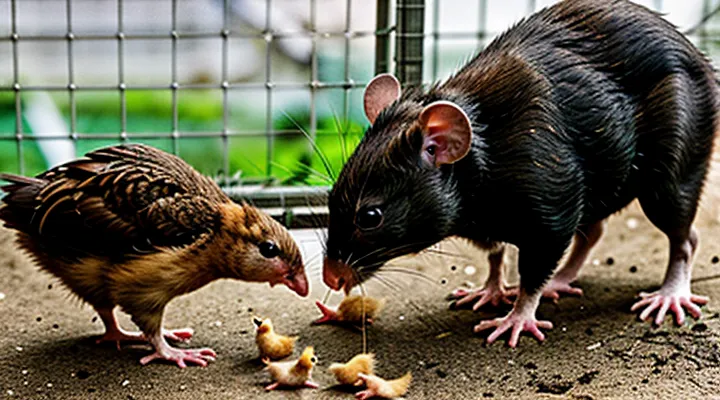
Understanding Rat Behavior
Types of Rats Affecting Poultry
Rats that prey on chickens and other poultry fall into several well‑documented species, each with distinct habits that influence the level of risk to flocks. Understanding which species are present enables targeted control measures and reduces losses.
- Brown rat (Rattus norvegicus) – Large, nocturnal, prefers ground burrows near feed stores; capable of entering coops through gaps as small as ½ inch.
- Black rat (Rattus rattus) – Agile climber, often found in roof spaces and upper coop structures; attacks chicks and eggs from elevated positions.
- Polynesian rat (Rattus exulans) – Small, highly reproductive, commonly inhabits island farms; attacks hatchlings and competes for grain.
- Roof rat (Rattus rattus domestica) – Variant of the black rat adapted to urban environments; exploits wiring and ventilation openings to reach poultry houses.
Accurate identification relies on size, tail length, and preferred nesting sites. Each species can cause direct predation, egg consumption, and contamination of feed with droppings and urine, leading to disease transmission. Effective mitigation begins with sealing entry points sized to the smallest rat, removing food sources, and employing species‑specific trapping or baiting strategies.
Habits and Habitat of Rats
Rats thrive in environments that supply food, water, shelter and access to nesting sites. In agricultural settings they exploit grain bins, feed troughs, manure piles and any structure that offers protection from predators and weather. Typical habitats include:
- Barn lofts and roof spaces
- Coop walls and insulation gaps
- Outdoor feed storage containers
- Drainage ditches and low‑lying vegetation
- Abandoned burrows or underground utility tunnels
Their nocturnal activity pattern concentrates foraging and movement after dark, reducing exposure to diurnal predators. Rats possess strong incisors that continuously grow; constant gnawing on wood, plastic and wire facilitates entry into coops and dismantles containment systems. They are capable swimmers, allowing colonisation of flooded areas and water‑filled containers.
Social organisation centres on hierarchical colonies where dominant individuals control prime nesting chambers. Breeding cycles occur year‑round, with females capable of producing up to ten litters annually; each litter may contain eight to twelve offspring. Rapid population growth intensifies pressure on poultry facilities, especially during warm months when food stores are abundant.
Feeding behaviour is omnivorous and opportunistic. Rats consume grain, feed mash, insects, eggs and, when accessible, hatchlings. Their ability to locate and infiltrate small openings makes them effective predators of vulnerable chicks, directly impacting poultry producers’ productivity and biosecurity.
Impact of Rats on Poultry Farms
Direct Predation on Chicks
Rats attack young poultry by entering coops and nests, seizing chicks with their teeth and dragging them to hidden burrows. The predation occurs within minutes of hatch, often before caretakers can intervene. Physical evidence includes torn skin, bite marks, and missing bodies near feeder trays or nesting boxes.
Key indicators of rat‑driven chick loss:
- Presence of droppings, gnaw marks, or shredded bedding in nesting areas.
- Unexplained disappearance of chicks within the first 48 hours.
- Tracks leading to concealed entry points such as gaps under doors or vents.
Direct predation reduces flock productivity, disrupts breeding cycles, and can introduce pathogens carried by rodents. Effective mitigation focuses on eliminating access and deterring contact.
Practical protection measures:
- Seal all openings larger than ¼ inch with metal flashing or concrete.
- Install sturdy wire mesh (¼‑inch hardware cloth) around nesting boxes and feeder stations.
- Maintain a clean environment: remove spilled feed, store grain in sealed containers, and eliminate clutter that provides shelter.
- Employ snap traps or electronic bait stations positioned along known runways, checking and resetting them daily.
- Use ultrasonic repellents or scent‑based deterrents (e.g., peppermint oil) as supplementary barriers, recognizing that efficacy varies.
Consistent application of these controls curtails rat intrusion, safeguards vulnerable chicks, and preserves overall poultry health.
Damage to Eggs and Feed
Rats infiltrating poultry houses frequently target eggs and feed, directly reducing productivity and increasing costs. Their small size and nocturnal habits allow them to reach nesting boxes and storage containers with minimal detection.
Egg damage manifests as:
- Cracked shells caused by gnawing or dropping.
- Contamination from rat saliva, urine, and feces, leading to bacterial growth.
- Loss of hatchability when embryos are exposed to pathogens or physical injury.
- Increased discard rates during quality control inspections.
Feed loss occurs through:
- Direct consumption of grains, mash, and supplemental rations.
- Spoilage from contamination, prompting premature disposal.
- Structural damage to feed bins and troughs, creating entry points for further infestation.
- Elevated feed‑to‑gain ratios as remaining birds consume more to compensate for reduced availability.
The combined effect of egg and feed damage can diminish flock output by up to 15 % in severe infestations, while also raising labor demands for cleaning, monitoring, and waste management. Immediate identification of rat activity and implementation of control measures are essential to protect both egg integrity and feed resources.
Disease Transmission by Rats
Rats frequently inhabit poultry environments, where they encounter feed, water, and nesting material. Their presence introduces a range of pathogens that can infect chickens, reduce egg production, and increase mortality rates.
Common disease agents carried by rats include:
- Salmonella spp. – causes septicemia and enteritis in poultry.
- Escherichia coli – leads to colibacillosis, respiratory distress, and septicemia.
- Pasteurella multocida – responsible for fowl cholera, a rapid‑progressing hemorrhagic disease.
- Clostridium perfringens – initiates necrotic enteritis, especially in young birds.
- Campylobacter jejuni – results in gastroenteritis and can contaminate eggs.
- Leptospira interrogans – produces leptospirosis, characterized by renal failure and reproductive loss.
Transmission occurs through:
- Direct contact with rat urine, feces, or saliva that contaminates feed and water sources.
- Indirect spread via ectoparasites (fleas, mites) that move between rodents and birds.
- Mechanical transfer of pathogens on rat fur or paws when rodents explore coop structures.
Infected flocks display symptoms such as decreased feed intake, watery droppings, respiratory distress, and sudden death. Economic impact includes loss of birds, reduced hatchability, and increased veterinary costs.
Effective mitigation requires an integrated approach:
- Seal all openings larger than 1 cm to prevent rodent entry.
- Store feed in metal containers with tight lids.
- Maintain daily removal of spilled feed and droppings.
- Deploy snap traps or electronic bait stations in strategic locations.
- Conduct regular health monitoring and laboratory testing for early pathogen detection.
Implementing these measures limits disease introduction, protects flock health, and sustains productivity.
Economic Losses for Poultry Keepers
Rats invading poultry houses cause direct and indirect financial damage that can destabilize an operation. Premature chick mortality reduces the number of birds reaching market weight, cutting revenue by the value of each lost bird. Adult birds killed or injured by rodents similarly diminish the herd, decreasing egg output and meat production.
Secondary losses arise from disease transmission. Rats carry pathogens such as Salmonella, Leptospira and parasites that infect poultry, prompting veterinary intervention, medication, and vaccination programs. These expenses add to the cost of each production cycle.
Contamination of feed and bedding by rodent droppings forces producers to discard spoiled supplies, increasing feed costs and requiring more frequent replacement of litter.
Structural damage to equipment and building components—chewed wiring, broken ventilation ducts, compromised insulation—necessitates repairs or replacement, inflating maintenance budgets.
Market repercussions include reduced consumer confidence when rodent infestation becomes public, potentially lowering price premiums for organic or free‑range products.
Key cost categories can be summarized as follows:
- Mortality of chicks and adult birds
- Loss of egg production and meat yield
- Veterinary treatment and preventive health measures
- Feed and bedding wastage
- Repair and replacement of infrastructure
- Reputation‑related price adjustments
Quantifying these elements enables producers to assess the true economic impact of rodent activity and justify investment in comprehensive control strategies.
Identification of Rat Infestations
Signs of Rat Presence
Detecting rat activity early prevents losses in poultry operations. Recognizing the presence of rodents allows timely intervention before they reach vulnerable birds.
Typical indicators of rat infestation include:
- Gnaw marks on feed containers, wire mesh, and wooden structures.
- Droppings resembling small, dark pellets, often found along walls, near nesting boxes, and beneath feed troughs.
- Fresh nests made from shredded straw, paper, or insulation material in hidden corners or lofts.
- Grease tracks or smears along baseboards, cages, and around water lines.
- Unusual noises such as scratching or scurrying, especially at night.
When any of these signs appear, inspect the affected area thoroughly, secure feed, and implement control measures to safeguard the flock.
Locating Rat Nests
Rats that prey on poultry frequently establish nests close to feed sources and shelter, making nest detection a critical step in safeguarding flocks. Early identification prevents repeated attacks and reduces the need for extensive chemical control.
Typical indicators of a rat colony include gnawed feed bags, droppings concentrated near feeding stations, burrow openings in soft soil or under litter, and faint pathways worn into the ground. A sudden increase in feather loss or unexplained mortality often signals nearby nesting activity.
Effective methods for pinpointing rat nests:
- Conduct systematic visual sweeps around coops, focusing on corners, under perches, and within insulation gaps.
- Lay non‑toxic tracking powder along suspected routes; footprints reveal movement patterns and nest proximity.
- Deploy motion‑activated cameras at entry points; recorded activity highlights active burrows.
- Set baited snap or live traps in clusters; capture locations correlate with nest sites.
- Examine vegetation and debris piles for hidden burrows, especially where soil is loose and moist.
Once a nest is confirmed, implement immediate control measures: remove debris, seal entry holes with steel mesh, relocate feed containers to elevated platforms, and apply targeted bait stations away from the coop. Follow up with regular inspections to ensure the colony does not re‑establish.
Prevention Strategies for Rat Control
Farm Sanitation and Hygiene
Effective farm sanitation reduces rodent access to poultry, limits disease spread, and protects chicks from predation. Regular removal of spilled feed, grain, and bedding eliminates food sources that attract rats. All waste should be stored in sealed containers and disposed of promptly. Clean surfaces with disinfectants after each flock turnover to destroy scent trails that guide rodents.
- Install metal or concrete flooring in feed storage areas; avoid wood or soft materials that can be gnawed.
- Maintain a perimeter of at least 30 cm cleared of vegetation, debris, and mulch around coops.
- Seal all openings larger than 1 cm with steel mesh; inspect doors, windows, and ventilation shafts weekly.
- Use concrete or metal foundations for nesting boxes; avoid gaps where rats can hide.
- Conduct daily inspections for droppings, gnaw marks, and burrows; record findings and act immediately.
Water systems must be closed off when not in use, and troughs should be drained and cleaned each night. Compost piles should be turned regularly and covered with rodent‑proof material. When cleaning, wear protective clothing and follow biosecurity protocols to prevent cross‑contamination between flocks.
Implementing a strict cleaning schedule, combined with structural barriers and vigilant monitoring, creates an environment that deters rats from entering poultry houses, thereby safeguarding chicks from loss and reducing the overall risk to poultry keepers.
Securing Feed Storage
Secure feed storage is a primary defense against rodent incursions that can lead to poultry losses. Unsealed containers, spilled grains, and outdoor bins provide easy access to rats, which are attracted by the high caloric content of feed. Reducing this attraction limits the probability of rats entering coops and preying on chicks.
Effective measures include:
- Metal or heavy‑duty plastic containers with airtight lids; avoid fabric or cardboard boxes.
- Elevated storage platforms set at least 12 inches above the ground to prevent rats from climbing directly from the floor.
- Concrete or metal flooring beneath storage units to eliminate burrowing opportunities.
- Tight sealing of all seams and joints; use silicone or weather‑resistant tape where necessary.
- Routine cleaning of spill zones; sweep and vacuum residual feed after each feeding cycle.
Additional strategies reinforce the primary barriers:
- Install motion‑activated ultrasonic repellents around storage areas; replace batteries quarterly.
- Place predator scent sachets (e.g., fox or owl) near feed stations; refresh monthly.
- Conduct monthly inspections for gnaw marks, droppings, or nesting material; document findings and address breaches immediately.
- Rotate feed supplies every six months; discard any product showing signs of contamination or infestation.
Maintaining a disciplined storage protocol, combined with physical barriers and regular monitoring, minimizes rodent access to feed and reduces the risk of predation on young poultry.
Rodent-Proofing Structures
Effective rodent exclusion begins with a structure designed to deny entry at every potential point. Walls, floors, and ceilings must be constructed from materials that resist gnawing, such as metal sheeting, concrete, or reinforced plastic. All seams should be sealed with stainless‑steel mesh or caulking that remains intact under weather exposure.
Installation of secure doors and windows is mandatory. Hinges and locks must be made of hardened steel, and sweeps should extend to the floor to block gaps. Ventilation openings need protective screens with mesh apertures no larger than ¼ inch.
Key actions for retrofitting existing buildings include:
- Inspecting the exterior for holes, cracks, or openings larger than ¼ inch.
- Applying steel wool or copper mesh to fill gaps before sealing with cement or epoxy.
- Replacing wooden lintels with metal equivalents where rats can chew.
- Installing self‑closing doors on all access points, including feed rooms and equipment sheds.
- Adding predator‑proof feed bins that lock securely and are elevated off the ground.
Regular maintenance reinforces protection. Conduct monthly visual checks, repair any compromised seals promptly, and keep the surrounding area free of debris, fallen feed, and vegetation that could provide shelter. By adhering to these measures, poultry facilities reduce the risk of rat incursions and the associated loss of chicks.
Managing Vegetation Around Coops
Effective control of plant growth around chicken enclosures reduces shelter and food sources for rodents, thereby lowering the risk of predation on young birds. Dense grass, weeds, and shrubbery create pathways that enable rats to approach coops unnoticed. Regular trimming limits these access routes and improves visibility for caretakers.
Key practices include:
- Mow the perimeter at least three feet from the fence line weekly during growing seasons.
- Remove any fruit‑bearing trees or vines within ten feet of the structure; fallen fruit attracts rats.
- Keep mulch layers thin (no more than two inches) and replace with gravel or sand where possible.
- Dispose of garden waste promptly; compost bins should be sealed and located away from the coop.
- Inspect and clear drainage ditches to prevent water‑logged vegetation that encourages rodent nesting.
Additional measures reinforce the primary strategy. Install low, smooth‑barked fencing to discourage climbing. Use herbicide‑free, targeted applications of non‑chemical weed control to avoid contaminating feed. Rotate grazing or free‑range areas to prevent over‑growth and allow soil recovery.
Monitoring should be systematic. Conduct visual checks of the coop’s outer ring twice daily, noting any new growth or signs of rodent activity such as gnaw marks or droppings. Record observations in a log to identify trends and adjust maintenance frequency accordingly.
By maintaining a clear, low‑vegetation zone around poultry housing, owners create an environment hostile to rats while preserving the health and safety of their flocks.
Active Rat Control Methods
Trapping Techniques
Rats pose a serious risk to poultry operations, causing mortality, disease transmission, and financial loss. Effective trapping reduces population pressure and limits damage.
Snap traps constructed from sturdy wood or metal deliver rapid kill when rats encounter a trigger plate. Position traps along wall edges, under feeders, and near burrow openings. Use fresh peanut butter, dried fruit, or meat scraps as bait; replace daily to maintain potency.
Live‑catch cages provide humane removal for relocation or controlled disposal. Select models with secure doors and smooth interiors to prevent escape. Bait with grain or cheese, set cages at ground level, and check every 12 hours to avoid stress.
Glue boards capture rodents without mechanical action. Apply boards on flat surfaces near nesting material or water sources. Replace boards promptly after capture to prevent secondary injury.
Electronic traps emit a high‑voltage shock that kills instantly. Place devices on solid platforms, connect to a reliable power source, and inspect after each activation to remove carcasses.
Key practices for all traps include:
- Regular inspection—remove captured rats, clean, and reset.
- Rotation of trap locations—prevent trap shyness and cover new activity zones.
- Maintenance of bait freshness—ensure strong olfactory attraction.
- Compliance with local wildlife regulations—obtain permits where required.
Integrating multiple trap types in a systematic grid maximizes coverage and accelerates population decline, safeguarding poultry health and productivity.
Live Traps
Live traps provide a humane option for removing rats that threaten poultry flocks. They capture rodents without killing them, allowing owners to release the animals far from the coop or to dispatch them according to local regulations.
Effective use of live traps requires careful selection of model and bait. Common models include:
- Box traps with a spring‑loaded door, suitable for indoor and sheltered outdoor areas.
- Multi‑capture cage traps that hold several rats, useful in high‑pressure zones.
- Fold‑down wooden traps that blend with natural surroundings, ideal for garden borders.
Bait should attract rats quickly and remain stable in the trap environment. Preferred attractants are:
- Peanut butter mixed with oats.
- Dried fruit or raisins.
- Commercial rodent lures containing grain and protein.
Placement determines capture rates. Position traps along established rat runways, near feed storage, and adjacent to nesting boxes. Align the trigger mechanism with the direction of rat movement to reduce escape incidents. Secure traps on stable surfaces to prevent tipping.
Maintenance includes daily inspection, prompt removal of captured rodents, and thorough cleaning to eliminate scent trails that could deter future captures. Replace worn springs or latch components to preserve functionality.
Integrating live traps with other control measures enhances overall protection. Combine trapping with:
- Elimination of food sources by storing feed in sealed containers.
- Sealing entry points with steel mesh or concrete.
- Regular removal of debris and vegetation that offers shelter.
When deployed systematically, live traps reduce rat populations, lower predation pressure on chicks, and support sustainable poultry management without reliance on toxic chemicals.
Snap Traps
Rats cause significant losses for poultry owners by preying on chicks and contaminating feed. Rapid, reliable control measures are essential to safeguard flocks.
Snap traps provide immediate, lethal capture of rodents. The device consists of a spring‑loaded bar that releases when a rat triggers a pressure plate or baited trigger. When activated, the bar snaps shut, delivering a fatal blow to the animal’s neck or spine. Construction typically involves a sturdy wooden or plastic base, a steel spring, and a removable trigger mechanism for easy cleaning.
Advantages of snap traps include:
- Instant kill, preventing prolonged suffering and disease spread.
- Low cost compared to electronic or chemical options.
- No reliance on poison, eliminating secondary poisoning risk for pets and wildlife.
- Simple deployment without power sources or specialist training.
Limitations involve:
- Requirement for regular inspection and bait replacement.
- Potential for non‑target captures if placed where other small animals roam.
- Necessity for safe handling of dead rodents to avoid disease exposure.
Effective use in a poultry setting follows these practices:
- Position traps along walls, near feed storage, and at known rat pathways; rats prefer concealed routes.
- Bait with high‑fat items such as peanut butter, bacon bits, or dried fruit, securing the bait to prevent removal without triggering.
- Set traps at a height of 2–4 inches above the floor to match the typical rat travel line.
- Check traps daily, dispose of captured rats in sealed bags, and reset with fresh bait.
- Rotate trap locations periodically to prevent rats from learning avoidance patterns.
When integrated with sanitation, exclusion of entry points, and regular monitoring, snap traps form a core component of a comprehensive rodent‑management program for poultry keepers.
Electronic Traps
Electronic traps provide a rapid, non‑chemical response to rodent incursions in poultry houses. Devices emit a high‑frequency pulse or a short, high‑voltage shock when a rat contacts the sensor, delivering an immediate lethal effect without contaminating feed or water. The circuitry includes a motion detector, a power source—often a rechargeable battery or solar panel—and a safety interlock that disables the unit when a human or domestic animal approaches.
Key characteristics of effective electronic traps:
- Target specificity – sensors calibrated to the size and weight of rats reduce accidental capture of non‑target species.
- Durability – sealed housings resist dust, moisture, and ammonia typical of poultry environments.
- Power autonomy – low‑draw components enable weeks of operation on a single charge, minimizing maintenance visits.
- Data feedback – some models log activation events and transmit alerts via Bluetooth or cellular networks, allowing owners to monitor infestation levels remotely.
Installation guidelines:
- Position units along known rat pathways, such as near feed bins, water lines, and ventilation openings.
- Mount at ground level or slightly above, aligning the sensor with the expected travel height of rodents.
- Secure wiring away from birds and ensure the enclosure is locked to prevent tampering.
- Test each device after placement to verify activation and confirm the safety interlock functions correctly.
Maintenance practices:
- Inspect battery charge monthly; replace or recharge according to manufacturer specifications.
- Clean sensor surfaces with a dry cloth to remove debris that could impede detection.
- Record any malfunction and replace defective units promptly to maintain continuous protection.
Electronic traps complement physical barriers and sanitation measures, delivering a decisive control method that limits rat‑related chick mortality while preserving the integrity of the poultry operation.
Baiting Programs
Baiting programs constitute a primary tool for reducing rat populations that target young poultry. Effective implementation requires careful selection of bait type, strategic placement, and ongoing assessment.
- Bait composition – Use anticoagulant rodenticides approved for agricultural use, combined with attractants such as grain or peanut butter to increase uptake. Non‑anticoagulant options (e.g., zinc phosphide) provide alternatives where resistance is documented.
- Placement strategy – Position bait stations along rat travel corridors, near feed storage, and under coop perimeters. Elevate stations 2–3 feet above ground to limit access by non‑target species.
- Safety measures – Install tamper‑resistant stations to protect children, livestock, and wildlife. Label each station with active ingredient concentration and expiration date. Follow label instructions regarding dosage per target animal weight.
- Regulatory compliance – Register the program with local agricultural authorities, maintain records of product batch numbers, and report any adverse events as required by law.
- Monitoring and adjustment – Conduct weekly inspections to record bait consumption, signs of activity, and any non‑target interference. Replace depleted bait promptly and rotate active ingredients quarterly to prevent resistance development.
Successful baiting reduces rat‑induced chick mortality, lowers disease transmission risk, and supports overall flock health. Integration with habitat modification—such as sealing entry points and eliminating standing water—enhances long‑term effectiveness.
Types of Baits
Effective rodent control relies on selecting appropriate baits that attract, incapacitate, and ultimately eliminate rats threatening poultry operations. Bait choice influences detection rates, consumption speed, and safety for non‑target species.
-
Food‑based baits: Grain mixtures, corn kernels, or commercial poultry feed formulations. These mimic natural foraging items, encouraging rapid uptake by rats that scavenge near coops. High carbohydrate content supports quick ingestion, while the addition of attractants such as peanut butter or soy oil enhances palatability.
-
Protein‑rich baits: Dried fish, meat meal, or formulated meat‑based pellets. Protein sources appeal to nocturnal rats seeking sustenance after periods of starvation. When combined with a potent anticoagulant, these baits increase mortality within 24–48 hours.
-
Synthetic attractant baits: Commercial products containing synthetic pheromones or flavor enhancers (e.g., methyl anthranilate). These compounds trigger olfactory cues that lure rats from concealed burrows, improving bait placement flexibility.
-
Tamper‑resistant blocks: Hardened matrices infused with rodenticide, designed to resist gnawing by non‑target wildlife. The dense composition forces rats to chew longer, ensuring sufficient dose ingestion while reducing accidental exposure to birds.
-
Liquid baits: Concentrated solutions of anticoagulant rodenticide mixed with sweeteners or fruit extracts. Applied to absorbent substrates, liquid baits allow rapid distribution across extensive ground cover, suitable for large outdoor enclosures.
-
Granular broadcast baits: Fine granules dispersed over the perimeter of poultry houses. The granular form enables even coverage and minimizes clustering, which can deter rats that avoid densely packed food sources.
Each bait type must be deployed following integrated pest‑management principles: locate active runways, position baits along travel paths, and monitor consumption regularly. Rotate bait formulations to prevent bait shyness and resistance development. Ensure that bait stations are securely sealed or elevated to protect chicks and other domestic fowl from accidental ingestion.
Safe Bait Station Placement
Effective bait station placement reduces rodent damage to poultry and minimizes risk to birds, livestock, and humans. Stations should be positioned where rats travel but away from chickens, feed, water, and nesting areas. This prevents accidental ingestion of toxic baits and limits exposure to non‑target species.
Key placement criteria:
- Install stations at least 10 feet (3 m) from coops, brooders, and feed storage.
- Locate stations along walls, under eaves, or near known rodent pathways, such as drainage lines or utility conduits.
- Mount stations 4–6 inches (10–15 cm) above ground to deter flooding and debris accumulation.
- Use tamper‑resistant fixtures to prevent removal by pets or children.
- Ensure stations are concealed from visual detection by poultry but accessible for regular inspection.
Maintenance practices:
- Inspect stations weekly for bait depletion, damage, or non‑target capture.
- Re‑bait only after confirming complete consumption of previous bait to avoid over‑exposure.
- Record location, inspection date, and bait type in a log for traceability.
- Rotate stations annually to disrupt rodent habituation and maintain efficacy.
By adhering to these placement and upkeep guidelines, poultry producers can control rat populations while safeguarding the health of their flocks and surrounding environment.
Natural Predators and deterrents
Rats that target young poultry are naturally opposed by several carnivorous species. Owls, hawks, and snakes patrol farmyards, locating rodent burrows and reducing the local rat population. Domestic cats, when allowed to roam freely, also contribute to rodent control, though their effectiveness varies with hunting skill and individual temperament. Encouraging these predators through habitat enhancements—such as installing perches for raptors, providing rock piles for snakes, and maintaining safe shelter for cats—creates a biological barrier against rat incursions.
Additional deterrents rely on environmental manipulation and non‑lethal devices. Effective measures include:
- Metal or concrete flooring that eliminates easy burrowing sites.
- Secure, sealed feed containers to prevent scent attraction.
- Motion‑activated ultrasonic emitters that produce frequencies uncomfortable to rodents.
- Traps placed along established runways, monitored regularly to ensure humane removal.
- Strong, chew‑resistant wire mesh around coops and nesting boxes.
Integrating natural predators with these deterrents yields a layered defense. Farmers should assess predator presence, adjust structural features to limit rat shelter, and deploy devices where biological control alone is insufficient. Regular inspection of coops, prompt removal of dead rodents, and consistent maintenance of deterrent systems sustain low rat activity and protect chick mortality rates.
Barn Owls and Other Raptors
Barn owls and a range of raptor species act as natural regulators of rodent numbers that endanger young poultry. Their predation reduces the pressure rats place on hen houses and chick coops, decreasing mortality rates without chemical intervention.
Barn owls occupy open fields, pastures, and farm structures. They hunt primarily at night, locating prey through acute hearing and silent flight. Their diet consists of rats, mice, and other small mammals. Nesting boxes mounted on barns or poles provide secure breeding sites, encouraging stable populations near poultry operations.
Other raptors, such as red-tailed hawks, Cooper’s hawks, and peregrine falcons, complement barn owls by hunting during daylight hours. These birds target similar prey, extending predation coverage across the 24‑hour cycle. Their presence diversifies predation pressure, limiting rat resurgence.
Practical measures for poultry keepers:
- Install appropriately sized nesting boxes (30 × 30 × 40 cm) on sturdy supports.
- Position boxes 3–5 m above ground, facing away from prevailing winds.
- Preserve hedgerows and tall grasses to supply perching and hunting corridors.
- Limit rodenticide use to avoid secondary poisoning of raptors.
- Provide open ground for ground‑hunting species, such as hawks, to increase hunting efficiency.
Integrating barn owls and other raptors into farm management lowers rat‑induced chick loss, reduces reliance on toxic controls, and promotes ecological balance within agricultural landscapes.
Guard Animals
Guard animals provide a direct line of defense against rodent predation on poultry. Their presence deters rats from entering coops, reduces stress among birds, and limits losses without reliance on chemical controls.
Common species employed as protectors include:
- Barn owls – nocturnal hunters that locate and capture rats in dark environments; require nesting boxes and minimal human interaction.
- Mousers (feral cats) – agile predators that patrol ground-level areas; effective when housed in secure enclosures to prevent escape and protect wildlife.
- Terriers – small, energetic dogs trained to chase and flush out rodents; need consistent obedience training and regular health checks.
- Guard geese – territorial birds that emit loud alarm calls when intruders appear; suitable for free-range settings where they can roam with the flock.
Implementation guidelines:
- Assess coop layout to identify entry points and high‑traffic zones where rats are likely to gather.
- Select a guard species compatible with farm operations, climate, and local regulations.
- Provide appropriate shelter, feeding stations, and veterinary care to maintain animal health and performance.
- Integrate guard animals with complementary measures such as secure feed storage, regular cleaning, and structural repairs to eliminate shelter for rodents.
- Monitor predation rates and adjust the guard roster or training regimen based on observed effectiveness.
Properly managed guard animals reduce the need for poisons, limit environmental contamination, and create a sustainable barrier against rat attacks on chicks.
Integrated Pest Management for Rats
Combining Multiple Control Methods
Combining several control tactics produces a more reliable defense against rodent incursions that jeopardize chick survival. Relying on a single method often fails because rats adapt quickly, whereas a layered strategy attacks multiple vulnerabilities simultaneously.
- Physical exclusion: Install metal or heavy‑gauge mesh around coop openings, seal gaps with concrete or steel flashing, and use elevated perches to limit ground access.
- Environmental management: Remove feed spillage, store grain in sealed containers, and keep surrounding vegetation trimmed to reduce cover.
- Trapping: Deploy snap traps or multi‑catch live traps along established runways; position devices in high‑traffic zones identified by droppings or gnaw marks.
- Rodenticides: Apply anticoagulant baits in tamper‑proof stations, rotating active ingredients to prevent resistance; follow label dosages and monitor non‑target exposure.
- Biological agents: Encourage natural predators such as owls, hawks, and feral cats by providing nesting boxes and perches; consider the use of predatory nematodes in burrow zones.
Effective implementation requires regular monitoring. Record trap captures, bait consumption, and signs of activity weekly; adjust placement and dosage based on observed trends. Documentation of results enables swift modification of the control mix, maintaining pressure on the rat population while minimizing damage to poultry.
Regular Monitoring and Evaluation
Regular monitoring provides the data needed to assess rat activity around poultry houses. Traps, motion‑activated cameras, and chew‑resistant feed stations record presence, numbers, and movement patterns. Recording results daily or weekly creates a baseline that highlights seasonal spikes and the effectiveness of deterrent measures.
Evaluation compares current observations with historical benchmarks. When trap counts exceed preset thresholds, immediate action—such as bait placement or structural repairs—is triggered. Conversely, sustained low activity confirms that existing controls remain sufficient, allowing resources to be allocated elsewhere.
A systematic monitoring program should include:
- Fixed‑point inspections of building perimeters, feed storage, and water sources.
- Rotating trap grids to prevent rat habituation and to sample different zones.
- Monthly data review meetings where trends are plotted and control strategies adjusted.
- Documentation of all interventions, including type of bait, placement date, and follow‑up results.
Continuous evaluation ensures that any resurgence is detected before it translates into chick losses. By maintaining accurate records and regularly revisiting performance metrics, poultry keepers can adapt preventive actions promptly, reducing the financial and welfare impact of rodent predation.
Record Keeping for Effectiveness
Effective management of rodent predation on poultry requires systematic documentation. Accurate records reveal patterns, quantify losses, and validate control measures, enabling timely adjustments that protect flocks.
Key data points include:
- Date and time of each incident
- Location within the facility (coop, run, feed storage)
- Number and age of affected chicks
- Evidence of rat activity (droppings, gnaw marks, sightings)
- Control actions taken (traps set, bait applied, structural repairs)
- Outcome of each action (captures, mortality, repeat incidents)
Collect information using paper logs or digital platforms that allow timestamps, photo attachments, and searchable fields. Standardize entry formats to reduce ambiguity and facilitate aggregation across multiple sites.
Analyze compiled data monthly. Identify peak activity periods, high‑risk zones, and ineffective interventions. Correlate environmental variables such as temperature, feed spillage, and enclosure integrity with incident frequency to prioritize corrective steps.
Integrate findings into the overall protection program. Adjust trap density, rotate bait types, reinforce vulnerable structures, and schedule targeted clean‑up operations based on documented trends. Continuous record keeping creates a feedback loop that sustains the efficacy of rat‑control strategies and minimizes chick mortality.
Post-Infestation Recovery and Future Prevention
Cleaning and Disinfecting Infested Areas
Rats that infiltrate poultry houses leave droppings, urine, and carcasses that harbor pathogens capable of spreading disease among chicks. Immediate removal of all contaminated material prevents further transmission and reduces attractants for additional rodents.
- Collect visible waste with disposable gloves and sealed bags; discard in accordance with local biohazard regulations.
- Sweep or vacuum floors, perches, and nesting boxes to eliminate hidden debris.
- Wash surfaces with hot water and a detergent formulated for agricultural use.
- Apply an EPA‑approved disinfectant targeting rodent‑borne bacteria and viruses; follow label‑specified contact time.
- Rinse treated areas with clean water, then allow complete drying before re‑stocking equipment.
After disinfection, inspect the environment for signs of lingering moisture or organic residue that could support rodent activity. Replace worn bedding with fresh, rodent‑resistant material and seal all entry points to sustain a clean, hostile environment for rats. Regular sanitation cycles, combined with structural exclusion, form the core of an effective defense against poultry losses.
Strengthening Biosecurity Measures
Rats regularly infiltrate poultry houses, causing direct loss of chicks and spreading diseases that compromise flock health. Effective biosecurity limits rodent access, reduces mortality, and protects the economic viability of poultry operations.
Key actions strengthen biosecurity:
- Seal all openings larger than a quarter inch with steel mesh, metal flashing, or concrete; inspect doors, windows, vents, and utility penetrations weekly.
- Install perimeter fencing buried at least six inches underground to deter burrowing; maintain a clear zone of at least five feet between fence and building walls.
- Store feed in airtight, rodent‑proof containers; elevate feed bins off the concrete floor to prevent gnawing and contamination.
- Remove debris, spilled grain, and water sources daily; keep the yard free of tall grass, weeds, and clutter that provide shelter.
- Deploy multiple‑trap lines along building perimeters; check traps each morning and replace bait with non‑toxic attractants.
- Rotate and clean disinfectant footbaths at every entry point; replace solution weekly or after any spill.
- Conduct quarterly rodent population assessments using motion‑activated cameras and live‑capture surveys; adjust control tactics based on species and activity patterns.
- Train staff on identification of rodent signs, proper trap handling, and emergency response protocols; document all observations in a centralized log.
Implementing these measures creates layered protection that limits rat entry, curtails disease transmission, and safeguards chick survival. Continuous monitoring and prompt corrective action maintain the integrity of the biosecurity system over time.
Long-Term Management Plan
Rats preying on young poultry generate consistent economic losses for producers, demanding a structured, multi‑year management framework. The plan must integrate population suppression, habitat alteration, and ongoing risk assessment to sustain protective measures over time.
Key objectives include:
- Maintaining rodent numbers below thresholds that threaten hatcheries.
- Securing all entry points to coops, pens, and feed storage.
- Preserving animal health by minimizing stress‑related disease transmission.
- Ensuring compliance with local wildlife regulations.
Implementation components:
- Surveillance – Deploy motion‑activated cameras and bait station counts quarterly to quantify activity patterns.
- Environmental modification – Remove clutter, trim vegetation, and store feed in rodent‑proof containers to eliminate shelter and food sources.
- Physical barriers – Install metal mesh, sealed doors, and concrete foundations around housing structures.
- Biological control – Introduce predatory species such as barn owls or employ licensed rodent‑specific viruses where appropriate.
- Chemical control – Apply anticoagulant baits in calibrated stations, rotating active ingredients annually to prevent resistance.
- Training and documentation – Provide staff with standard operating procedures and maintain logs of sightings, interventions, and outcomes.
A five‑year schedule guides actions: Year 1 establishes baseline data and installs barriers; Years 2‑3 intensify monitoring and adjust control tactics; Years 4‑5 focus on fine‑tuning and hand‑over to routine farm management. Annual reviews compare recorded metrics against predefined benchmarks, prompting revisions when performance falls short. This systematic approach secures long‑term protection of poultry against rodent predation.