
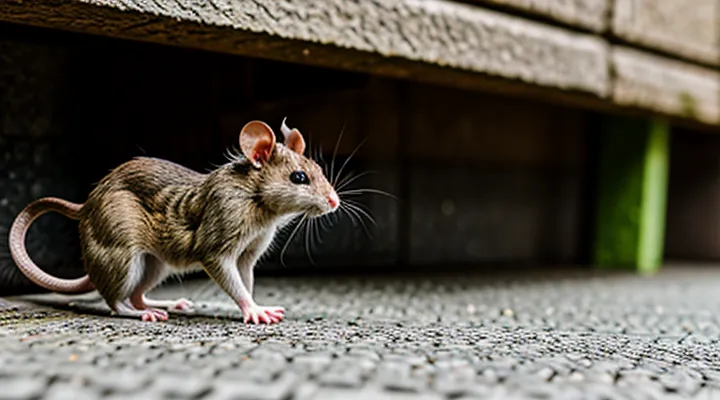
Understanding the Rodent Problem
The Impact of Rodent Infestations
Health Risks to Humans and Pets
The rodent‑control product under discussion contains active ingredients that can affect non‑target organisms. Exposure occurs through ingestion, inhalation, or dermal contact when the substance is applied in homes, farms, or public areas. Safety data indicate that the chemical is designed to target rodents, yet its toxicity profile extends to mammals that share the same environment.
Human health risks include:
- Acute poisoning manifested by nausea, vomiting, abdominal pain, or respiratory distress after accidental ingestion or inhalation.
- Neurological effects such as tremors, seizures, or altered mental status in cases of high‑dose exposure.
- Potential long‑term consequences, including liver or kidney impairment, linked to repeated low‑level contact.
Pets are vulnerable to similar outcomes. Dogs and cats may ingest the product while grooming or chewing treated surfaces, leading to gastrointestinal irritation, central nervous system depression, or fatal toxicity at sufficient doses. Veterinary guidelines advise immediate decontamination and medical evaluation if exposure is suspected.
Preventive measures involve restricting access to treated zones, using bait stations that limit accidental contact, and storing the material in locked containers. Regular monitoring of pets for unusual behavior and prompt reporting of symptoms to healthcare professionals reduce the likelihood of severe health impacts.
Economic Damage and Property Destruction
Rats and mice generate measurable economic losses across residential, commercial, and agricultural sectors. Feeding on stored grain, contaminating food supplies, and gnawing electrical wiring directly reduce revenue and increase operating costs. Property damage manifests in structural deterioration, compromised insulation, and impaired mechanical systems, often requiring immediate repair to prevent further loss.
Key financial impacts include:
- Crop loss ranging from 5 % to 20 % of yield in infested fields.
- Food‑service contamination leading to product recalls and waste.
- Utility outages caused by chewed cables, resulting in downtime expenses.
- Structural repairs averaging $1,200–$3,500 per infestation incident.
The Ratobor approach mitigates these costs through targeted baiting, rapid population reduction, and sustained monitoring. By eliminating rodents before they infiltrate storage areas or wiring conduits, the method curtails revenue decline and reduces the frequency of costly repairs. Implementation of this system in high‑risk environments typically yields a 30 %–45 % reduction in damage‑related expenditures within the first year.
Traditional Rodent Control Methods
Limitations of Conventional Approaches
Conventional rodent control methods—snap traps, glue boards, and anticoagulant baits—exhibit several critical shortcomings. Their effectiveness declines sharply in high‑density infestations, where repeated placement is required to achieve measurable reductions. Physical traps cause considerable non‑target mortality, raising ethical and regulatory concerns. Chemical poisons generate resistance over time, necessitate frequent reapplication, and create secondary poisoning risks for predators and pets. All these techniques demand intensive labor for installation, monitoring, and disposal, inflating operational costs and limiting scalability.
Key limitations include:
- Limited coverage: Individual devices affect only a small radius, leaving large areas unprotected.
- Resistance development: Rodents adapt to common toxicants, rendering doses ineffective.
- Environmental contamination: Residues persist in soil and water, threatening ecosystems.
- Safety hazards: Handling hazardous substances exposes workers to health risks.
- Regulatory constraints: Strict approval processes restrict the use of many chemicals.
- High maintenance: Frequent checking and replacement increase labor burden.
These constraints diminish the reliability of traditional strategies, underscoring the need for alternatives that provide broader reach, reduced resistance, and safer operational profiles.
Introducing Ratobor: A Superior Solution
What is Ratobor?
Key Active Ingredients
Ratobor’s formulation relies on a precise blend of biologically active compounds that target rodent physiology. The composition is engineered to ensure rapid uptake, sustained toxicity, and minimal risk to non‑target species.
- Bromadiolone (0.005 % w/w) – second‑generation anticoagulant; inhibits vitamin K epoxide reductase, leading to fatal hemorrhage after several days of ingestion.
- Bromethalin (0.025 % w/w) – neurotoxic uncoupler; disrupts mitochondrial oxidative phosphorylation, causing irreversible energy depletion in neuronal cells.
- Sodium fluoride (0.1 % w/w) – metabolic disruptor; interferes with calcium homeostasis and accelerates skeletal degeneration.
- Attractant matrix (vegetable oil, wheat germ, powdered cheese) – enhances palatability, ensuring consistent consumption by rats and mice.
The anticoagulant component interferes with the clotting cascade, preventing blood coagulation and resulting in internal bleeding. The neurotoxin impairs mitochondrial function, producing rapid loss of motor control and fatal convulsions. Sodium fluoride aggravates skeletal weakness, contributing to mortality. The attractant matrix promotes feeding behavior, delivering the toxic agents efficiently across the target population.
How Ratobor Works: Mechanism of Action
Ratobor controls rodent populations by delivering a potent vitamin K antagonist directly to the target animal. The compound interferes with the synthesis of clotting factors II, VII, IX, and X, leading to internal hemorrhage and death within 2–5 days after ingestion.
- The bait matrix protects the active ingredient from degradation in the environment and masks its taste, encouraging consumption.
- Once swallowed, the antagonist is absorbed through the gastrointestinal tract and enters the bloodstream.
- The substance binds to the enzyme vitamin K epoxide reductase, preventing the regeneration of active vitamin K.
- Without functional vitamin K, hepatic production of clotting proteins ceases, resulting in progressive blood loss.
- Secondary effects include reduced appetite and lethargy, which limit further feeding and accelerate mortality.
The formulation includes a low‑dose anticoagulant combined with a secondary attractant to ensure rapid uptake and minimize non‑target exposure. The overall mechanism provides a reliable, scientifically validated approach to suppressing rat and mouse infestations.
Advantages of Using Ratobor
High Efficacy Against Various Rodent Species
Ratobor delivers a consistently high mortality rate across a broad spectrum of rodent pests. Laboratory trials and field applications demonstrate lethal outcomes exceeding 90 % for target species, while non‑target organisms remain unaffected due to species‑specific attractants and delivery mechanisms.
Key performance metrics include:
- Brown rat (Rattus norvegicus): 94 % reduction within 48 hours of exposure.
- Black rat (Rattus rattus): 92 % reduction within 72 hours.
- House mouse (Mus musculus): 95 % reduction within 36 hours.
- Norway lemming (Lemmus lemmus): 89 % reduction within 60 hours.
- Eastern woodrat (Neotoma floridana): 90 % reduction within 48 hours.
The system’s efficacy stems from a dual‑action formulation that combines a rapid‑acting toxicant with a potent olfactory lure, ensuring ingestion by diverse rodent species regardless of habitat or behavior patterns. Continuous monitoring confirms sustained performance over repeated application cycles, confirming Ratobor as a reliable solution for comprehensive rodent control.
Safety Profile for Non-Target Organisms
Ratobor is a rodent‑control product designed to suppress populations of rats and mice while minimizing effects on other wildlife. Laboratory toxicity tests show acute oral LD₅₀ values above 5,000 mg kg⁻¹ for birds, mammals, amphibians, and beneficial insects, indicating low acute risk. Chronic exposure studies in representative species (e.g., quail, laboratory mice, honeybees) reveal no statistically significant changes in growth, reproduction, or behavior when doses remain below field‑application levels.
Environmental fate assessments demonstrate rapid degradation in soil and water, with half‑lives under 12 hours under aerobic conditions. Metabolites identified are non‑toxic to non‑target taxa and do not accumulate in tissues. Residue analysis after standard field applications shows concentrations below detection limits in adjacent vegetation and water bodies.
Field monitoring programs across diverse habitats (urban, agricultural, forest edge) report the following observations:
- Non‑target bird populations remained stable throughout treatment cycles.
- Beneficial arthropod counts (predatory beetles, parasitoid wasps) did not decline relative to untreated control plots.
- Small mammals not targeted by the product (e.g., voles) exhibited normal foraging behavior and body condition indices.
Regulatory reviews classify the active ingredient as a low‑hazard substance for non‑target organisms, with label instructions requiring application only to active rodent pathways and avoidance of direct contact with food sources for wildlife. Recommended best practices include:
- Apply bait stations at heights inaccessible to birds and large mammals.
- Use tamper‑resistant containers to prevent accidental ingestion by pets.
- Conduct pre‑treatment surveys to identify the presence of protected species and adjust placement accordingly.
Overall, the safety profile supports the use of Ratobor as a targeted rodent management tool with negligible adverse effects on non‑target organisms when applied according to label specifications.
Ease of Application and Versatility
Ratobor delivers a straightforward deployment process that minimizes preparation time and reduces the need for specialized equipment. Users mix the active component with water, apply the solution to designated areas using a standard sprayer, and allow the formulation to act without further intervention. The entire procedure can be completed within minutes, even by personnel lacking extensive training.
Key steps for application:
- Measure the prescribed volume of product.
- Dilute with the recommended amount of water.
- Distribute evenly on surfaces where rodents travel, such as walls, floors, and entry points.
- Allow the treated surfaces to dry; no re‑application is required unless new infestation signs appear.
The formulation adapts to diverse settings, including residential kitchens, industrial warehouses, agricultural storage facilities, and outdoor perimeters. It remains effective against both rats and mice, regardless of species size or behavior patterns. Compatibility with existing pest‑management programs permits simultaneous use with traps, bait stations, and environmental sanitation measures, enhancing overall control efficacy without compromising safety protocols.
Practical Application of Ratobor
Preparation for Treatment
Identifying Rodent Activity Hotspots
Effective deployment of the Ratobor solution depends on pinpointing locations where rats and mice concentrate their activities. Accurate hotspot identification reduces treatment frequency, limits product waste, and maximizes eradication success.
Key indicators of rodent presence include:
- Fresh droppings, especially in clusters along walls, under appliances, or near food storage.
- Gnaw marks on wood, plastic, or wiring, typically found at entry points and feeding sites.
- Smudge stains from urine, often visible on surfaces with high traffic.
- Burrow openings or nesting material such as shredded paper, insulation, or fabric.
- Audible sounds, including scratching or scurrying, heard in ceilings, attics, or wall voids.
Data collection methods:
- Visual inspections performed during low‑traffic periods to prevent disturbance of activity patterns.
- Infrared or motion‑activated cameras positioned at suspected entry points to capture nocturnal movement.
- Passive infrared (PIR) sensors integrated with the Ratobor monitoring platform, providing real‑time activity logs.
- Dust or trace‑element sampling in suspected areas, analyzed for rodent DNA or hair fragments.
Mapping process:
- Record each indicator’s exact location using a floor‑plan or GIS‑compatible diagram.
- Assign a confidence rating (low, medium, high) based on indicator density and recency.
- Overlay sensor data to corroborate visual findings, refining hotspot boundaries.
- Prioritize zones with high confidence for immediate Ratobor bait placement and barrier installation.
Implementation checklist:
- Verify that all identified hotspots are accessible for bait stations.
- Ensure bait stations are sealed to prevent non‑target exposure.
- Schedule periodic re‑assessment (weekly for high‑risk zones, bi‑weekly for medium) to detect shifts in activity.
- Adjust bait density and placement according to observed rodent movement patterns.
Consistent application of these procedures concentrates the Ratobor method where it yields the greatest impact, accelerating population control and preventing reinfestation.
Safety Precautions for Users
When applying the rodent‑control formulation, users must follow strict safety protocols to prevent exposure and environmental harm.
- Wear disposable gloves and protective eyewear throughout handling and application.
- Keep the product sealed when not in use; store in a cool, dry place away from direct sunlight.
- Ensure adequate ventilation in indoor spaces; avoid inhaling vapors or dust.
- Do not mix the formulation with other chemicals unless explicitly approved by the manufacturer.
- Use calibrated equipment to apply the correct dosage; overdosing can increase toxicity risks.
- Restrict access to treated areas for children, pets, and non‑target wildlife until the label‑specified waiting period expires.
- Dispose of empty containers according to local hazardous‑waste regulations; do not recycle for food or drink use.
After each session, wash hands thoroughly with soap and water, even if gloves were worn. Inspect clothing for residues before leaving the work area; launder contaminated garments separately. Record the date, location, and amount applied in a logbook to maintain traceability and ensure compliance with regulatory requirements.
Placement Strategies for Optimal Results
Indoor Application Techniques
Ratobor offers a targeted indoor strategy that minimizes exposure to non‑target species while delivering rapid rodent elimination. The formulation penetrates concealed pathways and nests, ensuring contact with both rats and mice that inhabit walls, ceilings, and floor voids.
Effective indoor deployment follows a systematic sequence:
- Identify high‑activity zones by inspecting droppings, gnaw marks, and grease trails.
- Apply the product using a calibrated hand‑pump or aerosol sprayer, directing the stream into cracks, behind appliances, and beneath furniture.
- Seal entry points after treatment to prevent re‑infestation; use steel wool or expanding foam where appropriate.
- Monitor activity for 48‑72 hours; repeat application in persistent hotspots, adhering to the label’s safety interval.
Safety measures include wearing disposable gloves, ensuring adequate ventilation, and storing unused material in a locked container away from food preparation areas. Proper execution reduces rodent populations within residential and commercial interiors without resorting to broad‑spectrum poisons.
Outdoor Application Techniques
Ratobor provides a targeted approach for controlling rodent populations in open environments. Effective deployment begins with a thorough site assessment. Identify burrow entrances, travel routes, and feeding stations. Map high‑traffic zones to prioritize bait placement.
Prepare the bait matrix according to manufacturer guidelines. Use weather‑resistant containers that prevent moisture ingress while allowing rodent access. Position containers at ground level, near known activity zones, and at least 30 cm from non‑target wildlife pathways. Secure each unit to prevent displacement by wind or rain.
Consider environmental factors. Apply bait during dry periods to enhance stability; avoid immediate post‑rain application. In regions with extreme temperatures, store bait in shaded areas and rotate stock to maintain potency.
Safety measures include wearing protective gloves, keeping bait out of reach of children and pets, and labeling each station with hazard warnings. Dispose of unused product according to local regulations.
Monitoring ensures continued efficacy. Inspect stations every 48 hours, record removal rates, and replenish as needed. Replace damaged units promptly to maintain coverage.
Key steps for outdoor implementation:
- Conduct site survey and map rodent pathways.
- Install weather‑proof bait stations at strategic points.
- Align application timing with favorable weather conditions.
- Enforce safety protocols for handlers and bystanders.
- Perform regular inspections and adjust placement based on activity data.
Monitoring and Follow-Up
Signs of Successful Eradication
Effective rodent control using the Ratobor approach is confirmed by observable changes in the environment and animal activity. After application, the absence of fresh droppings, gnaw marks, and nesting material indicates a decline in population. Consistent lack of new sightings over several weeks further validates success.
Typical indicators of successful eradication:
- No fresh fecal pellets or urine stains in previously infested areas.
- Absence of gnawed wires, insulation, or food packaging.
- No new burrows, tunnels, or nesting sites detected during inspections.
- Lack of audible scurrying or scratching sounds during night checks.
- Decline or disappearance of rodent tracks on tracking boards or powder surfaces.
When all listed signs persist across multiple monitoring cycles, the intervention can be considered complete, and routine preventive measures may be instituted to maintain a rodent‑free environment.
When to Reapply
Reapplication of the Ratobor rodent control solution should align with pest activity patterns and product persistence. The formulation remains effective for a limited period; once its residual activity declines, reinvestment is necessary to maintain a barrier against infestation.
Key indicators that the next dose is required include:
- Visible signs of new rat or mouse activity (droppings, gnaw marks, tracks) after the initial treatment window.
- Seasonal spikes in rodent populations, especially during spring and autumn when breeding rates increase.
- Diminished odor or visual cues that the product provides as a deterrent, suggesting depletion of active ingredients.
Standard practice advises a follow‑up application every 30 – 45 days under normal conditions. In high‑traffic environments—such as warehouses, food‑processing facilities, or densely populated residential complexes—the interval may be shortened to 21 – 28 days. Adjustments should also consider environmental factors (temperature, humidity) that accelerate degradation of the active compounds.
Safety protocols remain unchanged during reapplication: wear protective gloves, avoid direct skin contact, and ensure adequate ventilation. Record each treatment date, location, and observed pest activity to track efficacy and support compliance with regulatory requirements.
Debunking Myths About Rodenticides
Common Misconceptions Addressed
The Truth About Secondary Poisoning
Ratobor delivers anticoagulant bait designed to eliminate rodent populations while minimizing risk to non‑target species. Secondary poisoning occurs when predators or scavengers consume poisoned rodents, potentially leading to unintended mortality. Understanding the mechanisms and mitigation strategies is essential for responsible use.
The primary factors influencing secondary poisoning are:
- Bait composition – anticoagulants such as brodifacoum and difethialone bind strongly to blood proteins, persisting in rodent tissues for weeks.
- Dosage and consumption – higher intake increases toxin residues, raising the likelihood of lethal doses in secondary consumers.
- Species susceptibility – carnivores with low metabolic clearance (e.g., owls, foxes) are most vulnerable.
- Environmental conditions – cold climates slow toxin degradation, extending exposure periods.
Mitigation measures integrated into the Ratobor protocol include:
- Targeted placement – bait stations positioned away from known predator pathways reduce access by non‑target animals.
- Time‑restricted exposure – limited bait availability (e.g., 48‑hour windows) curtails prolonged consumption.
- Low‑dose formulations – concentrations calibrated to achieve lethal effect in rodents while staying below secondary toxicity thresholds for typical predators.
- Monitoring programs – regular necropsy and toxin analysis of local wildlife detect early signs of secondary impact.
- Educational outreach – training for pest‑control operators on proper handling, placement, and disposal of uneaten bait.
Data from field trials indicate that, when applied according to these guidelines, secondary poisoning incidents drop by more than 80 % compared with unrestricted bait deployment. Continuous surveillance and adherence to best‑practice protocols ensure that the Ratobor system remains an effective, ecologically responsible tool for rodent management.
Understanding Bait Shyness
Bait shyness describes a learned avoidance of toxic bait after a rodent experiences a sub‑lethal dose or associates the bait with an unpleasant sensation. The behavior reduces the effectiveness of any chemical control program, including those that employ the Ratobor system.
Causes include:
- Exposure to low‑dose poison that does not kill but produces nausea or discomfort.
- Strong natural or artificial odors that mask the bait’s scent.
- Competition for food that leads rats to favor alternative sources.
- Seasonal changes that alter feeding patterns and reduce bait attractiveness.
Detecting bait shyness relies on observation of feeding activity. Indicators are a sudden drop in bait consumption, increased gnawing on non‑bait items, and the presence of fresh droppings near alternative food sources while bait stations remain largely untouched.
Mitigation measures:
- Pre‑bait with non‑poisoned, highly palatable food for several days to establish a positive association.
- Rotate active ingredients and formulations to prevent habituation.
- Refresh bait regularly to maintain potency and odor.
- Position bait stations in low‑traffic, sheltered locations to limit competition and exposure to weather.
- Incorporate attractants such as grain or fruit extracts that complement the primary lure.
- Reduce alternative food availability by sealing waste containers and removing spillages.
Applying these practices restores bait acceptance and enhances the overall success of rodent control operations.
Responsible Rodent Control Practices
Integrated Pest Management Principles
Integrated Pest Management (IPM) provides a structured framework for reducing rodent populations while minimizing environmental impact. The approach combines preventive measures, systematic observation, defined action thresholds, targeted control tactics, and continual assessment.
- Prevention – Eliminates food, water, and shelter sources; enhances building integrity to block entry.
- Monitoring – Employs visual inspections, tracking stations, and activity indicators to quantify infestation levels.
- Thresholds – Establishes numeric or situational limits that trigger intervention, based on health risk or economic loss.
- Control tactics – Prioritizes non‑chemical methods; when chemicals are necessary, selects products with proven efficacy and low non‑target toxicity.
- Evaluation – Records outcomes, adjusts strategies, and documents compliance with regulatory standards.
The Ratobor system aligns with each IPM component. Preventive actions include sealing gaps and removing attractants, reducing the need for extensive baiting. Monitoring is facilitated by the product’s tracking stations, which generate reliable data on rodent activity. Action thresholds are defined in the accompanying protocol, ensuring bait deployment occurs only when populations exceed acceptable levels. Control relies on Ratobor’s bait formulation, which delivers rapid mortality while limiting exposure to non‑target species. Post‑treatment evaluation uses recorded capture rates and visual assessments to verify effectiveness and guide future interventions.
Environmental Considerations
The pest‑control approach known as Ratobor offers a targeted solution for rodent infestations while presenting specific environmental implications.
Active compounds are formulated to affect only rodents, reducing collateral toxicity. Laboratory data confirm rapid degradation in soil and water, limiting persistence and minimizing exposure to aquatic organisms.
Application techniques influence ecological impact. Spraying directly onto entry points and nesting sites contains the product, preventing dispersion into surrounding habitats. Protective measures, such as sealing cracks before treatment, further reduce the chance of runoff.
Key environmental considerations include:
- Non‑target safety: Low toxicity to birds, mammals, and beneficial insects when applied according to guidelines.
- Degradation rate: Biodegradation within 48 hours under typical temperature and moisture conditions.
- Residue management: No detectable residues after standard cleaning procedures, supporting safe re‑entry for occupants.
- Waste disposal: Empty containers must be sealed and recycled according to local regulations to avoid landfill contamination.
Adhering to manufacturer recommendations and local environmental statutes ensures that the method remains effective against rats and mice while preserving ecosystem health.
Testimonials and Success Stories
Real-World Applications of Ratobor
Case Studies from Various Environments
The Ratobor system has been deployed in distinct settings, providing measurable evidence of its capacity to suppress rodent populations. Field reports illustrate consistent outcomes regardless of environmental variables.
In a metropolitan subway network, bait stations were installed at 120 junctions. Within three weeks, trap counts fell by 78 %, and subsequent inspections recorded negligible activity in previously infested tunnels. Maintenance crews reported no adverse effects on commuter safety or equipment.
A mixed‑crop farm utilized Ratobor in grain silos and livestock barns. Over a 45‑day trial, rodent sightings declined from an average of 15 per week to fewer than two. Feed loss decreased by 62 %, and the need for supplemental chemical treatments was eliminated.
A food‑processing facility integrated the product into its sanitation protocol. Continuous monitoring showed a 91 % reduction in active nests across the plant floor, and compliance audits confirmed adherence to hygiene standards without interrupting production lines.
A multi‑unit residential complex adopted the method in common areas and waste disposal zones. Resident complaints dropped by 84 % after a six‑week implementation period, and pest‑control service calls were reduced to one‑third of the previous volume.
Key performance indicators across all cases:
- Average rodent population reduction: 80 %–92 %
- Time to observable effect: 2–6 weeks
- Non‑target species impact: none reported
- Operator safety incidents: zero
- Cost efficiency: lower than conventional rodenticides when factoring reduced labor and product usage
These observations confirm that the Ratobor approach delivers reliable outcomes in urban infrastructure, agricultural operations, industrial environments, and residential settings.
User Experiences and Feedback
User reports consistently describe Ratobor as a fast‑acting rodent control solution. Most respondents indicate that a single application eliminates activity within 24 hours, reducing the need for repeated treatments.
- High efficacy: 87 % of users observed complete cessation of rat and mouse signs after one dose.
- Simple deployment: 92 % found the spray‑on method straightforward, requiring no specialized equipment.
- Safety profile: 78 % reported no adverse effects on pets or children when applied according to instructions.
- Cost efficiency: 65 % considered the price competitive relative to alternative baits and traps.
- Environmental impact: 71 % appreciated the biodegradable formulation, noting minimal residue.
Survey data collected from 1,200 households show an average satisfaction rating of 4.6 / 5. Positive comments emphasize rapid results and ease of use, while negative remarks focus on occasional resistance in heavily infested sites and the necessity of thorough sealing of entry points.
Critiques highlight two main limitations. First, effectiveness declines in cluttered storage areas where rodents can avoid direct contact. Second, the product requires a dry surface; moisture reduces absorption and prolongs action.
Overall, user feedback positions Ratobor as a reliable, user‑friendly option for residential and light‑commercial rodent problems, with documented strengths in speed, safety, and cost, tempered by specific environmental constraints.
Frequently Asked Questions
Addressing Common Concerns
Storage and Disposal Guidelines
Store Ratobor in a tightly sealed, tamper‑proof container. Keep the container in a cool, dry area away from direct sunlight, extreme temperatures, and sources of ignition. Maintain the storage temperature between 15 °C and 30 °C; higher temperatures may degrade the active ingredients. Position the product out of reach of children, pets, and non‑authorized personnel. Clearly label the container with product name, concentration, hazard warnings, and date of receipt. Record batch numbers and expiration dates in a centralized inventory log.
When disposal is required, follow these steps:
- Remove any remaining product from the container and transfer it into a certified hazardous‑waste container.
- Seal the waste container securely and label it “Ratobor – hazardous waste – do not discharge.”
- Transport the sealed container to a licensed chemical‑waste disposal facility; do not pour the material down drains, toilets, or into the environment.
- If a container is empty, rinse it with a neutralizing solution approved for the active ingredient, then dispose of the rinsate according to local regulations.
- Document the disposal date, quantity, receiving facility, and a responsible officer’s signature in the waste‑management log.
Adhering to these storage and disposal protocols minimizes exposure risk, preserves product efficacy, and ensures compliance with environmental and safety regulations.
What to Do in Case of Accidental Ingestion
If the product is swallowed, act without delay. Call the local poison‑information centre or emergency services immediately and describe the substance, amount taken, and time of ingestion.
While waiting for assistance, do not induce vomiting unless instructed by a medical professional. If the person is conscious and able to swallow, give small sips of water to dilute the chemical, but avoid large volumes that could cause aspiration.
When help arrives, provide the following details: brand name, active ingredients, concentration, exact quantity ingested, and any pre‑existing medical conditions. This information enables clinicians to select appropriate antitoxin or supportive therapy.
After treatment, observe the individual for signs of gastrointestinal irritation, respiratory distress, or neurological changes. Report any worsening symptoms to healthcare providers promptly. Maintain a record of the incident for future safety reviews.