
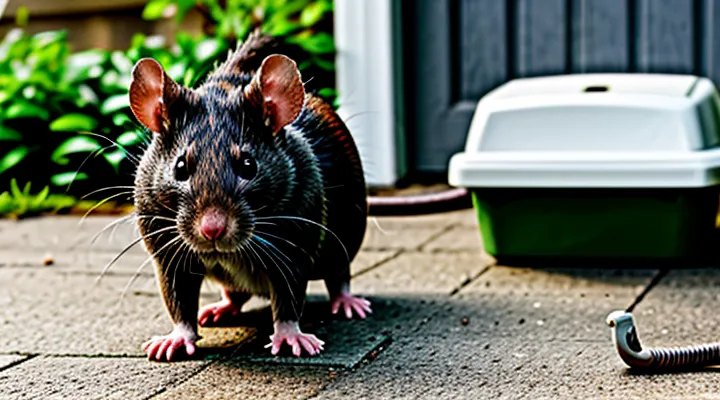
Understanding the Rodent Problem
Health Risks and Damage Caused by Rats
Rats transmit pathogens that cause serious illnesses in humans and animals. Commonly reported diseases include leptospirosis, hantavirus pulmonary syndrome, salmonellosis, and plague. Each disease spreads through direct contact with rat urine, feces, saliva, or through bites from infected fleas and ticks that infest rodents.
Beyond health threats, rats inflict extensive property damage. Their incisors continuously grow, enabling them to gnaw through electrical wiring, leading to short circuits and fire hazards. Structural damage occurs when rats chew insulation, drywall, and wooden beams, compromising building integrity. Food storage areas suffer contamination from droppings and urine, resulting in economic loss and the need for costly sanitation measures.
Mitigation relies on effective rodent trapping strategies that target population reduction. Successful implementation requires proper placement of devices, regular inspection, and prompt disposal of captured animals to prevent secondary contamination. Integrated approaches combine mechanical traps with sanitation and exclusion techniques to limit access points, thereby reducing both disease transmission and material damage.
Signs of Rat Infestation
Rats reveal their presence through distinct evidence that can be identified before damage escalates. Recognizing these indicators enables timely deployment of control devices and minimizes health risks.
- Dark, pellet‑shaped droppings, typically ¼ to ½ inch long, found near food sources, walls, or hidden pathways.
- Gnaw marks on wood, plastic, wiring, or insulation, often displaying a clean, V‑shaped bite.
- Grease or smudge tracks along baseboards, pipes, or cabinets, left by oily fur.
- Nests constructed from shredded paper, fabric, insulation, or dried vegetation, usually located in concealed corners, attics, or crawl spaces.
- Audible activity such as scratching, scurrying, or squeaking, especially at night when rats are most active.
- Unexplained food loss, chewed packaging, or contaminated stored items.
Early detection of these signs informs the selection and placement of appropriate trapping solutions, ensuring higher capture rates and reducing the need for extensive chemical interventions. Prompt action based on observable evidence protects structural integrity and public health.
Overview of Rat Trap Categories
Lethal Traps
Snap Traps
Snap traps are mechanical devices that kill rodents instantly by applying a rapid, high‑force spring action to the animal’s neck or spine. The core components include a sturdy base, a spring‑loaded metal bar, a trigger plate, and a bait holder. Common materials are wood or plastic for the base and tempered steel for the spring bar, providing durability and consistent performance.
Effective deployment requires strategic placement. Position traps along walls, behind appliances, or in concealed pathways where rodent activity is observed. Bait with high‑fat foods such as peanut butter, dried fruit, or meat scraps, securing it to the trigger plate to encourage contact. Ensure the trap’s trigger is set to a sensitive threshold; excessive tension may cause premature activation, while insufficient tension reduces lethality.
Advantages of snap traps include:
- Immediate kill, minimizing suffering
- Low cost per unit, suitable for large‑scale use
- Reusability after proper cleaning
- No reliance on electricity or chemicals
Limitations involve:
- Requirement for manual setting and monitoring
- Potential for non‑target captures if placed improperly
- Necessity for safe disposal of dead rodents to prevent disease spread
Safety protocols are essential. Wear protective gloves when handling traps, keep them out of reach of children and pets, and store unloaded devices in a locked container. After capture, use a disposable bag to remove the carcass, seal it, and dispose of it according to local regulations.
Selection criteria focus on spring strength, trigger sensitivity, and bait accessibility. Heavy‑duty models with a spring force of 5–10 lb are appropriate for larger rats, while lighter springs suit mice. Models featuring a wide trigger plate reduce missed strikes, and those with a removable bait cup simplify cleaning.
Regular inspection, typically every 24–48 hours, ensures traps remain functional and reduces the risk of decomposition odors that may deter further activity. Prompt resetting after a successful catch maintains continuous control over the infestation.
Electric Traps
Electric rat traps deliver a rapid, humane kill by applying a high‑voltage shock to the captured rodent. The device consists of a sealed chamber with a metal grid connected to a transformer that stores enough energy to cause instantaneous cardiac arrest. When a rat enters the chamber and contacts the electrified plates, a circuit closes and a discharge of 2,000–3,000 volts occurs, ending the pest’s life within milliseconds.
Key characteristics include:
- Power source: rechargeable battery or mains electricity, with voltage regulators to maintain consistent output.
- Safety mechanisms: insulated outer housing, automatic shut‑off when the chamber is opened, and a lockable door to prevent accidental contact.
- Detection system: pressure plate, infrared beam, or motion sensor that triggers the shock only when a target is present.
- Capacity: typically one to three rodents per cycle; larger models accommodate multiple captures before manual emptying.
Advantages:
- Immediate kill reduces suffering and eliminates disease transmission.
- No bait required, decreasing attraction of non‑target wildlife.
- Reusable, lowering long‑term cost compared to disposable snap traps.
- Minimal odor, facilitating use in indoor environments such as kitchens or food‑storage areas.
Disadvantages:
- Higher upfront price than mechanical traps.
- Requires regular battery replacement or reliable electricity.
- May be unsuitable in areas with strict electrical safety regulations.
Effective deployment follows these steps:
- Placement: locate traps along known runways, near walls, or adjacent to food sources; position at ground level for optimal contact.
- Activation: ensure power is on, safety latch is engaged, and detection sensor is unobstructed.
- Monitoring: check chambers daily, dispose of dead rodents according to local health guidelines, and reset the device.
- Maintenance: clean interior surfaces with mild detergent, inspect wiring for wear, and test voltage output periodically.
When selecting an electric trap, consider voltage rating, power source, chamber size, and compliance with local pest‑control regulations. Models that meet UL or CE certification provide verified safety standards. Regular cleaning and proper battery management extend service life and maintain reliable performance.
Glue Traps
Glue traps are adhesive boards designed to immobilize rodents upon contact. The surface is coated with a non‑drying, high‑strength resin that remains tacky for extended periods. When a rat steps onto the board, its paws and tail become firmly attached, preventing escape and leading to eventual death through exhaustion or dehydration.
Effectiveness depends on proper placement. Ideal locations include established runways, near walls, behind appliances, and in dark corners where activity is observed. Traps should be positioned with the adhesive side facing the anticipated direction of travel and secured to prevent shifting. Temperature influences adhesive performance; extreme heat can soften the resin, while very low temperatures may reduce tackiness.
Advantages
- Immediate capture without reliance on bait.
- Low cost per unit; bulk purchasing reduces expense.
- Minimal maintenance; no mechanical parts to service.
Disadvantages
- Non‑selective; captures non‑target species such as birds or beneficial insects.
- Ethical concerns due to prolonged suffering.
- Limited utility in high‑traffic areas where debris can reduce adhesion.
Safety considerations include wearing gloves during handling to avoid accidental skin contact and storing unused traps out of reach of children and pets. Disposal requires sealing the trapped animal within a plastic bag before discarding in accordance with local regulations. Some jurisdictions mandate specific protocols for humane euthanasia prior to disposal.
Integration with broader rodent management involves using glue traps as a monitoring tool to confirm presence and activity levels. Data from captured specimens can guide the placement of more lethal devices, such as snap or electronic traps, and inform the need for sanitation measures that eliminate food sources and nesting sites. Combining adhesive traps with environmental controls enhances overall efficacy while reducing reliance on chemical rodenticides.
Non-Lethal Traps
Live-Capture Traps
Live‑capture traps are designed to restrain rats without killing them, allowing relocation or humane disposal. The devices typically consist of a sturdy cage or box with a one‑way entry mechanism; when a rat triggers a pressure plate or lever, the door shuts and the animal remains inside.
Common configurations include:
- Single‑catch box traps: simple wooden or plastic enclosures that hold one rodent at a time.
- Multi‑catch cages: larger frames with multiple entry points, capable of holding several individuals before requiring emptying.
- Snap‑free wire traps: metal cages that close rapidly when the animal steps on a trigger plate, minimizing stress.
Effective use depends on proper bait selection, placement, and maintenance. Preferred baits are high‑protein foods such as peanut butter, dried fruit, or meat scraps, positioned at the rear of the trap to ensure full entry. Traps should be set along established runways, near walls, or in concealed areas where rats travel. Regular inspection—at least twice daily—prevents prolonged confinement, reduces disease risk, and ensures timely release.
Advantages of live‑capture devices include compliance with humane regulations, avoidance of secondary poisoning, and the ability to monitor population size through captured counts. Limitations involve the need for frequent checking, potential escape if the door mechanism fails, and the requirement for safe release locations that do not violate local wildlife statutes. Proper cleaning with a mild disinfectant after each use eliminates scent trails that could deter further captures.
Choosing the Right Rat Trap
Factors to Consider
Infestation Size and Location
The magnitude of a rodent problem determines the scale and density of trap placement. Small infestations, such as a handful of individuals in a kitchen cabinet, can be managed with a few snap or electronic devices positioned at entry points. Large colonies occupying multiple rooms or an entire building require a systematic grid of traps, often combining mechanical and baited types to maintain coverage and reduce escape routes.
Location influences trap selection and positioning. Areas with limited space, like wall voids or under appliances, favor compact, low‑profile models that can be concealed. Open floors and alleys permit larger, more visible devices that can accommodate higher catch capacities. Moist environments, such as basements or sewers, necessitate corrosion‑resistant traps and placement on non‑slippery surfaces to ensure stability.
Key considerations for planning trap deployment:
- Estimate the number of active rodents based on sighting frequency, droppings, and gnaw marks.
- Map all potential pathways, including gaps around pipes, vents, and door frames.
- Prioritize high‑traffic zones where rodents travel between food sources and nesting sites.
- Adjust trap density: one device per 10–15 sq ft for severe infestations; one per 30–40 sq ft for moderate levels.
- Choose trap types compatible with the environment: snap traps for dry areas, glue boards for concealed spaces, and bait stations for locations where direct contact is limited.
Effective control hinges on matching the scale of the problem and the characteristics of each site with appropriate trap technology and strategic placement.
Safety for Pets and Children
When selecting a rodent control device, the risk of accidental contact by pets or children must be evaluated. Mechanical traps, such as snap‑type devices, deliver a rapid lethal force. To prevent unintended injury, place them in sealed bait stations or behind walls where only rodents can access the opening. Ensure the trigger mechanism is concealed and the station is locked with a child‑proof latch.
Electronic traps emit a high‑voltage shock that kills instantly. These units typically feature insulated housings and require activation by a small probe. Keep the exterior surface dry, mount the unit out of reach, and use a safety cover that disengages the circuit when opened.
Glue boards capture animals without lethal force but present a choking hazard. Use them only in inaccessible crawl spaces, and check them frequently to remove non‑target captures. Dispose of captured rodents according to local regulations to avoid secondary exposure.
Key safety practices:
- Install traps in locations inaccessible to non‑target animals (e.g., attics, basements, behind appliances).
- Use tamper‑resistant bait stations with lockable doors.
- Regularly inspect and maintain devices to ensure proper operation.
- Educate household members about trap locations and the importance of not handling them without gloves.
- Keep poison‑based solutions separate from mechanical or electric devices, as they introduce additional toxicity concerns.
By integrating secure placement, protective enclosures, and routine monitoring, the likelihood of accidental harm to children and pets is minimized while maintaining effective rodent control.
Ethical Considerations
Ethical considerations in the deployment of rat‑catching devices focus on animal welfare, non‑target impact, regulatory compliance, and responsible disposal.
- Humane treatment: Devices should minimize pain and distress. Lethal traps must employ rapid, irreversible mechanisms; live‑catch traps require prompt, humane euthanasia or relocation in accordance with local guidelines.
- Non‑target protection: Placement strategies must prevent capture of birds, pets, or wildlife. Use of bait specific to rodents and exclusion shields reduces accidental captures.
- Legal standards: Many jurisdictions classify rodents as pests but still mandate humane methods. Operators must follow statutes governing trap certification, reporting of kills, and permissible bait substances.
- Operator safety: Handling of traps demands protective equipment to avoid injuries and exposure to rodent‑borne diseases. Training programs should cover safe set‑up, removal, and cleaning procedures.
- Disposal practices: Dead rodents must be disposed of in sealed containers, incinerated, or buried according to health regulations to prevent disease spread and environmental contamination.
- Alternative approaches: Integrated pest management (IPM) recommends combining sanitation, exclusion, and population monitoring with trapping to reduce reliance on lethal devices.
Adhering to these principles ensures that rodent control measures align with ethical standards while maintaining effectiveness.
Trap Placement Strategies
Identifying Rat Pathways
Rats travel along established routes that connect food sources, shelter, and nesting sites. Recognizing these routes is essential for effective placement of control devices.
Visible indicators of rat movement include gnaw marks on beams, chewed insulation, droppings aligned with walls, and grease or urine stains on surfaces. Fresh droppings are dark, rod‑shaped, and may be found near entry points. Paths are often concealed behind appliances, under cabinets, and within crawl spaces.
Inspection should begin at suspected entry points such as gaps around pipes, vents, and foundation cracks. Follow any droppings or gnaw marks outward to locate the direction of travel. Use a flashlight to examine dark corners, attics, and basements for shredded material or nesting debris.
Structural features that facilitate movement include:
- Open wall cavities and voids
- Unsealed utility openings
- Gaps larger than ¼ inch around doors and windows
- Overhead joist spaces with direct access to exterior walls
Mapping the identified routes allows precise positioning of traps and bait stations. Place devices along the interior edge of the pathway, preferably where rats must pause to negotiate a corner or obstacle. Ensure that traps are anchored securely and positioned at a height of 2–4 inches above the floor, matching the typical rat travel level.
Regular monitoring of the mapped pathways confirms activity levels and informs adjustments to device placement. Continuous observation reduces the likelihood of missed routes and improves overall control outcomes.
Baiting Techniques
Effective baiting directly influences the success of any rodent‑control device. Properly chosen attractants increase capture rates while reducing non‑target exposure.
Common bait categories include:
- High‑protein foods (cooked meat, fish, peanut butter)
- Grains and seeds (corn, wheat, sunflower)
- Fatty substances (lard, cheese, animal fat)
- Commercially formulated rodent attractants
Selection criteria focus on the target species’ dietary preferences, local food availability, and the trap’s placement environment. Fresh, aromatic baits outperform stale or dry options, and small, manageable portions prevent spillage that could deter activity.
Placement guidelines recommend positioning baited traps along walls, behind objects, and within 12 inches of known travel routes. Multiple stations spaced 3–4 feet apart create a continuous scent corridor, encouraging rodents to investigate each device.
Pre‑baiting involves exposing traps with bait for 24–48 hours before activation. This practice conditions rodents to associate the device with food, increasing the likelihood of engagement once the trigger mechanism is engaged.
Seasonal adjustments address changes in foraging behavior. In colder months, high‑calorie baits such as lard or nut butter become more effective, while warm‑season strategies favor lighter grains and fresh produce. Moisture levels also affect bait durability; sealed containers or wax coatings extend freshness in humid conditions.
Safety measures require handling baits with gloves, storing unused material in sealed containers, and disposing of remnants according to local regulations. Maintaining a clean work area prevents accidental attraction of non‑target wildlife and reduces the risk of disease transmission.
Effective Trap Usage and Maintenance
Setting and Securing Traps
Proper placement and secure mounting of rodent control devices are essential for effective capture and safety.
Select a trap that matches the target species and environment. Verify that the mechanism operates smoothly, that springs or electric components are intact, and that protective gloves are worn to prevent injury and contamination.
Identify high‑traffic routes by observing gnaw marks, droppings, or grease trails. Position traps along these pathways, preferably against walls where rodents travel. Ideal locations include:
- Behind appliances and furniture
- Within 12–18 inches of nesting sites
- Near food sources but out of direct human reach
Apply bait that appeals to the specific rodent, such as peanut butter, dried fruit, or commercial attractants. Secure the bait on the trigger platform using a small amount of adhesive or a clip to prevent displacement by wind or other animals.
Anchor each trap to a stable surface. For snap traps, attach the base to a flat surface with a thin piece of cardboard or a rubber mat to eliminate wobble. For electronic or glue boards, use double‑sided tape or screws to keep the unit flush against the floor or wall. Ensure the trigger is fully engaged before release; a quick test with a light touch confirms readiness.
Inspect traps at least once daily. Remove captured rodents promptly, disinfect the area, and reset or replace the device as needed. Consistent monitoring maintains trap effectiveness and reduces the risk of secondary infestations.
Regular Monitoring and Re-baiting
Effective rodent control depends on continuous observation of trap performance and timely replenishment of attractants. Monitoring identifies malfunction, bait aversion, and population shifts, while re‑baiting restores lethality and maintains trap appeal.
Inspections should occur at least once every 24 hours during active infestations and every 48–72 hours once numbers decline. Adjust intervals for seasonal activity spikes or when environmental conditions accelerate bait degradation.
- Examine each trap for capture evidence, damage, or blockage.
- Record location, capture count, and any non‑target interference.
- Remove dead rodents promptly to prevent odor buildup.
- Verify bait integrity; discard hardened or contaminated portions.
- Note any signs of bait avoidance, such as partial consumption.
Re‑baiting follows a systematic approach. Replace exhausted bait with fresh, high‑quality attractant matched to local rat preferences. Use a consistent bait size to ensure uniform exposure. Rotate bait formulations periodically to prevent habituation. Secure new bait firmly to avoid spillage and maintain trap placement based on previous capture data. Document each re‑baiting event to track efficacy trends over time.
Disposal of Captured Rodents
When a trap captures a rodent, prompt and safe disposal prevents disease spread and deters future infestations. First, wear disposable gloves and, if available, a mask to limit exposure to pathogens. Place the captured animal in a sealed, puncture‑resistant bag before removing it from the trapping area.
Dispose of the sealed bag according to local regulations. Common approved methods include:
- Trash removal: Deposit the bag in a rigid, labeled waste container that is collected by municipal services on a regular schedule.
- Incineration: Use a licensed incinerator or burn the bag in a high‑temperature furnace that meets environmental standards.
- Burial: Dig a pit at least 2 feet deep, far from water sources and food gardens; cover the bag with soil and compact the earth.
After disposal, clean the trap with a disinfectant solution (e.g., 10 % bleach) and rinse thoroughly. Store the cleaned trap in a sealed container until the next use. Record the date and location of each capture to track activity patterns and evaluate control effectiveness.
Integrated Rodent Control Strategies
Combining Trapping with Other Methods
Sanitation and Exclusion
Effective rodent management relies on two foundational practices: maintaining sanitary conditions and preventing entry. Clean environments remove food residues, water sources, and nesting materials that attract rats. Regular waste removal, sealed containers, and prompt repair of spills eliminate the attractants that would otherwise draw rodents toward traps.
Exclusion focuses on blocking all potential access points. Inspect building exteriors and interiors for gaps larger than ¼ inch, including cracks in foundations, openings around utility penetrations, and gaps beneath doors. Seal identified openings with steel wool, cement, or metal flashing to create an impermeable barrier.
Key actions for sanitation and exclusion:
- Conduct weekly inspections of storage areas, kitchens, and waste disposal zones.
- Store dry goods in airtight, rodent‑proof containers.
- Install door sweeps and weatherstripping on all exterior doors.
- Repair damaged roofing, soffits, and vent screens promptly.
- Maintain vegetation at least 12 inches from building walls to reduce shelter opportunities.
When these measures are consistently applied, the likelihood of rat activity declines, allowing traps to function as a secondary control method rather than the primary solution. The combination of a clean, unattractive environment and a sealed structure maximizes the overall efficacy of any trapping program.
Professional Pest Control Services
Professional pest‑control firms specialize in comprehensive rodent management, employing expertise, equipment, and regulatory knowledge that surpass typical DIY efforts. Technicians assess infestation severity, identify entry points, and select the most effective trapping solutions from a range of mechanical devices, including snap traps, electronic traps, and multi‑catch models.
The service workflow typically includes:
- Site inspection and risk evaluation
- Customized trap placement strategy based on species behavior and activity patterns
- Installation of tamper‑resistant, bait‑optimized traps
- Ongoing monitoring, data collection, and trap maintenance
- Safe disposal of captured rodents and decontamination of affected areas
- Recommendations for structural modifications to prevent re‑infestation
Clients benefit from documented compliance with local health regulations and occupational safety standards. Professionals also integrate trapping with broader integrated pest‑management (IPM) tactics, such as sanitation improvements, exclusion techniques, and, when necessary, targeted use of rodenticides under strict supervision.
Cost efficiency arises from reduced trap failures, minimized labor waste, and faster resolution of infestations. By leveraging trained personnel and industry‑approved practices, professional pest‑control services deliver reliable, measurable control of rat populations while protecting human health and property integrity.
Prevention Measures
Sealing Entry Points
Sealing entry points prevents rodents from re‑infesting an area after traps have removed the current population. By eliminating access routes, the effectiveness of mechanical control devices is maximized and the need for repeated trapping is reduced.
Typical ingress locations include gaps around utility pipes, cracks in foundations, openings beneath doors, and unsealed roof or attic vents. Small rodents can exploit openings as narrow as ¼ inch, so inspection must cover all structural seams, vent louvers, and exterior wall joints.
Effective sealing methods employ durable, rodent‑proof materials:
- Steel wool or copper mesh packed into gaps, then covered with expanding polyurethane foam.
- Cement‑based sealants for cracks in concrete or masonry.
- Heavy‑duty weatherstripping on doors and windows.
- Metal flashing around pipe penetrations, secured with stainless‑steel screws.
- Hardware cloth (¼‑inch mesh) over larger openings, fastened with rust‑resistant nails.
After installation, verify integrity by conducting a visual inspection and, if possible, a smoke test to detect residual airflow. Re‑evaluate seals periodically, especially after seasonal temperature shifts or building renovations, to ensure continued exclusion.
Proper Food Storage
Proper food storage directly influences the effectiveness of rodent control measures. When food is sealed, inaccessible, and kept at low temperatures, it eliminates the primary attractant that draws rats to traps. Secure containers made of metal or heavy‑walled plastic prevent gnawing, while airtight lids block scent diffusion.
Key practices include:
- Store dry goods in containers with lockable lids; label each to avoid accidental opening.
- Keep perishable items in refrigeration or freezer units; maintain temperatures below 4 °C for fresh produce and –18 °C for long‑term storage.
- Position storage units away from walls and floor vents; create a gap of at least 30 cm to deter climbing.
- Conduct regular inventory checks; discard expired or compromised packages promptly.
- Clean spills immediately; use disinfectants that do not leave residual food odors.
Implementing these measures reduces rat activity, allowing traps to function with fewer false triggers and higher capture rates. Consistent application of proper storage protocols sustains a hostile environment for rodents, supporting any trapping strategy deployed.