
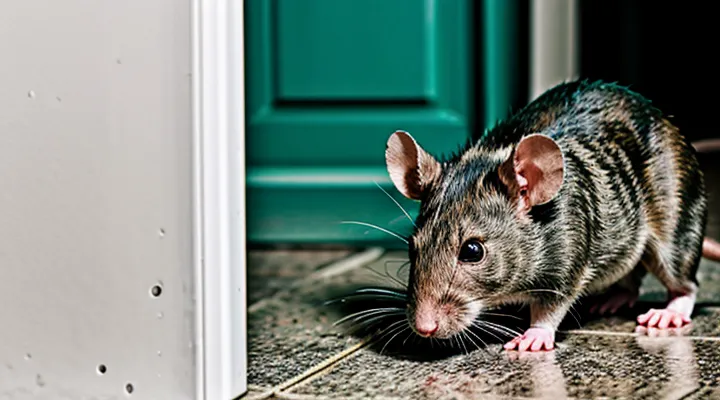
Understanding Normal Rat Breathing and Sniffing
The Mechanics of Rat Respiration
Rats inhale through a streamlined nasal passage that maximizes airflow while protecting delicate olfactory tissue. Air enters the external nares, passes the vestibular region, and is directed over the olfactory epithelium, where volatile compounds are detected. The turbinates create turbulent flow, enhancing contact between inhaled gases and sensory receptors.
Breathing is driven by a diaphragm that contracts rhythmically, expanding the thoracic cavity and lowering intrapulmonary pressure. Intercostal muscles fine‑tune thoracic volume, allowing rapid adjustments during sniffing bursts. Each inhalation can be divided into two phases: a slow, basal ventilation for metabolic needs and a fast, high‑frequency sniff that increases airflow velocity to improve scent acquisition.
Key mechanical elements influencing rat respiration:
- Nasal turbinates: increase surface area, generate turbulence, support odor detection.
- Olfactory epithelium: located on the dorsal septum, rich in receptor neurons, highly vascularized for rapid signal transduction.
- Diaphragm: primary driver of lung expansion, capable of high‑frequency contractions during sniffing.
- Intercostal muscles: adjust rib cage dimensions, providing fine control over tidal volume.
- Lung compliance: relatively high, allowing swift filling and emptying with each sniff cycle.
When a rat exhibits prolonged sniffing while breathing, the respiratory system may be compensating for airway obstruction, inflammation, or systemic illness. Elevated sniff frequency can indicate reduced oxygen exchange efficiency, prompting the animal to increase airflow to maintain arterial oxygen levels. Monitoring changes in sniffing pattern, respiratory rate, and nasal airflow provides early evidence of respiratory distress or underlying pathology.
Typical Sniffing Behavior in Healthy Rats
Healthy rats display a consistent pattern of sniffing that reflects normal olfactory and respiratory function. Sniffing episodes are brief, lasting 0.5–2 seconds, and are interspersed with regular breathing cycles. During each sniff, the animal inhales sharply through the nares, producing a rapid increase in airflow that is quickly followed by exhalation. This cycle repeats several times per minute, typically 5–12 sniffs per minute when the rat is at rest and up to 30–40 sniffs per minute during exploratory activity.
Key characteristics of normal sniffing behavior include:
- Frequency: 5–12 sniffs /min at rest; 30–40 sniffs /min during active investigation.
- Duration: 0.5–2 seconds per individual sniff.
- Amplitude: Strong, short inhalation with a peak airflow of 2–4 ml / s, followed by a brief exhalation of similar magnitude.
- Posture: Head slightly lifted, neck extended, allowing unobstructed airflow through the nasal passages.
- Contextual triggers: Introduction of novel odors, changes in cage bedding, presence of food, or social cues from conspecifics.
In a stable environment, healthy rats alternate between sniffing and regular breathing without signs of distress. Respiratory rate remains within normal limits (70–120 breaths per minute), and the transition between sniff and breath is seamless, indicating intact neural control of the olfactory and respiratory systems. Deviations from these parameters—such as prolonged sniffing bouts, reduced airflow, or irregular timing—may suggest underlying pathology, but the described pattern represents the baseline for a well‑functioning animal.
Identifying Abnormal Sniffing and Breathing Patterns
Sounds Associated with Abnormal Breathing
Wheezing and Clicking
Wheezing and clicking are audible indicators that a rat may be experiencing respiratory distress while it sniffs. The sounds arise from turbulent airflow through narrowed or obstructed airways, often caused by inflammation, infection, or foreign material lodged in the nasal passages or trachea. In many cases, the combination of a high‑pitched wheeze and intermittent clicks signals a progression from mild irritation to more serious pathology.
Key physiological mechanisms include:
- Constriction of bronchioles, producing a continuous wheeze during inhalation and exhalation.
- Partial blockage of the nasal cavity or larynx, generating sharp clicks each time the animal inhales.
- Accumulation of mucus or pus, which amplifies both sound types and reduces oxygen exchange.
Diagnostic relevance:
- Persistent wheezing suggests chronic bronchitis, pneumonia, or allergic reactions.
- Intermittent clicking often accompanies nasal tumors, severe sinusitis, or the presence of a foreign object.
- Simultaneous occurrence indicates multiple concurrent issues, such as an infection complicated by structural damage.
Management recommendations:
- Conduct a thorough otoscopic and nasal examination to locate the source of obstruction.
- Perform radiographic imaging to assess lung fields and identify masses or fluid accumulation.
- Initiate antimicrobial therapy if bacterial infection is confirmed; consider anti‑inflammatory medication for allergic or irritant‑induced inflammation.
- Remove any detectable foreign bodies using appropriate veterinary instruments.
- Monitor respiratory sounds daily; a reduction in wheeze intensity and click frequency signals therapeutic effectiveness.
Recognizing wheezing and clicking early enables prompt intervention, reducing the risk of severe hypoxia and improving overall prognosis for rodents exhibiting abnormal sniffing behavior during respiration.
Congestion and Rattling
Congestion in rats appears as frequent, audible snorts and a persistent, moist nasal discharge. The animal may pause between breaths to clear the airway, producing a rattling sound that intensifies when the nostrils are obstructed. These auditory cues often accompany reduced activity, loss of appetite, and a diminished response to stimuli, indicating that the respiratory system is compromised.
Typical causes of nasal blockage include:
- Upper respiratory infections caused by bacteria, viruses, or fungi
- Allergic reactions to dust, bedding material, or environmental irritants
- Dental overgrowth that impinges on nasal passages
- Foreign bodies lodged in the nasal cavity
Rattling noises arise when turbulent airflow encounters swollen mucosa or fluid accumulation. Persistent rattling suggests fluid retention in the sinuses or bronchi, which may progress to pneumonia if left untreated. Early identification of these sounds allows prompt veterinary intervention, such as antimicrobial therapy, antihistamines, or environmental modifications to reduce irritants.
Owners should monitor the frequency and intensity of snorting and rattling. An increase beyond occasional soft snorts, especially accompanied by labored breathing or visible nasal secretions, warrants immediate professional assessment to prevent escalation of respiratory disease.
Visual Cues of Respiratory Distress
Flank Movement and Labored Breathing
Flank movement in a rat provides a visual cue for respiratory effort. When the animal inhales, the lateral thoracic wall expands; excessive or rapid expansion signals increased work of breathing. Normal breathing shows subtle, rhythmic flank rise and fall, while labored respiration produces pronounced, irregular flaring of the sides.
Labored breathing often accompanies nasal sniffing, indicating that the airway is compromised. Common causes include bacterial or viral pneumonia, chronic bronchitis, and heart failure. Obesity can restrict chest expansion, leading to visible flank strain during each breath. Acute stress or heat also elevates respiratory rate, but the flank motion remains relatively shallow compared to pathological conditions.
To assess the severity of respiratory distress, observe the following:
- Frequency of flank expansion per minute (normal: 70‑120 breaths; distress: >150).
- Symmetry of movement; asymmetry suggests unilateral lung involvement.
- Presence of audible wheezes or crackles during auscultation.
- Accompanying signs such as nasal discharge, cyanosis, or lethargy.
Prompt veterinary evaluation is advised when flank movement is markedly exaggerated or accompanied by persistent sniffing. Diagnostic steps typically include thoracic radiographs, complete blood count, and culture of nasal secretions. Early treatment—antibiotics for infection, diuretics for cardiac overload, or weight management for obesity—reduces the risk of chronic respiratory impairment.
Nasal and Eye Discharge
Rats that exhibit persistent sniffing while breathing often present nasal and ocular secretions. These discharges serve as visible indicators of underlying pathology and should prompt immediate evaluation.
Typical characteristics of nasal discharge include:
- Clear, watery fluid suggesting mild irritation or allergic response.
- Thick, yellow or green mucus indicating bacterial infection.
- Blood‑tinged secretion pointing to trauma or severe inflammation.
Eye discharge may appear as:
- Watery tears, commonly associated with irritants or early viral involvement.
- Mucoid or pus‑filled crusts, reflecting conjunctivitis or systemic infection.
- Hemorrhagic droplets, which can signal severe trauma or vascular compromise.
Correlating the presence of both nasal and ocular secretions with increased sniffing assists in distinguishing between:
- Upper respiratory infections (viral or bacterial).
- Allergic reactions to environmental allergens.
- Dental disease affecting sinus drainage.
- Foreign bodies lodged in nasal passages or conjunctival sac.
Prompt diagnostic steps include physical examination, microbiological cultures of secretions, and radiographic imaging of the sinus and facial structures. Early intervention based on these findings reduces morbidity and improves recovery prospects.
Changes in Posture and Activity Level
Rats that exhibit frequent sniffing while inhaling often display noticeable shifts in body alignment and movement patterns. A lowered spine, hunched back, or a tendency to rest with limbs tucked indicates discomfort or respiratory distress. Simultaneously, a reduction in exploratory behavior, slower locomotion, and prolonged periods of inactivity signal that the animal may be conserving energy to cope with impaired breathing.
Key observations include:
- Spinal curvature: Persistent arching or flattening suggests pain or effort to optimize airflow.
- Weight distribution: Uneven pressure on paws or a preference for one side of the body can reveal muscular strain linked to breathing difficulties.
- Activity frequency: Decreased cage navigation, fewer climbs, and limited foraging reflect reduced stamina.
- Movement speed: Sluggish pacing or intermittent pauses during locomotion often accompany labored inhalation.
Monitoring these postural and activity changes provides early detection of underlying health problems, allowing prompt veterinary assessment and intervention.
Common Health Issues Causing Respiratory Symptoms
Mycoplasma pulmonis Infection
Symptoms and Progression
Rats that exhibit frequent sniffing while inhaling often display a distinct pattern of clinical signs. The initial manifestation is a high‑frequency, shallow sniff that occurs with each breath cycle. This behavior frequently coincides with nasal discharge, ocular tearing, and reduced activity levels. Owners may also notice a slight tremor of the whisker pads and intermittent pauses in normal grooming.
Progression typically follows three observable stages:
- Early stage: intermittent sniffing, clear nasal secretions, mild lethargy; respiratory rate remains within normal limits.
- Intermediate stage: persistent sniffing, thickened or purulent discharge, audible wheezing, slight weight loss; breathing becomes tachypneic, and the animal may adopt a hunched posture to ease airflow.
- Advanced stage: continuous sniffing, severe nasal obstruction, coughing, cyanotic mucous membranes; respiratory distress escalates, leading to hypoxia and potential organ failure if untreated.
Timely identification of these signs allows for prompt veterinary intervention, which can halt or reverse the deterioration. Diagnostic measures such as radiography, nasal swabs, and blood gas analysis provide objective data to guide antimicrobial or anti‑inflammatory therapy. Early treatment improves prognosis and reduces the risk of chronic respiratory compromise.
Treatment Options
Abnormal nasal activity observed during a rat’s inhalation often signals underlying respiratory or systemic disease. Prompt intervention can prevent progression and reduce morbidity.
Effective therapeutic measures include:
- Antimicrobial therapy targeting identified bacterial or fungal pathogens, selected based on culture and sensitivity results.
- Anti‑inflammatory agents such as corticosteroids or non‑steroidal drugs to reduce airway edema when inflammation is confirmed.
- Bronchodilators (e.g., albuterol, ipratropium) administered via nebulization to relieve bronchoconstriction.
- Supportive care comprising humidified oxygen, fluid therapy, and nutritional support to maintain physiological stability.
- Environmental modification, including enhanced ventilation, reduced dust, and removal of irritants, to minimize exposure to harmful aerosols.
- Surgical intervention for obstructive lesions or severe sinusitis unresponsive to medical management.
Selection of a specific regimen depends on diagnostic findings, severity of clinical signs, and the rat’s overall health status. Continuous monitoring of respiratory patterns and follow‑up assessments guide adjustments to the treatment plan.
Other Bacterial Infections
Pasteurellosis
Pasteurellosis, caused by Pasteurella multocida, is a common bacterial infection in laboratory and pet rats. The pathogen colonizes the upper respiratory tract, leading to inflammation of the nasal passages, sinuses, and lungs. Infection spreads rapidly through direct contact, aerosolized droplets, and contaminated bedding.
Altered sniffing patterns often accompany the disease. Rats may exhibit:
- Rapid, shallow breaths interspersed with short sniffs
- Audible wheezing or nasal discharge during inhalation
- Reduced activity and reluctance to explore novel environments
- Facial swelling or crusted lesions around the nares
These respiratory changes serve as early indicators of underlying infection. Veterinary assessment should include:
- Physical examination focusing on nasal and thoracic auscultation
- Radiographic imaging to detect pulmonary infiltrates
- Bacterial culture or polymerase chain reaction testing of nasal swabs for P. multocida
Effective management combines antimicrobial therapy and environmental control. Recommended antibiotics include enrofloxacin or doxycycline, administered for a minimum of ten days to prevent relapse. Supportive care—humidified housing, regular cleaning, and isolation of affected individuals—reduces transmission risk.
Prompt recognition of abnormal sniffing while breathing enables timely intervention, limiting morbidity and preventing outbreaks within rat colonies.
Strep Pneumonia
Streptococcal pneumonia, caused by Streptococcus pneumoniae, is a bacterial lung infection that can affect rodents as well as humans. In rats, the disease often manifests as increased nasal airflow while the animal continues to breathe, a behavior that signals respiratory distress.
Typical clinical features in rats include:
- Persistent sniffing or audible nasal sounds during respiration
- Labored breathing, especially during exertion
- Reduced activity and loss of appetite
- Fever and weight loss
- Coughing or wheezing, though less common than in larger mammals
Diagnosis relies on:
- Physical examination of respiratory patterns
- Radiographic imaging showing infiltrates in lung fields
- Microbiological culture of tracheal or lung tissue to identify S. pneumoniae
Effective treatment protocols involve:
- Administration of a β‑lactam antibiotic (e.g., ampicillin) at species‑appropriate dosage
- Supportive care: warm environment, easy access to water, and nutritional supplementation
- Monitoring of respiratory rate and body temperature at least twice daily
Prevention strategies focus on maintaining clean housing, minimizing stress, and avoiding exposure to infected conspecifics. Prompt recognition of abnormal sniffing while breathing allows early intervention, reducing mortality and limiting spread within a colony.
Viral Infections
Viral pathogens can alter a rat’s nasal airflow during respiration, leading to observable changes in sniffing behavior. Respiratory viruses target the epithelial lining of the nasal cavity, causing congestion, mucus overproduction, and reduced airway patency. These physiological effects manifest as irregular or labored sniffing, which may be the first external indicator of an underlying infection.
Common viruses associated with such respiratory disturbances include:
- Sendai virus – induces severe rhinitis, nasal discharge, and transient loss of olfactory function.
- Rat coronavirus (RCV) – produces mild to moderate nasal congestion and occasional sneezing.
- Adenovirus strains – generate inflammation of the nasal mucosa and intermittent breathing irregularities.
- Parvovirus (Minute virus of rats) – can lead to systemic infection with secondary respiratory symptoms such as altered sniffing patterns.
Diagnosis relies on clinical observation of abnormal sniffing, followed by laboratory confirmation through polymerase chain reaction or serological testing. Early detection allows prompt isolation of affected animals and implementation of supportive care, including humidified environments and antiviral agents where appropriate.
Management strategies focus on prevention: strict biosecurity, regular health monitoring, and vaccination programs for susceptible colonies. Maintaining optimal ventilation and reducing stressors further diminish the likelihood of viral spread and the associated respiratory manifestations.
Allergies and Environmental Irritants
Ammonia Buildup
Ammonia accumulation in a rat’s environment can alter the odor profile of the air the animal inhales, prompting noticeable changes in nasal behavior. Elevated ammonia levels irritate the nasal mucosa, leading to increased sniffing frequency as the rat attempts to clear the airway. Persistent exposure may cause inflammation, reduced olfactory sensitivity, and respiratory distress.
Key indicators of ammonia‑related stress include:
- Rapid, shallow breaths accompanied by frequent sniffs.
- Nasal discharge or crust formation.
- Reduced activity and reluctance to explore confined spaces.
Ammonia originates from urine, feces, and decomposing bedding. Without adequate ventilation, concentrations can rise above 25 ppm, a threshold at which irritation typically occurs. Regular monitoring of ambient ammonia, using portable gas detectors or colorimetric tubes, provides objective data for early intervention.
Mitigation strategies focus on environmental control:
- Replace soiled bedding daily and employ absorbent, low‑dust substrates.
- Maintain airflow rates of at least 15 cubic feet per minute per cage.
- Install activated carbon filters or scrubbers to neutralize volatile compounds.
When ammonia levels are reduced, rats exhibit normalized breathing patterns and diminished sniffing, confirming the direct link between the chemical buildup and the observed respiratory behavior.
Bedding Choices
Choosing appropriate bedding directly influences a rat’s respiratory condition, especially when frequent sniffing accompanies normal breathing. Low‑dust materials reduce airborne particles that can irritate nasal passages and exacerbate underlying infections. Absorbent substrates limit moisture buildup, preventing mold growth that releases spores harmful to the respiratory tract.
Common bedding options include:
- Paper‑based pellets: minimal dust, high absorbency, easy to replace.
- Aspen shavings: low resin content, moderate dust, natural scent.
- Hemp fiber: biodegradable, low dust, good ventilation.
- Coconut husk: high absorbency, occasional fibrous particles, may retain odor if not changed regularly.
- Corncob: coarse texture, higher dust levels, potential for mold if damp.
When evaluating a substrate, consider the following criteria:
- Dust generation measured in milligrams per gram of material.
- Moisture retention capacity expressed as percentage of weight increase after saturation.
- Antimicrobial properties, indicated by laboratory inhibition zones against common respiratory pathogens.
- Cost per kilogram and availability in bulk.
Bedding that produces excessive dust or retains dampness creates an environment where rats are more likely to exhibit persistent sniffing, a possible indicator of sinusitis, allergic reactions, or early pneumonia. Regular monitoring of bedding condition—replacing soiled material every 2–3 days and cleaning the cage thoroughly—maintains air quality and reduces the likelihood that nasal irritation signals a serious health problem.
Tumors and Growths
Sniffing during respiration in rats often signals underlying pathology, and neoplastic growths are a primary concern. Tumors that develop in the upper airway, nasal passages, or lungs can create partial blockage, stimulate mucosal irritation, and provoke repetitive inhalation motions.
Common neoplasms associated with this symptom include:
- Nasal adenocarcinoma, arising from glandular epithelium of the nasal cavity.
- Olfactory neuroblastoma, originating in the olfactory epithelium and extending into the cribriform plate.
- Pulmonary carcinoma, affecting alveolar tissue and bronchi.
- Mediastinal lymphoma, compressing tracheal structures from the thoracic cavity.
Obstruction forces the animal to increase inspiratory effort, producing audible sniffing. Irritation of sensory nerves triggers reflexive sniffing to clear debris, while inflammation from tumor invasion amplifies the response. The behavior may precede overt dyspnea, weight loss, or nasal discharge.
Diagnostic protocol typically follows a stepwise approach:
- Physical examination to assess respiratory rate, nasal patency, and any visible masses.
- Radiographic imaging (latero‑ventral and dorsoventral views) to locate lesions and evaluate size.
- Computed tomography for detailed three‑dimensional assessment of bone involvement and soft‑tissue extension.
- Fine‑needle aspiration or biopsy of accessible tissue for cytological or histopathological confirmation.
- Laboratory testing (CBC, serum chemistry) to detect systemic effects such as anemia or organ dysfunction.
Therapeutic options depend on tumor type, location, and stage. Surgical excision offers curative potential for localized nasal or peripheral lung tumors. Radiation therapy provides control for infiltrative or inoperable growths. Chemotherapy, often combined with radiation, addresses metastatic disease, particularly in lymphoma. Supportive measures—humidified air, analgesics, and nutritional support—alleviate respiratory distress while definitive treatment proceeds.
Prompt recognition of sniffing as a manifestation of neoplastic disease enables early intervention, improves prognostic assessment, and reduces the likelihood of irreversible respiratory compromise.
Cardiac Conditions Affecting Respiration
Rats that exhibit altered sniffing patterns while inhaling often signal underlying cardiac dysfunction. Respiratory irregularities arise when the heart fails to maintain adequate circulation, prompting compensatory changes in airflow that become observable during normal breathing cycles.
- Congestive heart failure – fluid accumulation in pulmonary tissue reduces lung compliance and forces rapid, shallow sniffs.
- Pulmonary edema secondary to left‑ventricular overload – excess fluid in alveolar spaces triggers audible wheezing and irregular sniff bursts.
- Cardiac arrhythmias – irregular heart rhythm compromises stroke volume, leading to intermittent hypoxia and erratic sniff frequency.
- Myocardial infarction – sudden loss of contractile tissue diminishes cardiac output, producing abrupt changes in breathing depth.
- Valvular insufficiency – regurgitant flow creates volume overload, elevating pulmonary pressures and modifying sniff amplitude.
Reduced cardiac output lowers arterial oxygen tension, obligating the animal to increase inspiratory effort to meet metabolic demands. Elevated pulmonary capillary pressure forces transudate into the interstitium, stiffening the lung parenchyma and altering the timing of nasal inhalation. Arrhythmic events interrupt the steady supply of oxygenated blood, producing brief pauses or spikes in sniffing rhythm.
Observation of sniffing cadence, combined with auscultation, electrocardiography, and thoracic imaging, enables early identification of cardiac compromise. Persistent rapid sniffs, audible crackles, or irregular breath‑to‑sniff intervals warrant immediate cardiovascular assessment.
Therapeutic focus rests on correcting the primary cardiac lesion—diuretics for fluid overload, anti‑arrhythmic agents for rhythm disorders, and surgical repair for valve defects—while providing supplemental oxygen to alleviate respiratory strain. Continuous monitoring of sniffing behavior offers a non‑invasive metric for evaluating treatment efficacy and disease progression.
When to Seek Veterinary Care
Urgent Signs Requiring Immediate Attention
When a rodent shows abnormal sniffing patterns while breathing, specific symptoms indicate a medical emergency that cannot be delayed.
- Sudden cessation of breathing or prolonged pauses lasting more than a few seconds.
- Rapid, shallow breaths accompanied by audible wheezing or high‑pitched whistling sounds.
- Blood‑tinged or foamy discharge from the nostrils or mouth.
- Uncontrolled shaking, convulsions, or loss of muscular coordination.
- Extreme lethargy or collapse, with the animal unable to right itself.
- Swelling or visible distortion of the nasal passages, facial region, or throat.
These indicators reflect severe respiratory obstruction, hemorrhage, toxic exposure, or acute infection. Immediate veterinary assessment is required to secure airway patency, administer oxygen, and begin targeted treatment. Delay increases the risk of irreversible damage or death.
Preparing for a Vet Visit
Observing and Documenting Symptoms
Monitoring a rat’s sniffing pattern during respiration provides direct insight into potential health disturbances. Abnormal sniffing often precedes visible clinical signs, making early detection critical for timely intervention.
- Increased sniffing frequency compared with baseline
- Audible wheezing or clicking sounds while inhaling
- Nasal discharge of any consistency
- Labored breathing accompanied by altered body posture
- Repetitive snout lifts without accompanying movement
Accurate recording requires a consistent protocol. Use a dedicated observation sheet that captures the following data for each session: date, time, individual identifier, environmental conditions, and a quantitative rating of each symptom listed above. Supplement written notes with short video clips to preserve auditory cues. Store all records in a centralized, searchable database to facilitate longitudinal analysis.
Interpretation of the compiled data should involve cross‑referencing symptom trends with physical examinations and, when indicated, diagnostic tests such as radiography or blood work. Persistent or escalating abnormalities warrant immediate veterinary assessment to prevent progression of underlying disease.
Information to Provide to Your Veterinarian
When you notice a rat repeatedly sniffing while inhaling, provide the veterinarian with precise observations to facilitate accurate diagnosis.
Record the pattern of the behavior: note the frequency (e.g., several times per hour), duration of each episode, and any apparent triggers such as handling, changes in temperature, or exposure to scents. Describe whether the sniffing occurs during rest, activity, or sleep, and whether it is accompanied by audible wheezing, labored breathing, or nasal discharge.
List accompanying clinical signs. Include:
- Coughing, sneezing, or gagging
- Nasal or ocular discharge, color, and consistency
- Changes in appetite, weight loss, or altered water intake
- Lethargy, reduced grooming, or abnormal posture
- Signs of pain such as teeth grinding or hunching
- Any episodes of seizures, tremors, or abnormal movements
Provide environmental details: cage size, substrate type, ventilation quality, recent cleaning agents, and presence of other animals. Mention recent diet modifications, new foods, treats, or supplements, as well as any known exposure to toxins, chemicals, or scented products.
Supply the animal’s medical history: previous respiratory infections, surgeries, chronic conditions, and any medications or vaccinations administered within the last six months. Include dates, dosages, and observed responses.
If you have performed any home assessments—such as measuring temperature, humidity, or checking for mold—share those values and observations.
Present all collected data in a clear, chronological format to enable the veterinarian to correlate the sniffing behavior with potential underlying health issues.
Prevention and Management Strategies
Optimal Cage Environment
Ventilation and Air Quality
Ventilation quality directly influences a rat’s respiratory efficiency and olfactory activity. Inadequate air exchange reduces oxygen availability and increases concentrations of irritants, prompting the animal to increase sniffing frequency as it attempts to compensate for compromised airflow.
Elevated sniffing can signal specific environmental problems:
- Accumulation of ammonia from urine or waste.
- Presence of volatile organic compounds released by bedding or cleaning agents.
- Elevated carbon dioxide levels indicating insufficient fresh‑air intake.
- Temperature and humidity extremes that impair mucosal function.
Monitoring these parameters provides early warning of health risks. Reliable assessment methods include:
- Installing continuous CO₂ and ammonia sensors near housing units.
- Conducting periodic airflow measurements with an anemometer to verify exchange rates meet recommended standards.
- Using hygrometers and thermometers to maintain humidity between 40‑60 % and temperature within species‑specific comfort ranges.
- Performing visual inspections for condensation, mold growth, or stagnant air pockets.
When deficiencies are identified, corrective actions should focus on increasing fresh‑air supply, upgrading filtration systems, and adjusting cage density to reduce contaminant buildup. Consistent application of these practices minimizes respiratory stress and reduces abnormal sniffing behavior linked to underlying health concerns.
Appropriate Substrates
When investigating how nasal airflow patterns in rats reflect underlying health conditions, the choice of substrate directly influences data reliability. Substrates must preserve volatile compounds, support natural breathing mechanics, and remain chemically inert throughout the experiment.
Key criteria for substrate selection include:
- Odor retention: Materials such as low‑density polyethylene (LDPE) or glass chambers with sealed lids minimize loss of volatile organic compounds, allowing accurate detection of sniffing signatures.
- Physiological relevance: Hydrated agarose gels or gelatin matrices simulate moist mucosal surfaces, ensuring that airflow resistance mirrors in‑vivo conditions.
- Chemical inertness: Polytetrafluoroethylene (PTFE) and silicone elastomers resist adsorption of scent molecules, preventing distortion of concentration gradients.
- Mechanical stability: Rigid acrylic platforms provide a consistent platform for sensor placement while tolerating repeated handling.
Implementation guidelines:
- Prepare agarose gels at 1–2 % concentration, maintain temperature at 37 °C to match body conditions, and overlay with a thin saline layer to mimic nasal moisture.
- Line glass chambers with PTFE sheets, seal with PTFE‑coated O‑rings, and verify leak‑proof integrity before each trial.
- Use LDPE tubing for odor delivery, ensuring internal diameters of 2–3 mm to preserve laminar flow and reduce turbulence.
By adhering to these substrate specifications, researchers obtain reproducible measurements of rat sniffing behavior, enabling precise correlation with potential respiratory or systemic pathologies.
Nutrition and Immune Support
Abnormal sniffing patterns while a rat inhales often signal respiratory or systemic distress. The behavior reflects irritation of nasal passages, impaired olfactory function, or compensatory mechanisms for reduced oxygen exchange.
Adequate nutrition mitigates these risks. Key dietary components include:
- Vitamin A for mucosal integrity and epithelial regeneration.
- Vitamin C and E as antioxidants that protect airway cells from oxidative damage.
- Omega‑3 fatty acids that modulate inflammation in nasal tissue.
- Zinc, selenium, and copper, essential cofactors for immune enzymes and barrier maintenance.
- High‑quality protein supplying amino acids required for tissue repair and immunoglobulin synthesis.
Robust immune support further reduces the likelihood of infection‑driven sniffing anomalies. Effective strategies comprise:
- Probiotic strains (e.g., Lactobacillus reuteri) that enhance gut‑associated lymphoid tissue and influence respiratory immunity.
- Prebiotic fibers (inulin, fructooligosaccharides) that foster beneficial microbiota and systemic immune readiness.
- Immunomodulatory botanicals such as echinacea or astragalus, administered at evidence‑based dosages.
- Regular monitoring of white‑blood‑cell counts and acute‑phase proteins to detect early inflammatory shifts.
Formulating a balanced diet that supplies the listed nutrients, combined with targeted immune‑support additives, stabilizes nasal mucosa, curtails excessive sniffing, and promotes overall respiratory health in laboratory and pet rats.
Stress Reduction Techniques
Unusual nasal sniffing that occurs simultaneously with respiration in laboratory rats often signals physiological stress, which can obscure underlying health problems. Reducing stress eliminates a confounding factor, allowing clearer interpretation of respiratory observations.
Effective stress‑reduction measures include:
- Providing nesting material, tunnels, and chewable objects to satisfy natural exploratory behavior.
- Implementing a consistent handling routine; gentle, brief contacts decrease fear responses.
- Allowing rats to acclimate to new cages or equipment through staged exposure before data collection.
- Maintaining stable cage temperature (20‑24 °C) and humidity (40‑60 %) to prevent thermal discomfort.
- Ensuring low ambient noise and minimal vibrations; use sound‑absorbing enclosures when possible.
- Scheduling feedings at regular intervals to avoid hunger‑induced agitation.
- Applying positive reinforcement, such as brief treats, after voluntary participation in procedures.
Each technique targets a specific stressor that can alter breathing patterns. Environmental enrichment satisfies investigatory instincts, reducing compulsive sniffing. Predictable handling and habituation lower adrenal activation, which stabilizes nasal airflow. Climate control prevents reflexive respiratory adjustments to temperature shifts. Noise reduction curtails startle‑induced hyperventilation. Consistent feeding prevents metabolic stress that may trigger abnormal sniff cycles. Positive reinforcement encourages cooperation, diminishing anxiety‑driven respiratory irregularities.
Integrating these practices into routine health‑monitoring protocols improves the reliability of respiratory assessments and supports overall welfare of the animal subjects.