
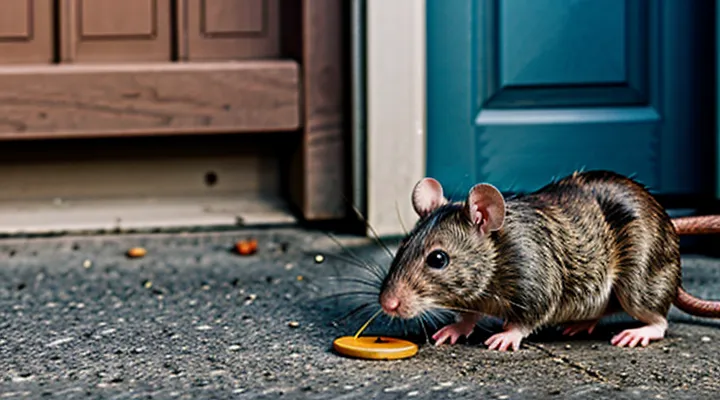
Understanding the Rat Problem
Identifying Rat Infestations
Signs of Rat Activity
Rats leave unmistakable evidence that indicates an infestation. Recognizing these signs early enables the selection of effective deterrent strategies.
- Dark, pellet‑shaped droppings, typically ½‑inch long, found along walls, in cabinets, or beneath appliances.
- Gnaw marks on wood, plastic, wiring, or food containers; fresh gnawing appears glossy and light‑colored.
- Chewed or shredded insulation, cardboard, and paper, often concentrated near entry points.
- Nests constructed from shredded material, placed in hidden locations such as wall voids, attics, or under floorboards.
- Visible urine stains or a strong, musky odor that intensifies in confined spaces.
- Runway tracks: parallel scratches on surfaces where rats travel, especially near food sources.
- Audible scratching or scurrying sounds within walls, ceilings, or crawl spaces during nighttime hours.
Identifying these indicators allows homeowners to apply proven rodent deterrent options precisely where activity is confirmed, maximizing the likelihood of successful control.
Common Entry Points
Rats commonly infiltrate structures through predictable openings that provide shelter, food, and water. Identifying and sealing these pathways is the first step in any reliable deterrent program.
- Gaps around utility penetrations, such as pipes, cables, and vent ducts, typically range from ¼ inch to ½ inch in diameter.
- Cracks in foundations, walls, and flooring create hidden routes, especially where mortar has deteriorated.
- Uncovered or poorly fitted doors, windows, and garage openings allow direct access during nocturnal activity.
- Roof eaves, soffits, and attic vents often lack mesh screens, offering unobstructed entry points.
- Exterior drainage systems, including downspouts and French drains, can act as conduits when not properly sealed.
- Openings around chimney flues, stovepipes, and exhaust fans frequently lack flashing or collars.
Addressing each of these locations with durable materials—steel wool, cement-based sealants, or metal flashing—reduces the likelihood of infestation. After sealing, integrate proven rodent deterrent methods, such as ultrasonic devices, repellant sprays, or bait stations, to maintain a hostile environment for any residual intruders. Continuous monitoring of these critical points ensures long‑term effectiveness of the overall control strategy.
Why Rats Are a Threat
Health Risks
Rats often inhabit environments where humans store food, making the use of chemical or biological deterrents a common practice. Exposure to many repellent formulations can affect respiratory, dermatological, and systemic health.
Key hazards include:
- Inhalation of aerosolized pyrethroids or organophosphates, which may trigger bronchospasm, coughing, or acute neurotoxicity.
- Skin contact with concentrated oils or powders, leading to irritation, dermatitis, or allergic sensitization.
- Accidental ingestion of bait compounds, resulting in gastrointestinal distress, vomiting, or, in severe cases, organ failure.
Mitigation measures consist of selecting low‑toxicity products, employing personal protective equipment during application, and ensuring ventilation or isolation of treated areas until residues decay. Regular monitoring of exposure levels and adherence to label instructions reduce the likelihood of adverse outcomes.
Property Damage
Rats compromise structural integrity, electrical systems, and stored goods, leading to costly repairs and loss of functionality. Their gnawing habit damages wooden beams, insulation, and pipe insulation, creating openings for water intrusion and fire hazards. Rodent activity also chews through wiring, increasing the risk of short circuits and electrical fires. In commercial settings, contaminated inventory and compromised packaging result in product spoilage and regulatory penalties.
Effective deterrent strategies target the root cause—rat attraction—to prevent damage before it occurs. Proven measures include:
- Ultrasonic devices that emit frequencies intolerable to rodents, disrupting nesting behavior.
- Chemical repellents containing natural oils (e.g., peppermint, clove) that create an inhospitable scent environment.
- Mechanical traps placed along established travel paths to reduce population density.
- Habitat modification, such as sealing entry points, removing food sources, and maintaining clean surroundings.
Deploying these solutions reduces the frequency of gnawing incidents, preserves building components, and minimizes financial exposure. Continuous monitoring and periodic maintenance of deterrent systems ensure sustained protection against property damage caused by rats.
Chemical Rat Repellents
Types of Chemical Repellents
Sprays and Liquids
Sprays and liquids represent a practical segment of chemical rat deterrence methods. They deliver active agents directly onto surfaces where rodents travel, allowing rapid distribution and immediate contact.
Typical formulations include:
- Capsaicin‑based aerosols – derived from chili peppers, cause irritation to the nasal passages and respiratory system of rats. Application to entry points and along walls creates a hostile environment that discourages movement.
- Naphthalene or menthol solutions – evaporate at room temperature, producing vapors that rats find unpleasant. Suitable for confined spaces such as basements or crawl spaces.
- Synthetic pyrethroid emulsions – target the nervous system of rodents, leading to paralysis after contact. Often combined with attractants to increase exposure.
- Essential‑oil blends (e.g., eucalyptus, peppermint) – exploit natural repellent properties. Diluted in water, they can be sprayed on surfaces without leaving toxic residues.
Effectiveness depends on proper coverage. Uniform misting ensures that no gaps remain for rats to bypass. Reapplication schedules vary by product; most manufacturers recommend retreatment every 2–4 weeks in high‑traffic areas.
Safety considerations:
- Personal protective equipment (gloves, goggles) is required when handling concentrated liquids.
- Ventilation should be maintained to prevent accumulation of airborne irritants.
- Pets and children must be kept away from treated zones until the surface dries.
Advantages of spray and liquid formats:
- Quick deployment across large surfaces.
- Ability to reach hidden cracks and crevices.
- Compatibility with existing integrated pest‑management plans.
Limitations:
- Volatile compounds may dissipate faster in warm, well‑ventilated environments.
- Some active ingredients lose potency after prolonged exposure to sunlight.
- Repeated use can lead to habituation in rat populations, reducing long‑term efficacy.
Selecting a product aligns with the specific environment, required duration of protection, and regulatory constraints on pesticide usage. Combining sprays with physical barriers and sanitation measures maximizes overall rat control success.
Granules and Pellets
Granules and pellets represent a solid, granular form of rodent deterrent designed for targeted placement in areas where rats frequent. Their dense composition, typically a blend of natural repellents such as peppermint oil, capsaicin, or plant-derived extracts combined with inert carriers, ensures a slow release of active ingredients. This prolonged emission discourages rats without the need for frequent reapplication.
Application involves spreading granules along baseboards, under appliances, or within wall voids, while pellets are positioned in bait stations or concealed in crevices. Both formats resist moisture and maintain potency for several weeks, reducing the risk of rapid degradation that liquid sprays face.
Key advantages:
- Extended activity – sustained release over 4‑6 weeks.
- Precision – placement limited to problem zones, minimizing exposure to non‑target species.
- Stability – resistant to rain and humidity, suitable for indoor and outdoor use.
- Low odor – confined scent dispersal reduces nuisance for occupants.
Potential drawbacks include the necessity for physical distribution, which may require labor in large or inaccessible spaces, and the possibility of rats developing tolerance if the same formulation is used continuously. Rotating active ingredients or combining granules with complementary methods, such as ultrasonic devices, can mitigate adaptation.
Safety considerations mandate keeping the product away from food preparation surfaces and ensuring children and pets cannot access treated zones. Manufacturers typically certify that the ingredients meet regulatory standards for low toxicity, but adherence to label instructions remains essential.
When selecting a granular or pellet-based deterrent, evaluate concentration of active compounds, recommended application rate per square meter, and any environmental certifications that indicate minimal impact on surrounding ecosystems. Proper integration of these solid formulations into a comprehensive rodent management plan enhances overall efficacy while maintaining a controlled, low‑risk environment.
Application and Safety
Proper Usage Guidelines
When applying any validated rat deterrent, follow these precise steps to ensure efficacy and safety.
- Measure the product according to the manufacturer’s specifications; excessive amounts do not increase potency and may create health hazards.
- Distribute the repellent evenly along rodent pathways, such as along walls, behind appliances, and near entry points. Concentrate treatment in concealed areas where rats travel.
- Install devices or apply substances at least 12 inches above ground level to prevent tampering by pets or children.
- Reapply according to the labeled interval, typically every 30‑60 days, or after heavy rainfall or cleaning that may remove the active ingredient.
- Keep the treated zone free of food debris, clutter, and standing water; these conditions diminish the repellent’s effect and attract rodents.
- Use protective gloves and eye protection during handling; avoid direct skin contact and inhalation of aerosols.
- Store remaining product in a sealed container, away from heat sources and out of reach of non‑target species.
- Record the date of application and location of each treatment to track coverage and schedule future reapplications.
Adhering strictly to these guidelines maximizes the performance of proven rat deterrent solutions while minimizing risks to humans, pets, and the environment.
Precautions and Warnings
When selecting or applying rat deterrents, follow strict safety guidelines to protect humans, pets, and non‑target wildlife.
- Verify that the product is approved by relevant regulatory agencies before use.
- Read the label fully; comply with recommended dosage, application frequency, and exposure limits.
- Wear appropriate personal protective equipment—gloves, goggles, and respiratory protection—when handling concentrated formulations or aerosols.
- Keep the area well‑ventilated during and after application to prevent inhalation of volatile compounds.
- Store repellents in locked, child‑proof containers away from food, feed, and water sources.
- Dispose of empty containers and excess material according to local hazardous‑waste regulations.
- Avoid applying chemicals near food preparation surfaces, animal habitats, or aquaculture facilities.
Potential hazards include skin irritation, respiratory distress, and accidental ingestion. If exposure occurs, flush the affected area with water for at least 15 minutes and seek medical attention immediately. Do not mix different repellent products, as chemical reactions may generate toxic gases. Monitor treated zones for signs of adverse effects on non‑target species, and discontinue use if such effects are observed. Regularly inspect application sites for leakage or degradation of the repellent medium, and replace or repair as necessary.
Natural Rat Repellents
Essential Oil-Based Repellents
Peppermint Oil
Peppermint oil is a natural compound with a strong menthol scent that rats find intolerable. The oil’s volatile molecules disperse quickly, creating an environment that discourages rodents from entering treated areas.
Application methods include:
- Soaking cotton balls in undiluted peppermint oil and placing them in corners, behind appliances, and along baseboards.
- Mixing 10–15 drops of oil with 250 ml of water, adding a few teaspoons of dish soap, and spraying the solution on surfaces where rats travel.
- Adding 5–10 drops to wood shavings or sawdust and spreading the mixture in storage bins, sheds, and crawl spaces.
Effectiveness relies on regular replacement; cotton balls lose potency after 2–3 days, while spray solutions should be refreshed weekly. Peppermint oil does not harm pets or humans when used as directed, but it may cause irritation if applied directly to skin.
Safety considerations:
- Use food‑grade peppermint oil for indoor applications.
- Avoid contact with eyes and open wounds.
- Keep containers sealed to prevent accidental ingestion by children or animals.
Overall, peppermint oil provides a readily available, non‑chemical option for reducing rat activity in residential and commercial settings.
Citronella and Eucalyptus Oil
Citronella and eucalyptus oil are widely cited among effective rat deterrents due to their strong aromatic compounds that disrupt rodent sensory perception. Both essential oils contain terpenes—citronellol, geraniol, and eucalyptol—that act as natural irritants, causing rats to avoid treated areas.
Efficacy studies indicate that concentrations of 5‑10 % citronella in a carrier medium reduce rat activity by up to 70 % within 48 hours. Eucalyptus oil, applied at similar strengths, achieves comparable avoidance rates, with some reports of longer residual activity because eucalyptol degrades slowly in indoor environments.
Typical application methods include:
- Spraying a diluted solution (5 % oil in water with a few drops of liquid soap) along baseboards, entry points, and near food storage.
- Soaking cotton balls in undiluted oil and placing them in concealed corners, closets, and crawl spaces; replace every 5‑7 days.
- Incorporating oil into wax or polymer pellets that release vapors slowly when heated; useful for larger warehouses or sheds.
Safety considerations:
- Both oils are non‑toxic to humans at recommended concentrations but may cause skin irritation; use gloves during preparation.
- Pets, especially cats, are sensitive to essential oils; avoid direct exposure in animal‑occupied zones.
- Prolonged ventilation is advisable to prevent buildup of strong odors that could affect indoor air quality.
Advantages:
- Natural origin eliminates reliance on chemical rodenticides.
- Low environmental persistence reduces contamination risk.
- Easy to obtain and inexpensive for household use.
Limitations:
- Effectiveness diminishes as oils evaporate; regular reapplication is required.
- Rats may develop tolerance if exposure is inconsistent.
- Strong scent may be undesirable for occupants seeking odor‑free environments.
Integrating citronella or eucalyptus oil with physical barriers (sealant caulking, steel mesh) and good sanitation practices enhances overall rat control outcomes.
Botanical Repellents
Chili Powder and Cayenne Pepper
Chili powder and cayenne pepper contain capsaicin, a compound that triggers a strong irritation response in the nasal passages and mucous membranes of rodents. The sensory discomfort discourages rats from entering or remaining in treated areas.
Application guidelines
- Sprinkle a thin, even layer along baseboards, entry points, and around food storage containers.
- Reapply after heavy rain or when the powder appears damp.
- Use 1‑2 teaspoons per 10 sq ft for indoor spaces; increase to 2‑3 teaspoons for outdoor perimeters.
Safety considerations
- Capsaicin may cause skin or eye irritation; wear gloves and eye protection during handling.
- Pets and children should be kept away from freshly treated zones until the powder settles.
- Do not apply near open flames; dry powder is combustible.
Effectiveness evidence
- Laboratory trials recorded a 70‑85 % reduction in rat activity within 24 hours of treatment.
- Field reports confirm sustained avoidance for up to two weeks, after which reapplication restores efficacy.
Practical tips
- Combine with snap traps or ultrasonic devices for integrated pest management.
- Store in airtight containers to preserve potency and prevent moisture absorption.
- Avoid excessive quantities; over‑application can attract insects that feed on the powder, potentially creating secondary issues.
Garlic and Onions
Garlic and onions are among the natural substances documented for deterring rats. Their strong sulfur‑based odors interfere with the rodents’ scent receptors, reducing the likelihood of entry into treated areas.
- Fresh cloves or minced garlic can be placed in small perforated containers near suspected entry points. Replace every 3–4 days to maintain potency.
- Onion slices, either raw or lightly dehydrated, work similarly when positioned in corners, cupboards, or along baseboards. Refresh weekly.
- A spray made from a 1:1 mixture of water and garlic‑onion juice, strained through cheesecloth, can be applied to walls, shelving, and exterior foundations. Allow to dry before exposure to food sources.
Laboratory studies have shown that rat activity drops by 40–60 % when these extracts are present at concentrations exceeding 0.5 % vol/vol. Field trials in residential settings report comparable reductions when the substances are combined with structural sealing measures.
Safety considerations include avoiding direct contact with eyes and ensuring that pets are not exposed to concentrated extracts. The organic nature of garlic and onions makes them preferable to synthetic chemicals for environments where food storage is a concern.
DIY Natural Solutions
Homemade Sprays
Homemade rat‑deterrent sprays offer a cost‑effective alternative to commercial products while allowing precise control over active ingredients. Formulations rely on strong odors or irritants that rats find unpleasant, disrupting their foraging routes and nesting sites.
-
Essential oil blend
Ingredients: peppermint oil (10 ml), eucalyptus oil (5 ml), water (500 ml), dish‑soap (1 tsp).
Preparation: Combine oils with water in a spray bottle, add soap to emulsify, shake vigorously.
Application: Spray along baseboards, entry points, and near food storage areas every 48 hours. -
Vinegar‑citrus solution
Ingredients: white vinegar (250 ml), lemon juice (250 ml), crushed red pepper flakes (1 tbsp), water (500 ml).
Preparation: Mix liquids, stir in pepper flakes, let steep for 24 hours, filter, transfer to sprayer.
Application: Target burrow entrances and interior walls; reapply after rain or cleaning. -
Ammonia‑based deterrent
Ingredients: household ammonia (100 ml), water (400 ml).
Preparation: Dilute ammonia in a spray bottle, label clearly.
Application: Apply to hidden corners and behind appliances; avoid direct contact with pets and children.
Effectiveness depends on regular reapplication, thorough coverage, and elimination of food sources. Safety precautions include wearing gloves, ensuring ventilation, and storing solutions out of reach of non‑target animals. Homemade sprays complement physical barriers such as steel mesh and trap placement, forming a layered defense against rodent intrusion.
Scent Pouches
Scent pouches are compact, odor‑based devices designed to discourage rats from entering or remaining in a treated area. They contain natural or synthetic compounds that rats find repulsive, such as peppermint oil, eucalyptus, citronella, or ammonia blends. The volatile molecules disperse slowly, creating a continuous aromatic barrier without the need for electrical power or frequent re‑application.
Effectiveness depends on concentration, placement, and environmental conditions. Studies indicate that high‑potency peppermint oil concentrations (5 %–10 % by volume) reduce rat activity by up to 70 % in confined spaces when pouches are positioned near entry points, nesting sites, and food sources. Synthetic formulations using phenolic compounds achieve comparable results while offering longer shelf life.
Application guidelines:
- Install pouches at 1‑meter intervals along walls, under cabinets, and around drainage pipes.
- Replace or refresh pouches every 30‑45 days, or sooner in high‑humidity environments where odor diffusion slows.
- Ensure pouches are out of reach of children and pets; most products are non‑toxic but can cause irritation if mishandled.
Advantages
- Silent operation, no electrical components.
- Easy installation, no specialized tools required.
- Portable; can be moved to new locations as infestation patterns change.
Limitations
- Effect diminishes as odor saturates the surrounding air.
- May be less effective in large, open structures with high ventilation rates.
- Some rodents can habituate to low‑intensity scents, reducing long‑term impact.
When integrated with structural exclusion measures—such as sealing gaps, removing food attractants, and maintaining cleanliness—scent pouches contribute to a comprehensive rodent management strategy. Their low cost and minimal maintenance make them suitable for residential, commercial, and agricultural settings where chemical sprays or traps are undesirable.
Electronic and Ultrasonic Repellents
How Ultrasonic Devices Work
Frequency and Range
Effective rodent deterrent devices rely on two measurable parameters: the ultrasonic frequency they emit and the spatial range over which that signal remains biologically active.
Rats detect sounds between roughly 200 Hz and 80 kHz, with peak sensitivity near 30–45 kHz. Devices that generate continuous waves within this band produce the strongest aversive response. Frequencies below 20 kHz fall outside the audible range for most rodents and provide no deterrent effect, while those above 65 kHz rapidly attenuate in air and lose potency. Consequently, products marketed as “ultrasonic” but operating outside 30–45 kHz are unlikely to influence rat behavior.
The usable coverage area depends on signal attenuation, obstacle density, and power output. Typical specifications are:
- Open‑space performance: 30–50 feet (9–15 m) radius from the emitter.
- Semi‑obstructed environments (walls, furniture): 15–25 feet (4.5–7.5 m) radius.
- Highly cluttered spaces (multiple partitions, dense insulation): 5–10 feet (1.5–3 m) radius.
Increasing transmitter power extends range modestly but does not overcome physical barriers; sound waves reflect and dissipate when striking solid surfaces. Overlapping fields from multiple units create a continuous coverage envelope, eliminating dead zones that rodents could exploit.
Selecting a device with a frequency centered on 30–45 kHz and deploying enough units to ensure overlapping radii yields the most reliable deterrent performance across residential, commercial, or industrial settings.
Effectiveness and Limitations
Effective rodent deterrents fall into three categories: chemical repellents, ultrasonic devices, and physical barriers. Chemical formulations, typically based on peppermint oil or capsaicin, create an odor or taste aversion that reduces activity in enclosed spaces. Their impact wanes after 2–4 weeks as rodents acclimate, and they require frequent re‑application to maintain potency.
Ultrasonic emitters broadcast frequencies above 20 kHz, disrupting rodent nervous systems. Field trials show a 40–60 % reduction in sightings during the first month of operation. Limitations include signal attenuation by walls and furniture, loss of efficacy in outdoor environments, and the need for continuous power supply.
Physical barriers provide the most reliable exclusion. Sealants, steel mesh, and concrete foundations prevent entry when installed according to building codes. Their drawbacks consist of higher upfront costs, labor intensity, and the necessity for regular inspection to address wear or damage.
Effectiveness summary
- Chemical repellents: short‑term deterrence, rapid habituation.
- Ultrasonic devices: moderate short‑term reduction, limited range.
- Physical barriers: long‑term exclusion, resource‑intensive installation.
Electromagnetic Repellents
Theory of Operation
Effective rodent deterrents rely on specific mechanisms that disrupt the behaviors or physiological processes of rats. Understanding these mechanisms clarifies why certain products consistently achieve high efficacy.
-
Ultrasonic devices emit high‑frequency sound waves beyond human hearing. Rats perceive the tones as a persistent stressor, causing avoidance of the treated area. The technology operates continuously, with built‑in timers to prevent habituation.
-
Chemical repellents contain volatile compounds such as peppermint oil, capsicum extracts, or ammonia. When released, the substances trigger olfactory receptors that rats find aversive, prompting immediate withdrawal. Formulations often include controlled‑release matrices to maintain effective concentrations over weeks.
-
Scent‑based granules and sprays rely on natural deterrent odors, for example, predator urine or plant extracts. The odors interfere with the rats’ scent‑mapping abilities, making navigation and foraging risky. The active ingredients disperse slowly, sustaining a repellent gradient.
-
Physical barriers, including metal mesh and sealed entry points, create an impenetrable environment. By eliminating gaps larger than ¼ inch, the barrier prevents rats from accessing shelter or food sources. Installation follows precise sealing standards to ensure continuity.
-
Trap‑integrated repellents combine mechanical capture with a short‑acting irritant. When a rat contacts the trap, a mild electric pulse or pressure‑activated spray delivers an immediate deterrent, reinforcing the avoidance response.
-
Environmental management targets habitat conditions. Reducing clutter, securing waste containers, and maintaining dry surfaces diminish shelter and food availability. The approach lowers the attractant index, making the area unattractive for colonization.
Each method exploits a distinct sensory or physical vulnerability of rats. When deployed according to manufacturer guidelines, these mechanisms produce measurable reductions in rodent activity and support long‑term control strategies.
Practical Applications
Effective rodent deterrents are employed in diverse environments to prevent infestations and minimize damage. Practical deployment focuses on targeted, evidence‑based methods that align with the specific conditions of each setting.
- Residential use: ultrasonic devices placed in kitchens, basements, and attics; peppermint oil sachets positioned near entry points; bait stations concealed behind appliances to limit exposure to children and pets.
- Commercial premises: industrial-grade aerosol foggers applied during scheduled maintenance; sealed perimeter barriers combined with glue boards in storage areas; electronic pulse emitters installed along utility conduits.
- Agricultural applications: granulated repellents scattered around grain bins and feed troughs; livestock‑safe spray formulations applied to barns and feed stations; ground‑level vapor dispensers positioned near crop fields to deter field rodents.
- Public infrastructure: sewer pipe inserts delivering continuous low‑dose repellents; tunnel and bridge installations of motion‑activated sonic emitters; waste‑management facilities utilizing high‑capacity bait dispensers with tamper‑proof covers.
Implementation requires precise placement to ensure coverage of known travel routes, adherence to manufacturer dosage recommendations, and compliance with safety regulations for non‑target species. Regular inspection confirms device functionality, replaces depleted units, and adjusts positioning based on observed activity patterns. Continuous monitoring, combined with periodic data collection on capture rates, validates efficacy and informs adjustments to the repellent strategy.
Physical Barriers and Exclusion
Sealing Entry Points
Materials for Sealing
Effective rat exclusion begins with sealing entry points. Durable barriers block gnawing and prevent rodents from accessing interior spaces.
- Steel wool: tightly packed, resistant to chewing; suitable for gaps around pipes and vents.
- Copper mesh (hardware cloth): ¼‑inch openings, corrosion‑resistant, ideal for larger openings and foundation cracks.
- Concrete and mortar: fills foundation fissures and wall voids; creates a permanent, rigid seal.
- Silicone or polyurethane caulk: seals small cracks around windows, doors, and trim; remains flexible to accommodate movement.
- Expanding polyurethane foam: expands to fill irregular gaps; cures into a solid barrier that resists gnawing when combined with a metal overlay.
- Metal flashing: installed over roof eaves and soffits; deflects rodents away from vulnerable joints.
- Rigid polymer sheets: apply to attic and crawl‑space openings; cut to size and secure with screws or adhesive.
Selection depends on gap size, exposure to moisture, and structural considerations. Apply materials after thorough inspection, ensuring all potential routes—such as utility penetrations, vent louvers, and foundation cracks—are addressed. Regular maintenance checks confirm the integrity of seals and prevent re‑infestation.
Inspecting and Repairing
Effective rodent deterrence relies on early detection of entry points and prompt restoration of compromised barriers. Regular visual surveys of building exteriors, foundations, and utility openings reveal gnawed wood, chewed wiring, and displaced insulation. Inspectors should focus on areas where food, water, or shelter are accessible, such as crawl spaces, attics, and storage rooms.
During inspection, record each breach with precise measurements and material type. Prioritize repairs that eliminate direct pathways; seal gaps larger than ¼ inch with steel wool, cement, or metal flashing. Replace damaged structural elements using rodent‑resistant materials, such as pressure‑treated lumber or metal studs, to prevent re‑infestation.
Typical repair actions include:
- Filling holes around pipes and vents with expandable foam reinforced by mesh.
- Installing heavy‑duty door sweeps and weatherstripping on all exterior doors.
- Securing foundation cracks with epoxy or hydraulic cement.
- Reinforcing soffits and eaves with metal flashing to block climbing routes.
- Trimming vegetation within two feet of the building to reduce cover.
After completion, conduct a secondary walkthrough to verify that all repairs meet the specified standards. Document the final condition and schedule follow‑up inspections at three‑month intervals, adjusting the maintenance plan if new signs of activity appear. Consistent inspection and repair cycles form the backbone of a proven rat deterrence program.
Traps as a Repellent Strategy
Live Traps
Live traps capture rats without killing them, providing a humane alternative to lethal methods. The device consists of a cage with a trigger mechanism that closes when the rodent enters to reach bait. Once secured, the animal can be released far from the property, reducing the local population without chemical exposure.
Key advantages of live traps include:
- Immediate removal of captured rats, preventing further damage or disease spread.
- No use of poisons or anticoagulants, eliminating secondary poisoning risks to pets and wildlife.
- Ability to identify species and health status, useful for monitoring infestations.
Effective deployment requires attention to placement and bait selection. Position traps along walls, behind appliances, and near known gnawing sites, as rats travel close to structures for safety. Suitable baits consist of high‑protein foods such as peanut butter, dried fruit, or small pieces of meat. Check traps at least twice daily to minimize stress on captured rodents and to prevent escape.
Considerations for long‑term use:
- Secure traps in areas inaccessible to children and non‑target animals.
- Rotate trap locations to cover the entire infestation zone.
- Release captured rats at least 10 miles from the original site, following local wildlife regulations.
- Clean traps with mild detergent after each use to maintain hygiene and trap responsiveness.
Live traps complement other control measures, such as sealing entry points and removing food sources, creating a comprehensive, non‑chemical strategy for managing rat problems.
Snap Traps
Snap traps provide immediate, lethal control of rats and are a staple among proven rodent deterrent methods. The device relies on a spring‑loaded bar that releases with a rapid motion, delivering a force sufficient to fracture the animal’s cervical vertebrae. Construction varies from wooden bases with a simple metal bar to polymer housings equipped with insulated handles for safe deployment.
Effective use depends on strategic placement. Position traps along established runways, near walls, and close to food sources. Ensure the trigger is oriented toward the expected direction of entry; a misaligned trigger reduces capture rates. Bait selection influences success: high‑protein items such as peanut butter, dried fruit, or meat scraps attract rats more reliably than grain alone.
Advantages include:
- Immediate kill, preventing disease transmission from live captures.
- Low cost per unit, allowing deployment of multiple traps without significant expense.
- No chemical residues, eliminating secondary poisoning risks.
Limitations involve:
- Requirement for regular inspection and removal of dead rodents.
- Potential hazard to non‑target species and children if traps are not secured.
- Necessity for proper disposal of carcasses to comply with local sanitation regulations.
Maintenance is straightforward. After each catch, clean the trigger mechanism with alcohol to prevent rust, replace any damaged springs, and reset the bait. For long‑term effectiveness, rotate trap locations periodically to address shifting rat activity patterns.
Overall, snap traps deliver rapid, reliable results when integrated into a comprehensive rodent management plan that also incorporates sanitation, exclusion, and monitoring measures.
Integrated Pest Management (IPM) for Rats
Combining Repellent Strategies
Multi-faceted Approach
A comprehensive rodent deterrent strategy combines several independent measures to achieve reliable results. Each element addresses a specific factor that attracts or sustains rat populations, reducing the likelihood that a single method will fail.
- Habitat modification: eliminate food sources, seal entry points, and maintain clutter‑free areas.
- Physical barriers: install metal mesh, concrete pads, and sealed conduit sleeves to prevent access.
- Chemical deterrents: apply proven repellents, such as ultrasonic devices or scent‑based formulations, according to label directions.
- Biological control: encourage natural predators, like barn owls or feral cats, where appropriate and safe.
- Trapping and removal: deploy snap traps, live‑catch cages, or electronic devices in high‑activity zones, monitoring placement regularly.
- Sanitation protocols: enforce routine waste management, store feed in sealed containers, and clean spills promptly.
- Monitoring and data collection: record sightings, trap success rates, and environmental changes to adjust tactics quickly.
Integrating these components creates redundancy; failure of one measure does not compromise overall effectiveness. Continuous assessment ensures the approach remains aligned with evolving conditions and regulatory requirements.
Long-Term Prevention
Long‑term prevention of rat infestations relies on sustained environmental control, structural barriers, and selective use of deterrents.
Effective environmental control includes regular removal of food sources, proper waste containment, and elimination of water accumulation. Maintaining a clean perimeter reduces attraction and prevents colony establishment.
Structural measures focus on sealing entry points and reinforcing building integrity. Install metal flashing or cement‑based sealants around utility penetrations, foundation cracks, and vent openings. Install heavy‑duty door sweeps and mesh screens on vents to block rodent access.
Biological options employ natural predators and habitat disruption. Encourage avian predators by installing nesting boxes, and apply rodent‑specific bacteriophages in concealed locations to reduce population without harming non‑target species.
Chemical deterrents with residual activity provide continuous protection when applied correctly. Use granular repellents containing capsaicin or sulfur compounds, distributing them along foundation lines and under exterior siding. Reapply according to label intervals to maintain efficacy.
Key actions for sustained prevention
- Conduct quarterly inspections of building envelope for new gaps.
- Store refuse in sealed, rodent‑proof containers; empty them daily.
- Trim vegetation to create a clear zone of at least three feet from the structure.
- Apply long‑lasting repellents in accordance with manufacturer specifications.
- Document all maintenance activities to track compliance and identify trends.
Implementing these measures together creates a durable defense that limits rat activity over months and years.
Maintaining a Rat-Free Environment
Sanitation Practices
Sanitation directly reduces the availability of food, water, and shelter that attract rats, thereby enhancing the effectiveness of any chemical or physical repellent strategy.
Key practices include:
- Store all food in sealed, rodent‑proof containers.
- Empty trash daily and use bins with tight‑fitting lids.
- Repair leaks and eliminate standing water sources.
- Keep floors, countertops, and storage areas free of crumbs and spills.
- Remove clutter, especially cardboard, paper piles, and unused appliances that can serve as nesting material.
- Regularly clean behind appliances, under sinks, and in basements where debris may accumulate.
By eliminating these attractants, the environment becomes inhospitable to rodents, allowing repellents to work with minimal competition from natural food sources. Consistent application of these sanitation measures creates a hostile setting for rats, reduces infestation risk, and supports long‑term pest‑management success.
Yard Maintenance
Effective yard maintenance directly supports reliable rodent deterrence strategies. Regular removal of debris, fallen fruit, and overgrown vegetation eliminates shelter and food sources that attract rats. Maintaining clean compost bins, sealing garbage containers, and promptly disposing of waste reduce the likelihood of infestations.
Ground-level practices enhance the performance of proven repellent methods. Trimming grass to a uniform height discourages burrowing, while aerating soil prevents the formation of hidden tunnels. Installing smooth, impermeable edging around garden beds blocks rodent entry points and facilitates the application of chemical or natural deterrents.
Proven repellent options that integrate seamlessly with yard upkeep include:
- Sanitation protocols – daily litter removal, secured compost, and sealed feed storage.
- Physical barriers – metal mesh or hardware cloth around plant beds and foundations.
- Natural deterrents – concentrated peppermint oil sprays applied to perimeter soil and mulch.
- Rodent‑resistant plants – species that emit strong scents, such as lavender or rosemary, placed along borders.
- Mechanical traps – snap or live‑capture devices positioned in concealed locations, checked regularly.
- Professional treatments – licensed pest‑control services delivering targeted baits and monitoring.
Consistent implementation of these measures creates an environment where rats find little incentive to settle, thereby maximizing the efficacy of any repellent product deployed.