
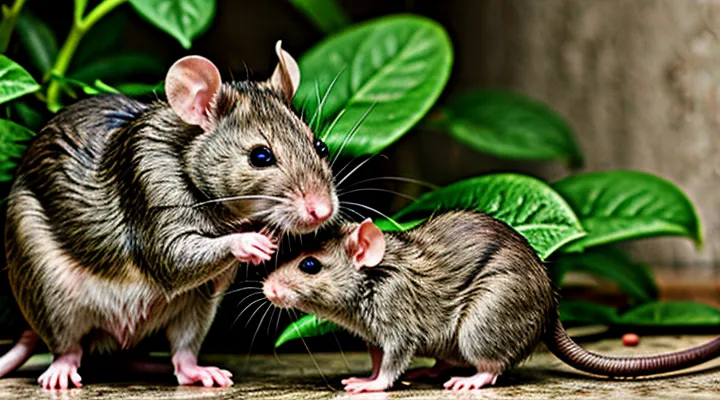
Early Signs and Confirmation of Pregnancy
Behavioral Changes
Pregnant rats display distinct behavioral modifications that signal advancing gestation. These changes facilitate nest preparation, offspring protection, and maternal health.
- Increased nesting activity: construction of a compact, insulated nest using bedding material intensifies during the second half of gestation.
- Reduced exploratory roaming: distance traveled in open‑field tests declines, reflecting a shift toward conserving energy for parturition.
- Heightened aggression toward intruders: territorial responses become more pronounced, especially when unfamiliar males approach the nesting area.
- Altered feeding patterns: consumption of high‑calorie foods rises, while overall food intake may fluctuate to meet fetal nutritional demands.
- Enhanced grooming of the ventral region: frequent self‑cleaning of the abdomen supports hygiene as the belly expands.
- Diminished social interaction with non‑pregnant conspecifics: contact with cage mates decreases, reducing the risk of stress‑induced complications.
Monitoring these behaviors provides reliable indicators of gestational progress and assists caretakers in optimizing environmental conditions for successful litter outcomes.
Physical Indicators
Physical changes in a pregnant rat become evident within the first week after conception. The abdomen expands noticeably as embryos develop, producing a rounded silhouette that distinguishes pregnant individuals from non‑pregnant counterparts.
Weight gain provides a reliable metric; a healthy adult female typically increases body mass by 30‑50 % over the gestation period. Monitoring daily or weekly scales yields quantitative confirmation of progression.
Visible signs include:
- Enlarged nipples that darken and become more pronounced around day 10.
- Increased fur softness, especially along the ventral surface.
- Behavioral shifts such as nesting activity, with construction of material piles near the cage floor.
At the end of gestation, the abdomen reaches its maximal circumference, and the mammary glands swell significantly, preparing for lactation. These physical indicators collectively confirm the developmental stage and assist in timely veterinary care.
Veterinary Confirmation
Veterinary confirmation is essential for accurately determining gestation in rats. Professional assessment eliminates uncertainty caused by overlapping signs of estrus and early pregnancy.
Detection becomes reliable after the third week of gestation, when fetal structures are sufficiently developed for imaging and palpation. Prior to this period, diagnostic certainty remains low.
Common diagnostic techniques include:
- Abdominal palpation performed by an experienced practitioner to feel developing embryos.
- Ultrasonography, which visualizes fetal heartbeats and organ formation from day 18 onward.
- Radiography, useful for confirming litter size after calcification of fetal skeletons around day 20.
- Hormone assays, such as measurement of relaxin levels, providing biochemical evidence of pregnancy.
Interpretation of results requires correlation with the animal’s reproductive history and physical condition. Positive findings prompt recommendations for nutrition, housing, and monitoring to support a healthy gestation. Negative or inconclusive results may lead to repeat examinations or alternative diagnostic approaches.
Stages of Rat Pregnancy
Gestation Period Explained
The gestation period of a laboratory or pet rat lasts approximately 21 to 23 days, with most deliveries occurring on day 22. Fertilization takes place shortly after mating, and embryonic development proceeds rapidly due to the species’ high metabolic rate.
Key milestones during the gestation cycle include:
- Days 1‑4: Implantation of embryos into the uterine wall; early cell differentiation begins.
- Days 5‑10: Organogenesis; formation of the heart, brain, and limbs becomes visible.
- Days 11‑15: Rapid fetal growth; skeletal structures calcify and whisker buds appear.
- Days 16‑20: Maturation of sensory organs; fur begins to develop and the tail lengthens.
- Day 21‑23: Preparation for birth; pups position for delivery and the mother exhibits nesting behavior.
Factors influencing the exact length of gestation encompass the dam’s age, nutritional status, and environmental conditions such as temperature and lighting. Younger females may experience slightly shorter cycles, while older or under‑nourished individuals can exhibit extended gestation periods.
During the final days, the mother typically constructs a nest of bedding material, exhibits reduced activity, and may display nesting behaviors such as pulling and arranging material. Monitoring weight gain—approximately 30 g per gestation—provides a reliable indicator of pregnancy progression and impending parturition.
Understanding these temporal markers enables caretakers to anticipate delivery, prepare appropriate housing, and ensure optimal neonatal care immediately after birth.
First Trimester: Weeks 1-2
The initial two weeks of rat gestation begin with ovulation and fertilization. After mating, sperm penetrate the ova within the oviduct, forming a zygote that undergoes rapid mitotic divisions. By the end of day 2, the embryo reaches the morula stage and proceeds to the blastocyst, which implants into the uterine lining around day 4–5. Implantation triggers a cascade of molecular signals that secure embryonic attachment and initiate placental development.
Hormonal shifts dominate this period. Rising estrogen concentrations stimulate uterine growth and increase blood flow to support the implanting blastocyst. Progesterone levels climb concurrently, maintaining uterine quiescence and preventing premature uterine contractions. Prolactin secretion escalates, preparing mammary tissue for future lactation. These endocrine changes can be monitored through serum assays, providing objective markers of early pregnancy status.
Observable signs appear subtly. Vaginal discharge may become clearer and more abundant, reflecting increased cervical mucus production. Behavioral modifications include reduced aggression and heightened nesting activity, as the female prepares a safe environment for the forthcoming litter. These indicators, while not definitive, often correlate with successful conception.
Management recommendations focus on optimizing maternal health.
- Provide a diet enriched with protein (20 %–25 % of total calories) and essential fatty acids to support embryonic growth.
- Maintain ambient temperature between 20 °C and 24 °C and humidity around 50 % to minimize stress.
- Limit handling to essential procedures, employing gentle restraint techniques to avoid disrupting hormonal balance.
Early gestational assessment benefits from ultrasound imaging performed after day 10, allowing visualization of embryonic vesicles and confirmation of viable pregnancy. Timely detection guides subsequent interventions, such as adjusting nutrient supply or modifying cage conditions, to promote successful outcomes throughout the remainder of gestation.
Second Trimester: Week 3
During the third week of the second trimester, fetal growth accelerates markedly. Limb buds elongate, digits become distinguishable, and skeletal ossification begins. Internal organs advance toward functional maturity; the respiratory system forms bronchial branches, and the gastrointestinal tract continues to differentiate.
Maternal physiology adapts to support rapid fetal development. Blood volume increases by approximately 30 %, enhancing oxygen transport. Uterine blood flow rises, delivering nutrients and removing waste more efficiently. Hormonal shifts, notably elevated progesterone and prolactin, sustain uterine quiescence and prepare mammary glands for forthcoming lactation.
Key observations for caretakers include:
- Progressive abdominal enlargement, typically noticeable as a smooth, rounded contour.
- Increased appetite, reflecting heightened metabolic demand.
- Elevated respiratory rate, aligning with greater oxygen requirements.
Monitoring parameters such as weight gain (approximately 5–7 % of initial body mass per day) and nesting behavior provides early indicators of healthy progression. Any deviation, such as stagnant weight or abnormal discharge, warrants immediate veterinary assessment.
Third Trimester: Week 4 and Beyond
The third trimester in rats begins around day 15 of gestation; by week 4 the pregnancy has progressed well beyond the typical 21‑day term, indicating either a prolonged experimental model or a focus on late‑stage fetal maturation. At this stage the uterus reaches maximum expansion, mammary tissue shows pronounced alveolar development, and circulating progesterone and prolactin levels peak.
Key physiological markers include:
- Uterine weight exceeding twice the non‑pregnant value.
- Mammary gland mass increasing by 3‑4 fold.
- Serum progesterone concentrations above 30 ng/mL.
Fetal development during week 4 and onward is characterized by rapid organ differentiation, skeletal ossification, and weight gain of 0.5‑0.7 g per fetus. Respiratory and gastrointestinal systems attain functional readiness, preparing neonates for independent survival.
Management priorities focus on maintaining optimal nutrition, ambient temperature (22‑24 °C), and humidity (50‑60 %). Monitoring should record abdominal circumference daily, assess nesting behavior, and note any premature labor signs such as increased vaginal discharge or abdominal contractions. Prompt veterinary consultation is advised if abnormal patterns emerge.
Overall, week 4 marks the culmination of gestational growth, demanding precise environmental control and vigilant observation to ensure successful parturition and neonatal health.
Care During Pregnancy
Nutritional Requirements
Pregnant rats experience a marked rise in energy demand. Daily caloric intake should increase by 15‑20 % during early gestation and by up to 30 % in the final trimester. Feed formulations must contain high‑quality protein, targeting 20‑22 % of total calories, to support fetal tissue growth and maternal milk production.
Key nutrients include:
- Calcium « Ca » and phosphorus « P » in a 1.2 : 1 ratio; essential for skeletal development of embryos.
- Vitamin A « retinol » and vitamin D « cholecalciferol »; prevent developmental anomalies.
- Folic acid « vitamin B9 »; reduces incidence of neural tube defects.
- Iron « Fe »; supports hemoglobin synthesis for both dam and offspring.
- Omega‑3 fatty acids, particularly DHA; contribute to neural membrane formation.
Water consumption must rise proportionally; provide constant access to fresh, clean water to maintain hydration and facilitate nutrient transport.
Dietary adjustments should be implemented gradually, beginning at confirmation of pregnancy, to avoid gastrointestinal disturbances. Commercial rodent breeder feeds that meet the outlined specifications are suitable; supplement with purified mineral mixes when using laboratory chow lacking adequate levels. Monitoring body condition score weekly ensures that nutritional targets are met without excess adiposity, which can compromise parturition.
Balanced Diet
A balanced diet is a cornerstone of successful rat gestation, supporting embryonic development and maternal health. Proper nutrition reduces the risk of complications and promotes normal litter size.
Key macronutrients include:
- Protein: 20–25 % of daily calories, sourced from high‑quality rodent pellets, boiled eggs, or lean meat.
- Fat: 5–10 % of calories, provided by small amounts of unsalted nuts or seed oils.
- Carbohydrates: 55–70 % of calories, supplied by whole‑grain cereals and fresh vegetables.
Essential micronutrients must be present in adequate quantities:
- Calcium and phosphorus in a 1.2 : 1 ratio to sustain skeletal formation.
- Vitamin E and selenium to protect cells from oxidative stress.
- B‑complex vitamins for energy metabolism and nervous‑system development.
Feeding frequency should increase as gestation progresses. Early stages merit two small meals per day; later stages require three to four meals, each offering consistent portion sizes to prevent over‑eating and obesity. Fresh water must be available at all times.
Foods to exclude are those that pose toxicity or digestive issues: raw onions, garlic, citrus peels, and high‑fat processed snacks. These items can cause gastrointestinal upset or interfere with nutrient absorption.
Implementing these guidelines ensures that pregnant rats receive the nutrients necessary for healthy offspring and optimal maternal condition.
Supplements and Hydration
During gestation, rats require a balanced intake of nutrients to support fetal development and maintain maternal health. Adequate protein levels, typically 18‑20 % of the diet, provide essential amino acids for tissue growth. Calcium and phosphorus ratios of approximately 1.2 : 1 prevent skeletal deficiencies; supplementation with calcium carbonate or mineral blocks can achieve this balance. Vitamin D enhances calcium absorption, while vitamin E and vitamin C act as antioxidants that protect cellular structures. Folic acid, supplied at 0.5 mg kg⁻¹ of feed, reduces the risk of neural tube malformations. Omega‑3 fatty acids, introduced through flaxseed oil or fish‑oil emulsions, improve membrane fluidity and support neurological development.
Hydration demands increase as gestation progresses. Access to fresh water 24 hours a day prevents dehydration, which can impair placental perfusion. Electrolyte balance is maintained by providing low‑salt water gels or adding trace amounts of potassium chloride to the drinking supply. Monitoring water consumption reveals deviations that may signal illness; a drop of more than 20 % from baseline warrants veterinary assessment. In hot climates, supplemental cooling pads reduce heat stress and preserve fluid intake.
Supplement administration should follow veterinary guidelines to avoid hypervitaminosis or mineral toxicity. Gradual introduction of new nutrients allows observation of tolerance. Regular weighing of pregnant rats, combined with food and water intake records, ensures that supplementation meets the physiological demands of each trimester without excess.
Environmental Considerations
Environmental factors exert a decisive influence on gestation in rats. Proper control of these variables reduces the risk of fetal loss, developmental abnormalities, and maternal stress.
Key considerations include:
- Ambient temperature maintained between 20 °C and 24 °C; deviations impair embryonic development.
- Relative humidity kept at 40 %–60 %; excessive dryness or moisture promotes respiratory issues.
- Light‑dark cycle standardized to 12 hours of light and 12 hours of darkness; irregular cycles disrupt hormonal rhythms.
- Ventilation ensuring fresh air exchange without drafts; stagnant air increases ammonia accumulation.
- Cage dimensions providing at least 0.02 m² per pregnant female; overcrowding limits movement and elevates aggression.
- Bedding composed of low‑dust, absorbent material; high dust levels aggravate nasal passages and compromise litter health.
- Enrichment items such as nesting material and chew blocks; deprivation leads to stereotypic behavior and elevated cortisol.
- Chemical exposure minimized; pesticides, strong disinfectants, and volatile solvents must be absent from the animal room.
- Routine sanitation that removes waste promptly while preserving nest integrity; prolonged exposure to urine and feces raises infection risk.
Continuous monitoring of temperature, humidity, and air quality, combined with regular assessment of cage conditions, supports optimal reproductive outcomes. Adjustments should be implemented promptly when parameters drift from established ranges.
Nesting Materials
Nesting material is essential for a pregnant rodent to construct a secure, insulated enclosure for the upcoming litter. The material must be readily manipulable, non‑toxic, and capable of retaining heat without fostering excessive moisture.
- Soft paper products such as shredded toilet paper or tissue
- Untreated cotton fibers, including flannel or fleece strips
- Natural fibers like shredded corn husk or wheat straw
- Commercially available nesting pads made from cellulose
Selecting the appropriate substrate involves evaluating texture, absorbency, and durability. Soft, pliable fibers allow the mother to shape a compact nest, while highly absorbent materials reduce the risk of dampness that could promote bacterial growth. Materials should be free of dyes, fragrances, or chemical treatments that could harm developing embryos.
Introduce nesting material early in gestation, typically around day 5 to day 7, to give the female ample time to arrange the nest. Gradual addition of fresh substrate prevents depletion and maintains cleanliness. Replace soiled portions daily; discard any material showing signs of urine saturation or mold.
Maintain a dry environment by providing a separate, dry bedding layer beneath the nest. This separation prevents moisture migration into the nest while still offering comfort for the mother. Monitoring humidity levels within the enclosure helps ensure optimal conditions for embryonic development.
Properly chosen nesting material supports thermoregulation, reduces stress, and contributes to higher survival rates for the newborns.
Temperature and Safety
Temperature control is critical throughout the gestation period of laboratory rats. Optimal ambient conditions range from 20 °C to 24 °C (68 °F–75 °F). Temperatures below 18 °C increase the risk of fetal resorption, while levels above 26 °C may cause heat stress and reduced litter size. Consistent monitoring with calibrated thermometers ensures that fluctuations do not exceed ±1 °C.
Safety measures focus on preventing injury to the pregnant dam and minimizing exposure to hazards.
- Provide a clean, well‑ventilated cage with soft bedding to avoid abrasions.
- Eliminate sharp objects and protruding cage components that could puncture the abdomen.
- Restrict handling to essential procedures; when handling is required, use gentle, steady movements to reduce stress.
- Maintain a quiet environment; sudden loud noises can trigger physiological stress responses that affect fetal development.
- Ensure all personnel wear gloves and follow biosafety protocols to prevent transmission of pathogens.
Regular health checks should include temperature verification and assessment of the cage’s structural integrity. Prompt correction of any deviation safeguards both the mother and the developing offspring.
Health Monitoring
Health monitoring during rodent gestation requires systematic observation and objective data collection. Regular weighing provides the most reliable indicator of fetal development; a steady increase of 2–3 g per week signals normal progression, while stagnation or rapid loss warrants immediate veterinary assessment. Abdominal palpation, performed gently after the third week of gestation, confirms litter size and detects abnormal masses; excessive resistance or pain suggests possible complications. Monitoring nesting behavior offers insight into hormonal status; a marked decline in nest building may reflect stress or endocrine imbalance.
Key parameters to track include:
- Body temperature: maintain ambient range of 20–24 °C; deviations above 26 °C increase risk of miscarriage.
- Food and water intake: record daily consumption; sudden reduction of more than 20 % indicates potential metabolic distress.
- Activity levels: document locomotion patterns; prolonged lethargy or hyperactivity can precede health issues.
- Respiratory rate: observe for tachypnea or labored breathing, which may signal infection or cardiac strain.
Veterinary examinations should occur at least once each trimester, incorporating ultrasonography to evaluate fetal viability and placental health. Blood work focusing on glucose, hematocrit, and hormone levels (progesterone, prolactin) aids in detecting metabolic or endocrine disorders early. Prompt intervention—adjusting diet, providing supplemental heating, or administering appropriate medication—reduces morbidity and supports successful delivery.
Regular Check-ups
Regular veterinary examinations are essential throughout rat gestation. Early detection of complications, monitoring of fetal development, and assessment of the dam’s health depend on systematic check-ups.
Key aspects of each appointment include:
- Physical examination of the abdomen to evaluate uterine size and detect abnormalities.
- Weight measurement recorded weekly to confirm appropriate gain; sudden loss may indicate distress.
- Observation of nesting behavior and coat condition as indirect indicators of well‑being.
- Blood sampling when indicated to assess glucose levels, hormone profiles, and infection markers.
- Ultrasound assessment, if available, to visualize embryos and confirm viability after the third week of gestation.
Scheduling guidelines recommend the first visit within the initial week after mating, followed by weekly assessments until parturition. Adjustments to the frequency may be necessary if the dam shows signs of stress, abnormal weight trends, or reproductive issues.
Consistent documentation of findings enables the veterinarian to identify trends, intervene promptly, and support a successful litter outcome.
Recognizing Complications
Recognizing complications during rat gestation requires vigilant observation of physical and behavioral changes. Early identification allows timely veterinary intervention, reducing risk to the dam and offspring.
Common warning signs include:
- Sudden abdominal distension not proportional to gestational stage, indicating possible internal bleeding or fluid accumulation.
- Persistent lethargy or refusal to eat, suggesting metabolic distress or infection.
- Vaginal discharge that is foul‑smelling, excessive, or contains blood, pointing to uterine infection or premature labor.
- Abnormal posture, such as arching of the back or difficulty moving, which may signal dystocia or musculoskeletal strain.
- Rapid weight loss after an initial gain, often associated with placental insufficiency or systemic illness.
Additional indicators merit immediate veterinary assessment:
- Elevated body temperature above normal range, a hallmark of systemic infection.
- Irregular or absent nesting behavior in the final weeks, potentially reflecting pain or neurological issues.
- Presence of stillborn pups without evident external trauma, which can reveal placental failure or toxic exposure.
Monitoring protocol:
- Record body weight bi‑weekly, noting deviations from expected growth curves.
- Inspect the ventral area daily for swelling, discoloration, or discharge.
- Observe feeding patterns and activity levels, documenting any decline.
- Conduct gentle abdominal palpation only after the third week of gestation; avoid excessive pressure that could exacerbate injury.
When any of the listed signs appear, prompt veterinary consultation is essential. Diagnostic tools such as ultrasonography, complete blood count, and radiography provide detailed assessment of fetal viability and maternal health. Early treatment options include antimicrobial therapy for infections, fluid therapy for dehydration, and, if necessary, surgical intervention to resolve dystocia. Continuous documentation of observations supports accurate diagnosis and improves outcomes for both dam and litter.
Labor and Delivery
Preparing for Birth
Preparing for the delivery of a pregnant rat requires a systematic approach that addresses environment, nutrition, health monitoring, and equipment.
The breeding cage should be transferred to a quiet, low‑traffic area at least five days before the expected parturition date. Temperature must remain within 20‑24 °C, and humidity should be kept between 45‑55 %.
Nest material is essential for the mother to construct a secure chamber. Provide at least 5 cm of clean, unscented shredded paper or aspen shavings. Replace the material daily to maintain dryness and prevent contamination.
Dietary needs increase during the final week of gestation. Offer a high‑protein pellet formulated for lactating rodents, supplemented with fresh vegetables such as carrots and leafy greens. Ensure constant access to fresh water; replace bottles every 24 hours to avoid bacterial growth.
Health checks focus on weight gain, abdominal swelling, and behavioral cues. Record the female’s weight daily; a gain of 25‑30 % over pre‑gestation weight signals imminent labor. Observe for nesting behavior, reduced activity, and occasional shivering, which indicate the onset of contractions.
Equipment checklist for the birth day:
- Clean, escape‑proof cage with solid bottom
- Separate nesting box lined with fresh material
- Sterile gloves for handling newborns if intervention is required
- Thermometer and hygrometer for continuous monitoring
- Small syringe with sterile saline for emergency hydration of pups
Post‑delivery care includes maintaining a stable environment, limiting disturbances for the first 72 hours, and monitoring the litter for adequate nursing and growth. Prompt removal of any dead pups prevents contamination and reduces the risk of maternal stress.
Signs of Impending Labor
During the final days of gestation, pregnant rats exhibit observable changes that signal the approach of delivery. The gestation period lasts approximately 21‑23 days; therefore, monitoring becomes critical around day 19.
- Nest‑building activity intensifies, with the female gathering bedding and arranging a secluded area.
- Restlessness and frequent repositioning within the cage increase.
- A noticeable drop in body temperature may occur, often detected by a slight chill in the paws.
- The abdomen becomes less rigid as uterine contractions begin, leading to a softened belly wall.
- Vaginal discharge appears, ranging from clear mucus to a pinkish fluid.
- The mother may exhibit reduced food intake while maintaining hydration.
Preparation for imminent labor includes providing ample clean nesting material, minimizing stressors, and ensuring easy access to water. Observation should continue until the birth of the litter, after which the mother typically resumes normal behavior within a few hours.
The Birthing Process
The birthing process in rats follows a rapid, well‑defined sequence that begins after a gestation period of approximately 21 days. As parturition approaches, the female exhibits nesting behavior, abdominal swelling, and a noticeable drop in body temperature.
Key stages of labor include:
- Pre‑labour (pre‑delivery): The dam builds a nest, gathers bedding, and may become restless. Cervical dilation starts, and uterine contractions intensify.
- Stage I (delivery of pups): Strong, rhythmic contractions expel each pup one at a time. Pups are born head‑first, coated in a thin membrane that the mother removes with her teeth. The interval between births ranges from a few minutes to half an hour.
- Stage II (expulsion of placentas): After each pup, the corresponding placenta is expelled. The dam typically consumes the placenta, providing essential nutrients and reducing predator attraction.
- Stage III (post‑delivery): The mother cleans the litter, arranges pups in the nest, and initiates nursing. Warmth and maternal care are critical during the first 24 hours, when neonates are unable to thermoregulate.
Complications such as dystocia, prolonged intervals between pups, or retained placentas require immediate veterinary intervention. Monitoring temperature, observing the timing of each stage, and ensuring a quiet, stress‑free environment support successful outcomes.
Potential Problems During Delivery
During the final stage of rat gestation, several complications may arise that jeopardize both dam and litter. Recognizing signs early improves outcomes and reduces the need for emergency intervention.
Common delivery difficulties include:
- «Dystocia»: obstruction caused by oversized pups, fetal malposition, or uterine inertia.
- Uterine rupture: tearing of the uterine wall, often associated with prolonged contractions.
- Maternal hemorrhage: excessive bleeding following placental detachment.
- Stillbirth: loss of one or more pups before or during expulsion.
- Neonatal hypoxia: insufficient oxygen supply resulting from delayed birth.
- Infection: bacterial invasion of the birth canal or uterine tissue.
Effective management strategies involve close observation of labor progress, readiness to assist with gentle extraction of obstructed pups, and immediate veterinary care for severe hemorrhage or uterine damage. Maintaining a clean environment and providing supplemental warmth for newborns reduce post‑natal mortality.
Post-Natal Care: Mother and Pups
Care of the Mother
Proper maternal care during rodent gestation requires attention to nutrition, environment, health monitoring, and handling.
A balanced diet supports fetal development and maternal well‑being. Provide a high‑quality, protein‑rich chow supplemented with fresh vegetables and limited fruit. Ensure constant access to clean water; consider a bottle for animals that may struggle to drink from a bowl.
Environmental conditions must remain stable. Maintain cage temperature between 68 °F and 75 °F (20 °C–24 °C) and humidity around 50 %. Use bedding that is absorbent yet free of dust to prevent respiratory irritation. Avoid overcrowding; a single pregnant female should have at least 2 sq ft (0.19 m²) of floor space.
Health monitoring includes daily visual checks for signs of distress, such as labored breathing, excessive grooming, or loss of appetite. Record body weight every 2–3 days; a gradual increase of 5–10 g per week indicates normal progression. Promptly isolate any animal displaying abnormal symptoms and consult a veterinarian experienced with rodents.
Handling practices should minimize stress. Limit physical contact to brief, gentle interactions necessary for cage cleaning or health assessment. Perform these tasks during the light phase when rats are most active, and use calm movements to avoid startling the mother.
Veterinary care recommendations: schedule a prenatal examination early in gestation to confirm pregnancy and assess overall health. Discuss vaccination status and parasite control; avoid medications known to be teratogenic.
Key care actions can be summarized:
- Provide nutritionally complete feed and fresh water continuously.
- Keep temperature, humidity, and lighting within optimal ranges.
- Use low‑dust, absorbent bedding and ensure ample cage space.
- Conduct daily visual health checks and regular weight measurements.
- Limit handling to essential, gentle interactions.
- Seek veterinary guidance for prenatal evaluation and emergency issues.
Consistent application of these practices promotes maternal health and improves reproductive outcomes.
Recovery and Nutrition
After delivery, a female rat undergoes rapid uterine involution and hormonal adjustments. Physical stamina declines for several days, during which gentle handling and a quiet environment support tissue repair and reduce stress.
Recovery progresses over a 7‑ to 10‑day interval. By the end of the first week, the abdomen returns to pre‑gestational size, and normal grooming behavior resumes. Persistent lethargy, abnormal discharge, or failure to regain weight within this period warrants veterinary assessment.
Nutritional requirements intensify to replace depleted reserves and to sustain lactation. The diet should contain:
- High‑quality protein sources (minimum 20 % of total calories) such as soy, fish, or egg‑based formulations.
- Increased caloric density (approximately 15 % more than standard adult rat feed).
- Essential fatty acids, particularly omega‑3, to aid neural development in offspring.
- Adequate calcium and phosphorus ratios (1.2 : 1) to prevent skeletal depletion.
Constant access to fresh water is critical; dehydration impairs milk production and slows tissue healing. Supplementary electrolytes may be introduced if intake falls below normal levels.
Regular observation of body condition, milk output, and litter growth provides early indicators of nutritional adequacy. Sudden weight loss, reduced nursing, or signs of malnutrition require immediate professional intervention.
Monitoring for Complications
Monitoring for complications during rat gestation requires systematic observation and timely intervention. Early detection reduces fetal loss and maternal morbidity.
- Reduced food or water intake may signal metabolic distress.
- Abnormal abdominal swelling, such as rapid enlargement or asymmetry, suggests fluid accumulation or uterine pathology.
- Lethargy, tremors, or respiratory changes indicate systemic illness.
- Vaginal discharge that is bloody, fetid, or excessive points to infection or premature labor.
- Sudden weight loss or failure to gain weight aligns with placental insufficiency.
A practical monitoring schedule includes:
- Daily visual checks for behavior, posture, and coat condition.
- Body weight measurement every 24 hours; a decline of more than 5 % of expected gain warrants investigation.
- Food and water consumption records; deviations beyond 20 % of baseline trigger health assessment.
- Palpation of the abdomen twice weekly after day 10 of gestation to assess fetal movement and uterine tone.
- Ultrasonographic examination at mid‑gestation (day 12–14) and again near term (day 20) to evaluate fetal viability and placental structure.
When a sign of complication emerges, immediate veterinary evaluation is mandatory. Interventions may involve fluid therapy for dehydration, antimicrobial treatment for infection, or hormonal support for endocrine imbalance. In cases of severe uterine distress, humane euthanasia of the dam should be considered to prevent suffering and protect colony health.
Care of the Pups
Caring for newborn rats requires stable temperature, appropriate nutrition, and vigilant health monitoring.
A proper environment begins with a nest that retains warmth without causing overheating. Heating pads set to a low setting, covered with a towel, maintain temperatures between 85 °F and 90 °F for the first week; thereafter, ambient room temperature of 70 °F to 75 °F suffices.
Nutritional support centers on the mother’s milk; pups should not be separated for feeding unless the dam is absent or ill. If supplemental feeding becomes necessary, a sterile, nutritionally balanced formula designed for small mammals should be administered with a fine‑gauge syringe, delivering 0.1 ml per pup every two to three hours.
Routine care tasks can be organized as follows:
- Check nest temperature twice daily with a digital thermometer.
- Observe pups for active suckling and weight gain of at least 1 g per day.
- Clean the nest area weekly using a mild, unscented disinfectant, allowing it to dry completely before re‑introducing the litter.
- Monitor for signs of distress: lethargy, unresponsiveness, or abnormal breathing.
Health monitoring includes daily weighing, visual inspection for skin lesions, and assessment of each pup’s response to gentle stimulation. Any deviation from expected growth patterns or the appearance of illness warrants immediate veterinary consultation.
Maintaining a quiet, low‑stress environment reduces cortisol levels in both dam and pups, supporting optimal development. Consistent care practices, combined with prompt medical attention when needed, ensure the highest survival rate for the litter.
First Hours and Days
The initial phase after successful mating is marked by rapid physiological transitions. Fertilization occurs within hours, and the resulting zygotes travel through the oviducts toward the uterus. By the end of the first day, embryonic cells begin cleavage, preparing for implantation.
Early observable changes include:
- Slight increase in body temperature, measurable with a rectal probe.
- Mild vaginal discharge, often clear to slightly pink.
- Elevated nesting behavior; the female gathers soft material even before implantation.
- Appetite fluctuations, typically a brief reduction followed by a return to normal intake.
Implantation generally commences between days 5 and 6 post‑coitus. At this stage, the uterus enlarges modestly, and the female may exhibit a noticeable abdominal bulge. Hormonal shifts, especially a rise in progesterone, suppress estrus cycles and stabilize the uterine environment.
Care recommendations for the first days:
- Isolate the pregnant rat from males and aggressive conspecifics to prevent stress.
- Provide a high‑protein diet enriched with calcium and vitamin D; avoid sudden changes in feed composition.
- Ensure continuous access to fresh water; dehydration accelerates embryonic loss.
- Monitor temperature and weight daily; a steady gain of 1–2 g per day signals normal progression.
«The success of early gestation hinges on maintaining a stable, low‑stress environment,» reports a recent study on laboratory rodent breeding. Compliance with these guidelines maximizes embryonic viability and sets the foundation for a full-term litter.
Development and Weaning
The gestation period for laboratory rats lasts approximately 21 days. Embryonic development proceeds through three distinct phases. During the first week, organogenesis begins; the neural tube closes, the heart starts to beat, and limb buds appear. The second week sees rapid growth of the brain, lungs, and digestive tract, while the eyes open and hair follicles form. By days 18–21, the fetuses acquire most of their body mass, the lungs mature, and the pups turn toward the birth canal in preparation for delivery.
After birth, neonatal rats rely entirely on maternal milk. Milk composition changes over the first three weeks, shifting from high‑protein, low‑fat colostrum to a balanced mixture that supports rapid growth. By the end of the second week, pups exhibit increased mobility, begin to explore the nest, and show signs of solid‑food intake, such as chewing on the dam’s fur.
Weaning typically occurs between days 21 and 28. Criteria for successful separation include:
- Pup weight reaching at least 15 g.
- Consistent consumption of solid chow.
- Ability to maintain body temperature without maternal contact.
During the weaning window, provide a high‑calorie, nutrient‑dense diet to compensate for the loss of milk nutrients. Monitor for signs of stress, such as reduced activity or weight loss, and adjust environmental temperature to 22–24 °C to support thermoregulation.
Proper timing of weaning reduces mortality and promotes healthy development, ensuring that the young rats transition smoothly to independent feeding and growth.