
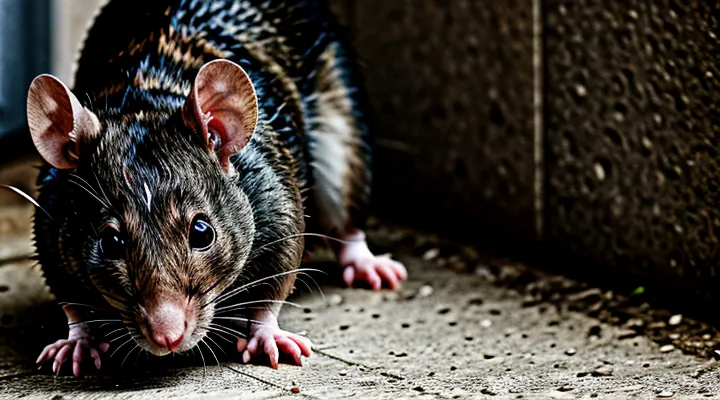
Understanding the Dangers of Rat Poison
Types of Rat Poisons and Their Mechanisms
Anticoagulant Rodenticides
Anticoagulant rodenticides are chemicals that disrupt blood clotting in rodents, leading to fatal internal hemorrhage. They belong to two generations: first‑generation compounds (warfarin, chlorophacinone) require multiple feedings; second‑generation agents (bromadiolone, difenacoum, brodifacoum) act after a single dose and persist longer in the environment.
Mechanism of action
- Inhibit vitamin K epoxide reductase, preventing regeneration of active vitamin K.
- Block synthesis of clotting factors II, VII, IX, and X.
- Resulting coagulopathy produces uncontrolled bleeding.
Key risks
- Secondary poisoning of non‑target species, especially pets and wildlife that consume poisoned rodents.
- Accumulation in the food chain; some compounds retain activity for weeks in animal tissue.
- Human exposure through accidental ingestion or improper handling may cause severe coagulopathy.
Preventive measures
- Store bait in locked containers, away from food preparation areas.
- Use tamper‑resistant bait stations that limit access to children and animals.
- Apply bait only in locations inaccessible to non‑target organisms (e.g., building interiors, sealed crawl spaces).
- Wear disposable gloves and protective clothing when handling products; wash hands thoroughly afterward.
- Keep detailed records of bait type, location, and quantity for accountability and emergency response.
Alternatives and complementary strategies
- Mechanical traps (snap, live‑capture) eliminate rodents without chemical risk.
- Environmental sanitation: remove food sources, seal entry points, and maintain clutter‑free zones.
- Biological control: encourage natural predators such as owls and barn owls by installing nesting boxes.
Regulatory considerations
- Many jurisdictions classify second‑generation anticoagulants as restricted-use pesticides; licensing and training are mandatory.
- Label instructions must be followed precisely; deviation can result in legal liability and heightened public health danger.
Effective management of anticoagulant rodenticides hinges on strict adherence to safety protocols, judicious placement of bait, and integration of non‑chemical control methods. These practices reduce accidental exposures and mitigate the potential for tragic outcomes.
Non-Anticoagulant Rodenticides
Non‑anticoagulant rodenticides represent a distinct class of rat control agents that act through mechanisms other than blood clot inhibition. Common examples include bromethalin, cholecalciferol, zinc phosphide, and phosphonic acid derivatives. Their toxicological profiles differ markedly from anticoagulants, requiring specific handling and risk‑mitigation strategies.
These products exert lethal effects by disrupting cellular energy production, causing hypercalcemia, or releasing phosphine gas upon ingestion. Because they do not rely on blood‑clotting pathways, resistance patterns observed with anticoagulants do not apply, but accidental exposure remains a serious concern for children, pets, and wildlife.
Effective prevention of unintended poisoning involves several concrete steps:
- Store all formulations in locked, clearly labeled containers away from food preparation areas.
- Use bait stations that restrict access to target rodents while preventing non‑target contact.
- Apply the minimum effective dose according to label instructions; over‑application increases environmental contamination.
- Conduct regular inspections of bait stations to remove uneaten bait and replace damaged units promptly.
- Provide training for all personnel handling the products, emphasizing the need for protective gloves and eye protection.
- Maintain a written inventory and disposal plan for expired or unused material, following local hazardous‑waste regulations.
Choosing non‑anticoagulant rodenticides should be based on a thorough assessment of the infestation severity, target species behavior, and the presence of vulnerable non‑target organisms. In environments where pets or children are present, formulations with low secondary toxicity, such as zinc phosphide encased in tamper‑proof stations, are preferable.
Monitoring after deployment is essential. Record rodent activity, bait consumption rates, and any signs of non‑target exposure. Adjust placement density or switch to alternative control methods—mechanical traps, habitat modification, or integrated pest‑management programs—if adverse effects emerge.
By adhering to strict storage, application, and monitoring protocols, the hazards associated with non‑anticoagulant rodenticides can be minimized, reducing the likelihood of tragic poisoning incidents while maintaining effective rat control.
Symptoms of Poisoning in Pets and Children
Signs in Animals
Rodent control toxins pose a serious risk to pets, wildlife, and livestock when ingested unintentionally. Early detection of poisoning relies on recognizing specific clinical manifestations that differ from ordinary illness.
Typical indicators include:
- Bleeding from gums, nose, or rectum
- Blood‑tinged urine or feces
- Pale or yellowish mucous membranes
- Lethargy and weakness
- Unexplained bruising or swelling
- Rapid heart rate or low blood pressure
- Seizures or tremors in severe cases
When any of these signs appear, immediate veterinary intervention is essential. Administering vitamin K1 therapy under professional supervision can reverse anticoagulant effects. Supportive care, such as fluid therapy and blood transfusions, may be required to stabilize the patient.
Preventive measures focus on limiting access to bait. Store all rodenticide products in locked containers, place traps and baits in tamper‑proof stations, and remove leftover food sources that attract rodents. Regularly inspect outdoor areas for missing bait or disturbed stations, and educate household members about the hazards of accidental ingestion.
Signs in Humans
Rodent bait poisoning can produce severe clinical manifestations in people who ingest anticoagulant compounds. Early recognition of these signs is essential for timely medical intervention.
Typical symptoms reflect impaired blood clotting and organ dysfunction. Patients may present with spontaneous bleeding from gums, nose, or cuts that do not stop. Bruising appears on limbs and torso without obvious trauma. Blood‑tinged urine or stool indicates internal hemorrhage. Persistent vomiting, abdominal pain, and diarrhea are common gastrointestinal complaints. Rapid fatigue, weakness, and dizziness result from anemia and reduced oxygen delivery. In advanced cases, seizures or loss of consciousness signal central nervous system involvement.
Key indicators to monitor:
- Unexplained bruising or petechiae
- Bleeding gums, nose, or other mucous membranes
- Hematuria or melena
- Prolonged or recurrent vomiting and abdominal pain
- Sudden fatigue, dizziness, or weakness
- Seizures, confusion, or loss of consciousness
Prompt laboratory testing for prolonged prothrombin time and reduced clotting factors confirms exposure. Immediate treatment with vitamin K1 and supportive care reduces mortality. Awareness of these clinical clues enables rapid response and prevents fatal outcomes.
Proactive Prevention Strategies
Secure Storage of Rodenticides
Locked Cabinets and High Shelves
Secure storage of rodent control agents eliminates the most common route of accidental ingestion by children and pets. When bait or poison is confined to locked cabinets and placed on high shelves, the likelihood of unintended contact drops dramatically.
Locked cabinets must meet the following criteria:
- Heavy‑duty steel construction resistant to forced entry.
- Double‑bolted latch system that requires a key or combination.
- Interior surface smooth enough to prevent residue buildup.
- Clear, weather‑proof label indicating hazardous contents and required PPE.
High shelves enhance protection by removing substances from reachable height. Effective implementation includes:
- Mounting shelves at a minimum height of 6 feet (1.8 m) above floor level.
- Securing brackets to studs or load‑bearing walls to prevent collapse.
- Using non‑slip surfaces to keep containers stable during cleaning or re‑stocking.
- Installing a secondary barrier, such as a locked gate, when the shelf is located in a shared area.
Both measures integrate with broader risk‑reduction protocols: regular inventory checks, proper disposal of expired products, and staff training on lock management. Together, these controls create a layered defense that minimizes the chance of accidental poisoning incidents.
Original Packaging Importance
Original packaging safeguards the integrity of rodent control products. Manufacturers design containers to preserve chemical stability, preventing degradation that could reduce efficacy or create hazardous by‑products. Sealed wrappers protect the poison from moisture, temperature fluctuations, and accidental exposure, ensuring the formulation remains consistent with label specifications.
Accurate dosing relies on the measurements printed on the authentic package. Labels include concentration data, recommended application rates, and safety warnings calibrated for the specific product. Using repackaged or unlabeled material eliminates these controls, increasing the risk of over‑application or misuse.
Additional protective functions of factory‑sealed packaging include:
- Child‑resistant closures that deter unintended ingestion.
- Tamper‑evident seals that reveal any prior opening.
- Clear hazard symbols and first‑aid instructions required by regulations.
- Compatibility with storage guidelines, such as keeping the product away from food areas.
Compliance with legal standards often mandates that distributors retain the original container throughout the supply chain. Failure to do so may constitute a violation of safety regulations and expose handlers to liability. Maintaining the factory‑issued packaging therefore constitutes a critical preventive measure against accidental poisoning incidents.
Integrated Pest Management (IPM) Approaches
Eliminating Food Sources
Eliminating accessible food dramatically lowers the likelihood of accidental rat‑poison ingestion. Rats are opportunistic feeders; any unsecured waste, spilled grain, or pet food becomes a magnet that sustains their presence and encourages the use of toxic baits.
Common attractants include:
- Open trash containers or bags without lids.
- Pet food left outdoors overnight.
- Birdseed scattered on the ground.
- Compost piles without proper covers.
- Spilled grains, cereals, or dried pet treats.
Effective control measures:
- Secure all waste in sealed, rat‑proof bins; empty them daily.
- Store pet and wildlife feed in airtight containers; remove leftovers after each meal.
- Install feeding stations that prevent spillage and block rodent entry.
- Cover compost with a tightly fitting lid; turn material regularly to discourage nesting.
- Sweep floors and clean countertops to eliminate crumbs; vacuum storage areas weekly.
Continuous vigilance is essential. Conduct weekly inspections of storage zones, repair any gaps in walls or floors, and maintain a schedule for waste removal. Consistent denial of food sources removes the primary incentive for rats to enter human environments, thereby preventing tragic poison exposures.
Sealing Entry Points
Sealing entry points eliminates the pathways rats use to access areas where poison baits are stored or applied, reducing accidental exposure for pets, children, and non‑target wildlife.
Identify all potential openings. Conduct a systematic inspection of the building envelope, focusing on:
- Gaps around doors and windows larger than ¼ inch.
- Cracks in foundation walls, especially near utility penetrations.
- Openings around pipes, vents, and electrical conduits.
- Holes in exterior siding, soffits, and eaves.
- Unscreened vents and attic hatchways.
Repair each opening with materials that resist gnawing. Recommended solutions include:
- Steel wool or copper mesh backed by caulk for small cracks.
- Heavy‑duty hardware cloth (½‑inch or smaller mesh) secured with screws for larger gaps.
- Expanding polyurethane foam for irregular spaces, followed by metal flashing.
- Self‑closing door sweeps and weatherstripping on exterior doors.
- Rigid insulation panels sealed with silicone sealant for vent openings.
Maintain a regular inspection schedule. Re‑evaluate sealed areas quarterly, especially after severe weather, to detect new damage or rodent activity. Promptly address any deterioration to preserve the integrity of the barrier.
By systematically locating and fortifying all ingress routes, the risk of unintended poison ingestion drops dramatically, supporting a safer environment for all occupants.
Trapping Alternatives
Effective rodent management can reduce the likelihood of accidental poison exposure without relying on lethal traps. Non‑lethal methods target the underlying attractants and disrupt nesting behavior, thereby lowering population pressure while protecting non‑target animals and children.
- Exclusion: Seal entry points, install door sweeps, and repair damaged screens to prevent rodents from entering structures.
- Sanitation: Eliminate food residues, store grain in airtight containers, and manage waste to remove sustenance sources.
- Habitat modification: Trim vegetation away from building foundations, remove debris piles, and maintain clear zones around structures to reduce shelter options.
- Live‑capture devices: Use cage traps with bait, release captured rodents at a safe distance from residential areas, and monitor trap success regularly.
- Ultrasonic deterrents: Deploy devices that emit high‑frequency sounds intolerable to rodents; position units in high‑traffic zones for continuous coverage.
- Predator encouragement: Install owl boxes or support feral cat populations where appropriate, creating natural predation pressure.
Implementing these alternatives alongside regular inspections creates a multi‑layered defense that mitigates the risk of poison‑related tragedies while maintaining effective rodent control.
Pet and Child-Proofing Your Home
Restricting Access to Baits
Restricting access to rodent baits reduces the risk of accidental ingestion by non‑target animals and humans. Physical barriers, such as lockable bait stations, prevent unauthorized handling and limit exposure to children, pets, and wildlife.
- Install tamper‑resistant containers that require a key or combination to open.
- Position stations out of reach, at least 2 m above ground and away from feeding areas for domestic animals.
- Use signage that clearly identifies the presence of toxic material and the requirement for authorized use only.
- Maintain an inventory log documenting bait type, quantity, placement date, and responsible personnel.
Regular inspection confirms that stations remain sealed and that no bait has been displaced. Promptly replace damaged units and retrain staff on proper handling procedures. Compliance with local regulations and manufacturer guidelines ensures that bait access remains controlled, minimizing unintended poisoning incidents.
Regular Home Inspections
Regular home inspections serve as a frontline defense against accidental exposure to rodent control substances. By systematically reviewing each room, storage area, and utility space, homeowners can identify unsecured containers, expired bait, and signs of rodent activity before they become hazards.
During an inspection, focus on the following elements:
- Container integrity – Verify that all poison packets are sealed, labeled, and stored in locked cabinets or out‑of‑reach locations.
- Expiration dates – Remove any bait past its recommended shelf life, as degraded compounds increase the risk of accidental ingestion.
- Placement assessment – Ensure bait stations are positioned away from food preparation zones, children’s play areas, and pet pathways.
- Structural gaps – Seal cracks, holes, and vent openings that allow rodents to enter, reducing the need for bait placement inside the living environment.
- Documentation – Record the location, type, and quantity of each poison product; update the log after any removal or replacement.
A quarterly inspection schedule aligns with typical bait turnover periods and provides sufficient intervals to detect changes in rodent behavior. Seasonal checks—particularly before winter and after summer—address fluctuations in infestation pressure.
Implementing a documented inspection protocol reduces the probability of unintended contact with toxic rodent control agents, protecting both residents and pets while maintaining effective pest management.
Emergency Response to Suspected Poisoning
Immediate Actions to Take
Contacting Emergency Services
When a person or pet is suspected of ingesting rodent toxin, immediate contact with emergency services is mandatory. Dial the local emergency number (e.g., 911 in the United States) without delay. While the call is in progress, convey the following information clearly:
- Exact location of the incident.
- Age, weight, and condition of the affected individual (consciousness, breathing, pulse).
- Type of product involved (brand, formulation, concentration) and approximate amount consumed.
- Time elapsed since exposure.
- Any first‑aid measures already taken (induced vomiting, activated charcoal, etc.).
After the emergency call, reach the regional poison‑control center (e.g., 1‑800‑222‑1222 in the U.S.) for specialized guidance. Keep the product container nearby for reference. Do not wait for professional instructions before initiating basic lifesaving actions such as CPR if the victim shows no pulse or breathing. Record all details provided by responders for later medical follow‑up.
What Information to Provide
When discussing rodent control agents, the audience must receive precise data that enables safe handling and rapid response to accidental exposure. The essential elements are:
- Active ingredient and concentration – specify the toxic compound (e.g., anticoagulant, bromadiolone) and its percentage in the formulation.
- Intended usage – clarify target species, application method (bait stations, granules, liquid), and recommended placement (e.g., outbuildings, perimeters).
- Dosage guidelines – provide the exact amount per bait unit, frequency of replacement, and total allowable quantity per area.
- Storage requirements – describe container type, temperature limits, child‑proof and wildlife‑proof features, and recommended storage location away from food sources.
- Label warnings – list prohibited environments (food preparation areas, pet zones), prohibited users (children, non‑target wildlife), and required personal protective equipment.
- First‑aid procedures – outline immediate steps for ingestion, inhalation, or dermal contact, including induced vomiting, activated charcoal administration, and emergency medical contact numbers.
- Emergency contact information – include local poison control hotline, veterinary clinic numbers, and manufacturer support line.
- Disposal instructions – detail how to deactivate unused product, container recycling, and disposal of contaminated materials according to regulatory standards.
Providing these data points ensures that individuals responsible for pest management can implement control measures responsibly while minimizing risk to humans, pets, and non‑target wildlife.
Veterinary Care for Exposed Pets
Inducing Vomiting (If Advised)
Inducing vomiting may be recommended only when a medical professional confirms that the ingested rodent toxin is still in the stomach and that the substance is not a corrosive or hydrocarbon formulation. The decision must be made within minutes of exposure; beyond that window, the risk of aspiration outweighs potential benefit.
When vomiting is appropriate
- Professional advice obtained via poison‑control hotline or emergency physician.
- Ingestion occurred less than 30 minutes prior.
- Poison type identified as a non‑caustic anticoagulant or similar agent.
Procedure under professional direction
- Verify the exact time of ingestion and the product name.
- Use a prescribed emetic (e.g., ipecac syrup) according to the dosage chart provided by the clinician.
- If a syringe‑based emetic is supplied, administer the measured volume to the oral cavity, ensuring the patient remains upright.
- Monitor for successful expulsion; repeat only if instructed and if additional stomach contents are suspected.
Immediate follow‑up
- Contact poison‑control center again to report the outcome.
- Transport the patient to an emergency department for observation, laboratory testing, and possible antidote administration (e.g., vitamin K1).
- Keep the original poison container for identification and further treatment planning.
Administering Antidotes
When a person or animal ingests anticoagulant rodenticide, rapid delivery of an appropriate antidote can halt life‑threatening bleeding. Prompt intervention reduces morbidity and eliminates the need for extensive blood product transfusion.
The primary pharmacologic reversal agents are:
- Phytonadione (vitamin K1) administered orally or intravenously, depending on the severity of exposure.
- Fresh‑frozen plasma or prothrombin complex concentrate for immediate clotting factor replacement.
- Activated charcoal given within one hour of ingestion to limit systemic absorption of the toxin.
Effective antidote administration follows a defined sequence:
- Confirm exposure through history, product label, or laboratory analysis.
- Initiate decontamination with activated charcoal if the time window allows.
- Begin vitamin K1 therapy: 10 mg orally every 12 hours for mild cases; 2.5–5 mg intravenously every 6 hours for severe presentations, adjusting dose based on coagulation test results.
- Provide plasma or concentrate if INR exceeds 4 or if active bleeding is evident; repeat dosing until INR stabilizes below 2.
- Monitor prothrombin time, INR, and clinical signs every 6–12 hours for the first 48 hours, then daily until values remain within normal limits for at least three consecutive tests.
Safety considerations include avoiding rapid intravenous infusion of vitamin K1, which can cause anaphylactoid reactions, and verifying that plasma products match the recipient’s blood type to prevent transfusion reactions. In pediatric cases, weight‑based dosing ensures therapeutic efficacy while minimizing adverse effects.
Adherence to this protocol maximizes the probability of full recovery and prevents escalation of rodenticide‑related emergencies.
Medical Treatment for Human Exposure
Emergency Room Procedures
When a patient arrives after ingesting rodent anticoagulant poison, the emergency department follows a defined sequence to minimize morbidity and mortality.
First responders assess airway, breathing, and circulation. Vital signs are recorded, and any signs of bleeding—such as gum hemorrhage, hematuria, or bruising—prompt immediate attention. Rapid identification of the toxin type and amount, based on patient history or container evidence, guides subsequent actions.
The next step is gastrointestinal decontamination. If presentation occurs within one hour of ingestion and the airway is protected, a single dose of activated charcoal (1 g/kg, maximum 50 g) is administered. Gastric lavage is reserved for massive ingestions when the patient is unconscious and the procedure can be performed safely.
Specific antidotal therapy follows. Intravenous vitamin K₁ (phytonadione) is the primary treatment for anticoagulant rodenticide poisoning. Initial dosing ranges from 10 mg to 25 mg, adjusted according to coagulation test results (prothrombin time, INR). Repeat dosing may be required every 6–12 hours until laboratory values normalize.
Supportive measures include:
- Intravenous fluids to maintain perfusion.
- Blood product transfusion (fresh frozen plasma or prothrombin complex concentrate) for active hemorrhage.
- Continuous cardiac monitoring for arrhythmias secondary to electrolyte disturbances.
- Serial laboratory evaluation: complete blood count, renal function, liver enzymes, and coagulation profile every 6 hours during the acute phase.
Observation continues until bleeding risk is controlled and coagulation parameters remain within normal limits for at least 24 hours. Prior to discharge, patients receive written instructions on vitamin K₁ oral therapy, signs of delayed bleeding, and follow‑up appointments with a hematologist or primary care provider.
Documentation of the incident, including poison type, amount, and time of exposure, is essential for public‑health reporting and future prevention strategies.
Monitoring and Follow-up Care
Effective monitoring after a suspected rodenticide exposure saves lives. Immediate observation begins the moment a pet or wildlife contact is suspected. Record the time of ingestion, product name, and amount consumed. Keep the animal in a quiet, temperature‑controlled area to reduce stress and metabolic demand.
- Check respiratory rate, heart rhythm, and level of consciousness every 15 minutes for the first hour, then hourly for the next six hours.
- Measure body temperature and pulse; note any vomiting, diarrhea, or seizures.
- Collect blood samples at 2‑hour intervals to assess coagulation status, kidney function, and liver enzymes.
If clinical signs develop, initiate treatment without delay. Administer vitamin K1 according to established dosing protocols; repeat doses every 12 hours until laboratory values normalize. Provide supportive care such as intravenous fluids, anti‑seizure medication, and blood products when indicated.
Follow‑up care extends beyond the acute phase. Schedule a re‑evaluation 24 hours after initial treatment, then at 48 hours, and again at one week. During each visit, repeat coagulation panels and renal panels to confirm recovery. Document any delayed hemorrhagic events or neurologic deficits; adjust therapy accordingly.
Long‑term monitoring includes owner education. Advise caregivers to watch for subtle signs of internal bleeding—pale gums, bruising, or lethargy—for at least two weeks. Encourage regular veterinary check‑ups and maintain a log of any future exposures. Continuous record‑keeping enables rapid response if recurrence occurs and supports broader community efforts to reduce accidental poisonings.
Community-Level Prevention and Education
Educating Neighbors and Local Businesses
Responsible Use of Pesticides
Responsible pesticide application begins with accurate identification of the target species and selection of a product formulated specifically for that pest. Use only products registered for rodent control and follow the manufacturer’s label instructions regarding concentration, application method, and exposure time. Apply the minimum effective dose to reduce the risk of accidental ingestion by non‑target animals or humans.
Key practices for safe handling include:
- Store all rodenticide containers in locked, clearly labeled cabinets away from food, feed, and children’s areas.
- Keep the original label attached and visible; never transfer the product to unmarked containers.
- Wear appropriate personal protective equipment—gloves, eye protection, and, when necessary, respiratory protection—during mixing and placement.
- Record the date, location, and quantity of each application in a logbook that is accessible to all personnel involved in pest management.
Training and supervision are essential. Ensure that anyone who handles or applies rodenticides has completed a certified safety course and understands the signs of accidental exposure. Conduct regular audits of storage facilities and application sites to verify compliance with local regulations and best‑practice guidelines.
When feasible, integrate non‑chemical measures such as sealing entry points, maintaining sanitation, and employing traps. These tactics reduce reliance on toxic agents and lower the probability of secondary poisoning incidents. By adhering to these protocols, users can mitigate the dangers associated with rodent control while achieving effective pest reduction.
Sharing Best Practices
Effective control of rodent hazards requires systematic sharing of proven methods. Professionals and homeowners alike benefit from a clear framework that outlines preventive actions, safe handling procedures, and response protocols.
- Store anticoagulant baits in locked, clearly labeled containers away from food preparation areas.
- Place bait stations at least 2 meters from children’s play zones, pet pathways, and food storage locations.
- Use tamper‑resistant stations that prevent accidental access by non‑target species.
- Record the type, concentration, and placement date of each bait batch; retain records for a minimum of six months.
- Conduct regular inspections to verify station integrity, replace depleted bait, and document any signs of non‑target exposure.
- Provide training for all household members or staff on the risks associated with rodenticides, proper usage, and emergency steps in case of ingestion.
- Establish a rapid communication channel with local poison control centers and veterinary services to report suspected incidents promptly.
Consistent documentation and transparent communication among stakeholders reduce the likelihood of accidental poisoning. By adopting these practices, communities can safeguard vulnerable individuals while maintaining effective rodent management.
Advocating for Safer Alternatives
Promoting Non-Toxic Pest Control
Accidental ingestion of rodenticides causes severe health crises for children, pets, and wildlife. Replacing chemical baits with non‑toxic methods reduces these risks while maintaining effective rodent management.
Non‑toxic pest control relies on habitat modification, physical barriers, and humane trapping. These approaches eliminate food sources, prevent entry, and remove rodents without hazardous substances. The result is a safer environment and lower liability for property owners.
- Seal gaps around foundations, vents, and utility openings.
- Store food in airtight containers; remove spills promptly.
- Deploy snap or live‑catch traps positioned along walls and travel routes.
- Install predator‑friendly habitats to encourage natural rodent predators.
- Apply ultrasonic or scent‑based repellents where appropriate.
Successful adoption requires training staff, informing residents, and integrating policies that prioritize low‑risk solutions. Documentation of inspections, trap placements, and maintenance schedules supports accountability and continuous improvement.
Implementing these measures directly lowers the incidence of poison‑related emergencies, protecting vulnerable populations and preserving ecological balance.
Supporting Research into New Methods
Investing in systematic investigation of alternative control strategies reduces accidental exposure to anticoagulant baits. Funding agencies should prioritize projects that evaluate biodegradable delivery matrices, gene‑editing techniques, and behavioral deterrents. Researchers must receive access to longitudinal field data, enabling comparative analysis of mortality rates among non‑target species.
Key research directions include:
- Development of rodent‑specific toxins that deactivate after a predefined period.
- Integration of sensor‑based bait stations that restrict access to authorized personnel.
- Exploration of immunocontraceptive approaches to suppress population growth without lethal agents.
- Assessment of ecological impacts of novel compounds through controlled ecosystem modeling.
Transparent reporting standards and open‑access repositories accelerate peer validation and policy adoption. Collaborative networks between toxicologists, wildlife biologists, and public health officials ensure that emerging solutions align with safety regulations and community risk assessments.