
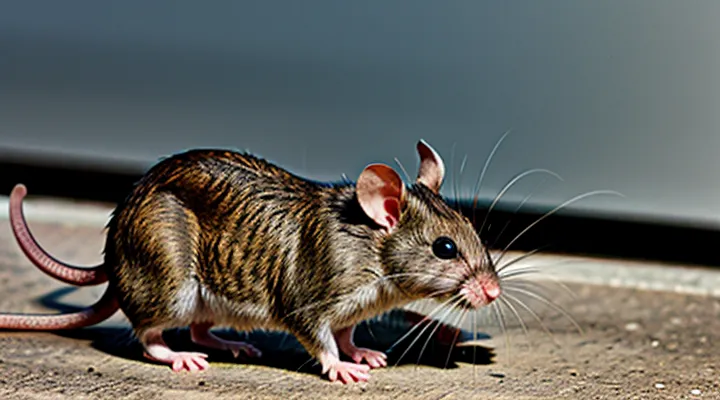
Introduction to Rodents
General Characteristics of Rats and Mice
Common Misconceptions
Common misconceptions about the differences between rats and mice often lead to confusion in research, pest control, and pet ownership.
- Size alone does not define species; many mouse strains reach the length of small rats, while dwarf rats remain shorter than average mice. Body mass, tail proportion, and skull shape provide reliable distinction.
- Color patterns are not exclusive identifiers. Both rodents exhibit similar coat variations, including albino, brown, and black forms, depending on breeding and environment.
- Aggression levels are frequently mischaracterized. While rats may display more assertive behavior in confined spaces, mice can be equally territorial, especially when defending nesting material.
- Disease transmission is sometimes overstated for one species. Both rats and mice carry comparable pathogens such as hantavirus and leptospirosis; the risk depends on population density and sanitation, not species identity.
- Lifespan assumptions are inaccurate. Laboratory rats often live 2–3 years, overlapping with the 1–2 year lifespan of many mouse strains; wild conditions further blur these differences.
Understanding these inaccuracies prevents misidentification and supports appropriate handling, treatment, and scientific interpretation.
Physical Distinctions
Size and Weight
Adult Rat Dimensions
Adult rats exhibit a consistent range of body measurements that differentiate them from smaller rodent species. Average dimensions reflect species-specific growth patterns and environmental influences.
- Body length (head‑to‑base of tail): 20–30 cm (8–12 in) for common Norway rats; 16–25 cm (6–10 in) for roof rats.
- Tail length: 18–25 cm (7–10 in) in Norway rats, typically equal to or slightly shorter than the body; 15–20 cm (6–8 in) in roof rats.
- Weight: 250–500 g (0.55–1.1 lb) for mature Norway rats; 150–300 g (0.33–0.66 lb) for roof rats.
- Hind‑foot length: 3.5–5 cm (1.4–2.0 in).
- Ear length: 2.5–3.5 cm (1.0–1.4 in).
These measurements provide reliable criteria for distinguishing adult rats from mice, whose body length rarely exceeds 10 cm and weight stays below 40 g. Variation within rat populations aligns with species, sex, and nutritional status, but the presented ranges remain valid for most laboratory and field observations.
Adult Mouse Dimensions
Adult mice typically measure 6–10 cm in head‑to‑body length, excluding the tail. The tail adds another 5–10 cm, often proportionate to the body length. Body mass ranges from 15 to 30 g, with slight variation among common laboratory strains and wild populations.
Key dimensional parameters include:
- Head‑to‑body length: 6–10 cm (2.4–4.0 in)
- Tail length: 5–10 cm (2.0–4.0 in)
- Body weight: 15–30 g (0.5–1.1 oz)
- Hind foot length: 1.5–2.0 cm (0.6–0.8 in)
- Ear length: 0.8–1.2 cm (0.3–0.5 in)
These measurements provide a reliable baseline for differentiating adult mice from similarly sized rodents, supporting accurate identification in research and field observations.
Body Shape and Proportions
Rat Body Structure
Rats possess a robust body plan optimized for burrowing and foraging. Adult rats typically measure 20–25 cm in body length, with tails extending 18–25 cm, often longer than the torso. The skull is broad with a blunt, square-shaped rostrum, contrasting sharply with the pointed snout of a mouse. Large, rounded ears sit low on the head, while the eyes are relatively small and set laterally.
The musculoskeletal system supports strong gnawing and climbing. The mandible hosts a single pair of continuously growing incisors, each with a characteristic orange enamel band. Vertebral columns contain twelve thoracic and seven lumbar vertebrae, providing a flexible spine that facilitates rapid, sinuous movement. Forelimbs feature five digits with well-developed pads, enabling precise manipulation of objects; hind limbs contain four digits, adapted for powerful propulsion.
Key anatomical differences that aid identification include:
- Tail proportion: rat tail length equals or exceeds body length; mouse tail is shorter relative to body.
- Ear size: rat ears are proportionally larger and less hair‑covered than mouse ears.
- Skull shape: rat skull exhibits a broad, flat profile; mouse skull is narrow and tapered.
- Whisker length: rat mystacial vibrissae extend up to 5 cm, surpassing the shorter whiskers of mice.
- Dental formula: both have the same formula (1/1 incisors, 0/0 canines, 0/0 premolars, 3/3 molars), but rat incisors are thicker and display a more pronounced orange band.
- Footpad texture: rat plantar pads are rougher, providing better grip on varied substrates.
These structural characteristics define the rat’s morphology and distinguish it reliably from its smaller rodent counterpart.
Mouse Body Structure
The mouse possesses a compact, streamlined body adapted for rapid movement and confined spaces. The head is small with a pointed snout, large eyes positioned laterally, and prominent, hairless whiskers that serve as tactile sensors. The ears are relatively large, thin‑membraned, and sit high on the skull, providing acute hearing. The forelimbs exhibit a short humerus and elongated radius and ulna, enabling precise manipulation of food and nesting material; the hind limbs are longer, featuring a robust femur and elongated tibia that support swift, agile locomotion. The tail is slender, hairless, and approximately the same length as the body, functioning as a balance organ. The integument consists of fine, soft fur covering most of the body, with a sparse hairless patch on the ventral surface.
Key morphological traits that separate a mouse from a rat include:
- Body length: mice average 6–10 cm, rats 20 cm or more.
- Tail proportion: mouse tail roughly equal to body length; rat tail longer than the body.
- Ear size: mouse ears proportionally larger relative to head size.
- Skull shape: mouse cranium is triangular with a sharp nose; rat cranium is broader with a blunt snout.
- Foot size: mouse feet are smaller, with a higher toe‑to‑heel ratio, facilitating climbing; rat feet are broader, supporting heavier weight.
Head and Facial Features
Snout Shape
Snout morphology provides a reliable criterion for separating rats from mice. The shape, length, and proportion of the rostrum differ consistently between the two genera, allowing rapid visual identification in field and laboratory settings.
Rats possess a comparatively long, robust snout. The nasal bones extend forward, creating a blunt, rectangular profile. The tip is broad, and the overall rostral length accounts for roughly one‑third of the head’s total length. This configuration supports stronger incisor forces and a more powerful bite.
Mice exhibit a short, delicate snout. The nasal region tapers to a pointed tip, giving the face a triangular appearance. Rostral length typically occupies less than one‑quarter of the head, reflecting a lighter skull structure and finer foraging movements.
Practical application:
- Measure rostral length relative to skull height; values >30 % indicate rat, <25 % indicate mouse.
- Observe tip shape: blunt and wide suggests rat; sharp and narrow suggests mouse.
- Assess overall robustness; a heavier, sturdier snout aligns with rat morphology.
These visual and metric cues enable accurate species determination without genetic testing.
Ear Size and Shape
Ear size is a primary visual cue for separating rats from mice. Rats possess larger, more robust ears that extend noticeably beyond the head outline, while mice have comparatively small, rounded ears that sit close to the skull.
- Rat ears: length typically 15–20 mm, broad shape, thick cartilage, prominent blood vessels visible through the thin skin.
- Mouse ears: length usually 7–10 mm, compact and slightly pointed, delicate cartilage, minimal visible vasculature.
The ear pinna of a rat often displays a pronounced curvature and a distinct, fleshy rim, providing a broader surface area for thermoregulation. In contrast, a mouse’s pinna is flatter, with a subtle curve and a reduced surface, reflecting its smaller body mass and different heat‑loss requirements.
Bone structure supporting the ear differs as well. Rats exhibit a more substantial auditory bulla and larger auditory canals, contributing to the overall bulk of the ear region. Mice have a smaller bulla and narrower canals, which keep the ear profile compact.
These morphological characteristics enable quick, reliable identification in field observations, laboratory settings, and pest‑control contexts.
Eye Prominence
Eye prominence provides a reliable criterion for separating rats from mice. Rats possess relatively larger, more protruding eyes that sit lower on the skull, creating a pronounced bulge when viewed from the side. Mice exhibit smaller, less conspicuous eyes positioned higher on the head, resulting in a flatter facial profile.
- Rat: eye diameter up to 5 mm; eye surface extends beyond the orbital rim; visible sclera surrounds the pupil in most lighting conditions.
- Mouse: eye diameter typically 3–4 mm; eye margin aligns closely with the orbital bone; limited scleral exposure, giving a smoother contour.
These measurements, observable without magnification, support accurate identification in field and laboratory contexts.
Tail Characteristics
Tail Length Relative to Body
Tail length relative to body size provides a reliable metric for separating rats from mice. The proportion is expressed as the ratio of tail length to head‑body length, a measurement that remains consistent across age groups and environments.
Typical ratios differ markedly between the two groups. Rats exhibit a tail that is approximately 70–80 % of the head‑body length, often appearing slightly shorter than the torso. Mice display a tail that equals or exceeds the head‑body length, frequently reaching 100–120 % of the torso measurement. These values hold for common species such as the brown rat (Rattus norvegicus) and the house mouse (Mus musculus).
The distinction aids field identification, forensic analysis, and pest‑control assessments. When visual cues are limited, measuring the tail‑to‑body ratio yields a quantifiable criterion that reduces ambiguity.
Applying this ratio eliminates reliance on coloration, ear size, or behavior, delivering a precise, reproducible identifier.
Tail Hair and Scales
Rats possess tails densely covered with fine hair extending to the tip, creating a uniform appearance. The hair provides insulation, sensory feedback, and a degree of camouflage. Scales are present underneath the hair but are largely concealed, contributing to flexibility and protection against abrasion.
Mice have tails that are predominantly naked, displaying a series of overlapping keratinous scales. The scales are visible along the entire length, giving the tail a rough texture. Hair, when present, appears as sparse, short bristles near the base, insufficient for insulation.
Key contrasts:
- Coverage: rat tail – continuous hair; mouse tail – exposed scales.
- Texture: rat tail – smooth, velvety; mouse tail – gritty, segmented.
- Functional emphasis: rat tail – thermal regulation and tactile sensing; mouse tail – structural support and protection.
Behavioral Differences
Habitat and Nesting Habits
Rat Habitat Preferences
Rats favor environments that provide abundant food, shelter, and water. Urban settings such as sewer systems, basements, and abandoned buildings meet these criteria, offering concealed pathways and constant waste streams. In agricultural areas, grain storage facilities, barns, and irrigation channels attract rats because they supply both nourishment and nesting sites.
Key habitat characteristics include:
- Proximity to food sources – dumpsters, grocery stores, crop fields, and pet food.
- Access to water – leaky pipes, puddles, irrigation ditches, and natural bodies.
- Shelter options – dense vegetation, debris piles, wall voids, and underground burrows.
- Low predation pressure – areas with limited presence of predators such as cats, owls, or snakes.
Rats also display adaptability to seasonal changes. During colder months they retreat to insulated indoor spaces, while in warm periods they exploit outdoor vegetation and temporary structures. Their ability to navigate tight spaces and gnaw through various materials enables occupation of diverse habitats, from densely populated cities to remote farms.
Mouse Habitat Preferences
Mice favor environments that provide shelter, easy access to food, and minimal disturbance. In residential settings they occupy kitchens, pantries, and utility rooms where crumbs, stored grains, and warm temperatures are abundant. Structural features such as wall voids, gaps around pipes, and open foundations serve as entry points and travel routes.
Outdoor preferences differ by species but share common elements. Field mice select low vegetation, tall grasses, and dense ground cover that conceal nests. Burrows are typically shallow, located near sources of water and seed-producing plants. Shrubbery and leaf litter supply both insulation and material for lining nests.
Key habitat factors for mice include:
- Temperature range: 20‑30 °C optimal; they avoid extreme cold by seeking insulated microhabitats.
- Moisture availability: Proximity to water sources enhances survival and reproductive success.
- Food diversity: Seeds, insects, and human food waste support flexible foraging strategies.
- Predator avoidance: Dense cover and concealed entry points reduce exposure to birds, snakes, and mammalian predators.
- Human disturbance: Low traffic areas and undisturbed corners increase occupancy rates.
Geographically, mice thrive in temperate zones but adapt to subtropical and arid regions when shelter and food are sufficient. Urban expansion creates novel niches, allowing mice to colonize building interiors and underground infrastructure. Effective control requires sealing gaps, eliminating food residues, and reducing clutter that offers nesting opportunities.
Diet and Foraging
Rat Dietary Habits
Rats are omnivorous mammals with a flexible diet that adapts to available resources. Their gastrointestinal system processes a wide range of food types, allowing them to thrive in diverse habitats, from sewers to agricultural fields. Compared with mice, rats consume larger food items and demonstrate a higher tolerance for coarse, fibrous material.
Typical rat food sources include:
- Grains and cereals (wheat, barley, oats)
- Seeds and nuts
- Fresh fruits and vegetables (apples, carrots, leafy greens)
- Animal protein (insects, carrion, pet food)
- Human refuse (kitchen waste, discarded bread, processed foods)
- Fungi and mold when other resources are scarce
Nutritional preferences reflect a balance of carbohydrates, proteins, and fats. Rats prioritize high‑energy foods during periods of rapid growth or reproduction, increasing protein intake to support litter development. In laboratory settings, standardized rodent chow provides a controlled mix of these macronutrients, ensuring consistent health outcomes and reliable experimental data.
Mouse Dietary Habits
Mice are omnivorous rodents that rely on a flexible diet to support rapid reproduction and high metabolic rates. Their food intake consists primarily of seeds, grains, and plant material, supplemented by insects, carrion, and occasional anthropogenic waste.
- Primary plant sources: wheat, corn, rice, barley, and other cereal grains; nuts and dried fruits provide high‑energy carbohydrates.
- Secondary animal sources: beetles, moth larvae, aphids, and other small arthropods contribute protein essential for growth.
- Opportunistic items: household scraps, pet food, and stored grain residues are frequently exploited in human‑occupied environments.
- Seasonal variation: during autumn, mice increase consumption of high‑fat seeds such as acorns and hazelnuts; in winter, reliance on stored grain and cached food rises sharply.
Digestive physiology reflects this diet. A short gastrointestinal tract enables rapid processing of carbohydrate‑rich foods, while a modest cecum supports fermentation of limited fiber. Enzymatic activity adapts to protein intake from insects, facilitating amino‑acid absorption.
Energy demands dictate frequent feeding; mice typically ingest food every 2–3 hours and can consume up to 15 % of body weight daily. This high intake rate sustains a basal metabolic rate that exceeds that of larger rodents, including rats, which favor more protein‑dense diets and display lower relative food turnover.
Understanding mouse dietary patterns assists in pest management, laboratory animal care, and ecological research, as diet directly influences reproductive output, disease vector potential, and habitat selection.
Social Structure and Behavior
Rat Social Dynamics
Rats live in hierarchical groups where dominance is established through physical encounters, scent marking, and vocalizations. The dominant individual monopolizes access to resources such as food, nesting material, and preferred sleeping sites, while subordinate members defer to the leader’s movements and decisions.
Social cohesion relies on a complex chemical communication system. Urine and glandular secretions convey individual identity, reproductive status, and rank. Pheromonal cues trigger aggression in rivals and affiliative behaviors among kin, reducing conflict and stabilizing group structure.
Cooperative activities emerge in well‑structured colonies. Examples include:
- Collective foraging, where experienced members lead novices to food sources.
- Allogrooming, which removes parasites and reinforces social bonds.
- Nest building, with multiple individuals contributing materials and shaping the shelter.
Breeding pairs typically dominate the reproductive output. In stable colonies, dominant females produce the majority of offspring, while subordinate females experience suppressed estrus cycles due to pheromonal inhibition. This reproductive skew maximizes the colony’s genetic fitness under limited resources.
Stress responses are modulated by social rank. Subordinates exhibit elevated corticosterone levels, reduced exploratory behavior, and heightened sensitivity to novel environments. Dominant rats display lower baseline stress hormones and increased resilience to environmental challenges.
Overall, rat social dynamics are defined by a clear dominance hierarchy, sophisticated chemical signaling, cooperative labor, and rank‑dependent physiological regulation, all of which differentiate their social organization from that of mice.
Mouse Social Dynamics
Mice organize into stable groups whose composition fluctuates with resource availability and breeding cycles. Dominance hierarchies develop quickly; dominant individuals secure preferred nesting sites and greater access to food, while subordinates exhibit submissive postures and reduced grooming. Hierarchical status is reinforced through aggressive encounters, scent marking, and ultrasonic vocalizations that convey threat or submission.
Key elements of mouse social structure include:
- Territoriality: Individuals defend a defined perimeter marked by urine and glandular secretions; overlap triggers brief confrontations that re‑establish boundaries without escalating to severe injury.
- Allogrooming: Mutual grooming strengthens affiliative bonds, reduces ectoparasite load, and lowers stress hormones; dominant mice receive more grooming than subordinates.
- Cooperative nesting: Females construct communal nests to improve thermoregulation and offspring survival; nest size correlates with group size and ambient temperature.
- Pheromonal communication: Volatile compounds released from the flanks and urine convey reproductive status, age, and rank; receivers adjust behavior accordingly.
- Ultrasonic vocalizations (USVs): Emitted during mating, mother‑pup interactions, and social play; frequency patterns differentiate aggressive from affiliative contexts.
Reproductive dynamics further shape social organization. Males typically disperse after reaching sexual maturity, reducing inbreeding risk, while females remain in natal groups, forming matrilineal clusters that support communal care of litters. Seasonal changes in daylight length modulate hormone levels, prompting shifts in aggression and nesting behavior that align with breeding peaks.
Overall, mouse societies exhibit a balance between competition for resources and cooperative strategies that enhance group fitness, distinguishing them from rat social systems that favor larger, more hierarchical colonies with reduced parental cooperation.
Activity Patterns
Nocturnal vs. Diurnal Tendencies
Rats and mice exhibit distinct activity cycles that aid species identification.
Rats operate primarily at night. Their large pupils and heightened rod cell density enhance vision under low‑light conditions. Feeding, nesting, and social interactions peak during the dark phase, while locomotor activity declines sharply after sunrise.
Mice display a broader temporal range. Many laboratory strains show strong nocturnal peaks, yet field populations frequently demonstrate crepuscular or even diurnal bursts, especially when food sources are abundant during daylight. Their smaller eyes provide sufficient sensitivity for twilight, and their foraging rhythm can shift in response to predator pressure or temperature.
Key contrasts:
- Peak activity time: rats – strict nocturnal; mice – flexible, often crepuscular/diurnal.
- Visual adaptation: rats – maximized for darkness; mice – balanced for low‑light and daylight.
- Behavioral flexibility: rats – limited; mice – high, adjusting to environmental cues.
Understanding these temporal patterns refines classification and informs pest‑management strategies.
Reproduction and Life Cycle
Gestation Period and Litter Size
Rat Reproductive Cycle
Rats reproduce on a relatively long estrous cycle compared with mice, providing a reliable criterion for species identification. The cycle lasts 4–5 days and proceeds through four distinct phases: proestrus, estrus, metestrus, and diestrus. Each phase can be recognized by changes in vaginal cytology and hormone levels.
- Proestrus (≈12 h): rising estrogen, follicular development.
- Estrus (≈12 h): peak estrogen, ovulation, receptive behavior.
- Metestrus (≈24 h): luteinizing hormone surge, corpus luteum formation.
- Diestrus (≈48–72 h): progesterone dominance, uterine preparation for implantation.
Gestation in rats averages 21–23 days, significantly longer than the 19–21 days typical of mice. Litters contain 6–12 pups, whereas mouse litters usually number 4–8. Pups are weaned at 21 days, allowing the dam to become fertile again within a week after parturition.
Sexual maturity is reached at 8–10 weeks of age in rats, compared with 5–7 weeks in mice. After the first estrus, females can cycle continuously under standard laboratory conditions, producing up to eight litters per year.
Environmental cues such as photoperiod and temperature modestly influence rat breeding; longer daylight periods accelerate the onset of estrus, while extreme temperatures suppress cycle regularity. These physiological parameters—cycle length, gestation duration, litter size, and maturity timeline—constitute clear, measurable distinctions between rats and mice.
Mouse Reproductive Cycle
The mouse reproductive cycle is markedly shorter than that of the rat, enabling rapid population turnover. Female mice reach sexual maturity at 5–6 weeks of age, enter estrus after the first vaginal opening, and can produce litters throughout the year under appropriate housing conditions.
The estrous cycle lasts 4–5 days and consists of four stages:
- Proestrus: follicular development, rising estrogen.
- Estrus: ovulation occurs, mating receptivity peaks.
- Metestrus: corpus luteum formation, progesterone rise.
- Diestrus: luteal phase, uterine preparation for implantation.
Gestation endures 19–21 days, after which a litter of 5–8 pups is typically born. Neonates are altricial, weighing 1–2 g, and achieve eye opening by day 14 and weaning by day 21. Post‑weaning females can become pregnant again within 24 hours, sustaining a high reproductive output.
Key reproductive parameters that differentiate mice from rats include:
- Cycle length: 4–5 days (mouse) vs. 4–5 days (rat) but with longer luteal phase in rats.
- Gestation: ~20 days (mouse) vs. 21–23 days (rat).
- Litter size: 5–8 (mouse) vs. 6–12 (rat).
- Time to sexual maturity: 5–6 weeks (mouse) vs. 8–10 weeks (rat).
Understanding these characteristics clarifies how mice sustain rapid generational turnover, a critical factor when comparing rodent species for laboratory or pest‑management contexts.
Lifespan
Typical Rat Lifespan
Rats commonly reach adulthood within two months and can live from one to three years, depending on species and living conditions. The most frequently kept laboratory and pet species, the Norway rat (Rattus norvegicus), averages 2–2.5 years in captivity, while wild conspecifics often survive less than a year due to predation, disease, and food scarcity.
Key factors that modify rat longevity include:
- Genetics: Certain strains possess inherent resistance to age‑related disorders.
- Environment: Stable temperature, low stress, and limited exposure to toxins extend lifespan.
- Nutrition: Balanced diets with adequate protein and micronutrients support healthier aging.
- Healthcare: Prompt veterinary intervention for injuries or infections reduces premature mortality.
In comparison, mice typically survive 1–2 years, with laboratory strains averaging 18–24 months. The longer expected lifespan of rats is a primary biological distinction between the two rodent groups.
Typical Mouse Lifespan
The average lifespan of a mouse varies markedly between domestic and wild populations. Laboratory mice, kept under controlled conditions, typically live 2 – 3 years, with some strains reaching up to 4 years. In contrast, wild mice experience higher mortality rates; most survive 6 – 12 months, and only a few exceed one year.
Factors influencing longevity include:
- Genetic background: inbred strains often have shorter lifespans than outbred stocks.
- Environmental conditions: stable temperature, low stress, and limited exposure to predators extend life expectancy.
- Nutrition: balanced diet and unrestricted access to food improve survival rates.
- Disease burden: prevalence of parasites and pathogens reduces lifespan in natural habitats.
Understanding these parameters clarifies one of the primary distinctions between mice and rats, as rats generally exhibit longer natural lifespans, often exceeding two years in the wild.
Implications for Pest Control
Identification for Effective Management
Why Accurate Identification Matters
Accurate distinction between rats and mice is essential for effective disease management. Each species carries a specific set of pathogens; misidentification can lead to inappropriate diagnostic tests, delayed treatment, and increased risk of zoonotic outbreaks.
Correct classification guides pest‑control strategies. Rats tolerate larger baits and require different placement techniques than mice. Using the wrong product reduces efficacy, wastes resources, and may cause unintended harm to non‑target wildlife.
Research protocols depend on species‑specific physiology. Data derived from mice cannot be extrapolated to rats without adjustment. Precise identification ensures reproducibility, validates experimental outcomes, and prevents regulatory violations.
Regulatory frameworks often differentiate between the two rodents for reporting and compliance. Accurate records satisfy legal requirements, avoid penalties, and support public‑health surveillance programs.
Key considerations include:
- Pathogen profile (e.g., hantavirus prevalence in rats vs. mouse‑borne viruses)
- Bait selection and dosage
- Habitat preferences influencing monitoring plans
- Legal definitions for reporting and control measures
Failure to distinguish rats from mice compromises health safety, undermines control efforts, and jeopardizes scientific integrity.
Different Control Strategies
Rat Control Methods
Effective rat management relies on a combination of physical, chemical, and environmental tactics. Each method targets specific behaviors and habitat preferences, allowing practitioners to reduce populations while minimizing non‑target impacts.
Physical control includes snap traps, electronic devices, and live‑capture cages. Snap traps deliver rapid mortality, require proper placement along walls and near runways, and function best when baited with high‑protein items such as peanut butter or dried fruit. Electronic traps use a high‑voltage discharge, eliminating the need for hazardous poisons. Live‑capture cages allow relocation, but legal restrictions and stress on the animal often limit their use.
Chemical control employs anticoagulant rodenticides and acute poisons. Anticoagulants, available in first‑ and second‑generation formulations, interfere with blood clotting and require multiple feedings for lethal effect. Acute poisons act on a single ingestion. Both categories demand secure bait stations to protect children, pets, and wildlife, and should be applied according to label directions and local regulations.
Exclusion techniques prevent entry by sealing gaps larger than ¼ inch, installing door sweeps, and repairing damaged screens. Structural repairs reduce shelter availability, decreasing the likelihood of colonization.
Sanitation reduces attractants. Prompt removal of food waste, proper storage of grains, and regular cleaning of spillages eliminate resources that sustain rat activity. Compost piles should be covered, and drainage systems kept clear to avoid moisture buildup.
Biological control options are limited but include predatory birds such as owls and hawks, as well as feral cats in controlled environments. These agents contribute to population pressure but are not reliable as sole solutions.
Integrated pest management (IPM) combines the above measures, emphasizes monitoring through tracking plates or chew cards, and adjusts tactics based on infestation severity. Regular inspection, documentation of activity, and periodic reassessment ensure sustained effectiveness while limiting reliance on any single approach.
Mouse Control Methods
Effective mouse management relies on a systematic approach that combines habitat modification, exclusion techniques, and targeted removal tools.
Sanitation reduces food availability. Store grains, cereal products, and pet food in sealed containers; promptly clean spills and dispose of waste in tightly closed bins.
Physical barriers prevent entry. Install steel wool, copper mesh, or concrete sealant around openings larger than ¼ inch. Ensure doors, windows, and utility penetrations are fitted with weather‑stripping or sweep plates.
Trapping provides immediate reduction. Choose from snap traps, electronic devices, or multi‑catch cages. Position traps along walls, behind appliances, and near known activity zones. Bait with high‑protein items such as peanut butter or dried fish to increase capture rates.
Chemical control complements mechanical methods. Apply rodenticides in tamper‑resistant bait stations, following label instructions and local regulations. Rotate active ingredients to mitigate resistance development.
Biological deterrents offer supplemental protection. Deploy ultrasonic emitters or scented repellents in enclosed spaces; monitor efficacy, as results vary by environment.
Integrated pest management (IPM) coordinates these measures. Conduct regular inspections to identify signs of infestation, document entry points, and adjust control tactics based on observed outcomes. Continuous monitoring ensures long‑term suppression and prevents re‑establishment.
Ecological Role and Human Interaction
Role in Ecosystems
Impact on Environment
Rats and mice differ markedly in how they affect ecosystems, agricultural lands, and urban environments.
Rats, typically larger and more omnivorous, exert stronger pressure on native flora and fauna. Their foraging habits lead to:
- Consumption of seeds and seedlings, reducing plant regeneration.
- Predation on invertebrates and small vertebrates, altering trophic dynamics.
- Transport of pathogens that can infect wildlife, livestock, and humans.
- Creation of extensive burrow systems that destabilize soil structure and increase erosion.
Mice, smaller and more granivorous, influence environments through:
- Selective seed predation, which can shift plant community composition.
- High reproductive rates, resulting in rapid population spikes that intensify resource competition.
- Minimal soil disturbance compared with rats, limiting direct physical impact on habitats.
- Serving as prey for a wide range of predators, thereby supporting higher trophic levels.
In agricultural settings, rats cause greater crop loss due to their ability to consume larger quantities of produce and to damage storage facilities. Mice primarily affect grain stores and can trigger secondary infestations by attracting larger predators.
Urban ecosystems experience heightened rat activity in waste-rich districts, leading to increased sanitation challenges and higher incidences of disease transmission. Mice tend to occupy interior spaces, contaminating food supplies and compromising indoor air quality through droppings and urine.
Overall, rats present a broader and more disruptive environmental footprint, while mice contribute to ecological change through selective feeding and serving as a food source for predators. Both species, however, act as vectors for zoonotic diseases, necessitating targeted management strategies to mitigate their impact.
As Pets and Research Subjects
Domesticated Varieties
Domesticated rats and mice are the most common laboratory and companion rodents, yet they retain species‑specific traits that aid identification and care.
The pet rat (Rattus norvegicus domestica) typically measures 20–25 cm from nose to tail base, with a robust body, short ears, and a thick, hairless tail. Coat colors range from albino to agouti, and many individuals exhibit a “hairless” or “rex” mutation that produces a velvety texture. Behavioral observations note strong social bonding, high intelligence, and the ability to learn complex tasks, which makes them suitable for enrichment programs.
The pet mouse (Mus musculus domesticus) averages 7–10 cm in body length, with a slender frame, proportionally larger ears, and a long, hair‑covered tail. Coat patterns include solid, piebald, and “spiny” varieties, the latter displaying stiff guard hairs. Mice display rapid reproductive cycles, heightened curiosity, and a tendency to explore confined spaces more aggressively than rats.
Key distinguishing features of domesticated varieties:
- Size: rats 2–3 times larger than mice.
- Tail: rat tail smooth, mouse tail furred.
- Ears: rat ears small and rounded; mouse ears large and pointed.
- Skull shape: rat skull broader with a pronounced occipital region; mouse skull narrower with a more acute facial angle.
- Grooming: rats frequently self‑groom with forepaws; mice use rapid, repetitive licking motions.
Understanding these traits supports accurate species identification, appropriate enclosure design, and targeted health monitoring for domestic rodent populations.
Laboratory Use
Rats and mice differ markedly in characteristics that affect experimental design, data interpretation, and animal welfare. Selecting the appropriate species aligns with study objectives and regulatory requirements.
- Size: rats weigh 200–500 g, mice 20–40 g; larger body mass permits repeated sampling and surgical procedures, while smaller size suits high‑throughput screening.
- Reproductive cycle: rats produce 6–12 pups per litter every 21 days; mice yield 5–8 pups per litter every 19 days, influencing colony turnover and genetic drift rates.
- Genetic tools: mouse strains benefit from extensive knockout and transgenic libraries; rat models increasingly offer genome editing but remain less diverse.
- Behavior: rats display higher exploratory activity and social hierarchy, affecting stress‑related measurements; mice exhibit strong burrowing and nesting instincts, relevant for cognition assays.
- Handling: rats tolerate longer restraint periods and larger injection volumes; mice require finer techniques and smaller doses.
- Disease susceptibility: rats model cardiovascular and metabolic disorders more faithfully; mice excel in immunology and oncology studies due to well‑characterized immune responses.
These distinctions guide researchers in matching species to experimental endpoints, ensuring reproducibility and ethical compliance.