
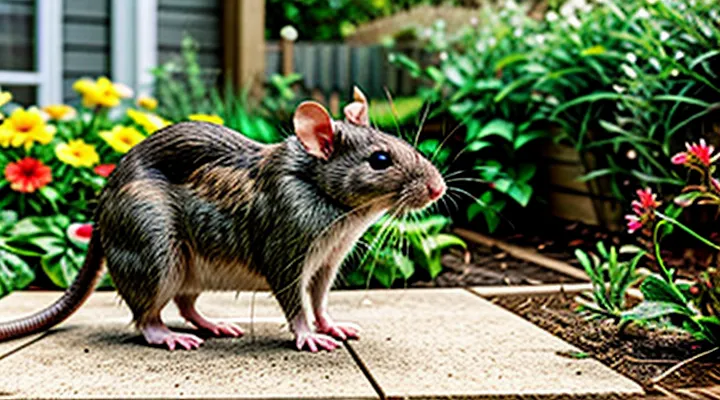
Understanding the Threat: Why Rats are a Problem in Your Garden
Identifying Rat Activity
Signs of Rats
Rats leave distinctive evidence that signals their presence in a garden. Recognizing these signs enables timely intervention and reduces the risk of extensive damage.
- Fresh droppings, typically 1‑2 cm long, dark‑brown to black, found near food sources, pathways, or beneath vegetation.
- Gnaw marks on wood, plastic, or irrigation tubing, characterized by clean, crescent‑shaped teeth impressions.
- Visible tracks in soft soil or mulch, displaying four‑toed footprints with a noticeable heel pad.
- Small, shallow burrows at the base of plants, under garden structures, or along fence lines; entrances often show fresh soil displacement.
- Nests constructed from shredded plant material, shredded newspaper, or insulation, located in concealed corners, compost piles, or under debris.
- Nocturnal activity sounds, such as scratching, squeaking, or scurrying, heard when approaching the garden after dark.
- Chewed or missing seeds, fruits, and vegetables, especially near the garden perimeter.
- Grease or urine stains on surfaces, leaving a faint, musky odor that intensifies with repeated use.
Early detection relies on systematic inspection of these indicators. Prompt removal of droppings, sealing of entry points, and elimination of food attractants diminish the likelihood of a growing infestation.
Common Rat Species in Gardens
Rats commonly exploit garden environments because they provide readily available food sources, protective cover, and water. Species identification clarifies preferred habitats, activity periods, and vulnerabilities, enabling precise prevention strategies.
- Norway rat (Rattus norvegicus): prefers ground-level burrows, thrives in dense vegetation, compost piles, and low-lying debris; active mainly at night; leaves extensive gnaw marks on roots and stems.
- Roof rat (Rattus rattus): favors elevated structures such as trellises, fruit trees, and garden sheds; exhibits strong climbing ability; creates nests in foliage and attics; nocturnal foraging often targets ripening fruit.
- Black rat (Rattus rattus, synonym of Roof rat): similar arboreal habits, more tolerant of colder climates; commonly found near stored grains and seed trays; produces distinctive droppings near feeding sites.
Understanding these habits informs control measures: ground-level barriers and regular removal of dense mulch deter Norway rats; trimming low branches, sealing garden sheds, and securing fruit trees reduce Roof and Black rat access; consistent waste management and elimination of standing water limit resources for all species.
Risks Posed by Garden Rats
Damage to Plants and Property
Rodents entering a garden create direct harm to vegetation and surrounding structures. Chewing activity removes foliage, strips bark, and destroys seedlings, reducing plant vigor and yield. Consumption of seeds and fruits eliminates reproductive potential, while burrowing disrupts root systems, leading to wilting and increased susceptibility to disease.
Damage to property manifests through gnawed electrical wires, irrigation tubing, and wooden components. Compromised wiring raises fire risk and increases repair costs. Deteriorated irrigation lines cause water loss and uneven soil moisture, further stressing plants. Wooden fences, decks, and garden sheds suffer structural weakening as rodents gnaw to access shelter.
Effective mitigation combines habitat alteration, physical barriers, and control devices. Recommended actions include:
- Clearing fallen fruit, nuts, and debris that attract foraging.
- Trimming dense vegetation to eliminate concealment zones.
- Installing metal or hard‑plastic mesh around vulnerable plants and garden beds.
- Sealing gaps in foundations, fences, and utility penetrations.
- Deploying snap traps or live‑capture devices in high‑activity areas, checking them regularly.
- Using bait stations with rodenticide strictly according to label instructions, positioned away from non‑target wildlife.
Implementing these measures reduces the likelihood of plant loss and property degradation, preserving garden productivity and structural integrity.
Health Concerns
Rodents in residential yards pose direct health hazards through disease transmission, food contamination, and allergen exposure. Pathogens carried by rats include bacteria such as Salmonella and Leptospira, viruses like Hantavirus, and parasites including fleas and tapeworms. These agents can infect humans via bites, contact with urine or feces, or ingestion of contaminated produce.
- Bacterial infections may cause gastrointestinal distress, fever, and kidney complications.
- Viral exposure can lead to respiratory illness and severe systemic symptoms.
- Parasite infestations result in skin irritation, allergic reactions, and secondary infections.
Contaminated soil and garden crops become unsafe for consumption when rodents deposit droppings or urine. Washing produce thoroughly reduces but does not eliminate risk, especially for leafy greens that contact the ground.
Preventive measures focus on exclusion, sanitation, and habitat modification. Seal entry points, remove debris, and store compost in sealed containers to deter nesting. Regularly inspect and clean garden beds, eliminating food sources and water accumulation. Employ traps or professional pest control to reduce existing populations, thereby lowering the probability of disease transmission.
Effective Prevention Strategies
Garden Maintenance and Sanitation
Eliminating Food Sources
Eliminating food sources is a fundamental step in reducing the likelihood of rodent activity in residential yards. Food availability directly influences rodent population density; when nourishment is scarce, individuals are forced to seek shelter elsewhere.
Effective measures include:
- Securing compost bins with tight‑fitting lids and storing them away from garden borders.
- Removing fallen fruit, nuts, and vegetable debris promptly after harvesting.
- Placing bird feeders on sturdy poles, using squirrel‑proof designs, and cleaning spillage daily.
- Storing pet food in airtight containers; feeding pets indoors whenever possible.
- Keeping garbage cans sealed and positioning them away from garden edges.
- Eliminating standing water sources that may attract insects, which in turn provide additional food for rodents.
Regular inspection of garden zones for hidden food caches, such as crushed seed packets or discarded plant matter, prevents inadvertent provisioning. By maintaining a strict regimen of waste management and food storage, the garden environment becomes less attractive to rodents, supporting broader pest‑prevention strategies.
Managing Water Sources
Effective rodent control in a garden requires eliminating accessible water. Standing water provides a reliable source of hydration, encouraging rats to explore and establish burrows. Regularly inspect the yard for puddles, birdbaths, and low‑lying areas that retain moisture after rain. Drain or fill depressions, and level soil to promote rapid runoff.
Leaking irrigation systems, faucets, and garden hoses create concealed streams that rodents can follow. Repair cracked hoses, replace worn washers, and install automatic shut‑off valves on outdoor taps. When using rain barrels, secure tight‑fitting lids and position barrels on raised platforms to prevent rats from climbing inside.
Key actions for managing water sources:
- Remove or cover bird feeders and water dishes during periods of low rainfall.
- Direct downspouts away from foundations with splash blocks or extensions.
- Maintain a mulch depth of no more than two inches; excess mulch retains moisture.
- Schedule irrigation early in the morning to allow soil to dry before nightfall.
- Periodically clean and dry pet water bowls, ensuring no residual water remains.
Consistent attention to these measures reduces the attractiveness of a garden for rodents, supporting long‑term pest prevention.
Reducing Shelter Options
Reducing the availability of shelter is a fundamental step in deterring rodents from a yard. By eliminating structures that provide cover, the environment becomes less attractive to rats seeking protection from predators and weather.
Key measures include:
- Removing piles of leaves, wood, or compost that create hidden nests.
- Trimming low‑lying shrubs, grass, and vines to maintain a clear line of sight across the garden.
- Sealing cracks, gaps, and openings in fences, decks, and building foundations.
- Storing firewood, tools, and other materials off the ground and away from walls.
- Installing sturdy, tight‑fitting lids on garbage cans and compost bins.
Regular inspection of the perimeter helps identify new shelter sources before they become established. Promptly addressing gaps in irrigation tubing, bird feeders, and drainage systems prevents rodents from exploiting these weaknesses.
Maintaining a tidy, open landscape reduces the likelihood of rat colonies forming, thereby supporting overall garden health and safety.
Physical Barriers and Exclusion
Fencing and Netting
Effective barriers protect garden beds from rodent entry. Properly installed «fencing» creates a physical obstacle that rodents cannot cross, while «netting» prevents climbing and nesting in vulnerable areas.
Key design elements for «fencing» include:
- Mesh size no larger than ¼ inch to block even juvenile rats.
- Material durability; galvanized steel or high‑density polyethylene resist chewing and corrosion.
- Ground burial depth of at least 6 inches to eliminate burrowing underneath.
- Continuous coverage without gaps at gates or corners; overlapping sections and tight fasteners maintain integrity.
Critical features for «netting» cover:
- Fine weave (≤ 1 mm) to stop gnawing and climbing.
- UV‑stabilized fibers extend lifespan under sunlight.
- Secure anchoring to posts or stakes; tensioning devices prevent sagging that creates entry points.
- Compatibility with existing structures; flexible netting conforms to trellises, raised beds, and fruit trees.
Installation sequence:
- Survey garden perimeter to identify high‑traffic zones for rodents.
- Install posts at 6‑foot intervals, ensuring vertical alignment.
- Attach mesh panels using stainless‑steel staples or zip ties, maintaining tautness.
- Bury lower edge of mesh and secure with soil‑binding tape.
- Apply netting over plant canopies, fastening to support structures with clamps.
Maintenance guidelines:
- Inspect edges weekly for signs of wear or displacement.
- Repair tears promptly with matching material to preserve barrier continuity.
- Remove vegetation that contacts the barrier, as it can provide leverage for gnawing.
- Replace netting after two years of exposure, or sooner if damage is evident.
Integrating «fencing» and «netting» creates a layered defense that significantly reduces rodent intrusion risk, safeguarding crops and ornamental plants without reliance on chemical controls.
Sealing Entry Points
Sealing entry points constitutes the most effective barrier against rodent infiltration in a garden. By eliminating gaps through which rats can access a yard, the likelihood of nesting and foraging diminishes dramatically.
Typical access routes include:
- Gaps beneath exterior doors and garage doors
- Cracks in foundation walls or slab edges
- Openings around utility conduits and plumbing vents
- Unscreened vents and attic hatches
- Gaps around fence posts and gate hinges
Effective sealing techniques comprise:
- Packing steel wool into narrow openings, then covering with caulk for durability
- Installing hardware cloth (¼‑inch mesh) over larger gaps, securing with screws or nails
- Applying expanding polyurethane foam to irregular cracks, trimming excess after cure
- Using weather‑resistant silicone sealant around door frames and window sills
- Fitting snap‑on vent covers with tight-fitting screens to block entry
Routine inspection reinforces protection. Conduct visual checks each season, focusing on areas where vegetation meets structures, after heavy rain, and following any construction activity. Promptly repair newly formed gaps to maintain an impenetrable perimeter.
Protecting Raised Beds and Composts
Protecting raised beds and compost piles requires a combination of physical barriers, habitat management, and regular monitoring.
Solid barriers form the first line of defense. Install hardware cloth or galvanized wire mesh with openings no larger than ¼ inch around the perimeter of each raised bed. Secure the mesh to the soil or a wooden frame, ensuring no gaps at the base or corners. Cover the top of the bed with a removable latch‑secured lid when not in use. For compost bins, fit a tight‑fitting lid equipped with a gasket to prevent rodents from entering through seams.
Habitat reduction limits attractive shelter. Keep the area surrounding beds clear of dense vegetation, woodpiles, and debris that provide nesting sites. Trim grass and weeds to a height of 2–3 inches, removing any fallen fruit or vegetable scraps promptly.
Regular inspection and maintenance detect breaches before they become infestations. Conduct weekly checks for chew marks, displaced hardware cloth, or evidence of gnawing. Repair damage immediately with sturdy wire or metal fasteners.
Key practices:
- Use ¼‑inch mesh hardware cloth for all sides and bottoms of beds.
- Secure lids with latch mechanisms and rubber gaskets.
- Elevate compost containers on concrete blocks to discourage burrowing.
- Apply natural repellents, such as peppermint oil‑soaked cotton balls, at entry points.
- Remove food sources by harvesting produce promptly and storing surplus in sealed containers.
Implementing these measures creates an environment where rodents find little shelter or food, thereby reducing the likelihood of intrusion into garden structures.
Natural Deterrents and Repellents
Planting Repellent Herbs
Planting repellent herbs provides a natural barrier that discourages rats and mice from entering a garden. Aromatic foliage releases volatile compounds that rodents find unpleasant, reducing the likelihood of burrowing or foraging in cultivated areas.
Effective herbs include:
- «mint» – strong scent interferes with rodent olfactory cues.
- «lavender» – essential oils act as a deterrent when foliage is brushed.
- «rosemary» – woody aroma repels small mammals.
- «sage» – bitter leaves discourage chewing.
- «thyme» – dense growth creates a physical and chemical obstacle.
Successful implementation requires strategic placement. Herbs should surround perimeter fences, line raised beds, and occupy gaps between vegetable rows. A spacing of 12–18 inches ensures overlapping scent zones. Mulch with shredded leaves or straw beneath herbs retains moisture and prevents rodents from accessing soil directly. Regular pruning maintains vigorous growth and maximizes volatile release.
Integrating herb barriers with other measures enhances overall effectiveness. Combine with sturdy fencing, trap stations, and prompt removal of fallen fruit or debris. Consistent monitoring and replacement of wilted plants sustain the repellent properties throughout the growing season.
Using Scent-Based Deterrents
Scent‑based deterrents exploit rodents’ acute sense of smell to create an environment that discourages entry into garden spaces. Natural and synthetic odors interfere with foraging behavior, reduce nesting interest, and promote avoidance of treated zones.
Effective scents include:
- Peppermint oil, applied to cotton balls or diluted spray solutions.
- Citronella, dispersed through granules or liquid formulations.
- Eucalyptus, incorporated into spray mixtures for perimeter treatment.
- Ammonia, placed in sealed containers to emit vapour without direct contact.
- Predator urine (e.g., fox or ferret), used sparingly to simulate the presence of natural enemies.
Application guidelines:
- Distribute scent sources along fence lines, garden beds, and entry points such as gaps under decks.
- Refresh natural oil sprays every 7‑10 days, as volatility reduces potency over time.
- Use sealed containers for ammonia or predator urine to maintain consistent vapour release while preventing soil contamination.
- Combine scent deterrents with physical barriers (e.g., mesh fencing) for layered protection.
Safety considerations require keeping concentrated essential oils away from children and pets, and avoiding direct application to edible plants. Monitoring rodent activity after deployment helps gauge effectiveness and adjust placement or concentration as needed. Integrating scent‑based methods with regular yard sanitation and habitat reduction maximizes overall rodent intrusion prevention.
Introducing Natural Predators (Caution Advised)
Natural predators can suppress rodent populations without chemicals. Birds of prey, such as owls and hawks, hunt mice and rats during dawn and dusk. Snakes, particularly non‑venomous species, locate rodents in ground cover and compost piles. Foxes and coyotes patrol open yards, often eliminating larger infestations. Beneficial insects, including predatory beetles and certain wasps, attack rodent eggs and larvae. Domestic cats, when allowed outdoors, contribute to nightly hunting activity.
Caution is required when encouraging these animals. Installing owl boxes may attract protected species; local regulations often dictate placement and maintenance. Providing perches for hawks can increase predation on non‑target birds, potentially disrupting avian diversity. Introducing snakes may pose a risk to children and pets; secure barriers and education reduce accidental encounters. Encouraging foxes can lead to conflicts with livestock or neighboring properties; fencing and monitoring help manage movement. Domestic cats should be spayed or neutered to prevent uncontrolled breeding and wildlife predation beyond rodents.
Practical steps for integrating predators include:
- Install certified owl nesting boxes at least 10 feet above ground, facing away from direct sunlight.
- Plant tall, native shrubs to create perching sites for hawks while preserving sight lines for hunters.
- Maintain a tidy compost area, limiting shelter for snakes and fostering their natural presence.
- Secure garbage and pet food to deter foxes from habituating to human food sources.
- Allow supervised outdoor access for cats, employing bell collars to reduce stealth hunting of non‑target species.
Balancing predator benefits with ecological and safety considerations ensures effective rodent control while preserving garden harmony.
Safe and Humane Removal Methods
Trapping Techniques
Types of Traps
Effective rodent control in a garden relies on selecting appropriate trapping devices. Traps fall into three primary categories, each suited to specific situations and target species.
- Live‑catch traps: cage‑style enclosures that capture rodents without injury, allowing relocation far from the property.
- Snap traps: spring‑loaded mechanisms that deliver a rapid, lethal blow, providing immediate population reduction.
- Electronic traps: battery‑powered units that detect contact and administer a high‑voltage shock, ensuring quick dispatch and minimal mess.
When choosing a trap, consider bait attractiveness, placement height, and proximity to known activity paths. Position live‑catch and snap traps along walls, near burrow entrances, and adjacent to food sources. Electronic models perform best in open areas where rodents frequently cross. Regular inspection and prompt removal of captured animals maintain trap efficacy and prevent secondary infestations.
Proper Trap Placement
Proper trap placement is a critical component of an effective rodent‑control program for a yard. Positioning devices where rats naturally travel maximises capture rates and reduces the likelihood of damage to plants and structures.
Key placement principles include:
- Locate traps along walls, fences, or other solid boundaries; rodents prefer to move close to surfaces that provide cover.
- Target known entry points such as gaps under decks, near shed doors, and around compost bins.
- Position devices at the intersection of established runways; these are often visible as shallow grooves in the soil or worn paths along mulch.
- Place traps near food sources, including vegetable patches, fruit trees, and bird feeders, while keeping a safe distance from non‑target wildlife.
Height and orientation affect success. Set traps on the ground or a few centimeters above it, aligning the trigger mechanism with the rat’s typical gait. Avoid placing devices on steep slopes where the animal might bypass the trigger.
Bait selection and timing influence effectiveness. Use fresh, aromatic foods such as peanut butter, dried fruit, or small pieces of meat. Replace bait daily to maintain scent strength, and check traps each morning and evening to remove captured rodents promptly.
Safety and maintenance are essential. Inspect traps for damage before each use, wear gloves when handling captured animals, and dispose of them according to local regulations. Rotate trap locations periodically to prevent rats from learning to avoid static devices.
Safe Trap Handling and Release
Effective trap management reduces accidental injury and ensures humane treatment of captured rodents. Prior to placement, inspect the device for cracks, rust, or loose components; replace damaged parts immediately. Wear thick gloves and protective eyewear to prevent bites and exposure to pathogens. Secure the trap on a stable surface, away from children and pets, using anchoring stakes or sandbags if wind or foot traffic could dislodge it.
When a rodent is caught, follow a precise sequence:
- Approach the trap slowly, keeping the body at a safe angle to avoid sudden movements.
- Cover the trap with a sturdy cloth or cardboard to calm the animal and block visual stimuli.
- Using gloves, lift the trap by its handle, keeping the cage upright to prevent the rodent from escaping or falling.
- Transfer the trap to a pre‑selected release site, preferably a wooded area at least 200 meters from the garden, to discourage return.
- Open the trap gently, allowing the animal to exit voluntarily; avoid shaking or forcing the door.
After release, disinfect the trap with a solution of one part bleach to nine parts water, then rinse thoroughly. Store the cleaned device in a sealed container until the next deployment. Maintaining this routine minimizes health risks, preserves trap functionality, and supports humane pest control in residential landscapes.
Professional Pest Control
When to Call an Expert
Rodent activity that escalates beyond basic signs often requires professional intervention. When evidence includes extensive gnaw marks on structural elements, repeated sightings of live rats throughout the day, or droppings accumulated in large quantities, the likelihood of a severe infestation increases. Damage to irrigation systems, electrical wiring, or vegetable beds signals that the problem may affect both safety and crop yield, warranting immediate consultation with a qualified pest‑control specialist.
Key indicators that justify contacting an expert:
- Persistent gnawing on wooden fences, garden trellises, or decking.
- Multiple active burrows within a confined area of the yard.
- Presence of urine stains or strong odor that cannot be eliminated by routine cleaning.
- Evidence of disease transmission risk, such as contaminated feed or water sources.
- Ineffectiveness of over‑the‑counter traps after several weeks of diligent placement.
Professional services provide thorough inspection, identification of entry points, and implementation of exclusion techniques that exceed the capabilities of DIY methods. They also offer ongoing monitoring to prevent re‑infestation, ensuring that the garden remains secure throughout seasonal changes. Prompt action at the earliest sign of a serious problem reduces long‑term damage and protects both plant health and property integrity.
What to Expect from Professional Services
Professional pest‑control providers begin with a thorough site assessment. Inspectors identify entry points, nesting sites, and food sources, documenting findings with photographs and detailed notes. The report outlines recommended exclusion measures, such as sealing gaps around foundations, installing rodent‑proof vent covers, and reinforcing fence panels.
Implementation of exclusion follows a systematic plan. Technicians apply durable materials—steel wool, cement‑based sealants, metal flashing—to block access routes. In addition, they install bait stations or live‑capture traps in strategically chosen locations, ensuring compliance with local regulations and minimizing risk to non‑target wildlife.
Ongoing monitoring forms a core component of the service. Service contracts typically include scheduled follow‑up visits, during which technicians check trap effectiveness, replace consumables, and verify that sealed openings remain intact. Clients receive written updates after each visit, summarizing activity, observed rodent activity, and any adjustments to the control strategy.
Many providers offer warranty provisions. A standard guarantee covers a defined period—often 30 to 90 days—during which any recurrence of rodent activity prompts immediate corrective action at no additional cost. Extended warranties may be available for an extra fee, providing longer‑term protection and priority scheduling.
Key deliverables from a professional rodent‑management service include:
- Detailed inspection report with photographic evidence
- Customized exclusion plan using durable, weather‑resistant materials
- Installation of bait stations or live‑capture devices compliant with safety standards
- Regular monitoring visits with written activity logs
- Warranty coverage guaranteeing prompt remediation of re‑infestation
Clients can expect transparent communication, documented procedures, and measurable outcomes that reduce the likelihood of future rodent intrusion in residential outdoor spaces. The combination of physical barriers, targeted trapping, and systematic follow‑up creates a robust defense against persistent pest pressures.
Long-Term Rodent Control
Regular Monitoring and Inspection
Regular monitoring and inspection form the backbone of any strategy to keep rodents out of a garden. Systematic observation identifies early signs of activity, allowing swift corrective action before populations establish.
Key inspection tasks include:
- Visual sweep of planting beds, mulch, and compost for gnaw marks, droppings, or burrows.
- Examination of traps and bait stations for captures, placement integrity, and signs of tampering.
- Inspection of structural entry points such as fence gaps, vent openings, and utility line penetrations.
- Documentation of findings in a log, noting date, location, and observed evidence.
Inspections should occur at least twice weekly during peak rodent season and weekly during cooler periods. Early morning or dusk inspections increase the likelihood of spotting nocturnal activity.
Integrating regular checks with habitat modification—such as removing food sources, trimming vegetation, and sealing entryways—enhances overall effectiveness and reduces the need for intensive chemical control.
Community-Wide Approaches
Effective rodent control extends beyond individual yards; it requires coordinated measures that engage all residents within a neighborhood. Shared responsibility reduces the likelihood that a single property becomes a source of infestation, thereby protecting the entire community.
Key elements of a collective strategy include:
- Public education campaigns that distribute fact‑based materials on sanitation, proper waste storage, and habitat reduction.
- Regular community clean‑up events targeting debris, overgrown vegetation, and abandoned structures that provide shelter for rodents.
- Centralized disposal sites equipped with secure, rodent‑proof containers and scheduled collection to eliminate food sources.
- Neighborhood watch programs that encourage prompt reporting of sightings and facilitate rapid response by pest‑management professionals.
- Local ordinances that define maintenance standards, enforce property upkeep, and impose penalties for non‑compliance.
Collaboration with municipal agencies ensures access to expertise, funding, and legal frameworks necessary for sustained implementation. Consistent monitoring, data sharing, and feedback loops allow adjustments to tactics as infestation patterns evolve. By aligning individual actions with community policies, the risk of rodent intrusion in residential gardens diminishes markedly.
Integrating Multiple Strategies
Effective control of garden rodents requires a coordinated approach that combines physical, environmental, and chemical measures. Each component addresses a specific stage of the infestation cycle, reducing the likelihood that a single method will fail.
- Install sturdy barriers such as mesh fencing or hardware cloth at ground level and around planting beds to prevent entry.
- Remove attractants by regularly clearing fallen fruit, seed heads, and compost piles; maintain a tidy perimeter free of debris.
- Deploy snap traps or live‑capture devices in established pathways; position them perpendicular to travel routes for maximum contact.
- Apply rodent‑approved bait stations in concealed locations, following label instructions to limit non‑target exposure.
- Conduct routine inspections, documenting activity signs and adjusting tactics based on observed patterns.
Integrating these tactics creates redundancy, ensuring that if rodents bypass one defense, additional layers remain active. Monitoring data guide timely modifications, while consistent maintenance sustains long‑term protection. The result is a resilient garden environment that discourages repeated intrusion.