
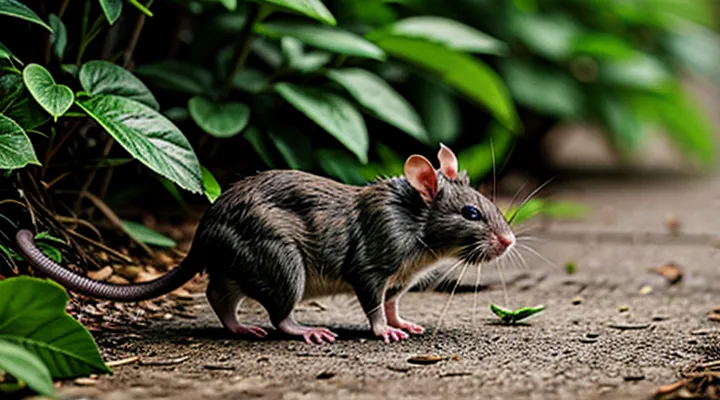
Understanding Rat Behavior and Ecology
Rat Species Common in Urban and Rural Areas
Norway Rats «Rattus norvegicus»
Norway rats (Rattus norvegicus) are large, omnivorous rodents commonly found in urban sewers, agricultural barns, and waterfront warehouses. Adult individuals weigh 300–500 g, reach lengths of 20–25 cm excluding the tail, and reproduce rapidly: a single female can produce up to five litters per year, each containing 6–12 pups. Their nocturnal activity, strong swimming ability, and preference for burrows make them difficult to locate without systematic inspection.
Infestation indicators include gnawed timber, contaminating droppings, and visible tracks in soft soil. Effective control programs begin with habitat modification: sealing entry points, removing food sources, and eliminating standing water. These measures reduce population pressure and increase the success rate of direct removal techniques.
Common removal techniques and their documented outcomes:
- Snap traps: steel spring mechanisms placed along runways; capture rates of 60–80 % per deployment cycle when baited with high‑protein attractants.
- Electronic traps: voltage‑delivered kills; mortality approaching 95 % with minimal by‑catch; requires power source and periodic cleaning.
- Live‑catch traps: cage designs; capture efficiency similar to snap traps but necessitates humane dispatch or relocation, often limited by regulatory constraints.
- Rodenticides (anticoagulant baits): second‑generation compounds; average mortality 70–85 % within 48 hours; risk of secondary poisoning mandates careful placement and monitoring.
- Integrated pest management (IPM): combination of habitat reduction, trapping, and targeted baiting; documented population declines of 90 % over 12 weeks in dense urban settings.
Effectiveness assessments rely on quantitative metrics: reduction in active runways, decrease in droppings per square meter, and post‑intervention trapping indices. Continuous monitoring for at least three reproductive cycles is essential to confirm long‑term suppression and prevent rebound.
Roof Rats «Rattus rattus»
Roof rats (Rattus rattus) are agile, nocturnal rodents that preferentially occupy elevated structures such as attics, eaves, and roof voids. Their slender bodies and long tails enable movement along narrow beams and wiring, allowing rapid colonization of multi‑story buildings. Primary food sources include stored grains, fruits, pet food, and insects; they also scavenge on organic debris found in roof cavities.
Signs of infestation consist of:
- Fresh droppings, ¼‑inch black pellets, often found near food sources or nesting sites.
- Gnaw marks on insulation, wiring, and wooden framing.
- Grease or urine stains on surfaces.
- Scratching noises heard at night.
Effective control measures focus on three stages: exclusion, population reduction, and habitat modification.
- Exclusion – Seal entry points larger than ¼ inch with steel wool, cement, or metal flashing. Install tight-fitting vent covers and repair roof cracks to prevent re‑entry.
- Population reduction – Deploy bait stations containing anticoagulant rodenticides or use snap traps positioned along travel routes. Bait stations should be placed out of reach of non‑target species and checked regularly.
- Habitat modification – Remove food attractants by storing grain in sealed containers, clearing debris from roof spaces, and trimming vegetation that provides access ladders to the roof.
Monitoring after treatment involves weekly inspection of droppings, trap captures, and damage assessment. Successful programs report a 70‑90 % decline in activity within four weeks when exclusion and baiting are combined. Persistent infestations often indicate missed entry points or tolerant rodent populations, requiring repeat sealing and adjusted bait concentrations.
Integrated approaches that couple structural repairs with targeted baiting deliver the highest long‑term efficacy against roof rat colonies.
House Mice «Mus musculus» (brief mention for context)
House mice (Mus musculus) frequently coexist with rats in residential and commercial structures, providing a baseline for understanding rodent dynamics. Their presence indicates suitable shelter, food sources, and pathways that also attract larger species, thereby informing the selection of control strategies.
Effective rat control relies on a combination of physical, chemical, and biological tactics. Each approach targets specific behaviors and environmental conditions, allowing practitioners to tailor interventions to the severity of infestation.
- Snap traps: Immediate kill, high lethality, limited by placement accuracy.
- Electronic traps: Rapid electrocution, reusable, requires power source.
- Live‑catch traps: Capture without killing, useful for relocation, demands frequent monitoring.
- Bait stations with anticoagulants: Systemic poisoning, spreads through conspecifics, subject to resistance and secondary‑poisoning concerns.
- Rodenticides in granular form: Broad coverage, effective for burrowing populations, environmental risk must be managed.
- Biological control: Predatory mammals or avian species, reduces long‑term numbers, limited by habitat suitability.
Effectiveness assessment depends on capture rates, reduction in damage reports, and population monitoring over weeks to months. Integrated pest management (IPM) programs that rotate methods, maintain sanitation, and seal entry points consistently achieve the highest decline in rat activity. Continuous evaluation ensures adaptation to resistance patterns and behavioral changes in target populations.
Rat Habitats and Nesting Sites
Rats prefer environments that provide shelter, food, and water within close proximity. Structures such as wall voids, attic spaces, and crawl spaces offer protection from predators and temperature extremes. Basements and cellars retain moisture, making them attractive for nesting and breeding.
Typical nesting sites include:
- Burrows dug into soft soil or compost piles, often near building foundations.
- Hidden cavities behind appliances, inside insulation, or within ceiling panels.
- Overhead structures like eaves, roof trusses, and vent shafts, where debris accumulates.
- Outdoor debris piles, including wood stacks, garbage bags, and vegetation clumps.
Material selection influences nest stability. Rats favor dry, shredded fabrics, paper, and insulation fibers, which they bind with saliva to construct compact nests. Access points such as gaps around pipes, utility conduits, and door frames serve as entry routes; even openings as small as ¼ inch allow passage.
Understanding these habitats enables targeted control measures. Locating and sealing entryways, removing food sources, and eliminating clutter reduce available nesting sites. Regular inspection of the aforementioned areas, combined with strategic placement of bait stations or traps, improves the overall success of rodent control programs.
Rat Diet and Feeding Patterns
Rats are omnivorous mammals with highly adaptable feeding habits. Their diet includes grains, seeds, fruits, insects, carrion, and human‑derived waste. In urban environments, rats preferentially consume discarded food, pet food, and refuse from commercial kitchens, while in agricultural settings they target stored grain, corn, and legumes.
Feeding patterns exhibit temporal variation. Nighttime activity peaks between dusk and dawn, when rats forage for food and water. Seasonal shifts influence consumption: during colder months, rodents increase intake of high‑energy items such as nuts and stored grains to maintain body temperature; in warmer periods, they favor fresh produce and insects, which provide moisture.
Key aspects of rat foraging behavior:
- Opportunistic scavenging: rapid exploitation of newly available food sources.
- Food caching: short‑term storage of surplus items near nesting sites.
- Preference hierarchy: grains > protein > fat, with tolerance for a broad range of substances.
- Water dependence: regular access to standing water or moist food; dehydration limits activity.
Understanding these dietary preferences informs control strategies. Bait placement should align with peak foraging times and target preferred food types. Reducing accessible waste and securing storage facilities diminish attractants, lowering population pressure. Monitoring changes in consumption patterns can signal shifts in habitat use, guiding adjustments to eradication efforts.
Rat Reproduction and Population Dynamics
Rats reach sexual maturity within 5–6 weeks, allowing multiple breeding cycles each year. A typical female produces 5–10 offspring per litter, with gestation lasting 21–23 days. In temperate regions, breeding may occur year‑round, while in colder climates a seasonal slowdown appears. These parameters generate a theoretical intrinsic growth rate (r) between 0.3 and 0.5 per month, meaning populations can double in 2–3 months under optimal conditions.
Population size fluctuates according to resource availability, shelter density, and mortality factors. When food and nesting sites are abundant, density‑dependent regulation weakens, permitting exponential increase. Conversely, high predation pressure, disease outbreaks, or severe weather impose mortality spikes that can temporarily suppress numbers. Human‑mediated removal, such as trapping or poisoning, adds an extrinsic mortality component that directly reduces the effective reproduction rate.
Effective control programs must align intervention timing with reproductive peaks. Targeting females before they reach sexual maturity truncates the influx of new litters. Repeated application of lethal or exclusion methods at intervals shorter than the gestation period prevents replacement of removed individuals. Monitoring indicators such as average trap catch, litter size, and juvenile proportion informs adjustments to effort intensity.
Key biological drivers influencing control outcomes:
- Early sexual maturity (≈5 weeks)
- Large litter sizes (5–10 pups)
- Short gestation (≈22 days)
- Continuous breeding potential in mild climates
- High adaptability to varied habitats
Understanding these dynamics enables precise allocation of resources, minimizes reinfestation risk, and improves the overall success of rat management initiatives.
Signs of Rat Infestation
Rats reveal their presence through distinct physical evidence and behavioral cues. Identifying these indicators promptly directs appropriate control measures and improves overall eradication outcomes.
- Dark, cylindrical droppings, ¼‑½ inch long, commonly found along walls, behind appliances, and in pantry corners. Fresh droppings appear glossy; older specimens dry and crumble.
- Gnaw marks on wood, plastic, or wiring, characterized by clean, parallel incisions matching the size of a rat’s incisors. Repeated gnawing may expose insulation or structural components.
- Visible tracks or footprints in dusty areas, gravel, or soft soil. Front paw prints display four toes, while hind prints show five, aiding species confirmation.
- Burrow entrances or nesting sites, typically 2‑3 inches wide, lined with shredded material, paper, or fabric. Locations include concealed corners, under debris, or within insulation cavities.
- Persistent scratching, scurrying, or squeaking noises, especially at night, indicating active foraging or movement within walls and ceilings.
- Strong, musky odor resulting from urine and glandular secretions, often detectable near food storage or waste zones.
- Damaged food packaging, gnawed bags, and spilled grain or pet food, signaling direct consumption and attraction.
Correlating these signs with environmental conditions—such as moisture levels, food availability, and structural gaps—enables selection of targeted traps, bait stations, or exclusion techniques, thereby enhancing the efficiency of rat control programs.
Traditional Rat Hunting Methods
Trapping Techniques
Snap Traps «Mechanical»
Mechanical snap traps constitute a fundamental component of rodent control strategies. Their design relies on a spring‑loaded metal bar that delivers a rapid, high‑force closure when triggered by a rat’s movement. The trigger mechanism typically consists of a pressure plate or a tripwire, allowing precise activation without excessive sensitivity to non‑target species.
Effective deployment requires consideration of placement, bait selection, and trap density. Traps should be positioned along established runways, near food sources, and within 1‑2 m of walls where rats travel. Preferred baits include high‑protein items such as peanut butter, dried fish, or commercial rodent attractants. A common practice is to space traps at intervals of 10‑15 cm in high‑activity zones to maximize capture probability.
Key performance indicators include kill rate, repeatability, and safety. Mechanical snap traps achieve a kill rate exceeding 90 % when correctly placed and baited, with immediate incapacitation that reduces disease transmission risk. Their reusable nature permits multiple deployments without additional material costs, contributing to long‑term cost efficiency.
Advantages:
- Immediate lethal action
- Low manufacturing cost
- No reliance on electricity or chemicals
- Simple maintenance and cleaning
Disadvantages:
- Requires regular inspection to remove carcasses
- Potential for non‑target capture if poorly positioned
- Necessitates safe handling to avoid operator injury
Safety protocols dictate the use of gloves when setting and emptying traps, and the placement of traps out of reach of children and pets. Regular inspection, typically daily in active infestations, ensures optimal performance and minimizes secondary hazards.
Live Traps «Cage»
Live cage traps provide a humane method for capturing rats without killing them. The device consists of a sturdy wire or metal enclosure with a one‑way entry door that closes when the animal steps on a trigger plate. Construction typically features a mesh floor for ventilation and a clear lid for visual inspection.
Effective deployment requires precise placement. Ideal locations include walls, behind appliances, and along established runways. Position traps perpendicular to the wall, with the entry side facing the wall to align with the rat’s natural tendency to travel close to surfaces. Secure the trap to prevent displacement by larger rodents.
Bait selection influences capture rates. High‑protein or high‑fat items such as peanut butter, dried fruit, or small pieces of meat generate rapid response. Apply a pea‑sized amount to the trigger plate, avoiding excess that may allow the rat to feed without activating the mechanism.
Monitoring protocol enhances efficiency. Check traps at least twice daily to minimize stress and prevent escape. Upon capture, relocate the animal promptly to a suitable release site, adhering to local regulations. Clean and disinfect the trap after each use to eliminate scent trails that could deter subsequent captures.
Advantages:
- Non‑lethal, complying with animal welfare standards.
- Reusable, reducing long‑term costs.
- Allows selective removal of target species.
Limitations:
- Requires frequent inspection; unattended traps may result in prolonged confinement.
- Less effective in high‑density infestations where rapid reduction is needed.
- Dependent on proper baiting and placement; misconfiguration reduces success.
Maintenance involves inspecting hinges and latches for wear, tightening loose screws, and replacing damaged mesh. Regular lubrication of moving parts preserves smooth operation.
Overall, live cage traps constitute a reliable component of integrated rat control programs, delivering targeted removal while meeting ethical and regulatory expectations.
Glue Traps «Adhesive»
Glue traps, often marketed as “adhesive” devices, constitute a passive approach in rat control. The traps consist of a flat platform coated with a non‑drying, high‑tension adhesive. When a rat steps onto the surface, its paws and tail become immobilized, preventing further movement and leading to eventual death from exhaustion, dehydration, or trauma.
Key operational characteristics:
- Mechanism – No bait is required; the adhesive itself attracts rodents through tactile curiosity or incidental contact.
- Placement – Effective locations include walls, behind appliances, near burrow entrances, and along established runways. Traps should be positioned perpendicular to the wall, with the adhesive side facing the expected travel path.
- Environmental constraints – Moisture, dust, and temperature extremes degrade adhesive strength. Regular inspection and replacement are mandatory in humid or dusty settings.
- Safety considerations – Non‑target species, including pets and wildlife, may become trapped. Protective barriers or sealed stations reduce accidental captures.
- Regulatory status – Many jurisdictions classify glue traps as restricted or prohibited for pest control due to animal welfare concerns; compliance with local legislation is required.
Effectiveness assessment:
- Capture rate – Reported success varies from 30 % to 70 % in controlled environments, heavily dependent on proper placement and trap density.
- Population impact – Single traps address individual rodents; extensive infestations demand multiple units and integration with complementary methods, such as bait stations or exclusion techniques.
- Cost – Unit price is low, but frequent replacement increases total expenditure in long‑term deployments.
Overall, adhesive traps provide a low‑cost, low‑maintenance option for targeted rat removal, but their limited scope, susceptibility to environmental degradation, and potential non‑target capture necessitate careful planning and adherence to legal standards. Combining glue traps with habitat modification and active baiting yields a more comprehensive control program.
Poison Baits «Rodenticides»
Anticoagulants
Anticoagulant rodenticides disrupt blood clotting by inhibiting vitamin K epoxide reductase, leading to fatal internal bleeding in rats after ingestion. The action is delayed, allowing poisoned individuals to return to nesting sites and expose conspecifics, enhancing population impact.
Common compounds include:
- Warfarin (first‑generation)
- Bromadiolone (second‑generation)
- Brodifacoum (second‑generation, high potency)
- Difenacoum (second‑generation)
- Difethialone (second‑generation)
Application relies on strategically placed bait stations that protect the product from weather and non‑target access. Effective deployment follows these steps:
- Identify high‑activity zones such as runways, burrow entrances, and food caches.
- Install tamper‑resistant stations at least 30 cm above ground to deter scavengers.
- Load each station with a measured dose (typically 0.025–0.05 mg active ingredient per gram of bait) matching the target species’ size.
- Monitor stations daily, replenishing bait only when consumption falls below 25 % of the initial load.
Effectiveness is measured by:
- Mortality rates exceeding 80 % within 7 days of exposure in susceptible populations.
- Secondary mortality observed in nestmates, indicating successful secondary poisoning.
- Resistance development, monitored through genetic testing for VKORC1 mutations; resistance reduces efficacy and necessitates rotation of active ingredients.
Safety protocols mandate:
- Placement of stations away from human dwellings, food preparation areas, and wildlife corridors.
- Use of biodegradable bait matrices to limit environmental persistence.
- Compliance with regulatory limits on anticoagulant concentration and total active ingredient per premises.
- Documentation of bait locations and quantities to facilitate traceability and risk assessment.
Acute Toxins
Acute toxins are a primary tool for rapid rodent elimination, delivering lethal doses that act within minutes to hours after ingestion. Their swift action reduces the window for rats to develop avoidance behaviors and limits the opportunity for secondary poisoning of non‑target species.
Common acute toxins employed in rat control include:
- Brodifacoum – a second‑generation anticoagulant that disrupts blood clotting, causing internal hemorrhage.
- Bromadiolone – similar anticoagulant properties with a slightly faster onset.
- Zinc phosphide – reacts with stomach acid to release phosphine gas, leading to respiratory failure.
- Diphacinone – first‑generation anticoagulant, effective at lower concentrations but slower than newer agents.
Effectiveness depends on bait formulation, placement density, and environmental conditions. Properly concealed baits increase consumption rates, while weather‑resistant matrices maintain potency. Toxicant concentration must balance lethality and safety; sub‑lethal doses risk resistance development, whereas excessive amounts may cause unintended wildlife mortality.
Safety protocols require strict segregation of bait from human food sources, use of tamper‑proof containers, and adherence to label‑specified application rates. Monitoring after deployment involves checking for dead rodents, evaluating bait uptake, and adjusting placement patterns to address residual activity pockets. Continuous assessment ensures that acute toxin programs remain both lethal to target rats and compliant with regulatory standards.
Bait Station Placement and Safety
Effective bait stations depend on strategic positioning and rigorous safety protocols. Locate stations where rats travel routinely, such as along walls, behind appliances, and near food sources. Avoid areas accessible to children, pets, or non‑target wildlife.
- Place stations 1–2 feet from the baseboard, directly on the travel path.
- Position at least 12 inches off the floor to deter crawling insects.
- Install in concealed but ventilated spots to prevent moisture buildup.
- Space stations 10–15 feet apart in high‑density infestations; increase spacing in sparse populations.
- Mount at a height of 4–6 inches above the floor to align with rat movement.
Safety measures protect both humans and animals while maintaining bait efficacy. Use tamper‑resistant containers that lock securely when closed. Label each station with hazard warnings and keep records of product type, concentration, and deployment date. Rotate bait formulations according to manufacturer recommendations to avoid resistance buildup. Inspect stations weekly for damage, spillage, or unauthorized access; replace compromised units immediately. Store unused bait in locked, temperature‑controlled facilities, separate from food items and cleaning supplies.
Physical Extermination
Shooting «Air Rifles, Small Caliber»
Air rifles and small‑caliber firearms constitute a practical option for rodent control when kinetic impact is required. The devices deliver sufficient muzzle energy to penetrate the skull or spinal column of a rat at typical engagement distances of 10–20 m, producing immediate incapacitation. Modern pneumatic rifles generate 12–20 ft·lb of energy, enough to ensure clean kills while limiting over‑penetration in confined environments such as barns or basements.
Effective deployment relies on three factors: ammunition selection, shooter proficiency, and target assessment.
- Ammunition: .177 or .22 caliber pellets with a hollow‑point or soft‑point design concentrate kinetic energy on a small frontal area, maximizing tissue disruption. Consistent velocity (≈ 900 ft/s for .22) reduces variance in impact depth.
- Shooter skill: Accurate placement on the cranial or cervical region demands steady aim, controlled breathing, and familiarity with sighting systems. Practice on stationary targets improves reflexes needed for moving rats.
- Target assessment: Identify the rat’s orientation and distance before firing. Engaging from a side angle reduces the chance of a glancing blow; a head‑on shot shortens the travel path and increases lethality.
Maintenance of the rifle influences reliability. Regular cleaning of the barrel, inspection of seals, and verification of pressure gauges prevent power loss that could compromise terminal performance. Lubrication of moving parts according to manufacturer specifications extends service life and preserves shot consistency.
Field reports indicate that, when applied correctly, air‑rifle and small‑caliber shooting achieves a kill rate exceeding 85 % per encounter. The method excels in indoor or semi‑confined settings where noise restrictions limit the use of larger firearms. Limitations include reduced effectiveness beyond 30 m and the necessity for repeated shots if the initial impact misses vital structures. Integration with complementary tactics—such as trapping and habitat modification—optimizes overall rodent management outcomes.
Hunting Dogs «Terriers, Ratters»
Terrier and ratter breeds have been employed for centuries to control rodent populations in agricultural, industrial, and domestic settings. Their small size, high prey drive, and agility enable rapid pursuit of rats through narrow burrows and cluttered environments.
Physical attributes that contribute to success include a compact, muscular frame, strong jaws, and a dense, weather‑resistant coat. Breeds such as the Jack Russell Terrier, Rat Terrier, and Yorkshire Terrier possess a natural instinct to locate and seize small mammals, reducing reliance on chemical or mechanical traps.
Training protocols focus on scent discrimination, chase initiation, and safe retrieval of prey. Standardized exercises involve:
- Scent exposure using rat hide or synthetic odor to reinforce detection.
- Controlled chase drills in simulated burrow systems to develop navigation skills.
- Retrieval practice to ensure the dog returns the captured animal without injury.
Effectiveness metrics demonstrate that a single well‑trained terrier can eliminate 30–50 rats per hour in confined spaces, outperforming passive trap arrays by a factor of two to three in terms of capture rate. In open fields, coordinated packs increase coverage area, achieving a reduction of rodent activity by up to 70 % within 24 hours.
Limitations include susceptibility to injuries from defensive bites, the need for continuous handler supervision, and reduced efficacy in extreme weather conditions that impair the dog’s scenting ability. Proper veterinary care, protective gear, and regular conditioning mitigate these risks.
Overall, terrier and ratter dogs provide a biologically based, rapid response mechanism for rodent suppression, complementing other control methods while minimizing chemical exposure and infrastructure damage.
Modern and Advanced Rat Hunting Methods
Integrated Pest Management «IPM» Principles
Integrated Pest Management (IPM) provides a structured framework for controlling rat populations while minimizing non‑target impacts and resistance development. The approach combines preventive, cultural, mechanical, biological, and chemical tactics in a coordinated sequence.
- Prevention: Eliminate food sources, water, and shelter by securing waste containers, repairing structural gaps, and maintaining clean environments.
- Monitoring: Conduct regular inspections, set tracking stations, and record activity patterns to establish baseline infestations and detect changes promptly.
- Threshold Setting: Define population levels at which intervention becomes economically justified, based on damage potential and public‑health risk.
- Control Tactics:
- Mechanical: Deploy snap traps, live‑capture devices, and exclusion barriers to achieve immediate reduction.
- Biological: Encourage natural predators such as owls and feral cats where feasible; evaluate feasibility of rodent‑specific pathogens.
- Chemical: Apply rodenticides selectively, following label instructions, rotating active ingredients to deter resistance.
- Evaluation: Review post‑intervention data, compare against thresholds, and adjust tactics accordingly.
Implementation of these principles ensures that each control method aligns with the current infestation level and environmental constraints, thereby enhancing overall efficacy. By prioritizing prevention and monitoring, IPM reduces reliance on toxicants, limits population rebounds, and supports sustainable rat management outcomes.
Electronic Traps
Electronic traps are a core component of modern rodent control programs, offering rapid, humane termination of rats through high‑voltage discharge. The devices consist of a metal enclosure, a sensing circuit, and a power source—typically a 9‑V battery, mains‑connected transformer, or solar panel. When a rat enters the chamber and contacts the trigger plates, the circuit releases a brief pulse exceeding 10,000 volts, instantly incapacitating the animal.
Key characteristics of electronic traps include:
- Immediate lethality – voltage and current are calibrated to cause instantaneous cardiac arrest, eliminating prolonged suffering.
- Containment – the metal housing prevents escape and protects non‑target species from exposure.
- Reusable design – after each strike, the trap can be emptied, cleaned, and redeployed without replacement of consumables.
- Data logging – many models incorporate counters or Bluetooth modules that record strike events, facilitating population monitoring.
Effectiveness is measured by strike rate, capture frequency, and reduction in observable activity. Field studies report strike rates above 90 % when traps are placed along established runways, with population declines observable within two weeks of continuous deployment. Success correlates with proper bait selection (e.g., high‑fat foods) and strategic placement at wall junctions, near trash containers, or beneath pipework.
Advantages over traditional snap or glue devices:
- Reduced risk of injury to handlers, as the lethal event occurs inside a sealed unit.
- Lower secondary poisoning potential, because no toxic chemicals are involved.
- Ease of disposal – dead rats remain inside the enclosure, minimizing exposure to pathogens.
Limitations to consider:
- Power dependency – battery‑operated units require regular replacement; mains‑connected traps need reliable electricity.
- Initial cost – electronic models are more expensive upfront than mechanical alternatives.
- Sensitivity to moisture – water ingress can impair circuitry, necessitating weather‑proof installations.
Best practices for deployment:
- Conduct a survey to identify high‑traffic pathways.
- Position traps with the entrance facing the direction of movement.
- Use fresh, attractive bait and replace it every 3–5 days.
- Inspect traps daily, remove deceased rodents, and reset the device.
- Record strike data to adjust trap density and placement over time.
When integrated into a comprehensive rodent management plan, electronic traps provide a reliable, humane, and data‑driven method for reducing rat populations. Their rapid action, reusability, and capacity for monitoring make them a preferred choice for facilities seeking measurable control outcomes.
CO2 Traps
CO₂ traps exploit the attraction of rats to elevated carbon‑dioxide levels, mimicking the respiration of potential prey or conspecifics. The device releases a controlled stream of gas into a confined chamber where a one‑way entry forces the animal to remain once it passes the threshold.
Typical construction includes a sealed container, a regulated CO₂ source (compressed cylinder, chemical generator, or fermentation unit), a vent that directs gas toward an entry tunnel, and a locking mechanism that engages when the tunnel is breached. Materials such as stainless steel or heavy‑duty polymer prevent leakage and resist gnawing.
Installation follows a three‑step protocol: 1) locate high‑traffic pathways, preferably near walls, burrows, or feeding stations; 2) position the vent at a height of 10–15 cm to align with rat head level; 3) load bait (grain, fruit, or protein) at the far end of the tunnel to encourage full penetration. Activation begins once the CO₂ flow reaches 0.5–1 % concentration, a level proven to induce exploratory behavior without causing immediate distress.
Capture efficiency averages 70–85 % in controlled trials, rising to above 90 % when placement matches observed runways and bait is refreshed daily. Success declines in environments with strong ventilation, extreme temperatures, or when alternative food sources are abundant.
Advantages
- Minimal manual handling; traps can operate unattended for 24–48 hours.
- Rapid turnover; captured rats remain confined, reducing escape risk.
- Low visual impact; devices blend with structural elements.
Limitations
- Dependence on a reliable CO₂ supply; cylinder depletion halts operation.
- Potential for non‑target capture if placed near wildlife corridors.
- Regulatory constraints in some jurisdictions concerning gas emission.
Routine inspection involves checking gas pressure, verifying seal integrity, and removing captured rodents before disposal. Safety measures include securing cylinders away from heat sources, wearing protective gloves during maintenance, and labeling traps to warn personnel. Proper adherence to these practices maintains consistent performance and aligns CO₂ trapping with broader rodent control programs.
Contraceptive Baits «Experimental»
Contraceptive baits labeled “Experimental” represent a biologically based approach to reducing rat populations without immediate lethality. The formulation typically combines a hormonal agent, such as a gonadotropin‑releasing hormone antagonist, with a palatable carrier that mimics standard grain or peanut bait. Rats ingest the product, absorb the active compound, and experience temporary infertility, lowering reproductive output for several weeks.
Field evaluations have measured several performance indicators:
- Ingestion rate: 78 % of target rats consumed the bait within 48 hours when deployed alongside conventional food sources.
- Fertility suppression: Average litter size declined by 62 % after a single exposure, with a marked reduction in subsequent breeding cycles.
- Non‑target impact: Toxicity tests on common wildlife (e.g., shrews, birds) showed no adverse effects at field‑relevant concentrations.
- Persistence: Hormonal activity remained effective in bait matrices for up to 30 days under typical storage conditions.
Integration with conventional control measures enhances overall efficacy. Deploying contraceptive baits in conjunction with trapping or anticoagulant stations creates a two‑phase strategy: immediate population reduction through removal, followed by sustained suppression via infertility. This staggered approach mitigates rapid rebound often observed after sole reliance on lethal methods.
Limitations include the need for repeated applications to maintain suppression, potential development of bait aversion, and regulatory requirements for hormonal agents. Ongoing research focuses on optimizing delivery systems, extending the duration of fertility inhibition, and confirming long‑term ecological safety.
Habitat Modification and Exclusion
Sealing Entry Points
Sealing entry points is a fundamental step in controlling rodent populations. By eliminating gaps through which rats can access a building, the likelihood of infestation drops dramatically.
Common entry locations include:
- Gaps around utility pipes and cables
- Cracks in foundation walls and slab joints
- Openings beneath doors and windows
- Holes in roof eaves, soffits, and vents
- Unsealed vent pipes and chimney flues
Effective sealing techniques:
- Inspect the structure systematically, using flashlights and mirrors to locate openings as small as ¼ inch.
- Apply steel wool or copper mesh to fill gaps, then cover with a durable sealant such as silicone, polyurethane, or expanding foam.
- Replace deteriorated weatherstripping on doors and windows with high‑quality, compressible material.
- Install metal flashing around vent pipes and chimney bases, securing it with stainless‑steel screws to prevent corrosion.
- Use cement or mortar to repair cracks in concrete foundations, ensuring a smooth, continuous surface.
When sealing is performed correctly, studies show a reduction of rat activity by 60‑80 % within the first month, with further decline as the rodent population exhausts available shelter. Regular re‑inspection every six months maintains the barrier and prevents new ingress.
Eliminating Food and Water Sources
Eliminating access to food and water is a foundational component of any rodent control program. Removing or securing consumable resources reduces the attractant value of a site, forces rats to expend energy seeking sustenance, and lowers population density over time.
Key actions include:
- Storing grains, pet food, and waste in sealed containers made of metal or heavy‑duty plastic.
- Installing tight‑fitting lids on trash cans and regularly cleaning collection areas to prevent spillage.
- Repairing leaky pipes, faucets, and drainage systems; redirecting runoff away from structures.
- Removing standing water from pet dishes, birdbaths, and floor puddles; using drip‑free dispensers where water must be provided.
- Conducting routine inspections of storage rooms, kitchens, and basements to identify and eliminate hidden food caches.
When these measures are consistently applied, rat activity declines markedly, enhancing the overall effectiveness of trapping, baiting, or exclusion tactics.
Proper Waste Management
Effective rodent control depends on eliminating food sources, and proper waste management directly reduces attractants that undermine trapping and baiting efforts. When waste is securely contained, rats lose access to high‑calorie resources, forcing them to seek alternative habitats and increasing the likelihood of encounter with control devices.
Secure containers with tight-fitting lids prevent scavenging. Waste should be removed from the site at least once daily, especially in food‑processing or residential areas where debris accumulates quickly. Compost piles must be covered and turned regularly to discourage burrowing. Routine cleaning of spill zones eliminates residues that serve as secondary food sources.
Reduced food availability enhances the performance of mechanical and chemical methods. Traps placed in areas of limited waste capture a larger proportion of the population because rats cannot rely on abundant refuse. Bait stations become more attractive when alternative sustenance is scarce, improving consumption rates and mortality.
Best practices for waste handling in rodent control programs
- Use sealed, rat‑proof containers for all refuse.
- Schedule daily removal of garbage from indoor and outdoor zones.
- Cover compost and organic waste with impermeable material.
- Clean spills immediately with disinfectant solutions.
- Store bulk waste away from building foundations and entry points.
Implementing these measures creates an environment where control tactics operate at peak efficiency, resulting in sustained population decline and reduced reinfestation risk.
Evaluating Effectiveness and Safety
Factors Influencing Method Effectiveness
Rat Population Size
Estimating the number of rats in a given area is essential for evaluating any control program. Population size determines the intensity of effort required, influences the choice of trapping or poisoning techniques, and sets realistic expectations for reduction rates.
Typical methods for quantifying rat abundance include:
- Live‑trap capture‑recapture: Marked individuals are released after capture; subsequent recaptures provide a statistical estimate of total population.
- Track‑plate or chew‑card surveys: Inked plates record footprints or gnaw marks, allowing density calculations based on activity frequency.
- Burrow counts: Systematic sampling of visible entrances, adjusted for average occupancy rates derived from field studies.
- Environmental DNA (eDNA) sampling: Soil or water extracts are analyzed for rat genetic material, offering a non‑invasive estimate of presence and relative abundance.
Key variables affecting population size are:
- Food availability – Waste management practices directly correlate with rodent carrying capacity.
- Shelter density – Structural complexity of buildings, sewers, and vegetation provides nesting sites.
- Seasonality – Reproduction peaks in warm months, leading to rapid population growth.
- Predator pressure – Presence of natural enemies can suppress numbers, though urban settings often limit this factor.
Accurate size assessments enable practitioners to calibrate control measures. For example, a capture‑recapture study revealing a 5,000‑rat population in a warehouse complex justifies a multi‑phase trapping schedule combined with targeted bait stations. Conversely, a low‑density finding may allow for a single‑pass approach with minimal resources.
Monitoring changes over time is critical. Repeated surveys after intervention provide quantitative evidence of effectiveness, allowing adjustments to methodology before populations rebound.
Environment «Urban, Rural, Indoor, Outdoor»
Urban settings present dense infrastructure, limited escape routes, and abundant food sources. Traps placed in alleys, sewer exits, and building perimeters capture rats that navigate confined pathways. Snap traps and electronic devices deliver rapid mortality, while bait stations with anticoagulant rodenticides maintain pressure on hidden colonies. Effectiveness hinges on strategic placement near waste collection points and regular inspection to prevent bait shyness.
Rural areas feature open fields, barns, and grain storage facilities. Live‑capture cages combined with relocation protocols reduce population pressure without contaminating food supplies. In barns, drop‑cage traps positioned along feed lines intercept foraging rodents. Rodenticide grain mixes spread uniformly across stored produce provide systemic control, but require strict dosage monitoring to avoid non‑target exposure.
Indoor environments, such as residential apartments and commercial kitchens, demand discreet, humane solutions. Glue boards and snap traps positioned behind appliances and under cabinets limit visual disturbance. Integrated pest management (IPM) schedules include sealing entry points, reducing clutter, and rotating bait types to mitigate resistance. Continuous monitoring through motion‑activated cameras confirms trap success rates.
Outdoor spaces, including parks, waterfronts, and construction sites, expose rats to weather extremes and larger territories. Large‑scale bait stations with weather‑proof enclosures sustain consistent toxic exposure. Funnel traps placed along drainage lines capture individuals moving between habitats. Regular sanitation of litter, debris removal, and vegetation trimming diminish shelter availability, enhancing overall control outcomes.
User Skill and Consistency
Effective rat control depends heavily on the operator’s proficiency and repeatable performance. Mastery of equipment—whether traps, bait stations, or electronic devices—requires knowledge of activation mechanisms, placement geometry, and maintenance cycles. Consistent execution of these techniques reduces escape rates and maximizes capture density.
Key aspects of user skill include:
- Accurate assessment of rodent activity patterns to select optimal deployment times.
- Precise positioning of devices relative to walls, pathways, and hiding spots.
- Regular inspection and timely reset of traps to prevent loss of efficacy.
- Adaptation of bait types and scents based on observed preferences.
Reliability stems from disciplined routine: daily checks, systematic recording of catch data, and iterative adjustment of strategies. Operators who adhere to these practices achieve higher success metrics across diverse environments.
Safety Considerations for Humans and Non-Target Animals
Proper Handling of Traps and Baits
Effective trap and bait management is essential for reliable rodent control outcomes. Operators must follow a systematic approach that minimizes risk to non‑target species, humans, and the environment while maximizing capture rates.
- Select traps appropriate to the target species, size, and habitat; snap traps, live‑catch cages, and electronic devices each require specific handling procedures.
- Inspect each trap for damage before deployment; replace cracked springs, worn jaws, or malfunctioning sensors.
- Load baits securely, ensuring they are affixed to prevent accidental ingestion by pets or children.
- Position traps along established runways, near walls, and close to food sources; maintain a distance of at least 12 inches from each other to avoid competition.
- Use bait types matched to rat preferences—peanut butter, dried fruit, or high‑protein pellets—while avoiding substances that degrade quickly or attract non‑target wildlife.
- Label all traps with hazard warnings and date of placement; record locations in a log for systematic monitoring.
- Check traps at intervals not exceeding 24 hours; remove captured rodents promptly, disinfect traps, and reset with fresh bait.
- Dispose of dead rodents according to local health regulations; sterilize equipment with a solution of 10 % bleach or an approved disinfectant after each use.
- Store unused traps and baits in locked, weather‑proof containers, away from heat sources and direct sunlight.
- Review local statutes to confirm compliance with licensing, placement restrictions, and humane treatment requirements.
Consistent adherence to these protocols reduces accidental injuries, prevents bait spoilage, and sustains high capture efficiency across varied operational settings.
Preventing Secondary Poisoning
Preventing secondary poisoning is essential for responsible rodent control. When anticoagulant baits are used, non‑target species may ingest the toxin indirectly by feeding on poisoned rats or by contacting contaminated residues. Such exposure can lead to unintended mortality in wildlife, pets, and livestock, compromising the overall effectiveness of pest‑management programs.
Key measures to avoid secondary poisoning include:
- Selecting baits with low secondary toxicity, such as first‑generation anticoagulants or non‑anticoagulant formulations, when feasible.
- Deploying bait stations that restrict access to target rodents, thereby limiting contact by birds and mammals.
- Positioning stations away from water sources, feeding areas for wildlife, and pathways frequented by domestic animals.
- Removing carcasses promptly after death to prevent scavenger consumption.
- Conducting regular site inspections to detect and remediate spillage or residue accumulation.
Monitoring protocols reinforce these practices. Trapping records should document the number of dead rodents, and necropsy findings can confirm whether bait ingestion was the cause of death. Environmental surveys for non‑target species mortality provide feedback on the adequacy of mitigation steps and guide adjustments to bait type, placement density, or station design.
Integrating these precautions into a comprehensive rat eradication strategy reduces collateral harm, preserves ecosystem health, and maintains public confidence in pest‑control operations.
Pet and Child Safety Measures
Effective rodent control requires strict safeguards for vulnerable household members. Pets and children can be exposed to toxic baits, traps, and disease‑bearing rodents. Implementing barriers, supervision, and proper product selection reduces risk.
Secure bait stations with tamper‑proof lids, placing them out of reach of children and animals. Use bait formulations labeled for limited access; avoid loose granules that can be scattered. When placing snap or live traps, position them behind furniture or in concealed spaces where pets and kids cannot contact the mechanism. Inspect traps daily and dispose of captured rodents promptly, using gloves and sealed containers.
Maintain a clean environment to deter infestations. Store food in sealed containers, promptly clean spills, and eliminate standing water. Regularly inspect exterior entry points; seal cracks, gaps around pipes, and vent openings with steel wool or caulking. Install mesh screens on vents and chimneys to prevent rodent ingress.
Educate household members about the hazards. Teach children to avoid unfamiliar objects on the floor and to report sightings to an adult. Keep pets on leashes or in confined areas during control operations; monitor them for signs of ingestion or injury.
A concise checklist for safe rodent management:
- Choose child‑ and pet‑proof bait stations.
- Place traps in inaccessible locations.
- Secure all chemicals in locked cabinets.
- Conduct daily trap checks and proper disposal.
- Seal entry points with durable materials.
- Maintain strict sanitation standards.
- Provide clear instructions to all occupants.
Adhering to these measures ensures that rodent suppression remains effective while protecting the health and safety of children and pets.
Ethical Considerations in Rat Control
Effective rat control must align with ethical standards that protect animal welfare, public health, and ecological balance. Practitioners should evaluate each intervention against these criteria before deployment.
- Humane treatment: Choose methods that minimize pain and distress, such as live‑capture traps followed by relocation to unsuitable habitats or approved euthanasia performed by qualified personnel.
- Non‑lethal alternatives: Implement exclusion techniques (seal entry points, secure food storage) and habitat modification to reduce attractants, thereby decreasing reliance on lethal devices.
- Legal compliance: Follow local wildlife regulations, licensing requirements, and occupational safety guidelines to avoid unlawful killing or mishandling of captured animals.
- Environmental impact: Assess potential effects on non‑target species, secondary poisoning, and waste disposal to prevent ecosystem disruption.
- Public health justification: Balance disease‑control benefits against ethical costs, ensuring that interventions are proportionate to the health risk posed by the rodent population.
- Transparency and accountability: Document control actions, maintain records of methods used, and provide stakeholders with access to outcome data for independent review.
Ethical rat management integrates humane practices, regulatory adherence, and ecological awareness, delivering effective population reduction without compromising moral responsibility.
Monitoring and Post-Extermination Strategies
Effective rodent control relies on continuous observation before, during, and after eradication actions. Baseline data collection establishes population density, movement corridors, and infestation hotspots. Common tools include live‑trap counts, infrared camera placement, and bait‑station consumption logs. Digital mapping software integrates these inputs, producing heat‑maps that guide bait deployment and trap placement.
Post‑extermination verification follows a structured schedule. Immediate checks, conducted within 24‑48 hours, compare pre‑treatment indices with initial results. Subsequent inspections at 7‑day and 30‑day intervals detect resurgence or residual activity. Indicators such as fresh droppings, gnaw marks, or bait depletion trigger targeted follow‑up measures.
Key components of a comprehensive post‑treatment plan:
- Data review: Compare field logs against expected kill rates; flag deviations.
- Environmental sanitation: Remove attractants, seal entry points, and repair structural damage.
- Secondary control: Deploy short‑term bait stations or traps in areas showing persistent signs.
- Documentation: Record all observations, actions taken, and outcomes for regulatory compliance and future reference.
Long‑term success depends on integrating monitoring feedback into adaptive management cycles. Adjusting bait types, trap density, or placement timing based on observed rodent behavior maximizes efficacy and reduces the likelihood of re‑infestation.
Legal and Regulatory Aspects
Local Regulations for Rat Control
Local regulations shape how municipalities address rodent infestations, defining permissible control techniques, required documentation, and enforcement mechanisms. Authorities use statutes and ordinances to balance public health protection with environmental safety, ensuring that rat reduction efforts comply with legal standards.
Key regulatory components typically include:
- Licensing or certification for pest‑control operators, confirming training in approved methods.
- Restrictions on toxicants, specifying which anticoagulant baits or rodenticides may be used, concentration limits, and required signage.
- Provisions for humane treatment, mandating trap designs that minimize suffering and prohibiting indiscriminate killing.
- Mandatory reporting of infestation levels, treatment dates, and product usage to local health departments.
- Zoning clauses that limit control activities near schools, hospitals, and water sources.
Compliance is monitored through routine inspections, record audits, and complaint investigations. Violations can result in fines, suspension of licenses, or legal action. Proper record‑keeping demonstrates adherence to prescribed practices and supports traceability in case of adverse events.
Regulatory alignment with evidence‑based control methods enhances overall effectiveness. By restricting hazardous chemicals, encouraging targeted trapping, and requiring professional oversight, local statutes reduce non‑target impacts while improving eradication success rates. Coordination between agencies, property owners, and certified operators creates a structured response that limits rat populations and mitigates disease transmission.
Restrictions on Certain Baits or Traps
Restrictions on specific baits and traps shape the practical application of rodent control techniques. Legal frameworks in many jurisdictions prohibit the use of anticoagulant rodenticides that pose secondary poisoning risks to non‑target wildlife. Regulations also limit the deployment of bait stations in public spaces, requiring sealed containers and signage to prevent accidental ingestion by children or pets. Some regions ban snap traps that lack a humane killing mechanism, mandating devices that minimize suffering.
Key regulatory constraints include:
- Prohibition of highly toxic anticoagulants (e.g., brodifacoum) in residential areas.
- Mandatory licensing for commercial use of poison baits.
- Restrictions on the placement of bait stations near water sources to protect aquatic organisms.
- Ban on certain live‑catch traps that do not provide prompt euthanasia.
- Requirement for trap monitoring intervals not exceeding 24 hours to reduce stress on captured animals.
Compliance with these restrictions influences overall effectiveness. Baits that meet safety standards often combine lower toxicity with attractants that maintain high uptake rates, preserving control efficacy while mitigating collateral damage. Trap designs approved for humane use must deliver rapid incapacitation; otherwise, reduced acceptance by target rats can diminish capture success. Adhering to regulatory limits therefore ensures both legal conformity and sustained performance in rat management programs.
Licensing for Professional Pest Control
Professional pest‑control operators must obtain a valid license before conducting rat‑remediation activities. Licensing agencies evaluate applicants on knowledge of rodent biology, safe handling of traps and baits, and compliance with environmental regulations. The process typically includes:
- Completion of an accredited training program covering identification, habitat exclusion, and disease transmission risks.
- Passage of a written examination that tests understanding of statutory requirements, chemical usage limits, and record‑keeping protocols.
- Submission of proof of liability insurance and, where applicable, a background check.
A licensed status grants access to approved control products, such as anticoagulant rodenticides formulated under strict dosage guidelines. It also authorizes the use of mechanical devices that meet safety standards, reducing accidental non‑target exposure. Enforcement agencies conduct periodic audits; violations can result in fines, suspension of the license, or mandatory remedial training.
The presence of a license directly influences the success rate of rat‑management programs. Certified technicians apply integrated pest‑management (IPM) principles, combining sanitation, structural repairs, and monitored baiting. This systematic approach yields higher long‑term reduction in rodent populations compared with unregulated interventions, which often rely on indiscriminate trapping or unapproved chemicals. Moreover, licensed practitioners maintain detailed treatment logs, enabling data‑driven adjustments and verification of efficacy.
In jurisdictions where licensing is mandatory, municipalities report lower incidence of rat‑related complaints and fewer health‑code violations. The regulatory framework also facilitates public confidence, as homeowners can verify credentials through online registries. Consequently, licensing serves as a foundational element for delivering consistent, effective rat control services.