
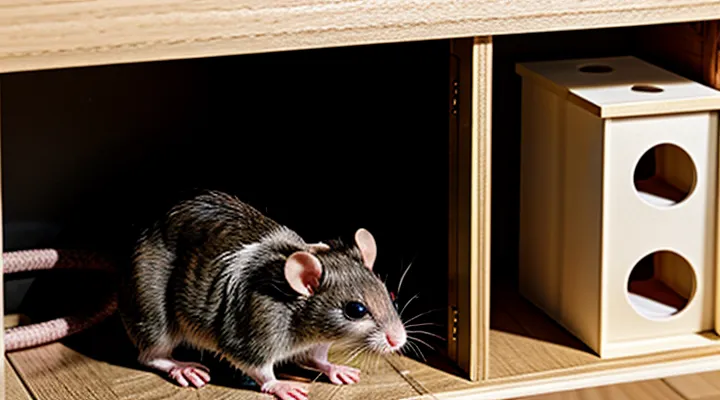
Importance of Proper Rat Housing
Understanding Rat Needs
Social Structure
Social organization among laboratory rats directly influences health, behavior, and experimental reliability. Rats naturally form stable hierarchies in groups of three to six individuals, with dominant, subordinate, and sometimes neutral members. Dominance is expressed through grooming, scent marking, and occasional aggression; subordinates typically display avoidance and reduced access to preferred resources. Maintaining a consistent hierarchy reduces stress spikes associated with frequent re‑ranking, thereby supporting physiological stability.
Optimal group composition considers age, sex, and strain. Same‑sex cohorts minimize reproductive conflicts, while age‑matched individuals prevent size‑based dominance that can lead to injury. When mixing unfamiliar rats, gradual introduction through visual and olfactory contact, followed by limited physical interaction, allows the hierarchy to stabilize before full co‑housing.
Key practices for managing rat social structure:
- Keep groups of 3–6 individuals to allow natural hierarchy formation without overcrowding.
- Use same‑sex, age‑matched cohorts to reduce aggression and reproductive stress.
- Provide multiple nesting sites, feeding stations, and shelters to distribute resources and lessen competition.
- Monitor for persistent bullying, excessive weight loss, or abnormal grooming; intervene by re‑grouping or separating problematic individuals.
- Record hierarchy changes and welfare indicators regularly to detect early signs of social disruption.
Physical Activity
Physical activity directly influences musculoskeletal strength, cardiovascular function, and behavioral stability in laboratory and pet rats. Adequate movement prevents obesity, reduces the incidence of stereotypic behaviors, and supports normal development of motor skills.
Housing design must allow unrestricted locomotion. Minimum floor area per animal should exceed 0.1 m², with vertical space of at least 0.15 m to accommodate climbing. Solid flooring combined with a textured surface encourages natural gait patterns without causing foot lesions.
Enrichment items that promote exercise include:
- Running wheels of appropriate diameter (minimum 30 cm) and solid running surfaces to avoid tail entrapment.
- Suspended tunnels and ladders that create three‑dimensional pathways.
- Rotating chew blocks and foraging substrates that require manipulation and locomotion.
Exercise schedules should be consistent. Daily exposure to a light‑dark cycle of 12 hours each ensures activity peaks during the dark phase, aligning with rats’ nocturnal rhythm. Monitoring devices such as infrared motion sensors provide quantitative data on activity levels and help identify deviations from baseline.
Nutritional provision must match increased energy expenditure. Diets containing 15–20 % protein and balanced fat content support heightened metabolic demands without promoting excess weight gain.
Regular health assessments, including body condition scoring and gait observation, verify that physical activity regimens produce the intended physiological benefits. Adjustments to enclosure size, enrichment variety, or feeding regimen should be made promptly when abnormalities are detected.
Mental Stimulation
Mental stimulation is essential for laboratory rats, influencing neurological development, stress resilience, and experimental reliability. Providing opportunities for problem‑solving, exploration, and sensory interaction satisfies innate curiosity and reduces stereotypic behaviors.
Effective enrichment includes:
- Nesting material such as shredded paper or cotton squares, allowing construction of secure burrows.
- Foraging devices that conceal food pellets, encouraging digging and manipulation.
- Puzzle feeders with adjustable difficulty, promoting fine‑motor coordination.
- Multi‑level cage accessories (ramps, tunnels, platforms) that expand vertical space and facilitate climbing.
- Auditory and olfactory stimuli, for example, periodic exposure to natural sounds or scent cues.
Enrichment items should be rotated weekly to prevent habituation. Observation of activity patterns, latency to engage, and frequency of self‑directed grooming provides quantitative feedback on cognitive engagement. Adjustments are made based on individual and group responses.
Consistent mental challenges correlate with improved immune function, reduced corticosterone levels, and enhanced performance in behavioral assays. Incorporating structured cognitive enrichment aligns housing practices with the highest standards of rat welfare and scientific integrity.
Cage Selection and Setup
Cage Type and Size
Wire Cages
Wire cages remain a standard option for rat husbandry when designed to meet species‑specific requirements. Their open framework provides unobstructed airflow, reduces humidity buildup, and facilitates routine inspection.
Key physical specifications include:
- Minimum floor area of 500 cm² per adult rat; larger groups require proportionally increased space.
- Bar spacing no greater than 1 cm to prevent paw entrapment and escape.
- Cage height of at least 20 cm to allow vertical movement and nesting.
- Construction from stainless steel or powder‑coated steel to resist corrosion and simplify decontamination.
Ventilation through the mesh ensures stable ambient temperature and low ammonia concentrations. Position cages away from direct drafts and heat sources; maintain room temperature between 20 °C and 26 °C with relative humidity of 30–70 %.
Safety considerations focus on bar integrity and edge treatment. All corners should be rounded or covered with protective caps to avoid injuries. The cage floor must be solid, perforated, or equipped with a removable wire grate that supports bedding without allowing rats to slip through.
Cleaning protocols involve weekly removal of soiled bedding, disinfection with an approved agent, and thorough rinsing to eliminate residues. The metal frame tolerates high‑temperature autoclaving, enabling rapid turnaround between batches.
Enrichment can be incorporated without compromising cage function. Attach chew‑resistant platforms, tunnels, or hanging objects to the top bars, ensuring that added items do not block airflow or create entanglement hazards.
When these criteria are met, wire cages deliver a reliable, hygienic environment that aligns with best practices for rat welfare and experimental integrity.
Solid-Sided Cages
Solid‑sided cages provide a stable environment that protects laboratory and pet rats from external stressors. The rigid walls prevent visual and auditory disturbances, reduce the risk of escape, and maintain consistent temperature and humidity levels. Construction from durable plastics or stainless steel ensures longevity, easy cleaning, and resistance to gnawing.
Key design elements include:
- Seamless interior surfaces that eliminate gaps where bedding can accumulate, simplifying sanitation procedures.
- Secure locking mechanisms that allow quick access while preventing accidental opening.
- Integrated ventilation panels that balance airflow without compromising enclosure integrity.
- Transparent or opaque panels selectable according to experimental requirements, offering controlled light exposure.
When selecting a solid‑sided system, prioritize materials certified for animal research, verify that dimensions accommodate group housing with sufficient floor space, and confirm compatibility with enrichment accessories such as tunnels and chew toys. Proper implementation supports health monitoring, reduces disease transmission, and aligns with best practices for rat welfare.
Minimum Dimensions
Adequate floor space is a non‑negotiable requirement for laboratory and pet rats. Minimum dimensions protect musculoskeletal health, enable normal foraging behavior, and reduce stress‑induced pathology.
- Single rat: at least 450 cm² floor area (≈30 × 15 cm) with a minimum height of 20 cm.
- Pair of rats: at least 900 cm² floor area (≈30 × 30 cm) with a minimum height of 20 cm.
- Groups of three or more: add 450 cm² per additional rat, maintaining a minimum height of 20 cm.
These figures satisfy the guidelines of major regulatory bodies (e.g., USDA Animal Welfare Act, European Directive 2010/63/EU). The floor area must be unobstructed, allowing unrestricted locomotion and access to enrichment items. Cage height must accommodate vertical climbing and nesting material depth.
Compliance with the stated dimensions prevents overcrowding, supports natural burrowing, and ensures reliable experimental outcomes or humane pet care. Regular measurement of cage interior dimensions is essential to verify ongoing adherence.
Substrate and Bedding
Absorbent Materials
Absorbent bedding provides a dry environment that reduces the risk of skin irritation, respiratory problems, and bacterial growth in laboratory and pet rat colonies. Effective materials must combine high absorbency, low dust generation, and ease of replacement.
- Cellulose‑based wood shavings: absorb up to 200 % of their weight, low cost, moderate dust; suitable for routine use when ventilation is adequate.
- Paper pulp pellets: absorb 300 % of weight, minimal dust, biodegradable; ideal for sensitive animals or facilities with strict air‑quality standards.
- Corncob granules: high absorbency, natural antimicrobial properties, moderate dust; appropriate for long‑term housing where frequent bedding changes are impractical.
- Sodium‑based absorbent crystals: absorb 400 % of weight, virtually dust‑free, require careful handling to avoid ingestion; best for short‑term quarantine or surgical recovery cages.
Selection criteria focus on moisture‑holding capacity, particle size, and chemical inertness. Materials that release volatile organic compounds or contain allergens compromise animal welfare and may interfere with experimental outcomes. Regular monitoring of bedding moisture content, using a standardized weight‑gain method, ensures timely replacement before saturation.
Maintenance protocols include:
- Weighing used bedding to assess moisture load.
- Removing soiled sections and adding fresh material to maintain a depth of 2–3 cm.
- Disinfecting reusable containers before refilling to prevent pathogen persistence.
Cost analysis should balance purchase price against labor for changing bedding and potential health‑care expenses arising from inadequate absorbency. High‑performance papers may have higher upfront costs but reduce veterinary interventions and extend cage change intervals, yielding overall savings.
In summary, optimal rat husbandry relies on absorbent materials that provide consistent dryness, low respiratory irritants, and straightforward management. Selecting the appropriate substrate and adhering to defined replacement schedules safeguards animal health and supports reliable research data.
Dust-Free Options
Dust accumulation in rodent enclosures compromises respiratory health and increases the risk of infections. Selecting materials that generate little or no airborne particles reduces these hazards and supports long‑term wellbeing.
Effective dust‑free solutions include:
- Paper‑based bedding – compressed sheets or pellets that disintegrate without releasing fibers.
- Compressed wood shavings – kiln‑dried, low‑dust varieties such as Aspen or Birch processed to a dense form.
- Synthetic fiber mats – woven polyester or nylon platforms that require no loose substrate.
- Reusable silicone pads – smooth surfaces that can be cleaned with mild detergent, eliminating particulate release.
- Enclosed habitats – cages with sealed interiors and filtered ventilation prevent external dust infiltration.
Maintenance practices reinforce the benefits of these materials:
- Perform weekly cage cleaning using a damp cloth; avoid dry brushing that can stir residual particles.
- Install high‑efficiency particulate air (HEPA) filters in the room’s ventilation system to capture any escaped dust.
- Rotate bedding supplies to prevent buildup of static‑induced particles.
Implementing these options creates a low‑dust environment, minimizes respiratory irritation, and aligns with best practices for optimal rat care.
Avoiding Harmful Bedding
Choosing an appropriate substrate directly influences rat health, respiratory function, and behavior. Materials that release dust, chemicals, or sharp particles must be excluded from cages.
- Dust‑producing wood shavings (e.g., pine, cedar): high aromatic oils irritate nasal passages and cause pulmonary inflammation.
- Scented or perfumed bedding: added fragrances mask waste odors, encouraging rats to remain in contaminated areas and increasing stress.
- Compressed paper pellets with binders: certain adhesives emit volatile compounds that damage mucous membranes.
- Straw or hay with mold spores: moisture retention promotes fungal growth, leading to respiratory infections.
- Plastic fiber mats: low absorbency forces waste to remain on the surface, creating ammonia spikes and skin irritation.
Select substrates that are low‑dust, absorbent, and chemically inert. Recommended options include:
- Paper‑based bedding (unbleached, untreated): minimal particle release, high absorbency, easy disposal.
- Aspen shavings: free of aromatic oils, fine texture reduces respiratory risk.
- Compressed cellulose pellets without additives: provide dry, absorbent base, replace weekly to prevent moisture buildup.
Maintain bedding hygiene by removing soiled sections daily, fully changing the substrate weekly, and monitoring humidity levels to stay below 50 %. Regular inspection for signs of respiratory distress or skin lesions confirms that bedding choices remain safe.
Enrichment and Accessories
Hiding Spots
Providing secure, concealed areas within a rat enclosure is essential for physiological and behavioral stability. Rats are prey animals; access to a refuge reduces chronic stress, supports natural foraging cycles, and encourages normal nocturnal activity.
Effective hiding spots should meet three criteria: (1) limited visibility from the main cage floor, (2) ease of cleaning without disrupting the animal, and (3) construction from non‑toxic, chew‑resistant materials. Materials such as untreated wood, solid plastic tubes, and natural fiber bundles satisfy these requirements while offering durability.
Practical implementations include:
- Solid PVC or acrylic tunnels placed horizontally across the cage ceiling, creating overhead shelters.
- Small wooden houses with a single entrance, positioned in a corner to limit predator‑like exposure.
- Bundles of shredded paper or hemp placed within a shallow container, providing a soft, absorbent retreat.
- Ceramic or ceramic‑coated hideaways that can be sterilized in a dishwasher, ensuring hygiene.
Placement strategy matters. Position refuges away from food and water stations to prevent competition for resources and to maintain a clear separation between feeding and resting zones. Ensure each rat can access at least one hideaway without crossing the central open area, thereby minimizing forced encounters.
Regular inspection confirms structural integrity and cleanliness. Replace damaged components promptly; compromised hiding spots can become sources of injury or disease. Monitoring usage patterns—frequency of entry, duration of stay—offers insight into individual welfare and can guide adjustments to enclosure design.
Chew Toys
Chew toys are essential for maintaining dental health in laboratory and pet rats. Continuous incisor growth requires regular gnawing; without appropriate objects, overgrowth can lead to malocclusion, pain, and impaired feeding.
Effective chew toys possess the following characteristics:
- Safe material: untreated hardwood, natural wicker, or food‑grade compressed cellulose. Avoid plastics that may splinter or contain harmful chemicals.
- Hardness balance: firm enough to wear teeth, yet not so dense that rats cannot break off manageable pieces.
- Size and shape: dimensions that allow easy grasping and manipulation; rounded edges reduce risk of oral injury.
- Durability: resistance to rapid deterioration, extending replacement intervals and minimizing contamination.
Selection guidelines:
- Verify that the manufacturer tests for toxicity and provides a safety certification.
- Inspect for sharp edges, loose splinters, or adhesive residues before introduction.
- Rotate multiple toys to sustain interest and encourage varied chewing patterns.
- Clean with mild soap and hot water weekly; replace any toy showing excessive wear.
Integrating chew toys into cage enrichment protocols supports physiological well‑being and reduces stress‑related behaviors such as excessive bar chewing or stereotypies. Regular monitoring of tooth length, coupled with appropriate chew objects, ensures optimal oral health and overall welfare for housed rats.
Tunnels and Ladders
Tunnels and ladders provide vertical and horizontal pathways that promote natural exploratory behavior and improve overall well‑being. Proper selection and installation are essential for safety, hygiene, and enrichment.
Materials should be sturdy, non‑toxic, and easy to disinfect. Preferred options include high‑density polyethylene, stainless steel, and untreated hardwood that has been sealed with a rod‑safe, water‑based finish. Avoid painted or lacquered surfaces that can chip or release fumes.
Dimensions must accommodate adult rats without restriction. Recommended specifications:
- Tunnel inner diameter: 2.5–3 cm (minimum 1 inch) to allow free movement.
- Ladder rung spacing: 2–2.5 cm (0.8–1 inch) to prevent slipping.
- Ladder height: 5–10 cm (2–4 inches) per segment, with a secure attachment point at each end.
- Minimum clearance between tunnel walls and cage bars: 0.5 cm (0.2 inch) to avoid pinching.
Installation should secure tunnels and ladders to the cage frame without protruding edges. Use lock‑type brackets or silicone‑based adhesives rated for animal use. Verify that all connections can bear the weight of multiple rats simultaneously.
Cleaning protocols require removable sections or snap‑fit designs. Disassemble weekly, soak in a mild enzymatic solution, rinse thoroughly, and dry before reassembly. Inspect for wear, cracks, or loose fittings during each cleaning cycle.
Placement influences social dynamics. Position at least one vertical ladder in each quadrant of the enclosure to distribute traffic evenly. Connect tunnels to hide‑outs and nesting areas to create a continuous network that reduces territorial disputes.
Regular observation of usage patterns helps identify needed adjustments. If rats avoid a specific structure, check for improper spacing, temperature gradients, or signs of damage. Prompt replacement maintains a safe, stimulating environment.
Water Bottles and Food Bowls
Proper water bottles for laboratory rats must provide continuous access to clean, fresh water while preventing contamination. Choose bottles made of sturdy, autoclavable plastic or glass with a metal sipper tube that resists gnawing. The sipper tip should be sized to allow easy licking without excessive leakage; a 2‑3 mm aperture is standard. Install bottles at a height that aligns with the rat’s natural drinking posture, typically 2–3 cm above the cage floor, to reduce spillage and encourage consistent intake. Secure the bottle with a latch or clamp to avoid displacement during cage cleaning.
Routine maintenance is essential. Replace the sipper tube every 2–3 weeks, or sooner if signs of wear appear. Clean bottles weekly with a mild detergent, rinse thoroughly, and sterilize by autoclaving or soaking in a 10 % bleach solution for 10 minutes followed by rinsing. Inspect each bottle for cracks or clouding, which can harbor bacteria and impede water flow.
Food bowls should be constructed from non‑porous, easy‑to‑sanitize materials such as stainless steel, high‑density polyethylene, or coated ceramic. A shallow depth (approximately 1 cm) prevents excess food from accumulating at the bottom, reducing waste and limiting rodent droppings in the feed. Select a diameter that allows all cage occupants to feed simultaneously without crowding; for groups of three to five rats, a 10–12 cm bowl is appropriate.
Position the bowl on a level surface away from the water bottle to avoid moisture buildup, which can promote mold growth. Secure the bowl to the cage grid if possible, preventing it from tipping during movement. Replace the bowl daily or when feed becomes soiled, and clean it after each use with a detergent, rinse, and sterilize using the same protocol as water bottles.
Monitoring practices further support health. Record daily water consumption per bottle and compare against established intake benchmarks (approximately 30 ml per 100 g body weight). Track food disappearance to detect early signs of illness or social hierarchy issues. Promptly address deviations by inspecting equipment for blockages, leaks, or contamination.
Adhering to these specifications for water bottles and food bowls ensures a stable, hygienic environment, minimizes stress, and promotes optimal physiological function in housed rats.
Environmental Factors
Temperature and Humidity
Optimal Range
Optimal environmental parameters ensure rat welfare, reproductive performance, and experimental reliability. Maintaining each factor within a defined range prevents stress, disease, and data variability.
- Temperature: 20 °C–24 °C (68 °F–75 °F). Temperatures below 18 °C increase metabolic demand; above 26 °C risk hyperthermia and reduced activity.
- Relative humidity: 40 %–60 %. Lower humidity causes dehydration of skin and mucous membranes; higher humidity promotes fungal growth and respiratory irritation.
- Cage space: Minimum floor area 0.05 m² per adult rat; additional 0.025 m² per extra rat. Insufficient space leads to aggression and impaired locomotion.
- Bedding depth: 5 cm–7 cm of absorbent, dust‑free material. Shallow bedding compromises nesting; excessive depth retains moisture and encourages ammonia buildup.
- Light cycle: 12 h light / 12 h dark, with light intensity 150–300 lux. Constant illumination disrupts circadian rhythms; dim lighting impairs visual cues needed for normal behavior.
- Ventilation: Air exchange rate 10–15 changes per hour. Inadequate airflow raises ammonia and carbon dioxide concentrations; excessive flow creates drafts and temperature fluctuations.
Monitoring instruments calibrated to ±0.5 °C for temperature and ±5 % for humidity provide the precision required to keep conditions within these limits. Adjustments should be recorded daily, and deviations exceeding 2 °C or 10 % humidity trigger corrective actions. Consistent adherence to these ranges supports physiological stability, reduces morbidity, and enhances reproducibility of research outcomes.
Avoiding Extremes
Maintain environmental parameters within moderate ranges to protect rodent health. Temperatures should stay between 18 °C and 26 °C; deviations increase metabolic stress and susceptibility to disease. Relative humidity must be kept at 30 %–70 %; lower levels cause dehydration of skin and respiratory membranes, higher levels promote fungal growth.
Light cycles require consistency. Provide 12 h of illumination followed by 12 h of darkness; abrupt changes disrupt circadian rhythms, leading to hormonal imbalance and altered behavior.
Noise levels above 70 dB provoke stress responses, elevate corticosterone, and impair immune function. Use sound‑absorbing materials and locate racks away from high‑traffic areas.
Cage dimensions must avoid overcrowding and excess space. Minimum floor area per adult rat is 0.05 m²; larger enclosures reduce aggression, while overly spacious cages increase territorial disputes.
Bedding depth should be sufficient for nesting (approximately 5 cm) but not so thick that it impedes movement or traps waste, creating ammonia hotspots.
Dietary extremes, such as excessive fat or insufficient fiber, lead to obesity and gastrointestinal disorders. Supply a balanced pelleted diet supplemented with fresh vegetables, limiting treats to less than 5 % of total intake.
Handling extremes—excessive restraint or prolonged isolation—produce chronic stress. Implement brief, gentle handling sessions and provide regular social interaction with compatible conspecifics.
Adhering to these moderate limits eliminates environmental extremes, supporting robust health and reliable experimental outcomes.
Lighting and Ventilation
Natural Light Cycle
Natural light exposure aligns rats’ circadian rhythms with the external environment, supporting physiological stability. A consistent photoperiod of 12 hours light and 12 hours darkness mimics the natural day‑night cycle and regulates hormone secretion, metabolism, and activity patterns.
- Light intensity should range from 200 to 400 lux at cage level; excessive brightness can cause stress, while insufficient illumination disrupts entrainment.
- Light sources must emit a balanced spectrum, preferably full‑spectrum LEDs, to provide wavelengths comparable to daylight.
- Gradual transitions at dawn and dusk, achieved with dimmable fixtures or programmable timers, reduce abrupt changes that may provoke anxiety.
Maintaining a stable light schedule prevents phase shifts that could impair immune function and reproductive performance. Monitoring should include periodic verification of timer accuracy and lux measurements to ensure compliance with the prescribed regimen. Adjustments are necessary only when environmental factors, such as seasonal daylight variations, affect the housing room’s baseline illumination.
Air Circulation
Effective air circulation prevents the buildup of ammonia, carbon dioxide, and moisture, which can compromise respiratory health and increase stress in rodents. Proper airflow removes contaminants, stabilizes temperature, and supports a hygienic environment.
- Minimum airflow: 0.5 m³ min⁻¹ per cage, adjusted for cage density.
- Direction: horizontal flow across the cage opening, avoiding drafts that directly hit the animals.
- Filtration: high‑efficiency particulate air (HEPA) filters remove dust and pathogens before air enters the housing area.
- Temperature control: integrate ventilation with heating and cooling systems to maintain 20 – 24 °C.
- Humidity regulation: keep relative humidity between 40 % and 60 % through balanced exhaust and supply rates.
Vent placement should align with cage racks to create a uniform flow pattern. Fans must operate at low noise levels to minimize disturbance. Continuous monitoring of airflow velocity, temperature, and humidity ensures compliance with established standards and allows rapid correction of deviations. Regular maintenance of filters and ducts preserves performance and extends equipment lifespan.
Cage Cleaning and Maintenance
Daily Spot Cleaning
Regular spot cleaning removes fresh waste, urine stains, and food remnants from the cage interior. Prompt removal limits bacterial growth, reduces ammonia levels, and prevents irritation of the rats’ respiratory system.
A spot‑cleaning session should occur once daily, preferably after the morning feeding and before the scheduled full‑cage cleaning. This timing ensures that any mess generated during the active feeding period is addressed while the animals remain in the enclosure.
- Wear disposable gloves to protect against pathogens.
- Use a clean, soft cloth or paper towel dampened with warm water; avoid harsh chemicals.
- Gently wipe all visible droppings, wet spots, and spilled food from the floor, walls, and enrichment items.
- Dispose of waste in a sealed container; disinfect the container lid weekly.
- Inspect bedding for dampness; replace only the soiled sections rather than the entire bedding layer.
Select cleaning agents that are non‑toxic to rodents, such as diluted vinegar (1 % solution) or commercially approved cage cleaners. Rinse any treated surfaces with plain water to eliminate residue.
Maintain a simple log noting the date, time, and any observations (e.g., excessive staining, unusual odor). The record supports early detection of health issues and informs adjustments to diet, bedding, or ventilation.
Weekly Deep Cleaning
Weekly deep cleaning is essential for maintaining health‑focused rat enclosures. The process removes accumulated waste, reduces pathogen load, and preserves structural integrity of cage components.
- Strip all bedding, nesting material, and accessories.
- Wash cage walls, floors, and bars with warm water and a mild detergent.
- Rinse thoroughly to eliminate detergent residues.
- Apply an EPA‑approved disinfectant, following manufacturer contact time.
- Scrub removable accessories (toys, feeding stations) with the same solution.
- Rinse and dry all items before reassembly.
- Replace bedding with a fresh, low‑dust substrate appropriate for rodents.
Use disposable gloves, eye protection, and lab coats to prevent cross‑contamination. Choose disinfectants that are effective against common rodent pathogens (e.g., Salmonella, Pseudomonas) and safe for animal contact after proper rinsing. Avoid bleach concentrations above 0.5 % to prevent corrosion of metal components.
Schedule deep cleaning at a consistent weekly interval, preferably on a day when animal handling is already planned. Document each session, noting date, personnel, disinfectant batch, and any observed wear or damage. Record keeping supports traceability and facilitates timely equipment replacement.
Disinfecting Protocols
Disinfection is a non‑negotiable component of effective rat husbandry, directly influencing colony health and experimental reliability.
Approved chemical agents include:
- Quaternary ammonium compounds (e.g., 0.1 % solution, 10 min contact).
- Accelerated hydrogen peroxide (2 % solution, 5 min contact).
- Sodium hypochlorite (0.5 % solution, 10 min contact).
- Peracetic acid (0.2 % solution, 5 min contact).
Selection criteria: broad-spectrum activity, low toxicity to cage materials, and compatibility with routine cleaning schedules.
Standard application sequence:
- Remove all rats and bedding from the enclosure.
- Perform a dry wipe to eliminate visible debris.
- Apply the chosen disinfectant uniformly to all surfaces, including walls, floors, and equipment.
- Maintain the recommended dwell time without interruption.
- Rinse with sterile water if the product label mandates, then allow complete drying before re‑introducing animals.
Efficacy verification requires weekly swab testing of high‑traffic zones, with results logged in a dedicated disinfectant record. Deviations from expected microbial counts trigger immediate review of concentration, contact time, and application technique.
Personnel protection measures:
- Wear impermeable gloves, lab coat, and eye protection.
- Ensure adequate ventilation during and after application.
- Store disinfectants in clearly labeled, sealed containers away from direct sunlight.
Adherence to these protocols sustains a sterile environment, minimizes pathogen transmission, and supports the overall welfare of laboratory rats.
Special Considerations
Multi-Rat Housing
Introductions and Group Dynamics
When new rats enter a facility, the initial period should focus on minimizing stress and establishing clear social structures. Provide a neutral enclosure for the first 24–48 hours, allowing each animal to explore without direct contact with established groups. Observe behavior for signs of aggression, avoidance, or excessive grooming, and record observations to guide subsequent integration steps.
Successful integration follows a staged approach:
- Isolation phase – separate the newcomer in a clean cage adjacent to the resident group; visual and olfactory cues become familiar while physical contact is prevented.
- Gradual contact – introduce a perforated divider or a shared tunnel for limited interaction; monitor for dominant or submissive displays.
- Full integration – remove barriers once both parties exhibit calm exploration and mutual sniffing; maintain a balanced male‑to‑female ratio and avoid overcrowding.
Group dynamics in a stable colony depend on hierarchy, space allocation, and resource distribution. Dominant individuals typically claim prime nesting spots and food access; subordinate rats adapt by using peripheral zones. Ensure multiple nesting materials, enrichment objects, and feeding stations to reduce competition. Regularly rotate enrichment items to prevent territorial monopolization.
Record hierarchy indicators—such as mounting, chasing, and grooming patterns—monthly. Adjust cage density if dominant behavior escalates to injury. Provide at least 0.5 sq ft of floor space per rat, plus vertical structures, to accommodate hierarchical spacing and reduce stress across the group.
Adequate Space per Rat
Adequate space for each rat is essential for physical health, locomotion, and behavioral expression. Overcrowding increases stress, accelerates the spread of disease, and hampers normal activity patterns.
Recommended minimum floor area:
- 0.5 sq ft (approximately 46 cm × 46 cm) per adult rat in a standard cage.
- 0.75 sq ft (≈ 55 cm × 55 cm) for breeding pairs or groups with juveniles.
- 1 sq ft (≈ 60 cm × 60 cm) for larger colonies or rats with extensive enrichment.
Vertical space:
- Cage height should be at least 12 in (30 cm) to accommodate climbing structures and allow rats to rear upright.
- Multi‑level systems can increase usable area while maintaining floor‑space ratios.
Cage volume:
- Minimum of 2 gal (≈ 7.5 L) of interior volume per rat, measured when the cage is empty.
- Larger volumes improve air exchange and reduce ammonia buildup.
Enrichment considerations:
- Provide platforms, tunnels, and hammocks that occupy a portion of the floor area without restricting movement.
- Ensure that added items do not reduce the effective space below the minimum thresholds.
Regular assessment:
- Measure cage dimensions after adding enrichment; adjust the number of occupants if space falls below the recommended values.
- Replace worn bedding and rearrange accessories to maintain consistent usable area.
Health and Safety
Pest Control
Effective pest management is a fundamental component of maintaining healthy rat environments. Uncontrolled insects, arthropods, and rodents can introduce pathogens, compete for resources, and increase stress levels among laboratory or pet rats. A proactive approach reduces disease risk and supports consistent experimental outcomes or animal welfare.
- Seal all entry points: apply steel wool, caulk, or metal flashing to gaps around doors, windows, and utility penetrations.
- Implement regular sanitation: remove food debris, clean spillages promptly, and store feed in sealed containers.
- Use physical barriers: install fine-mesh screens on ventilation openings and cage racks to prevent insect ingress.
- Deploy targeted baits and traps: select species‑specific products, place them strategically away from rat cages, and monitor for activity.
- Conduct routine inspections: schedule weekly visual checks for signs of infestation, such as droppings, gnaw marks, or insect nests.
Document all pest‑control actions, including dates, products used, and observed outcomes. Review records quarterly to adjust strategies, ensure compliance with institutional guidelines, and preserve the integrity of rat housing conditions.
Toxic Materials to Avoid
Proper rat housing demands the exclusion of substances that can cause poisoning, respiratory irritation, or chronic health problems. Toxic agents commonly encountered in cages, bedding, and enrichment items include specific plastics, paints, cleaning chemicals, metals, adhesives, and certain fabrics.
- Polyvinyl chloride (PVC) and phthalate‑containing plastics – release endocrine‑disrupting chemicals when heated or chewed. Use acrylic, polycarbonate, or untreated wood instead.
- Oil‑based paints, varnishes, and sealants – emit volatile organic compounds (VOCs) that irritate the respiratory tract. Choose water‑based, low‑VOC finishes or untreated natural wood.
- Aromatic solvents and strong disinfectants (e.g., bleach, ammonia, phenols) – cause mucosal damage and liver toxicity. Employ mild, rodent‑safe cleaners such as diluted enzymatic solutions.
- Heavy metals (lead, zinc, cadmium) in solder, foil, or metal mesh – accumulate in tissues, impairing neurological function. Opt for stainless steel or powder‑coated metal components free of lead.
- Adhesives containing cyanoacrylates or solvent‑based glues – emit fumes harmful to small mammals. Use mechanical fasteners or non‑solvent, animal‑grade adhesives.
- Synthetic fibers treated with flame retardants or dyes (e.g., polyester, nylon) – can leach toxic chemicals when ingested. Provide untreated cotton, hemp, or paper products for bedding and nesting.
Additional precautions strengthen safety:
- Verify material safety data sheets before introducing any new item into the environment.
- Conduct periodic visual inspections for wear, cracking, or discoloration that may indicate chemical degradation.
- Replace all cage accessories at regular intervals, typically every six months, to prevent accumulation of residues.
- Store cleaning agents and chemicals in sealed containers away from the housing area to eliminate accidental exposure.
Eliminating these hazardous substances creates a stable, non‑toxic environment that supports the physiological well‑being of laboratory and pet rats alike.