
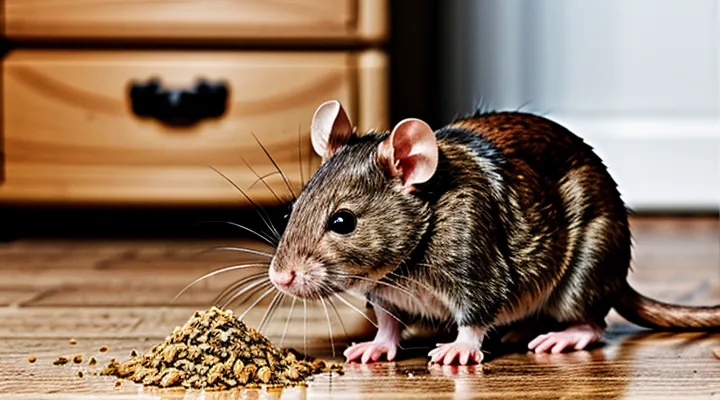
Understanding Your Rat's Nutritional Needs
The Basics of a Healthy Rat Diet
Essential Nutrients for Rats
Rats need a balanced diet that supplies all essential nutrients for growth, reproduction, and immune function. Deficiencies quickly lead to weight loss, coat deterioration, and organ dysfunction.
- Protein – 18–20 % of diet dry matter; sources include cooked chicken, boiled egg whites, low‑fat cottage cheese, and soy isolate.
- Fat – 5–8 % of diet; supplies energy and fatty‑acid precursors; sources are sunflower oil, flaxseed oil, and small amounts of animal fat.
- Carbohydrate – 45–55 % of diet; provides readily available energy; sources include rolled oats, whole‑grain rice, and barley.
- Fiber – 3–5 % of diet; promotes gastrointestinal motility; sources are beet pulp, alfalfa hay, and shredded wheat.
- Vitamin A – needed for vision and epithelial health; supplied by carrots, sweet potato, and fortified rodent pellets.
- Vitamin D3 – regulates calcium absorption; available from fortified feed and limited exposure to UV‑B light.
- Vitamin E – antioxidant protecting cell membranes; found in wheat germ oil and sunflower seeds.
- Vitamin K – essential for blood clotting; present in leafy greens such as kale and spinach.
- B‑complex vitamins – support metabolism; abundant in whole grains, liver, and fortified mixes.
- Calcium – 0.8–1.0 % of diet; required for bone formation and nerve transmission; sources include calcium carbonate supplements, dairy, and crushed eggshells.
- Phosphorus – 0.6–0.8 % of diet; works with calcium for skeletal health; sources are fish meal, meat, and whole‑grain cereals.
- Magnesium, potassium, sodium – electrolytes for muscle function; supplied by leafy vegetables, bananas, and low‑salt broth.
- Iron – 50–80 mg/kg diet; necessary for hemoglobin synthesis; found in liver, lentils, and fortified feed.
- Zinc and copper – trace elements for enzyme activity; provided by meat, nuts, and mineral supplements.
- Water – constant access to clean, fresh water; rats consume 30–50 ml per 100 g body weight daily.
Adequate nutrient ratios must be maintained; excess calcium or phosphorus disrupts bone metabolism, while insufficient protein impairs growth. Regular monitoring of body condition and adjusting feed composition ensures optimal health for pet and laboratory rats alike.
Foods to Avoid for Rats
Rats require a balanced diet to support rapid growth, high activity levels, and strong immune function. Certain foods compromise digestive health, liver function, or dental integrity and must be excluded from any rat nutrition plan.
Common items that pose risks include:
- Chocolate and cocoa products – contain theobromine, toxic to rodents.
- Caffeine‑containing beverages or snacks – stimulate the nervous system and can cause cardiac arrhythmia.
- Processed meats and deli slices – high in sodium and preservatives, leading to kidney strain.
- Raw beans, especially kidney beans – contain lectins that damage intestinal lining.
- Citrus peels and highly acidic fruits – irritate stomach lining and may cause ulceration.
- Salty snacks such as chips or pretzels – cause electrolyte imbalance and dehydration.
- Sugar‑laden sweets and candy – promote obesity, dental decay, and metabolic disorders.
- Alcoholic drinks – depress central nervous system and can be lethal even in small quantities.
- Moldy or spoiled foods – introduce mycotoxins that impair liver function.
Eliminating these items from a rat’s menu prevents acute poisoning and long‑term health issues, allowing the animal to thrive on nutritionally sound recipes.
Homemade Rat Food Recipes
Main Meal Recipes
Grain-Based Blends
Grain-based blends form a reliable source of carbohydrates, dietary fiber, and supplemental protein for laboratory and pet rodents. The combination of cereals, legumes, and seeds delivers a balanced energy profile that supports growth, reproduction, and sustained activity levels.
Typical components include:
- Oats – high in soluble fiber and moderate protein.
- Barley – provides complex carbohydrates and B‑vitamins.
- Brown rice – offers easily digestible starch and essential minerals.
- Lentils – contribute plant‑based protein and iron.
- Quinoa – adds complete amino acids and magnesium.
- Flaxseed – supplies omega‑3 fatty acids and lignans.
Veterinary nutritionists advise mixing grains in a 3:2:1 ratio (cereal:legume:seed) to achieve optimal macronutrient distribution. Add a calibrated vitamin‑mineral premix to meet micronutrient requirements, and incorporate a small amount of calcium carbonate for skeletal health. Adjust moisture content to 12‑14 % to improve palatability and prevent spoilage.
Preparation steps:
- Weigh each ingredient according to the prescribed ratio.
- Blend dry components in a stainless‑steel mixer until homogeneous.
- Introduce the vitamin‑mineral premix and calcium source, mixing thoroughly.
- Add water or a safe gelatinous binder to reach target moisture, then mix for an additional two minutes.
- Portion the blend into airtight containers, store at 4 °C, and rotate stock weekly to maintain freshness.
Regular analysis of nutrient composition ensures the blend remains within defined specifications and supports the health objectives of the target rodent population.
Vegetable & Protein Mixes
Vegetable‑protein blends form a core element of a balanced diet for laboratory and pet rats, delivering essential amino acids, vitamins, and dietary fiber in a single preparation.
A typical blend combines leafy greens, root vegetables, and a lean animal protein source in a 2:1:1 weight ratio. The vegetable component supplies vitamins A, C, and K, as well as antioxidants that support immune function. The protein element supplies high‑quality casein or whey, providing the amino acid profile necessary for tissue growth and repair. Fiber from carrots, broccoli, or kale promotes gastrointestinal motility and reduces the risk of impaction.
Sample formulation (per kilogram of mix):
- 400 g finely chopped kale or spinach
- 300 g grated carrot or sweet potato
- 300 g cooked chicken breast, turkey, or boiled egg white, minced
Preparation steps:
- Wash all vegetables thoroughly; steam carrots or sweet potatoes until tender to increase digestibility.
- Cool vegetables, then chop or grate to a uniform size.
- Cook protein source without added salt or seasoning; shred or mince once cooled.
- Combine ingredients in a sanitized bowl; mix until evenly distributed.
- Portion the blend into 10‑15 g servings, appropriate for adult rats weighing 250‑300 g.
Store portions in airtight containers at 4 °C for up to three days; freeze any excess in single‑serve bags for longer preservation, thawing in the refrigerator before use. Offer fresh mix daily, discarding leftovers after 24 hours to prevent spoilage.
Consistent inclusion of vegetable‑protein mixes ensures rats receive a complete nutrient profile, supports healthy body weight, and reduces reliance on commercial pellets alone.
Treat Recipes
Fruit & Vegetable Snacks
Fruit and vegetable snacks provide essential vitamins, minerals, and fiber that complement a balanced rat diet. Select fresh produce with low sugar content and minimal pesticide residue; wash thoroughly before serving. Offer small, bite‑size pieces to prevent choking and to encourage natural foraging behavior.
- Carrots: rich in beta‑carotene, slice into ½‑inch sticks; limit to 2–3 pieces per day.
- Broccoli florets: high in vitamin C and calcium; provide 1–2 small florets, remove any wilted leaves.
- Blueberries: source of antioxidants; offer 1–2 whole berries, monitor for overconsumption of natural sugars.
- Zucchini: low‑calorie source of potassium; cut into ¼‑inch cubes, serve raw or lightly steamed.
- Bell pepper strips: contain vitamin A and B6; remove seeds, give 1–2 strips of red or yellow varieties.
Avoid citrus fruits, onions, and raw potatoes, as they contain compounds harmful to rodents. Store leftovers in a sealed container in the refrigerator and discard any pieces that become soft or moldy within 24 hours. Adjust portion sizes based on the rat’s weight and activity level to maintain a stable caloric intake.
Baked Goodies for Rats
Baked treats provide a reliable method for delivering balanced nutrition to pet rats, combining texture, flavor, and essential nutrients in a single portion. The oven‑based preparation preserves vitamins while allowing precise control over ingredient ratios, ensuring each bite contributes to growth, dental health, and energy maintenance.
-
Oat‑Banana Crunch
Ingredients: rolled oats, mashed ripe banana, ground flaxseed, a pinch of calcium carbonate.
Nutritional focus: soluble fiber for gut motility, omega‑3 fatty acids from flaxseed, calcium for bone development.
Preparation: Mix, spread thinly on a parchment sheet, bake at 180 °C for 12 minutes, cool, cut into 1 cm squares. -
Sweet Potato & Pea Biscuits
Ingredients: cooked sweet potato puree, frozen peas (thawed), whole‑grain wheat flour, egg white, vitamin E supplement.
Nutritional focus: beta‑carotene for vision, plant protein from peas, antioxidant protection from vitamin E.
Preparation: Combine, roll to 0.5 cm thickness, bake at 175 °C for 15 minutes, store in airtight container. -
Herb‑Infused Seed Bars
Ingredients: sunflower seed meal, millet flour, dried rosemary, dried thyme, a drop of olive oil, mineral mix.
Nutritional focus: essential fatty acids, trace minerals, natural antimicrobial properties of herbs.
Preparation: Press mixture into a 2 × 5 cm mold, bake at 190 °C for 10 minutes, let harden before slicing.
After baking, allow treats to reach room temperature, then refrigerate for up to five days or freeze in single‑serve portions for longer storage. Offer one to two small pieces per day, adjusting quantity to the rat’s size and activity level. Avoid excessive sugar or salt, and monitor for any signs of intolerance. This structured approach integrates baked goodies into a comprehensive dietary plan for laboratory‑grade or companion rats, delivering consistent nutrient intake with minimal preparation time.
Supplementing a Commercial Diet
Enhancing Store-Bought Food
Adding Fresh Produce
Fresh produce supplies essential vitamins, minerals, and fiber that complement grain‑based meals for pet rats. These nutrients support ocular health, digestive regularity, and immune function, reducing the risk of common ailments.
Select vegetables and fruits low in sugar and acidity to avoid gastrointestinal upset. Recommended items include:
- Carrots, finely grated
- Broccoli florets, steamed briefly
- Spinach leaves, chopped
- Apple slices, skin removed
- Blueberries, halved
Introduce each new ingredient gradually, limiting the portion to one teaspoon per rat per day. Observe behavior and stool consistency for signs of intolerance.
When incorporating produce into recipes, follow these guidelines:
- Wash all items thoroughly to eliminate pesticide residues.
- Remove seeds, pits, and woody cores that could cause choking.
- Cook fibrous vegetables briefly to soften cell walls while preserving nutrients.
- Mix the prepared produce with a base of rolled oats, cooked lentils, and a small amount of unsalted peanut butter to create a balanced bite‑size ball.
- Store the mixture in an airtight container in the refrigerator for up to three days; discard any leftovers after 24 hours at room temperature.
Fresh produce enhances the nutritional profile of rat meals without replacing the staple components that provide sustained energy. Consistent, measured inclusion yields healthier, more active rodents.
Incorporating Protein Sources
Protein is a critical component of a balanced rat diet, influencing growth, reproduction, and tissue repair. Sources should be varied to provide complete amino acid profiles and to prevent monotony.
Common protein options include:
- Cooked chicken breast, finely diced
- Hard‑boiled egg, mashed
- Low‑fat cottage cheese, crumbled
- Cooked lentils or split peas, rinsed
- Mealworms, dried or live, in moderation
- Tofu, pressed and cubed
- Low‑sodium turkey, shredded
When integrating these ingredients, follow a consistent ratio: protein should represent approximately 15–20 % of total caloric intake. A practical recipe framework:
- Measure 1 cup of mixed vegetables (e.g., carrots, broccoli, peas) as the carbohydrate base.
- Add ¼ cup of a chosen protein source, ensuring it is cooked, plain, and free of additives.
- Incorporate 1 tablespoon of a healthy fat source such as sunflower oil or a small amount of unsalted nuts.
- Mix thoroughly, then portion into daily servings of 1–2 tablespoons per 200 g of rat body weight.
For breeding colonies, increase protein to 20 % of calories during gestation and lactation, using lean meats or egg whites to meet higher demands. Rotate protein types weekly to maintain nutritional diversity and reduce the risk of nutrient deficiencies.
Special Dietary Considerations
Feeding Young Rats
Young rats require a diet rich in protein, fat, vitamins, and minerals to support rapid growth, tissue development, and immune function. Protein should represent 20–25 % of caloric intake, while fat supplies 8–12 % for energy and essential fatty acids.
Weaning begins at 21 days of age. Introduce solid foods gradually over a three‑day period to avoid digestive upset. Replace half of the mother’s milk with a soft, nutritionally complete formula, then increase the proportion of solid food until the young rat consumes only the solid diet by 28 days.
A balanced homemade recipe can meet these requirements when prepared with precise ratios:
- 40 % high‑quality rodent pellet mash (protein ≈ 20 %);
- 30 % cooked lean chicken or turkey, finely minced;
- 20 % cooked egg yolk, mashed;
- 5 % finely grated carrots, steamed;
- 5 % calcium‑rich powder (e.g., ground eggshell or calcium carbonate supplement).
Blend ingredients into a smooth mash, add warm water to achieve a spoon‑feedable consistency, and store portions in the refrigerator for no more than 48 hours.
Feed young rats three times daily, offering 2–3 ml per feeding for 21‑day olds and 4–5 ml for 28‑day olds. Adjust portions based on body weight gain; a steady increase of 2–3 g per day indicates adequate nutrition.
Avoid raw eggs, uncooked meat, sugary treats, and foods high in sodium or artificial additives. Observe each rat for signs of diarrhea, lethargy, or weight loss, and modify the diet immediately if adverse symptoms appear. Regular veterinary check‑ups confirm that growth milestones are met and nutritional deficiencies are prevented.
Senior Rat Nutrition
Senior rats require adjustments in diet to counteract age‑related metabolic changes and reduced dental efficiency.
Protein intake should remain high enough to preserve muscle mass, but sources must be easily chewable. Recommended levels are 18–20 % of total calories, provided by soft‑cooked eggs, finely shredded chicken, or low‑fat cottage cheese.
Fiber supports gastrointestinal motility, which slows with age. Include 3–5 % soluble fiber from cooked pumpkin, sweet potato, or oat bran. Calcium and phosphorus must stay balanced (approximately 1 : 1) to maintain bone density; fortified yogurt or calcium‑enriched rodent pellets meet this need. Vitamin B12 and vitamin D supplementation become critical, as older rats synthesize less vitamin D from sunlight.
Practical recipes suitable for senior rats:
- Soft Oatmeal‑Pumpkin Mash – 1 cup cooked oatmeal, ¼ cup pure pumpkin, 1 tsp plain yogurt; blend to smooth consistency.
- Egg‑Yogurt Blend – 1 hard‑boiled egg, 2 tbsp low‑fat yogurt, pinch of calcium powder; mash thoroughly.
- Lentil‑Veggie Mix – ½ cup cooked red lentils, ¼ cup finely diced carrots, ¼ cup spinach, 1 tsp olive oil; puree for easy swallowing.
Feed smaller portions twice daily to prevent over‑eating and monitor body condition weekly. Adjust quantities if weight loss or excess fat appears. Provide fresh water at all times and observe for dental wear that may require softer textures.
Consistent nutritional management extends lifespan and improves quality of life for aging rats.
Dietary Needs for Pregnant or Nursing Rats
Pregnant and nursing rats require elevated levels of protein, calcium, and essential fatty acids to support fetal development and milk production. Protein should represent 20‑25 % of the diet, supplied by cooked eggs, lean poultry, low‑fat cottage cheese, and soy‑based products. Calcium must reach 1.5‑2 % of the total diet; fortified grain mixes, crushed eggshells, and finely ground bone meal provide the necessary mineral load. Essential fatty acids, particularly omega‑3s, improve pup growth; sources include small amounts of flaxseed oil, chia seeds, or fish oil.
Additional nutrients that become critical during gestation and lactation include:
- Vitamin E: found in wheat germ or sunflower seeds, supports immune function.
- B‑complex vitamins: supplied by whole‑grain cereals and brewer’s yeast, aid energy metabolism.
- Iron: required for blood volume expansion; provide via cooked lentils or lean meat.
- Fiber: maintains gastrointestinal health; include modest portions of shredded carrots or zucchini.
A practical, balanced recipe for a pregnant or nursing rat might consist of:
- 40 g cooked, unseasoned chicken breast, diced.
- 15 g low‑fat cottage cheese.
- 10 g finely ground rolled oats, mixed with a pinch of calcium carbonate powder.
- 2 g crushed, sterilized eggshells.
- 1 g ground flaxseed.
- 5 g mixed vegetables (carrot, broccoli), steamed and cooled.
Combine ingredients, form small bite‑size portions, and refrigerate for up to three days. Offer fresh water continuously and monitor body condition; adjust portion size to maintain a lean, healthy weight. Regular veterinary check‑ups confirm that nutritional targets are met throughout pregnancy and nursing periods.
Food Preparation and Storage
Safe Food Handling
Safe food handling is essential for preparing nutritious meals for pet rodents. Contamination can cause illness, reduce appetite, and compromise growth. Follow these practices to maintain hygiene and preserve nutrient quality.
- Wash hands thoroughly with soap before and after contact with ingredients or feeding equipment.
- Clean all surfaces, utensils, and containers with hot, soapy water; rinse and sanitize with a dilute bleach solution (1 tablespoon bleach per gallon of water) or an approved food‑grade sanitizer.
- Store raw components such as grains, seeds, and fresh vegetables in airtight containers, refrigerated if perishable, and label with purchase dates.
- Separate raw animal proteins from plant‑based items to prevent cross‑contamination; use distinct cutting boards and knives.
- Inspect each ingredient for spoilage, mold, or pest damage; discard any compromised material.
- Prepare batches in small quantities that can be consumed within 24–48 hours; excess should be frozen in portion‑size packets and thawed only once before use.
- Maintain a consistent temperature chain: keep perishable mixes below 40 °F (4 °C) and avoid leaving food at room temperature for more than two hours.
Documentation supports consistency. Record preparation dates, ingredient sources, and any sanitizing agents used. Review logs weekly to identify patterns and adjust storage practices.
By adhering to these protocols, caregivers ensure that each rodent meal delivers the intended nutritional benefits while minimizing health risks.
Storing Homemade Rat Food
Proper storage preserves the nutritional value of homemade rodent meals and prevents spoilage that can harm pet health.
Store freshly prepared food in airtight, food‑grade containers made of glass or high‑density polyethylene. Place the containers in the refrigerator if the recipe contains perishable ingredients such as dairy, eggs, or fresh vegetables. For longer preservation, transfer portions to freezer‑safe bags and freeze at –18 °C (0 °F) or lower.
Refrigerated portions remain safe for 3–5 days; discard any that develop off‑odors, discoloration, or slime. Frozen portions retain quality for up to three months; thaw in the refrigerator, not at room temperature, and use within 24 hours.
Handle all batches with clean hands and utensils. Clean surfaces before preparation, and wash containers with hot, soapy water before each use. Label each container with the preparation date and intended storage method to avoid confusion.
- Glass jars with screw‑on lids or BPA‑free plastic containers for refrigeration
- Vacuum‑sealed freezer bags for long‑term freezing
- Silicone silicone mats for drying bulk ingredients before storage
- Permanent marker or printed labels for date and content identification