
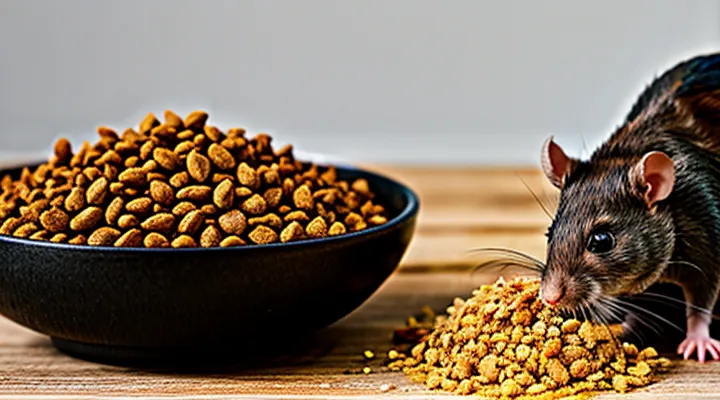
Essential Macronutrients
Proteins: Building Blocks for Health
Proteins supply the amino acids required for tissue growth, enzyme production, and immune function in laboratory and pet rats. A balanced protein supply supports rapid development of muscle, fur, and organ systems while maintaining metabolic efficiency.
- Soybean meal (isolated protein) – high digestibility, complete amino acid profile.
- Whey protein concentrate – rich in branched‑chain amino acids, fast absorption.
- Fish meal – abundant in lysine and methionine, moderate fat content.
- Egg white powder – low‑fat, high‑quality protein with excellent bioavailability.
- Pea protein isolate – plant‑based source, complementary to cereal proteins.
Rats require specific ratios of essential amino acids; lysine, methionine, threonine, and tryptophan must be present in sufficient quantities to prevent growth retardation. Supplementation with crystalline amino acids can correct deficiencies when using cereal‑dominant formulations.
Typical protein inclusion ranges from 15 % to 20 % of total diet dry matter for adult rats and 20 % to 25 % for growing juveniles. Exceeding 25 % can increase nitrogen waste, reduce feed intake, and impair kidney function. Formulations should be tested for crude protein content and amino acid balance using standard laboratory analysis.
Key considerations when selecting protein ingredients:
- Verify absence of antinutritional factors such as trypsin inhibitors in soy products.
- Ensure minimal microbial contamination; heat‑treated ingredients reduce pathogen risk.
- Match protein source digestibility to the animal’s age and health status.
- Monitor for allergens; some rats may react to egg or fish proteins.
Consistent protein quality, appropriate inclusion levels, and balanced amino acid composition are fundamental to maintaining rat health and experimental reliability.
Fats: Energy and Absorption
Fats supply the highest caloric density of any macronutrient, providing approximately 9 kcal per gram. In a rat’s diet, fats contribute essential energy for thermoregulation, locomotion, and growth, particularly during rapid developmental phases.
Absorption of dietary lipids occurs primarily in the small intestine. Bile salts emulsify fat droplets, increasing surface area for pancreatic lipase action. Lipase hydrolyzes triglycerides into free fatty acids and monoglycerides, which form micelles with bile salts. Micelles transport the lipolysis products to the enterocyte brush border, where passive diffusion and protein‑mediated transport facilitate uptake. Within enterocytes, fatty acids recombine into triglycerides, are packaged into chylomicrons, and enter the lymphatic system for systemic distribution.
Essential fatty acids, notably linoleic (omega‑6) and α‑linolenic (omega‑3) acids, cannot be synthesized by rats and must be supplied through the diet. Deficiencies impair membrane integrity, immune function, and reproductive performance. Adequate provision of these polyunsaturated fats ensures proper eicosanoid synthesis and cellular signaling.
Practical recommendations for formulating rat feed:
- Include 5–10 % total fat by weight, adjusting for life stage and activity level.
- Source fats from a blend of animal (e.g., lard, fish oil) and plant oils (e.g., soybean, safflower) to achieve a balanced omega‑6 to omega‑3 ratio of roughly 5:1.
- Ensure fat sources are low in saturated fats to prevent excessive cholesterol accumulation.
- Incorporate antioxidants such as vitamin E to protect polyunsaturated fats from oxidation during storage.
Monitoring feed intake and body condition scores allows fine‑tuning of fat levels to maintain optimal energy balance without promoting obesity.
Carbohydrates: Primary Energy Source
Carbohydrates supply the majority of metabolic energy required for a rat’s rapid growth, active foraging, and thermoregulation. Glucose derived from digestible carbs fuels cellular respiration, supporting muscle contraction, neural activity, and tissue repair.
Preferred carbohydrate sources for laboratory and pet rats include:
- Whole grains (e.g., rolled oats, barley, brown rice) – high in complex starches, low in simple sugars.
- Legume meals (e.g., lentils, split peas) – provide starch and modest protein.
- Vegetables with moderate starch content (e.g., sweet potato, pumpkin) – add fiber and micronutrients.
- Commercial rodent pellets formulated with balanced starch levels – ensure consistent nutrient ratios.
Recommended carbohydrate contribution to the overall diet ranges from 45 % to 55 % of total caloric intake. Excess simple sugars (e.g., honey, fruit juices) should be limited to under 5 % of calories to prevent rapid blood‑glucose spikes and potential obesity. Fiber, while technically a carbohydrate, is classified separately; inclusion of insoluble fiber (e.g., cellulose) at 5 %–10 % of the diet aids gastrointestinal motility without contributing significant energy.
When formulating a rat diet, consider the following guidelines:
- Verify that carbohydrate sources are free from mold toxins and mycotoxins, which can impair liver function.
- Ensure a balance between rapidly digestible starches and slower‑release complex carbs to maintain stable blood‑glucose levels.
- Complement carbohydrate intake with adequate protein (15 %–20 % of calories) and essential fats (5 %–10 % of calories) to meet overall nutritional requirements.
Implementing these carbohydrate specifications yields a diet that meets the primary energetic demands of rats while supporting health and longevity.
Micronutrients and Supplements
Vitamins: Vital for Bodily Functions
Vitamins are indispensable micronutrients that support metabolic pathways, immune competence, and tissue maintenance in laboratory and pet rats. Each vitamin contributes specific biochemical functions; deficiencies manifest as growth retardation, coat deterioration, or neurological disturbances.
Key vitamins for rats include:
- Vitamin A (retinol): Essential for vision, epithelial integrity, and reproduction. Provide via liver, carrots, and fortified pellets at 1,000–2,000 IU/kg diet.
- Vitamin D3 (cholecalciferol): Regulates calcium‑phosphate balance, bone mineralization. Sources include sunlight‑exposed skin, fish oil, and fortified feed; target level 1,000–2,000 IU/kg.
- Vitamin E (α‑tocopherol): Antioxidant protecting cell membranes from lipid peroxidation. Include vegetable oils, wheat germ, or supplement to achieve 30–50 mg/kg.
- Vitamin K: Required for blood clotting factor activation. Leafy greens and fermented soy provide adequate amounts; supplementation rarely needed if diet contains fresh vegetables.
- B‑complex vitamins (B1, B2, B3, B5, B6, B7, B9, B12): Participate in energy metabolism, red blood cell formation, and nervous system function. Whole‑grain cereals, legumes, and commercial rodent chow supply the full spectrum; monitor for signs of deficiency such as lethargy or neurologic tremors.
- Vitamin C: Rats synthesize this antioxidant endogenously; supplemental inclusion is unnecessary unless dietary stressors impair synthesis.
Optimal vitamin provision relies on balanced commercial rodent diets supplemented with natural foods. Over‑supplementation can cause toxicity—hypervitaminosis A leads to skeletal abnormalities, excess vitamin D precipitates calcification of soft tissues. Regular formulation checks and adherence to established nutritional guidelines prevent both deficits and excesses, ensuring robust health and reproductive performance in rat colonies.
Minerals: Bone Health and Metabolism
Calcium and phosphorus are the primary minerals governing skeletal development in rats. An optimal calcium‑to‑phosphorus ratio of approximately 1.2 : 1 supports proper bone mineralization; deviations increase the risk of osteopenia or abnormal calcification. Sources such as powdered bone meal, low‑fat cheese, and fortified rodent pellets provide readily absorbable calcium, while whole grains, nuts, and soy products contribute phosphorus.
Magnesium participates in enzymatic reactions that regulate energy production and calcium transport. Adequate magnesium, supplied by pumpkin seeds, spinach, and commercial mineral mixes, prevents muscle tremors and supports nerve function.
Potassium and sodium maintain electrolyte balance essential for cellular metabolism. Excess sodium can elevate blood pressure, whereas potassium, found in bananas and sweet potatoes, assists in fluid regulation and muscle contraction.
Trace minerals—including zinc, copper, manganese, and selenium—act as cofactors for enzymes involved in bone turnover and antioxidant defenses. Zinc, sourced from meat scraps or fortified feeds, aids collagen synthesis; copper, present in liver and whole‑grain cereals, facilitates cross‑linking of bone matrix proteins.
A practical mineral plan for rats may be outlined as follows:
- Calcium: 0.8–1.0 % of total diet; include bone meal or calcium carbonate.
- Phosphorus: 0.6–0.8 % of total diet; incorporate whole grains and soy.
- Magnesium: 0.1–0.2 % of total diet; add pumpkin seeds or leafy greens.
- Potassium: 0.5–0.7 % of total diet; provide banana slices or sweet potato.
- Trace minerals: meet NRC recommendations through a balanced commercial mix.
Monitoring urine pH, coat condition, and growth rate can reveal mineral imbalances early. Deficiency in calcium manifests as fragile bones and dental problems; excess phosphorus may impair calcium absorption, leading to skeletal weakness. Adjustments should be made gradually, respecting established nutrient thresholds to avoid toxicity.
Water: The Most Important Nutrient
Water constitutes the primary nutrient for laboratory and pet rats, accounting for the majority of their daily intake. Rats lose fluid through respiration, urination, and feces; without continuous replenishment, dehydration develops rapidly, impairing kidney function, thermoregulation, and cognitive performance.
Typical adult rats require 30–45 ml of fresh water per 100 g of body weight each day. Access must be uninterrupted, with containers cleaned regularly to prevent bacterial growth. Temperature‑controlled environments reduce evaporative loss, yet even modest temperature rises increase consumption proportionally.
Key considerations for water provision:
- Use stainless‑steel or heavy‑duty plastic bottles with sipper tubes to prevent leakage and contamination.
- Ensure the water source is free of chlorine, heavy metals, and other toxins; filtered or dechlorinated tap water is acceptable.
- Replace water at least once daily; more frequently in warm or humid conditions.
- Monitor intake by measuring bottle volume before and after a 24‑hour period; a sudden decline signals health issues.
Hydration status can be assessed by skin elasticity, eye appearance, and urine concentration. Dark, concentrated urine indicates insufficient intake, while clear, abundant urine reflects adequate hydration. Adjust water volume promptly if abnormalities appear.
In summary, maintaining a constant supply of clean, uncontaminated water is indispensable for optimal rat health, directly influencing metabolic processes, organ function, and overall wellbeing.
Recommended Food Categories
Commercial Rat Blocks/Pellets
Commercial rat blocks and pellets provide a ready‑made, nutritionally balanced source that simplifies daily feeding. They replace the need for mixing separate ingredients and ensure each bite delivers consistent levels of essential nutrients.
Typical nutritional composition includes:
- Protein: 15‑20 % from animal or plant sources such as soy, fish meal, or whey.
- Fat: 4‑8 % from vegetable oils or animal fats, supplying energy and essential fatty acids.
- Fiber: 5‑7 % from beet pulp, wheat bran, or cellulose, supporting digestive health.
- Vitamins and minerals: premixed premix covering A, D, E, K, B‑complex, calcium, phosphorus, magnesium, and trace elements.
- Moisture: 5‑10 % to maintain palatability without promoting spoilage.
Quality indicators to evaluate:
- Clearly listed protein source; avoid generic “meat by‑product” without specification.
- Minimal filler content; excessive corn, wheat, or soy may reduce nutrient density.
- Absence of artificial colors, flavors, or preservatives.
- Inclusion of a balanced vitamin‑mineral premix meeting the nutritional requirements for adult, juvenile, or breeding rats.
Benefits of using blocks or pellets:
- Uniform nutrient delivery reduces the risk of deficiencies.
- Compact form limits waste and spillage, keeping cages cleaner.
- Hard texture promotes natural gnawing behavior, helping maintain dental health.
Potential drawbacks and precautions:
- Low‑quality products may contain substandard protein or excessive carbohydrates.
- Some formulations lack adequate calcium‑phosphorus ratios, which can affect bone development.
- Over‑reliance on a single product may limit dietary variety; supplement with fresh vegetables or occasional treats.
Storage recommendations:
- Keep in a sealed container in a cool, dry environment.
- Protect from direct sunlight and humidity to prevent mold growth.
- Observe expiration dates and discard any product that shows discoloration or off‑odors.
Fresh Fruits and Vegetables
Fresh fruits and vegetables provide essential vitamins, minerals, and fiber that support a rat’s immune system, digestive health, and overall vitality. When incorporated correctly, these plant foods complement protein‑rich staples and reduce the risk of nutritional deficiencies.
Key nutrients supplied by common produce include:
- Vitamin C from bell peppers, strawberries, and kale, preventing scurvy in species that cannot synthesize the vitamin.
- Beta‑carotene in carrots and sweet potatoes, which converts to vitamin A for vision and skin health.
- Folate in spinach and broccoli, aiding cellular replication and red blood cell formation.
- Potassium from bananas and cucumbers, maintaining electrolyte balance.
- Dietary fiber from apples, peas, and zucchini, promoting gut motility and preventing constipation.
Safe selection guidelines:
- Choose organic or thoroughly washed items to eliminate pesticide residues.
- Remove seeds, pits, and cores that may contain toxic compounds (e.g., apple seeds contain cyanogenic glycosides).
- Offer only small portions—approximately 10 % of the total daily intake—to avoid excess sugar or calcium that can lead to obesity or urinary issues.
- Introduce new vegetables gradually, monitoring for signs of digestive upset such as diarrhea or reduced appetite.
- Discard any produce that shows signs of mold, rot, or wilting, as these can harbor harmful bacteria.
Recommended daily servings for an adult laboratory rat (approximately 200–250 g body weight) might include:
- 1–2 grams of finely chopped carrots or sweet potato.
- 1 gram of leafy greens such as romaine lettuce, kale, or spinach.
- 0.5–1 gram of fruit pieces like blueberries, raspberries, or banana.
These quantities ensure a balanced contribution of micronutrients without overwhelming the animal’s caloric budget. Regular rotation of fruit and vegetable varieties prevents monotony and reduces the likelihood of nutrient imbalances.
Safe Fruits
Rats can enjoy a variety of fruit that provides vitamins, antioxidants, and natural sugars without compromising health. Offer fruit in moderation to prevent digestive upset and obesity.
Safe options include:
- Apple (core and seeds removed)
- Blueberries
- Strawberries
- Raspberries
- Blackberries
- Pear (seedless)
- Kiwi (peeled)
- Banana (small slice)
- Melon (cantaloupe, honeydew)
- Mango (peeled, seed removed)
Preparation guidelines:
- Wash thoroughly to eliminate pesticide residues.
- Remove pits, cores, and seeds that contain cyanogenic compounds.
- Cut into bite‑size pieces to reduce choking risk.
- Serve fresh; discard leftovers after a few hours to avoid mold growth.
Nutritional contributions:
- Vitamin C from berries and kiwi supports immune function.
- Fiber from apples and pears aids gastrointestinal health.
- Potassium from bananas and melons assists electrolyte balance.
Feeding frequency:
- Limit fruit to 5‑10 % of the total diet by weight.
- Provide fruit two to three times per week, alternating varieties to ensure a balanced intake.
Avoid:
- Citrus fruits such as oranges and grapefruits, which can cause stomach irritation.
- Grapes and raisins, linked to renal toxicity in rodents.
- Dried fruit with added sugars, which may lead to weight gain and dental issues.
Safe Vegetables
Safe vegetables provide essential vitamins, minerals, and fiber for pet rats. Include a variety of fresh, washed produce to promote digestive health and prevent nutritional deficiencies.
- Carrots: rich in beta‑carotene, low in sugar; offer in small, bite‑size pieces.
- Bell peppers (all colors): high in vitamin C and antioxidants; remove seeds and stems.
- Broccoli florets: source of calcium and vitamin K; feed sparingly to avoid gas.
- Zucchini: mild flavor, high water content; serve raw or lightly steamed.
- Spinach: provides iron and folate; limit to occasional servings due to oxalates.
- Kale: supplies vitamin A and calcium; offer in limited amounts to prevent thyroid interference.
- Cucumber: hydrating, low calorie; give peeled slices to reduce pesticide residue.
- Sweet potato: excellent source of complex carbs and vitamin A; cook thoroughly and dice into small cubes.
Preparation guidelines: wash all vegetables under running water; peel if surface contaminants are suspected; cut into pieces no larger than a rat’s head; remove any tough stems, seeds, or leaves that may cause choking. Introduce new items gradually, observing for signs of diarrhea or reduced appetite. Avoid vegetables high in oxalic acid (e.g., raw beet greens), nightshades (e.g., raw tomatoes), and those containing toxic compounds such as raw onions or garlic. Rotate selections to maintain a balanced micronutrient profile and prevent palate fatigue.
Healthy Grains and Seeds
Grains and seeds supply carbohydrates, fiber, protein, and micronutrients that support growth, energy metabolism, and gastrointestinal health in rats. Incorporating a balanced selection prevents nutrient gaps and promotes stable body weight.
Recommended items include:
- Oats (whole or rolled): high in soluble fiber, moderate protein, low fat.
- Brown rice: source of complex carbohydrates and B‑vitamins.
- Quinoa: complete protein profile, contains iron and magnesium.
- Millet: rich in phosphorus and manganese, easily digestible.
- Barley (hulled): provides beta‑glucan fiber, beneficial for gut flora.
- Amaranth: high lysine content, supports tissue repair.
- Sunflower seeds (unshelled, raw): source of vitamin E and healthy fats.
- Flaxseed (ground): delivers omega‑3 fatty acids and lignans for antioxidant protection.
Portion sizes should reflect the rat’s age, activity level, and overall diet composition. A typical daily allowance ranges from 5 % to 10 % of total food intake, measured by weight. Rotate the selected grains and seeds weekly to ensure a diverse nutrient profile and reduce the risk of dietary monotony.
Lean Protein Sources
Lean protein supplies the essential amino acids rats require for tissue growth, reproduction, and immune function. Adequate protein supports healthy fur, dental health, and energy balance without contributing excess fat.
- Cooked chicken breast, skinless and boneless
- Cooked turkey breast, skinless
- Lean beef, such as sirloin, trimmed of visible fat and cooked thoroughly
- Low‑fat cottage cheese or plain Greek yogurt (unsweetened)
- Cooked eggs, whites preferred, yolk limited to prevent excess cholesterol
- Small amounts of boiled fish (e.g., whitefish, cod) with bones removed
When offering these proteins, use plain cooking methods—boiling, steaming, or baking—without oil, salt, or seasoning. Portion sizes should not exceed 1–2 teaspoons per 100 g of body weight per day, divided across meals. Avoid processed meats, cured products, and any items containing additives or preservatives, as they can introduce harmful substances and unnecessary fat.
Integrate lean protein with a balanced mix of grains, vegetables, and fiber sources to meet the overall dietary requirements of laboratory or pet rats. Regularly rotate protein types to provide a varied amino acid profile and reduce the risk of nutrient deficiencies.
Foods to Avoid and Harmful Substances
Toxic Foods for Rats
Rats require a balanced diet, but many common foods can cause severe health problems. Identifying and eliminating these hazards is essential for safe nutrition.
- Chocolate and cocoa: contain theobromine, which can induce cardiac arrhythmia and seizures.
- Caffeine (coffee, tea, energy drinks): stimulates the nervous system, leading to hyperactivity, tremors, and potential death.
- Alcohol: depresses central nervous function, resulting in respiratory failure and organ damage.
- Raw or undercooked beans (especially red kidney beans): contain phytohemagglutinin, a toxin that damages intestinal lining and may cause vomiting and diarrhea.
- Citrus peels and large amounts of citrus fruit: high acidity irritates the stomach and can lead to ulceration.
- Onions, garlic, chives, and leeks: contain sulfur compounds that cause hemolytic anemia by destroying red blood cells.
- Avocado flesh and pit: persin induces respiratory distress and heart damage in rodents.
- High‑salt snacks (potato chips, pretzels): cause electrolyte imbalance, dehydration, and kidney strain.
- Processed meats with nitrates or nitrites: increase risk of methemoglobinemia, reducing oxygen transport in the blood.
- Sugary candy and artificial sweeteners (especially xylitol): rapid blood‑sugar spikes and, for xylitol, severe hypoglycemia and liver failure.
Avoiding these items protects digestive health, prevents toxic reactions, and supports the overall nutritional quality of a rat’s diet.
High-Sugar and High-Fat Foods
High‑sugar and high‑fat items can distort the nutritional balance required for laboratory and pet rats. Simple carbohydrates such as honey, fruit juices, and candy provide rapid energy spikes but lack essential amino acids, vitamins, and minerals. Excessive intake leads to hyperglycemia, increased adiposity, and a heightened risk of insulin resistance.
Dietary fat is essential for membrane integrity and hormone synthesis, yet saturated and trans fats found in processed snacks, butter, and certain oils promote obesity and hepatic steatosis when overrepresented. Elevated plasma lipid levels impair cardiovascular function and shorten lifespan in rodent models.
To integrate these macronutrients safely, limit added sugars to less than 5 % of total caloric intake and restrict total fat to 10–15 % of calories, emphasizing unsaturated sources. Replace sugary treats with small portions of fresh berries or grated carrots, and substitute animal fats with flaxseed oil or fish oil capsules for omega‑3 enrichment.
Practical recommendations
- Offer fruit treats no more than twice weekly; keep portions under 0.5 g per rat.
- Use commercially prepared rodent chow that lists fat content; supplement with 1 % vegetable oil if needed.
- Avoid processed human snacks, confectionery, and fried foods entirely.
- Monitor body weight weekly; adjust sugar and fat provisions if growth exceeds species‑specific curves.
Processed Human Foods
Processed human foods can be part of a balanced rat diet when selected carefully. Nutrient density, sodium content, and additive levels determine suitability.
- Cooked lean meats (chicken, turkey, lean beef) supply high‑quality protein and essential amino acids. Remove skin, bones, and excess fat before offering.
- Plain cooked eggs provide complete protein and vitamins A, D, and B12. Serve scrambled or hard‑boiled without oil or seasoning.
- Low‑fat plain yogurt contributes calcium, probiotics, and moderate protein. Choose products without added sugars or fruit pieces.
- Small portions of unsalted, unflavored nuts (almonds, peanuts) deliver healthy fats and vitamin E. Limit to a few pieces weekly to avoid excess calories.
- Whole‑grain cereals (plain oats, brown rice) add complex carbohydrates and fiber. Cook without butter, salt, or sweeteners.
- Fresh fruits such as apple slices (core removed), blueberries, or banana chunks offer natural sugars, vitamins, and antioxidants. Offer in moderation to prevent digestive upset.
- Vegetables like cooked carrots, peas, or zucchini contribute vitamins, minerals, and fiber. Serve without added sauces or oils.
Avoid processed items containing high levels of sodium, sugar, artificial preservatives, or strong spices. Examples of unsuitable foods include processed meats (bacon, sausage), flavored chips, candy, and sugary baked goods. These can cause electrolyte imbalance, obesity, or gastrointestinal irritation.
Preparation guidelines:
- Cook all animal proteins thoroughly to eliminate pathogens.
- Cool foods to room temperature before feeding.
- Cut pieces to bite‑size dimensions to prevent choking.
- Store leftovers in airtight containers for no more than 24 hours in the refrigerator.
Integrating limited amounts of the listed processed human foods can enhance dietary variety and provide additional nutrients, provided the core diet remains based on high‑quality rat pellets and fresh produce. Regular monitoring of weight and health indicators ensures the diet remains appropriate.
Dietary Considerations and Special Cases
Age-Specific Diets
Age‑specific nutrition for pet rats must match physiological demands at each life stage. Neonatal rats rely on a milk formula that supplies high‑quality protein (≈20 % of calories), fat (≈10 % of calories), and lactose for energy. The formula should contain 8‑10 % calcium and 1‑2 % phosphorus to support rapid skeletal growth, with vitamin D3 at 400 IU/kg to aid calcium absorption. Feeding frequency is every 2‑3 hours, with volumes of 2‑3 ml per 10 g of body weight.
Juvenile rats (3‑12 weeks) transition to a balanced pelleted diet. The pellet should provide 18‑20 % protein, 5‑7 % fat, and 3‑4 % fiber to promote gut health. Calcium and phosphorus ratios of 1.2:1 maintain bone development; vitamin E and B‑complex vitamins support metabolic activity. Introduce small amounts of fresh vegetables (e.g., carrots, broccoli) for micronutrients, limiting citrus to avoid acidity.
Adult rats (3‑18 months) require maintenance calories with stable protein (≈18 %) and moderate fat (≈5 %). Fiber content of 4‑5 % prevents gastrointestinal issues. Calcium should remain at 0.8‑1.0 % of diet, phosphorus at 0.6‑0.8 %, preserving the 1.2:1 ratio. Supplement occasional treats of nuts or seeds for healthy fats, ensuring total fat does not exceed 7 % of calories.
Senior rats (over 18 months) benefit from reduced calorie density to mitigate weight gain. Protein can be slightly lowered to 16 % while maintaining essential amino acids. Increased omega‑3 fatty acids (e.g., flaxseed oil) aid joint health. Calcium requirements rise to 1.0‑1.2 % with phosphorus unchanged, preserving bone density. Fiber should be elevated to 6‑7 % to support slower digestion. Monitor water intake and provide moist foods to prevent dehydration.
Key nutrient guidelines by age
- Neonates: high‑protein milk replacer, balanced Ca/P, vitamin D3, frequent small feeds.
- Juveniles: pelleted diet with 18‑20 % protein, moderate fat, 1.2:1 Ca/P, vitamin E, B‑complex, limited fresh veg.
- Adults: maintenance pellets, 18 % protein, 5‑7 % fat, 4‑5 % fiber, stable Ca/P, occasional healthy fats.
- Seniors: lower calories, 16 % protein, added omega‑3, 1.0‑1.2 % calcium, 6‑7 % fiber, moisture‑rich foods.
Adhering to these specifications aligns dietary intake with the developmental and metabolic needs of rats at each stage, promoting optimal health and longevity.
Health Conditions and Dietary Adjustments
Rats commonly experience health issues that are directly linked to nutrition. Obesity arises when caloric density exceeds energy expenditure, leading to fatty liver and reduced mobility. Dental overgrowth results from insufficient abrasive material, causing malocclusion and difficulty eating. Respiratory problems often correlate with low humidity and dry feed, which irritate nasal passages. Urinary calculi develop when dietary calcium and phosphorus ratios are imbalanced, promoting stone formation. Gastrointestinal disturbances, such as diarrhea or constipation, reflect inadequate fiber, water content, or abrupt dietary changes.
Effective dietary adjustments target the underlying cause of each condition:
- Obesity: Reduce high‑fat pellets, increase low‑calorie vegetables (e.g., kale, broccoli), and limit sugary treats.
- Dental health: Incorporate hard, fibrous items such as untreated wood blocks, fresh carrots, and leafy greens to promote natural tooth wear.
- Respiratory support: Provide fresh water sources with higher moisture content, add a small proportion of fresh fruit (e.g., apple slices) to increase overall humidity of the diet.
- Urinary health: Balance calcium and phosphorus by offering a mix of low‑calcium greens (e.g., romaine lettuce) and moderate‑phosphorus foods (e.g., peas), and avoid excessive dairy products.
- Gastrointestinal stability: Ensure a minimum of 15 % crude fiber by including bran, oats, or shredded cabbage; introduce new foods gradually to prevent microbial imbalance.
Monitoring body condition scores, tooth length, and urine clarity enables early detection of problems. Adjustments should be made incrementally, with observations recorded over at least two weeks to confirm efficacy. Regular veterinary consultation remains essential for diagnosing underlying disorders that diet alone cannot resolve.
Introducing New Foods
When expanding a rat’s diet, begin with a clear assessment of the current nutritional baseline. Identify any deficiencies or excesses, then select new items that complement protein, fiber, fat, vitamins, and minerals already supplied.
Introduce each novel ingredient in small quantities, typically no more than 5‑10 % of the total daily intake. Mix the new component with familiar food to reduce resistance and to allow digestive adaptation. Observe the animal for at least 48 hours before adding another item; look for changes in stool consistency, appetite, or activity levels.
Safety considerations include:
- Excluding foods known to be toxic to rodents (e.g., raw onions, chocolate, citrus peels).
- Prioritizing fresh, unprocessed produce without pesticide residues.
- Ensuring that any seed or nut is unsalted and unroasted, as added oils can upset lipid balance.
- Verifying that introduced grains are whole‑grain, not refined, to maintain fiber content.
Gradual integration supports gut flora stability. If a rat tolerates the new food, increase its proportion by 5 % increments each week until the desired level is reached. Record each adjustment to track nutritional trends and to facilitate future modifications.
Monitoring remains essential. Persistent digestive upset, weight loss, or behavioral changes signal the need to discontinue the ingredient and reassess its suitability.
Meal Planning and Feeding Practices
Frequency and Portion Sizes
Rats require consistent feeding intervals to maintain stable blood glucose and support rapid metabolism. Most adult laboratory or pet rats thrive on two meals per day, spaced roughly 12 hours apart; younger pups may need three smaller feedings due to higher growth demands. Feeding at the same times each day reduces stress and encourages predictable intake patterns.
Portion size depends on body weight, activity level, and dietary composition. General guidelines:
- Adult rats (150–250 g): 20–30 g of a balanced dry mix daily, divided between the two meals. If fresh vegetables are included, reduce dry mix by 5 g to keep total caloric intake stable.
- Juvenile rats (under 150 g): 10–15 g of dry mix plus a proportionate amount of soft foods, split into three feedings.
- Breeding females: 30–40 g of high‑protein dry mix plus additional fresh greens, divided into three meals to support gestation and lactation.
- Highly active or overweight rats: Adjust portions by ±10 % while monitoring body condition scores weekly.
Treats should constitute no more than 5 % of total daily calories. Offer treats once or twice a week, limiting each serving to 1–2 g of low‑sugar items such as tiny pieces of fruit or commercial rodent treats.
Water must be available at all times; replace it daily to prevent contamination. Monitoring food disappearance and body weight provides immediate feedback on whether frequency or portion adjustments are required.
Monitoring Health and Weight
Regular weighing provides the most reliable indicator of a rat’s nutritional status. Use a digital scale with a capacity of at least 500 g and a precision of 0.1 g. Record the weight at consistent times—preferably in the morning before feeding—to reduce variability caused by recent food intake. Plot each animal’s weight on a simple spreadsheet; a trend line reveals gradual gains or losses that may require dietary adjustment.
Assess body condition by palpating the rib cage and lumbar spine. A thin rat shows prominent bones with minimal fat cover; a well‑conditioned rat displays a smooth, slightly rounded silhouette. Combine visual scoring with weight data to differentiate temporary fluctuations from genuine health concerns.
Monitor food consumption closely. Measure the amount offered and the amount remaining after 24 hours; calculate the average daily intake per gram of body weight. Sudden changes in intake often precede weight shifts and can signal metabolic or gastrointestinal issues.
Schedule periodic veterinary examinations. A veterinarian can evaluate organ health, check for parasites, and run blood panels that detect deficiencies or excesses in nutrients such as protein, calcium, and vitamin C. Use the results to fine‑tune the diet composition, ensuring macronutrient ratios remain within species‑specific recommendations.
Maintain detailed records for each rat: weight, body‑condition score, daily food intake, health observations, and any medical interventions. Consistent documentation enables early detection of trends, supports evidence‑based diet modifications, and promotes long‑term welfare.
Food Storage and Hygiene
Proper storage and hygiene are critical for maintaining the nutritional value and safety of rat feed. Degraded or contaminated food can lead to nutritional deficiencies, digestive upset, or disease outbreaks within a colony.
Store dry components—grains, seeds, pellets—in airtight containers made of food‑grade plastic or glass. Keep the storage area cool (15‑20 °C) and dry (relative humidity below 60 %). Light‑proof containers reduce vitamin loss. For fresh items such as vegetables or fruits, use refrigerated bins at 4 °C and consume within 48 hours to prevent spoilage.
Handle feed with clean hands or disposable gloves. Sanitize scoops, bowls, and feeding trays after each use with a mild detergent followed by a rinse with hot water. Separate raw ingredients from prepared mixes to avoid cross‑contamination. Discard any feed that shows mold, odor, or discoloration.
Label each batch with the preparation date and rotate stock on a first‑in, first‑out basis. Monitor expiration dates and perform weekly visual inspections. Record any incidents of spoilage or illness to adjust storage practices promptly.
Key practices:
- Airtight, opaque containers for dry feed
- Refrigeration for perishable items, consumed within two days
- Temperature 15‑20 °C, humidity < 60 % for dry storage
- Hand washing or gloves before handling feed
- Daily cleaning of feeding equipment with detergent and hot water
- Batch labeling and FIFO rotation
- Immediate disposal of moldy or off‑smelling food
Implementing these measures preserves nutrient integrity, minimizes waste, and supports the overall health of laboratory or pet rats.