
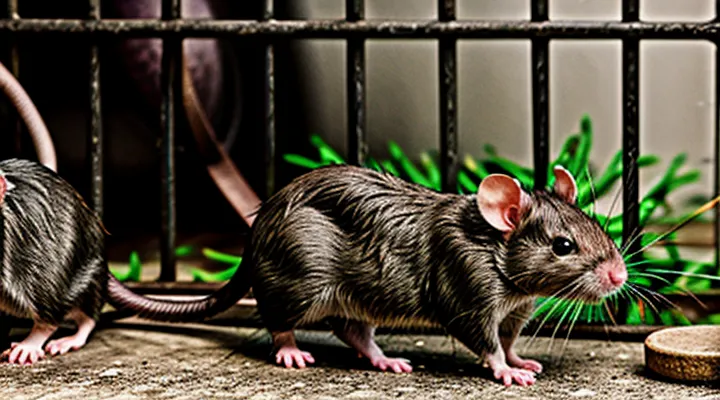
«Understanding the Threat»
«Types of Rats and Their Characteristics»
«Norway Rat (Rattus norvegicus)»
The animal known as «Norway Rat (Rattus norvegicus)» belongs to the family Muridae and is the largest rodent found in urban and rural settings worldwide. Native to East Asia, it has spread across continents through maritime trade, establishing populations in sewers, basements, agricultural buildings, and outdoor burrows.
Adult individuals reach lengths of 20–25 cm, excluding a tail of comparable size, and weigh up to 500 g. Breeding cycles occur year‑round in temperate zones, with females producing 5–7 litters annually, each consisting of 6–12 offspring. The species exhibits omnivorous feeding habits, consuming grains, waste, insects, and carrion, which enables rapid population growth in environments with abundant food sources.
Health risks associated with this rodent include transmission of pathogens such as Leptospira, hantavirus, and Salmonella, as well as mechanical spread of parasites. Structural damage results from gnawing on electrical wiring, insulation, and building materials, creating fire hazards and costly repairs.
Effective eradication programs combine several tactics:
- Environmental sanitation: removal of food residues, secure storage of waste, and elimination of water sources.
- Physical barriers: sealing entry points, installing steel mesh, and maintaining intact foundations.
- Trapping: deployment of snap traps or live‑capture devices in high‑activity zones.
- Rodenticides: strategic placement of anticoagulant baits with monitoring to minimize non‑target exposure.
- Integrated pest management: coordination of monitoring, habitat modification, and control methods to sustain low population levels.
Continuous monitoring, data‑driven assessments, and adherence to regulatory guidelines underpin long‑term suppression of «Norway Rat (Rattus norvegicus)» infestations.
«Roof Rat (Rattus rattus)»
The roof rat (Rattus rattus) is a nocturnal, arboreal rodent commonly found in attics, eaves, and other elevated structures. Its slender body, long tail, and ability to climb smooth surfaces enable rapid colonization of roofs, gutters, and ceiling cavities. Populations thrive in warm, humid climates where food sources such as grains, fruit, and stored products are readily available.
Damage caused by this species includes contamination of food supplies with urine and feces, gnawing of electrical wiring, and degradation of insulation materials. The presence of roof rats also increases the risk of disease transmission, as they can carry pathogens like Leptospira and Salmonella. Early detection relies on visual sightings, droppings, gnaw marks, and audible activity in ceiling spaces.
Effective eradication strategies focus on habitat modification, exclusion, and targeted baiting. Integrated approaches combine sanitation, structural repairs, and chemical control to reduce populations and prevent reinfestation.
- Seal entry points larger than ¼ inch with metal flashing or cement.
- Remove food sources by storing grain, pet food, and refuse in sealed containers.
- Install bait stations containing anticoagulant or non‑anticoagulant rodenticides, positioning them in concealed attic locations.
- Apply tamper‑resistant traps near known travel routes, monitoring them daily.
- Conduct regular inspections of roof and eave structures to identify new activity promptly.
«House Mouse (Mus musculus)»
The house mouse (Mus musculus) is a small, omnivorous rodent commonly found in human dwellings. Adult individuals average 6–10 cm in body length, with a tail of comparable size, and weigh 15–30 g. Reproductive capacity is high: females can produce up to ten litters per year, each containing 5–8 offspring, with a gestation period of 19–21 days. This rapid turnover enables swift population expansion under favorable conditions.
Key biological traits influencing control strategies include nocturnal activity, strong exploratory behavior, and a preference for concealed nesting sites such as wall voids, attics, and stored goods. House mice locate food sources through keen olfactory senses and can exploit minimal food residues. Their ability to squeeze through openings as small as 6 mm necessitates thorough sealing of structural gaps.
Effective eradication measures involve a combination of preventive, monitoring, and active control actions:
- Structural exclusion: Seal all openings ≥6 mm, install metal flashing on utility penetrations, and repair deteriorated building fabric.
- Sanitation: Remove food debris, store commodities in airtight containers, and eliminate standing water.
- Population monitoring: Deploy snap traps or electronic sensors in high‑activity zones; record capture rates to assess infestation intensity.
- Chemical intervention: Apply rodenticides in tamper‑resistant bait stations, adhering to label instructions and safety regulations; rotate active ingredients to mitigate resistance.
- Biological control: Consider predatory mammals (e.g., barn owls) or feral cat exclusion where appropriate, recognizing limitations in indoor environments.
Integrated pest management (IPM) frameworks prioritize exclusion and sanitation before chemical use, reducing non‑target exposure and resistance development. Regular inspection cycles, documentation of findings, and adjustment of tactics based on monitoring data ensure sustained suppression of house mouse populations within residential and commercial premises.
«Health Risks Associated with Rat Infestations»
«Disease Transmission»
Rats serve as reservoirs for numerous zoonotic pathogens, facilitating direct and indirect transmission to humans and domestic animals. Their close association with urban waste, food storage facilities, and water sources creates multiple exposure pathways.
Key pathogens transmitted by rodents include:
- «Leptospira interrogans», the agent of leptospirosis, spread through contaminated urine.
- «Salmonella enterica», responsible for salmonellosis, transmitted via fecal contamination of food.
- «Yersinia pestis», the causative organism of plague, transferred by flea bites originating on rodent hosts.
- «Hantavirus», causing hemorrhagic fever with renal syndrome, dispersed through aerosolized rodent excreta.
- «Bartonella spp.» and «Streptobacillus moniliformis», agents of rat‑bite fever, introduced through puncture wounds.
Transmission routes encompass:
- Direct contact with rodent saliva, urine, or feces.
- Ingestion of food or water tainted by rodent excreta.
- Inhalation of aerosolized particles from dried droppings.
- Vector‑mediated spread via ectoparasites such as fleas and mites.
Human infection leads to acute clinical manifestations, prolonged morbidity, and, in severe cases, mortality. Economic consequences arise from healthcare costs, loss of productivity, and disruption of food‑safety systems.
Effective eradication programs incorporate:
- Systematic trapping and baiting to reduce rodent populations.
- Environmental sanitation that eliminates food and shelter sources.
- Structural exclusion measures, including sealing entry points and installing rodent‑proof barriers.
- Continuous surveillance for rodent activity and pathogen presence, enabling timely intervention.
- Public education on hygiene practices that limit exposure to rodent‑borne hazards.
«Allergens and Asthma»
Rodent infestations introduce allergenic proteins into indoor environments. Urine, saliva, dander and feces contain rodent‑derived allergens that can sensitize the respiratory system. Exposure to these particles is linked to increased incidence of asthma symptoms, particularly in children and individuals with pre‑existing respiratory conditions.
Effective rodent control programs reduce the concentration of airborne allergens. Key components include:
- Integrated pest‑management strategies that combine trapping, baiting and habitat modification.
- Sanitation measures that eliminate food sources and remove contaminant buildup.
- Structural exclusion techniques such as sealing entry points and installing barriers.
Lowered allergen loads translate into measurable health benefits. Studies demonstrate reductions in asthma exacerbations and medication usage following comprehensive pest‑reduction campaigns. Continuous monitoring of rodent activity and indoor air quality ensures sustained improvement.
«Allergen» refers to any substance capable of provoking an immunologic response in susceptible individuals. In the context of rodent control, minimizing allergen presence directly supports respiratory health and aligns with public‑health objectives aimed at reducing asthma burden.
«Economic Impact of Rat Damage»
«Property Damage»
Rats cause extensive «Property Damage» through gnawing, nesting, and contaminating activities. Structural components such as beams, joists, and insulation suffer weakening when rodents chew through wood and drywall. Electrical systems are compromised when wires are stripped, increasing fire risk and leading to costly repairs. Food stores and packaging become contaminated by urine, feces, and hair, resulting in product loss and regulatory penalties.
Economic consequences of such damage include direct repair costs, downtime for affected operations, and increased insurance premiums. Early detection reduces expense; signs include gnaw marks, droppings, and audible activity. Professional deratization programs target the source, employing bait stations, traps, and habitat modification to eliminate infestations and prevent recurrence.
Preventive measures reinforce protection of assets. Seal entry points larger than ¼ inch, store goods in rodent‑proof containers, and maintain cleanliness to remove attractants. Regular inspections combined with an integrated pest‑management plan sustain low risk of future «Property Damage» caused by rats.
«Contamination of Food Supplies»
Rats infiltrate storage facilities, exposing food inventories to pathogens, urine, and fecal matter. Direct contact introduces Salmonella, Leptospira, and Hantavirus, while indirect contamination occurs through gnawed packaging and droppings that settle on surfaces. The resulting health risk extends to consumers, leading to foodborne illness outbreaks and costly product recalls.
Effective mitigation requires coordinated actions:
- Secure entry points: seal cracks, install metal barriers, and maintain airtight doors to prevent rodent ingress.
- Implement regular monitoring: deploy bait stations, motion sensors, and infrared cameras to detect activity early.
- Enforce strict sanitation: remove waste promptly, disinfect surfaces with rodent‑approved agents, and store goods on pallets away from walls.
- Conduct routine inspections: verify integrity of packaging, check for droppings, and test for microbial contamination in high‑risk areas.
Failure to address these factors compromises supply chain integrity, elevates public health threats, and incurs financial losses. Continuous vigilance and comprehensive deratization protocols safeguard food supplies against rodent‑related contamination.
«Deratization Strategies and Methods»
«Assessment and Inspection»
«Identifying Entry Points»
Identifying the pathways through which rats gain access to a building is a prerequisite for any effective eradication effort. Accurate detection of these routes enables targeted sealing, reduces reinfestation risk, and optimizes the allocation of control resources.
Typical entry points include:
- Gaps around utility penetrations such as pipes, cables, and vent ducts;
- Cracks in foundation walls, slab joints, and exterior masonry;
- Unsealed doors, windows, and garage openings, especially those lacking weather stripping;
- Openings at roof eaves, soffits, and attic vents;
- Damaged or missing screens on vents, chimneys, and crawl‑space access points;
- Gaps beneath or around building extensions, decks, and storage sheds;
- Defective or improperly fitted foundation seals around stairwells and service entries.
Inspection protocols should combine visual assessment with tactile probing, employing flashlights, mirrors, and flexible inspection rods to locate concealed breaches. Once identified, each opening must be documented, prioritized by size and traffic potential, and sealed using appropriate materials such as steel wool, cement mortar, expanding foam, or metal flashing. Continuous monitoring after sealing confirms the integrity of the barriers and informs any necessary adjustments.
«Locating Nesting Sites»
Accurate identification of rat nesting locations is essential for any comprehensive rodent control program. Effective eradication relies on pinpointing the exact places where colonies establish burrows, food stores, and shelter.
Common techniques for locating these sites include:
- Visual inspection of structural gaps, wall voids, and underground cavities.
- Installation of tracking plates or non‑toxic bait stations to reveal movement patterns.
- Deployment of trained detection dogs to scent‑track active burrows.
- Use of infrared or thermal imaging devices to detect heat signatures of nocturnal activity.
- Examination of waste accumulation and gnaw marks as indirect indicators.
Collected data should be entered into a geographic information system (GIS) to produce detailed maps of infestation hotspots. Mapping enables prioritization of treatment zones and allocation of resources based on colony density.
After nesting sites are confirmed, targeted actions such as sealing entry points, applying rodenticides in bait stations, and conducting habitat modification reduce the likelihood of re‑infestation. Continuous monitoring of the identified locations ensures that any resurgence is detected early and addressed promptly.
«Estimating Infestation Size»
Accurate estimation of rodent population density underpins any comprehensive deratization effort. Reliable figures guide resource allocation, predict treatment efficacy, and prevent unnecessary chemical exposure.
Data collection begins with systematic site surveys. Trappers placed on a predefined grid record capture rates over a fixed interval; each capture provides a point estimate of local activity. Bait consumption measured in grams per square meter offers an indirect metric, especially where trapping is limited by environmental constraints. Visual signs—droppings, gnaw marks, burrow entrances—are quantified using standardized count sheets, then converted to density values through calibrated conversion factors.
Statistical models translate raw observations into actionable estimates. The Lincoln–Petersen formula applies when a closed population is sampled with marked individuals, yielding a population estimate with confidence intervals. Capture‑Mark‑Recapture extensions incorporate time‑varying capture probabilities, accommodating seasonal fluctuations. Bayesian hierarchical frameworks integrate multiple data streams—traps, baits, visual signs—producing a posterior distribution of «infestation size» that reflects uncertainty across spatial scales.
Environmental indicators refine predictions. Proximity to food sources, water points, and shelter structures correlates strongly with rodent concentrations; regression coefficients derived from historical datasets quantify these relationships. Geographic Information System (GIS) layers map these variables, allowing rapid identification of high‑risk zones.
Routine reassessment validates control measures. Comparative analysis of pre‑ and post‑intervention estimates reveals reduction percentages, informs adaptive management, and documents compliance with regulatory thresholds.
«Non-Chemical Control Methods»
«Exclusion and Proofing»
Exclusion and proofing constitute the preventive core of any systematic rodent control programme. The approach focuses on sealing potential entry points, reinforcing structural barriers, and verifying the integrity of the built environment to deny rats access to food, shelter, and nesting sites.
Key actions include:
- Installing metal flashing or cement‑based sealants around utility penetrations, pipe sleeves, and cable entries.
- Fitting tightly fitting door sweeps and floor gaskets on all exterior doors and service hatches.
- Replacing deteriorated masonry, cracked foundation walls, and damaged soffits with durable, rodent‑resistant materials.
- Applying hardened steel mesh or concrete caps over vent openings, drainage gaps, and roof eaves.
Verification procedures demand regular inspection cycles. Inspectors should conduct visual surveys, probe suspect gaps with calibrated gauges, and employ motion‑activated cameras at high‑risk zones. Documentation of repairs, along with timestamps for each inspection, creates an audit trail that supports ongoing compliance and facilitates rapid response to emerging breaches.
Maintenance protocols require prompt remediation of newly identified openings, routine testing of door and window seals, and periodic reinforcement of existing barriers. By integrating exclusion and proofing into the broader deratization strategy, facilities sustain long‑term protection against rodent incursions without reliance on reactive measures.
«Sanitation and Habitat Modification»
Sanitation and habitat modification constitute essential components of an integrated rodent control program. Effective sanitation eliminates food sources, while habitat modification removes shelter and water availability, creating an environment unsuitable for rodent colonization.
Key actions include:
- Secure storage of waste in sealed containers; regular collection prevents accidental feeding.
- Repair of structural gaps, including cracks in walls, floors, and foundations, to block entry points.
- Management of vegetation around buildings; trimming and removal of dense plantings reduce cover.
- Control of moisture through proper drainage, leak repair, and dehumidification in vulnerable areas.
Implementation of these measures results in reduced rodent activity, lower risk of disease transmission, and enhanced durability of control efforts. Continuous monitoring and maintenance ensure that sanitation standards and habitat conditions remain unfavorable for rodent populations.
«Trapping Techniques»
Effective rat control relies heavily on well‑executed «Trapping Techniques». Proper implementation reduces population density, limits disease transmission, and complements chemical measures.
Common trap categories include:
- Snap traps: rapid kill, suitable for indoor and outdoor use.
- Live‑capture traps: humane removal, require frequent checking.
- Glue boards: passive capture, best for monitoring low‑level activity.
- Electronic traps: automated kill, minimal bait needed.
Placement follows predictable rodent pathways. Traps should be set along walls, behind objects, and near food sources. Distance between traps typically ranges from 1 m to 2 m in high‑traffic zones; spacing widens in peripheral areas. Ensure each trap contacts the wall to align with rats’ tendency to run close to surfaces.
Bait selection influences capture rates. High‑protein foods such as peanut butter, dried fish, or meat scraps attract most species. Bait must be securely attached to prevent removal and stored in sealed containers to avoid spoilage. Rotate bait types weekly to mitigate habituation.
Maintenance requires daily inspection, removal of captured rodents, and immediate resetting of functional traps. Damaged or fouled devices must be replaced. Disposed carcasses should be sealed in double‑bagged containers and incinerated or placed in approved waste facilities.
Monitoring involves recording trap locations, capture counts, and species identification. Data compiled weekly reveal activity trends, inform adjustments in trap density, and validate overall program efficacy. Regular analysis supports timely escalation or reduction of trapping effort.
«Snap Traps»
Snap traps represent a mechanical solution for reducing rat populations in residential, commercial, and industrial environments. The devices operate by delivering an instantaneous, high‑velocity impact that severs the spinal cord, producing rapid mortality. Their simplicity eliminates reliance on chemicals, reducing secondary poisoning risks for non‑target species and humans.
Key characteristics include:
- Hardened steel jaws calibrated to close within milliseconds, ensuring lethal force on rodents weighing 100 g – 500 g.
- Spring‑loaded mechanisms housed in a sealed frame, preventing escape after activation.
- Trigger plates or tunnel entrances designed to accommodate the natural foraging behavior of rats, increasing capture probability.
Effective deployment follows a systematic approach:
- Conduct a thorough inspection to identify active runways, nesting sites, and food sources.
- Position traps perpendicular to walls, with the trigger end facing the anticipated travel direction of the rodent.
- Maintain a spacing of 1 – 2 m along established pathways to create a continuous barrier.
- Replace captured devices promptly, resetting the mechanism and disposing of carcasses according to local health regulations.
Safety considerations mandate the use of protective gloves during handling, secure storage of unused units, and clear labeling to warn occupants of the presence of lethal devices. Regular monitoring of trap performance enables adjustments to placement density and bait selection, optimizing overall efficacy while minimizing human exposure.
«Glue Traps»
Glue traps provide a passive method for capturing rats in environments where active baiting is impractical. The adhesive surface immobilizes rodents upon contact, eliminating the need for toxic substances.
Key characteristics include:
- High capture efficiency for small to medium‑sized rats; larger individuals may escape if weight exceeds adhesive capacity.
- Minimal odor and visual presence, suitable for indoor use in food‑handling areas, warehouses, and residential settings.
- Immediate visual confirmation of capture, allowing rapid disposal and reduced risk of secondary contamination.
Operational considerations:
- Placement at established runways, near walls, and close to entry points maximizes encounter rates.
- Regular inspection, at least once daily, prevents prolonged suffering and limits the potential for trap saturation.
- Proper disposal involves sealing captured rats in a rigid container, followed by incineration or approved waste management procedures.
Safety aspects:
- Non‑chemical nature prevents accidental poisoning of non‑target species, including pets and wildlife.
- Surface toxicity is low; however, handling requires gloves to avoid skin adhesion.
Limitations:
- Ineffective against highly mobile rats that avoid direct contact with the adhesive.
- Legal restrictions in some jurisdictions prohibit the use of glue traps for humane reasons; compliance with local regulations is mandatory.
Integration with broader rodent control programs: glue traps complement exclusion techniques, structural repairs, and population monitoring, contributing to a comprehensive eradication strategy.
«Live Traps»
«Live Traps» provide a non‑lethal method for removing rats from infested areas. The device consists of a cage that closes automatically when a rodent activates a trigger plate, allowing capture without injury. Bait placed inside attracts target species, while a spring‑loaded door secures the animal until release.
Effective designs incorporate dimensions matching the size of the target rat, a smooth interior to prevent injury, and a release mechanism that can be opened remotely or manually. Adjustable trigger sensitivity reduces false captures of non‑target wildlife. Durable materials such as stainless steel or reinforced polymer extend service life under harsh conditions.
Strategic placement maximizes capture rates. Operators should position traps along walls, near known runways, and at entry points to structures. A density of one trap per 10–15 m² ensures coverage in high‑activity zones. Regular inspection—at least once daily—identifies captured rats, allows humane release at a safe distance, and confirms trap functionality. Maintenance includes cleaning, bait replenishment, and mechanism lubrication.
Advantages and limitations:
- Advantages
- Eliminates disease‑transmitting rodents without chemical use.
- Reduces risk of secondary poisoning to predators.
- Allows relocation of captured animals to controlled environments.
- Limitations
- Requires frequent monitoring to prevent stress or mortality.
- May be less effective in large, open spaces without sufficient trap density.
- Relocation sites must comply with local wildlife regulations.
Proper integration of «Live Traps» into a comprehensive rodent control program enhances overall efficacy while adhering to humane standards.
«Chemical Control Methods»
«Rodenticides: Types and Formulations»
The focus of the discussion is «Rodenticides: Types and Formulations», an essential component of comprehensive rodent control strategies.
Rodenticides are classified primarily by their mode of action. Anticoagulant compounds interrupt blood clotting, leading to fatal hemorrhage. Within this group, first‑generation agents (e.g., warfarin) require multiple feedings, while second‑generation agents (e.g., brodifacoum, bromadiolone) achieve lethality after a single ingestion. Non‑anticoagulant chemicals, such as zinc phosphide, generate toxic phosphine gas upon contact with stomach acid, producing rapid mortality. Acute neurotoxins (e.g., bromethalin) disrupt cellular energy production, resulting in central nervous system failure.
Formulations adapt active ingredients to specific deployment conditions. Common delivery formats include:
- Pelleted baits: dense, uniform particles suitable for placement in burrow entrances and concealed stations.
- Block baits: larger, rigid units allowing controlled exposure in high‑traffic zones.
- Liquid baits: emulsions or suspensions applied to surfaces where rodents feed, useful for hard‑to‑reach areas.
- Granular spreads: fine particles dispersed over large outdoor surfaces, targeting foraging populations.
Each formulation incorporates attractants, palatability enhancers, and, where required, weather‑resistant coatings to maintain efficacy under variable environmental conditions. Selection criteria depend on target species behavior, infestation severity, and regulatory constraints governing toxicant use.
Effective deployment integrates product choice with rigorous monitoring, ensuring that bait stations are serviced, non‑target exposure is minimized, and resistance development is mitigated through rotation of active ingredients.
«Anticoagulants»
Anticoagulant rodenticides interrupt the blood‑clotting cascade, causing fatal hemorrhage in target rodents after a single lethal dose. The compounds belong to two chemical families: first‑generation agents (warfarin, chlorophacinone, diphacinone) and second‑generation agents (bromadiolone, difenacoum, brodifacoum). First‑generation products require repeated ingestion to achieve mortality, whereas second‑generation agents are effective after one ingestion due to higher potency and longer biological half‑life.
Key operational considerations include:
- Dosage formulation: Bait concentration must match species‑specific feeding rates to ensure lethal intake without excessive exposure to non‑target organisms.
- Resistance management: Repeated use of a single anticoagulant promotes genetic resistance; rotating between first‑ and second‑generation compounds mitigates this risk.
- Safety protocols: Placement of bait stations in enclosed, inaccessible locations reduces secondary poisoning of predators and scavengers. Personal protective equipment is mandatory during handling to prevent dermal absorption.
- Regulatory compliance: Application must follow local pesticide legislation, including labeling, record‑keeping, and post‑application monitoring.
Effective integration of anticoagulant rodenticides into comprehensive rat control strategies reduces population density, limits disease transmission, and supports long‑term suppression of infestations. Continuous evaluation of bait uptake, mortality rates, and resistance patterns ensures optimal performance and environmental stewardship.
«Non-Anticoagulants»
«Non-Anticoagulants» represent a class of rodenticides that achieve mortality without interfering with blood clotting mechanisms. Their mode of action typically involves disruption of cellular metabolism, inhibition of specific enzymes, or induction of irreversible damage to vital organ systems.
Key categories include:
- Bromethalin – a neurotoxic compound that uncouples oxidative phosphorylation, leading to cerebral edema and eventual death.
- Cholecalciferol – a vitamin D₃ analogue that causes hypercalcemia, resulting in renal failure and cardiac arrhythmia.
- Zinc phosphide – a phosphine‑generating agent released upon ingestion of gastric acid, producing systemic cellular toxicity.
- Sodium fluoroacetate – a metabolic poison that interferes with the citric acid cycle, causing energy depletion at the cellular level.
Advantages of these agents encompass reduced risk of secondary poisoning in predatory wildlife, lower incidence of resistance development among target populations, and compliance with regulatory frameworks that restrict anticoagulant use in sensitive environments.
Effective deployment requires:
- Accurate assessment of infestation density and species composition.
- Selection of bait matrices compatible with local feeding habits.
- Placement of bait stations in concealed, weather‑protected locations to limit non‑target exposure.
- Monitoring of bait consumption and verification of mortality through carcass collection.
Regulatory guidelines often mandate labeling that specifies maximum permissible concentrations, storage conditions, and mandatory record‑keeping for each application event. Compliance ensures traceability and facilitates post‑application evaluation of efficacy and environmental impact.
In summary, «Non‑Anticoagulants» provide a versatile toolkit for comprehensive rodent management, offering mechanisms that complement traditional anticoagulant strategies while addressing safety and resistance concerns.
«Safe Application and Placement of Baits»
The focus of «Safe Application and Placement of Baits» lies in minimizing risk to humans, domestic animals, and wildlife while ensuring effective control of rodent populations.
All bait containers must be sealed, labeled, and stored in a locked, temperature‑controlled area away from food preparation zones. Personnel handling baits should wear disposable gloves, protective eyewear, and, when dust‑type products are used, a respirator approved for particulate matter. Hands must be washed thoroughly after each handling session; contaminated clothing should be laundered separately.
Placement of bait stations follows a systematic pattern:
- Position stations along established runways, typically within 1–2 m of walls, behind appliances, and near known gnawing sites.
- Mount stations at a height of 10–20 cm above the floor to prevent access by non‑target species while remaining reachable for rats.
- Maintain a minimum distance of 3 m from food storage, preparation surfaces, and child‑accessible areas.
- Use tamper‑resistant housings in public or high‑traffic locations to restrict accidental contact.
Regular inspection, conducted at 24‑hour intervals initially and weekly thereafter, verifies bait integrity, records consumption rates, and identifies signs of non‑target exposure. Depleted or compromised units are replaced promptly, and any spillage is cleaned with a detergent solution before disposal according to local hazardous‑waste regulations.
Adherence to these protocols ensures that bait deployment remains both effective against rodent infestations and compliant with health‑safety standards.
«Risk Mitigation for Non-Target Species»
Effective rodent control programs must incorporate measures that protect wildlife, livestock, and domestic animals from unintended exposure. The primary objective of «Risk Mitigation for Non-Target Species» is to prevent mortality, sub‑lethal effects, and ecological disruption while achieving population reduction targets.
Key mitigation actions include:
- Selection of bait formulations with low toxicity to mammals and birds, such as anticoagulants with species‑specific bait stations.
- Deployment of tamper‑resistant devices that restrict access to rodents based on size and behavior.
- Spatial exclusion zones around habitats of vulnerable species, established through field surveys and GIS analysis.
- Temporal restrictions that align baiting periods with reduced activity of non‑target fauna, for example, avoiding breeding seasons.
- Integration of alternative control methods (e.g., trapping, habitat modification) in areas of high biodiversity value.
Monitoring protocols require pre‑ and post‑intervention assessments. Baseline data on species abundance and health indicators guide impact evaluation. Regular field inspections of bait stations detect non‑target interference, and carcass collection supports toxicological analysis. Adaptive management adjusts tactics based on observed effects.
Compliance with regulatory standards and best‑practice guidelines ensures accountability. Documentation of risk assessments, mitigation strategies, and monitoring results facilitates audit trails and informs future operations. Continuous training of personnel reinforces adherence to safety procedures and enhances overall program effectiveness.
«Integrated Pest Management (IPM) for Rats»
«Combining Control Methods»
Effective rat suppression relies on the strategic integration of multiple control techniques. The principle of «Combining Control Methods» mandates the simultaneous deployment of chemical, mechanical, biological, and environmental measures to achieve sustained population decline.
- Chemical intervention: targeted bait placement, rotation of active ingredients to delay resistance.
- Mechanical action: snap traps, live‑catch devices, structural exclusion such as sealing entry points.
- Biological addition: promotion of natural predators, deployment of rodent‑specific pathogens where legally permitted.
- Environmental sanitation: removal of food sources, proper waste management, elimination of harborage sites.
- Monitoring and evaluation: systematic trapping records, bait consumption tracking, periodic population assessments.
Synergy emerges when each method addresses distinct aspects of rodent ecology. Chemical agents reduce immediate numbers, while mechanical devices capture survivors and prevent re‑infestation. Biological agents contribute long‑term pressure on reproductive capacity, and sanitation removes the conditions that support colony establishment. Continuous monitoring validates the effectiveness of the combined regimen and informs adaptive adjustments.
Implementation requires a coordinated schedule, clear assignment of responsibilities, and compliance with regulatory standards. Initial assessment identifies infestation hotspots, guiding bait density and trap placement. Subsequent phases alternate chemical and mechanical actions, interspersed with sanitation upgrades. Data collected during monitoring cycles dictate the timing of repeat applications, ensuring that control pressure remains consistent until the target population falls below economic thresholds.
«Monitoring and Follow-up»
The phase «Monitoring and Follow-up» ensures that each deratization operation achieves measurable outcomes and maintains long‑term effectiveness.
Initial monitoring establishes a baseline through systematic trapping records, bait consumption logs, and visual inspections. Continuous surveillance records fluctuations in activity levels, identifies reinfestation hotspots, and validates bait station performance.
Follow‑up procedures comprise scheduled verification visits, statistical analysis of collected data, and implementation of corrective actions when thresholds are exceeded. Documentation of each inspection includes date, location, observed signs, and remedial steps, creating an auditable trail for regulatory compliance.
Key performance indicators include:
- Traps per 100 m² with captures below the predefined limit
- Bait station consumption rate within the expected range
- Reduction percentage in rodent sightings compared with baseline
- Time interval between detection of activity and corrective response
Regular reporting consolidates these metrics, informs decision‑makers, and guides adjustments to bait formulations, placement density, or sanitation measures. The systematic approach guarantees that eradication efforts remain focused, verifiable, and adaptable to emerging challenges.
«Implementing and Monitoring Deratization Programs»
«Developing a Comprehensive Deratization Plan»
«Site-Specific Considerations»
«Site-Specific Considerations» dictate the selection, placement, and management of rodent control measures. Each environment presents unique parameters that influence efficacy and safety.
Key parameters include:
- Construction material and structural gaps that provide ingress routes.
- Type of activity conducted on site (food processing, storage, residential, industrial).
- Waste generation rate and disposal practices.
- Availability of water sources and humidity levels.
- Local climate conditions affecting bait durability and rodent behavior.
- Regulatory requirements and permissible control agents.
A systematic approach begins with a thorough site survey to identify ingress points, harborages, and food sources. Based on survey data, choose an appropriate control method (e.g., bait stations, traps, exclusion techniques) and position devices to intercept movement paths while minimizing non‑target exposure. Integrate sanitation improvements such as sealed containers, regular waste removal, and moisture control to reduce attractants. Establish a monitoring schedule that records activity, bait consumption, and device condition, enabling timely adjustments.
Documentation of all actions, including chemical usage logs and maintenance records, ensures compliance with health and safety standards and provides a basis for continuous improvement.
«Establishing Treatment Zones»
Establishing treatment zones forms the backbone of an effective rodent control program. Zones delineate areas where specific eradication measures are applied, allowing precise allocation of resources and minimizing non‑target exposure.
Criteria for zone definition include infestation density, structural layout, and accessibility. High‑infestation sectors receive intensive baiting, while low‑risk sections may be monitored with passive traps. Physical barriers, such as sealed entry points, guide the boundary selection.
Implementation proceeds through the following steps:
- Conduct a systematic survey to map activity hotspots using visual inspection and tracking stations.
- Segment the surveyed area into contiguous zones based on density thresholds and structural characteristics.
- Assign treatment intensity to each zone: heavy, moderate, or minimal, according to the identified risk level.
- Deploy appropriate control agents—rodenticides, traps, or exclusion devices—aligned with the designated intensity.
- Record placement coordinates and product specifications in a centralized log for traceability.
Continuous monitoring validates zone effectiveness. Periodic re‑inspection detects residual activity, prompting zone re‑classification when necessary. Data from follow‑up surveys feed back into the zone‑definition algorithm, ensuring adaptive management throughout the eradication campaign.
«Safety Protocols and Best Practices»
«Personal Protective Equipment (PPE)»
Effective rat control programs depend on the consistent use of appropriate «Personal Protective Equipment (PPE)». Proper equipment protects operators from zoonotic pathogens, chemical irritants, and mechanical injuries associated with trapping and bait application.
Key PPE components include:
- Protective gloves resistant to puncture and chemical penetration.
- Full‑face respirators equipped with filters suitable for rodent‑derived aerosols and rodenticides.
- Waterproof coveralls with reinforced seams to prevent rodent damage.
- Safety goggles or face shields that meet impact‑resistance standards.
- Slip‑resistant boots with steel toe caps for hazardous terrain.
Selection criteria prioritize material durability, chemical compatibility, and fit. Equipment must conform to recognized occupational safety standards, such as those issued by OSHA or equivalent national bodies. Size and adjustability ensure a secure seal around the face and wrists, preventing exposure.
Correct usage requires a pre‑task inspection, verification of seal integrity, and adherence to donning and doffing protocols. After each operation, decontamination procedures involve washing with approved detergents, thorough drying, and storage in a clean, dry environment. Regular inspections detect wear, cracks, or filter degradation; compromised items are removed from service immediately.
Disposal of contaminated PPE follows hazardous waste regulations. Single‑use items are placed in sealed containers marked for biohazardous waste, while reusable gear undergoes validated decontamination cycles before reuse. Documentation of PPE inventory, inspection results, and disposal records satisfies audit requirements and supports continuous safety improvement.
«Handling and Disposal of Rodenticides»
Effective management of rodenticides requires strict adherence to safety protocols, legal obligations, and environmental safeguards. Proper handling begins with secure storage: containers must be sealed, labeled with hazard warnings, and kept in a locked area inaccessible to unauthorized personnel. Temperature and humidity controls prevent degradation of active ingredients, while secondary containment protects against accidental spills.
Transport procedures demand compliant packaging, clear documentation, and designated routes that minimize exposure to the public. Vehicles should be equipped with spill kits, and drivers must receive training on emergency response actions. Documentation must include product name, quantity, and destination, aligned with local and international regulations.
Disposal of unused or expired rodenticides follows a tiered approach:
- Chemical neutralization – apply approved deactivating agents to render toxicity ineffective before further handling.
- Incineration – utilize high‑temperature waste‑to‑energy facilities that meet emission standards, ensuring complete combustion of active compounds.
- Landfill disposal – employ certified hazardous‑waste landfills with leachate monitoring and impermeable liners, reserved for materials that cannot be neutralized or incinerated.
Post‑application cleanup involves thorough decontamination of equipment and workspaces. Surfaces contaminated with residues should be washed with detergent solutions, followed by rinsing with water containing appropriate neutralizers. Personal protective equipment (PPE) must be removed and disposed of according to hazardous‑waste guidelines.
Record‑keeping constitutes a critical component of compliance. Logs should capture acquisition dates, batch numbers, quantities used, disposal methods, and responsible personnel. Retention periods must comply with statutory requirements, facilitating audits and traceability.
Continuous training reinforces procedural integrity. Personnel receive instruction on proper handling techniques, emergency spill response, and regulatory updates, thereby reducing occupational risk and environmental impact.
«Post-Treatment Monitoring and Evaluation»
«Assessing Treatment Effectiveness»
The success of any rodent control program depends on systematic «Assessing Treatment Effectiveness». Accurate evaluation determines whether interventions meet predefined reduction targets and informs resource allocation.
Key performance indicators include:
- Decline in live‑capture numbers relative to baseline counts.
- Decrease in bait uptake measured through weight loss or residue analysis.
- Lowered signs of activity such as gnaw marks, droppings, and infra‑red detections.
Data acquisition relies on standardized methods:
- Fixed‑point trapping grids deployed before treatment and at regular intervals thereafter.
- Motion‑activated cameras positioned along established runways.
- Mark‑recapture techniques to estimate population density.
Statistical analysis applies comparative frameworks:
- Paired t‑tests or non‑parametric equivalents evaluate pre‑ and post‑intervention differences.
- Control sites without treatment provide baseline variability for confidence interval calculation.
- Regression models identify correlations between bait density and population decline.
Final reports synthesize findings, highlight metric thresholds achieved, and recommend adjustments. Continuous «Assessing Treatment Effectiveness» ensures adaptive management and sustained suppression of rodent populations.
«Identifying Re-infestation Risks»
Effective monitoring after a rodent control operation hinges on early detection of conditions that favor rat return. «Identifying Re-infestation Risks» requires systematic assessment of environmental, structural, and behavioral factors that create shelter, food, or access points for survivors and newcomers.
Key risk indicators include:
- Persistent food sources such as uncovered waste containers, spillage in storage areas, or improperly sealed feed bins.
- Structural deficiencies like gaps around doors, utility penetrations, cracked foundations, or damaged roofing that provide entry routes.
- Water availability from leaking pipes, standing puddles, or damp insulation that sustains habitation.
- High rodent activity in adjacent properties, indicating a regional population pressure that can overwhelm local barriers.
- Inadequate sanitation practices, including irregular cleaning schedules and improper disposal methods.
Assessment protocols should combine visual inspections, bait station checks, and motion‑activated cameras. Data collected during these checks must be logged, compared to baseline measurements, and analyzed for trends that suggest escalating risk.
Preventive actions derived from risk identification involve sealing entry points with durable materials, implementing strict waste management policies, maintaining dry conditions, and coordinating with neighboring sites to synchronize control measures. Continuous documentation and periodic re‑evaluation ensure that mitigation strategies remain aligned with evolving risk profiles.
«Long-Term Prevention Strategies»
Effective rat control requires sustained measures that extend beyond immediate extermination. Long‑term prevention hinges on eliminating conditions that attract rodents and maintaining barriers that impede re‑infestation.
- Environmental sanitation: regular removal of food residues, secure storage of waste, and prompt cleanup of spills reduce attractants.
- Structural fortification: sealing entry points, installing rodent‑proof screens, and reinforcing foundations prevent access to buildings.
- Landscape management: trimming vegetation, controlling ground cover, and maintaining clear zones around structures diminish shelter opportunities.
- Monitoring systems: deploying bait stations with electronic counters, conducting periodic inspections, and analyzing activity patterns enable early detection of population resurgence.
- Biological interventions: encouraging natural predators, such as owls and barn owls, and applying rodent‑specific pathogens under regulatory oversight provide supplementary pressure on colonies.
- Regulatory compliance: enforcing municipal codes on waste handling, building standards, and pest‑management reporting ensures uniform implementation across jurisdictions.
- Community education: disseminating guidelines on waste segregation, proper storage of feed, and reporting sightings fosters collective responsibility.
Sustained success arises from integrating these components into a coordinated program that emphasizes risk reduction, continuous observation, and adaptive response. As research indicates, «consistent application of preventive protocols reduces rodent activity by up to 70 % over a twelve‑month period».