
Understanding Rat Chewing Behavior
Why Do Rats Chew Their Cages?
Natural Instincts
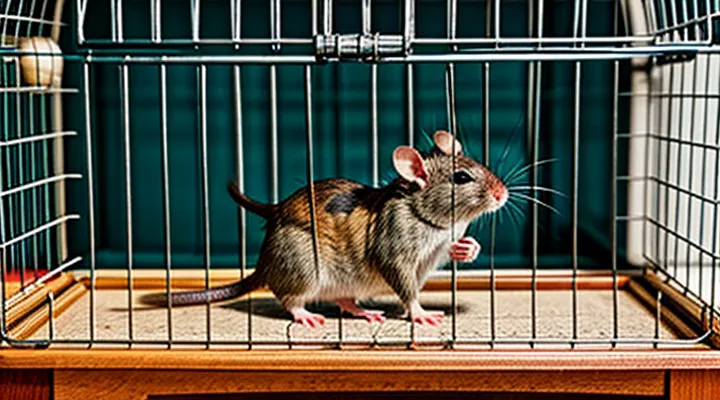
Rats possess a strong gnawing drive that originates from continuous incisor growth. The instinct to chew serves to wear down teeth, explore surroundings, and alleviate tension. When a cage lacks suitable outlets for this behavior, the animal redirects its activity toward the enclosure itself, resulting in damage.
Understanding the biological basis of this drive enables effective prevention. Providing materials that satisfy the gnawing impulse reduces the likelihood of cage destruction. Suitable items include untreated wood blocks, mineral chews, and safe plant stems. Enrichment objects that stimulate curiosity also diminish repetitive chewing on cage bars.
Practical measures aligned with innate behavior:
- Install chew‑resistant sections made of metal or hard‑plastic at high‑stress points.
- Offer a rotating selection of chewable accessories to maintain novelty.
- Ensure a balanced diet rich in fibrous components, supporting dental wear naturally.
- Arrange the cage to include tunnels, platforms, and hideouts, catering to exploratory instincts.
By matching preventive strategies to « natural instincts », cage integrity is maintained while the animal’s physiological needs are fulfilled.
Boredom and Lack of Stimulation
Boredom and lack of stimulation drive rodents to gnaw cage components, compromising safety and hygiene. When environmental variety is insufficient, rats channel excess energy into destructive behavior, targeting bars, corners, and accessories.
Effective prevention relies on three core measures:
- Provide a rotating selection of chew‑safe toys, tunnels, and hideouts to sustain interest.
- Introduce foraging opportunities, such as scattered pellets or vegetable wedges, encouraging natural exploratory activity.
- Schedule regular handling sessions and brief supervised out‑of‑cage periods to break monotony and reinforce positive interaction.
Monitoring indicators—including increased pacing, excessive grooming, and repeated attempts to escape—allows early detection of insufficient enrichment. Prompt adjustment of the enrichment program reduces cage gnawing incidents and promotes overall well‑being.
Dental Health Needs
Rats possess continuously growing incisors; insufficient wear leads to discomfort and increased gnawing behavior. Maintaining optimal dental health reduces the likelihood of enclosure damage.
Key dental health requirements include:
- A diet high in fibrous components such as timothy hay, barley, and leafy greens to promote natural tooth abrasion.
- Access to safe chew objects made from untreated wood, mineral blocks, or chew toys designed for rodents.
- Regular veterinary examinations to detect malocclusion, overgrowth, or infection early.
- Adequate calcium and phosphorus levels in food to support enamel strength.
- Clean, dry housing that prevents dental infections caused by damp bedding or mold.
Implementing these measures directly supports the objective of preventing cage gnawing. Healthy teeth diminish the animal’s motivation to seek additional wear sources, thereby protecting the enclosure and reducing maintenance demands.
Stress and Anxiety
Stress and anxiety represent primary drivers of abnormal oral activity in rodents, including the tendency to gnaw cage components. Elevated cortisol levels, disrupted circadian rhythms, and limited environmental complexity increase the probability of self‑directed chewing behavior.
Common triggers encompass overcrowding, insufficient nesting material, lack of chewable objects, and abrupt changes in lighting or handling routines. Each factor amplifies arousal states, prompting the animal to seek relief through repetitive biting of enclosure bars.
Observable signs consist of heightened vigilance, frequent vocalizations, repetitive pacing, and localized enamel wear. Physiological measurements reveal increased adrenal weight and altered heart‑rate variability, confirming heightened emotional tension.
Effective preventive measures include:
- Provision of diverse chewable substrates such as wood blocks, cardboard tubes, or mineral chews.
- Installation of enrichment items that promote exploration, for example tunnels, climbing platforms, and foraging puzzles.
- Maintenance of stable group sizes and consistent cage cleaning schedules to reduce social stress.
- Regulation of light cycles to mimic natural photoperiods, avoiding abrupt illumination changes.
- Implementation of a gradual acclimation protocol when introducing new stimuli or handling techniques.
Reducing stress and anxiety diminishes cage‑gnawing incidents, improves overall health, and enhances the reliability of experimental outcomes.
Inadequate Cage Environment
Rats resort to chewing cage components when the living space fails to meet essential physical and behavioral needs. Insufficient floor area, lack of chew‑able enrichment, and inappropriate substrate create frustration that manifests as gnawing. The behavior directly compromises cage integrity and poses health risks to the animal.
Key environmental deficiencies include:
- Floor space below the recommended minimum of 0.2 m² per adult rat, limiting movement and exploration.
- Absence of safe gnawing objects such as wooden blocks, cardboard tubes, or untreated mineral chews.
- Use of smooth, non‑porous materials (e.g., polished plastic) that provide no tactile stimulation.
- Inadequate bedding depth or unsuitable texture, preventing nest‑building and reducing comfort.
- Poor ventilation combined with high humidity, leading to dampness that encourages destructive behavior.
Remediation strategies focus on adjusting the cage environment to satisfy natural instincts. Expand the enclosure to meet size standards, incorporate a rotating selection of chew‑safe items, and replace smooth surfaces with textured alternatives such as untreated hardwood or natural fiber panels. Provide a minimum of 5 cm of absorbent, dust‑free bedding and ensure regular cleaning to maintain dry conditions. Implement a ventilation system that balances airflow without creating drafts. These measures reduce the motivation for cage chewing and promote overall well‑being.
Strategies for Prevention
Enhancing the Cage Environment
Choosing the Right Cage Material
Selecting an appropriate cage material is essential for minimizing chewing damage caused by rodents. Durable polymers such as high‑density polyethylene (HDPE) resist gnawing and are easy to clean. Metal cages made from powder‑coated stainless steel provide strength and corrosion resistance, though thin bars may still be vulnerable to persistent chewing. Acrylic panels offer visibility but are prone to scratches and may not withstand aggressive gnawing without reinforcement.
Key considerations when evaluating cage options:
- Material hardness: harder surfaces discourage incisors from making progress.
- Structural integrity: seamless construction eliminates gaps where teeth can leverage.
- Maintenance requirements: smooth, non‑porous finishes reduce bacterial buildup and simplify disinfection.
- Compatibility with accessories: ensure locks, ramps, and bedding containers can be securely attached without compromising the cage’s strength.
Prioritizing these factors leads to a cage that withstands persistent gnawing, supports animal welfare, and reduces the need for frequent replacements.
Providing Ample Space
Providing ample space within a rodent enclosure reduces stress‑induced chewing behavior. Constrained environments trigger repetitive gnawing as a coping mechanism, leading to damage of cage components. Sufficient floor area and vertical height allow natural exploration, decreasing the urge to bite bars, corners, or plastic panels.
Key dimensions and enrichment practices include:
- Minimum floor space of 0.5 sq ft per adult rat; larger groups require proportional increases.
- Vertical clearance of at least 12 inches to accommodate climbing and standing.
- Multiple platforms or ramps to create distinct zones for nesting, foraging, and exercise.
- Regular rotation of chew‑safe toys (e.g., untreated wood blocks, mineral chews) to occupy oral activity.
- Placement of bedding at a depth of 2–3 inches, providing a soft substrate for burrowing.
Adequate spatial provision directly lowers the frequency of cage gnawing, extends the lifespan of enclosure materials, and supports overall health. Implementing the outlined specifications creates an environment where rodents satisfy instinctual behaviors without resorting to destructive chewing.
Offering Diverse Enrichment
Providing a variety of enrichment items directly reduces the likelihood that a rat will gnaw its enclosure. Enrichment satisfies natural foraging, chewing, and exploratory instincts, thereby diverting attention from cage bars and corners.
Effective enrichment categories include:
- Chewable objects such as untreated wood blocks, mineral chews, and cardboard tubes.
- Foraging puzzles that conceal treats within nested compartments.
- Structural complexity added by tunnels, platforms, and climbing ladders.
- Sensory stimuli, for example scented herbs, textured fabrics, and auditory recordings of natural sounds.
Implementation requires rotating items on a weekly schedule to prevent habituation. Each item should be inspected before introduction for sharp edges or toxic residues. Placement must encourage interaction with all cage zones, ensuring that no single area becomes a focal point for destructive chewing.
Continuous observation identifies preferences and early signs of stress. Adjustments, such as introducing novel textures or increasing puzzle difficulty, maintain engagement. Documentation of enrichment rotation and observed behavior supports evidence‑based refinement of preventive strategies. «Enrichment reduces destructive behavior in laboratory rodents».
Chew Toys and Materials
Chew toys provide a practical solution for reducing a rat’s inclination to gnaw cage bars. Durable items made from hardwood, untreated wicker, or natural latex encourage appropriate chewing behavior while preserving cage integrity.
Selecting appropriate toys involves three criteria.
- Material hardness must exceed the animal’s bite force to prevent rapid wear.
- Surface texture should be rough enough to stimulate dental wear without causing injury.
- Size and shape must allow easy manipulation, supporting mental stimulation and motor coordination.
Hardwood blocks, such as maple or beech, offer long‑lasting resistance and natural aromatics that attract rodents. Wicker tunnels combine structural complexity with chewable elements, promoting exploration and reducing boredom‑driven aggression. Natural latex tubes deliver flexible resistance, encouraging continuous dental activity and limiting stress‑induced cage damage.
Maintenance practices extend toy lifespan and maintain hygiene. Regular inspection for splintering or fraying prevents secondary injuries. Cleaning with mild, unscented detergent removes odor buildup that could discourage use. Replacement schedules should align with observed wear patterns rather than fixed time intervals.
Integrating a variety of chewable materials within the enclosure distributes chewing activity across multiple objects. This distribution diminishes concentrated pressure on cage bars, thereby lowering the risk of structural compromise. The combined approach of material selection, regular inspection, and strategic placement forms an effective barrier against cage gnawing.
Hiding Spots and Tunnels
Providing rats with well‑designed hiding spots and tunnels reduces stress‑induced chewing and protects cage integrity. Enclosed areas mimic natural burrows, encouraging exploration while diverting gnawing behavior toward appropriate materials.
- Install PVC or wooden tunnels that can be rearranged to create a maze; secure connections prevent accidental collapse.
- Add opaque hideaways such as ceramic huts or fabric pouches; ensure ventilation holes are present.
- Place chew‑resistant chew toys inside tunnels; the tactile feedback satisfies the rodent’s need to gnaw.
- Rotate tunnel configurations weekly; variation maintains interest and discourages repetitive chewing on cage bars.
Materials must be non‑toxic, easy to clean, and resistant to rodent teeth. Regular inspection identifies wear and replaces damaged sections before they become chewing targets. Integrating «hiding spots» and «tunnels» into cage design creates a stimulating environment, directly contributing to the reduction of cage damage.
Climbing Structures
Climbing structures serve as a practical component of cage‑environment enrichment aimed at reducing gnawing incidents among pet rodents. By offering vertical pathways and platforms, these installations satisfy the natural instinct to explore height, thereby diverting attention from cage bars and corners that are prone to damage.
Materials selected for construction must withstand persistent nibbling. Hardened acrylic, powder‑coated metal, and untreated hardwood provide durability without releasing harmful particles. All joints should be secured with non‑toxic fasteners to prevent loose parts that could become chew targets.
Placement considerations include:
- Positioning platforms near feeding stations to encourage use during meal times.
- Aligning ladders with sturdy sidebars to create a continuous climbing route.
- Ensuring sufficient clearance between levels to avoid entrapment.
Routine inspection is essential. Caretakers should examine attachment points weekly, replace worn surfaces promptly, and rotate accessories to maintain novelty. Incorporating varied textures—rope, sisal, and textured plastic—enhances tactile stimulation, further decreasing the likelihood of bar chewing.
In summary, well‑designed climbing structures contribute to cage integrity by fulfilling behavioral needs, reducing stress‑induced gnawing, and extending the functional lifespan of enclosure components. «Climbing structures» thus represent an effective preventive measure against rodent‑induced damage.
Ensuring Proper Ventilation and Lighting
Proper airflow reduces humidity and odor buildup, conditions that encourage rodents to gnaw cage components. Adequate ventilation also prevents the development of mold and bacterial colonies, which can weaken cage material and increase chewing incidents.
Recommended ventilation practices:
- Install adjustable vents that provide a minimum air exchange of 15 cubic feet per minute per square foot of cage surface.
- Use fine‑mesh screens to exclude insects while allowing unrestricted airflow.
- Position vents away from direct drafts that could create cold spots, which may stress the animal and prompt destructive behavior.
- Conduct weekly inspections to clear dust and debris from vent openings.
Effective lighting contributes to a stable circadian rhythm, reducing stress‑induced chewing. Light intensity should mimic natural daylight, offering 300–500 lux at cage level during the active phase and a gradual dimming period of at least one hour before the rest phase. Artificial lighting must be placed to avoid glare on food and water containers.
Key lighting guidelines:
- Employ full‑spectrum LED fixtures with programmable timers.
- Maintain a consistent photoperiod of 12 hours light and 12 hours darkness, adjustable for seasonal variations.
- Ensure uniform illumination across the cage interior; shadows can create hiding spots that encourage chewing.
- Replace bulbs annually to preserve output quality and prevent heat buildup.
By integrating controlled ventilation and calibrated lighting, cage environments remain stable, minimizing the stimuli that drive rodents to damage their enclosures.
Addressing Rat Needs
Dietary Considerations
Proper nutrition directly influences a rat’s tendency to gnaw cage components. Adequate dietary composition diminishes oral restlessness, thereby reducing destructive chewing.
Balanced macronutrients are essential. Sufficient protein supports dental health; excessive protein can increase activity levels, while insufficient protein may trigger compulsive gnawing. Dietary fiber promotes gastrointestinal motility and provides natural chewing material, lessening the urge to target plastic or metal bars. Controlled fat intake prevents obesity, which can exacerbate stress‑related behaviors.
Recommended food items include:
- High‑quality rodent pellets formulated with 18–20 % protein and 4–5 % fiber.
- Fresh vegetables such as carrots, broccoli, and leafy greens, offered in small daily portions.
- Whole‑grain cereals or oats, providing additional roughage.
- Safe chewable treats like untreated wood blocks or mineral sticks, supplementing natural gnawing needs.
Feeding schedule should remain consistent, with two to three meals per day to maintain stable blood glucose levels. Sudden changes in diet or irregular feeding times increase anxiety, often manifesting as increased cage chewing.
Supplementation with calcium and vitamin D supports tooth integrity, while occasional provision of omega‑3 fatty acids can moderate inflammatory responses that contribute to irritability. Monitoring weight and adjusting portions prevents over‑ or under‑nutrition, both of which influence gnawing behavior.
Appropriate Food Choices
Providing a diet that discourages gnawing behavior is essential for maintaining cage integrity. Nutrient‑dense foods satisfy the animal’s natural chewing instincts while reducing the urge to target the enclosure.
- Fresh vegetables such as carrots, broccoli, and leafy greens deliver fiber and moisture, promoting oral activity on safe substrates.
- Whole grains like oats, barley, and quinoa supply complex carbohydrates that sustain energy without encouraging excessive chewing.
- Protein sources, including boiled egg, low‑fat cottage cheese, and lean cooked chicken, meet dietary requirements and reduce boredom‑driven gnawing.
- Commercial rodent blocks formulated with balanced vitamins and minerals offer a durable chewing option that protects the cage structure.
Foods that increase the risk of cage damage should be limited or excluded:
- Hard, dry biscuits or corn kernels that fragment easily, creating sharp pieces that rats may use to breach bars.
- High‑sugar treats that cause rapid weight gain and heightened activity, potentially leading to more aggressive chewing.
- Citrus fruits and strong‑smelling items that can irritate the nasal passages, prompting the animal to seek alternative chewing outlets.
Regular rotation of safe chewable items prevents habituation and maintains interest. Monitoring intake ensures the rat receives adequate nutrition while the enclosure remains intact.
Dental Chews and Hard Foods
Dental health products and dense food items serve as practical tools for reducing cage‑gnawing incidents among pet rats. Providing items that require substantial chewing satisfies the animal’s natural incisor activity, diverting attention from cage bars and plastic components.
Key characteristics of effective chew resources:
- Hard, low‑sugar dental sticks formulated for rodents; they promote enamel wear without excessive tartar buildup.
- Untreated wooden blocks with a diameter of at least 2 cm; the thickness ensures prolonged use before complete consumption.
- Mineral‑rich chewable pellets, such as calcium carbonate tablets, offering both nutritional benefit and resistance to rapid degradation.
- Frozen sweet potato slices; the frozen state increases hardness, extending chewing time while delivering fiber.
Integrating these items into a daily routine creates a predictable chewing schedule. Placement of chew objects near the cage’s most frequently contacted bars maximizes accessibility. Regular rotation of different textures prevents habituation, maintaining the rat’s interest and reducing the likelihood of destructive behavior.
Regular Interaction and Socialization
Regular interaction with pet rats reduces stress levels, which directly lowers the motivation to gnaw cage bars. Consistent handling familiarizes the animal with human presence, decreasing anxiety that often triggers destructive chewing.
Socialization with other rats provides mental stimulation and reinforces natural grooming and play behaviors. When a rat engages in appropriate social activities, the need to seek alternative outlets, such as cage destruction, diminishes.
Practical measures for implementing interaction and socialization:
- Daily short sessions of gentle handling, lasting 5–10 minutes, spread throughout the day.
- Introduction of a compatible companion after a quarantine period, ensuring both animals exhibit calm behavior.
- Provision of enrichment items that encourage group play, such as tunnels, chew sticks, and climbing structures.
- Rotation of interaction times to prevent habituation and maintain interest.
Monitoring the animal’s response during each session allows early detection of stress signs. Adjusting the frequency or duration of contact based on observed behavior sustains a balanced environment that discourages cage chewing.
Managing Stressors
Managing stressors is essential for reducing the likelihood that a pet rat will gnaw its enclosure. Environmental factors such as inadequate space, lack of enrichment, and excessive noise create anxiety that manifests as destructive chewing. Nutrition plays a role; diets low in fiber encourage oral activity directed toward cage bars. Health issues, including dental overgrowth or respiratory discomfort, also increase chewing behavior.
Effective mitigation includes:
- Providing a spacious cage with multiple levels and tunnels to satisfy natural exploratory instincts.
- Supplying chew‑safe materials (e.g., untreated wood blocks, mineral chews) to divert gnawing away from the cage structure.
- Maintaining a quiet, stable environment; locate the enclosure away from loud appliances and heavy foot traffic.
- Offering a balanced, high‑fiber diet to promote normal chewing patterns and prevent dental problems.
- Conducting regular health checks; address dental or respiratory conditions promptly to eliminate pain‑driven gnawing.
Implementing these measures creates a low‑stress habitat, decreasing the probability of cage damage and supporting overall well‑being.
Veterinary Check-ups
Regular veterinary examinations are essential for minimizing cage‑gnawing incidents in pet rats. Health assessments identify conditions that trigger excessive chewing, enabling timely intervention.
Key components of a rat health check‑up:
- Dental inspection: evaluation of incisors for overgrowth, malocclusion, or wear patterns.
- Nutritional review: analysis of diet composition to ensure adequate fiber and calcium levels.
- Parasite screening: detection of ecto‑ and endoparasites that cause discomfort and stress.
- Behavioral observation: assessment of activity, grooming, and signs of anxiety.
- Environmental advice: recommendations for enrichment, bedding, and cage design.
Dental problems often stimulate gnawing as rats attempt to alleviate pain. Early detection of overgrown teeth reduces the need for self‑induced chewing. Nutritional imbalances can increase oral compulsions; balanced diets diminish such urges. Parasite infestations provoke irritation, leading to heightened cage interaction. Behavioral stress, reflected in repetitive gnawing, is mitigated by routine health monitoring and appropriate enrichment.
Schedule examinations at least every three months for young adults and biannually for mature rats. Prompt follow‑up after any abnormal findings ensures corrective measures are implemented before gnawing behavior escalates. Regular veterinary oversight therefore serves as a proactive strategy to prevent cage damage and promote overall well‑being.
Modifying Chewing Behavior
Deterrents and Repellents
Rats that gnaw cage bars compromise animal safety and increase maintenance costs. Effective deterrents and repellents address the behavior directly, reducing damage without harmful side effects.
- Physical barriers: stainless‑steel mesh, reinforced corners, and chew‑resistant plastics block incisors and limit access to vulnerable sections.
- Environmental enrichment: chew toys, nesting material, and rotating objects satisfy gnawing instincts, diverting activity away from cage structures.
- Cage design modifications: rounded edges, seamless joints, and tight fittings eliminate gaps that encourage gnawing.
Chemical repellents complement mechanical solutions. Bitter agents such as denatonium benzoate create an unpleasant taste on metal and plastic surfaces. Essential oils—peppermint, eucalyptus, and clove—exhibit volatile compounds that rats find aversive; regular reapplication maintains efficacy. Commercial sprays formulated for rodent control combine these ingredients with safe carriers, allowing targeted application on cage components.
Implementation guidelines ensure sustained results. Alternate deterrent types to prevent habituation; monitor cage condition weekly for early signs of wear; maintain strict sanitation to eliminate food residues that attract rodents. When applying repellents, follow manufacturer dosage recommendations and verify compatibility with animal species housed in the enclosure.
Introducing Alternative Chew Objects
Providing safe chew alternatives reduces the likelihood that rodents damage enclosure components. Materials must be non‑toxic, durable, and attractive to gnawing behavior.
Recommended items include:
- Untreated hardwood blocks, such as maple or oak, offering dense fibers that withstand repeated bites.
- Natural mineral chews, for example calcium carbonate sticks, supplying dietary supplementation while satisfying oral urges.
- Commercially available chew toys made from compressed plant fibers, designed to fragment slowly and maintain structural integrity.
- Untreated sisal rope, twisted tightly, delivering texture that encourages gnawing without posing ingestion hazards.
- Food‑grade silicone tubes, hollowed to allow occasional treat placement, combining durability with enrichment potential.
Selection criteria emphasize cleanliness, absence of chemical additives, and compatibility with cage cleaning protocols. Rotating objects every two to three weeks prevents habituation and promotes continual engagement. Monitoring bite marks confirms effectiveness; significant reduction in cage damage indicates successful implementation.
Positive Reinforcement
Positive reinforcement involves delivering a desirable stimulus immediately after a rat exhibits a non‑destructive behavior, thereby increasing the likelihood of that behavior recurring. In cage‑maintenance programs, the technique shifts the animal’s focus from gnawing to performing actions that earn rewards such as preferred foods or enrichment items.
Applying this method reduces cage damage by satisfying the rat’s natural urge to gnaw through alternative, acceptable objects. Reward‑based training replaces harmful chewing with constructive activities, leading to a measurable decline in material wear.
Implementation steps:
- Identify a high‑value reward (e.g., a small piece of fruit, a seed mix) that the rat readily accepts.
- Introduce a chew‑safe material (untreated wood blocks, mineral chews) within the cage.
- Observe the rat’s interaction; when it selects the safe chew, deliver the reward within a few seconds.
- Gradually increase the interval between the desired chew and the reward, maintaining consistency.
- Phase out the reward once the rat reliably chooses the safe material, while keeping the chew‑safe items available.
Consistent application of this approach creates a clear association between non‑destructive chewing and positive outcomes, effectively mitigating cage damage.
When to Seek Professional Help
Rats that consistently gnaw cage bars or corners may be signaling underlying health or environmental issues. Persistent damage despite adequate enrichment, sudden escalation in chewing intensity, or signs of stress such as excessive vocalization, loss of appetite, or abnormal grooming warrant immediate veterinary evaluation. These indicators suggest that simple preventive measures may no longer suffice.
Key situations that require expert intervention include:
- Rapid weight loss or failure to thrive despite proper diet.
- Visible injuries to teeth, paws, or skin caused by aggressive chewing.
- Unusual behavior patterns, such as aggression toward handlers or other cage mates.
- Persistent escape attempts or repeated cage breach attempts after corrective actions.
When any of these conditions appear, contact a qualified veterinarian or a certified small‑animal behavior specialist. Early professional assessment can prevent further damage to the enclosure, safeguard the animal’s health, and provide tailored strategies for long‑term management. The timely involvement of experts ensures that underlying problems are identified and addressed before they compromise the rat’s welfare.